17 Book Series Kids Swapped on the Playground
Before smartphones and digital entertainment took over childhood, kids had a different kind of social currency: paperback books. The school playground became an unofficial library where worn copies of beloved series changed hands faster than trading cards.
These dog-eared treasures were passed around with the enthusiasm usually reserved for contraband candy. Here is a list of 17 book series that turned every recess into an impromptu book exchange.
Goosebumps
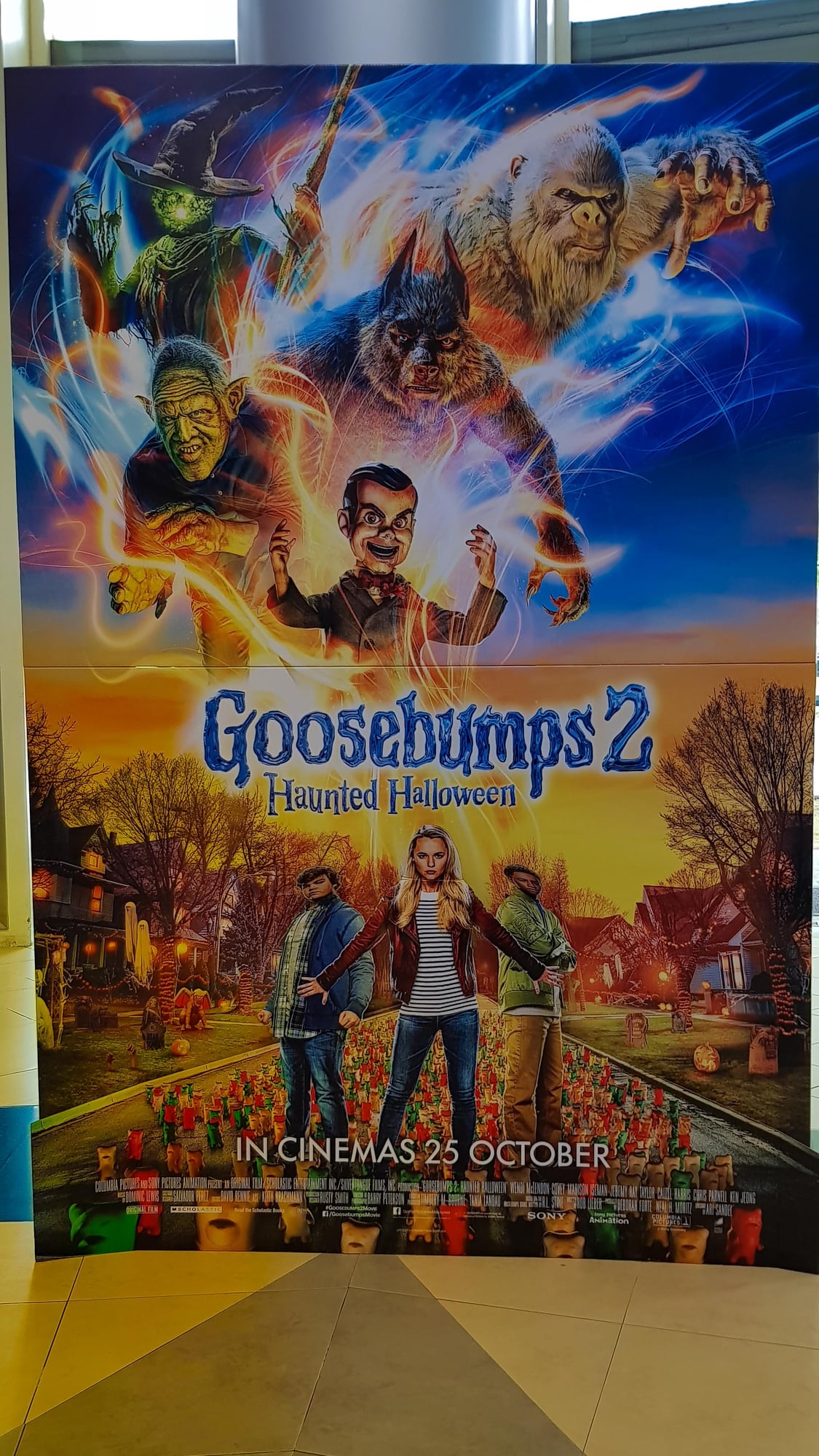
R.L. Stine’s horror series for kids was absolute playground gold in the 1990s. Every new Goosebumps book that hit the shelves would make its way through entire classrooms within weeks, with kids competing to see who could handle the scariest stories.
The holographic covers made them even more coveted, and owning a complete set was like having a treasure chest that everyone wanted to raid.
The Baby-Sitters Club

Ann M. Martin’s series about teenage entrepreneurs created a trading frenzy among elementary and middle school students. Kids would swap books to follow their favorite characters, whether it was responsible Kristy, artistic Claudia, or shy Mary Anne.
The series had so many books that completing a collection required serious playground networking and strategic trades.
Like Go2Tutors’s content? Follow us on MSN.
Sweet Valley High
These books about identical twins Jessica and Elizabeth Wakefield were passed around like teenage soap opera episodes in paperback form. Kids loved the drama, romance, and the fantasy of California high school life that seemed impossibly glamorous.
Each book was a quick read, making them perfect for swapping and devouring during lunch breaks and study halls.
Encyclopedia Brown

Donald Sobol’s boy detective series turned every reader into a wannabe sleuth trying to solve mysteries alongside Leroy ‘Encyclopedia’ Brown. Kids would trade these books specifically to test each other with the puzzles at the end of each story.
The interactive element made them perfect conversation starters, with kids debating solutions during recess.
The Hardy Boys
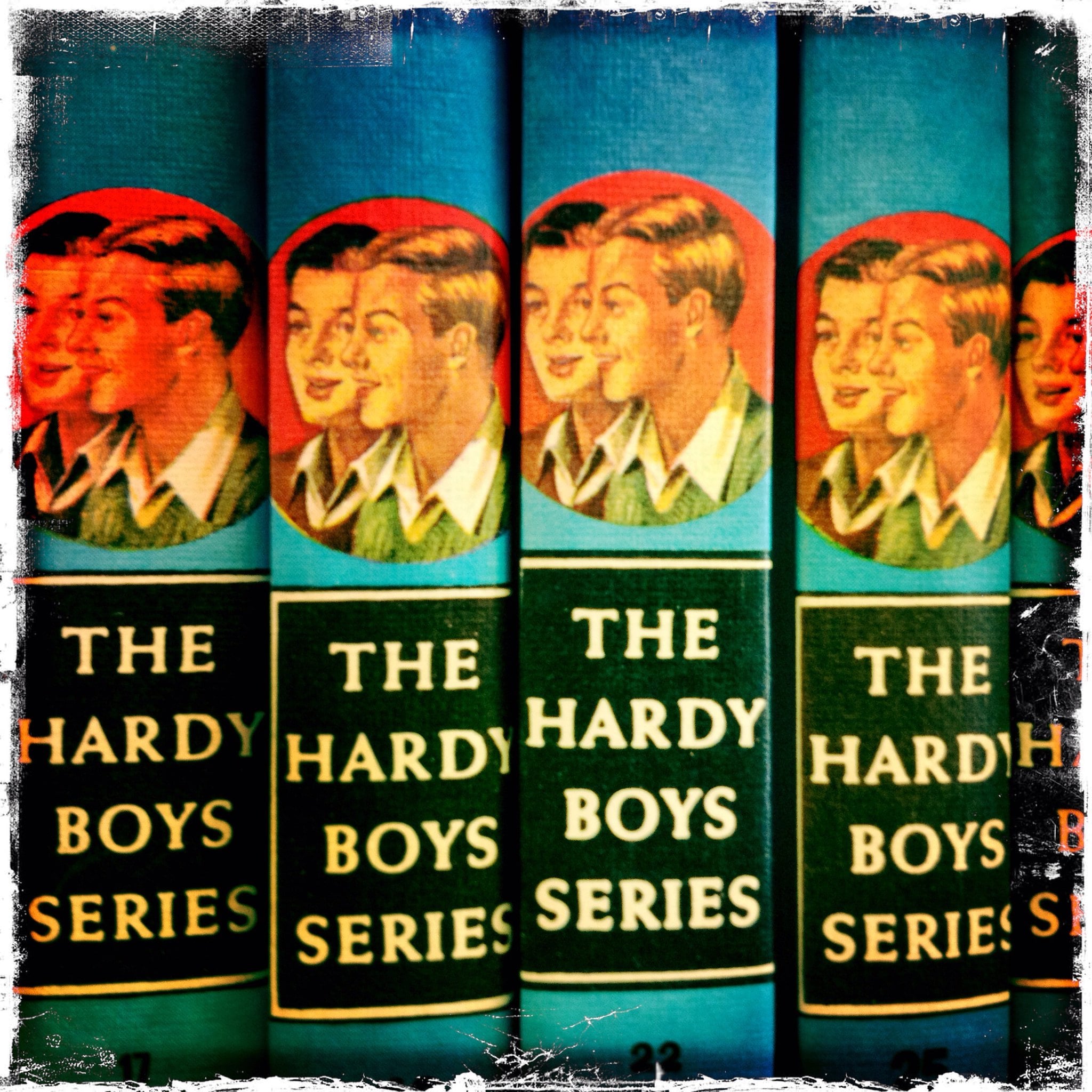
Franklin W. Dixon’s mystery series about teenage brothers Frank and Joe Hardy had been around for decades by the time playground trading became popular. The blue hardcover spines were instantly recognizable, and kids would hunt for specific numbers to fill gaps in their collections.
These books appealed to both mystery lovers and adventure seekers.
Like Go2Tutors’s content? Follow us on MSN.
Nancy Drew
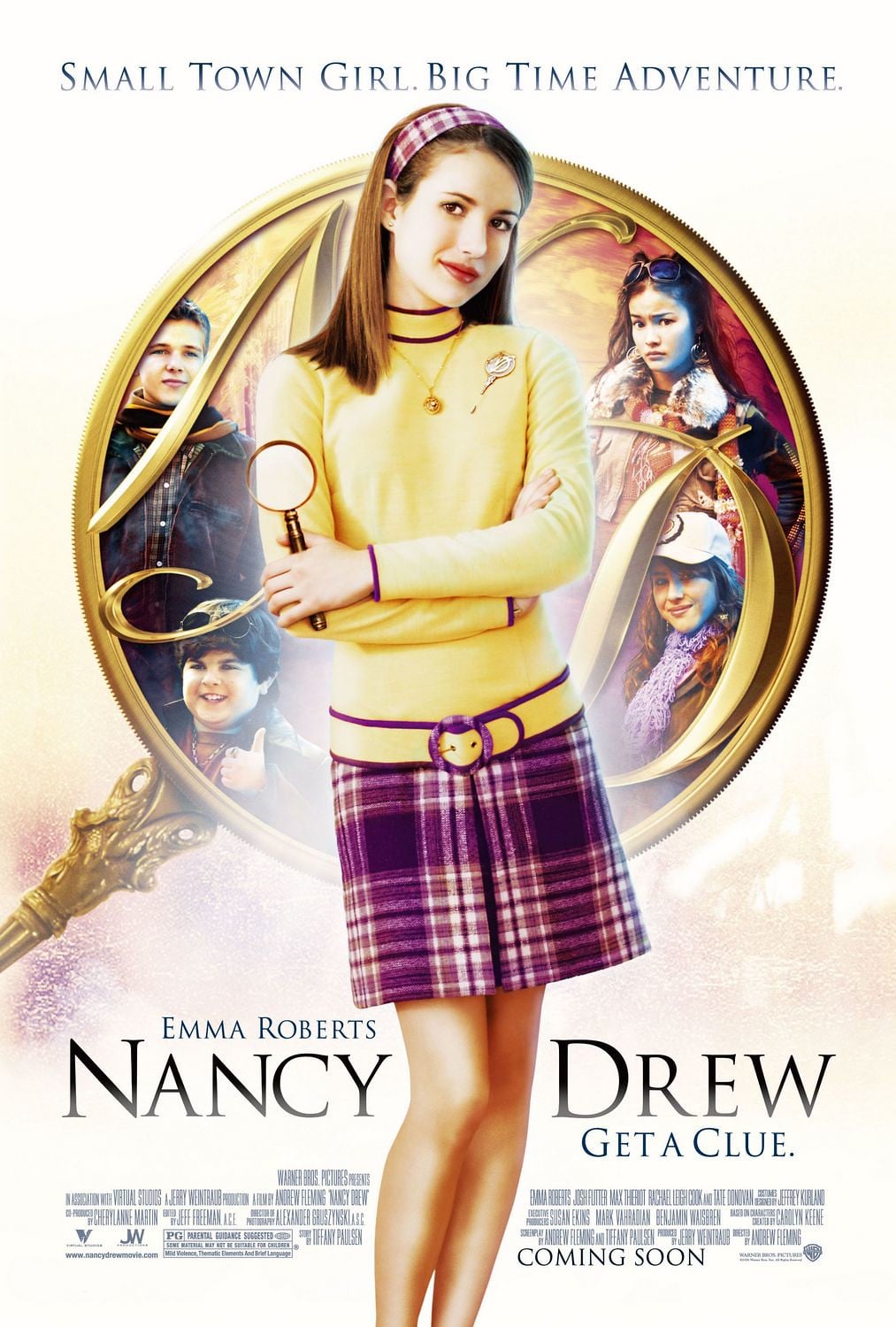
Carolyn Keene’s teenage detective series was the Hardy Boys’ counterpart and equally popular among young readers. The yellow hardcover books with their iconic silhouette covers were easy to spot across a crowded cafeteria.
Kids would trade these to follow Nancy’s adventures, and many readers collected both Nancy Drew and Hardy Boys books.
Choose Your Own Adventure

These interactive books which readers made decisions that determined the story’s outcome, were revolutionary for playground culture. Kids would swap them to experience different storylines and compare the various endings they’d discovered.
The format made every book rereadable, increasing their trading value significantly.
The Boxcar Children

Gertrude Chandler Warner’s series about four orphaned siblings living independently captured imaginations and spawned countless trades. Kids loved the idea of the Alden children’s self-sufficient lifestyle and their mystery-solving adventures.
The series combined family dynamics with adventure, making it appealing to a wide range of young readers.
Like Go2Tutors’s content? Follow us on MSN.
American Girl

The historical fiction series accompanying the popular dolls became serious playground currency, especially among girls who collected both books and dolls. Each character’s series of six books was highly sought after, and kids would trade to complete their favorite character’s story.
The books were more expensive than typical paperbacks, making them valuable trading commodities.
Animorphs

K.A. Applegate’s science fiction series about teenagers who could transform into animals was darker and more complex than many children’s books. The distinctive covers showing human-to-animal transformations made them instantly recognizable, and kids would eagerly trade to follow the ongoing war against alien invaders.
The series tackled serious themes while maintaining the action that kept young readers hooked.
Fear Street
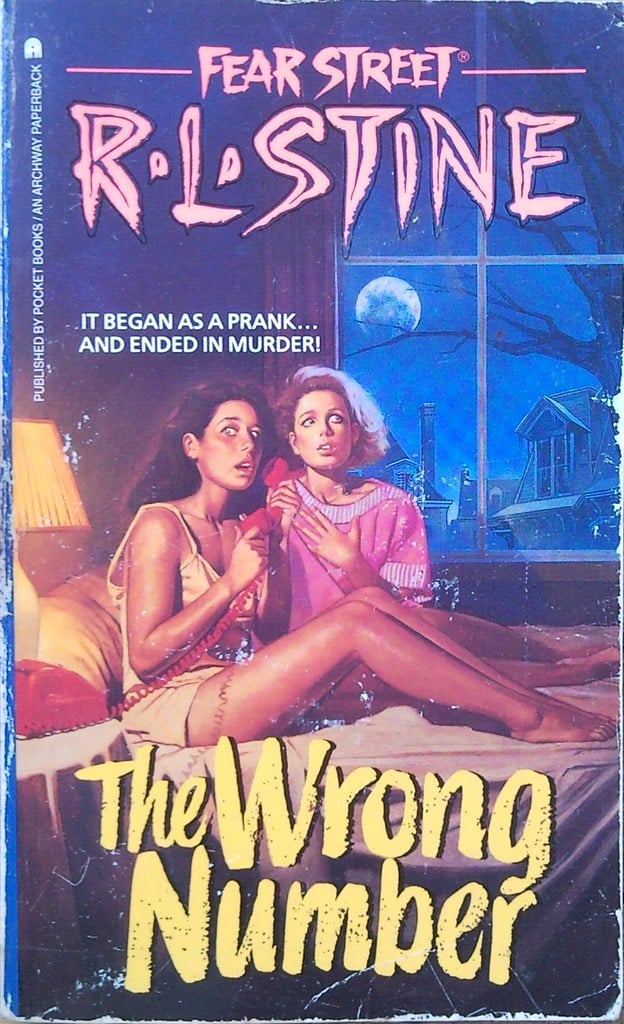
R.L. Stine’s series for older kids was like Goosebumps’ edgier sibling, dealing with more mature horror themes. These books were hot commodities among middle schoolers who wanted something scarier than elementary horror.
The red covers and creepy titles made them stand out, and owning Fear Street books gave kids a certain social status.
Like Go2Tutors’s content? Follow us on MSN.
The Saddle Club

Bonnie Bryant’s series about three horse-loving girls was incredibly popular among young equestrians and wannabe riders. Kids would swap these books to follow the adventures of Stevie, Carole, and Lisa at Pine Hollow Stables.
The series combined friendship, horses, and adventure in a way that kept readers coming back for more.
The Magic Tree House

Mary Pope Osborne’s series about siblings Jack and Annie traveling through time was perfect for younger readers transitioning to chapter books. The short length made them quick reads that could be finished and traded within days.
Parents approved of the educational content, while kids loved the adventure and fantasy elements.
Judy Blume Books

While not a series per se, Judy Blume’s individual novels were traded with the intensity usually reserved for collectible cards. Books like ‘Are You There God? It’s Me, Margaret’ and ‘Tales of a Fourth Grade Nothing’ dealt with real childhood issues that resonated deeply with young readers.
These books were often passed down from older siblings or friends who’d outgrown them.
Like Go2Tutors’s content? Follow us on MSN.
The Chronicles of Narnia

C.S. Lewis’s fantasy series required strategic trading since most kids wanted to read them in order, starting with ‘The Lion, the Witch and the Wardrobe.’ The seven-book series was substantial enough that completing it required multiple trades and careful planning.
These books had staying power, remaining popular across different generations of playground traders.
Matt Christopher Sports Books

These sports-themed novels were especially popular among young athletes who saw themselves in the characters facing challenges both on and off the field. Kids would trade these books based on their favorite sports, whether it was basketball, football, or hockey.
The books combined sports action with life lessons, making them appealing to both kids and parents.
Captain Underpants
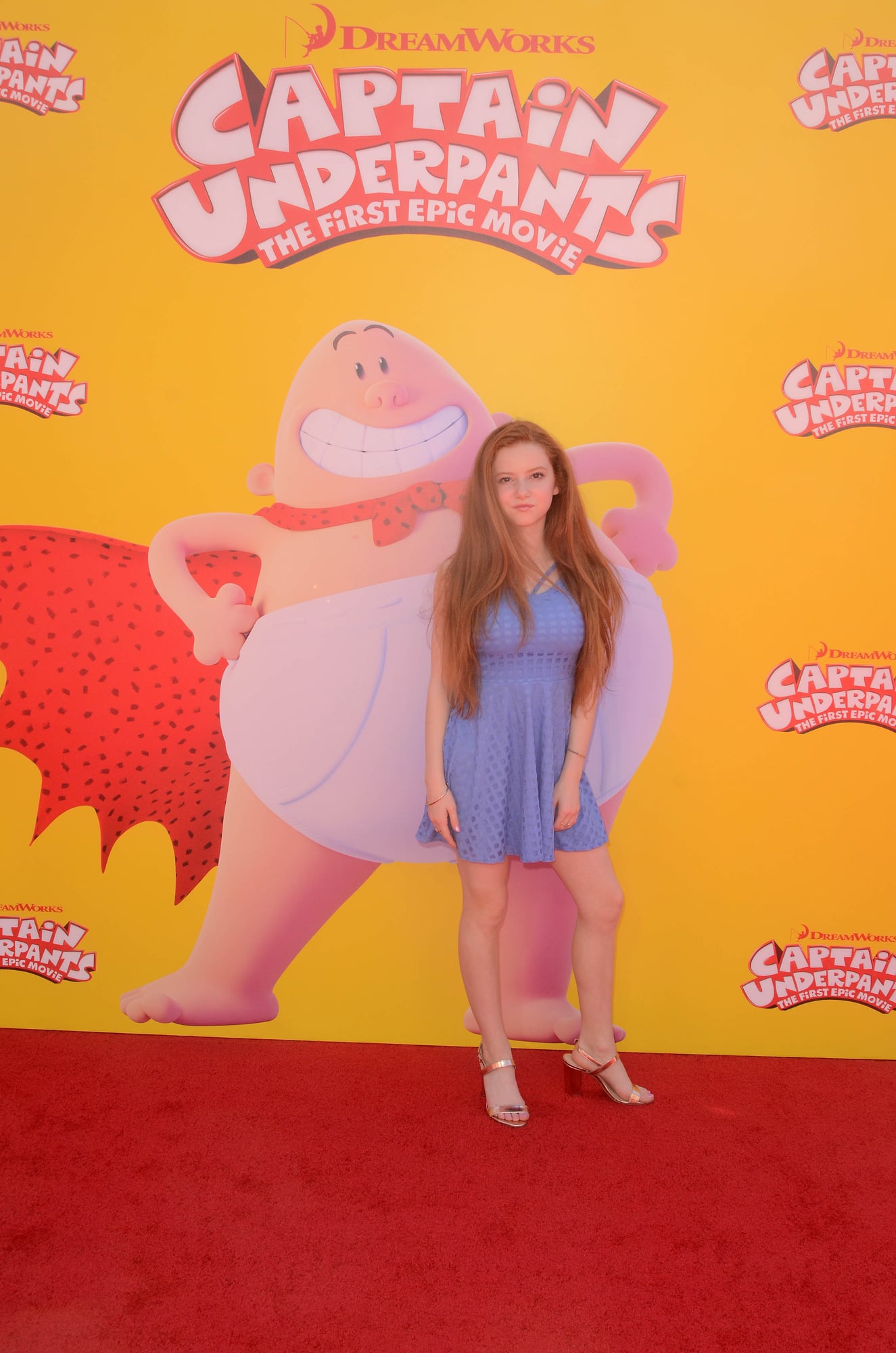
Dav Pilkey’s irreverent series about a superhero principal was like comedy gold on the playground. Kids would share these books to laugh together at the silly humor and flip-o-rama action sequences.
The comic book style and bathroom humor made them instant hits, though some schools banned them, which only increased their underground trading value.
Like Go2Tutors’s content? Follow us on MSN.
The Currency of Imagination

These book series created a unique economy where stories were the most valuable commodity, and every kid was both a collector and a dealer. The playground book trade taught children about sharing, negotiation, and the joy of discovering new stories through recommendations from friends.
In an era before instant digital access, these physical books-built communities of young readers who understood that a good story shared was a good story doubled.
More from Go2Tutors!

- 18 Unexpectedly Valuable Collectibles You Might Have Lying Around
- 20 Little-Known Historical Battles That Had Huge Consequences
- 20 Historical Artifacts That Scientists Can’t Explain
- 15 Inventions That Were Immediately Banned After Being Created
- 20 Actors Who Were Almost Cast in Iconic Roles
Like Go2Tutors’s content? Follow us on MSN.



