Deepest Caves Explored by Man
Some places on Earth remain completely untouched by sunlight. Deep beneath the surface, these caves stretch down thousands of feet, forming complex networks that took millions of years to carve out.
Exploring them requires specialized equipment, years of training, and a willingness to squeeze through tight passages where one wrong move can mean disaster.
Veryovkina Cave: The Deepest Point Ever Reached
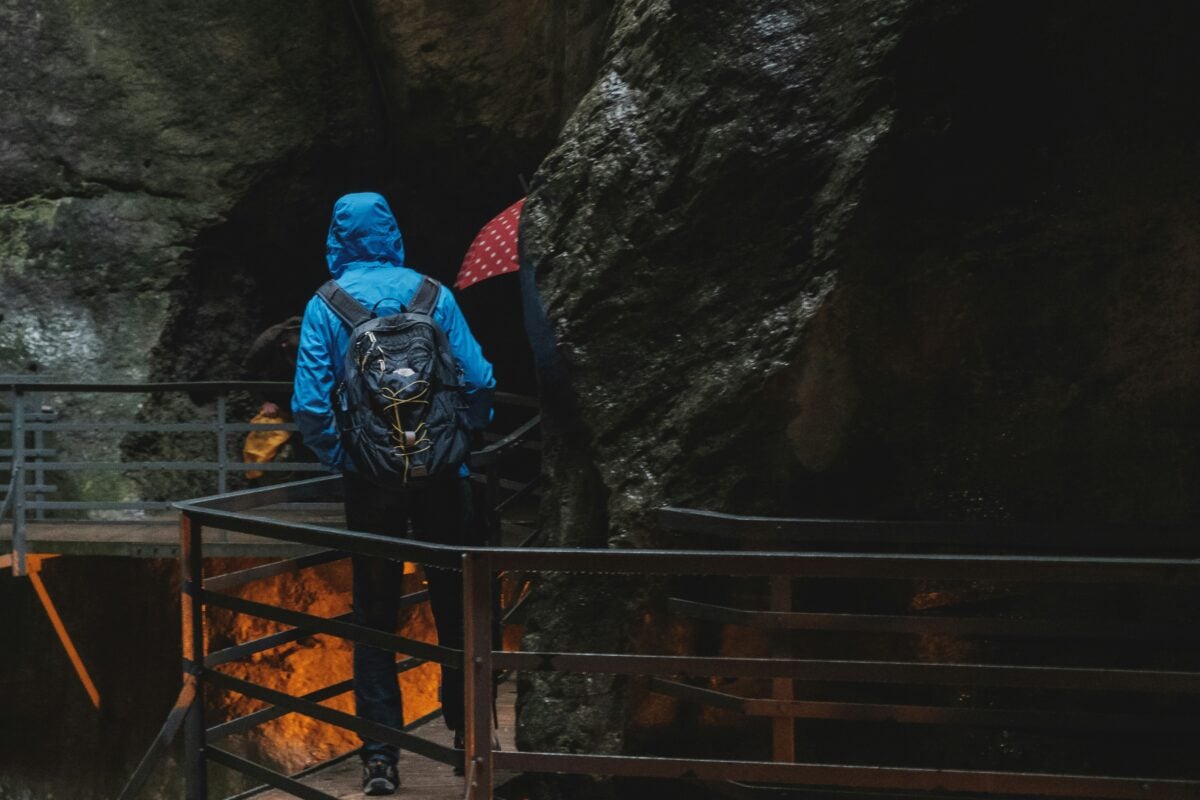
Veryovkina Cave in Georgia holds the record at 2,212 meters deep. That’s over 7,200 feet straight down into the Earth.
Russian explorers discovered it in 1968, but they didn’t reach the bottom until 2018—fifty years of expeditions to finally hit that terminal sump. The journey down takes weeks.
You can’t just rappel to the bottom and climb back up. Teams set up underground camps, hauling supplies through narrow passages and vertical drops.
The deepest sections flood with water, forcing divers to navigate submerged tunnels where the ceiling disappears into darkness. Temperature stays constant around 45 degrees Fahrenheit.
Humidity approaches 100 percent. Your gear stays damp the entire time, and the weight of the mountain presses down from every direction.
Krubera-Voronja Cave: The First to Break 2,000 Meters
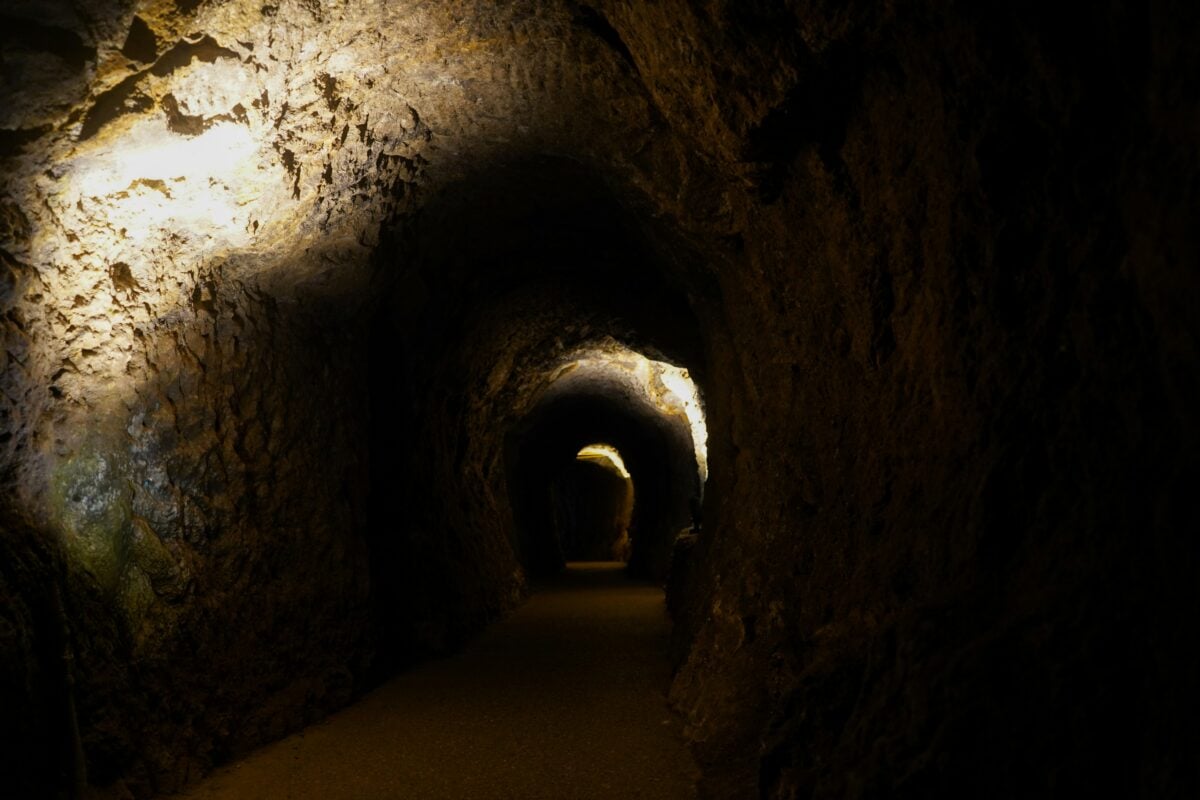
Before Veryovkina took the title, Krubera-Voronja Cave held the record. This Georgian cave reaches 2,197 meters deep.
Explorers spent decades pushing deeper, finally breaking the 2,000-meter barrier in 2004. The cave earned its reputation through difficulty rather than just depth.
Multiple vertical shafts require rope work, and underground rivers complicate the descent. Some sections demand cave diving skills, while others force you to crawl through spaces barely wider than your shoulders.
Sarma Cave: Racing Through Underground Rivers
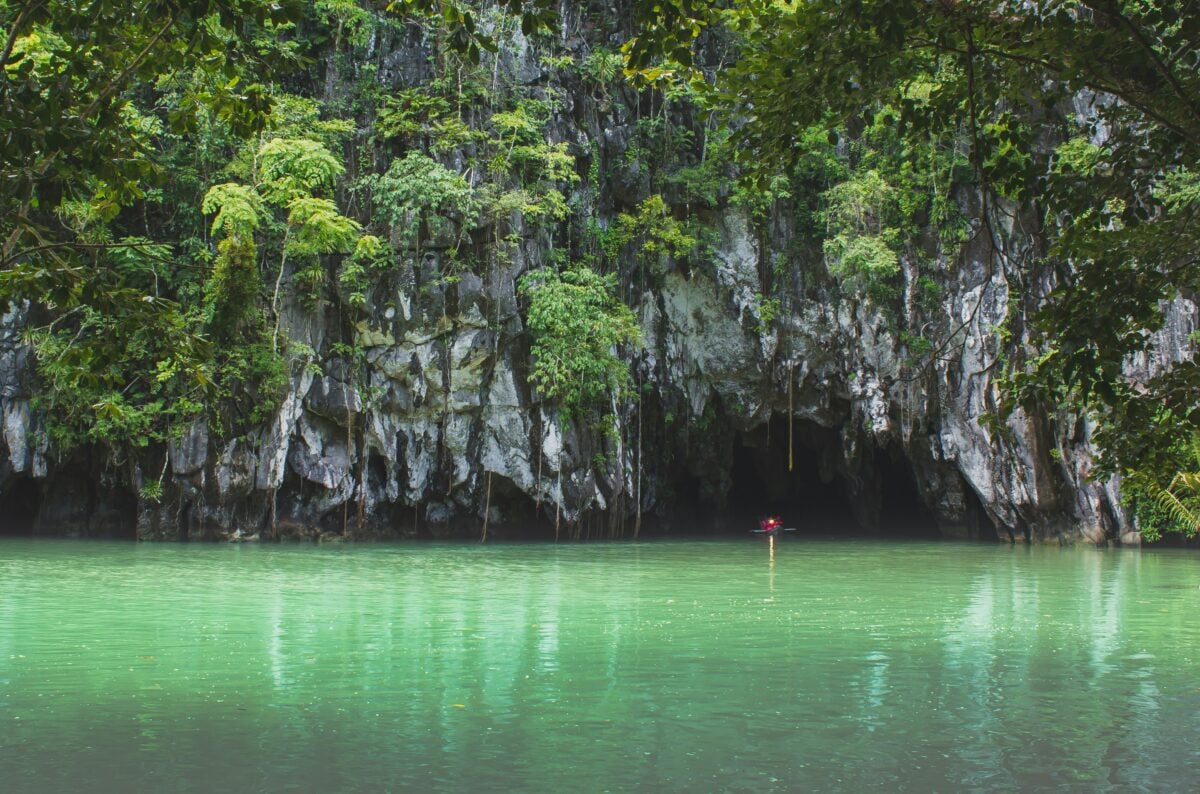
Sarma Cave drops 1,830 meters into the Caucasus Mountains. What makes this one particularly challenging is the water.
Underground rivers flow through major sections, and during spring melt, the passages flood completely. Explorers have a narrow window each year when conditions allow safe descent.
The cave changes dramatically with the seasons. Routes accessible in August become raging torrents by October.
Teams have gotten trapped by sudden water surges, forced to wait days in underground chambers for levels to drop.
Snezhnaja Cave: A Network of Frozen Passages
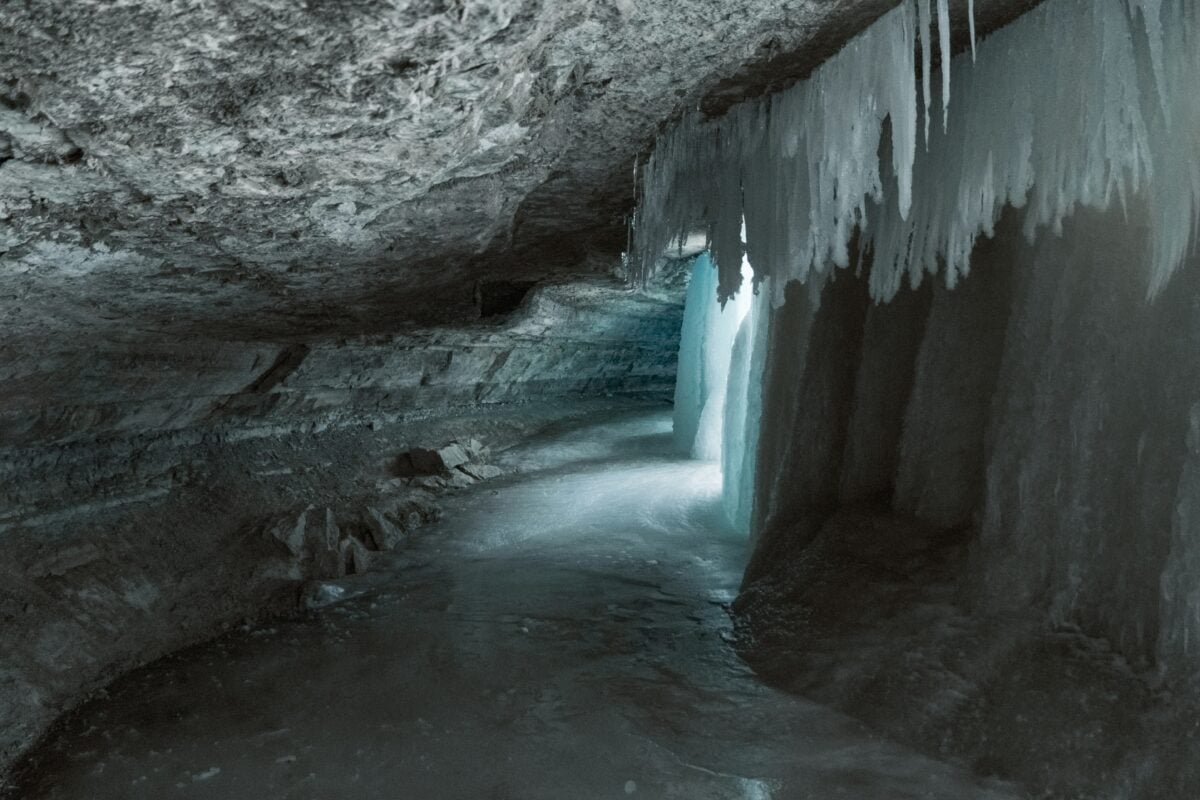
Snezhnaja means “snowy” in Russian, and the name fits. This 1,760-meter cave in Georgia maintains temperatures cold enough to form ice year-round.
Explorers navigate frozen waterfalls and icy passages that require ice axes and crampons—gear you normally associate with mountain climbing, not caving. The cave system connects to multiple other caves, creating a massive underground network.
Some passages stretch for miles, and new sections get discovered regularly. The complexity means even experienced teams can spend hours finding the right route through intersecting tunnels.
Lamprechtsofen Cave: Hidden Beneath Austrian Mountains
Austria’s Lamprechtsofen reaches 1,735 meters, making it the deepest cave in Western Europe. The entrance sits in a vertical cliff face, accessible only by climbing or rappelling from above.
Once inside, the cave opens into enormous chambers before narrowing into passages that test every explorer’s nerve. Historical records mention the cave as far back as the 15th century, but serious exploration didn’t start until the 1970s.
Modern teams still find new passages, suggesting the bottom might extend even deeper than current measurements show.
Gouffre Mirolda: France’s Underground Giant
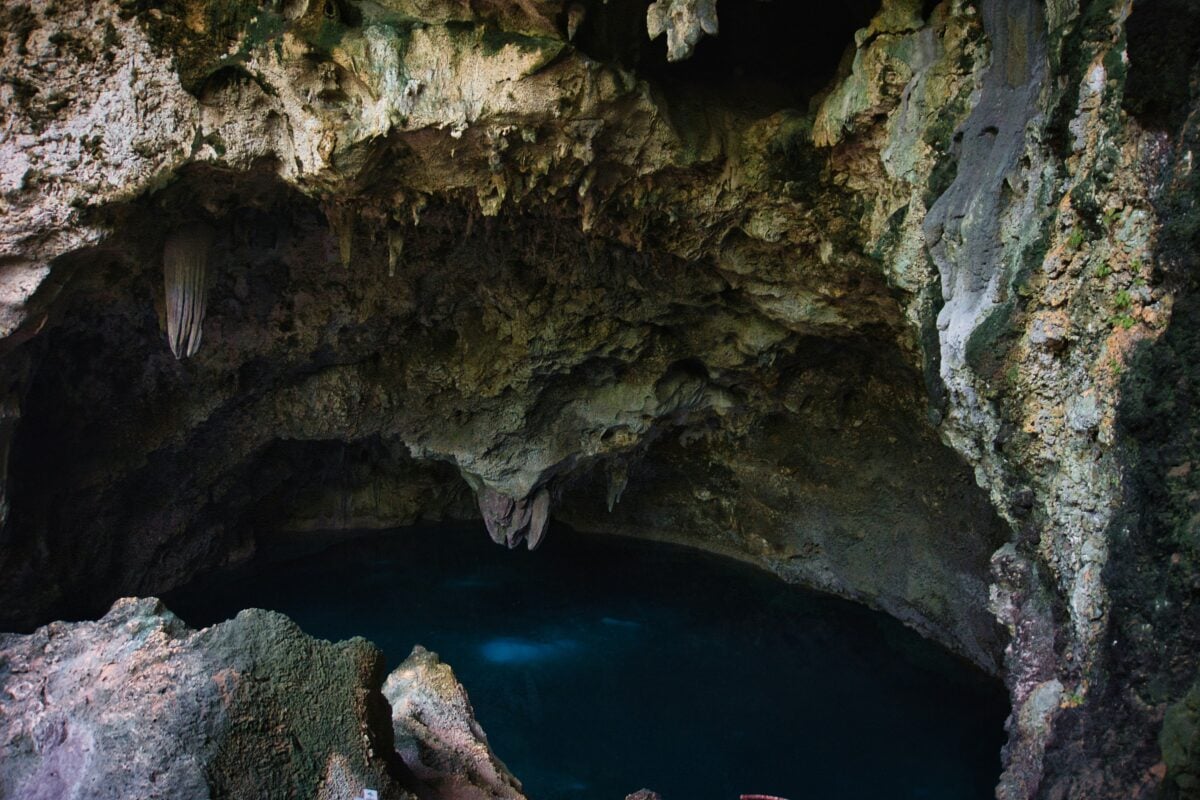
France’s Gouffre Mirolda drops 1,733 meters beneath the Alps. The entrance looks unremarkable—just a small opening in the limestone.
But below, the cave expands into some of the largest underground chambers in Europe. One room measures over 100 meters high.
Standing at the bottom with your headlamp aimed up, the ceiling disappears into darkness. The acoustic properties create strange echoes that distort sound, making communication difficult during group descents.
Illjuzia-Mezhonnogo-Snezhnaja: A Connected System
This Georgian cave system reaches 1,753 meters through multiple connected entrances. Explorers discovered that three separate caves actually joined deep underground, creating one massive network.
The name combines all three original cave names because nobody could agree which one deserved priority. Navigation gets complicated when multiple routes lead to the same chambers.
Teams mark their paths carefully, but the sheer size means getting lost remains a real risk. Some sections haven’t been fully mapped yet.
Sistema Huautla: Mexico’s Deepest
Mexico’s Sistema Huautla extends 1,560 meters down through limestone formations. The tropical location means dealing with different challenges than European caves face.
High humidity combines with heat, and the risk of flooding increases during the rainy season. The cave contains some of the most beautiful formations found anywhere underground.
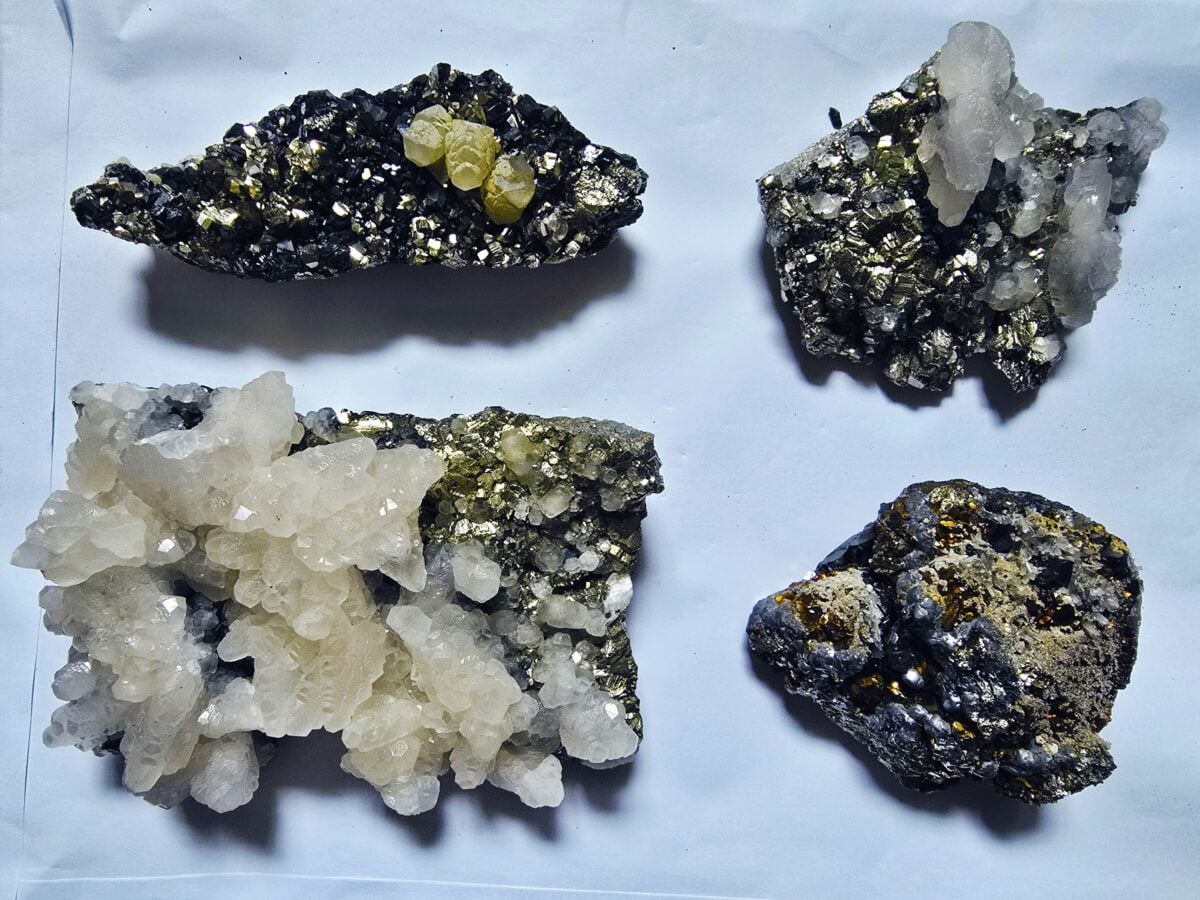
Calcite crystals grow in massive clusters, and flowstone formations create frozen waterfalls of rock. But admiring them takes a back seat to safety when water levels start rising.
Sistema del Trave: Spain’s Hidden Depths
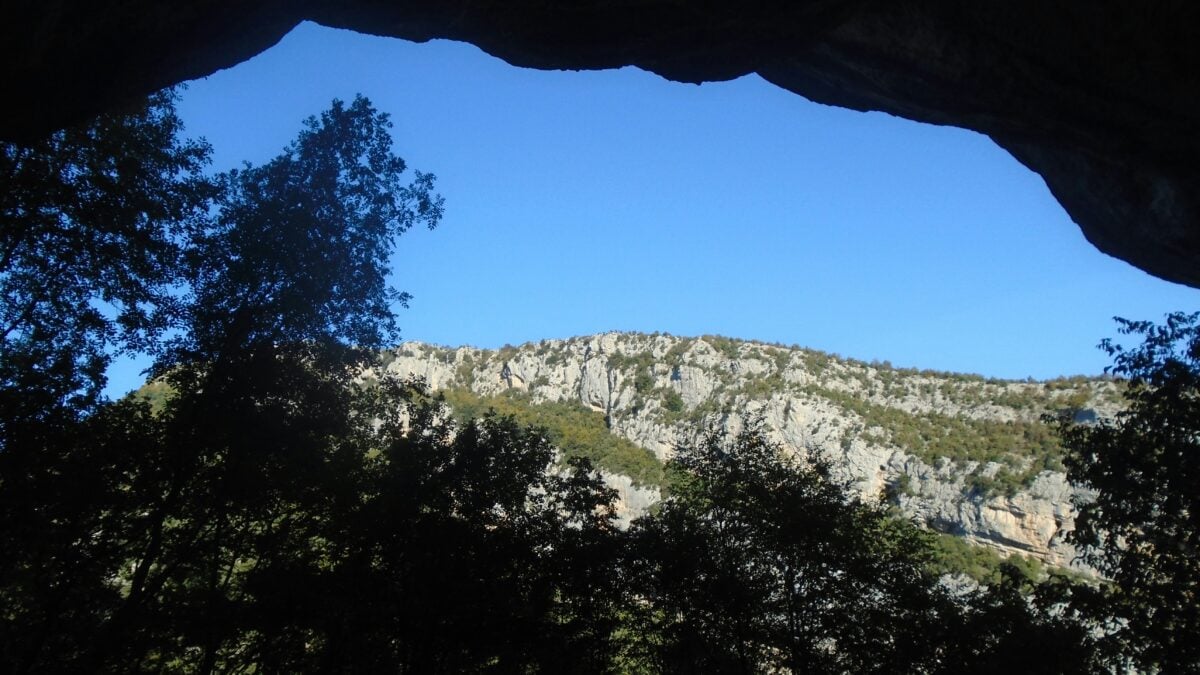
Sistema del Trave in Spain reaches 1,441 meters. The entrance sits high in the Cantabrian Mountains, requiring a challenging hike just to begin the descent.
Inside, the cave follows an old underground river system, with carved passages showing the power of water over geological time. Winter conditions make access impossible.
Snow blocks the entrance, and avalanche risk prevents any attempt to reach the cave. Teams plan expeditions for summer months, but even then, weather can trap explorers underground for days.
Reseau Jean Bernard: Pioneer of Deep Exploration
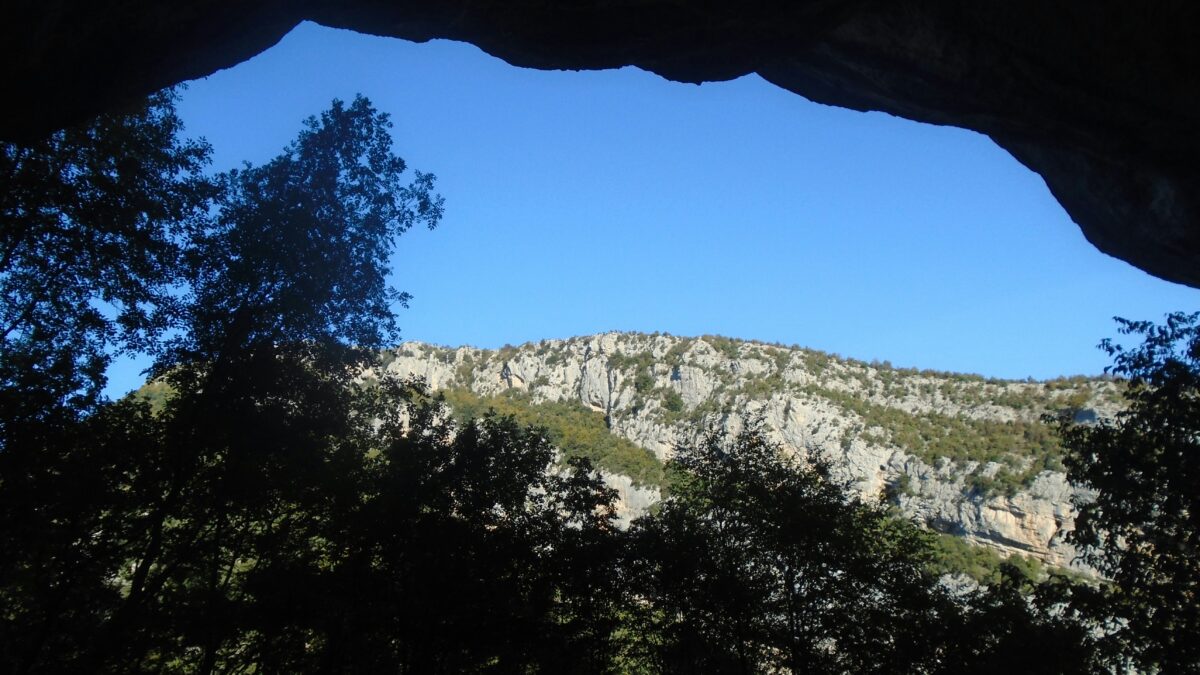
France’s Reseau Jean Bernard drops 1,602 meters and holds historical significance beyond its depth. This cave served as a testing ground for many techniques now standard in deep cave exploration.
Teams here pioneered better rope systems, improved communication methods, and safer camping setups for multi-day underground expeditions. The cave remains active for exploration and training.
New cavers often cut their teeth here before attempting deeper systems, learning essential skills in a relatively well-known environment.
Torca del Cerro: Spain’s Vertical Challenge
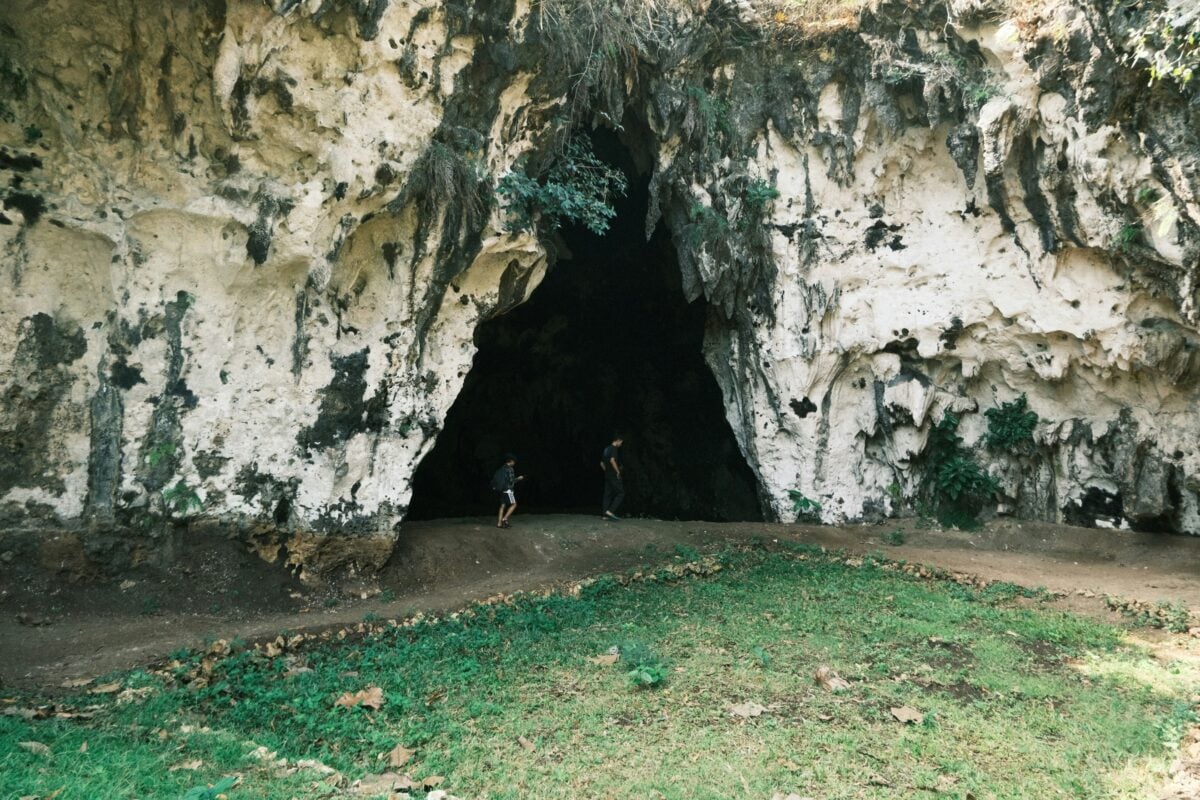
Torca del Cerro reaches 1,589 meters with some of the most dramatic vertical drops found in any cave. One shaft plunges over 400 meters straight down—that’s taller than the Empire State Building.
Rappelling takes hours, and the climb back up requires good physical conditioning and mental toughness. The cave sees fewer expeditions than others on this list simply because of the technical difficulty.
You need expert rope skills and the endurance to handle multiple long vertical sections in a single trip.
Sima de la Cornisa: Getting Lost in the Depths
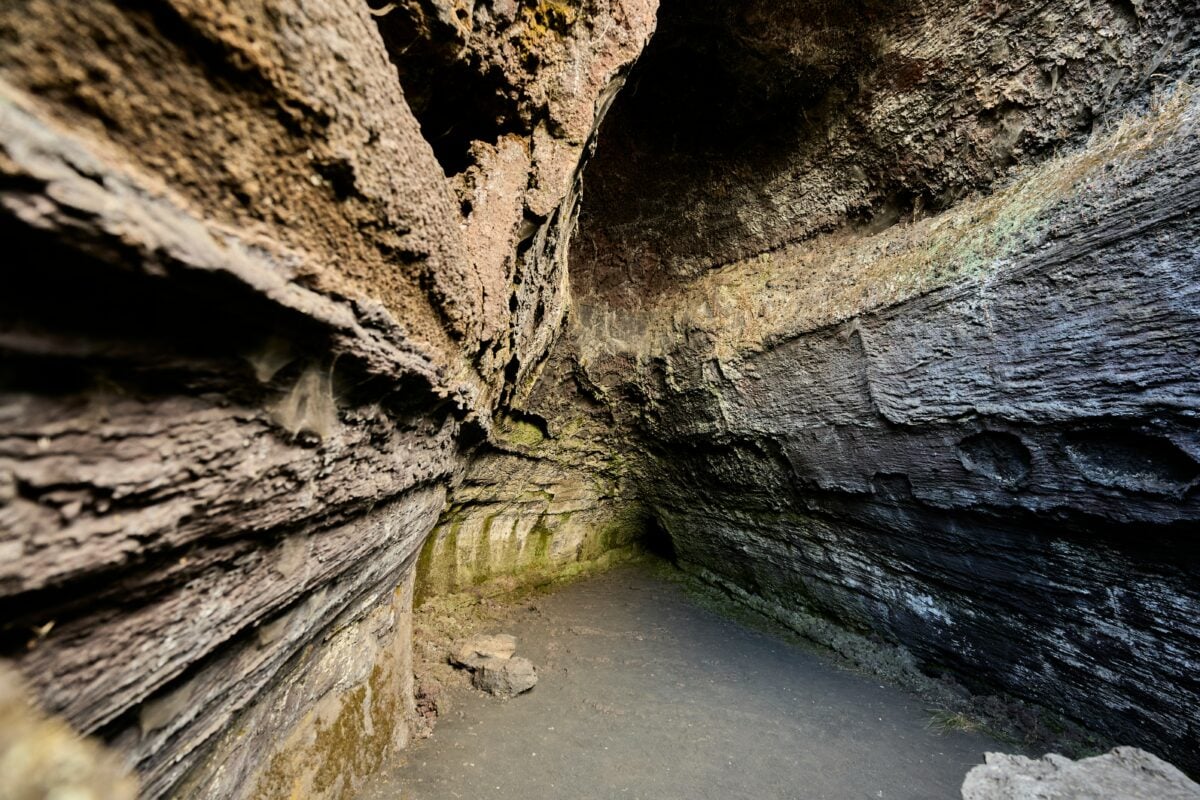
Spain’s Sima de la Cornisa extends 1,507 meters through a maze of passages. The cave earned a reputation for complexity rather than difficulty.
Routes twist and turn, with similar-looking chambers that make navigation tricky. Even experienced teams have spent extra days underground retracing their steps to find the correct path.
The rock quality varies throughout the descent. Some sections feature solid limestone, while others crumble easily, creating loose rock hazards.
Teams move carefully, testing each handhold before committing their weight.
Lukina Jama: The Cave That Keeps Growing
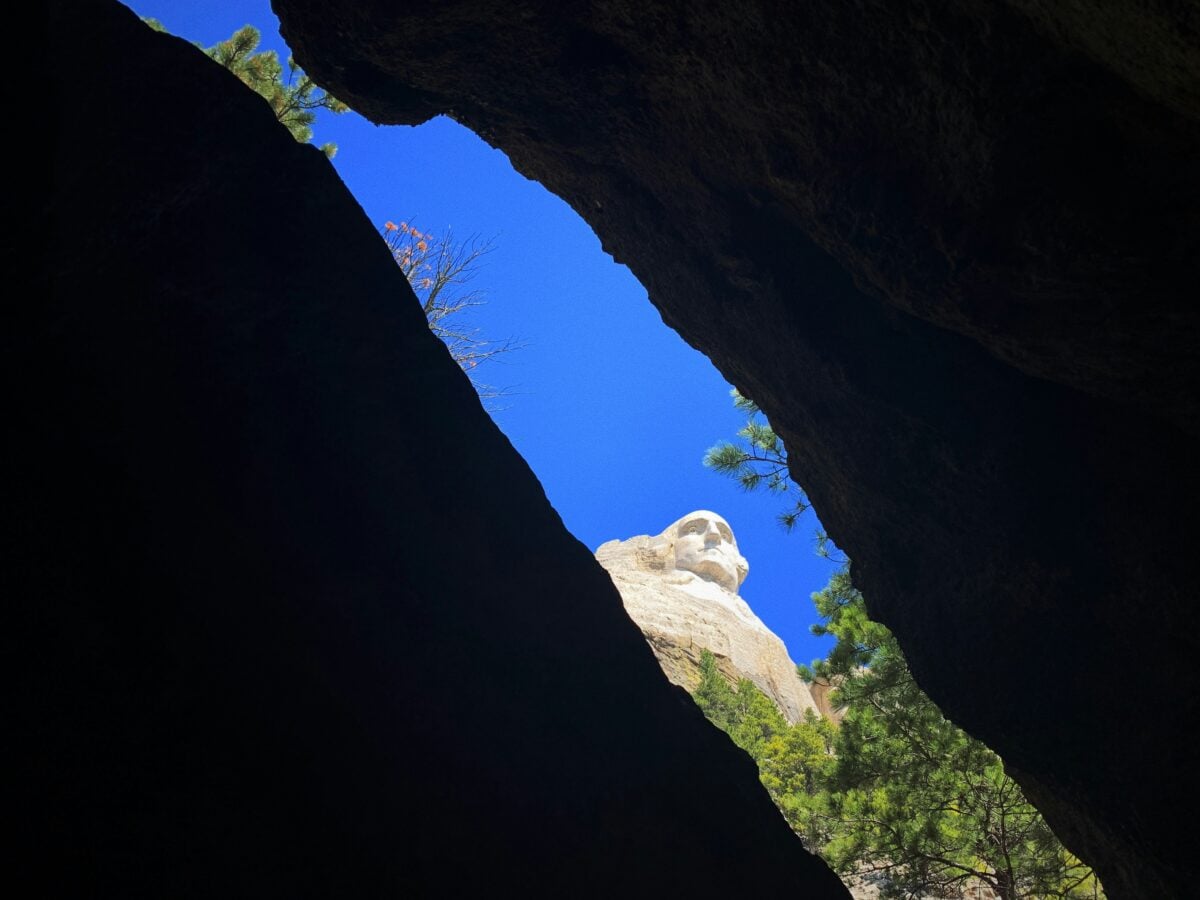
Croatia’s Lukina Jama reaches 1,431 meters, but exploration continues. Each expedition seems to find new passages leading deeper.
The cave follows a mostly vertical path with fewer horizontal sections than other systems, making ascent particularly exhausting. Yugoslav explorers discovered the cave in the 1990s, but political instability delayed serious exploration for years.
Recent expeditions have accelerated, with teams racing to map the lower sections before someone finds a passage that extends even deeper.
What Draws Them Down
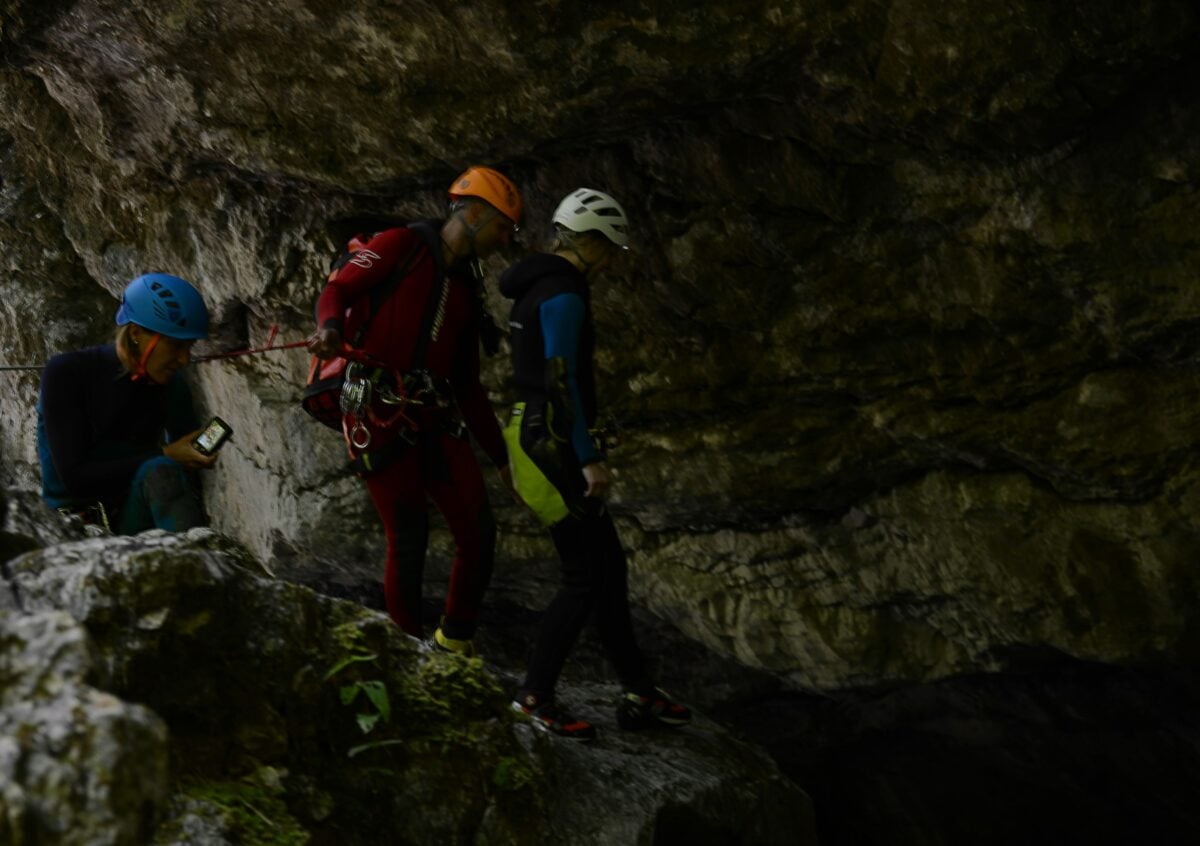
What drives folks underground isn’t just thrill-seeking or curiosity. Beneath the surface lies a world unlike any other – hidden, quiet, close.
You won’t get there by paying more. Strength matters.
So does training. Just as much, staying calm when things go wrong.
Down below, there is no light at all. Around you, everything vanishes except what your lamp shows.
That small circle of brightness floats in endless darkness. Without daylight, minutes blur together.
Weeks pass – three sometimes – in those tunnels beneath the earth. Returning above ground surprises the eyes, like arriving somewhere never seen before.
Down here, time forgets our names. Long before footsteps echoed through stone corridors, water carved these tunnels – slow work, endless patience.
When the last light fades behind someone climbing back up, what stays isn’t silence but presence. A breath held deep inside Earth feels like forever, even though it lasts minutes.
For those who descend, stillness writes stories louder than words.
More from Go2Tutors!

- The Romanov Crown Jewels and Their Tragic Fate
- 13 Historical Mysteries That Science Still Can’t Solve
- Famous Hoaxes That Fooled the World for Years
- 15 Child Stars with Tragic Adult Lives
- 16 Famous Jewelry Pieces in History
Like Go2Tutors’s content? Follow us



