Creative Ways People Use Shipping Containers
There are roughly 17 million shipping containers circling the globe at any given time. Most of them do exactly what you’d expect — haul goods across oceans.
But a growing number of people have started looking at these big steel boxes and seeing something completely different.
A home. A shop. A pool. An art piece.
Once you start thinking about what a shipping container could become, the list gets surprisingly long.
Backyard Guest Houses

If you’ve got the space, a single shipping container can become a pretty comfortable guest house in a matter of weeks. People strip out the interior, add insulation, throw in a bed, maybe a small bathroom, and suddenly the in-laws have somewhere to stay that isn’t the spare room down the hall.
The size works out nicely — a standard 20-foot container gives you about 150 square feet, which is tight but totally doable for a short-term stay.
Swimming Pools

This one catches people off guard. A 20-foot shipping container, waterproofed on the inside, can hold around 10,000 gallons of water. People cut out one end, line the whole thing, and fill it up to create a backyard pool that costs a fraction of what a traditional in-ground pool runs.
Some go further and bury the container halfway into the ground so it sits flush with the yard. Simple idea. Works like a charm.
Pop-Up Shops and Mobile Businesses
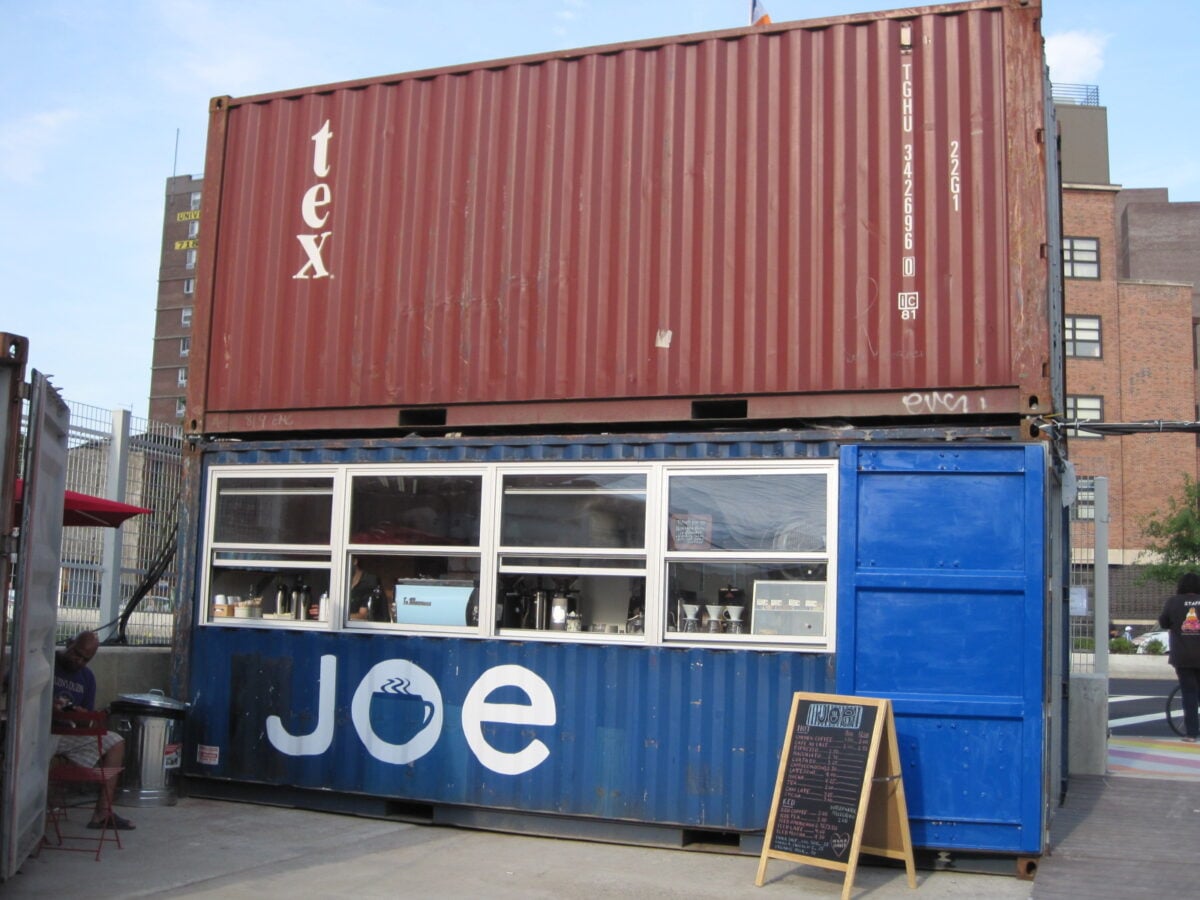
Entrepreneurs love containers because they’re portable and cheap to modify. Coffee shops, ice cream stands, clothing boutiques — you name it, someone has turned a container into it.
The beauty is that you can move the whole operation if foot traffic shifts or a lease falls through. Some business owners stack two or three together and open them up to create a larger retail space without ever pouring a concrete foundation.
Artist Studios and Workshops

For anyone who works with their hands, a shipping container makes a surprisingly solid workshop. They’re naturally weather-resistant, structurally sound, and you can cut ventilation and light openings without weakening the frame too much.
Welders, painters, woodworkers, and potters have all set up shop inside them. The steel walls also provide fire resistance, which matters a lot when you’re working with flammable materials nearby.
Full-On Homes

People have been building homes out of shipping containers for over a decade now. Some are modest single-container structures.
Others are elaborate multi-story designs that look nothing like what they started as. The appeal comes down to cost and speed — a container is already a pre-built steel frame, so you’re essentially buying the skeleton of a house for a fraction of the usual price.
With the right insulation, heating, and finishing work, they’re just as livable as anything built from scratch.
Glamping Retreats
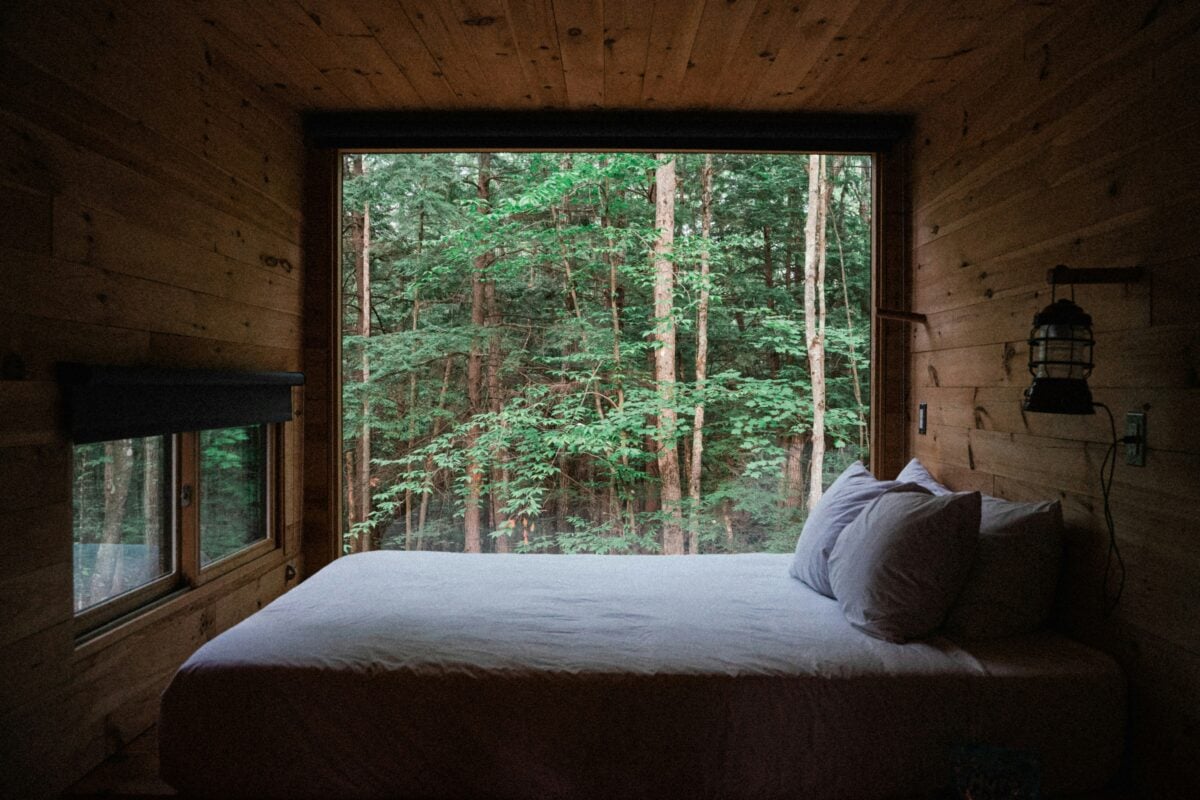
The glamping industry has embraced containers as a way to offer outdoor stays that don’t feel like roughing it. Place a container on a hillside, cut a couple of large windows into it, furnish the inside with comfortable pieces, and add a fire pit out front — that’s a decent overnight experience right there.
Several resorts and vacation rentals around the world have gone this route, turning clusters of containers into small lodging villages that guests genuinely enjoy.
Schools in Hard-to-Reach Places

In remote areas where building a traditional school isn’t practical, containers have stepped in as classrooms. You can transport them to locations that roads barely reach, set them up quickly, and fit them with everything a basic classroom needs — desks, chairs, a board, and power if a solar setup is available.
Some nonprofits and governments have used them specifically to get education into communities that would otherwise wait years for a permanent building.
Emergency and Disaster Housing

After earthquakes, floods, or fires, the need for shelter shows up fast. Shipping containers can reach disaster zones within days and get set up as temporary housing units.
They’re stackable, durable, and shippers can move them in bulk from anywhere in the world. Some emergency agencies keep fleets of pre-fitted containers ready to deploy, so when a disaster hits, the response doesn’t have to start from zero.
Urban Farming
Growing food in a city is tricky. Space is tight, and most of it is paved over.
Shipping containers have become a popular answer — farmers seal them up, install hydroponic or aeroponic systems inside, and run LED grow lights. Some setups produce lettuce, herbs, and other greens year-round, no matter what the weather does outside.
A few companies have turned this into a full business model, selling produce grown in container farms right in the middle of urban neighborhoods.
Offices and Coworking Spaces

Remote work didn’t invent the idea of working outside your house, but it sure sped things up. Shipping containers have become a quick way to add office space to a property without a major construction project.
Some people drop a single container in their backyard and call it their office. Others link several together to create small coworking spaces for freelancers and small teams who need somewhere better than a kitchen table.
Public Libraries

A few communities have turned containers into mobile or permanent library branches. Stock the shelves, add some seating, paint it up nicely, and suddenly a neighborhood that didn’t have a library has one.
These container libraries have shown up in rural towns, underserved urban areas, and even at temporary events. They’re not enormous — you’re not going to find every book in the world inside one — but they serve a real purpose wherever people place them.
Animal Shelters and Rescues

Shelters for dogs and cats often struggle with space. Containers have shown up as a way to expand capacity without building new wings onto existing structures.
Workers line them with insulation, fit them out with kennels or bedding areas, and ventilate them properly. It’s not glamorous work, but for an animal waiting for a forever home, a shipping container offers a dry and secure place to stay while people find where they belong.
Art Installations
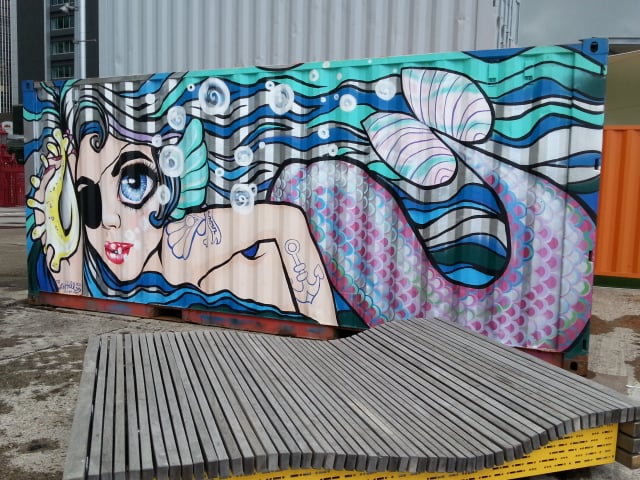
Artists have latched onto shipping containers as both a medium and a venue. Some paint the outsides and turn them into massive outdoor murals.
Others cut and reshape the steel into sculptural forms. And a number of galleries have repurposed containers as exhibition rooms — small, portable, and easy to set up wherever a show needs to happen.
The industrial look of the container becomes part of the aesthetic rather than something to hide.
Playgrounds

A few play areas now feature old shipping containers meant for children. Bright shades cover their sides while ropes, climbing walls, and walkways get added on.
Placed inside schools or public parks, these setups invite movement and curiosity. What matters to young users isn’t where the parts came from – only that there’s space to move around.
Over time, refitted metal boxes tend to survive weather and wear more easily than many standard playground builds.
What Changes When You No Longer Notice the Boundaries

Watching a shipping container become something else feels good. It begins life as one of the least noticeable things around – just a bare metal box built only to carry goods from one spot to another.
Yet later, maybe a doorway appears, carved by hand, or it holds fish instead of freight, or even becomes a classroom where children sound out their first words. The shape stays the same.
What shifts is how humans see it. That shift matters most – not the steel itself, but what we reveal about ourselves when we refuse to accept that everyday things must remain fixed forever.
More from Go2Tutors!

- The Romanov Crown Jewels and Their Tragic Fate
- 13 Historical Mysteries That Science Still Can’t Solve
- Famous Hoaxes That Fooled the World for Years
- 15 Child Stars with Tragic Adult Lives
- 16 Famous Jewelry Pieces in History
Like Go2Tutors’s content? Follow us on MSN.