Culinary Traditions Unique to Specific Regions
These traditions can hold stories that extend far beyond the foods. For example, in many parts of the world, the foods that people make in their region were created by the geography, climate, cultural influences, and traditions that have been passed down over the course of many generations.
There are traditions that still hold strong ties to certain parts of the world, even as the world of cuisine becomes more connected. They still hold significance in terms of identity, memory, and heritage.
Here is an in-depth look at fifteen traditions that still hold strong ties to certain parts of the world.
Naples — Wood-Fired Pizza

In Naples, pizza is far more than casual comfort food. Traditional Neapolitan pizza is cooked in extremely hot wood-fired ovens that produce a soft, slightly charred crust in just a few minutes.
The toppings are usually simple, often limited to tomato sauce, fresh mozzarella, basil, and olive oil. This style developed from the working-class kitchens of Naples during the 18th and 19th centuries.
Today it remains one of the most recognizable culinary traditions associated with the city, and specialized pizzerias still follow strict preparation methods to preserve its authenticity.
Osaka — Takoyaki
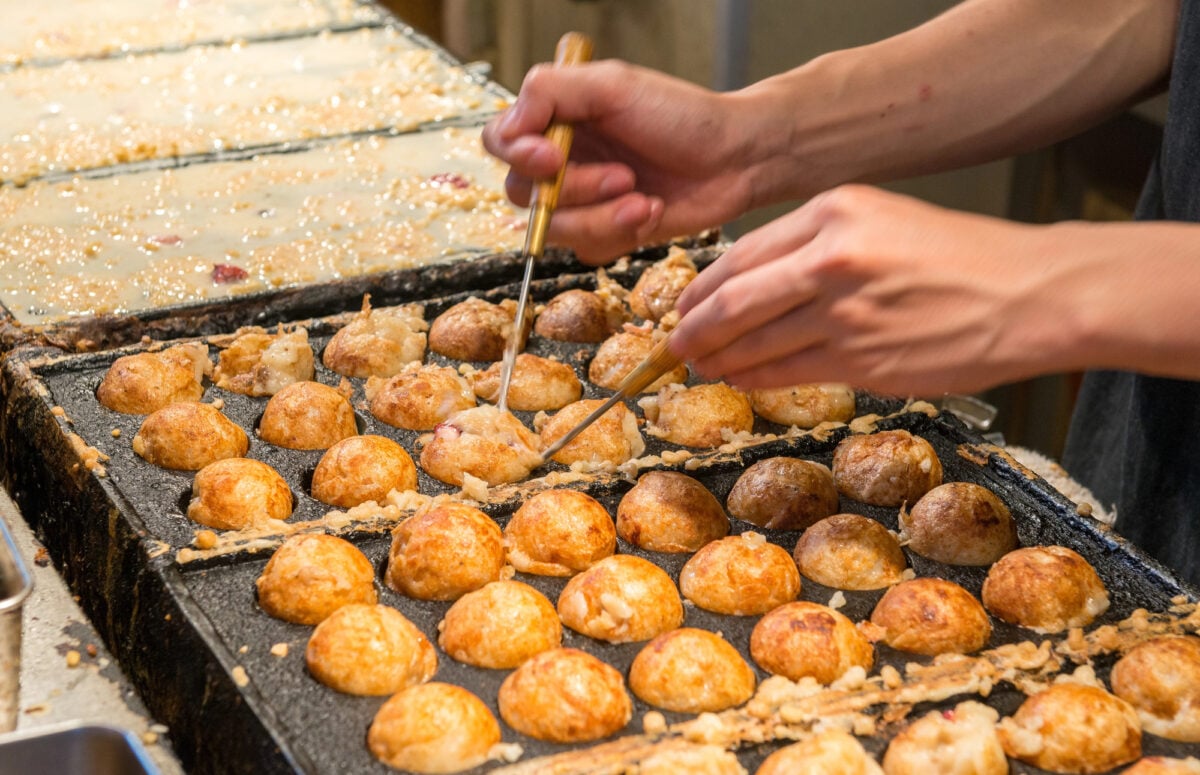
Osaka is widely known as one of Japan’s great food cities, and takoyaki stands among its most beloved street snacks. Vendors cook small batter orbs in specially designed pans, filling them with pieces of octopus and turning them quickly with metal picks.
Once finished, the snacks are topped with savory sauce and other garnishes. The dish is commonly enjoyed while walking through busy markets and shopping streets, making it an essential part of the city’s street food culture.
Provence — Bouillabaisse

Bouillabaisse originated along the Mediterranean coast of southern France, particularly around Marseille. The dish began as a fisherman’s stew made from the day’s catch that was too small or irregular to sell.
Over time, the recipe developed into a carefully prepared seafood dish flavored with herbs, saffron, and vegetables. Despite its evolution into restaurant cuisine, the dish still reflects the maritime traditions of the region.
Oaxaca — Mole Sauce

Oaxaca in southern Mexico is famous for its rich and complex mole sauces. These sauces combine a variety of ingredients such as chiles, spices, nuts, and chocolate to create deep layers of flavor.
Preparing a mole often takes hours and can involve numerous steps. The dish is frequently served during celebrations and family gatherings, reinforcing its importance within the region’s culinary culture.
Emilia-Romagna — Handmade Pasta

The Italian region of Emilia-Romagna has long been associated with handmade pasta traditions. Fresh dough is rolled and shaped into varieties such as tagliatelle, tortellini, and lasagna.
Families and restaurants often prepare pasta from scratch, maintaining techniques that have been passed down through generations. The region’s rich dairy products and cured meats also contribute to sauces that complement the pasta.
Louisiana — Cajun Cooking
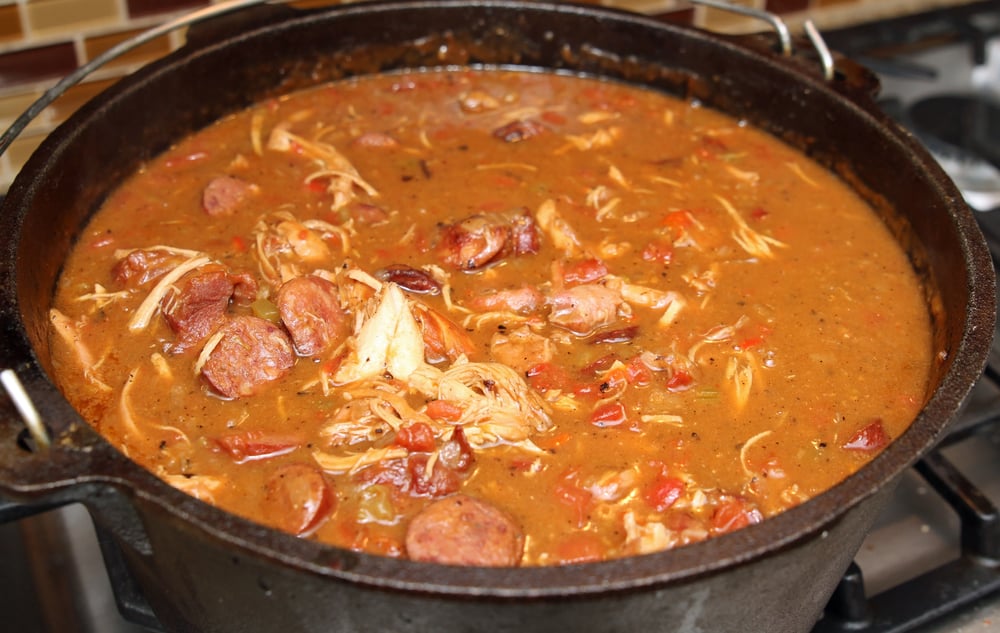
Cajun cuisine developed among French-speaking communities in Louisiana who adapted traditional recipes to local ingredients. The cooking style relies on bold seasoning and hearty dishes prepared slowly.
Recipes such as gumbo and jambalaya combine seafood, rice, vegetables, and spices into filling meals. The cuisine reflects both cultural resilience and the agricultural environment of the region.
Sichuan — Spicy Peppercorn Cuisine

The Chinese province of Sichuan is known for its distinctive use of peppercorns that create a tingling sensation on the tongue. Combined with chili peppers, garlic, and fermented ingredients, the result is a bold and aromatic style of cooking.
Dishes such as mapo tofu and hot pot showcase the region’s love of layered spice. The cuisine reflects centuries of culinary development influenced by climate and trade routes.
Istanbul — Street Kebab

Istanbul’s food culture blends influences from many parts of the former Ottoman world. One of the city’s most recognizable street foods is the kebab, prepared by roasting seasoned meat and serving it with bread and vegetables.
The cooking method allows vendors to prepare meals quickly for busy urban crowds. Over time, kebabs have become strongly associated with the city’s street food identity.
Kerala — Banana Leaf Meals

In the Indian state of Kerala, meals are traditionally served on banana leaves during festivals and family gatherings. The leaf acts as both a plate and a subtle flavor enhancer when hot food is placed on it.
Rice, vegetable dishes, and sauces are arranged across the leaf in a particular order. Eating this meal by hand remains an important cultural practice tied to hospitality and tradition.
Andalusia — Tapas Culture

Tapas culture thrives in southern Spain, especially in cities across Andalusia. Instead of ordering a single large meal, diners share a variety of small plates while socializing.
This approach encourages conversation and leisurely dining. Bars and restaurants often present several small dishes that highlight regional ingredients such as olives, seafood, and cured meats.
Bavaria — Beer Hall Cuisine
In Bavaria, traditional beer halls serve hearty dishes designed to accompany locally brewed beers. Meals often include roasted meats, sausages, and pretzels that reflect the region’s agricultural heritage.
These communal dining spaces have long served as gathering places where food and drink bring people together. The tradition remains central to Bavarian cultural celebrations.
Seoul — Fermented Kimchi

Kimchi plays a central role in Korean cuisine, particularly in Seoul and surrounding regions. The dish typically consists of fermented vegetables seasoned with chili, garlic, and other ingredients.
The fermentation process develops deep flavor while preserving vegetables for long periods. Families often prepare large batches together, making the practice both culinary and social.
Morocco — Tagine Cooking

Moroccan cooking often centers around the tagine, a clay pot with a conical lid designed to circulate steam during cooking. The method allows meats, vegetables, and spices to simmer slowly together.
The result is a dish with rich flavor and tender ingredients. Tagines are commonly prepared for family meals and gatherings, reflecting the importance of shared dining.
Ethiopia — Injera And Shared Plates

In Ethiopia, meals are often served on large pieces of injera, a fermented flatbread made from teff grain. Various stews and vegetables are placed directly on the bread.
Diners tear pieces of injera to scoop up the dishes, creating a communal dining experience. This tradition emphasizes hospitality and the importance of sharing food together.
Peru — Ceviche Tradition

Along Peru’s Pacific coast, ceviche stands as one of the country’s most iconic dishes. Fresh fish is marinated in citrus juice and combined with onions, peppers, and herbs.
The acidity of the marinade gently transforms the texture of the fish while preserving its freshness. The dish reflects the coastal environment and long-standing fishing traditions.
The Cultural Stories Behind Regional Food
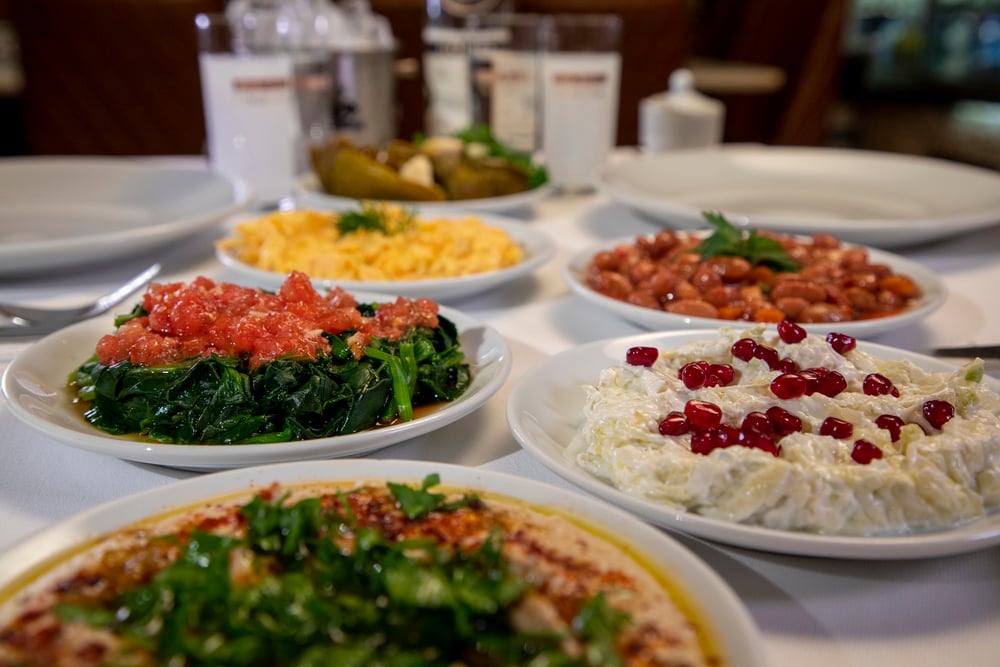
Regional foodways tend to be preserved because, in many instances, they mean more than just a recipe. They tie people to their land, their past, and their shared experiences around the table.
Though modernized cooking techniques have become international in scope, regional foodways continue to serve as a reminder of where it all started. Each dish comes with a story about its origins and who is still serving it today.
More from Go2Tutors!

- The Romanov Crown Jewels and Their Tragic Fate
- 13 Historical Mysteries That Science Still Can’t Solve
- Famous Hoaxes That Fooled the World for Years
- 15 Child Stars with Tragic Adult Lives
- 16 Famous Jewelry Pieces in History
Like Go2Tutors’s content? Follow us on MSN.