Classic TV Show Catchphrases That Caught On
Television has a peculiar way of sneaking into our daily lives. A character says something once, then twice, and before you know it, everyone from your coworker to your grandmother is repeating it.
These phrases become part of the cultural fabric, outlasting their original episodes and sometimes even the shows themselves. Some catchphrases defined entire decades, while others transcended their sitcom roots to become universal expressions of frustration, excitement, or just plain attitude.
Here is a list of 13 classic TV show catchphrases that caught on.
D’oh!

Homer Simpson’s grunt of frustration needs no introduction. Dan Castellaneta, the voice behind Homer, borrowed inspiration from James Finlayson’s elongated ‘Doooh!’ in old Laurel and Hardy films and compressed it into something punchier. What started as a simple expression of annoyance became so widespread that it was added to the Oxford English Dictionary in 2001.
The beauty of ‘D’oh!’ lies in its versatility—it works whether you’ve dropped your keys, missed your exit, or realized you left the oven on.
Dy-no-mite!
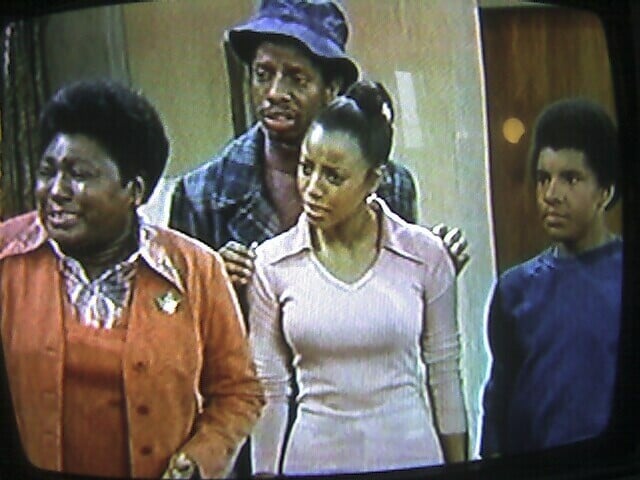
J.J. Evans brought explosive enthusiasm to Good Times in the 1970s with this one-word catchphrase that completely changed the show’s trajectory. Jimmie Walker delivered it with such gusto that it overshadowed the series’ more serious themes about an inner-city Black family facing economic hardship.
The phrase became so popular that Walker trademarked it and turned it into a merchandising empire. It’s the kind of exclamation that feels impossible to say without putting your whole chest into it.
Did I do that?
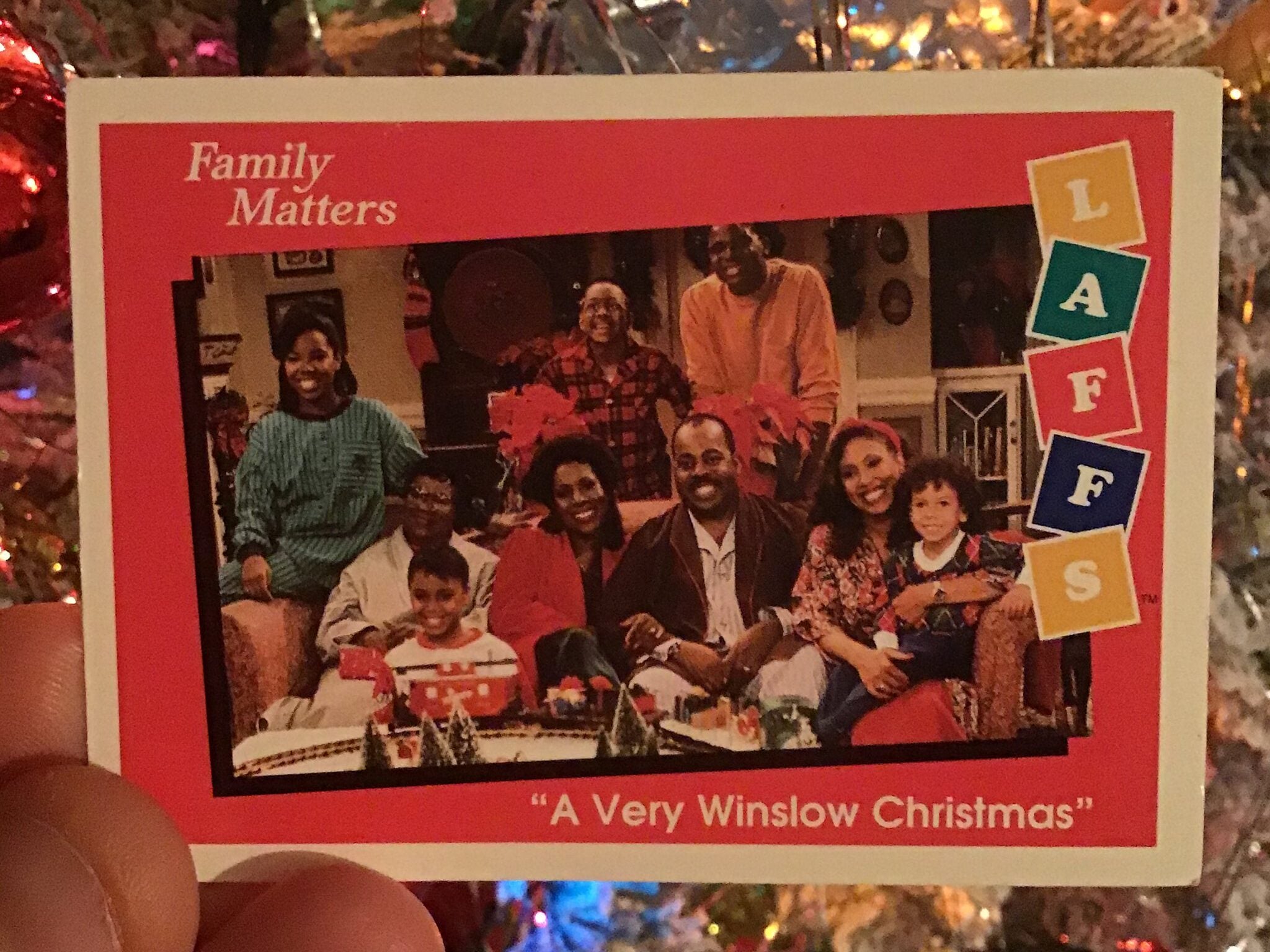
Steve Urkel’s nasally delivery of this question on Family Matters made it instantly recognizable and endlessly mimicked. Jaleel White explained that the line worked because it captured something obvious—Urkel clearly caused whatever disaster just occurred, yet he seemed genuinely surprised every time.
The nerdy neighbor was supposed to be a one-time character, but this catchphrase helped turn him into the show’s breakout star. People found themselves using it ironically after their own mishaps, whether they were actually responsible or not.
How you doin’?
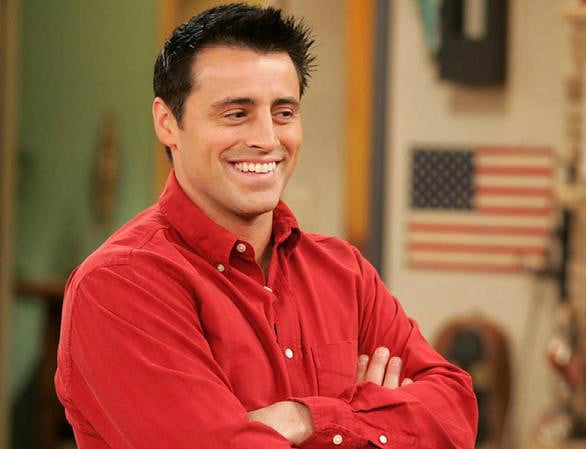
Joey Tribbiani’s pickup line on Friends became the go-to flirty greeting of the late 1990s and early 2000s. Matt LeBlanc’s delivery—complete with eyebrow wiggle and slight head tilt—turned a simple question into something that implied so much more. The phrase worked because it was equal parts charming and ridiculous, which perfectly captured Joey’s character.
Countless Friends fans tried it out in real life with varying degrees of success, though nobody could quite nail LeBlanc’s particular brand of confidence.
What’choo talkin’ ’bout, Willis?
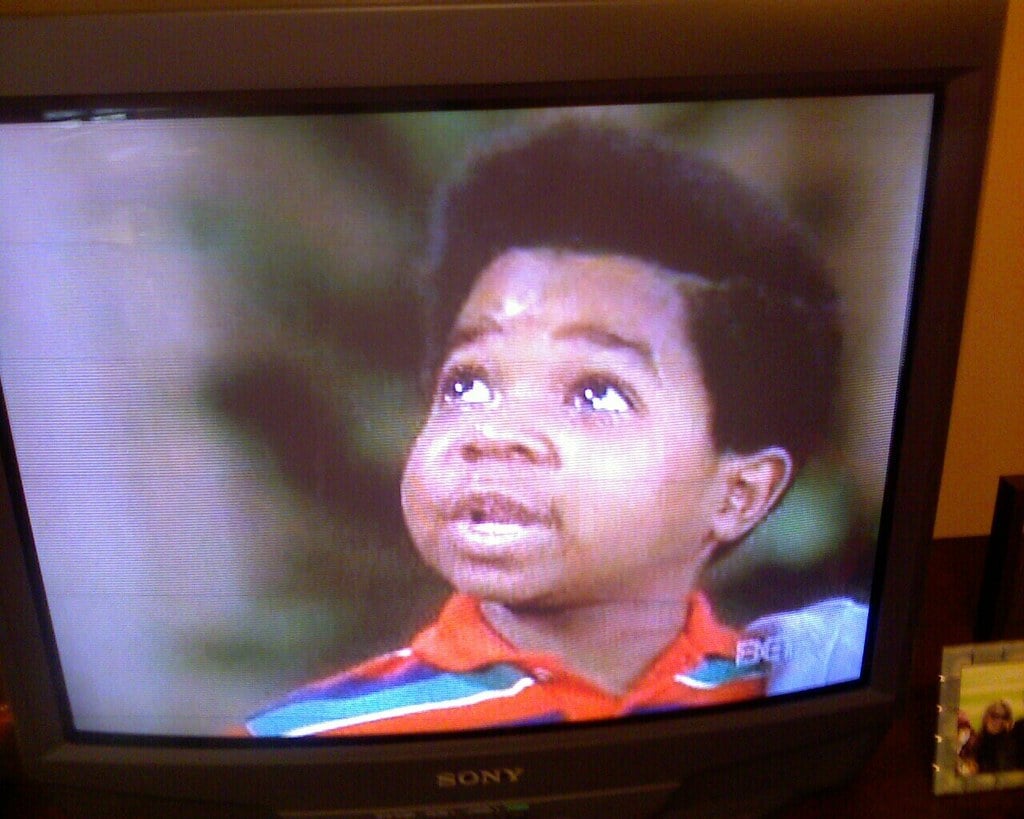
Gary Coleman’s incredulous question on Diff’rent Strokes became the perfect response when someone says something that makes absolutely no sense. Arnold Jackson directed it at his brother Willis whenever confusion struck, and the delivery—part bewilderment, part accusation—resonated far beyond the show’s audience.
The phrase outlived the series and even became bigger than Coleman himself in popular culture. It’s still used today when you need to call out someone’s questionable logic.
Live long and prosper

Spock’s Vulcan salute and accompanying phrase from Star Trek transcended science fiction to become a genuine blessing people offer each other. Leonard Nimoy created the distinctive hand gesture himself, drawing from a Jewish blessing he remembered from childhood.
The phrase represents something deeper than just a TV show farewell—it became a statement about humanity’s potential and our hopes for each other’s futures. It’s spawned everything from emoji to graduation cap decorations.
Yada, yada, yada

Seinfeld introduced this conversational shortcut in its eighth season, and it immediately filled a linguistic gap people didn’t know they had. The phrase lets you skip over boring details or uncomfortable topics without actually explaining yourself, which is perfect for a show about self-absorbed New Yorkers.
It caught on because everyone could relate to wanting to gloss over parts of a story. The beauty is in its vagueness—you can yada yada over almost anything.
Here’s Johnny!

Ed McMahon’s booming introduction of Johnny Carson on The Tonight Show became one of the most repeated phrases in television history, uttered hundreds of times over Carson’s 30-year run. The enthusiastic delivery made it instantly recognizable and perpetually quotable.
Jack Nicholson borrowed it for The Shining’s most terrifying scene, which gave the phrase an entirely different and darker cultural life. Even people too young to remember Carson’s era know this introduction.
Norm!
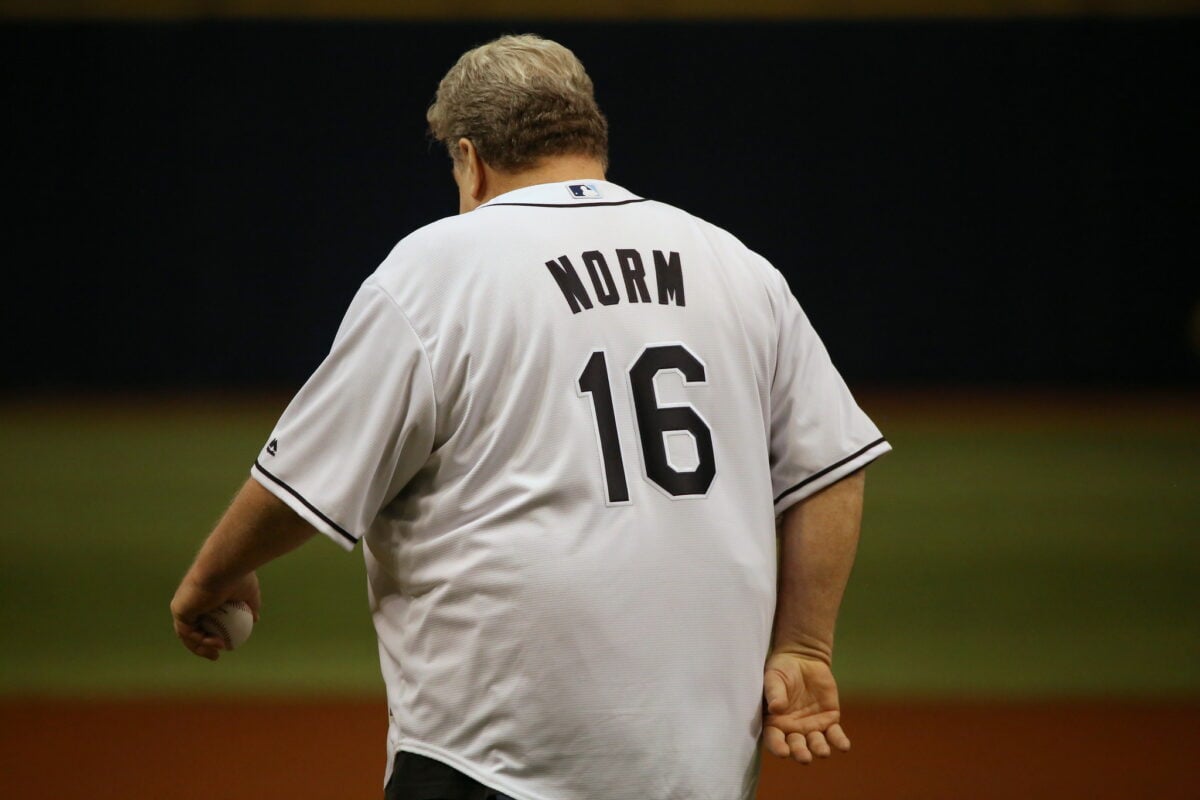
This wasn’t a single character’s line but rather a collective shout from everyone at Cheers whenever Norm Peterson walked through the door. The barfly got more enthusiastic greetings than any other character on the show, even though he wasn’t the main focus of most episodes.
It represented something universal about having a place where everybody knows your name and genuinely lights up when you arrive. The phenomenon inspired real bars to adopt similar traditions for their regulars.
That’s what she said
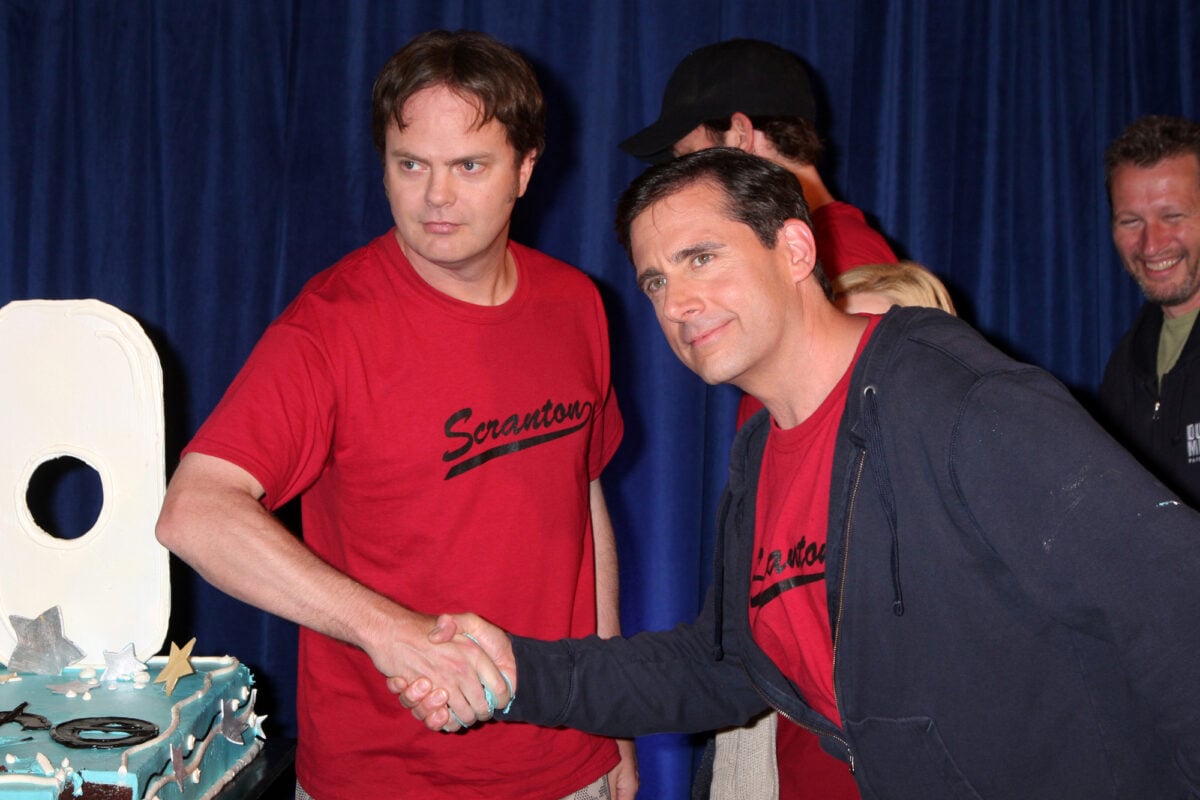
Michael Scott didn’t invent this double entendre punchline, but The Office turned it into the defining catchphrase of 2000s workplace humor. Steve Carell’s character used it to turn innocent statements into inappropriate jokes, and suddenly everyone was hearing innuendo everywhere.
The phrase works because it requires almost no setup—someone just has to say something that could remotely be interpreted the wrong way. It proved that old jokes could find new life with the right comedic timing.
Aayyy!
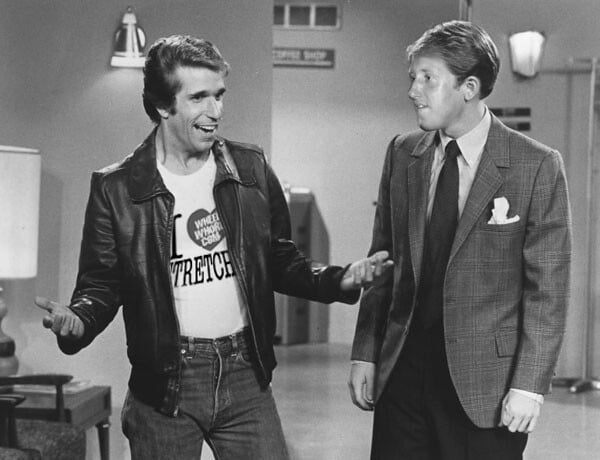
The Fonz made coolness look effortless on Happy Days with nothing more than a leather jacket, a pair of thumbs up, and this single utterance. Arthur Fonzarelli could communicate everything from approval to greeting to swagger with just two letters. Henry Winkler’s delivery was so iconic that the Smithsonian requested his leather jacket for their collection.
The phrase represented peak 1950s cool filtered through 1970s nostalgia, and it somehow worked perfectly.
Come on down!

The Price is Right turned this invitation into one of the most exciting phrases in daytime television. Bob Barker and later Drew Carey used it to summon contestants from the audience to compete for prizes, and the shrieking excitement that followed became part of the experience.
It’s a phrase that still triggers a Pavlovian response in anyone who grew up watching the show. People use it sarcastically now when inviting someone to approach or try something themselves.
You’re fired!
Donald Trump made this boardroom dismissal his signature sendoff on The Apprentice, pointing dramatically at failed contestants while delivering the verdict. The phrase existed long before the reality show, but Trump’s particular delivery—direct, decisive, and accompanied by that pointed finger—turned it into a cultural phenomenon.
He even attempted to trademark it for merchandise, though other companies beat him to it. The catchphrase became so associated with Trump that it followed him into his political career.
The Legacy Lives On
These catchphrases prove that sometimes the smallest moments create the biggest cultural ripples. A writer pens a line, an actor delivers it with just the right inflection, and suddenly millions of people are working it into their daily conversations.
The phrases that stick around tend to fill some unspoken need—whether it’s a better way to express frustration, a funnier way to flirt, or just a shared reference point that connects strangers. Television keeps churning out new shows and new characters, but these classics remain lodged in our collective memory, ready to resurface whenever the moment calls for them.
More from Go2Tutors!

- The Romanov Crown Jewels and Their Tragic Fate
- 17 Halloween Costumes Once Considered Taboo
- Famous Hoaxes That Fooled the World for Years
- 15 Child Stars with Tragic Adult Lives
- 16 Famous Jewelry Pieces in History
Like Go2Tutors’s content? Follow us on MSN.



