18 Oldest Amusement Park Rides Still Running in the US
Out here, where speed rules and flash grabs attention, old rides stick around like ghosts. Some open before dawn, creaking to life while new coasters sleep under tarps.
These survivors started when cars were rare, yet they run week after week, season after season. Not shiny anymore – just stubborn.
While flashy newcomers promise more height, more spins, older tracks keep turning without fanfare. Their paint fades.
Their parts get replaced piece by piece. Still spinning though, long past the point anyone expected them gone.
Old machines here still move like they always did. Not locked away, these rides groan, slide, whirl, yet run true to their original build, taking today’s people on real slices of the past.
Peek inside 18 vintage amusement park attractions that keep spinning across the U.S. today.
Leap-The-Dips
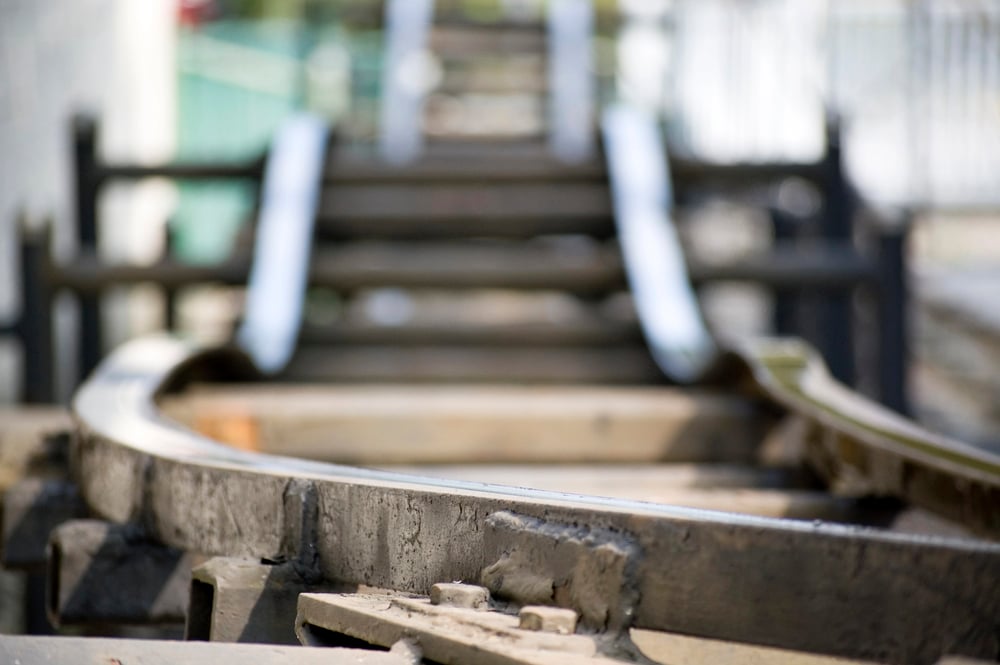
On a hillside in Altoona, Pennsylvania, Lakemont Park holds a ride that began turning heads back in 1902. Not many know it, yet Leap-The-Dips quietly claims the title of oldest standing roller coaster on Earth.
The structure came from blueprints drawn by the E. Joy Morris Company long before digital tools existed. Instead of today’s locking wheel systems beneath the tracks, this one uses only side friction to stay grounded.
Gravity pulls each car along while careful bends in the rails keep everything balanced. Not fast, really – yet each small drop carries a quiet kind of weight.
Back in the nineties, those who care about old things brought it back to life, so now you can ride something crafted while Roosevelt still held office.
Jack Rabbit
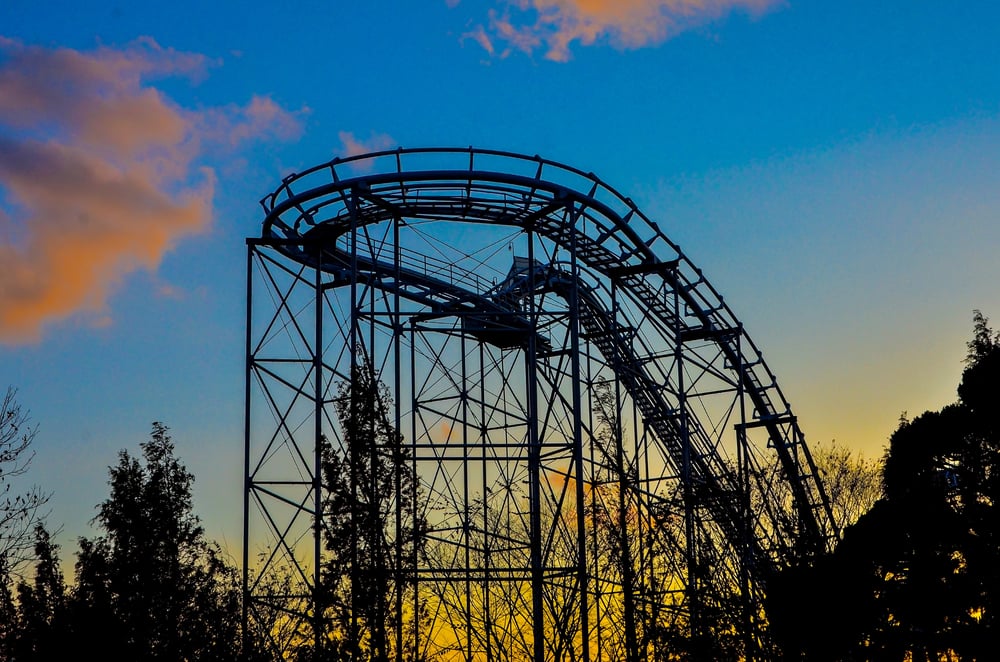
Opened in 1920 at Seabreeze Amusement Park in Rochester, New York, Jack Rabbit remains one of the oldest continuously operating roller coasters in America. Designed by John A. Miller, a pioneer of coaster engineering, it features a classic ‘double dip’ element that still surprises first-time riders.
The wooden structure has been carefully maintained rather than radically altered. That commitment to preservation allows guests to feel the rhythm of a 1920s thrill ride without modern overengineering.
Giant Dipper (Santa Cruz)
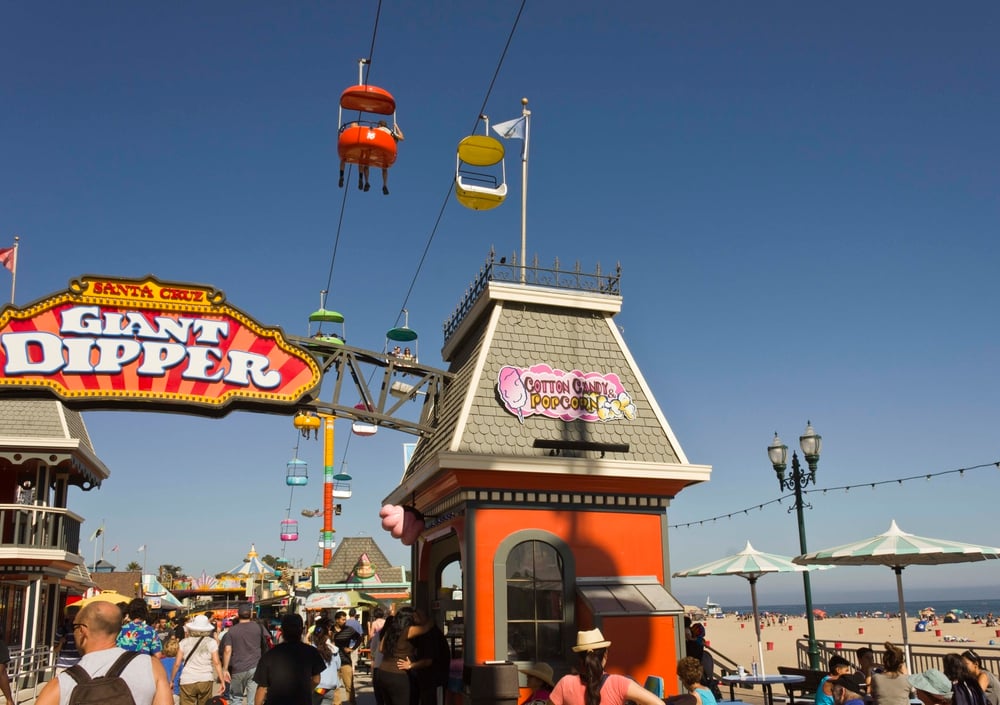
The Giant Dipper at the Santa Cruz Beach Boardwalk opened in 1924. Designed by Arthur Looff, it stretches along the California shoreline, blending ocean views with the rattle of wooden track.
Despite earthquakes and coastal weather, the ride continues to operate thanks to ongoing restoration. Its presence anchors the boardwalk, reminding visitors that the golden age of seaside amusement never fully disappeared.
Giant Dipper (Belmont Park)
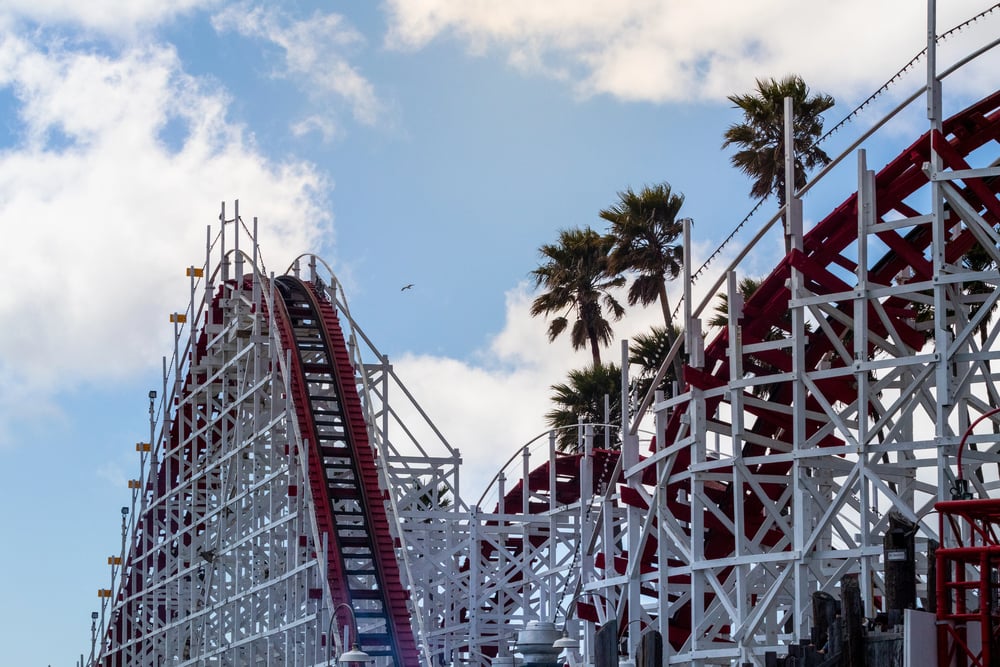
San Diego’s Belmont Park hosts another Giant Dipper, also opened in 1925. Though sharing a name with its Santa Cruz counterpart, this coaster carries its own history along Mission Beach.
Major renovations in the late 20th century reinforced its structure while preserving its original layout. The result is a ride that feels authentically vintage yet structurally modernized for safety.
Thunderhawk
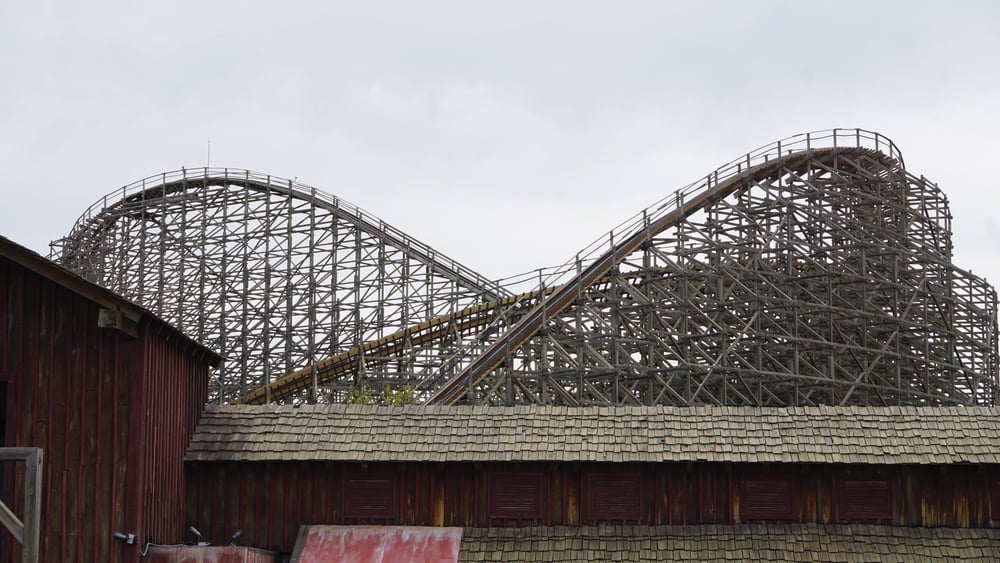
Originally called the Coaster, Thunderhawk debuted in 1924 at Dorney Park in Allentown, Pennsylvania. Designed by Herbert Paul Schmeck, it showcases early wooden coaster craftsmanship with rolling hills and sweeping turns.
Relocated within the park in 1930, the ride survived industry downturns that shuttered many of its peers. Its continued operation reflects both engineering durability and careful stewardship.
Blue Streak
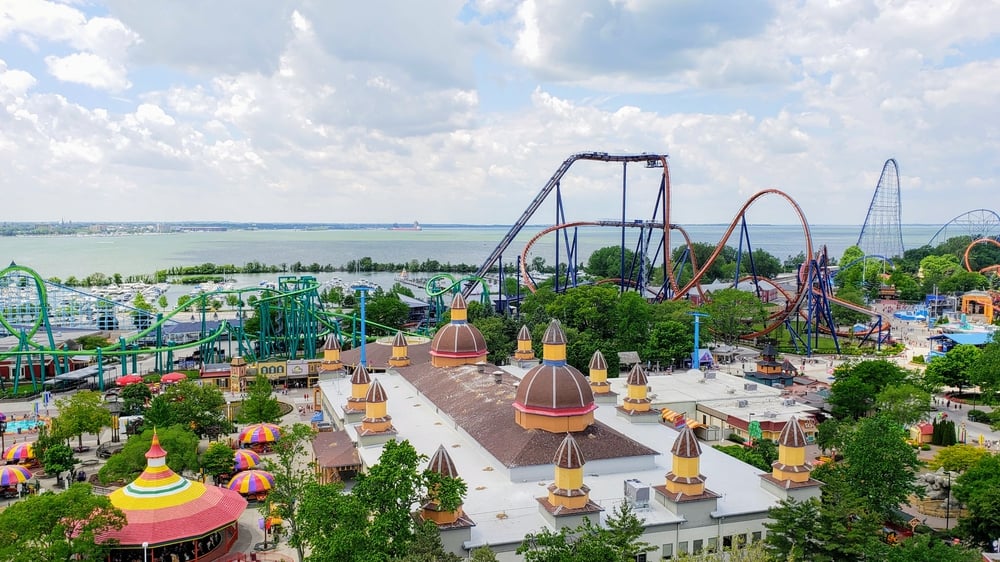
Cedar Point in Sandusky, Ohio, opened Blue Streak in 1964. While younger than many wooden coasters on this list, it now stands as one of the park’s oldest operating rides.
Blue Streak helped spark a renaissance in roller coaster enthusiasm during the 1960s. Its airtime hills and out-and-back layout feel straightforward by today’s standards, yet they capture a transitional era between classic wood and modern steel.
Scenic Railway
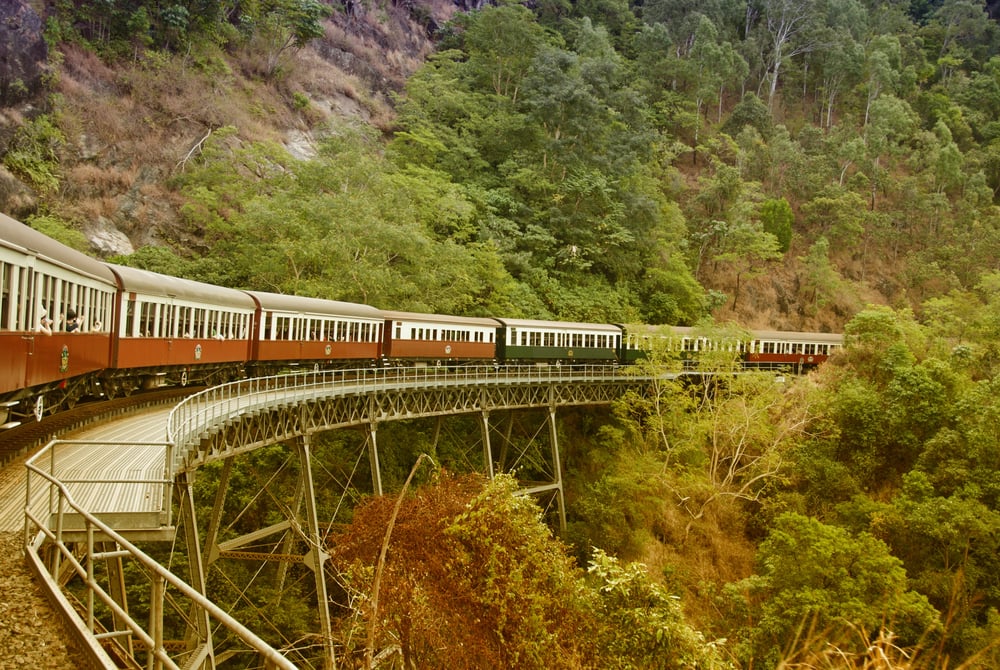
At Luna Park in Coney Island, the Scenic Railway has operated since 1927. This wooden coaster features a brakeman who rides aboard each train, manually controlling speed — a practice largely abandoned elsewhere.
The design reflects an era when human judgment supplemented mechanical systems. Riding it feels less automated and more personal, as if the past is still actively steering the experience.
Knoebels Grand Carousel
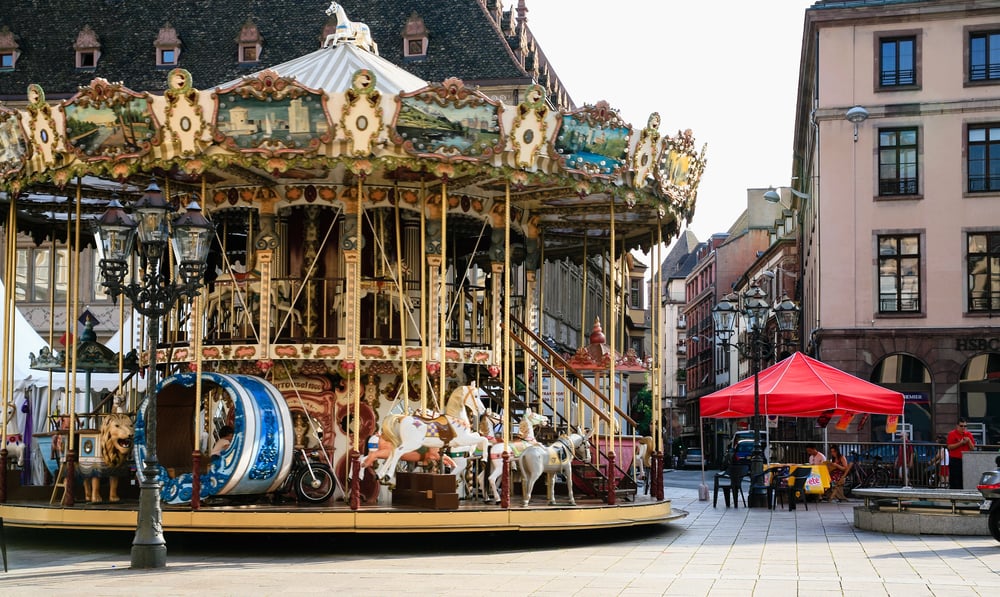
Opened in 1913 and relocated to Knoebels Amusement Resort in Pennsylvania in 1942, the Grand Carousel features hand-carved wooden horses and ornate detailing. Built by Charles I. D. Looff, it represents the craftsmanship of early carousel artisans.
Unlike mass-produced rides, each figure carries individual character. The carousel remains a centerpiece attraction, proving that elegance does not require high-speed thrills.
Herschell-Spillman Carousel

Back in 1921, workers set it up at Lagoon Amusement Park, tucked into Farmington, Utah. Made by the Herschell-Spillman Company, the carousel came alive with motion and color.
Instead of just horses, you’d spot lions too – hand-carved creatures common in that era’s style. Each animal bore marks of old-world shaping, shaped long before machines took over.
Still spinning after all these years, Lagoon keeps the carousel’s gears turning just like it always did. Not only does it move as a ride should, but each loop reveals hand-carved figures frozen mid-gallop.
What runs beneath also carries beauty above – machines meet craftsmanship here. Every rotation passes more than time; it shows faces shaped by artisans long gone.
Function stays alive because form refuses to fade.
Derby Racer
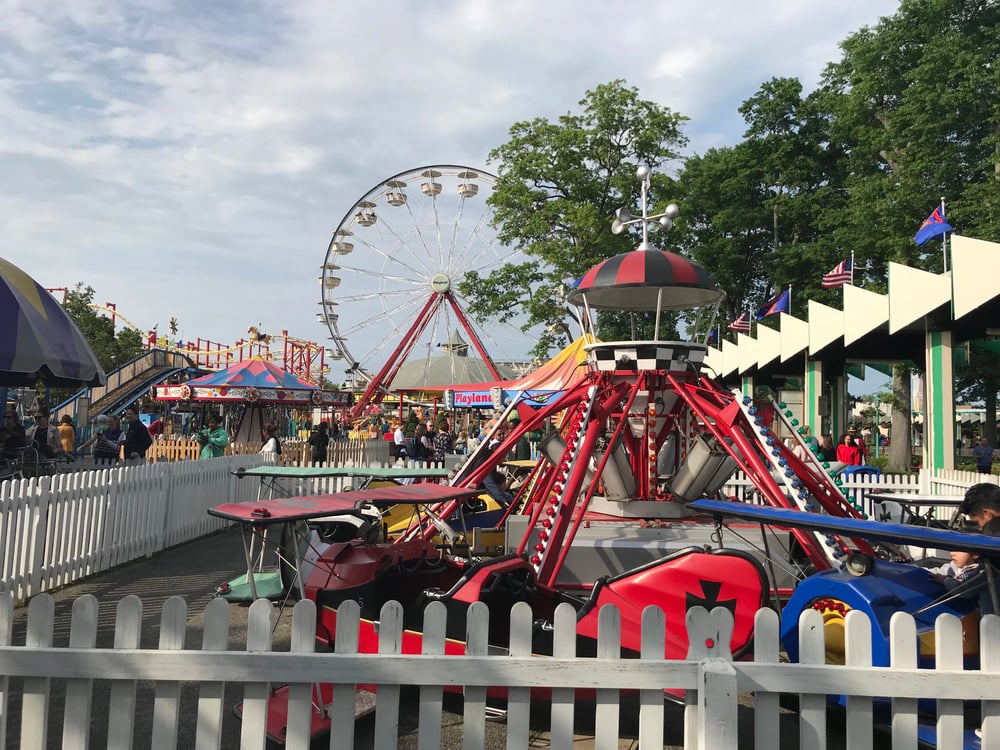
Playland Park in Rye, New York, operates one of the few remaining Derby Racer carousels in the country. Built in 1925, the ride features horses that tilt outward as the platform spins, creating a sensation of racing.
The dynamic motion distinguishes it from stationary carousels. Restoration efforts have kept the ride operational while maintaining its original mechanical flair.
Little Dipper
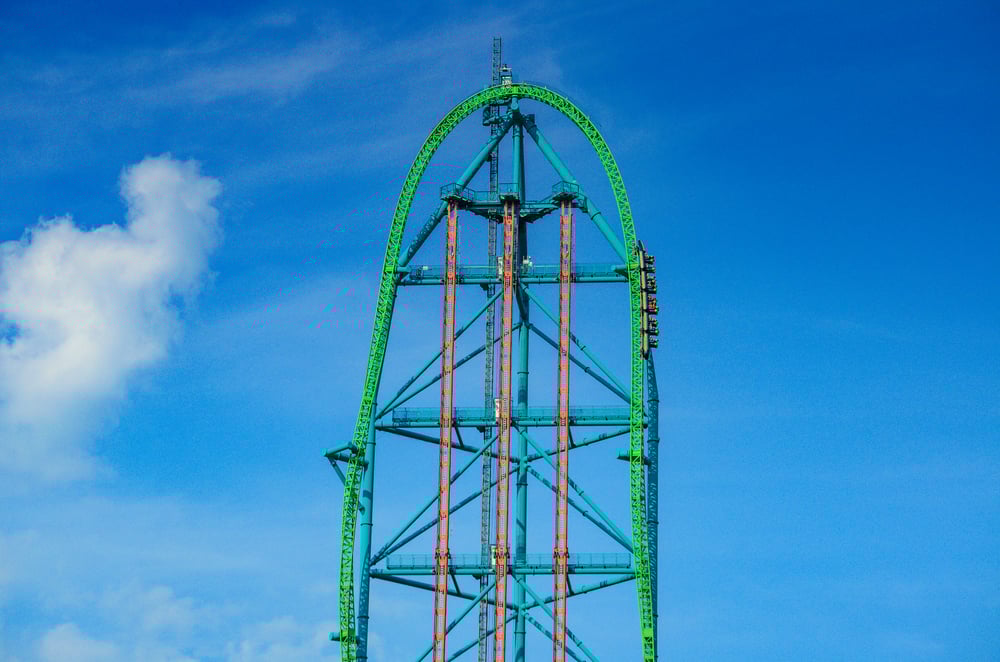
At Six Flags Great America in Illinois, Little Dipper opened in 1950 before being relocated and preserved. Designed as a family coaster, it offers modest drops and tight turns.
Its continued operation highlights how smaller rides often survive through adaptability. While towering coasters come and go, compact wooden designs sometimes endure through careful relocation and maintenance.
Cedar Downs Racing Derby
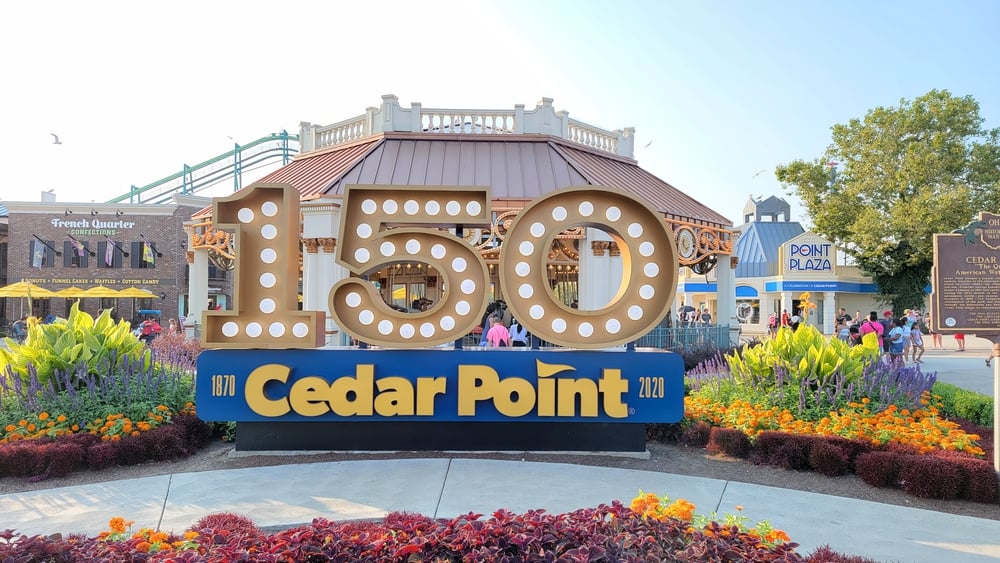
Also at Cedar Point, Cedar Downs Racing Derby dates back to 1921. Originally built by Prior and Church, it simulates a horse race with carriages that glide along a steel track.
Unlike traditional carousels, riders feel lateral movement as they race side by side. The ride blends carousel aesthetics with early mechanical experimentation.
Sky Ride at State Fair Park
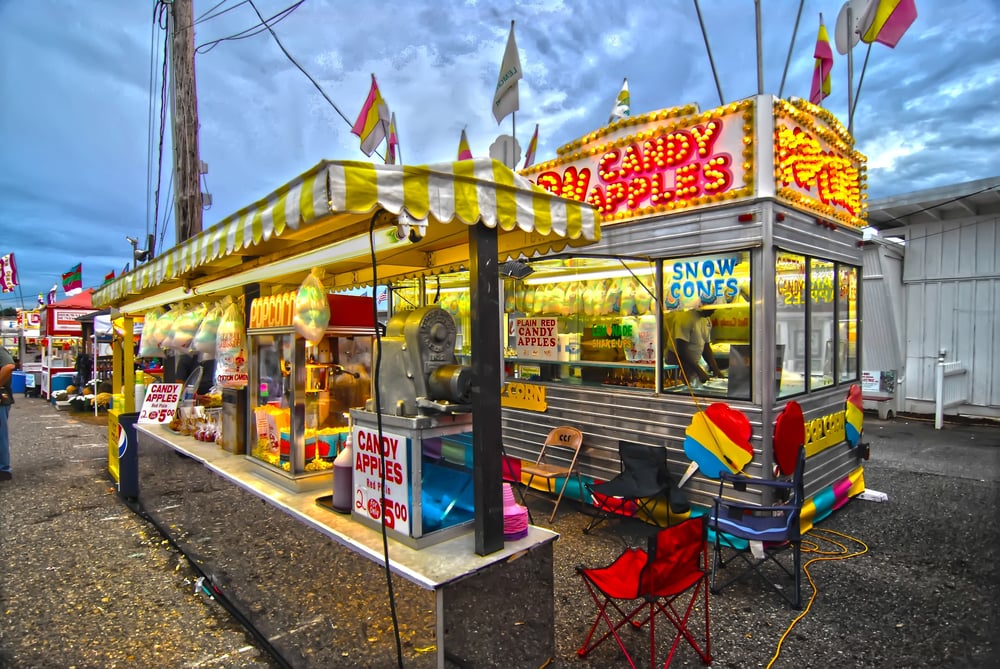
Wisconsin State Fair Park operates a Sky Ride that traces its origins to the 1960s. While chairlifts are common today, early aerial rides represented bold engineering for public amusement settings.
Suspended above the fairgrounds, it offers a calm contrast to ground-level attractions. Longevity in this case reflects simplicity paired with consistent maintenance.
Whip at Kennywood

The Whip at Kennywood Park in Pennsylvania opened in 1918. Manufactured by W. F. Mangels, it swings riders around a circular platform with sudden directional shifts.
The ride’s straightforward mechanism has allowed it to remain in service for over a century. Its enduring appeal lies in sharp, playful motion rather than towering height.
Tilt-A-Whirl at Lagoon
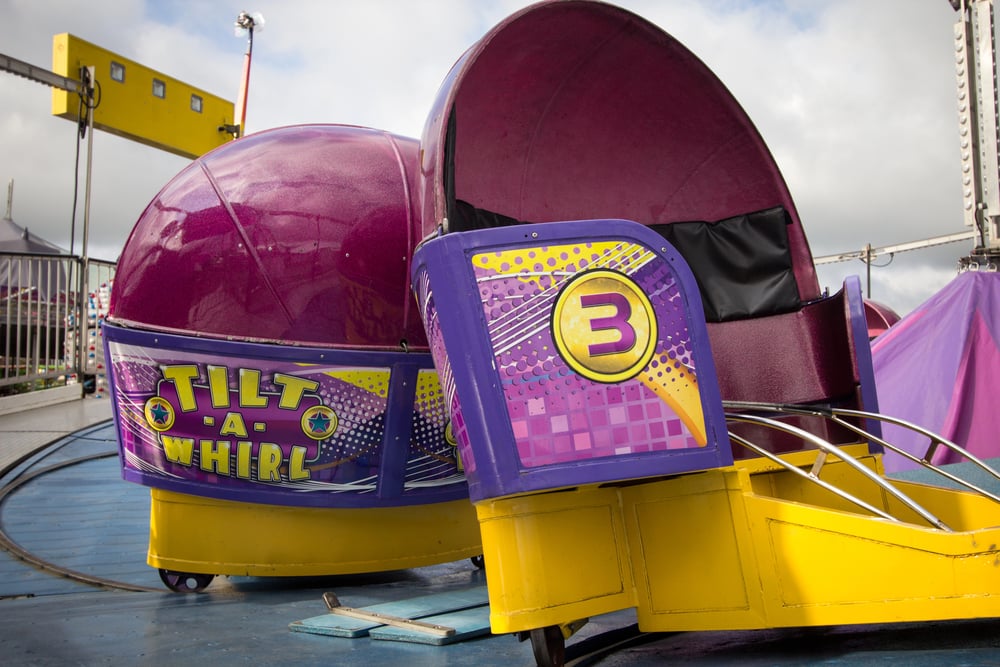
Lagoon’s Tilt-A-Whirl has operated since the mid-20th century, based on a design patented in 1926. Each car spins freely as it travels over undulating track sections.
The unpredictable rotation keeps the experience fresh. It demonstrates how clever physics can sustain interest long after flashier technologies arrive.
Zephyr at Dorney Park
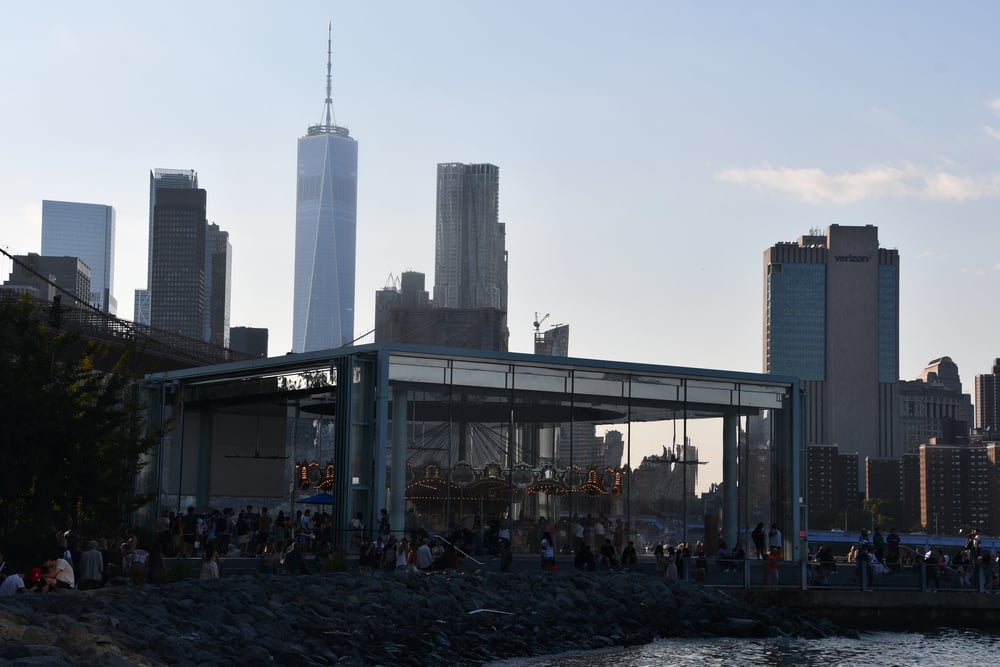
The Zephyr, a classic Philadelphia Toboggan Company coaster, opened in 1932. Though smaller than headline-grabbing rides, it remains a nostalgic favorite.
Its modest scale has worked in its favor. Lower stress on the structure often translates into longer lifespan when paired with attentive upkeep.
Kiddie Coaster at Camden Park
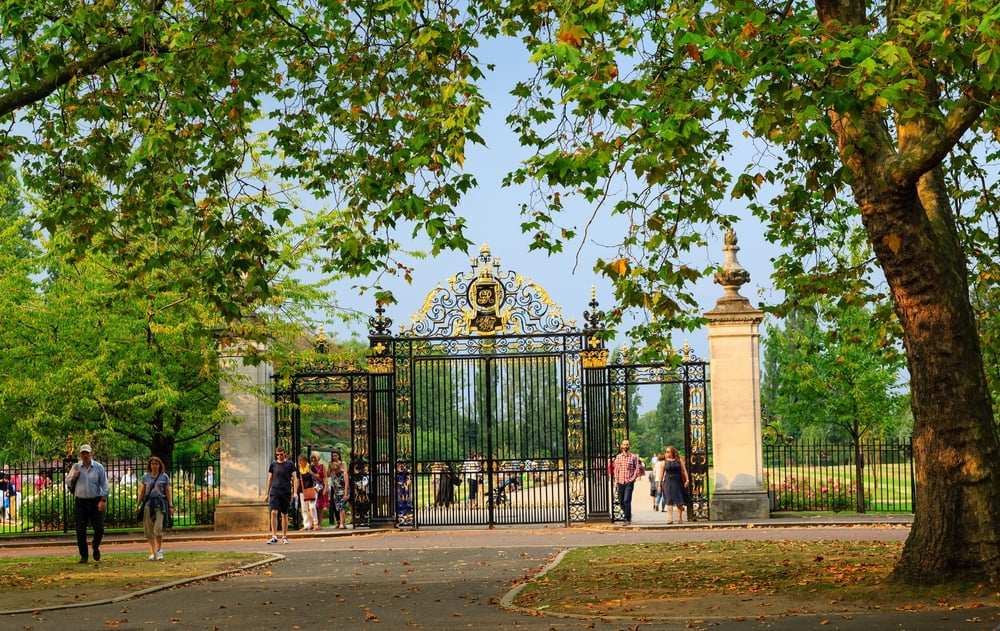
Opened in 1958 in Huntington, West Virginia, Camden Park’s Kiddie Coaster remains one of the oldest operating children’s roller coasters in the country. Built by Allan Herschell, it was designed specifically for younger riders.
The ride’s survival reflects a park’s willingness to preserve family-oriented attractions. Smaller footprints often mean fewer structural overhauls over time.
Wild One
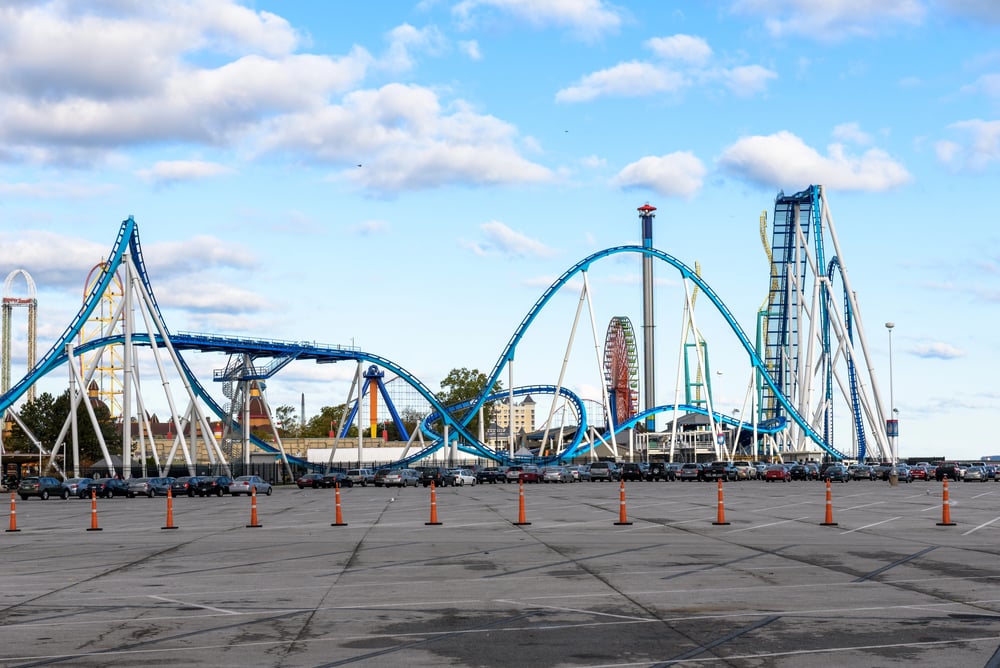
Six Flags America in Maryland operates Wild One, originally built in 1917 as the Giant Coaster at Paragon Park in Massachusetts. Relocated and refurbished, it remains a living artifact of early coaster engineering.
Its continued operation demonstrates how relocation can extend a ride’s lifespan. With proper reinforcement, century-old wood can still support modern thrills.
Where the Past Still Moves
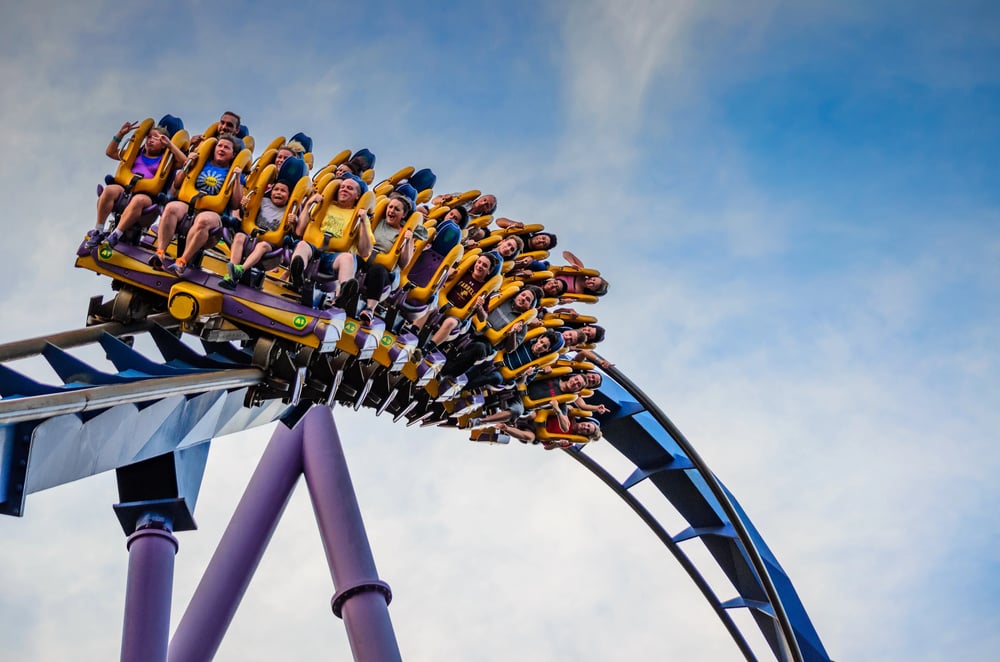
Rumbling along, spinning round, gliding forward – these rides keep moving not due to flashy rivalries with today’s thrills, yet on account of their deep roots. Back then, creators shaped things from wood, metal, instinct instead of digital models.
Where such coasters still run, folks see them not as old machines but as pieces handed down through time. Out here, where new things flash by every day, their presence barely makes noise.
Not flashy, but built like they had plans to stay. You sit on one, you feel it – progress doesn’t always need speed or lights.
Time passes, yet people still climb aboard, same as before. Hands shaped them slow, back when lasting mattered more than fast.
More from Go2Tutors!

- The Romanov Crown Jewels and Their Tragic Fate
- 13 Historical Mysteries That Science Still Can’t Solve
- Famous Hoaxes That Fooled the World for Years
- 15 Child Stars with Tragic Adult Lives
- 16 Famous Jewelry Pieces in History
Like Go2Tutors’s content? Follow us on MSN.