Curious Laws from History and Their Stories
History has a way of leaving behind some truly strange rules. These laws weren’t just random ideas scribbled down by bored officials.
They emerged from real concerns, bizarre circumstances, and the peculiar logic of different times. Some tried to solve genuine problems.
Others reflected fears that seem absurd now. And a few make you wonder what exactly happened to prompt someone to write that rule in the first place.
When Whales Became Royal Property in England

King Edward II declared in 1324 that all whales and sturgeons caught in English waters belonged to the Crown. The logic made a certain kind of sense for the time.
These creatures were massive, valuable, and rare enough that their capture felt like a significant event. The Crown wanted control over such extraordinary resources.
The law technically still exists today, though it’s rarely enforced. When a whale washes up on British shores, the protocol technically requires notifying the monarch.
In practice, marine biologists handle these situations without much royal involvement. But every so often, someone remembers this medieval rule and raises the question of whether the Queen needs to be informed about a beached whale in Cornwall.
The Time Connecticut Banned Pickles That Couldn’t Bounce

Connecticut established a standard for pickles in the early 20th century that sounds like something from a children’s book. For a pickle to be considered fit for sale, it had to bounce when dropped from one foot high.
The bounce test supposedly indicated proper fermentation and quality. The law emerged from concerns about food safety and deceptive practices.
Some manufacturers sold cucumbers that hadn’t been properly pickled, just soaked in vinegar. These impostor pickles wouldn’t bounce.
Real pickles, with their firm texture from proper fermentation, would. The bounce test became something of a legend.
Food inspectors actually performed this test, dropping pickles and watching to see if they had the proper spring. The law stayed on the books for decades.
Sumptuary Laws and the Fear of Purple

Ancient Rome restricted who could wear purple clothing through strict sumptuary laws. Purple dye came from murex snails, requiring thousands of them to produce even a small amount of dye.
The expense made purple fabric extraordinarily valuable, worth more than gold by weight. Emperors reserved the deepest, richest purple shades for themselves.
Wearing imperial purple without permission could result in execution. The Romans took this so seriously that they created an entire bureaucracy to monitor fabric colors and prosecute violators.
These laws extended beyond just purple. Different classes could only wear certain colors, fabrics, and styles.
A merchant who became wealthy still couldn’t dress like a nobility. The clothing rules reinforced social hierarchies in ways that everyone could immediately see and understand.
When France Required You to Keep Your Pig at Home

Medieval French towns passed laws requiring citizens to keep their pigs confined rather than letting them roam the streets. This wasn’t about cleanliness or animal welfare in the modern sense.
In 1131, the future King Philip of France died after his horse was startled by a pig running loose in Paris. The animal caused the horse to throw Philip, and he never recovered from his injuries.
After this incident, Paris and other French cities cracked down hard on free-roaming pigs. The laws included fines, confiscation
of animals, and even imprisonment for repeat offenders.
The death of a prince had suddenly made pig management a matter of public safety and royal concern.
The Venetian Glass Makers Who Couldn’t Leave

Venice developed the finest glassmaking techniques in medieval Europe, creating mirrors and glass objects that no one else could replicate. The secrets of Venetian glass were so valuable that the government passed laws in the 13th century prohibiting glassmakers from leaving the city.
Glassmakers who fled Venice faced serious consequences. The government sent assassins after them.
Several historical records document cases where Venice hunted down departed glassmakers and killed them to protect the monopoly. The city confined most glassmakers to the island of Murano, essentially creating a beautiful prison for an entire industry.
The laws worked for centuries. Venice maintained its dominance in glass production, and the techniques stayed secret.
Only gradually did other European regions figure out how to create similar products.
Beard Taxes in Russia

Peter the Great wanted to modernize Russia and make it more like Western European nations. Beards bothered him.
They represented old traditions he wanted to eliminate. So in 1698, he imposed a tax on beards.
Anyone who wanted to keep their beard had to pay. The tax varied by social class, with nobles and merchants paying more than peasants.
Officials issued tokens to those who paid, which beard-wearers had to carry as proof of payment. Guards at city gates could stop men and forcibly shave those who couldn’t produce their beard token.
The resistance was fierce. Many Russians viewed beards as a religious and cultural necessity.
Peter didn’t care. He personally cut the beards off nobles at court, setting an example that terrified everyone else.
The tax remained for decades. It fundamentally changed Russian appearance and culture.
When Margarine Had to Be Pink

Several U.S. states passed laws in the late 1800s requiring margarine to be dyed pink. The dairy industry, feeling threatened by this cheaper butter substitute, lobbied hard for regulations that would make margarine unappealing to consumers.
Wisconsin took this particularly far, banning margarine entirely for a time, then requiring it to be colored pink when the outright ban couldn’t be sustained. The idea was that pink margarine would look so unappetizing that no one would buy it even if it cost less than butter.
The laws sparked decades of legal battles. Margarine manufacturers argued that pink dye served no purpose except to sabotage their product.
States countered that consumers needed protection from being deceived into thinking they were buying butter. Eventually, courts struck down most of these laws.
Some restrictions on margarine remained in place until the 1960s.
The Chinese Emperor Who Banned Time Travel Stories

In 2011, China’s State Administration of Radio, Film and Television issued guidelines that effectively banned time travel as a plot device in television and film. The reasoning involved concerns about historical accuracy and treating serious history in a frivolous way.
The government worried that time travel stories distorted historical understanding and promoted fantasy over reality. Several popular shows had featured characters going back to change Chinese history.
Officials felt this undermined respect for actual historical events. Writers and producers found creative workarounds.
They set stories in alternate dimensions or used dream sequences instead of actual time travel. The law reflected broader concerns about how the media shapes understanding of history and national identity.
German Laws About Sunday Silence

Germany maintains strict noise regulations on Sundays, called Sonntagsruhe or Sunday rest. You can’t mow your lawn, drill pits, or operate loud machinery.
The law extends beyond just noise. Many stores must close, creating a quiet day across the country.
The roots go back centuries to religious observance. The modern laws focus more on rest and quality of life than religion.
Breaking these rules can result in fines. Neighbors take enforcement seriously.
Police receive complaints about Sunday violations regularly. The law creates a noticeably different atmosphere.
German Sundays have a peaceful quality that strikes visitors immediately. Cities that normally buzz with activity become quiet.
The forced rest day shapes the rhythm of German life in ways that go far beyond just preventing noise.
Thailand’s Law Protecting the Monarchy’s Image

Thailand maintains strict laws against any insult or criticism of the royal family. The crime of lèse-majesté carries serious prison sentences, sometimes exceeding a decade.
The law extends far beyond just direct insults. Stepping on Thai currency, which bears the king’s image, technically violates the law.
Posting critical comments online or sharing articles that question royal decisions can lead to prosecution. Even liking such posts on social media can result in charges.
The law creates a chilling effect on political discourse. People self-censor constantly.
Any perceived slight could result in years in prison. Even tourists need to be careful about what they say or post about the monarchy while in Thailand.
Victorian England’s War on Public Kissing

Victorian England passed bylaws in several towns making it illegal to kiss in public on Sundays. The laws reflected the era’s obsession with propriety and moral behavior.
They focused particularly on anything related to romance or affection. These laws were difficult to enforce and rarely resulted in arrests.
They did give police a tool for harassing couples they deemed inappropriate. The threat of prosecution was often enough to control behavior.
The rules also applied to other displays of affection. Holding hands could attract attention from police or moral busybodies.
Young couples had to find private spaces for even the most innocent romantic interactions. The laws gradually faded as Victorian attitudes loosened.
They reflected decades of intense social control over personal behavior.
Singapore’s Ban on Chewing Gum

Singapore stopped people selling and bringing in chewing gum back in 1992. Officials blamed messy cleanup jobs plus how much it hurt public areas.
Troublemakers slapped gum on train detectors. Trains got delayed while fixes took time and cash.
The ban covered everything. It became impossible to find gum at any store across the nation.
Carrying it from abroad broke customs rules on paper. A loophole opened years after for medical nicotine gum approved by a physician.
ID checks still applied. The rule actually does what it’s meant to do.
Unlike places where chewing gum shows up on every sidewalk, Singapore stays way tidier. Some say it goes too far when telling people what they can chew.
Others highlight how nice it feels walking around spots free from sticky goo underfoot.
Laws That Shape Who You Are Allowed to Be
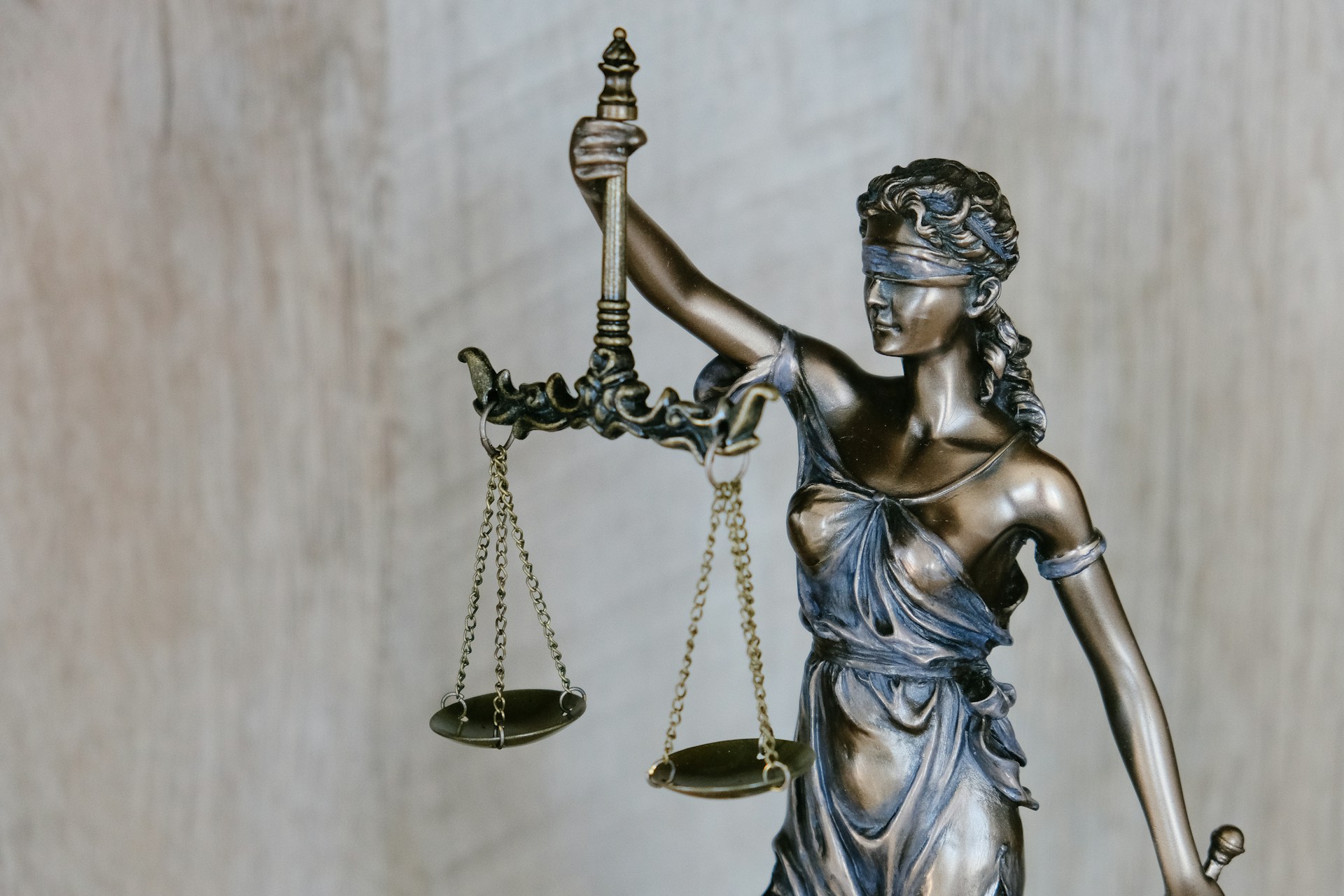
Back then, rules weren’t only about control. Instead, they shaped who even got to belong.
Dress codes depended on your family line. Separate laws set limits on what jobs you could hold.
They also determined which partners were okay or where you’d be allowed to stay. Those rules built full-on setups of power that feel bizarre today.
They lasted ages since they matched how folks saw life. Society functioned like a rigid lineup where each person fit somewhere specific.
What’s odd about old laws ain’t only their weird ideas. It’s how they show totally unique mindsets on structuring society.
They reveal what limits made sense back then. You might see bouncing pickles or beard taxes as silly quirks.
Yet peek beneath the surface. They reflect societies tackling actual issues using what was available.
Some solutions now feel ridiculous looking back. Others highlight worries that never went away.
They only shifted shape. Rules evolve over time.
The urge to impose structure sticks around. It persists no matter the era.
More from Go2Tutors!

- The Romanov Crown Jewels and Their Tragic Fate
- 13 Historical Mysteries That Science Still Can’t Solve
- Famous Hoaxes That Fooled the World for Years
- 15 Child Stars with Tragic Adult Lives
- 16 Famous Jewelry Pieces in History
Like Go2Tutors’s content? Follow us on MSN.