Touch These Plants and You’re in Trouble
Nature can be deceiving. What looks like an innocent green leaf or pretty flower might be hiding a nasty surprise that could ruin your day, week, or even land you in the hospital.
These plants don’t play around when it comes to defending themselves, and they’ve developed some pretty creative ways to make sure you keep your distance.
Poison ivy
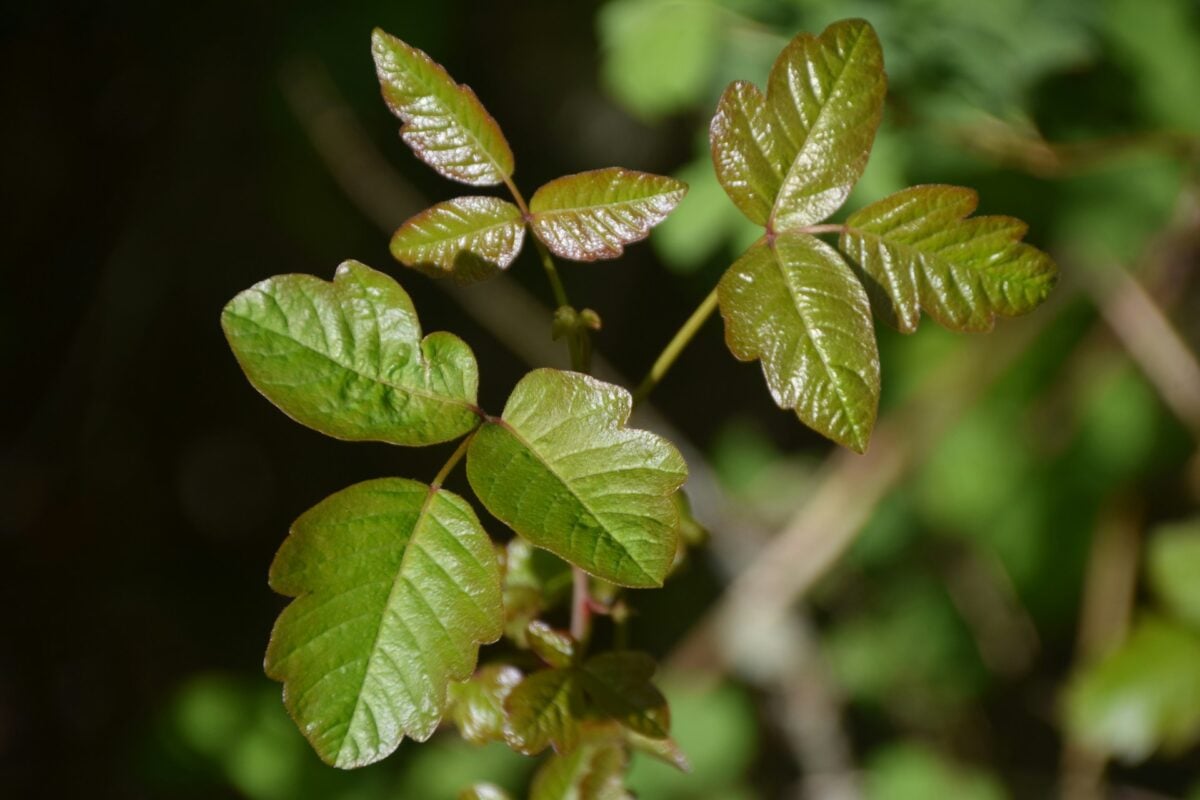
Most people know this three-leafed troublemaker by reputation, but many still can’t spot it in the wild. The leaves grow in clusters of three and can look shiny or dull depending on the season.
What makes this plant so nasty is an oil called urushiol that sticks to your skin like invisible glue. Even brushing against it lightly can cause days of itching, swelling, and blisters that make you want to scratch your skin off.
The worst part is that the oil can stay active on clothes, tools, and even your pet’s fur for months.
Poison oak

This West Coast villain looks similar to poison ivy but tends to grow as a shrub or climbing vine. The leaves also come in threes but are more rounded and lobed than poison ivy.
It contains the same troublesome oil that causes the same miserable rash. Many hikers learn about this plant the hard way when they use its leaves as emergency toilet paper.
The reaction can be even worse than poison ivy for some people, and it loves to grow along popular hiking trails where unsuspecting nature lovers brush against it.
Like Go2Tutors’s content? Follow us on MSN.
Stinging nettle
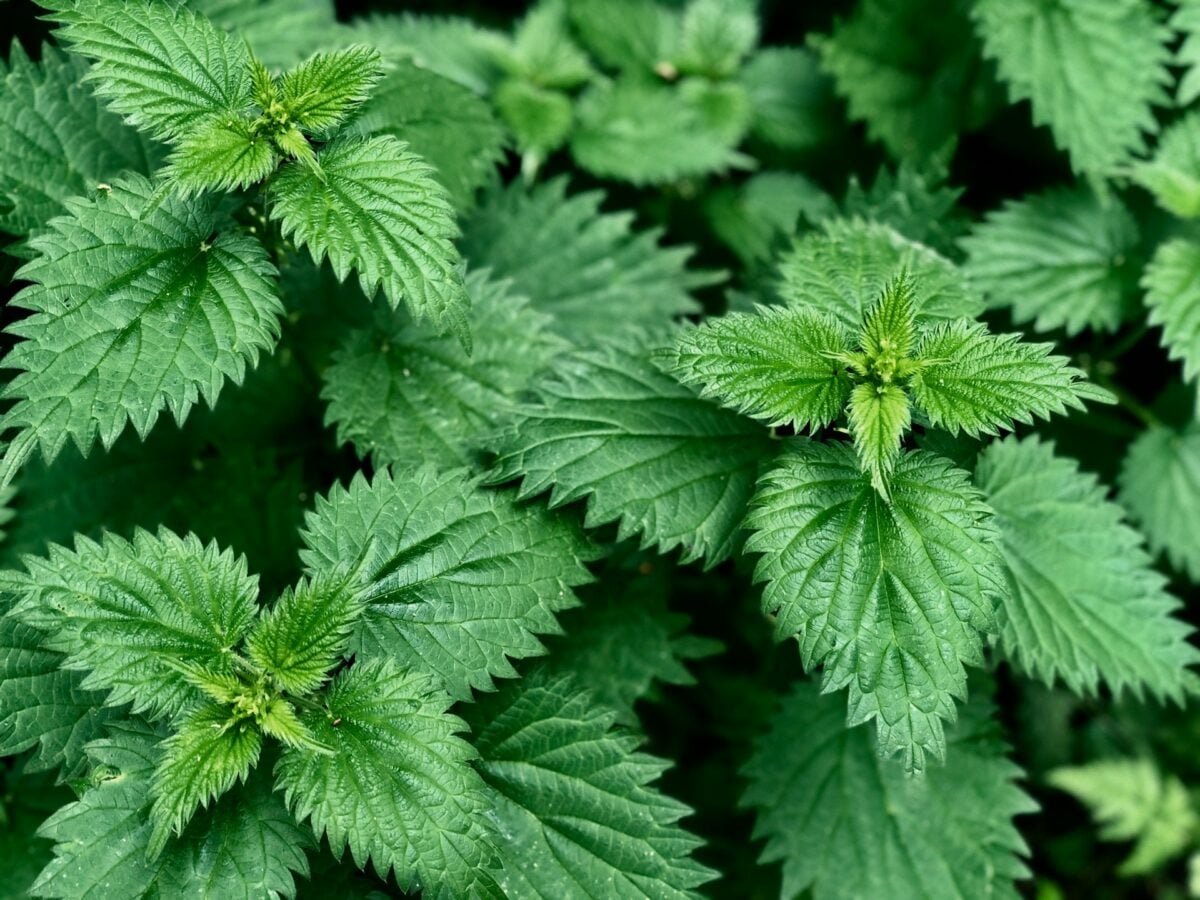
This plant doesn’t wait around for you to develop a rash later. It attacks immediately with tiny hairs that inject chemicals into your skin the moment you touch it.
The burning sensation hits right away and can last for hours. The leaves look harmless enough with their serrated edges, but those innocent-looking hairs are like tiny needles loaded with formic acid and histamine.
Interestingly, many people actually eat cooked stinging nettle as a nutritious green vegetable, but you definitely want gloves when harvesting it.
Giant hogweed

This plant looks like it belongs in a fairy tale with its massive umbrella-shaped flower clusters that can tower over your head. But this giant is no gentle friend from a storybook.
The clear sap contains chemicals that make your skin super sensitive to sunlight. Touch it and then go out in the sun, and you’ll develop severe burns and blisters that can take months to heal.
The scars can last for years, and some people end up with permanent dark spots on their skin.
Wild parsnip
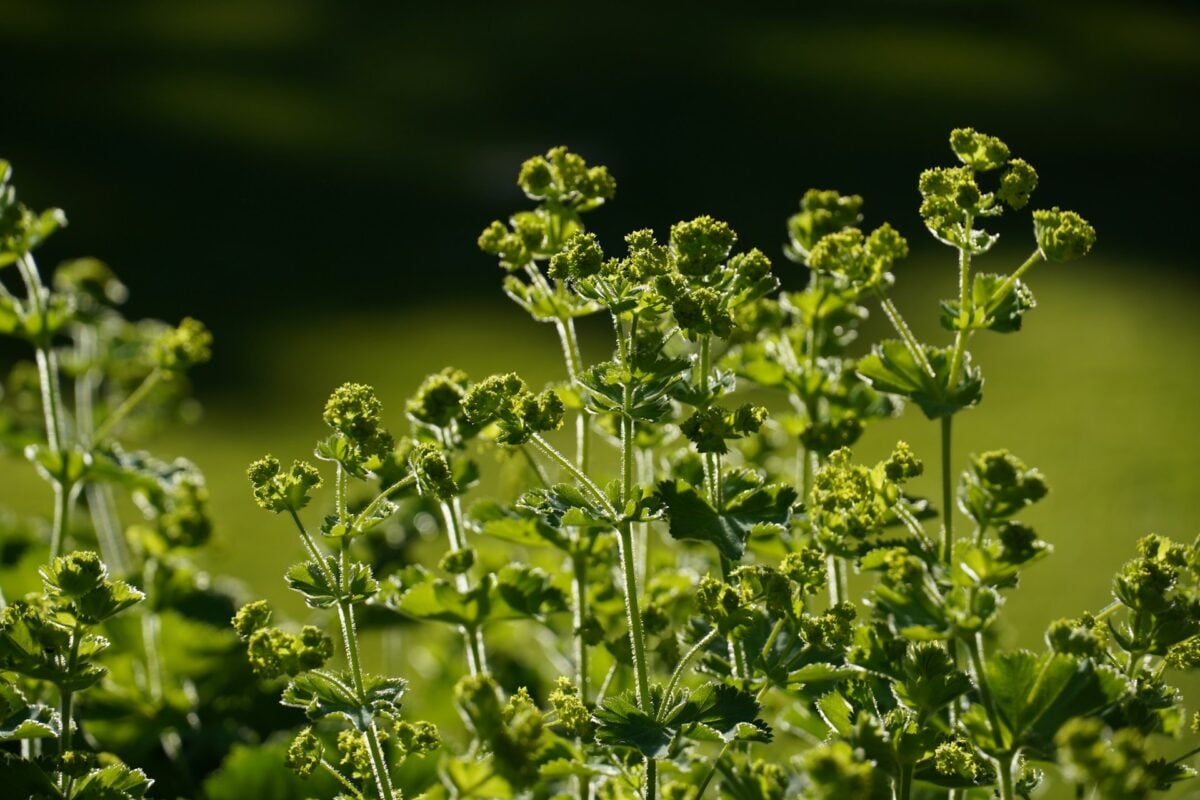
This plant tricks people because it looks so much like harmless Queen Anne’s lace with its white umbrella flowers. The difference is that wild parsnip can cause the same nasty reaction as giant hogweed.
The sap makes your skin hypersensitive to sunlight, leading to painful burns that look like severe sunburn. Many people don’t even realize they’ve touched it until they notice the burning sensation hours later.
The plant often grows along roadsides and in fields where people might accidentally brush against it.
Like Go2Tutors’s content? Follow us on MSN.
Manchineel tree

Known as the most dangerous tree in the world, this Caribbean native earns its scary reputation. Every single part of this tree is toxic, from the bark to the fruit that looks like small green apples.
Standing under it during rain can cause blisters from the water dripping off the leaves. The milky sap can cause temporary blindness if it gets in your eyes.
Even burning the wood creates toxic smoke that can damage your lungs. Some beaches in Florida and the Caribbean post warning signs around these trees.
Castor bean plant
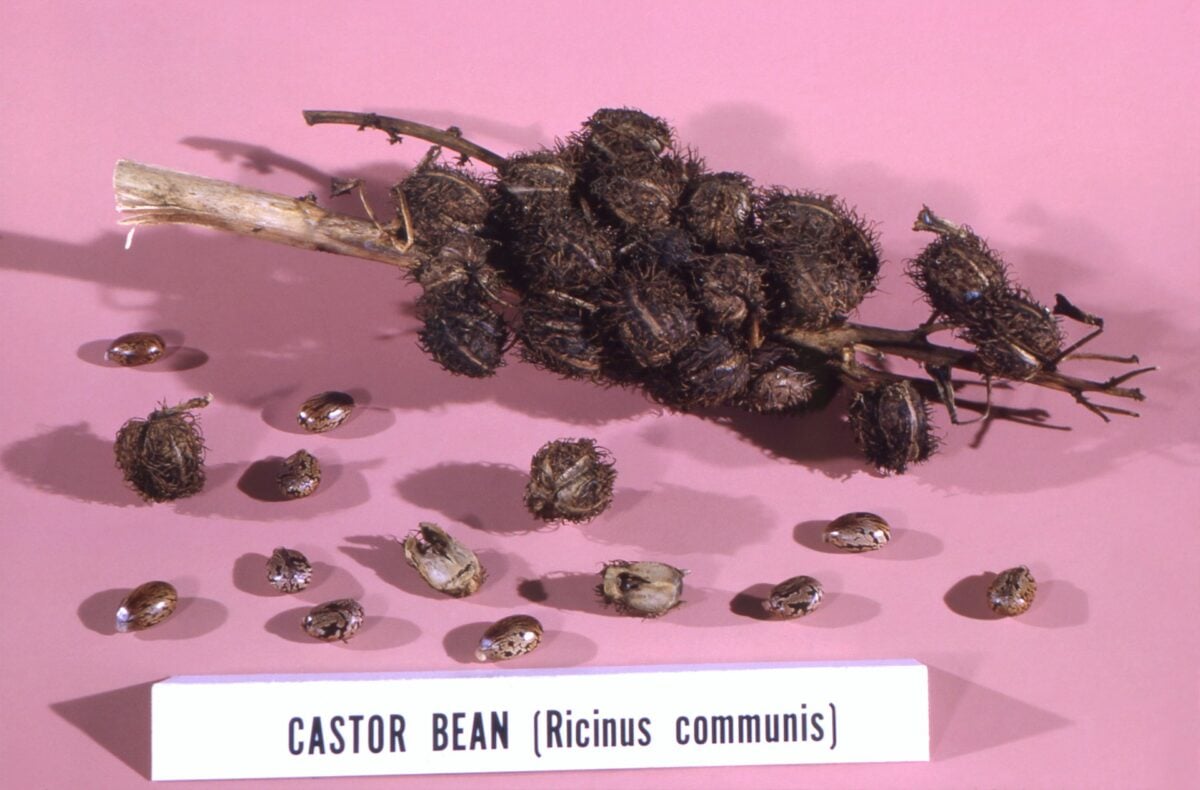
These plants grow tall with large, pretty leaves that look almost tropical. The seeds contain ricin, one of the most potent natural poisons known to humans.
Just a few seeds can be deadly if eaten, and even touching the plant can cause skin irritation in sensitive people. Many people grow these as ornamental plants without realizing how dangerous they are.
The seeds are particularly attractive to children because they’re large and colorful, which makes this plant especially concerning for families.
Oleander
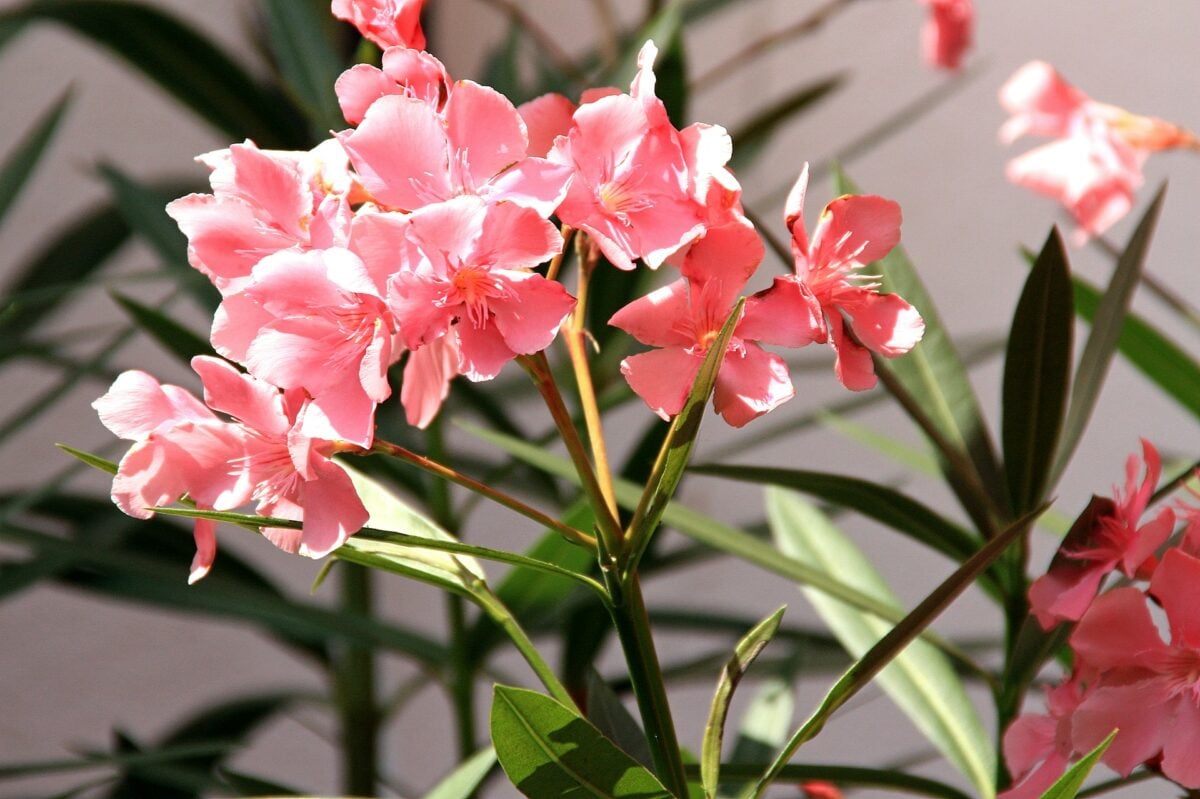
This popular landscaping shrub produces beautiful pink, white, or red flowers that smell sweet and look completely innocent. But every part of this plant contains powerful toxins that affect the heart.
Even small amounts can cause serious problems if ingested, and the smoke from burning oleander branches is dangerous to breathe. Many people have these planted around their homes as decorative shrubs without knowing about the risks.
The plant is so toxic that even using the branches as skewers for roasting food can cause poisoning.
Like Go2Tutors’s content? Follow us on MSN.
Daffodils and narcissus

These cheerful spring flowers seem harmless enough, but the bulbs contain crystals that can cause serious skin irritation. People who handle a lot of bulbs, like gardeners and florists, sometimes develop “daffodil rash” on their hands and fingers.
The reaction includes redness, swelling, and sometimes painful cracks in the skin. The bulbs are also poisonous if eaten, which sometimes happens because they can look similar to onions.
Even the water from cut daffodil stems can cause problems for other flowers in the same vase.
Philodendron

This common houseplant sits innocently on windowsills and in offices everywhere, but its leaves contain calcium oxalate crystals. When you touch the plant and then touch your face or eyes, these microscopic crystals can cause burning and irritation.
Some people develop a rash just from handling the leaves while repotting or pruning. The plant is also dangerous for pets and small children who might chew on the leaves.
Many plant lovers don’t realize their pretty green companion could be causing their mysterious skin irritation.
Crown of thorns

This succulent plant lives up to its intimidating name with sharp spines covering its stems. But the real danger comes from the milky white sap that oozes out when the plant is damaged.
The sap can cause severe skin irritation, rashes, and even temporary blindness if it gets in your eyes. Some people develop blisters that take weeks to heal.
The plant is popular in warm climates as a landscaping choice because it’s drought-resistant and blooms year-round, but many homeowners don’t know about the risks of pruning it.
Like Go2Tutors’s content? Follow us on MSN.
Poinsettia
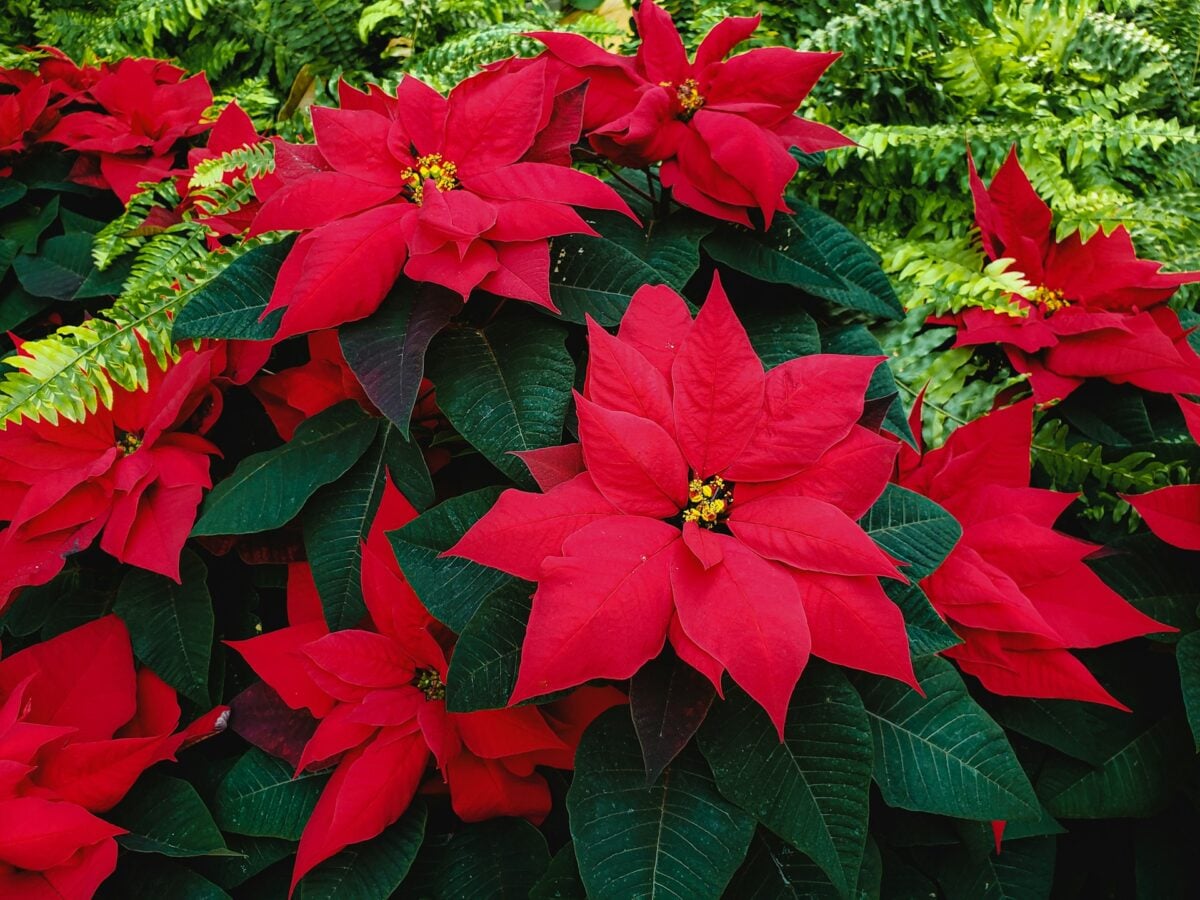
These popular Christmas plants have gotten a bad reputation for being extremely poisonous, which isn’t entirely true, but they can still cause problems. The milky sap can irritate your skin and cause a rash in sensitive people.
If you get the sap on your hands and then rub your eyes, it can cause burning and temporary vision problems. While not as dangerous as once believed, people with latex allergies often react more strongly to poinsettias.
Many families display these plants during the holidays without knowing they should wash their hands after touching them.
Foxglove
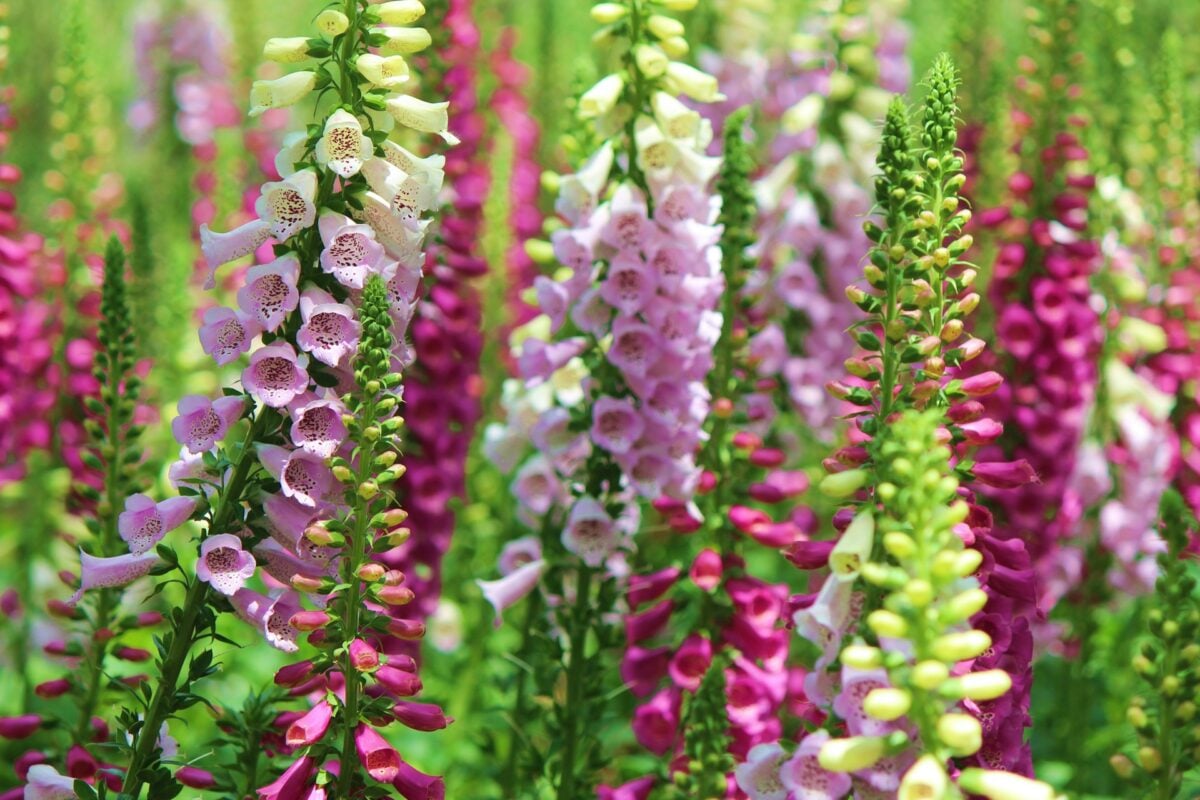
These tall, elegant flowers look like something from an English garden with their bell-shaped blooms in purple, pink, or white. But every part of the plant contains digitalis, a powerful compound that affects the heart.
Even touching the plant can cause skin irritation in some people, and the reaction can be worse if you have cuts or scratches on your hands. The plant is still used to make heart medication, but in controlled doses.
Many gardeners grow foxglove for its beautiful flowers without realizing they should wear gloves when handling it.
From ancient wisdom to modern awareness

People have been learning about dangerous plants the hard way for thousands of years. Ancient cultures developed detailed knowledge about which plants to avoid, passing down warnings through generations of storytellers and healers.
Today, we have a scientific understanding of exactly why these plants cause problems, but we still encounter them in our backyards, hiking trails, and even our homes.
More from Go2Tutors!

- 16 Historical Figures Who Were Nothing Like You Think
- 12 Things Sold in the 80s That Are Now Illegal
- 15 VHS Tapes That Could Be Worth Thousands
- 17 Historical “What Ifs” That Would Have Changed Everything
- 18 TV Shows That Vanished Without a Finale
Like Go2Tutors’s content? Follow us on MSN.