Legends About Medieval Knights That Had Real Origins
The image of the medieval knight is one steeped in romance and fantasy. Shining armor, noble quests, and codes of honor fill our imaginations whenever we think about these warriors from centuries past.
But underneath all the embellishment and storytelling, many of these legends actually started from real events, real people, and very real circumstances that got passed down through generations until fact and fiction became impossible to separate.
So let’s dig into some of these famous stories and see where the truth ends and the legend begins. You might be surprised at how much reality was hiding behind the tales all along.
Knights sleeping in full armor
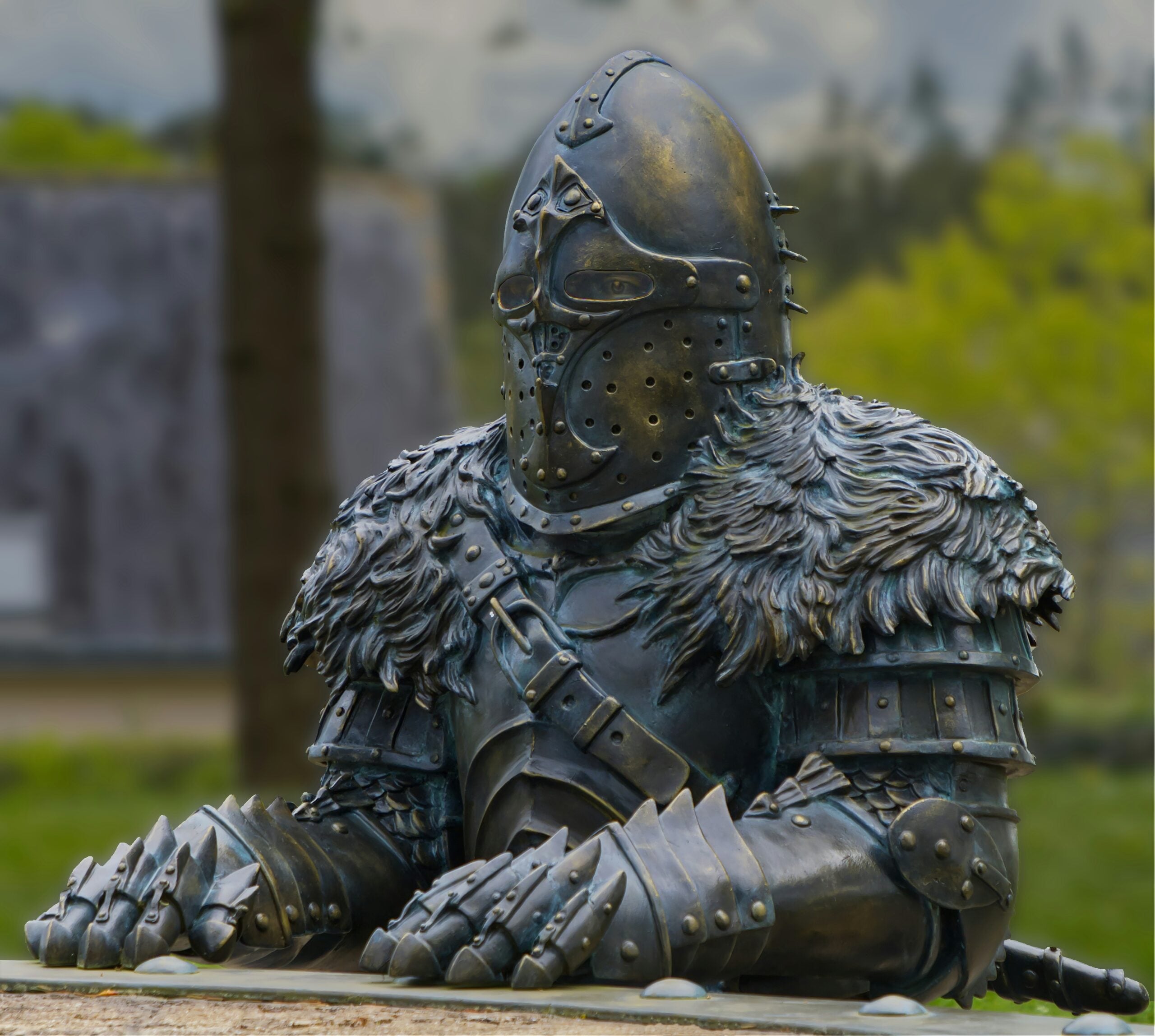
The popular image shows knights resting in complete metal suits, ready to leap into battle at a moment’s notice. This idea came from actual military practices during extended sieges and campaigns where surprise attacks were common.
Knights and soldiers did sometimes sleep partially armored, particularly when enemy forces were nearby. The full version of this legend grew over time as storytellers emphasized the constant vigilance and dedication of these warriors.
Reality was more practical than romantic, though, since sleeping in full plate armor would have been incredibly uncomfortable and potentially dangerous to a person’s health over extended periods.
The right of the first night

This controversial legend claimed that feudal lords could spend the wedding night with any bride from their lands before her husband. While the practice as described in legend probably never existed as an actual widespread custom, the concept came from real feudal powers that lords held over their subjects.
Lords did have significant control over marriages in their domains and could impose taxes or fees on weddings. Some historians believe the legend grew from resentment over these marriage taxes and the general power imbalance between nobles and common people.
The story served as a way to express anger about feudal oppression rather than documenting an actual practice.
Dragons guarding treasure
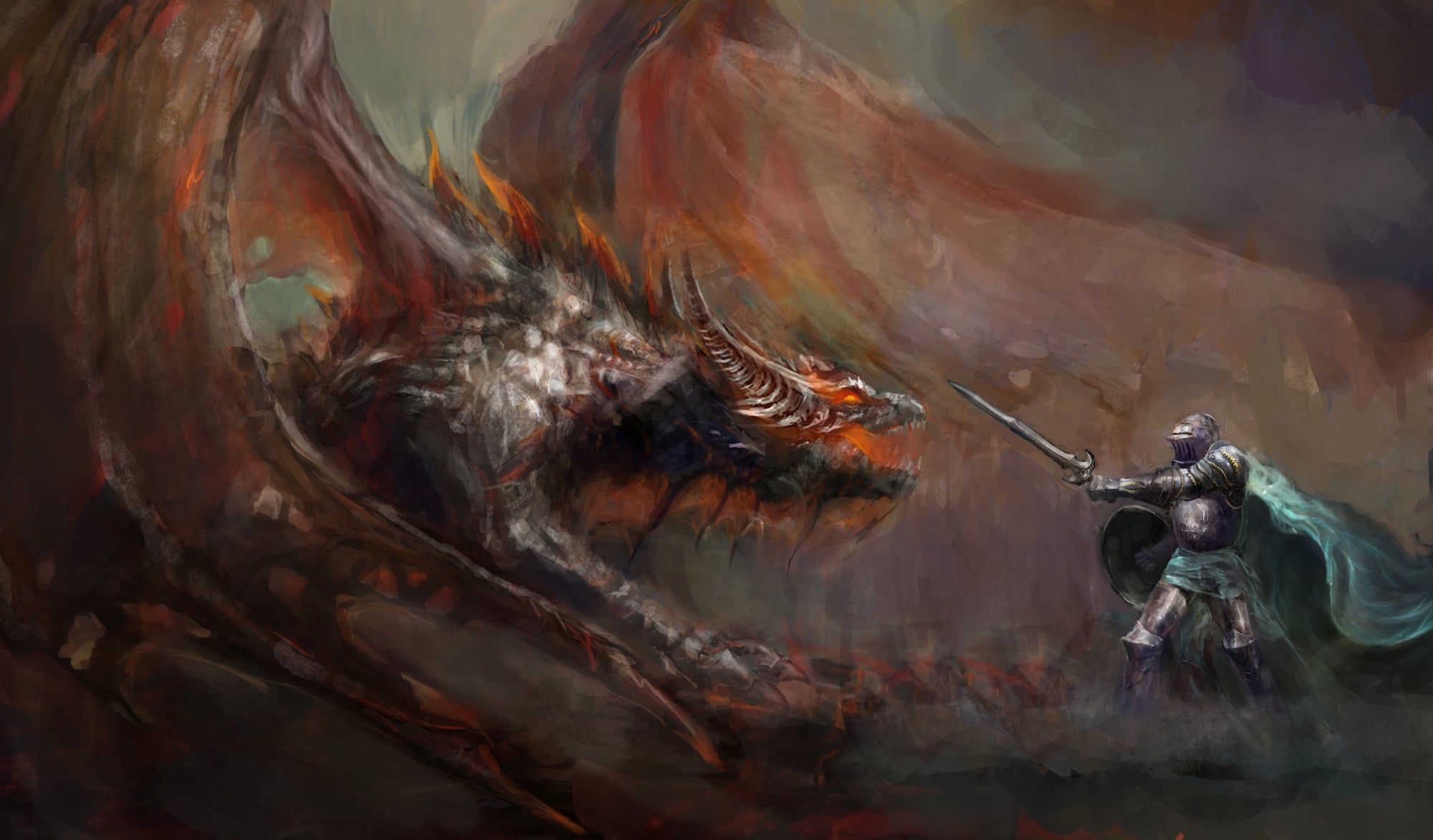
Knights fighting dragons appear throughout medieval literature and art. These stories had roots in real discoveries of large fossilized bones that people at the time couldn’t explain.
When medieval folks found dinosaur fossils or remains of extinct megafauna, they interpreted them as proof that giant reptiles once roamed the earth. Knights who explored caves or distant lands sometimes reported finding unusual bones, which then got woven into tales of dragon slaying.
The treasure element likely connected to real hoards of wealth hidden in remote locations during times of war and invasion.
Trial by combat
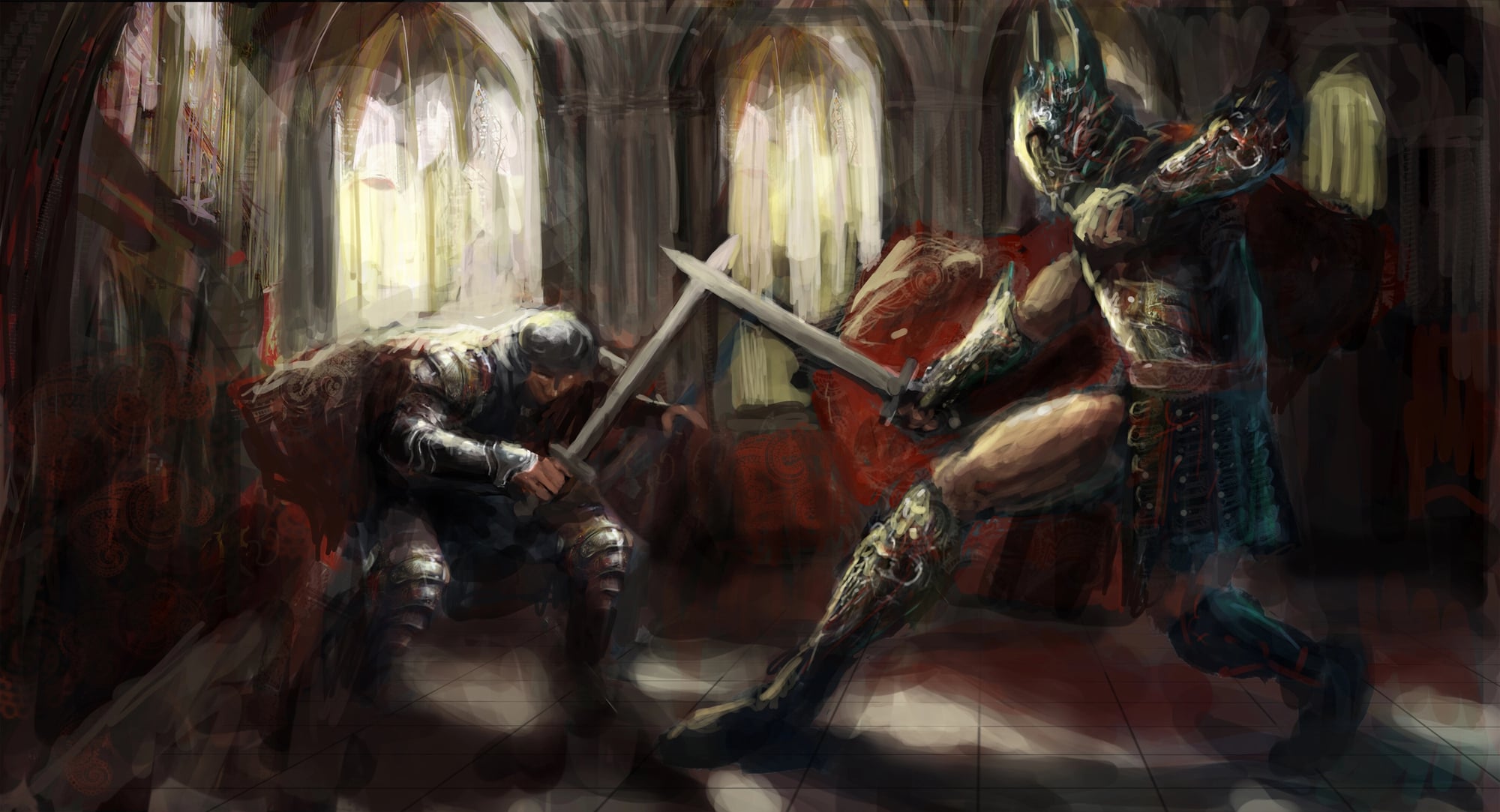
Disputes settled through one-on-one fighting between knights or their champions actually happened in medieval courts. This wasn’t just legend but established legal practice in many European regions from roughly the 11th through 16th centuries.
The belief was that God would grant victory to the righteous party, making the outcome a form of divine judgment. These contests had strict rules and were overseen by authorities.
They gradually fell out of favor as legal systems became more sophisticated, but trial by combat remained technically legal in some places surprisingly late. England didn’t formally abolish it until 1819 after someone actually tried to invoke the right.
Knights errant wandering the land
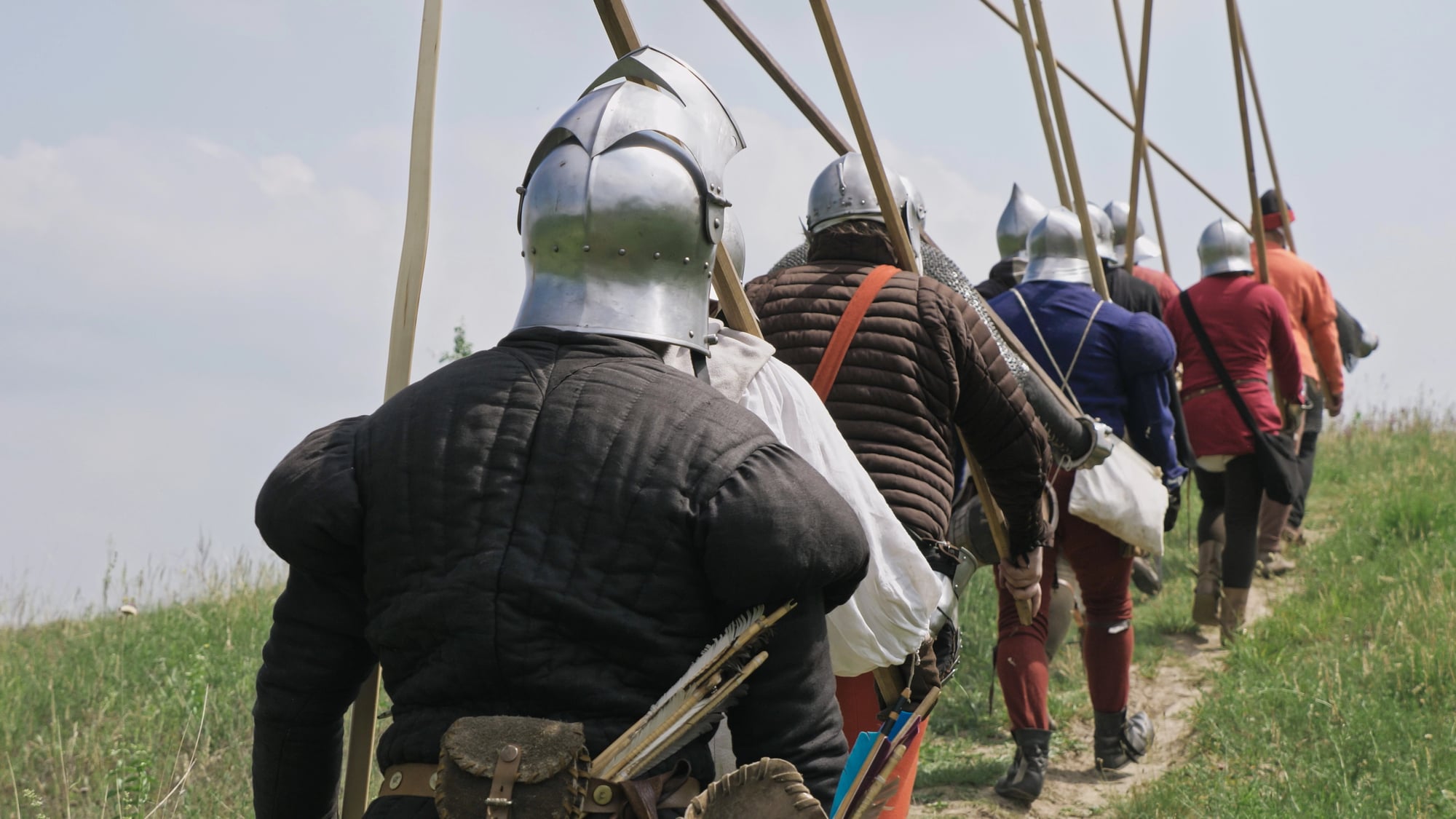
Stories tell of lone knights traveling the countryside seeking wrongs to right and people to help. This legend came from real circumstances of younger sons of noble families who inherited nothing.
Medieval inheritance laws typically gave everything to the eldest son, leaving younger brothers to make their own way. Many became knights for hire, traveling between conflicts and tournaments to earn money and reputation.
Some did involve themselves in local disputes, offering their martial skills to those who could pay. The romantic version simply added more noble motivations to what was often economic necessity.
The Holy Grail quest
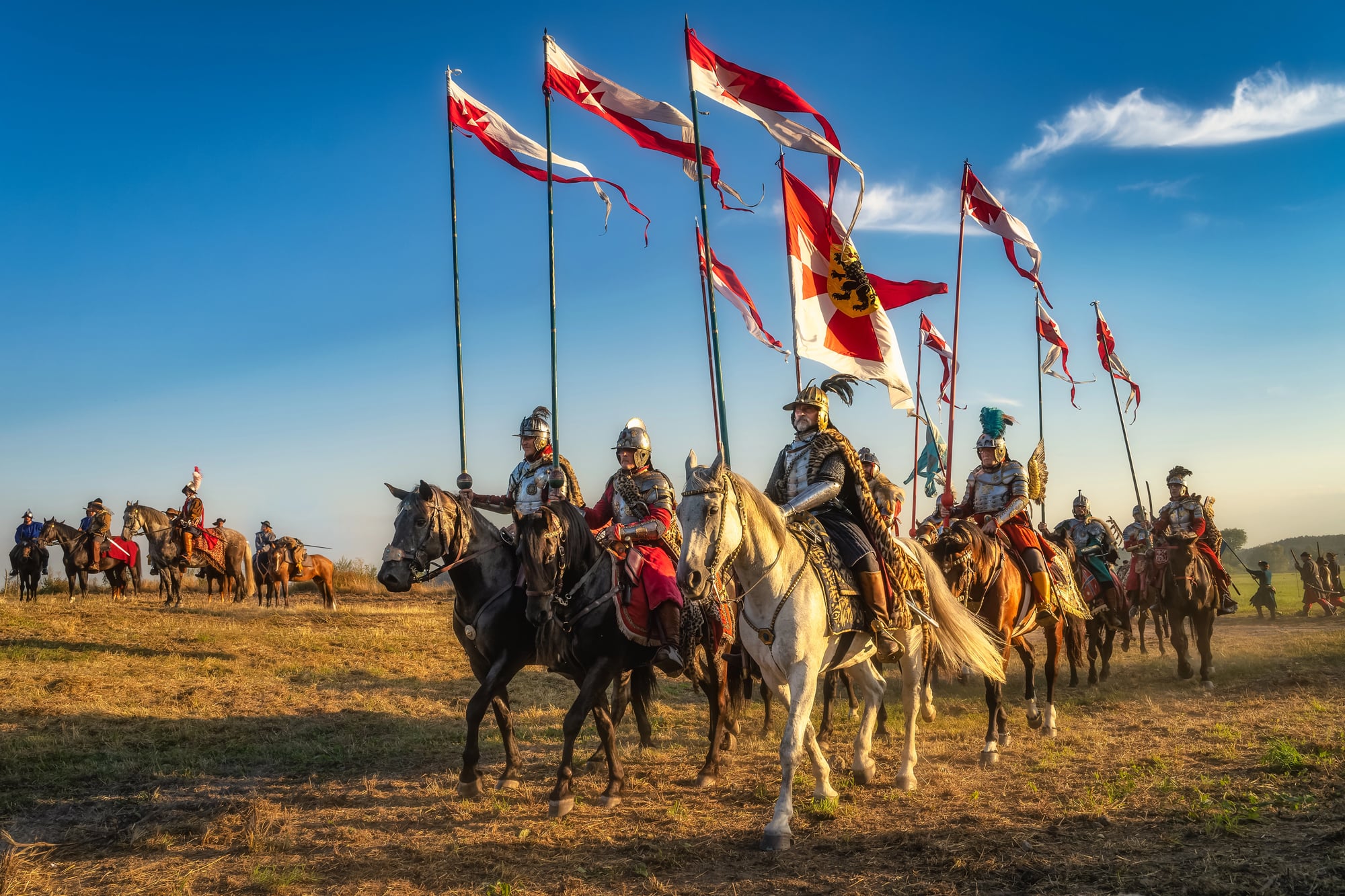
Legends of knights seeking the cup used at the Last Supper became central to medieval storytelling. This legend combined several real elements including the Crusades, authentic religious relics that circulated in medieval Europe, and the actual questing nature of knightly culture.
Medieval Christians did travel vast distances seeking holy objects and visiting sacred sites. Numerous churches claimed to possess important relics, and knights participated in these pilgrimages.
The Grail legend took these real practices and elevated them into an impossible spiritual quest that represented the search for divine truth and personal perfection.
Horses trained for battle
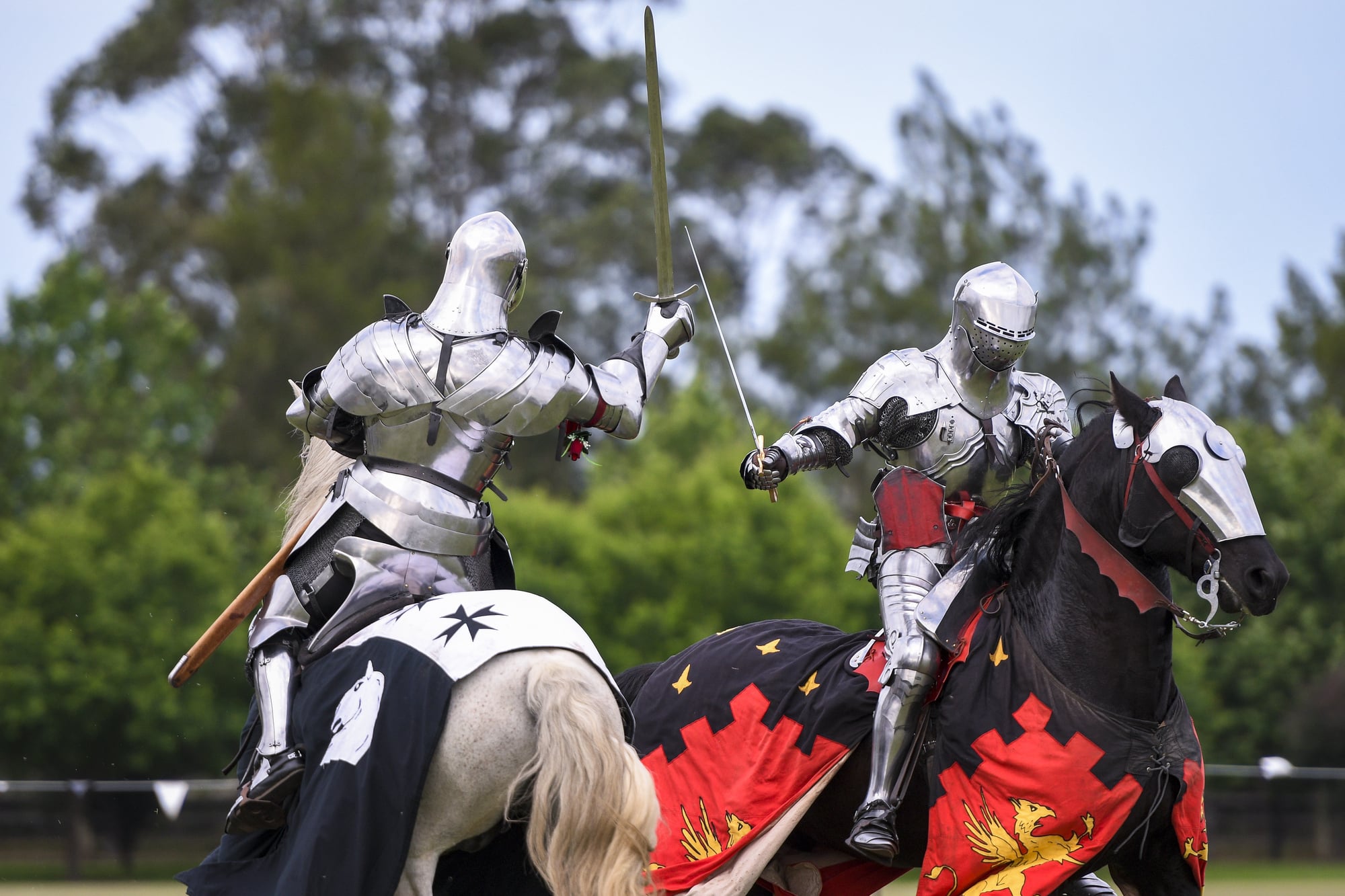
War horses in legends perform incredible feats of intelligence and loyalty. Medieval destriers, the actual warhorses used by knights, were indeed extensively trained and extremely valuable.
These horses could cost as much as a small estate and required years of preparation. They learned to kick, bite, and use their weight as weapons during combat.
A well-trained destrier would respond to knee pressure and weight shifts since the rider’s hands were busy with weapons. These animals were so important that killing an opponent’s horse was considered a legitimate and effective battle tactic.
The legends simply enhanced the already impressive reality of these combat partnerships.
Castles with hidden passages
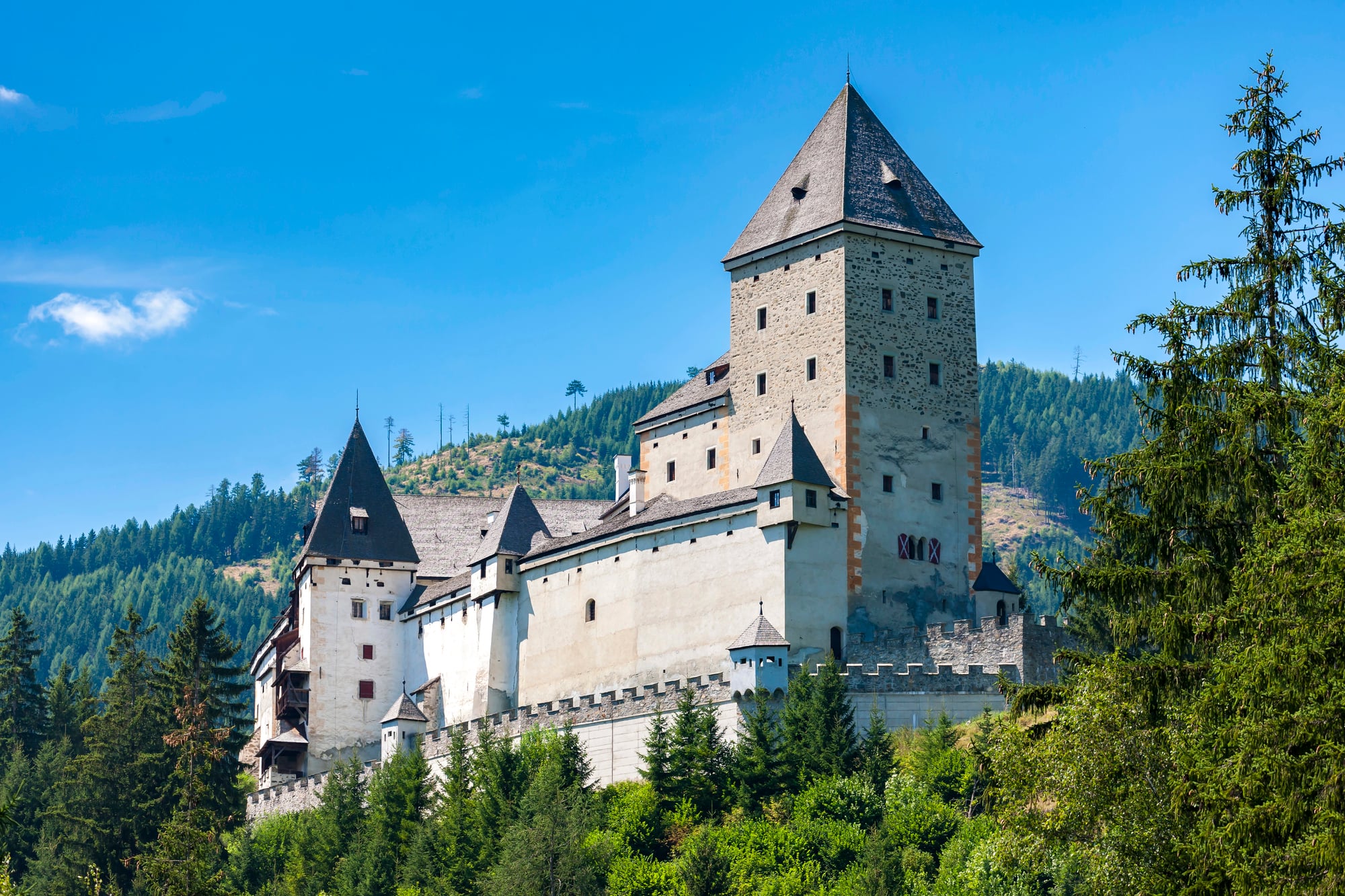
Secret tunnels and hidden rooms fill castle legends throughout Europe. Many castles actually did have concealed passages, though usually for practical rather than mysterious reasons.
These passages served as escape routes during sieges, ways to move supplies without exposure to enemy fire, or methods to surprise attackers. Some connected to water sources outside the walls.
Castle builders also created hidden chambers for storing valuables during attacks. Over time, these functional features became exaggerated into elaborate networks of secret passages used for romantic midnight meetings or dramatic escapes, though the basic concept was grounded in real defensive architecture.
The sword in the stone
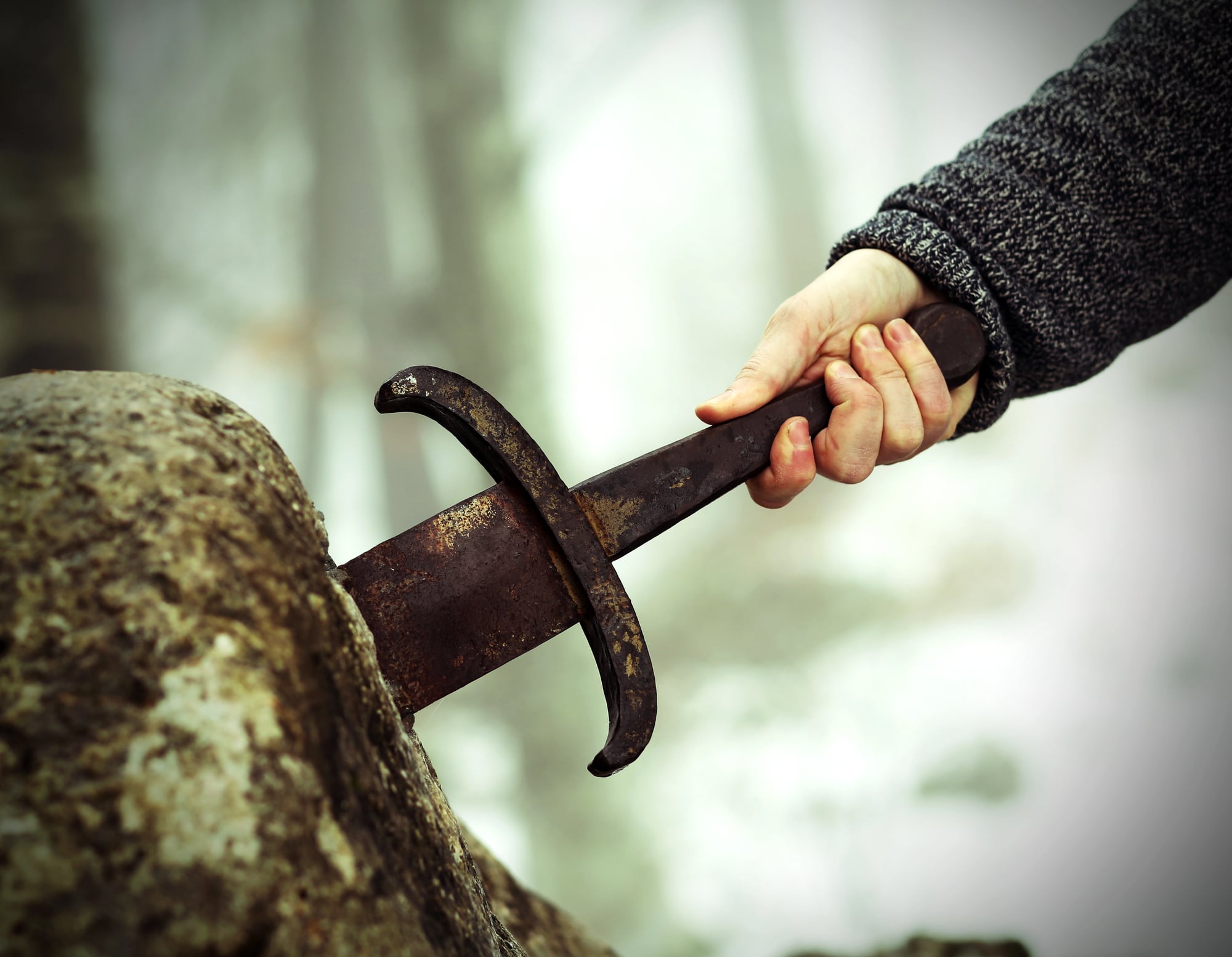
The famous legend of Arthur pulling a sword from stone to prove his right to rule had possible origins in metalworking practices and Celtic rituals. Some historians point to the real process of smelting iron from ore, where the metal must be extracted from stone.
Master smiths who could create superior weapons held almost magical status in their communities. Celtic peoples also performed ceremonies involving swords and sacred stones.
Another theory connects it to the practice of driving swords into stone altars or burial markers. The legend may have combined these various real practices into a single dramatic test of kingship and divine selection.
Tournaments that turned deadly

Legends describe tournaments as deadly affairs where knights regularly died for sport and glory. Early tournaments in the 11th and 12th centuries were actually quite dangerous, essentially being organized melees between teams of mounted knights with minimal rules.
Participants did die with some regularity. The church tried to ban tournaments multiple times due to the deaths and injuries.
Over time, tournaments became more regulated with the introduction of blunted weapons, specific competition zones, and stricter rules. By the later medieval period, they were much safer, though accidents still happened.
The legends preserved the memory of those rougher early contests when tournaments really were life-threatening events.
Knights defending the innocent
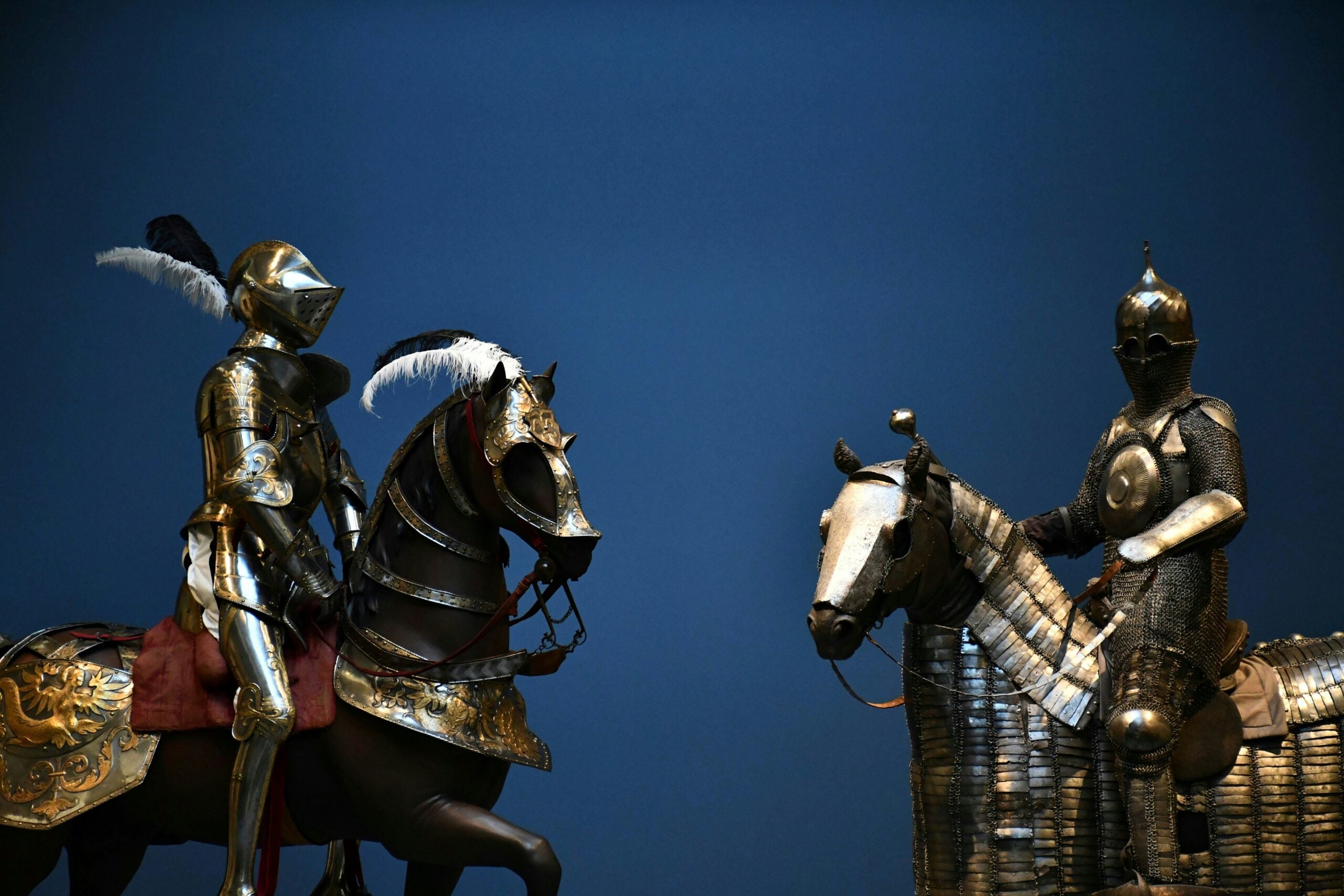
Tales of knights protecting helpless villagers from bandits and oppressors formed a core part of knightly mythology. The reality was more complicated but had genuine roots.
The concept of chivalry that developed in the 12th and 13th centuries did emphasize protecting those unable to defend themselves. Some knights took these ideals seriously and intervened in local conflicts or defended monasteries and travelers.
However, knights were also sometimes the oppressors themselves, and many ignored chivalric ideals entirely when it suited them. The legend emphasized the aspirational standard of knightly behavior rather than the frequent reality, but that standard came from real codes and expectations documented in medieval literature and law.
Poison-detecting unicorn horns

Medieval nobles believed that unicorn horns could detect and neutralize poison in food and drink. Knights and lords actually did possess objects they believed were unicorn horns, which they used at feasts and banquets.
These were really narwhal tusks that traders brought from the Arctic. The legend grew from genuine fears about poisoning, which was a real concern among medieval nobility.
Political rivals and ambitious relatives did use poison as a weapon. The horns were so valued that they sold for many times their weight in gold.
This legend combined actual political dangers, real objects from exotic animals, and the human desire for magical protection into a believable story about a mythical creature.
Love tokens worn into battle
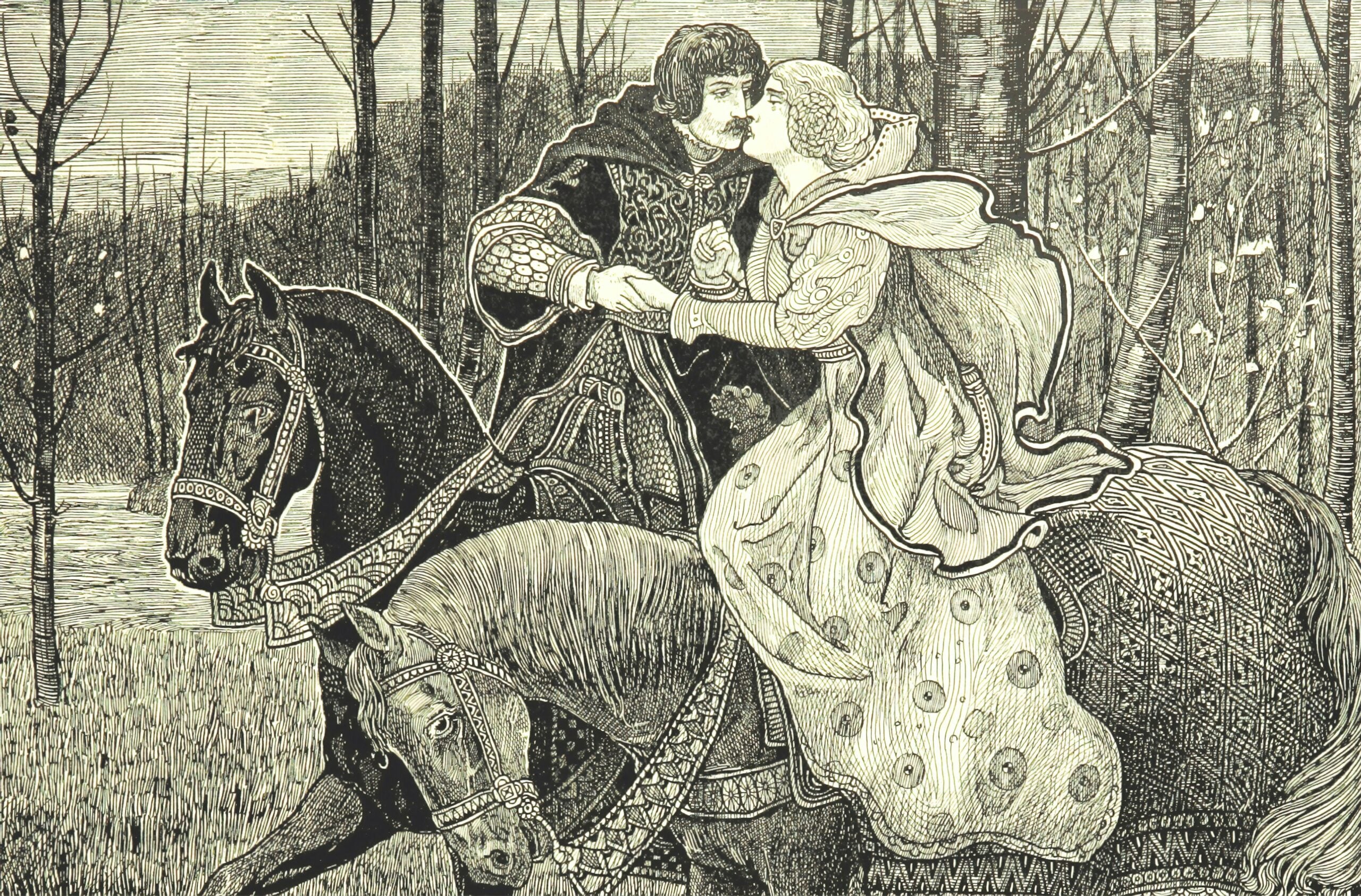
Knights carrying favors from ladies into battle appear constantly in medieval romance. This practice actually happened and followed established customs.
Ladies would give ribbons, sleeves, or other personal items to knights who would wear them during tournaments or battles. These tokens represented a formal relationship between the knight and the lady, showing whose honor he fought to uphold.
The custom served social functions by displaying alliances between families. While legends made this overly romantic, it was really about public displays of social connections and obligations.
Knights did treasure these items though, and some were buried with favors they had received decades earlier.
Knights who never removed their helmets
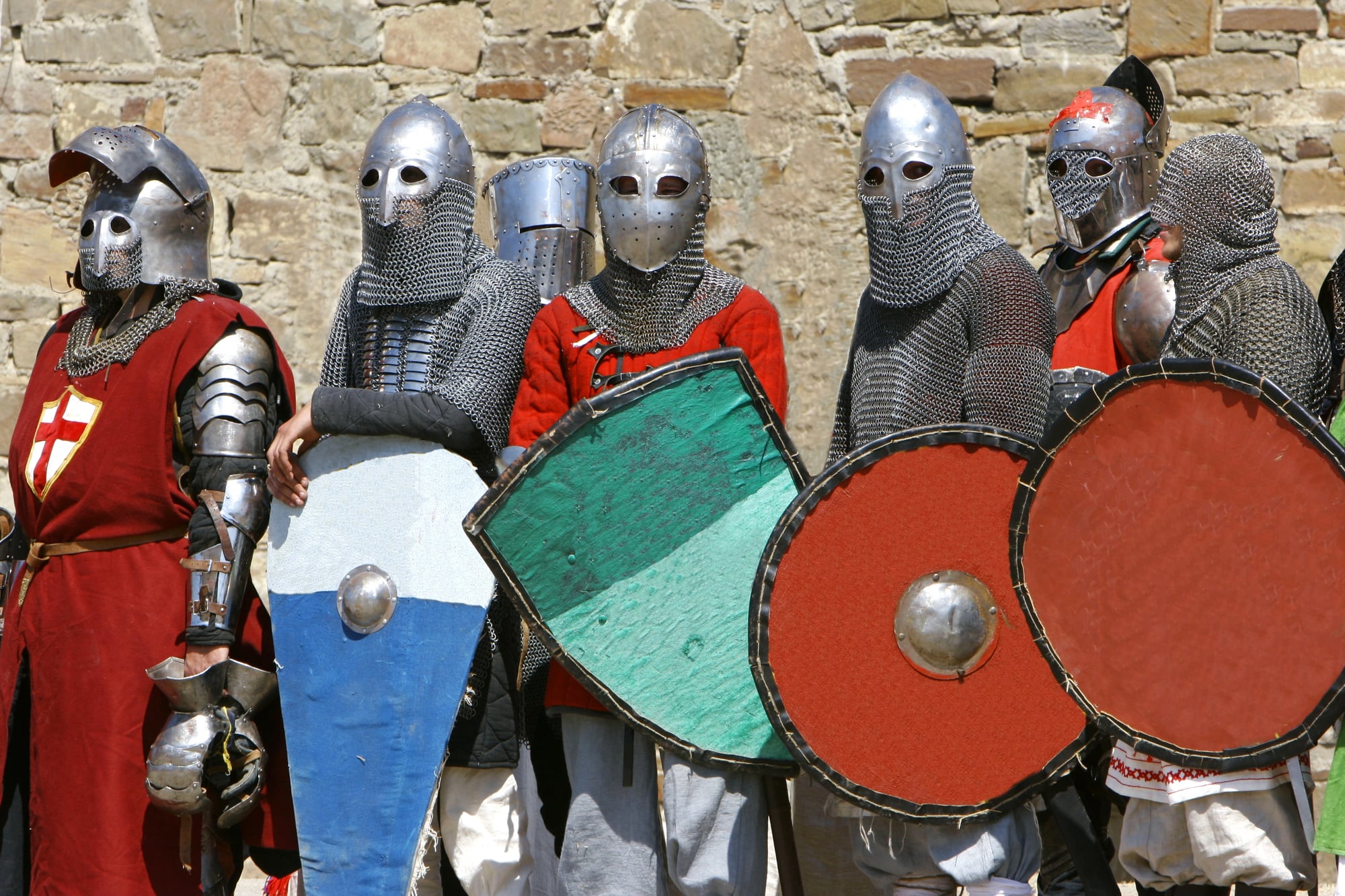
Stories tell of mysterious knights who kept their helmets on at all times, hiding their identities. This had basis in tournament customs where knights sometimes competed incognito.
Nobles would enter tournaments in disguise to test their skills without the pressure of their reputation. It also allowed them to compete without political complications if they lost.
Some knights had disfiguring scars or injuries they preferred to conceal. The practice of disguised knights was common enough that tournament rules developed around it.
The legends took this real custom and created mysterious figures whose hidden identities became central to dramatic reveals and plot twists in medieval stories.
Giants defeated by clever knights

Tales of knights battling giants filled medieval literature across Europe. These legends likely originated from ancient megalithic structures that medieval people couldn’t explain.
Stone circles, massive burial chambers, and enormous carved stones dotted the landscape with no clear purpose to medieval observers. People assumed giants must have built them since humans couldn’t possibly move such huge stones.
When unusually large bones turned up, they seemed to confirm that giants once lived. Knights who explored old ruins and brought back artifacts were credited with defeating the giants who supposedly made them.
The legends connected unexplained ancient construction with heroic narratives that made sense within medieval worldviews.
Healing powers of royal touch
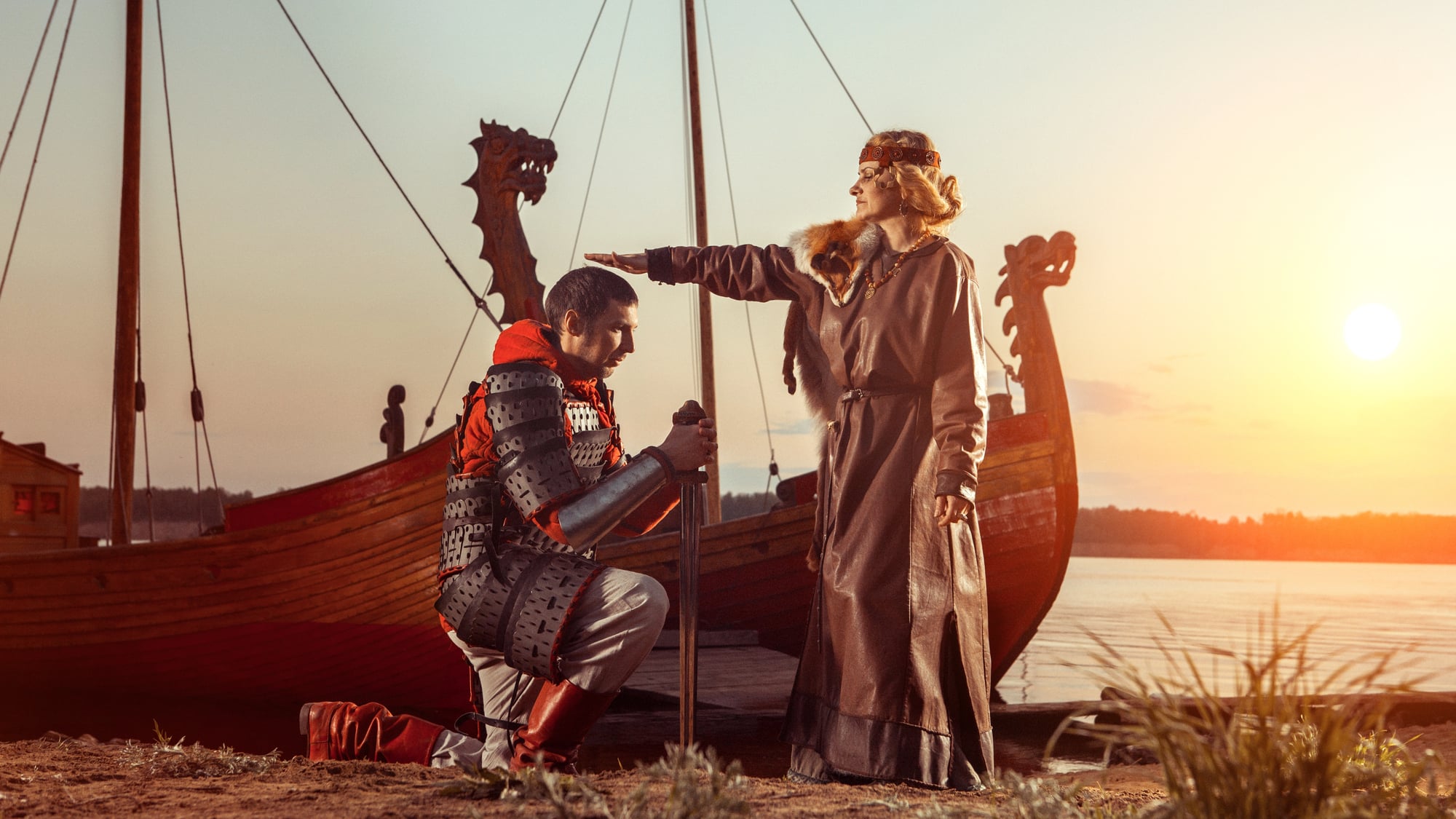
Legends claimed that knights blessed by kings could heal through touch, or that kings themselves had healing powers. This belief was actually practiced as official policy in France and England for centuries.
Kings held special ceremonies where sick people, particularly those with scrofula, would come to be touched and hopefully cured. The practice was called the Royal Touch and continued into the 18th century.
Knights who served directly under kings were sometimes believed to carry a portion of this divine favor. The legend grew from the medieval concept of divine right and the belief that God granted special powers to legitimate rulers.
Thousands of people participated in these ceremonies seeking cures for their ailments.
Cursed blades tied to grim tales
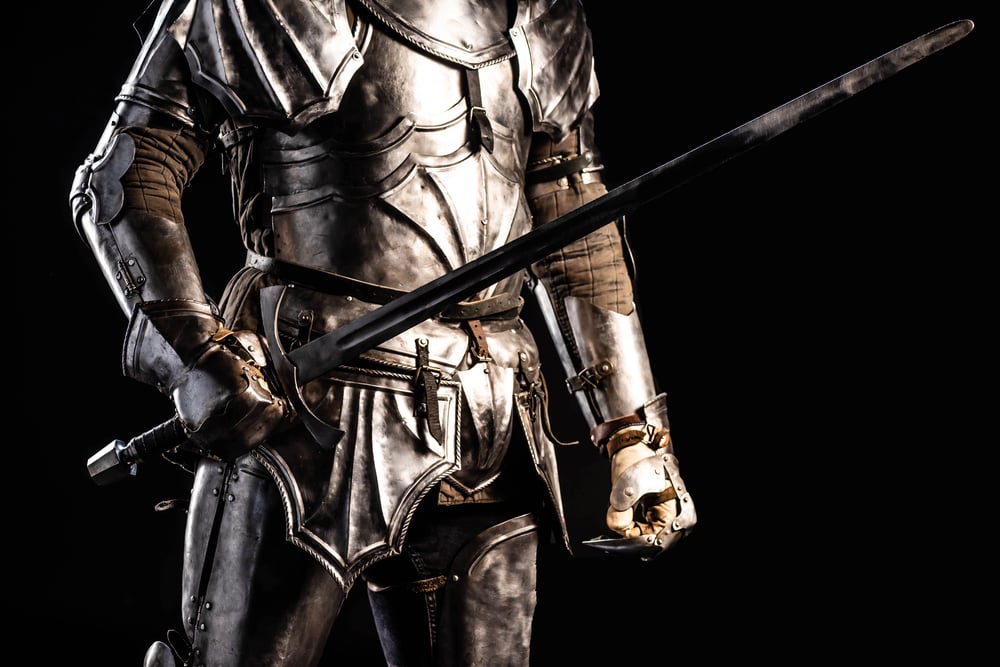
Folks thought certain weapons came with bad luck or spelled disaster for whoever held them. These ideas actually mirrored how people back then viewed mighty arms and their pasts.
Renowned blades got named, passed down, and followed across family lines. If several bearers of one sword fell in combat, stories started linking fate to the steel.
High-quality swords were so prized they often sparked robbery or fights – adding fuel to their deadly image. Some blades got tied to specific fights or acts of treachery, picking up grim backstories.
Because of those events, myths grew – linking arms, warriors, and sorrowful ends through eerie twists that hooked listeners.
Sacred vows once tied to knights
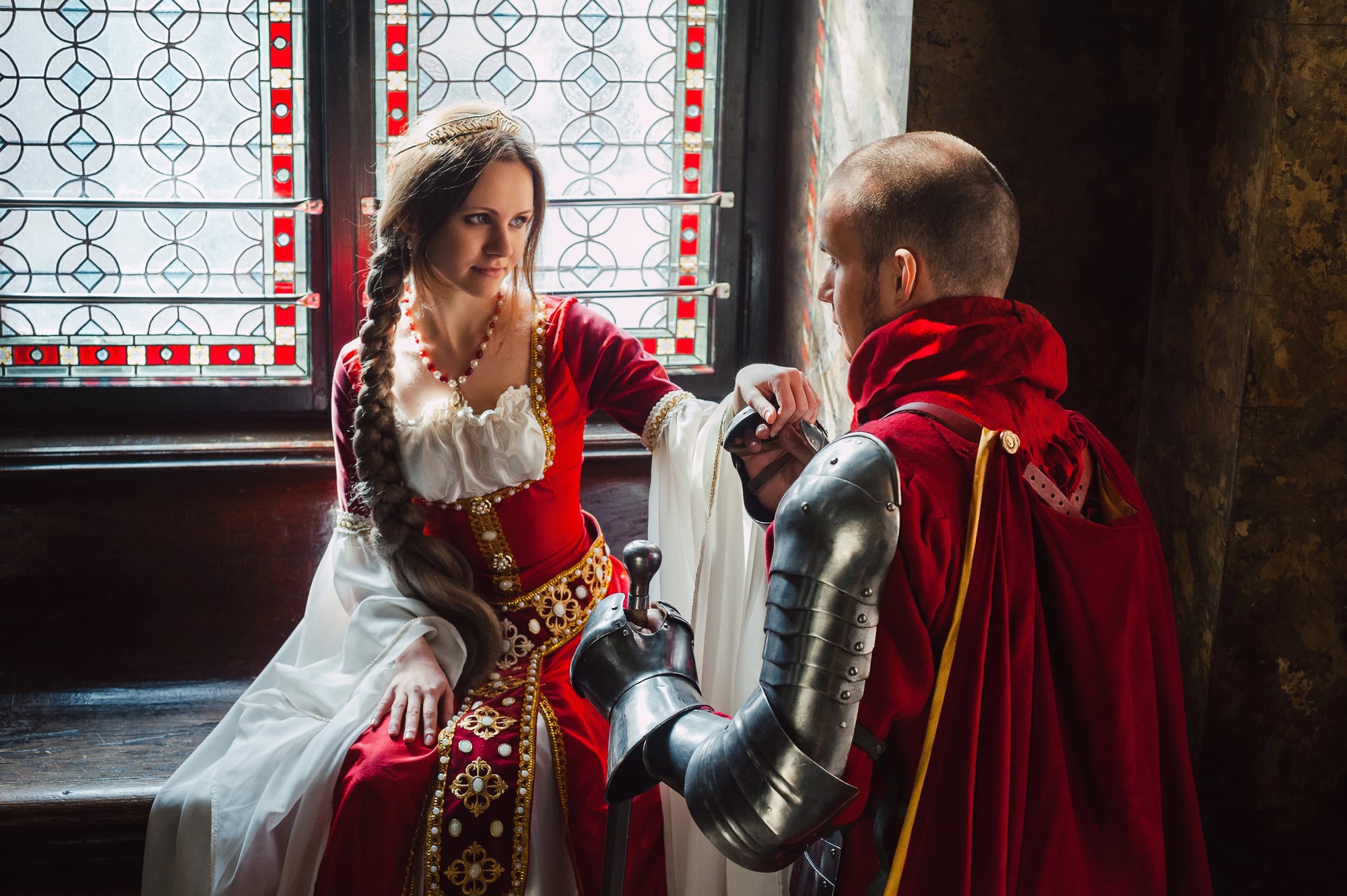
Knightly promises show up everywhere in old tales – they’re key to how honor worked back then. Actual knights made solemn pledges that carried real weight in court and society.
Breaking such a vow? That ranked among the gravest crimes, often leading to seized property, stripped ranks, or death. Loyalty oaths tied them to their lords through rituals that locked in duties for both parties.
When joining warrior-monk groups, they also pledged spiritual commitments under sacred rules. Letting down those promises shamed not only the person but everyone in their household.
While tales made these pledges seem ironclad, real life was messier – knights often juggled tangled duties, having to weigh one duty against another when loyalties clashed.
The lingering sound of metal mixed with tale
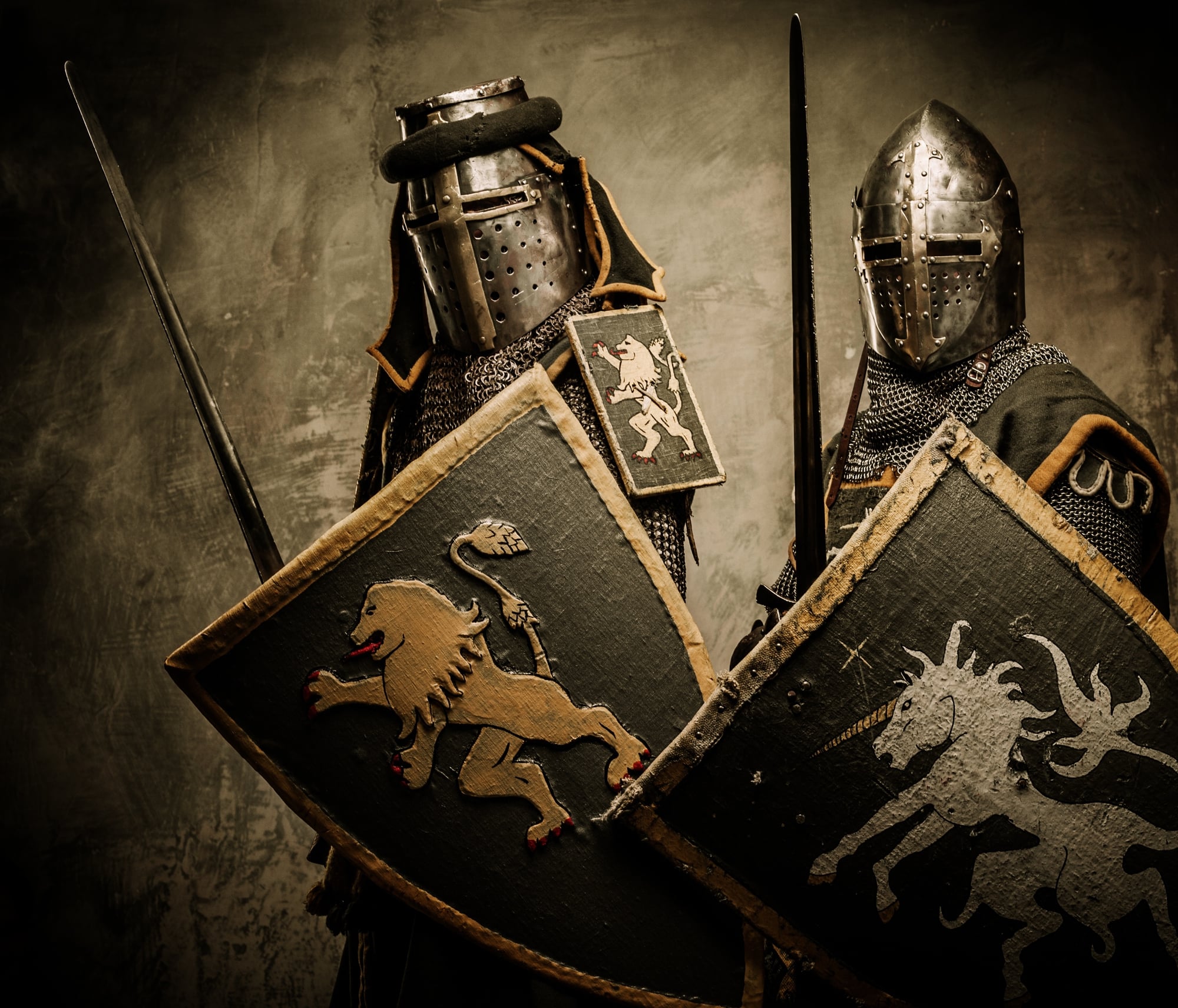
Those myths stick around since they’re rooted in truths – ones both old times and today’s folks can relate to. Knights weren’t made up; they fought for real, following rules that occasionally lined up with their heroic image but often didn’t.
What went down versus what was thought to happen? Not such a wide gap after all. Back then, people shaped the events they saw or heard into tales that mirrored their beliefs and helped them make sense of life.
Even now, we stay hooked because these stories tackle raw ideas like bravery, doing right by others, standing firm through hardship – and trying to reach high goals despite how messy things get.
More from Go2Tutors!

- The Romanov Crown Jewels and Their Tragic Fate
- 13 Historical Mysteries That Science Still Can’t Solve
- Famous Hoaxes That Fooled the World for Years
- 15 Child Stars with Tragic Adult Lives
- 16 Famous Jewelry Pieces in History
Like Go2Tutors’s content? Follow us on MSN.