World’s Top Watch Brands By Revenue
Out near the peak, things tighten up fast. Even with countless names chasing buyers everywhere, just a few grab most of the money flowing through.
History matters here – so does how well something is made, plus the weight a logo carries. Price tags climb high because of these mixtures; sometimes people wait years before they can even buy one.
It stands out because the field isn’t balanced at all. Far in front, one company pulls away sharply from everyone else.
Behind it come several more – solid performers, yet earning noticeably less. After those leaders, things scatter fast. Smaller names pop up everywhere, each leaning on looks, cost, or some special twist to get noticed.
A fresh peek into leading watchmakers’ earnings shows where they stand today. Numbers come from recent market analyses tracking their financial performance.
Rolex

Rolex stands in a league of its own. With estimated annual revenue exceeding $13 billion, it generates more sales than several of its closest competitors combined.
Its dominance is not built on constant reinvention, but on consistency. The brand rarely makes dramatic design changes, instead refining existing models over time.
This steady approach has created a sense of reliability and trust. Buyers know what they are getting, and that predictability strengthens long-term demand.
The resale market also plays a role, with many Rolex watches retaining or even increasing in value.
Still, its real strength lies in perception. Owning a Rolex is often seen as a milestone, and that cultural status continues to drive demand across generations.
Cartier

Cartier ranks as the second-largest watch brand by revenue, with sales estimated around $3.5–$4 billion. Unlike many competitors, Cartier’s strength comes from blending jewelry and watchmaking into a single identity.
Its designs are instantly recognizable, often emphasizing shape and elegance over technical complexity. This makes its watches appealing to a broader audience, including those who may not consider themselves traditional collectors.
That said, Cartier benefits from versatility. Its pieces work equally well as accessories and timekeeping devices, which helps expand its reach far beyond the typical watch buyer.
Omega

Omega consistently ranks among the top three watch brands globally, with revenues close to $3 billion. The brand has built its reputation on precision, reliability, and a strong connection to major global events.
Its product range is wide, covering both entry-level luxury and higher-end models. This allows Omega to appeal to a larger audience while maintaining a premium image.
Even so, Omega’s strength lies in balance. It offers prestige without being overly exclusive, which helps maintain strong sales volume and consistent global demand.
Audemars Piguet

Audemars Piguet generates roughly $2.5–$3 billion in annual revenue, despite producing far fewer watches than larger brands. Its strategy is built around exclusivity rather than scale.
The brand focuses heavily on a small number of iconic designs, which have become highly sought after. Limited production creates scarcity, driving both demand and pricing power.
Still, this approach requires careful control. By keeping supply low and demand high, Audemars Piguet maintains its position as one of the most desirable names in luxury watchmaking.
Patek Philippe
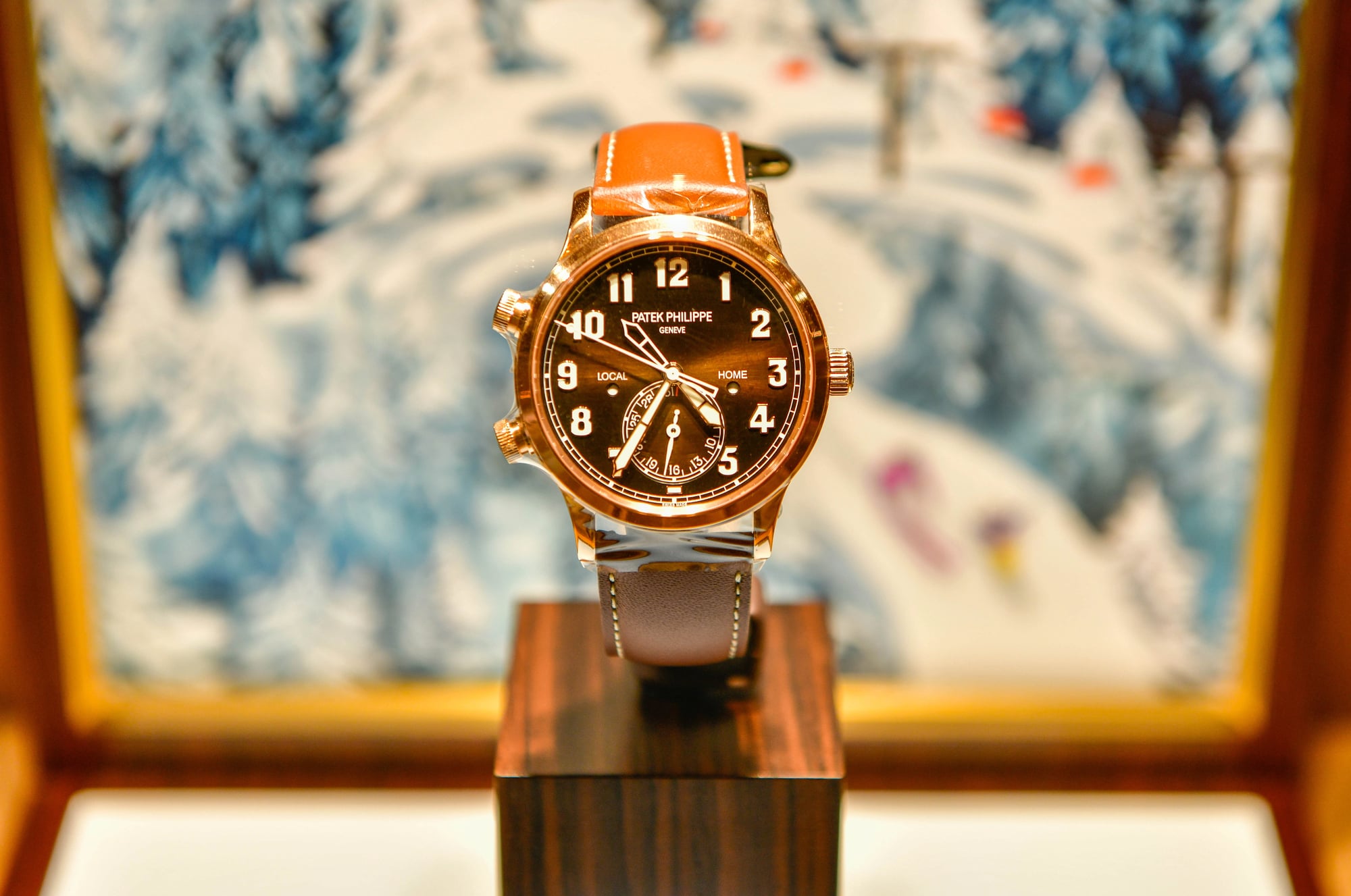
Patek Philippe is another heavyweight in high-end watchmaking, with revenues estimated above $2 billion. The brand is often associated with heritage, craftsmanship, and long-term ownership.
Its watches are designed to last for generations, which reinforces their value both emotionally and financially. Production levels remain relatively low, adding to their exclusivity.
That said, Patek Philippe’s influence extends beyond revenue. It plays a key role in defining what true luxury means in the watch industry, shaping expectations across the market.
Richard Mille
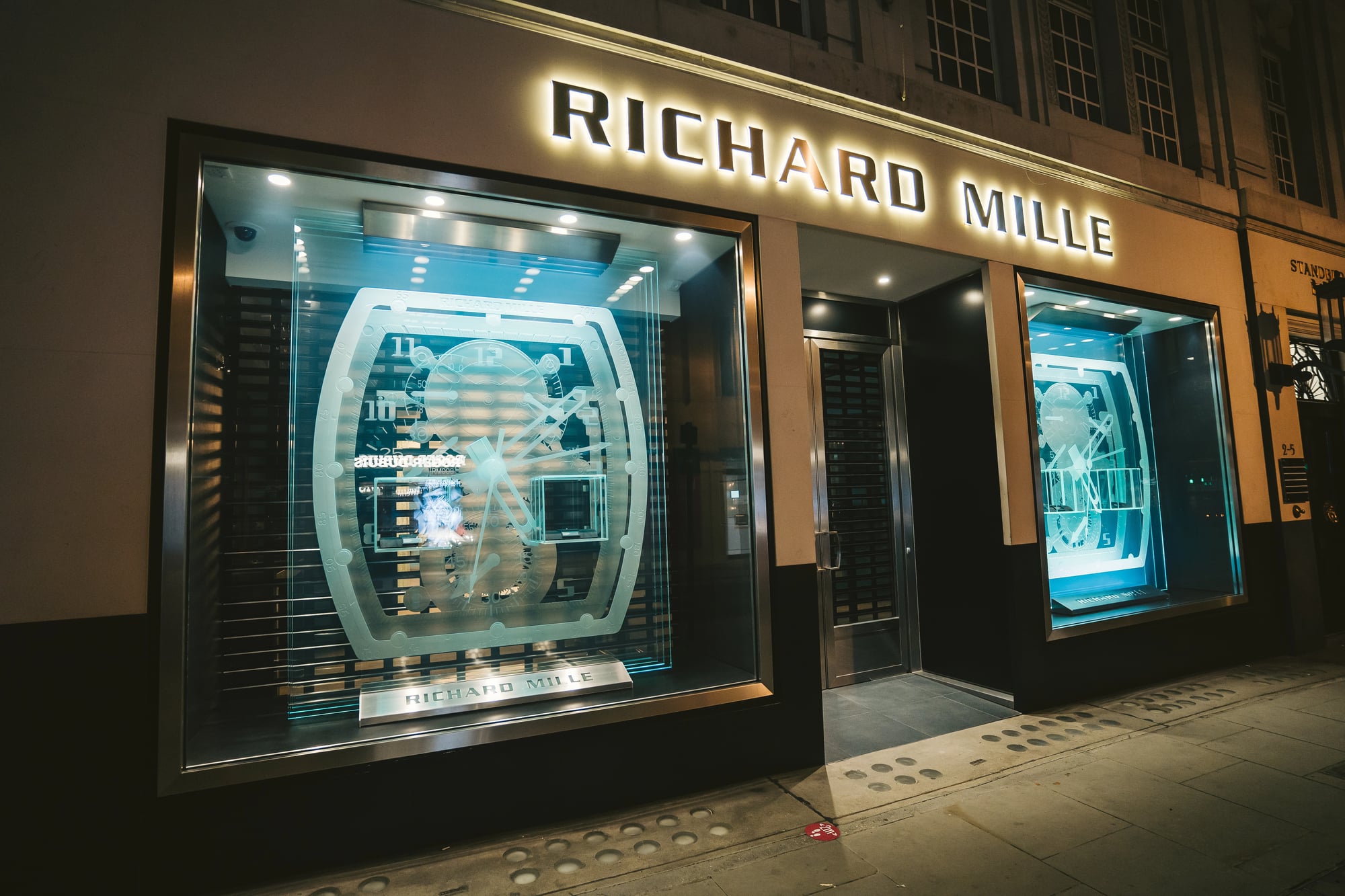
Richard Mille has grown rapidly, with revenues estimated at over $2 billion. Unlike traditional brands, it focuses on modern design and advanced materials, often drawing inspiration from engineering and performance industries.
Its watches are bold, unconventional, and instantly recognizable. High price points and limited production reinforce its position at the top end of the market.
Even so, its rise reflects a broader shift. Newer buyers are increasingly drawn to brands that feel contemporary rather than rooted purely in tradition.
Longines

Longines generates around $1.5 billion in annual sales, making it one of the strongest mid-to-high luxury brands. Its positioning is built on offering heritage-inspired designs at relatively accessible prices.
This allows it to reach a wider audience without competing directly with ultra-high-end brands. Its watches often appeal to buyers seeking quality and tradition without extreme pricing.
Still, Longines thrives on consistency. It delivers reliable design and craftsmanship at scale, which keeps it firmly in the top tier by revenue.
Vacheron Constantin

Vacheron Constantin, one of the oldest watchmakers, brings in over $1 billion in revenue. The brand is known for intricate craftsmanship and a strong connection to traditional watchmaking techniques.
Its focus is on collectors and enthusiasts who value detail and heritage. Production is limited, which keeps the brand relatively exclusive.
That said, its appeal is more niche. It prioritizes artistry and precision over mass-market visibility, which shapes its overall revenue profile.
Breitling

Breitling generates over $1 billion in annual sales, driven by its strong identity in aviation-inspired watches. Its designs emphasize functionality, durability, and bold aesthetics.
The brand has successfully modernized its image in recent years, appealing to a broader audience while maintaining its core identity.
Even so, Breitling’s strength lies in clarity. It has a well-defined brand story, which helps it stand out in a crowded market.
Tissot

Tissot rounds out the list with revenue exceeding $1 billion, thanks to its strong presence in the accessible luxury segment. It offers a wide range of watches at lower price points compared to other brands on this list.
This focus on affordability drives volume, allowing Tissot to reach a global audience. It often serves as an entry point for buyers exploring Swiss watchmaking.
Still, its role in the market is essential. It bridges the gap between mass-market watches and higher-end luxury brands.
TAG Heuer

TAG Heuer generates significant revenue through its focus on sport-inspired watches and strong brand partnerships. Its designs often reflect speed, performance, and a connection to motorsport culture.
The brand appeals to a younger demographic compared to more traditional competitors. It combines heritage with a modern edge, which helps it stay relevant in a changing market.
That said, TAG Heuer’s strength lies in accessibility within the luxury space. It offers recognizable design and brand value without reaching the highest price tiers.
IWC Schaffhausen
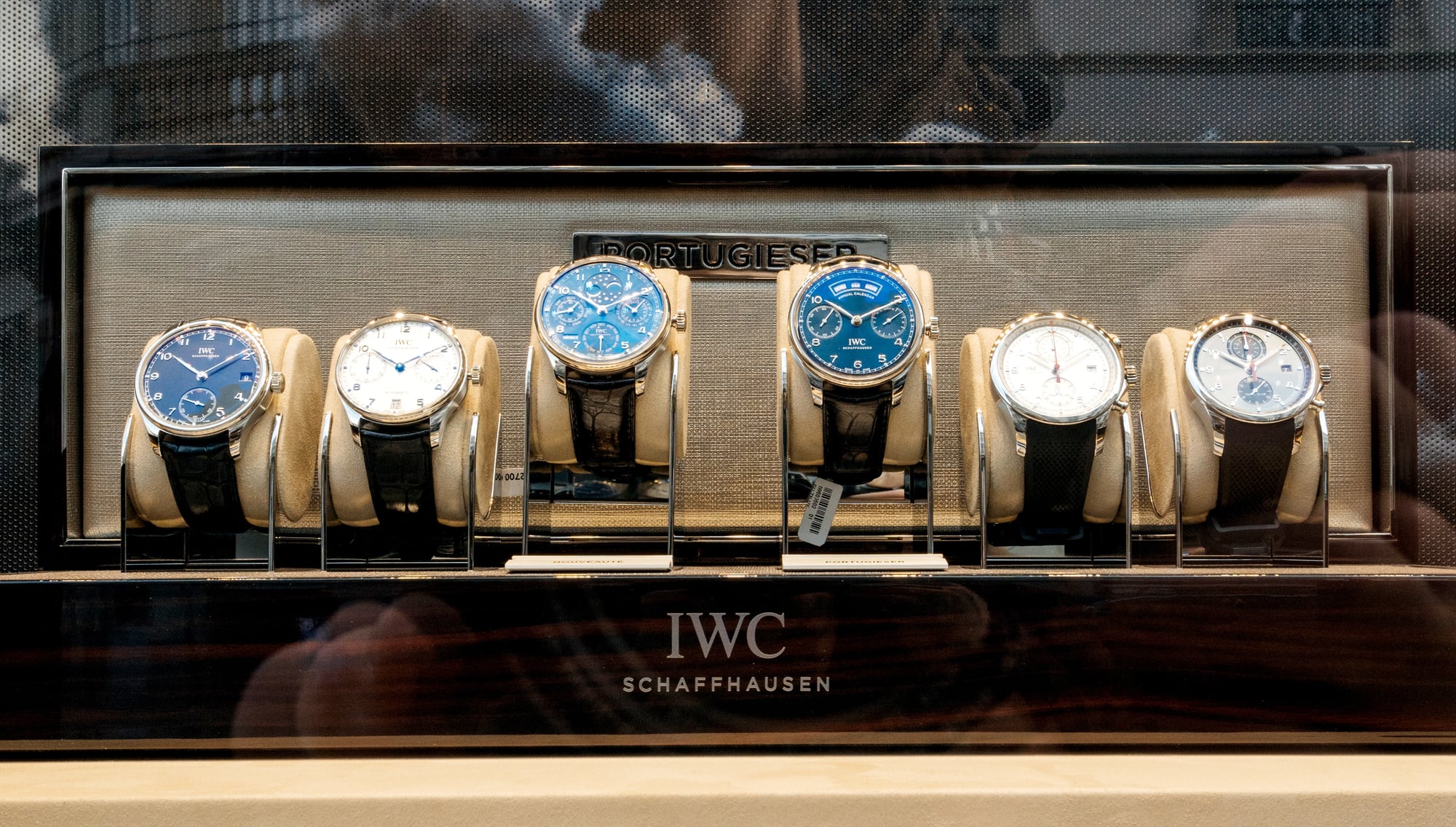
IWC Schaffhausen operates in the high-end segment with a focus on engineering and precision. Its watches often feature clean, functional designs that emphasize technical excellence.
The brand has built a strong reputation among enthusiasts who value craftsmanship over flashiness. Its product lines reflect a balance between innovation and tradition.
Still, IWC’s appeal is steady rather than explosive. It maintains a loyal following that contributes to consistent revenue performance.
Hublot
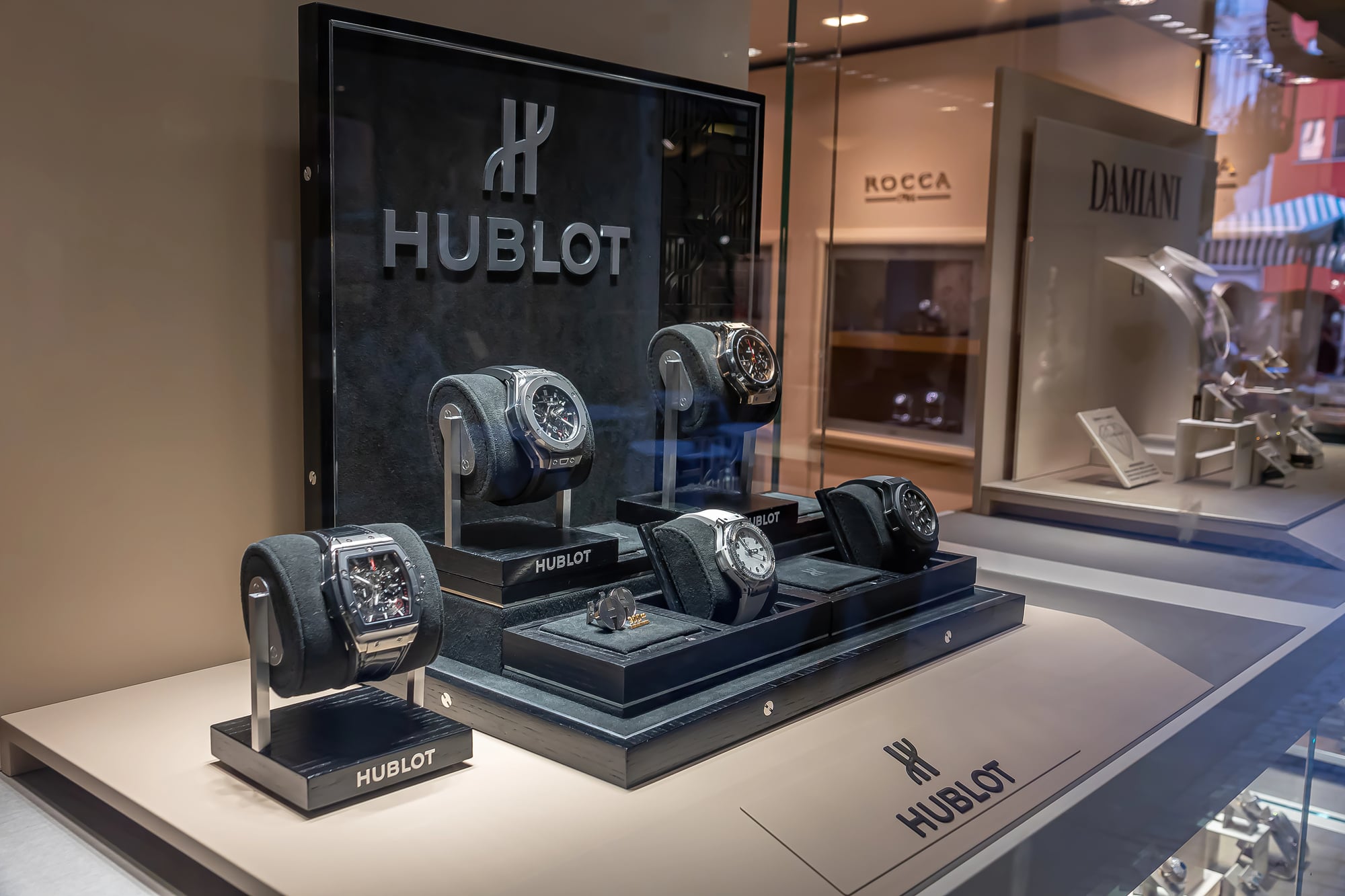
Hublot has carved out a unique position with its bold designs and use of unconventional materials. The brand often blends traditional watchmaking with modern aesthetics, creating pieces that stand out immediately.
Its marketing strategy, including high-profile partnerships, has helped boost visibility and sales. The brand targets buyers looking for something different from classic designs.
Even so, Hublot’s success reflects a shift toward individuality. In a market rooted in tradition, standing out can be a powerful advantage.
Swatch

Swatch operates at a very different level from the other brands on this list, focusing on affordability and high-volume sales. Its colorful, playful designs appeal to a wide audience.
Despite lower price points, its scale allows it to generate substantial revenue. It plays a key role in introducing consumers to watch culture.
That said, Swatch’s importance goes beyond numbers. It helped revive the Swiss watch industry during a critical period, leaving a lasting legacy.
Why The Watch Industry Is So Top-Heavy

Most money in watches goes to just a few names. Power comes from how strongly people believe in those labels.
High prices stick because customers accept them as fair. What something seems worth often matters more than what it costs to make.
A wristwatch can mean more than minutes ticking by. Owning one might speak of who you are, where you stand, how things were made.
Because of that, certain names cost far more than others.
Only at the close does it become clear: profit in watches isn’t tied to volume alone. What matters grows from what people feel – and how boldly a name can price each item.
More from Go2Tutors!

- The Romanov Crown Jewels and Their Tragic Fate
- 13 Historical Mysteries That Science Still Can’t Solve
- Famous Hoaxes That Fooled the World for Years
- 15 Child Stars with Tragic Adult Lives
- 16 Famous Jewelry Pieces in History
Like Go2Tutors’s content? Follow us on MSN.



