Deepest Caves Explored So Far
Down below holds secrets older than memory. Instead of rising like peaks that call to summiteers, hollows in the earth lure adventurers downward—into realms carved drop by drop, year by year, grain by grain.
These lowest known caverns aren’t just pits underfoot. They’re stacked mazes of tunnels, halls, and plunges reaching deeper than towers stretch skyward.
Deep inside the earth, caves guard secrets few ever see. Getting there takes more than curiosity—it demands patience built over years, gear made for darkness, trust among team members.
Movement forward creeps slowly, inch by hard-won inch across entire generations. What we thought was solid ground shifts when tunnels unfold where none were expected. These places—hidden, silent, vast—reveal how much remains unknown under feet.
Veryovkina Cave, Georgia
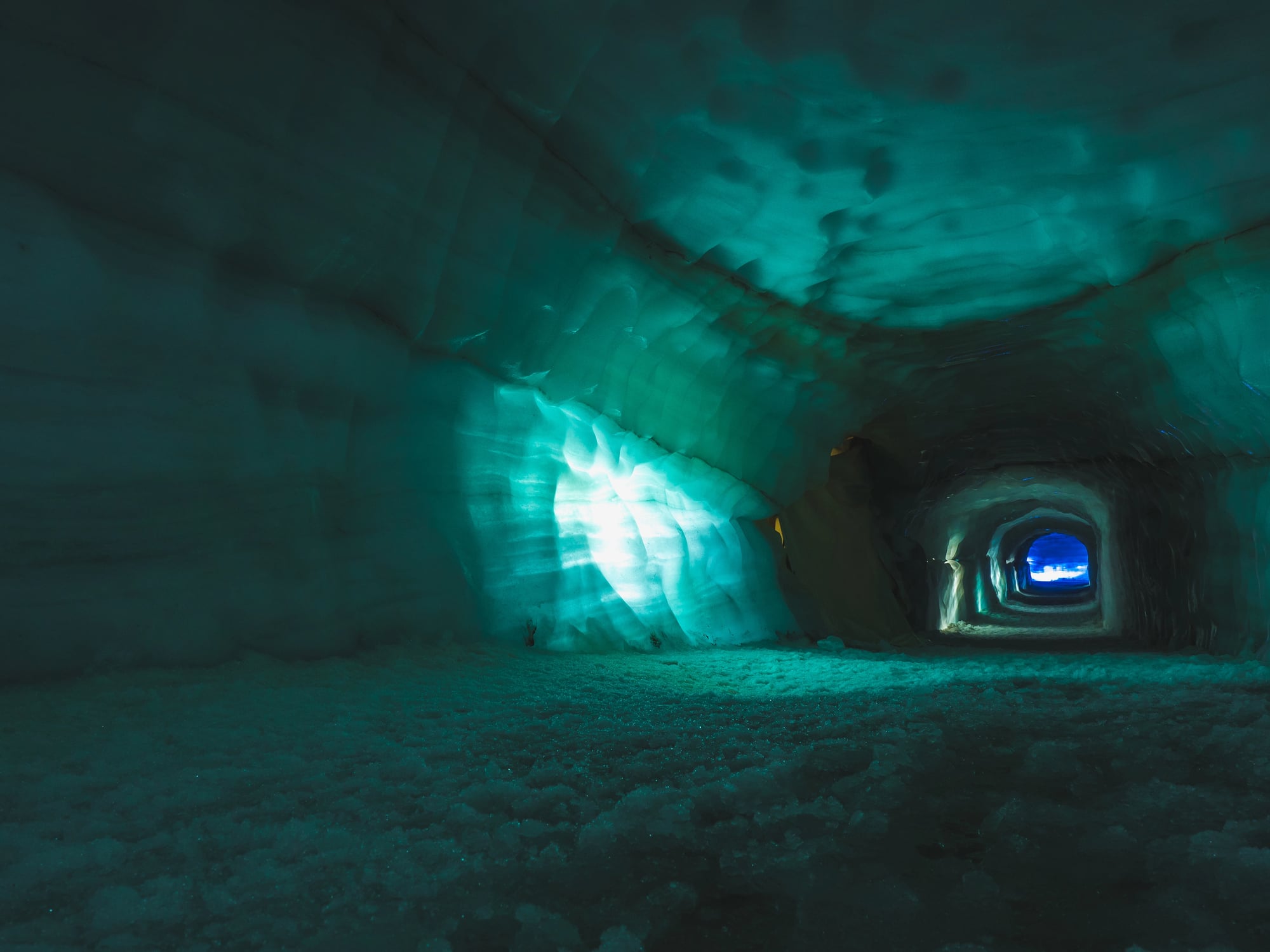
Veryovkina Cave currently holds the title of the deepest explored cave in the world. Located in the Arabika Massif of western Georgia, this cave reaches a confirmed depth of more than 7,200 feet beneath the surface.
That depth was not achieved all at once, but through decades of exploration that gradually extended known passages farther downward. The cave includes multiple vertical sections, narrow passages, and deep chambers shaped by water movement over immense periods of time.
Exploration teams have faced extreme cold, flooding risks, and long ascent times that test both physical endurance and mental focus. Despite its record status, Veryovkina is not considered fully explored. New passages continue to be discovered, suggesting its true depth may extend even farther than current measurements indicate.
Krubera Cave, Georgia

Before Veryovkina took the lead, Krubera Cave was long recognized as the deepest known cave on Earth. Also located in the Arabika Massif, Krubera reaches a depth of approximately 7,100 feet.
Krubera’s exploration history is closely tied to advances in cave diving and vertical rope techniques. Parts of the cave include submerged sections that require divers to navigate narrow underwater passages at great depth.
The cave’s discovery and mapping reshaped global understanding of how deep cave systems could extend, setting a benchmark that stood for many years.
Sarma Cave, Georgia

Sarma Cave is another deep system within the Arabika Massif, with explored depths exceeding 6,000 feet. While less famous than Veryovkina or Krubera, Sarma remains one of the deepest caves ever explored.
Sarma is known for its steep vertical drops and cold internal environment. Exploration teams must contend with constant moisture and narrow transitions between sections, making progress slow and demanding.
Each descent requires careful logistics, including staged equipment and secure anchor points. Though not currently the deepest, Sarma plays an important role in understanding how these massive underground systems developed within the same geological region.
Snezhnaya Cave, Georgia

Snezhnaya Cave rounds out the cluster of extreme-depth caves in the Arabika Massif. With an explored depth of more than 5,700 feet, it ranks among the deepest known systems on the planet.
The cave’s name, which translates to ‘Snowy,’ reflects the cold conditions often encountered inside. Ice formations have been observed in upper sections, even during warmer months.
This mix of frozen and flowing water adds complexity to exploration and increases the risk involved. Snezhnaya demonstrates how a single region can host multiple caves of extraordinary depth, each shaped by subtle differences in rock structure and water flow.
Lamprechtsofen, Austria
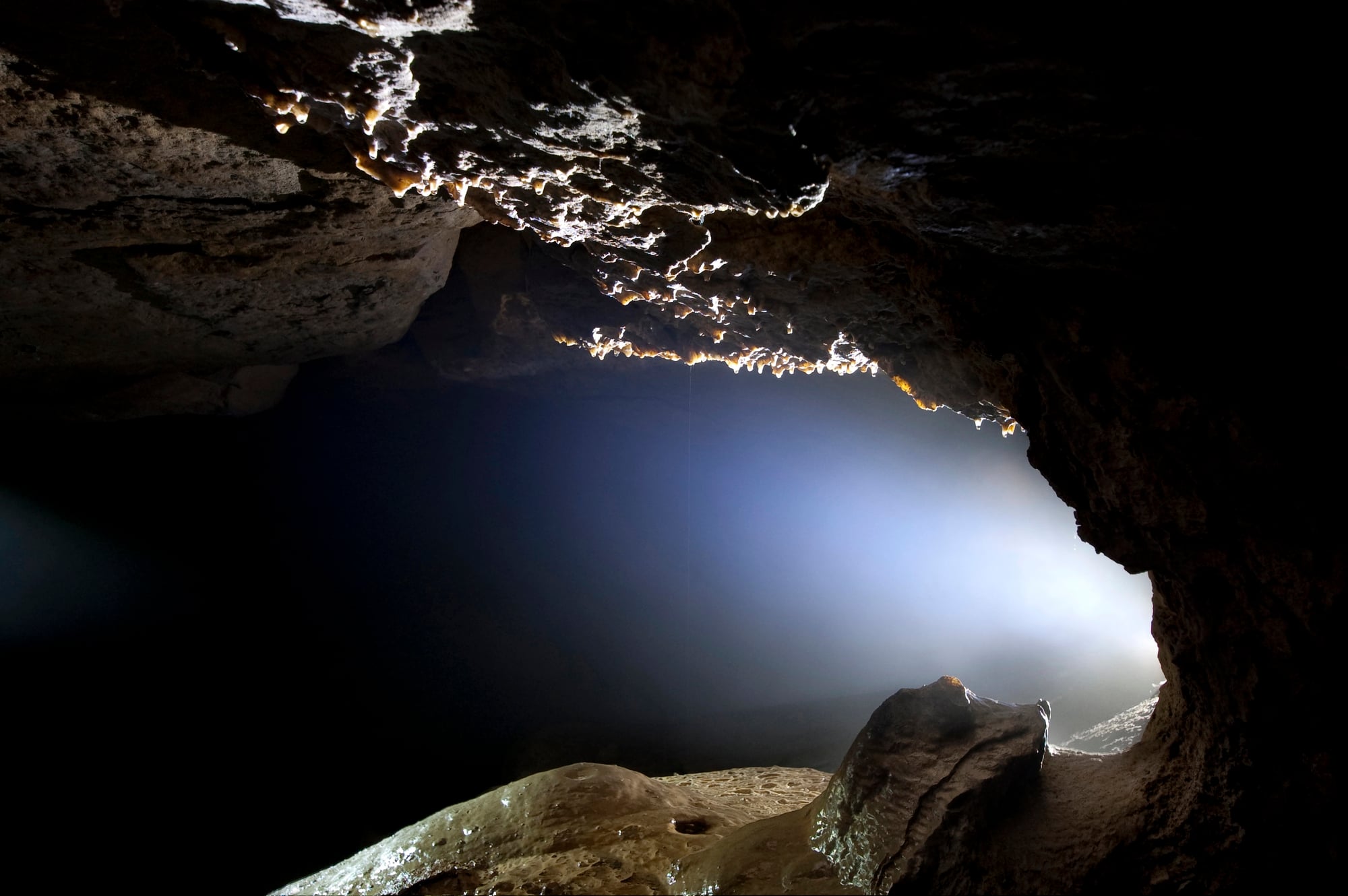
Lamprechtsofen Cave, located in the Austrian Alps, reaches roughly 5,400 feet in depth. Its explored passages include vertical shafts and winding sections that demand constant rope work.
Unlike the massive chambers found in deeper systems, Lamprechtsofen emphasizes technical skill and careful movement rather than wide-open spaces. Its long history of exploration makes it a landmark in speleology.
Gouffre Mirolda, France

Gouffre Mirolda, in the French Alps, reaches a depth of approximately 5,700 feet and is one of Western Europe’s deepest caves. The system includes deep drops connected by horizontal passages, creating a layered structure that challenges navigation.
Cold temperatures and persistent moisture demand careful planning and reliable equipment. Gouffre Mirolda played a major role in advancing cave exploration during the late twentieth century.
Sistema Huautla, Mexico
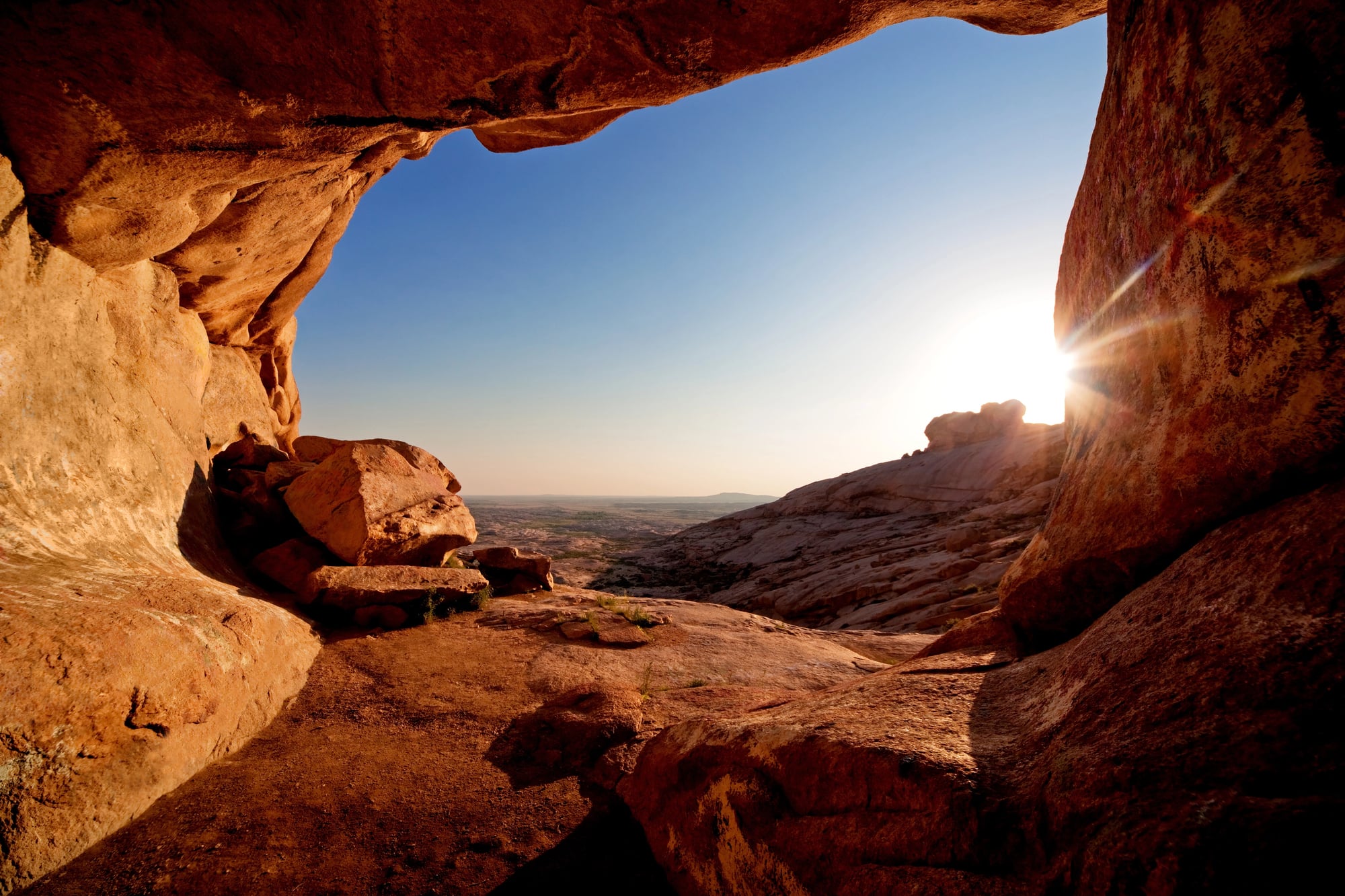
Sistema Huautla is the deepest cave system in the Americas, with explored depths exceeding 5,100 feet. Located in Oaxaca, it consists of multiple entrances connecting deep underground.
Exploration has spanned decades, involving international teams and repeated expeditions. Heavy rainfall feeds water into the system, increasing the risk of sudden flooding and adding urgency to exploration efforts.
Cheve Cave, Mexico
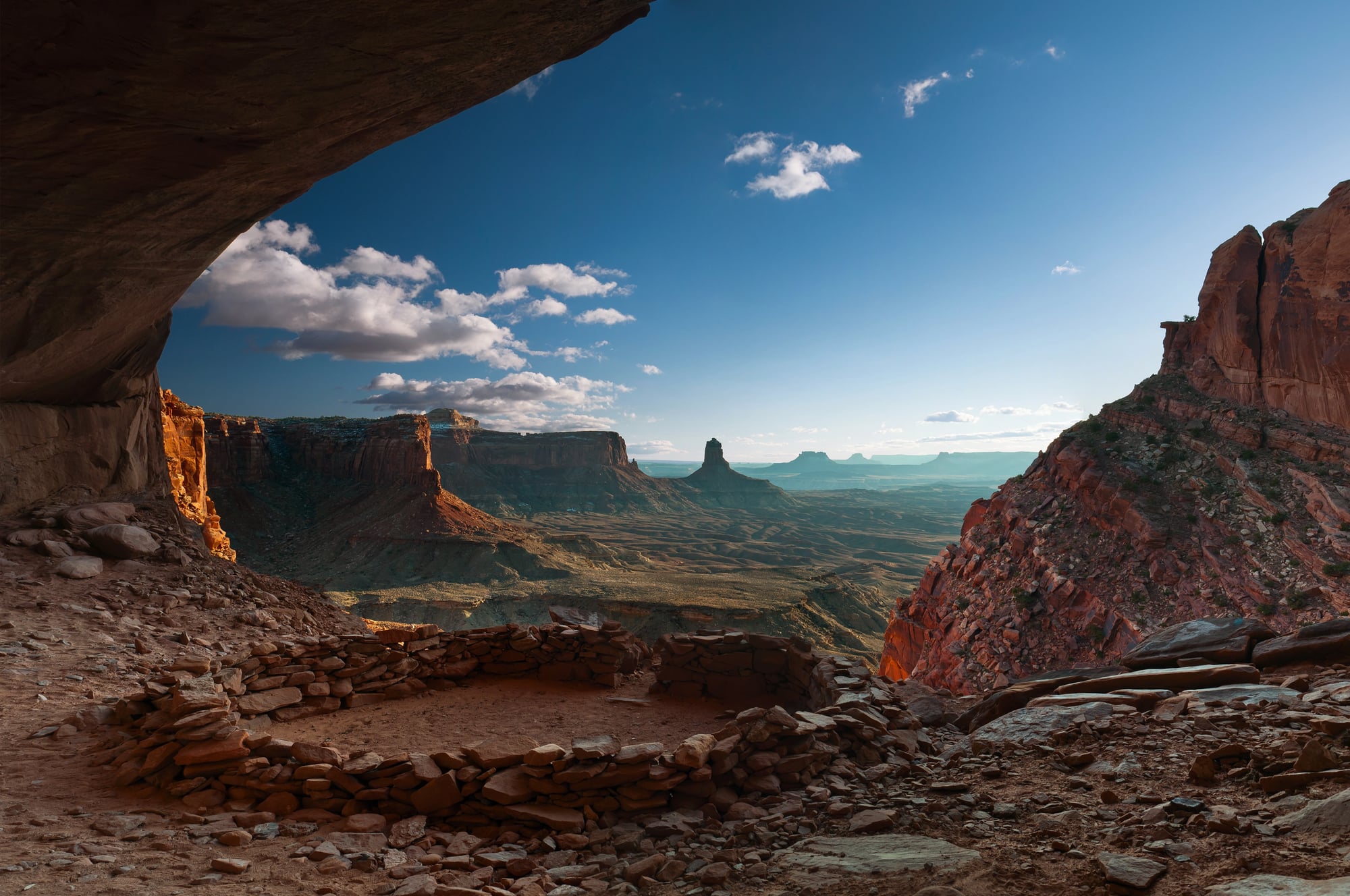
Cheve Cave is another deep system in Oaxaca, approaching 5,000 feet in explored depth. New sections continue to be discovered, making it an active site for exploration.
The cave features long vertical drops and powerful water flow. Teams often spend extended periods underground to establish camps and move equipment. Cheve illustrates that the deepest caves are not always fully known.
Jean Bernard Cave, France
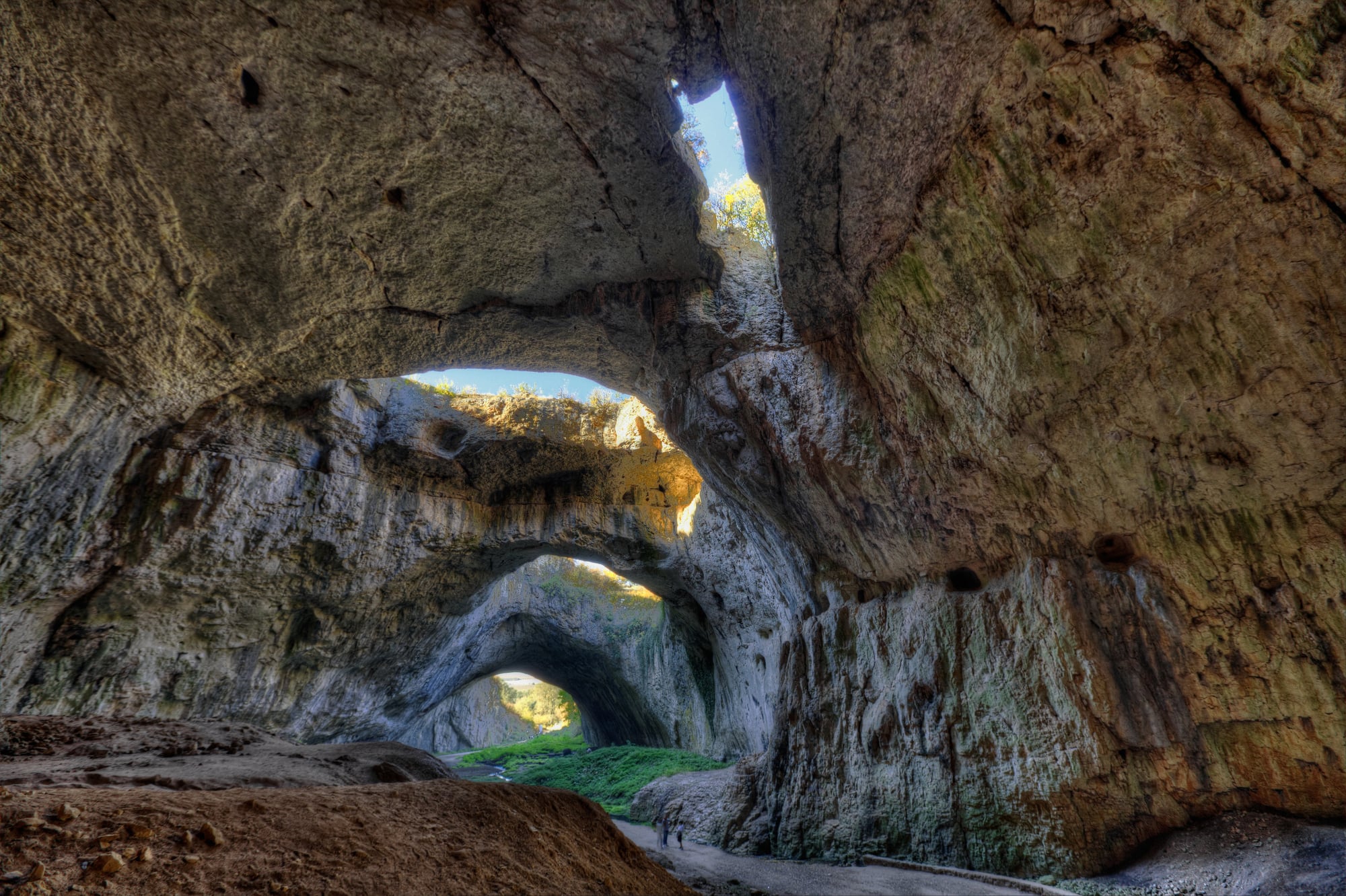
Jean Bernard Cave, reaching around 5,200 feet, once held the title of the deepest known cave. Located in the French Alps, it required new rope systems and descent techniques during early exploration.
Its depth and vertical complexity made it a proving ground for methods now standard in speleology. While surpassed, it remains a milestone in the history of deep cave exploration.
What Makes These Caves So Deep

The depth of these caves is not random. Most formed in limestone regions where water slowly dissolved rock over millions of years. Tectonic activity, uplift, and erosion combined to create conditions where water could carve ever-deeper pathways.
Regions like the Caucasus Mountains and the Alps provide ideal conditions for deep cave formation. High elevation allows water to travel downward over great vertical distances, while fractured rock offers pathways for expansion.
These geological processes explain why the deepest caves tend to cluster in specific parts of the world.
Why Exploration Continues

Despite impressive depths, cave exploration is far from finished. Many of the deepest systems remain partially mapped, with unexplored passages hinted at by airflow, water movement, and subtle geological clues.
Exploration is slow because safety demands caution. Each descent requires careful planning, weather monitoring, and coordination. Progress may come in increments of just a few feet at a time, but every new section adds to a growing picture of Earth’s interior.
Beyond records, these caves preserve climate data, host unique ecosystems, and provide insight into underground water systems supporting surface life.
The Limits of Human Descent

The deepest caves explored represent the edge of what humans can safely reach underground. Ascending can take days, and rescue options are limited. Physical exhaustion and environmental hazards compound with every additional foot.
Yet exploration continues because curiosity persists. Each descent answers some questions while raising others. How much deeper do these systems go? Are there connections between known caves that remain hidden? What life exists in near-total darkness?
These questions drive exploration forward, one careful step at a time.
Why Depth Still Matters
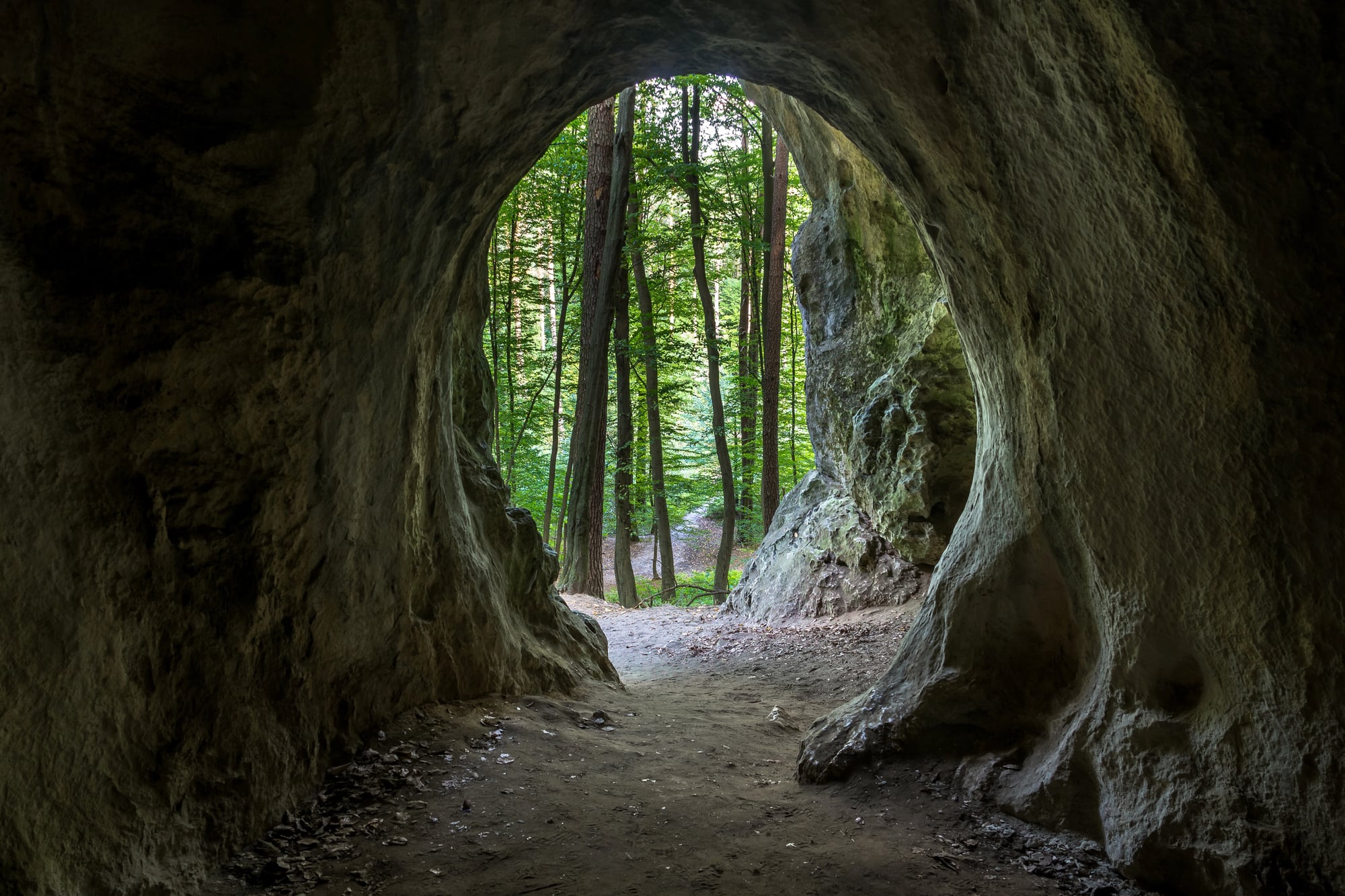
Beneath our feet, the longest passages go beyond numbers on paper. These spaces whisper about hidden parts of Earth we still do not know.
Even though orbiting tools scan every hill and valley above, what lies below comes into view only bit by bit. Time and steady effort pull back the dark, one step at a time.
Far below, hidden passages whisper of how much remains unseen. With every step down, the ground tells stories older than people have words for.
Down below, where things move quietly, time stretches differently. Reaching deep isn’t about winning—it’s what happens when wonder meets humility. The deeper you go, the more the surface fades.
Not every journey aims upward; some truths sit low. Distance from sunlight changes how we see. What lies beneath doesn’t rush. Curiosity digs best when it listens first.
More from Go2Tutors!

- The Romanov Crown Jewels and Their Tragic Fate
- 13 Historical Mysteries That Science Still Can’t Solve
- Famous Hoaxes That Fooled the World for Years
- 15 Child Stars with Tragic Adult Lives
- 16 Famous Jewelry Pieces in History
Like Go2Tutors’s content? Follow us on MSN.