Defunct American Brands People Miss
The emotional connection people have with brands runs deeper than most marketing executives could ever measure. When a beloved company disappears, it leaves behind more than just empty shelf space — it creates a genuine sense of loss that can last for decades.
These defunct American brands didn’t just sell products; they became woven into the fabric of daily life, childhood memories, and family traditions. Their absence still stings, proving that some things truly can’t be replaced by modern alternatives or corporate acquisitions that promise to carry on the legacy.
Blockbuster
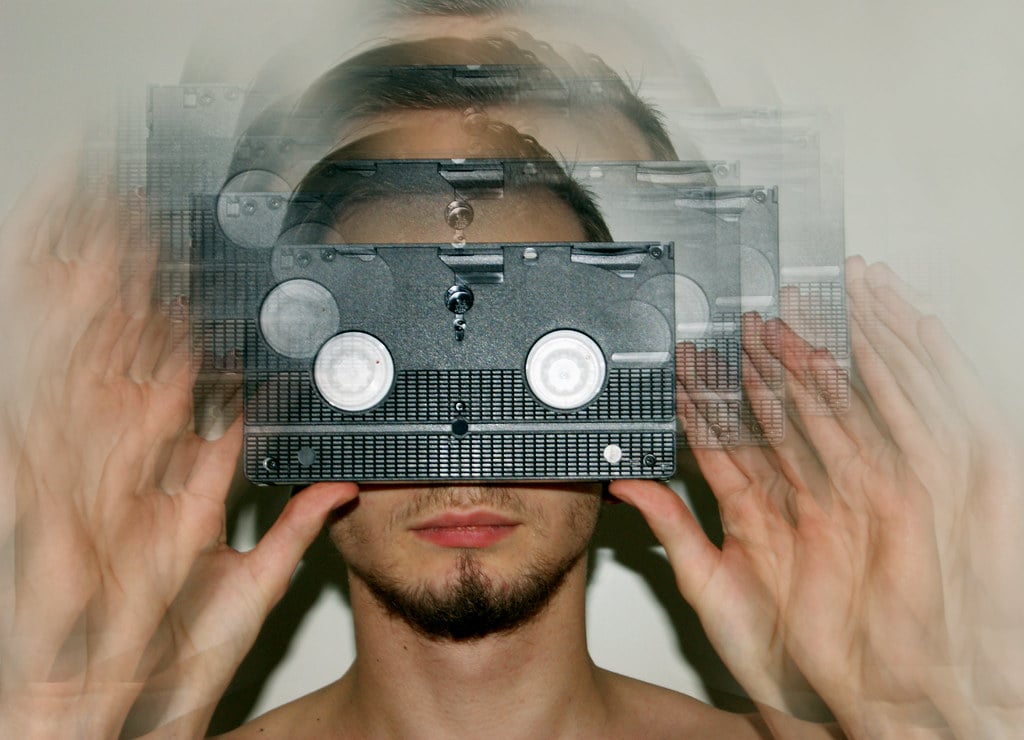
Friday nights used to mean something. The ritual of wandering through aisles of VHS tapes and DVDs, debating whether to grab that new release or settle for something from the older section.
Kids begging for candy at checkout while parents calculated late fees in their heads. Blockbuster wasn’t just about renting movies.
It was about the anticipation, the discovery, the shared experience of choosing entertainment as a family activity rather than everyone retreating to their own screens.
Borders Books & Music
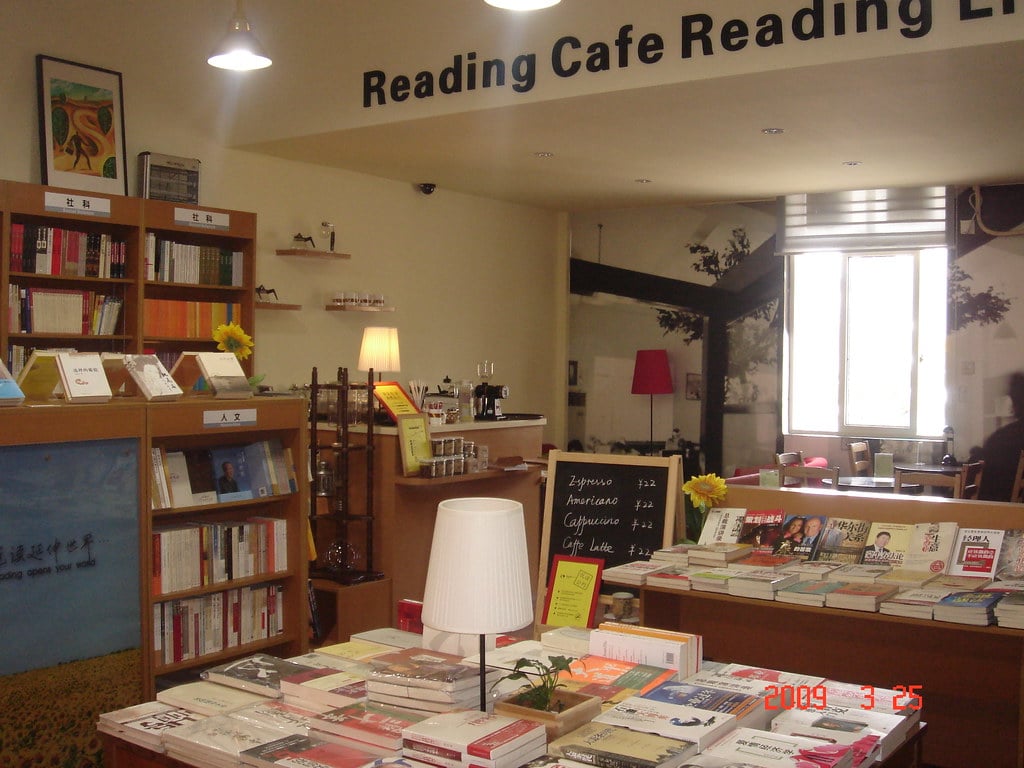
The coffee shop tucked inside wasn’t an afterthought — it was the heart of the operation (and somehow the coffee always tasted better when you were surrounded by books you might actually buy). People would spend entire afternoons there, flipping through magazines they’d never purchase, listening to albums on the listening stations, getting genuinely excited about staff recommendations written on little cards tucked into the shelves.
So different from clicking “customers who bought this also bought.” And yet Amazon made it all seem quaint and inefficient, which turned out to be exactly the point. Borders understood something that digital shopping still struggles with: sometimes you don’t know what you want until you stumble across it, and that kind of serendipity requires physical space to wander through, actual objects to pick up and examine.
But efficiency won, as it usually does — and now people complain about spending too much time staring at screens while ordering books online to read on more screens.
Circuit City
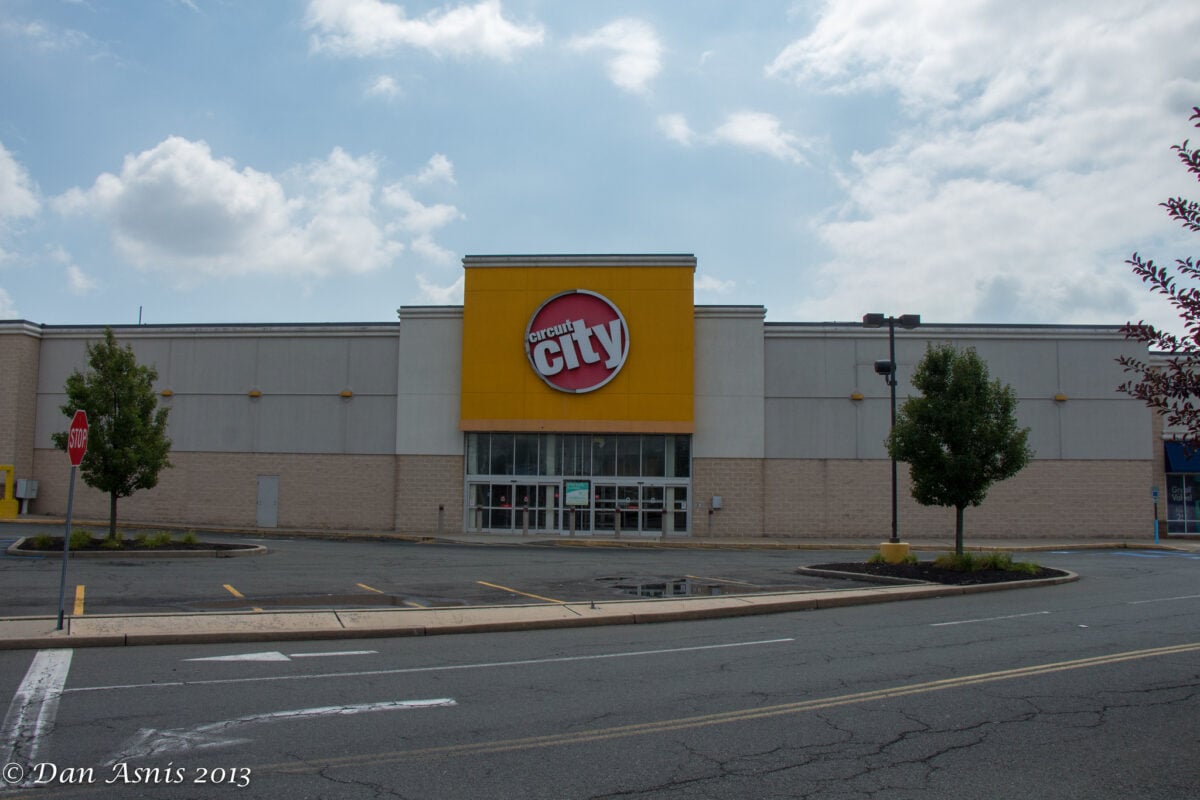
Circuit City had the good sense to hire people who actually knew what they were talking about. Walking into that red and black interior meant encountering sales staff who could explain the difference between competing products without reading from a script or steering you toward whichever brand paid the biggest commission.
The stores felt like tech playgrounds. You could test everything, compare side by side, ask detailed questions, and leave with confidence that you’d made the right choice.
Toys”R”Us
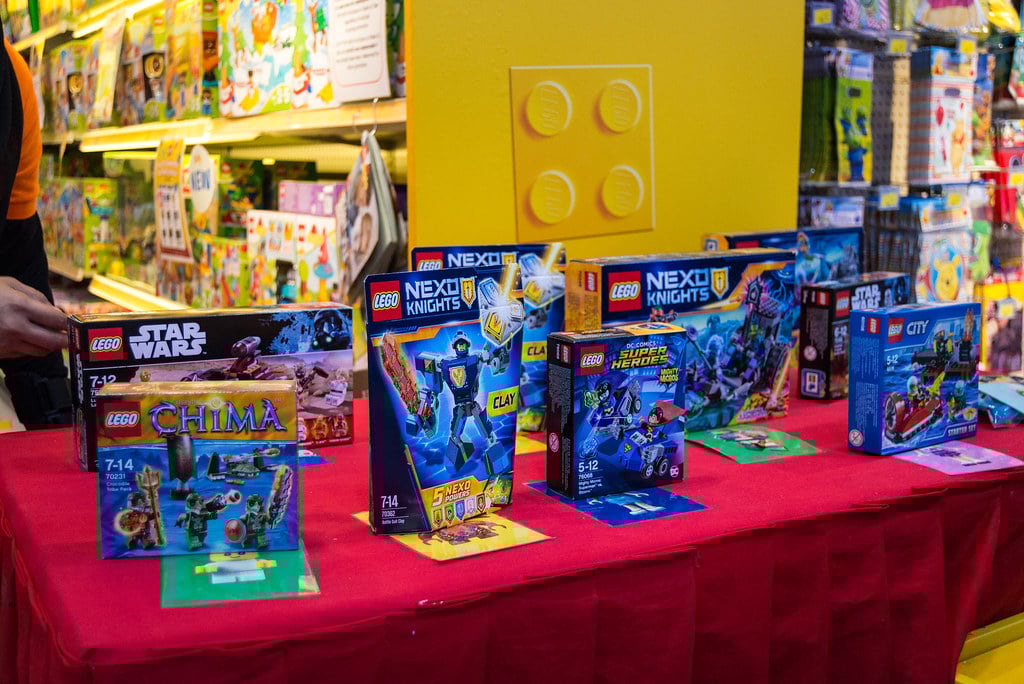
Walking into Toys”R”Us felt like entering a kingdom built specifically for childhood wonder. The sheer scale of the place — aisles that stretched beyond what small legs could traverse in a single trip — made it mythical in a way that toy sections tucked into larger stores can never replicate.
Parents might have dreaded the inevitable meltdowns and negotiations that came with every visit, but they also understood they were creating memories that would outlast any individual toy. The experience of being overwhelmed by possibilities, of discovering things you didn’t know existed, of having your birthday or holiday wish list completely rewritten by a single trip — that’s irreplaceable.
Tower Records
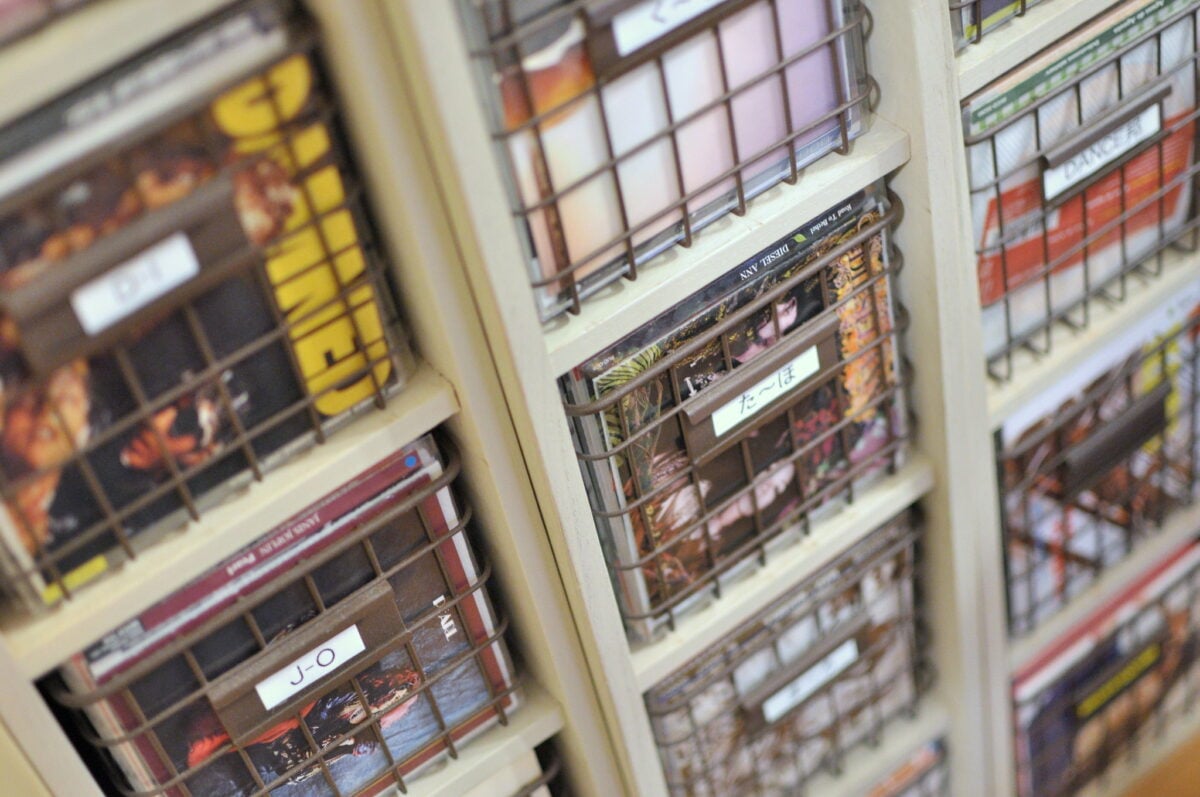
Music discovery happened differently when it required physical effort. Tower Records made that effort feel like exploration rather than work, with listening stations scattered throughout the store and staff recommendations that carried actual weight because these people lived and breathed music rather than algorithmic suggestions.
The midnight release events created genuine community around new albums. People would line up not just to buy music, but to be part of the cultural moment, to share excitement with other fans, to hold that physical object in their hands while the songs they’d been anticipating finally became real.
RadioShack
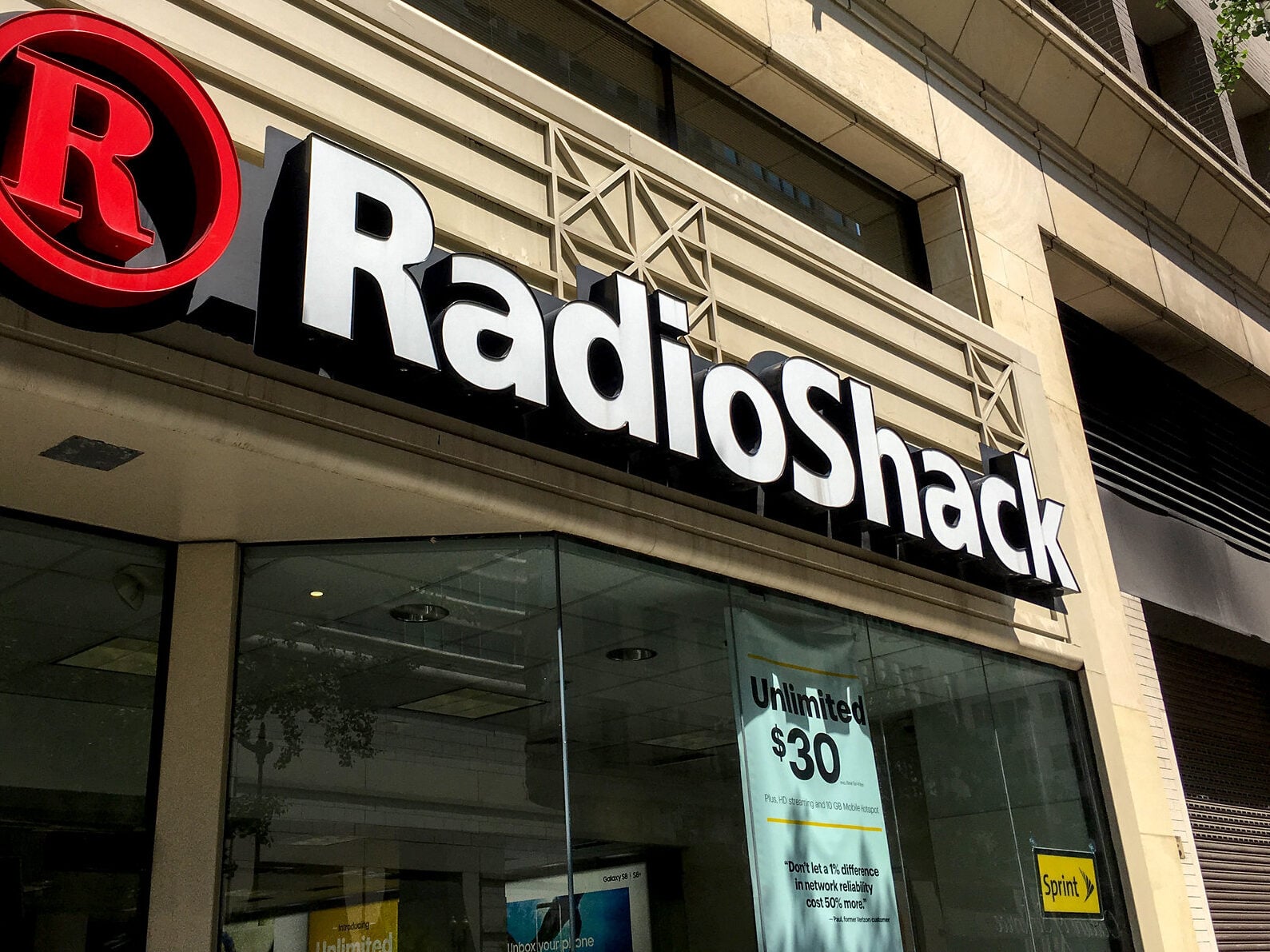
RadioShack occupied a unique position in American retail — the place you went when you needed some obscure electronic component or adapter that no other store would bother stocking. The employees possessed an almost mystical ability to solve your weirdest technical problems with parts you didn’t know existed.
Sure, the stores felt cramped and overwhelming, packed floor to ceiling with cables, batteries, and gadgets. But that density was the point. You knew that somewhere in those overstuffed aisles was exactly the thing you needed to fix your stereo, complete your science project, or rig some household solution.
Pontiac
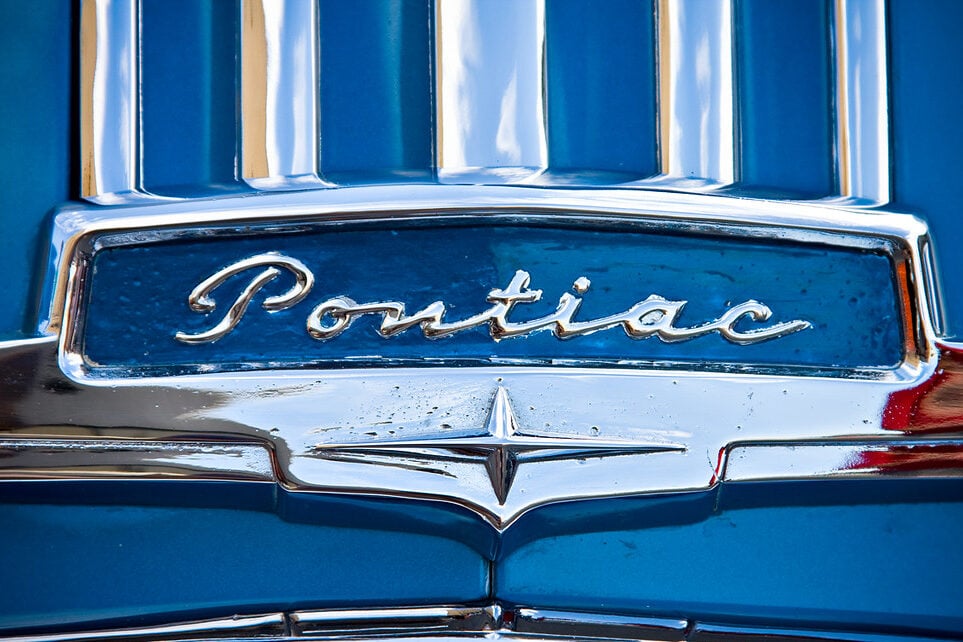
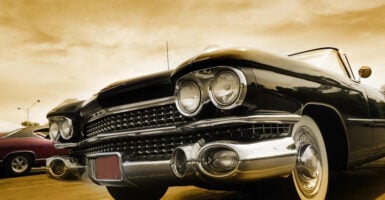
General Motors killed Pontiac in 2010, and car enthusiasts are still processing the loss. This wasn’t just another automotive brand — Pontiac represented American performance culture in its purest form, the division that gave us the GTO, the Firebird, and the Trans Am.
These cars carried personality in ways that modern vehicles, for all their technical superiority, somehow struggle to match (and anyone who grew up watching Smokey and the Bandit knows exactly what kind of personality we’re talking about). Pontiac understood that people don’t just want transportation; they want to feel something when they turn the key, something that connects them to the road and to a particular vision of American freedom.
So naturally, corporate efficiency decided that kind of emotional connection wasn’t profitable enough to keep around. The badge engineering and cost-cutting of Pontiac’s final years had already diluted the brand, but its elimination still felt like losing a piece of automotive heritage that can’t be replaced by rebadged Chevrolets, no matter how good they might be on paper.
Pan Am
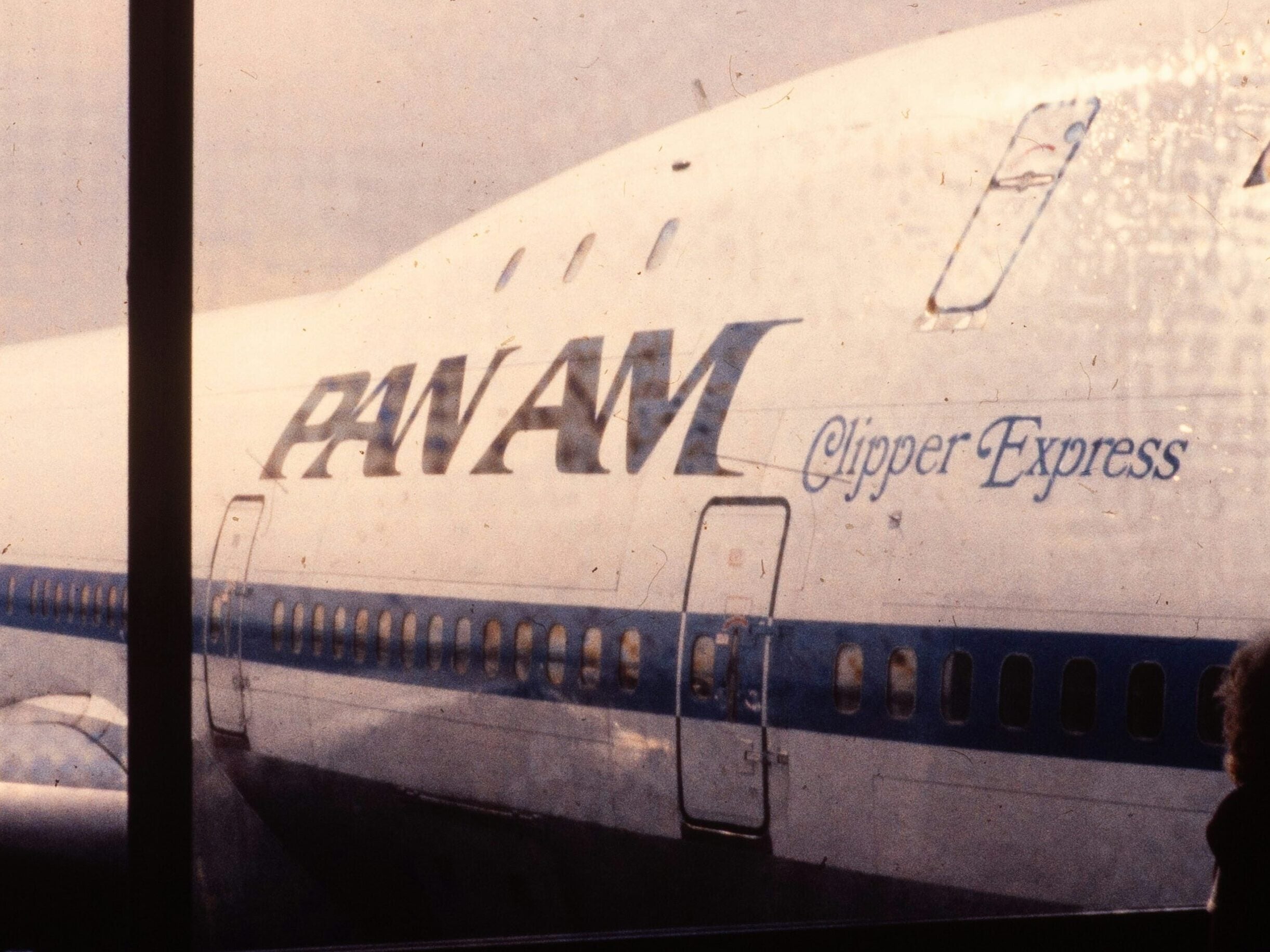
Flying used to be an event worth dressing up for. Pan American World Airways understood this instinctively, treating air travel as an extension of luxury hospitality rather than a transportation necessity to be endured.
The airline represented American ambition on a global scale, connecting continents with a sophistication that made international travel feel glamorous rather than exhausting. Pan Am didn’t just move people from point A to point B — it sold the romance of flight, the thrill of crossing oceans, the promise that the world was smaller and more accessible than it had ever been before.
When Pan Am folded in 1991, it marked the end of an era when airlines competed on elegance and service rather than baggage fees and seat width.
Woolworth
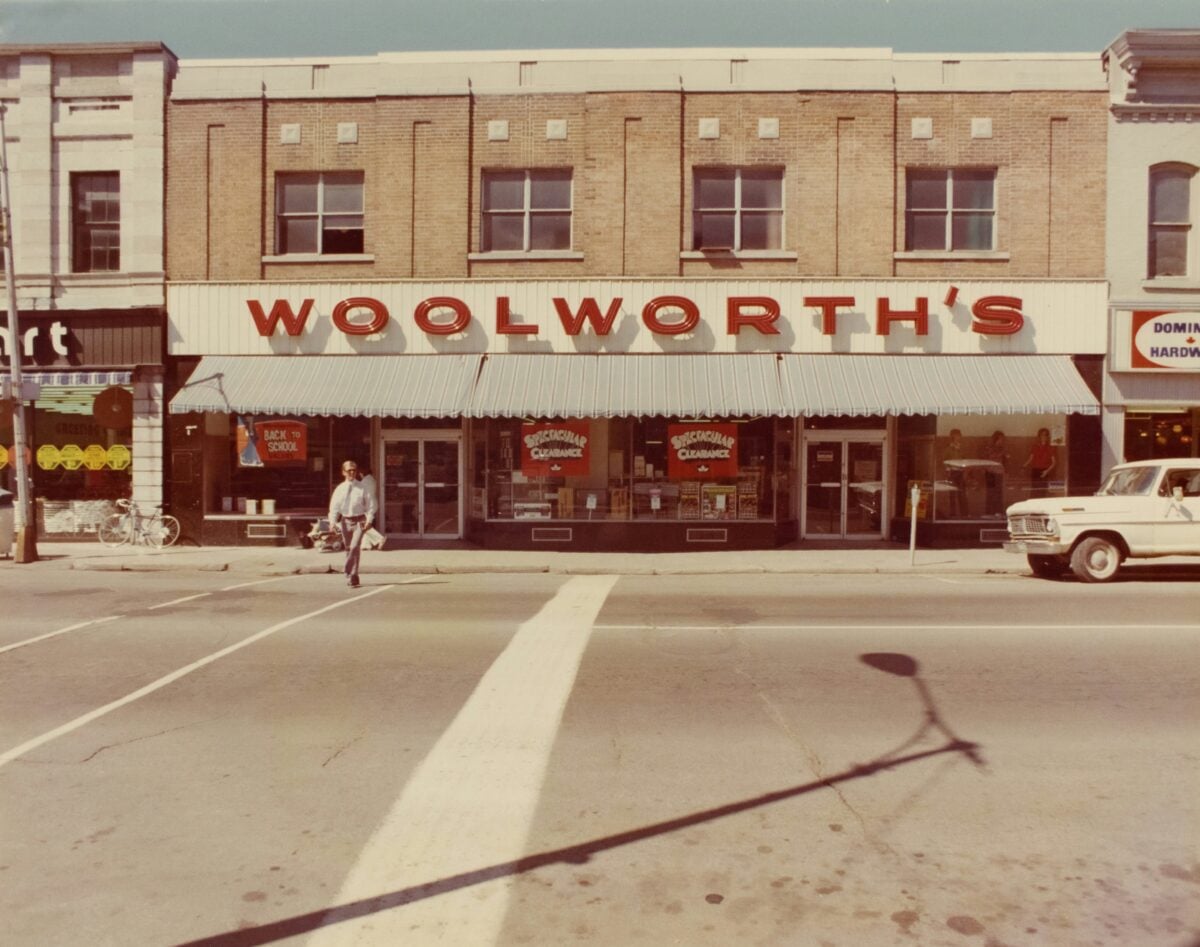
The lunch counter at Woolworth represented something profound about American community life — a place where people from different backgrounds would end up sitting next to each other, sharing space and conversation over simple food served on real plates by people who knew regular customers by name.
These five-and-dime stores functioned as neighborhood gathering places, offering everything from school supplies to candy to household necessities under one roof. Shopping there felt personal and local, even when Woolworth was a national chain, because each store reflected its particular community in ways that modern retail rarely bothers to attempt.
Oldsmobile
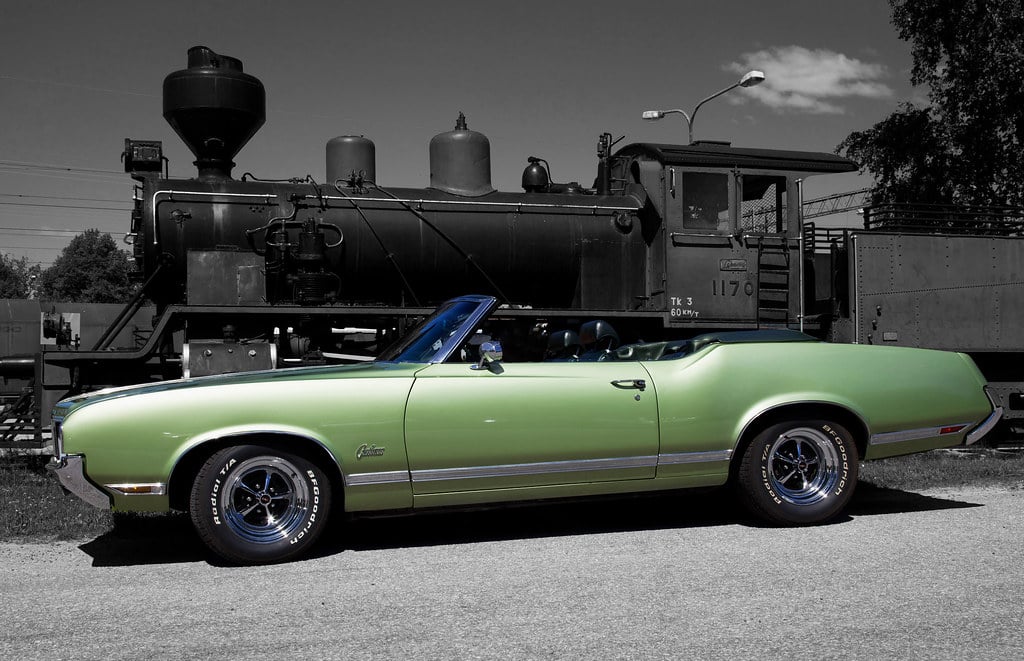
Oldsmobile carried the promise that American engineering could be both reliable and innovative, producing cars that lasted decades while introducing features that would eventually become standard across the industry. The brand attracted buyers who wanted quality without flash, substance over style.
“This is not your father’s Oldsmobile” became the slogan precisely because the brand had earned a reputation for building cars that fathers would drive for 200,000 miles and then recommend to their children.
KB Toys

KB Toys succeeded by being everywhere Toys”R”Us wasn’t — tucked into mall spaces, offering a more intimate toy shopping experience that felt manageable rather than overwhelming. Parents appreciated being able to navigate the entire store without losing track of their children or their sanity.
The stores carried all the essential brands and popular items without the intimidating warehouse atmosphere of larger competitors. KB Toys proved that sometimes smaller scale creates better customer experience, but that lesson was apparently lost when the company filed for bankruptcy.
Compaq

Before Dell and HP dominated the personal computer market, Compaq built machines that combined reliability with innovation in ways that earned genuine customer loyalty. The company understood that computers needed to work consistently for regular people, not just tech enthusiasts willing to troubleshoot constantly.
Compaq’s portable computers helped define what business mobility could look like, creating devices that were actually practical for people who needed to work away from their desks.
Borders Music
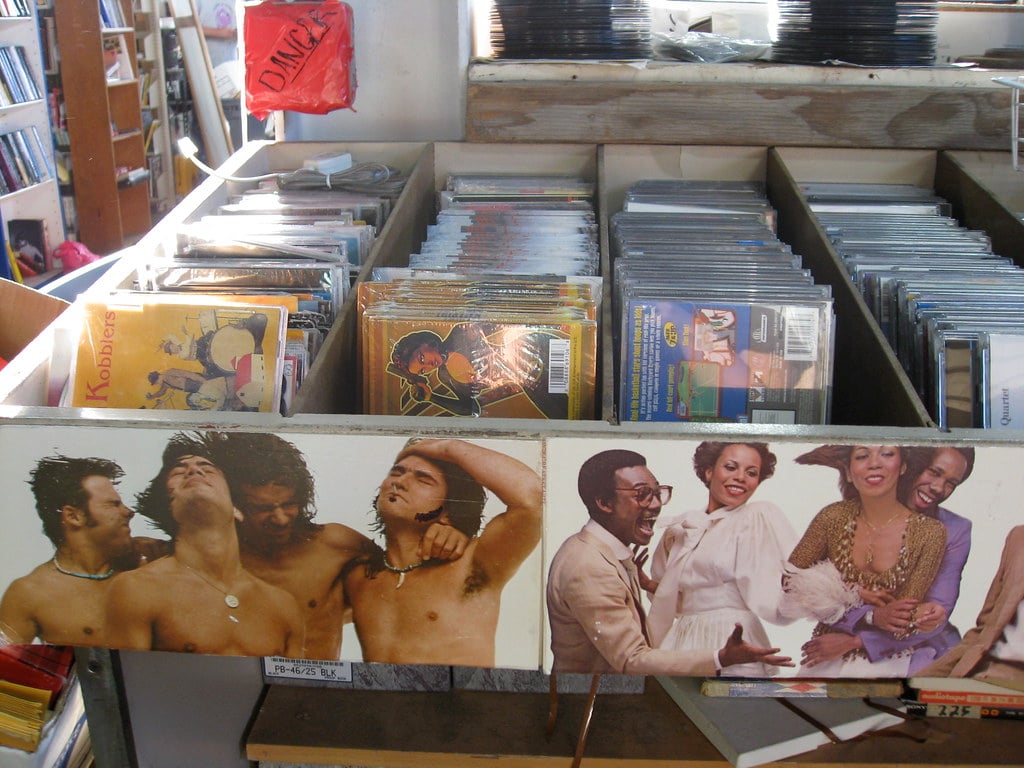
Walking through the music section at Borders meant encountering recommendations from staff who treated music as culture rather than commodity. The listening stations allowed genuine discovery — you could sample entire albums, not just thirty-second clips designed to trigger impulse purchases.
The experience of browsing physical CDs, reading liner notes, and discovering new artists through staff picks created a relationship with music that streaming services, for all their convenience, haven’t quite replicated.
Montgomery Ward
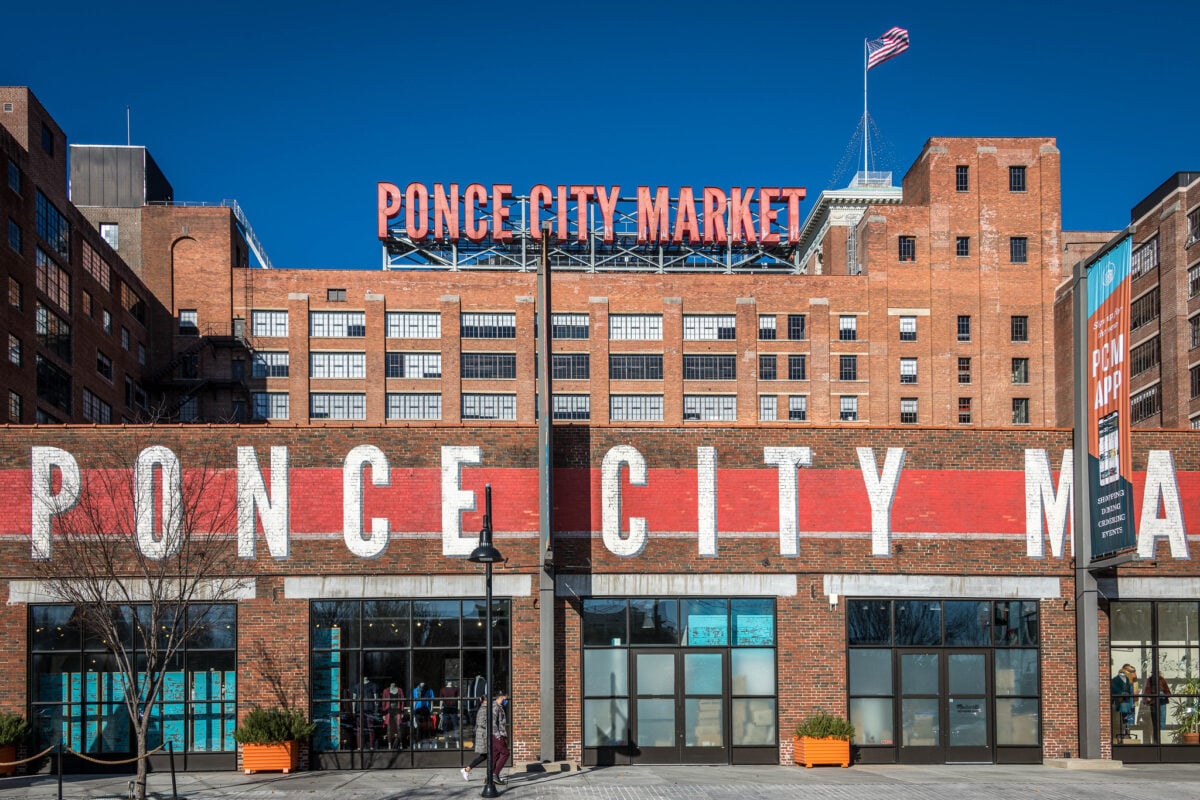
Montgomery Ward understood rural America in ways that its competitors never quite managed, providing catalog shopping and retail locations that served communities other major retailers ignored. The company’s mail-order business connected small towns to broader consumer culture decades before the internet made such connections routine.
Ward’s catalog became a fixture in American homes, offering everything from tools to clothing to appliances with a reliability that built genuine trust over generations.
The Brands That Built Us

These companies didn’t just disappear due to changing technology or consumer preferences — they represented ways of doing business that prioritized customer relationships and community connection over quarterly earnings reports. Their absence reveals what gets lost when efficiency becomes the only measure of success, when personal service gets replaced by algorithms, when physical gathering places give way to digital convenience.
The brands people miss most weren’t necessarily the biggest or most profitable; they were the ones that understood something essential about human nature that spreadsheets can’t quite capture.
More from Go2Tutors!

- 16 Historical Figures Who Were Nothing Like You Think
- 12 Things Sold in the 80s That Are Now Illegal
- 15 VHS Tapes That Could Be Worth Thousands
- 17 Historical “What Ifs” That Would Have Changed Everything
- 18 TV Shows That Vanished Without a Finale
Like Go2Tutors’s content? Follow us on MSN.