26 Antique Door Hardware Renovators Pay For
Original hardware is one of the first things a home renovator learns to protect rather than replace. A modern reproduction knob or hinge might function identically, but it rarely matches the weight, the exact patina, or the small manufacturing quirks of a piece that has been on a door for over a century.
That gap between old and new is exactly what drives prices for salvaged hardware, particularly pieces still attached to their original mounting plates or matched in complete sets. The categories below are among the most consistently sought after by renovators trying to restore a home’s original character rather than approximate it.
Mortise Lock Sets
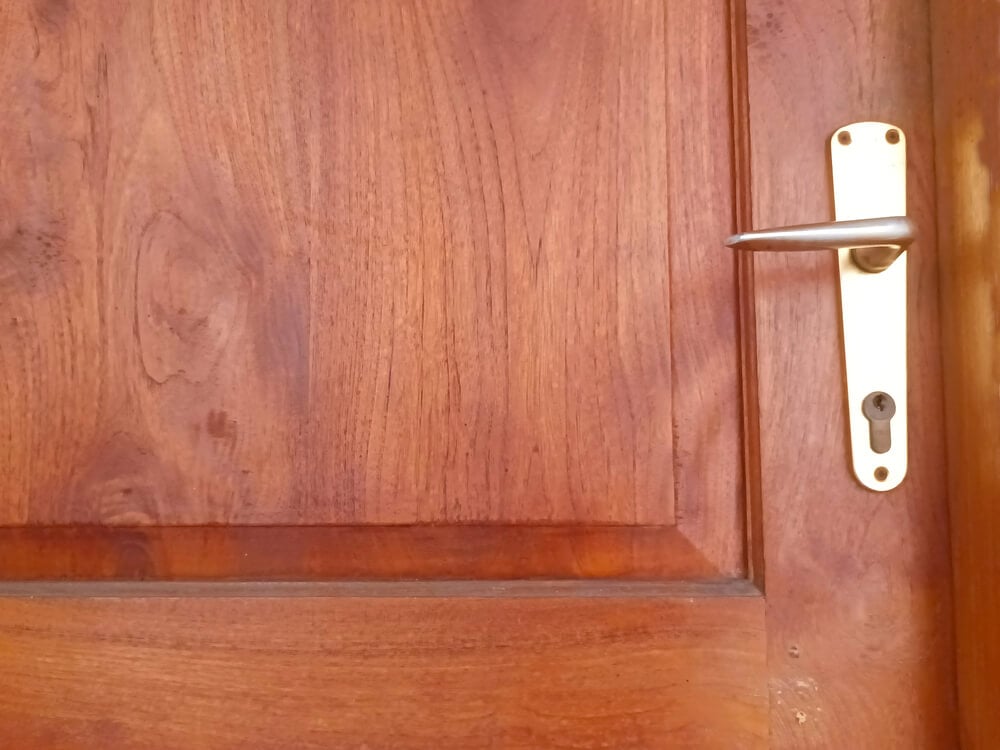
Rectangular locks recessed directly into the edge of a door, mortise sets typically include a matching knob, backplate, and keyhole cover, and complete original sets are considerably more valuable than any single component sold alone. Working mechanisms that still turn smoothly command a premium over decorative-only sets with seized internals.
Brass sets with an unpolished, naturally aged patina are generally preferred by renovators over anything that has been stripped and re-lacquered.
Cut Glass Doorknobs
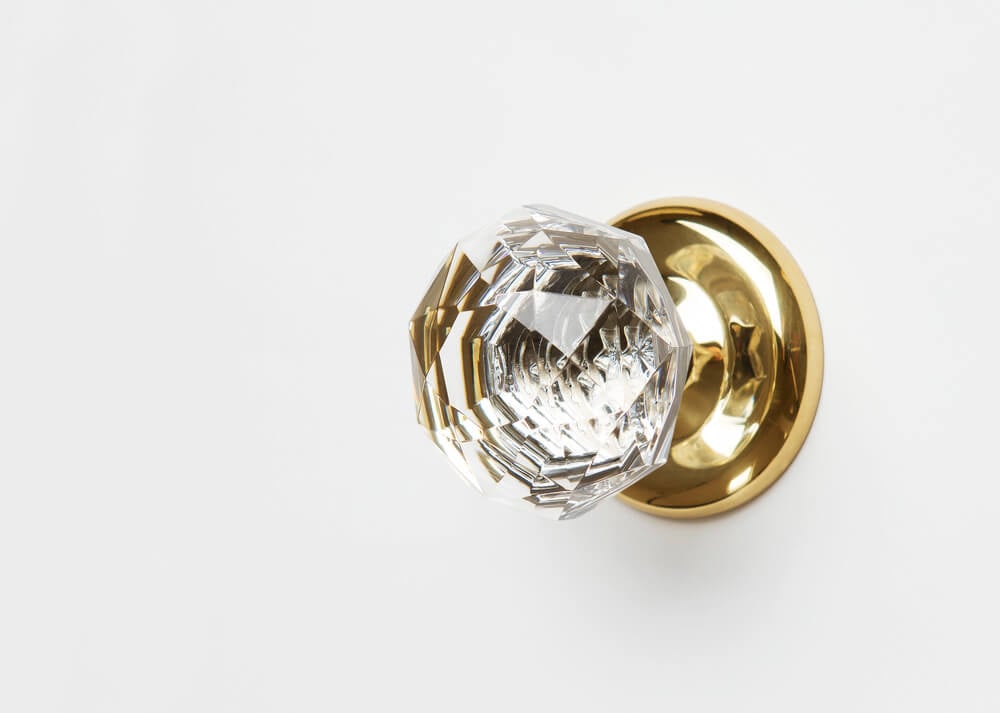
Faceted glass knobs, popular from the late 19th through early 20th centuries, catch light distinctively and are prized specifically for the small manufacturing variations between individual pieces, since each was cast in a mold that wore slightly differently over a production run. Clear glass is more common, while colored variants in amber or blue command significantly higher prices.
A matched pair, rather than a single knob, is considerably more valuable, since many surviving examples are missing their counterpart.
Bronze Doorknobs With Figural Designs
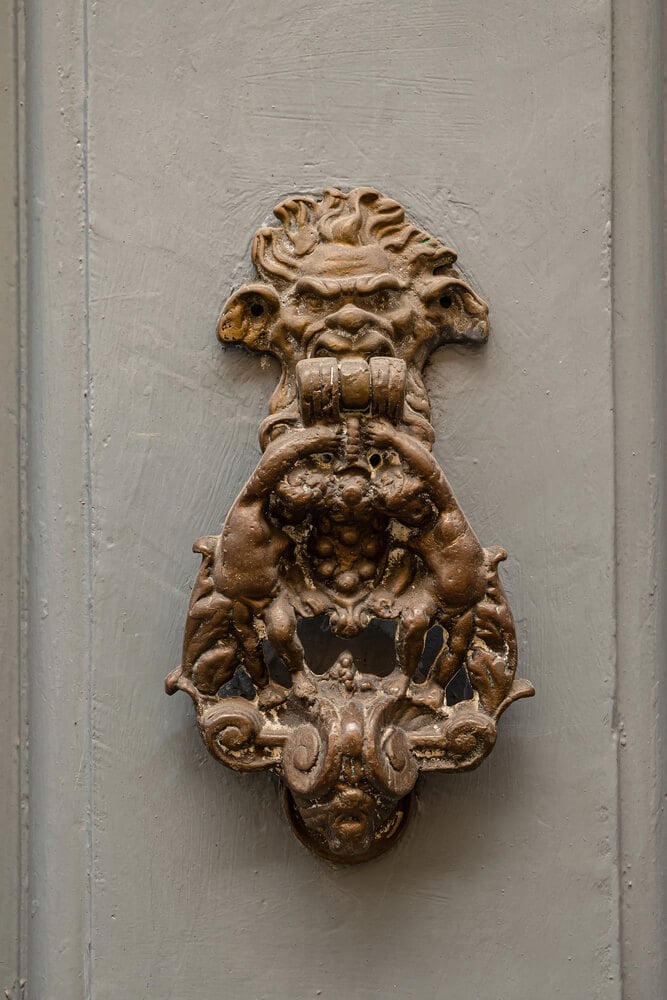
Cast in bronze with raised decorative patterns, ranging from simple geometric designs to more elaborate figural or botanical motifs, these knobs were originally a costlier upgrade over plain brass and remain correspondingly pricier today. Crisp, well-defined detail in the casting is a key factor in value, since decades of polishing can gradually soften raised design elements.
Sets that include matching rosettes, the decorative plates surrounding the knob’s spindle, are valued considerably higher than a knob alone.
Strap Hinges
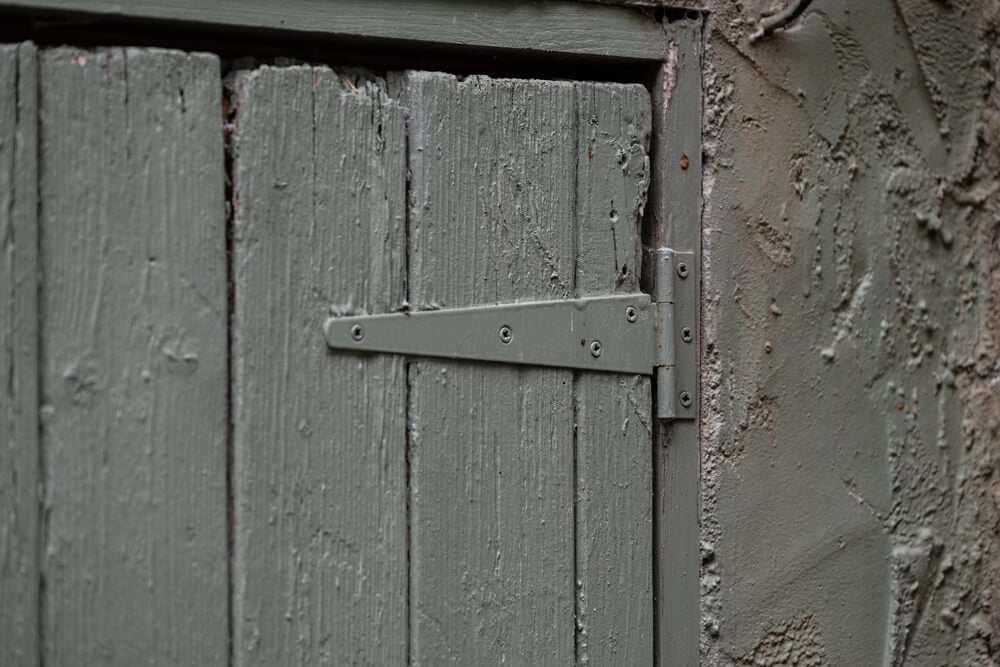
Long, narrow hinges that extend well beyond the width of a standard door hinge, often with decorative pointed or curled ends, strap hinges were common on barn doors and heavier interior doors requiring extra support. Hand-forged examples, identifiable by slightly irregular hammer marks, are more valuable than later machine-stamped versions with a more uniform appearance.
Renovators restoring barn-style doors specifically seek these out as functional hardware rather than purely decorative pieces.
Butterfly Hinges
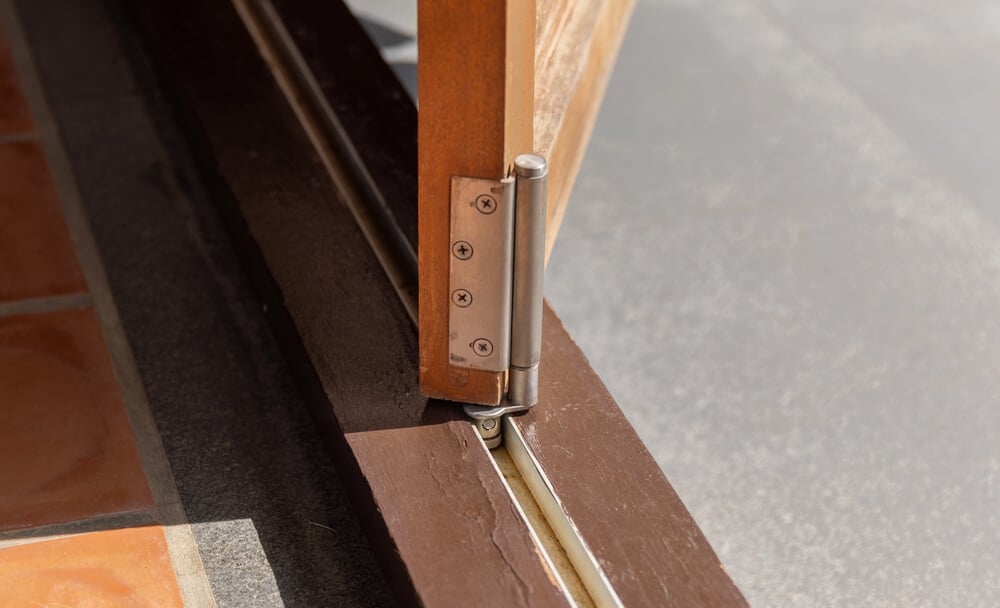
Named for their symmetrical, wing-like shape when open, butterfly hinges were a common decorative choice on furniture and lighter interior doors. Their compact size and clean silhouette make them popular for cabinet restoration in addition to door work.
Hinges retaining their original screws, rather than replacements, are considered more complete and valuable by collectors focused on full authenticity.
Rim Locks
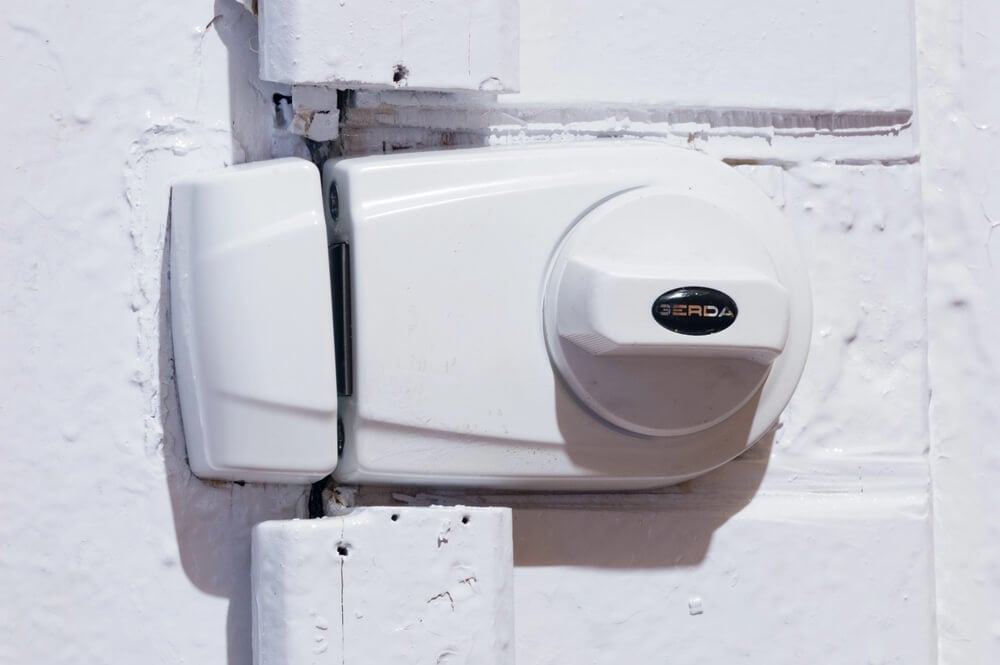
Mounted on the surface of a door rather than recessed into it, rim locks were common on earlier doors before mortise locks became standard, and their visible mechanism gives them a distinct decorative presence beyond pure function. Cast iron examples with an intact working bolt are particularly sought after for barn or cabin restoration projects.
A matching original key significantly increases a rim lock’s value, since replacement keys rarely fit the specific internal mechanism precisely.
Escutcheon Plates
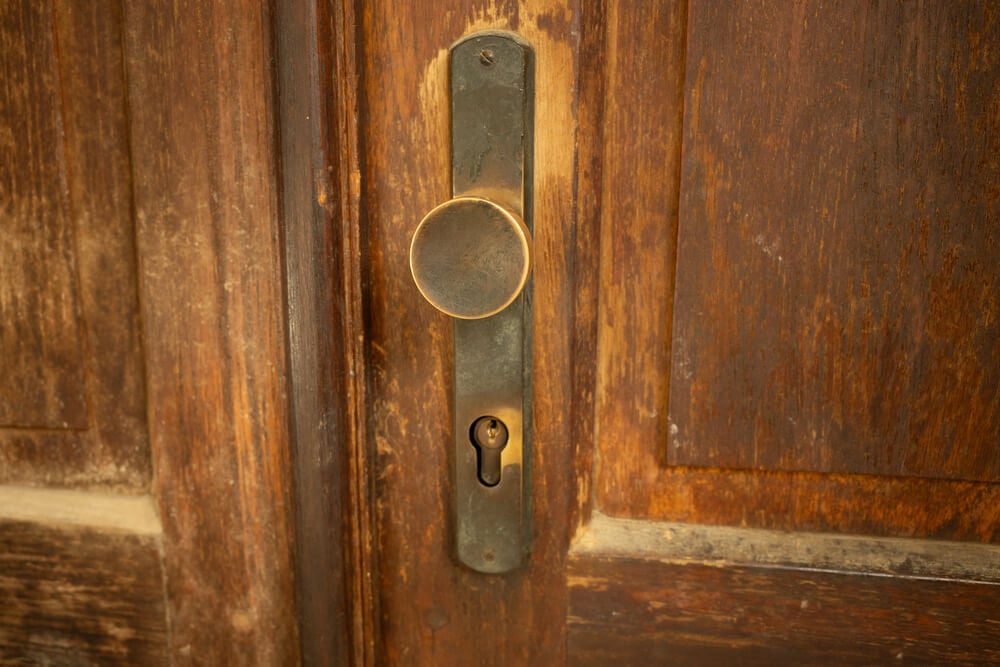
The decorative plate surrounding a keyhole, escutcheons range from simple stamped brass shapes to elaborate cast designs with raised ornamentation. Because they were often handled less than the knob itself, escutcheons frequently survive in better condition and retain sharper detail.
Renovators specifically seek escutcheons that match the design language of a knob or hinge already sourced for the same door.
Transom Window Hardware
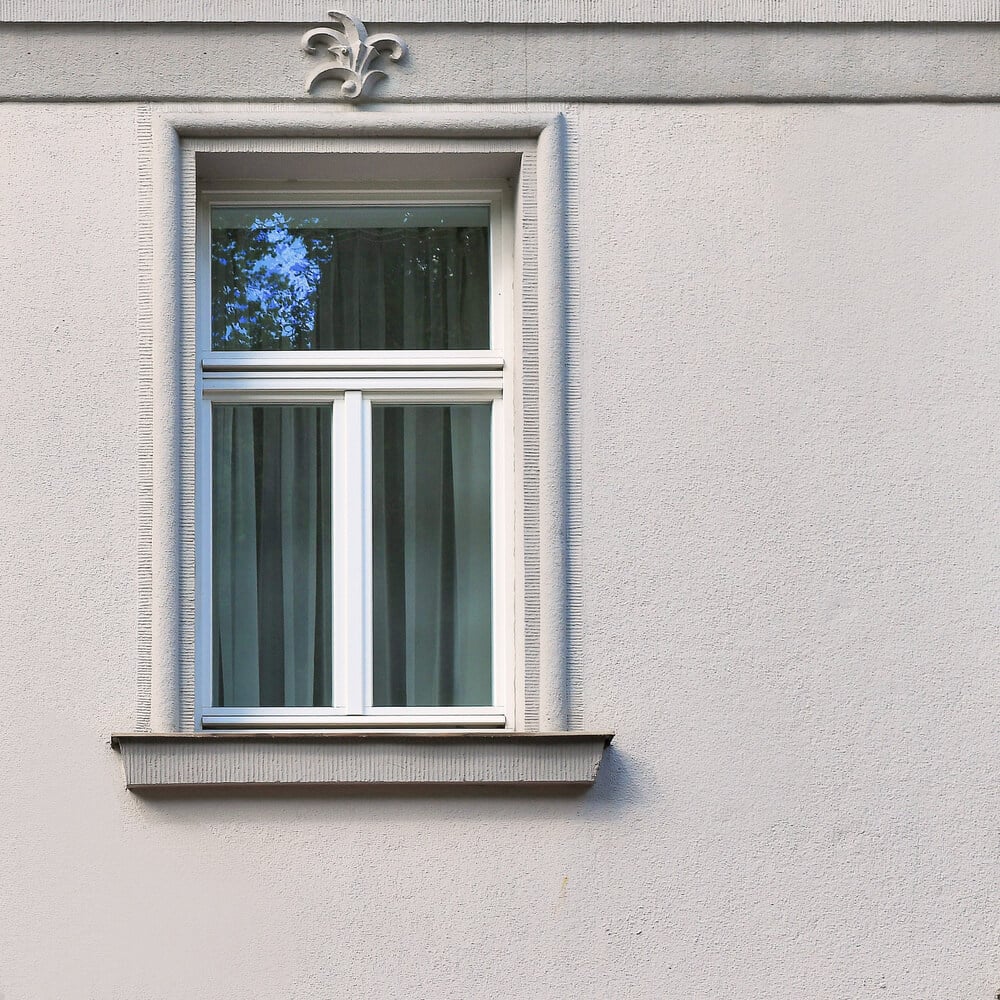
The small levers, cranks, or chains used to open a transom window above a door were built to operate a mechanism most homeowners today no longer have installed at all, making functional original hardware a genuine rarity. Renovators restoring a home with an intact original transom specifically seek matching hardware rather than a generic modern substitute.
Brass examples with visible wear at the pivot point, evidence of decades of actual use, are considered more desirable than pristine, unused stock.
Cast Iron Door Knockers
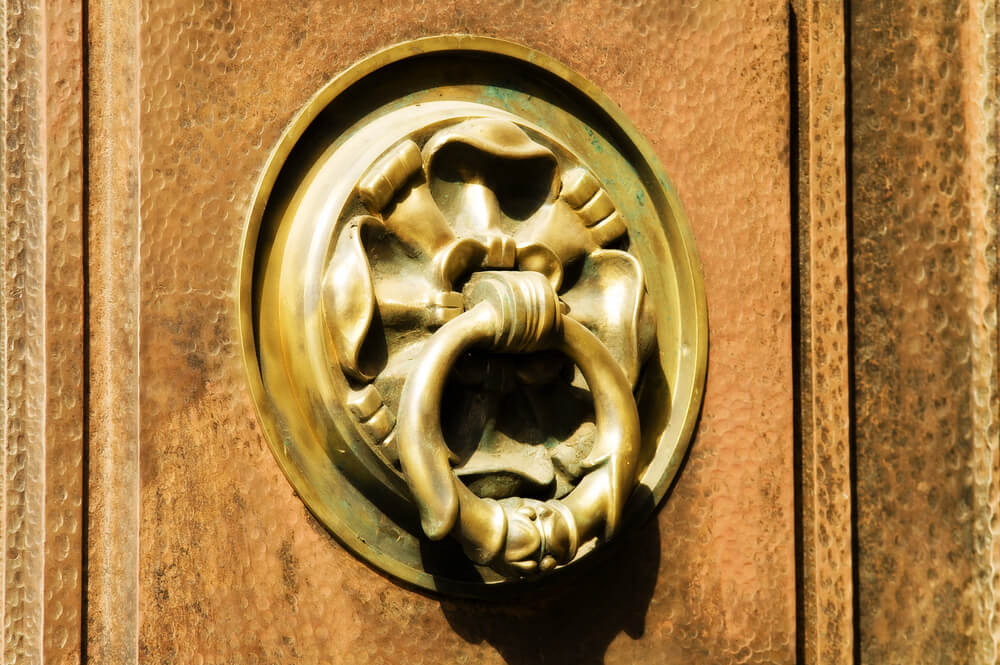
Ranging from simple ring designs to elaborate figural shapes such as animal heads or hands, cast iron knockers were both functional and a visible statement piece on a home’s front entrance. Weight and casting detail are the primary factors in evaluating quality, with heavier, more finely detailed examples commanding higher prices.
A knocker retaining its original striking plate, the small worn disc the knocker strikes against, is considered more complete than one sold without it.
Push Plates
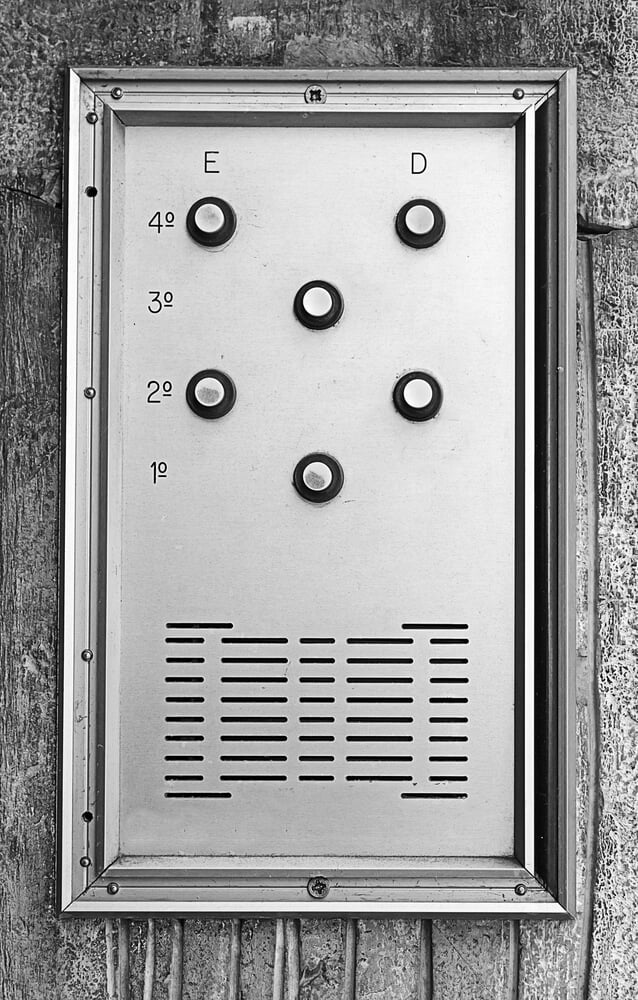
Flat metal plates mounted on doors to protect the surface from hand pushes, push plates were common on doors with heavy daily traffic and were often engraved or stamped with decorative patterns. Brass and nickel-plated versions are both common, with brass generally commanding a higher price among renovators working on older homes.
Plates retaining crisp engraved detail, rather than ones worn smooth from decades of handling, are the most sought after.
Sliding Barn Door Track Hardware
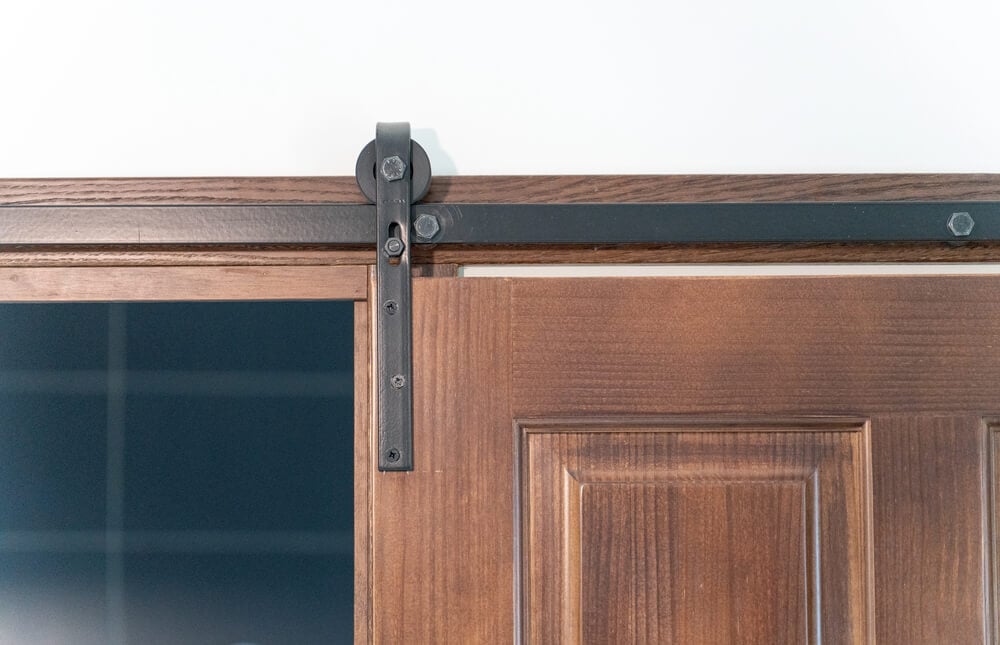
The metal track and roller assembly used for sliding barn doors has become popular again in modern interior design, driving renewed demand for genuinely old, heavy-gauge originals rather than newly manufactured reproductions. Rollers that still turn smoothly without excessive play are valued considerably higher than seized or heavily worn examples.
Complete sets including the original mounting brackets are considered significantly more valuable than a track sold alone.
Butt Hinges With Rounded Finials
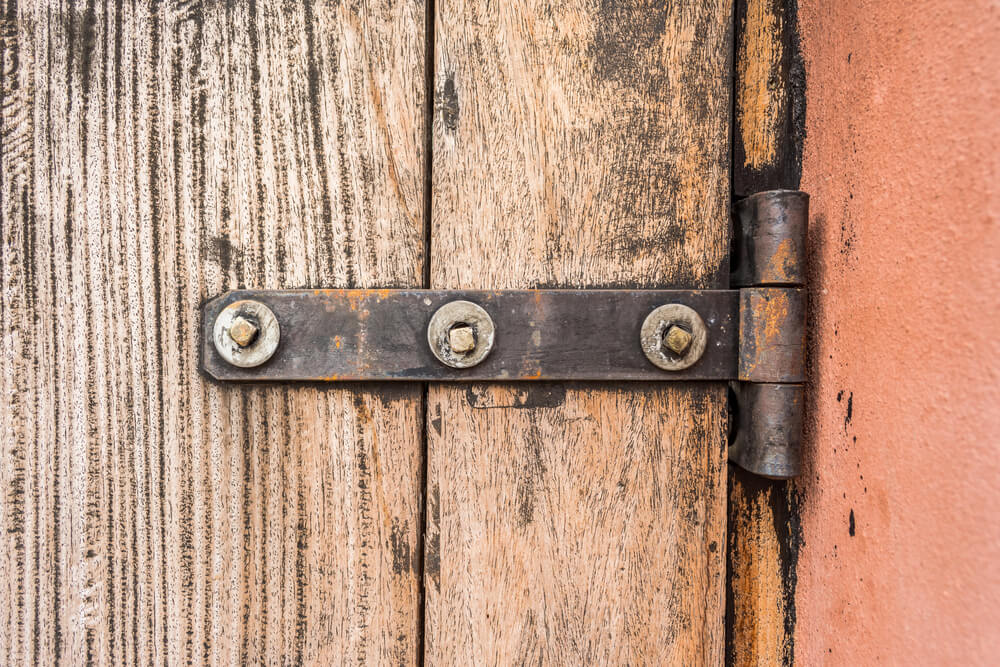
Standard door hinges topped with a small decorative rounded finial at the pin’s top, these hinges were a common upgrade from plain, unadorned hinge pins on higher-end homes. Matched sets of three or more from a single door are more valuable than individual hinges, since consistent wear and patina across a full set is difficult to replicate with mismatched pieces.
Brass examples that have never been painted over are particularly sought after, since paint removal can damage the original finish underneath.
Speaking Tube Hardware

The small horn-shaped fittings and mouthpieces used for early intercom-style speaking tubes between floors of a home are a genuinely uncommon find, since the technology was largely abandoned once electric intercoms and telephones became widespread. Renovators restoring a home with intact wall tubing specifically seek matching original fittings rather than substitutes.
Brass mouthpieces with legible manufacturer stamps are particularly valued by collectors focused on early home communication technology.
Sash Window Locks
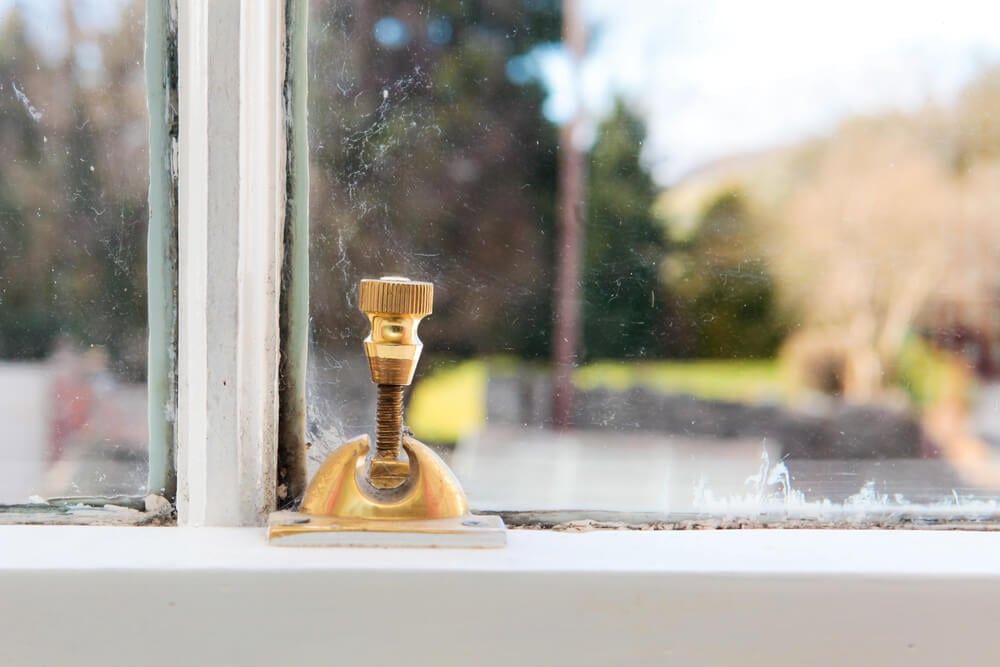
Small metal latches used to secure double-hung sash windows, these locks came in a range of decorative styles from plain functional designs to more ornate cast versions. Renovators restoring original wood windows specifically seek locks matching the approximate age and style of the window itself, since a mismatched modern lock is a common giveaway of an otherwise careful restoration.
Working examples that still turn and catch properly are valued well above decorative-only pieces.
Door Bell Cranks
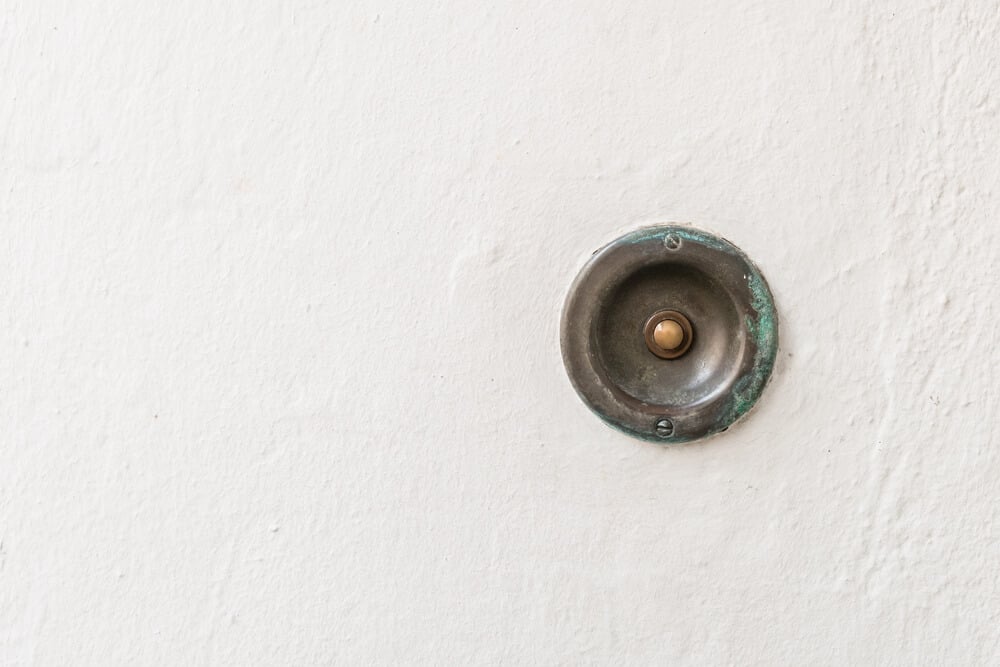
The twist-mechanism doorbell, operated by turning a small key-like crank rather than pressing a button, produced a distinctive mechanical ring and predates electric doorbells entirely. Complete mechanisms with the internal bell still intact and functional are considerably rarer than the decorative front plate alone.
Renovators restoring a historically accurate front entrance treat a working crank doorbell as a significant, high-value detail.
Cabinet Latches
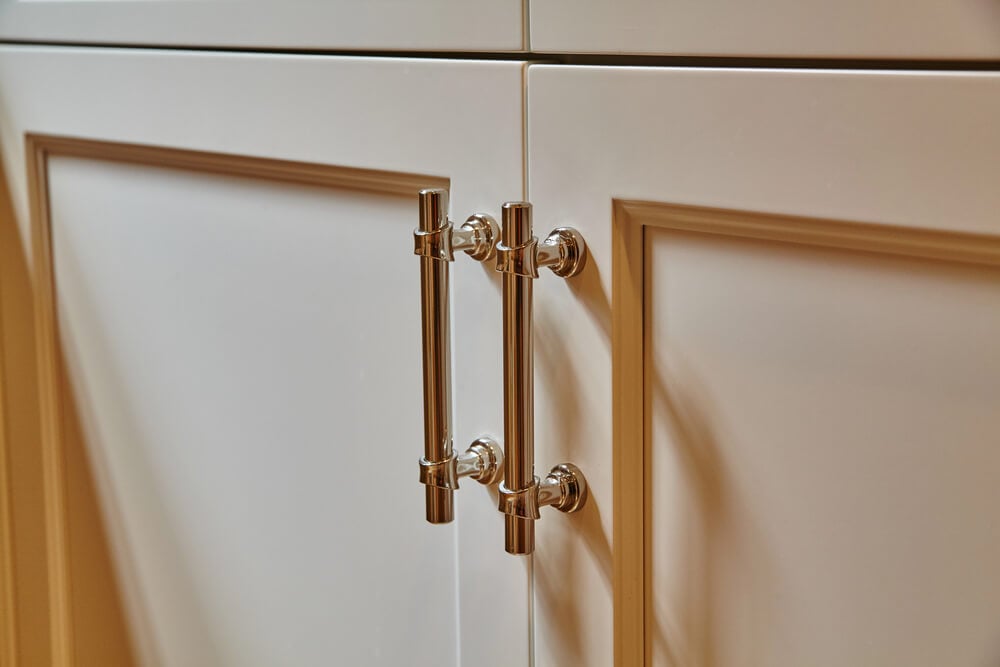
Small hook-and-eye or turn-style latches used on built-in cabinetry, these pieces are frequently sourced by renovators working on kitchens or built-in shelving original to a home’s construction. Their small size makes them easy to overlook, but matched sets across multiple cabinet doors are considerably harder to source than a single latch.
Brass and iron are both common, with the choice generally driven by matching the home’s other existing hardware finishes.
Floor Registers With Decorative Grilles
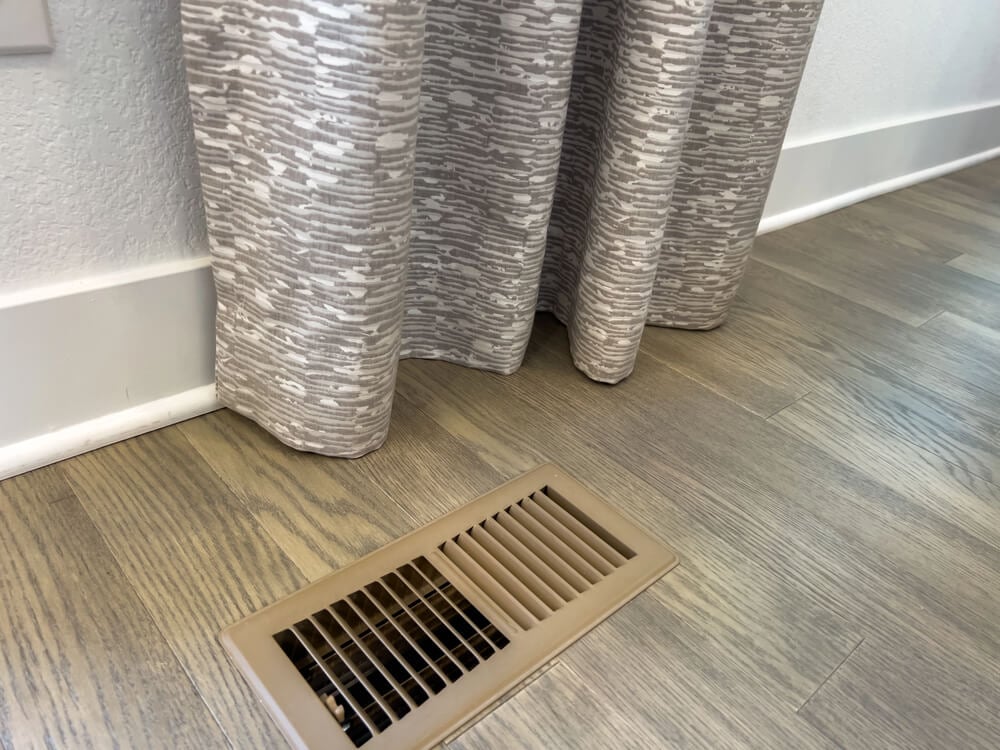
Though technically heating hardware rather than door hardware, cast iron floor registers are frequently grouped with the same restoration projects, valued for the intricate scrollwork or geometric patterns cast into the grille. Renovators specifically seek registers sized to match existing floor openings, since resizing a historic opening is generally avoided.
A functioning damper mechanism beneath the grille adds meaningfully to a register’s value beyond its decorative appeal alone.
Coat and Hat Hooks
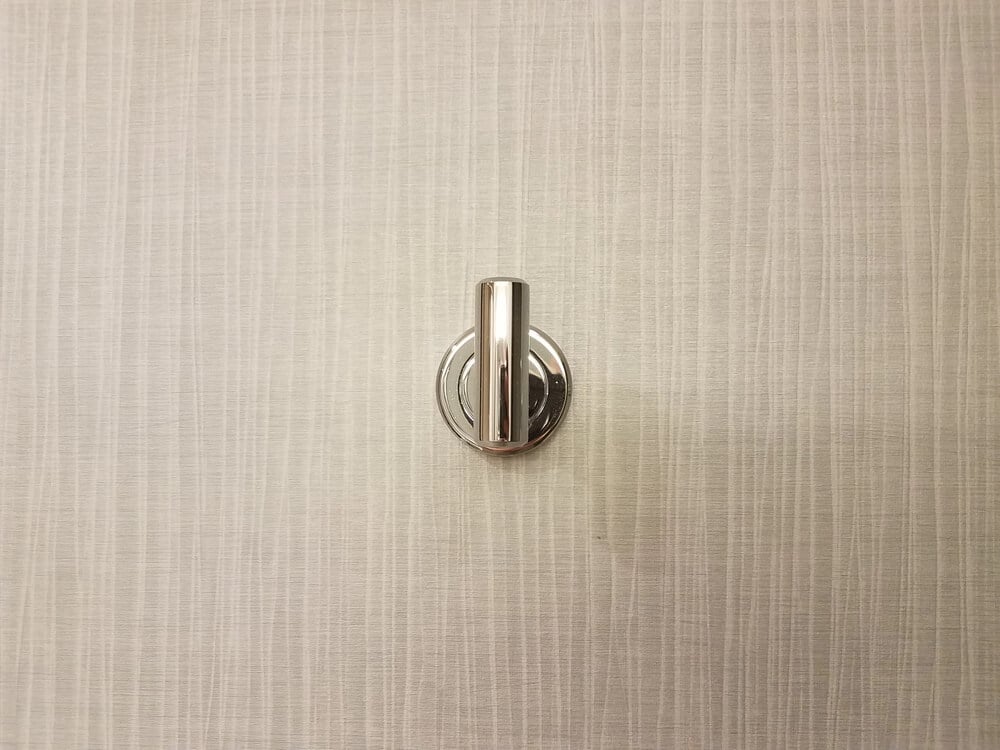
Wall-mounted hooks near entryways, ranging from simple curved iron designs to more ornate cast brass patterns, are a small but consistently sought-after category among renovators finishing an entryway restoration. Sets of matching hooks are considerably more valuable than single pieces, since consistent design and patina across a full row is difficult to replicate.
Hooks retaining their original mounting screws are considered more complete and are generally priced higher.
Skeleton Keys
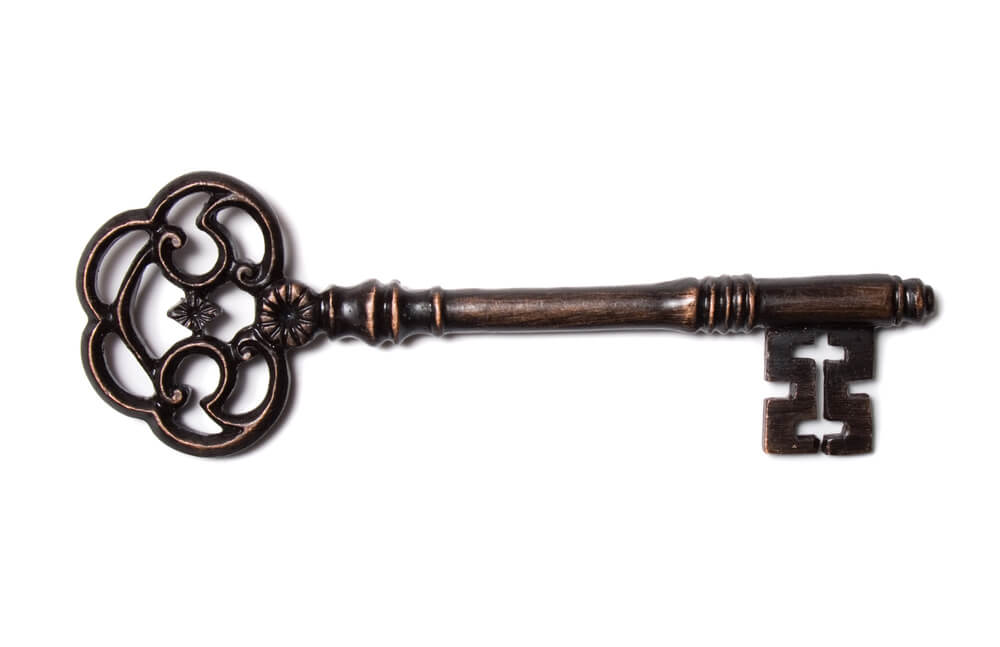
Simple, long-shanked keys used with older lock mechanisms, skeleton keys are collected both individually for their sculptural shape and specifically as functional matches for a rim or mortise lock already being restored. A key that has been confirmed to actually operate a specific lock is worth considerably more than a decorative key sold without a confirmed match.
Renovators restoring a home with multiple original locks often search extensively for keys that fit each mechanism precisely.
Sliding Pocket Door Hardware
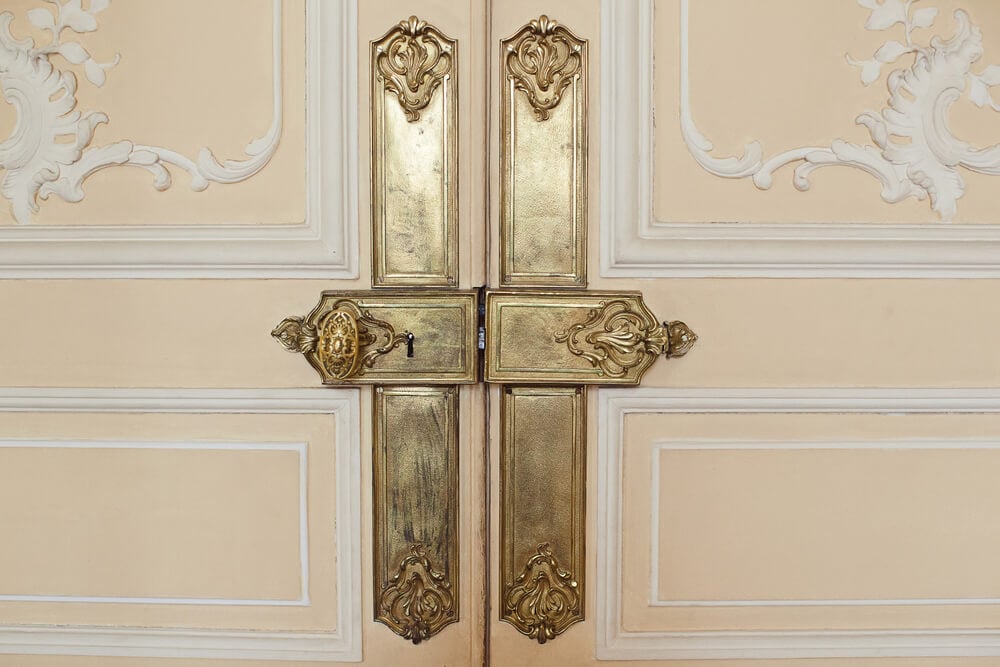
The recessed pulls, edge guides, and interior track mechanisms used for pocket doors that slide into a wall cavity are considerably harder to source than standard hinges, since the hardware was built specifically for a mechanism most modern doors no longer use. Flush pulls that sit level with the door’s surface, rather than protruding, are a particularly sought-after detail among renovators restoring an original pocket door.
Complete track and roller assemblies command significantly more than a pull alone.
Ornate Kick Plates
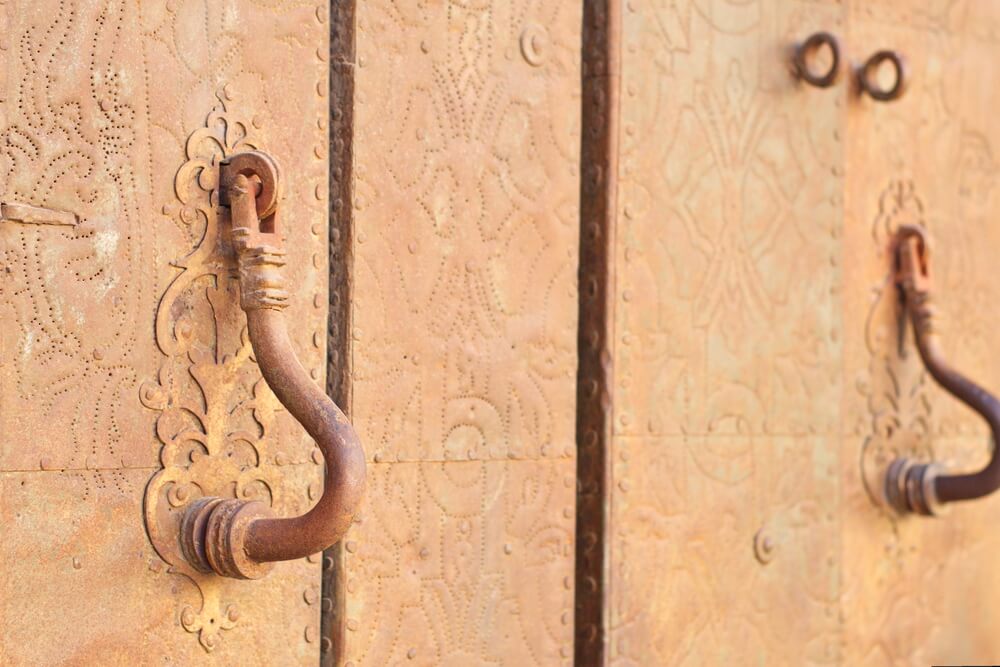
Metal plates mounted at the base of a door to protect against scuffing, kick plates range from plain rectangular designs to more decorative shapes with rounded corners or engraved borders. Brass examples that have developed a natural, uneven patina from decades of foot contact are generally preferred over anything that has been polished to a uniform shine.
Wider plates matching the full width of a door’s bottom rail are considered more desirable than narrower, partial-coverage versions.
Casement Window Stays
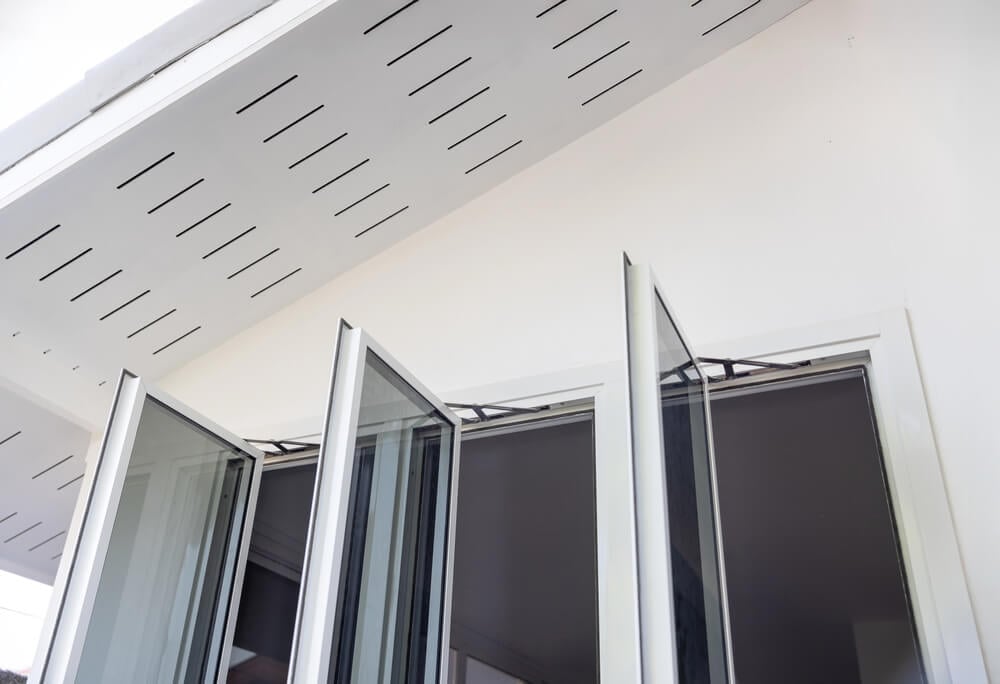
The adjustable metal arms used to hold an outward-swinging casement window open at a fixed angle, stays came in various lengths and locking mechanisms depending on the window’s size and era. Renovators restoring original casement windows specifically seek stays matching the correct length and mounting pattern for their specific window style.
A stay that still holds its position firmly under the window’s weight, rather than slipping, is valued considerably higher than a decorative-only example.
Decorative Hinge Straps for Cabinetry
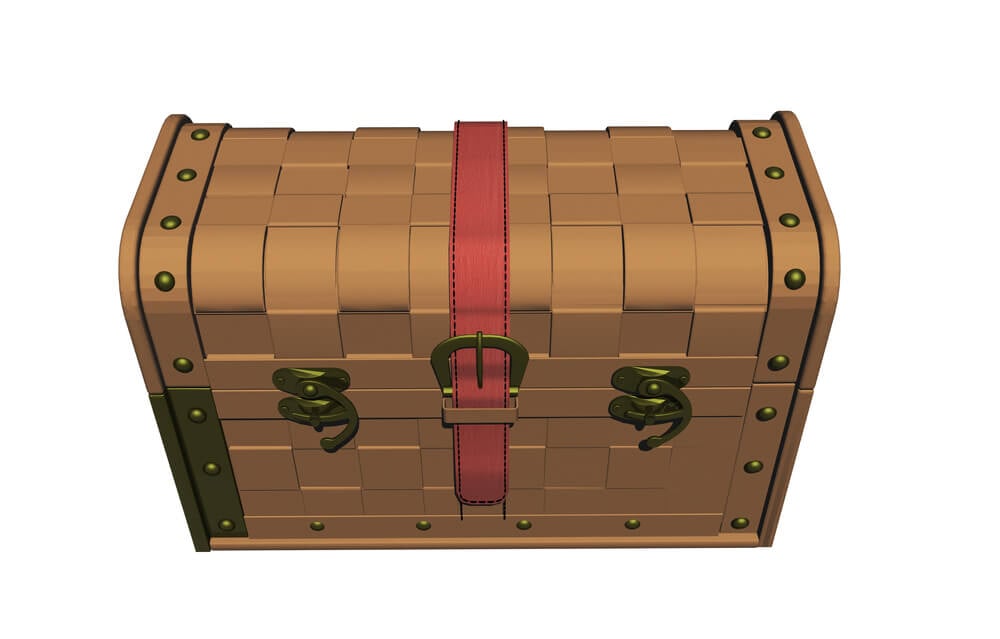
Smaller, more ornate versions of full-sized strap hinges, these were used on cabinet doors and smaller furniture pieces rather than full-sized entry doors. Hand-hammered texture and slightly irregular shaping are details renovators specifically look for as evidence of earlier, pre-industrial production.
Sets sourced from a single original piece of furniture or cabinetry, rather than assembled from multiple mismatched sources, are considered more valuable.
Letter Slots
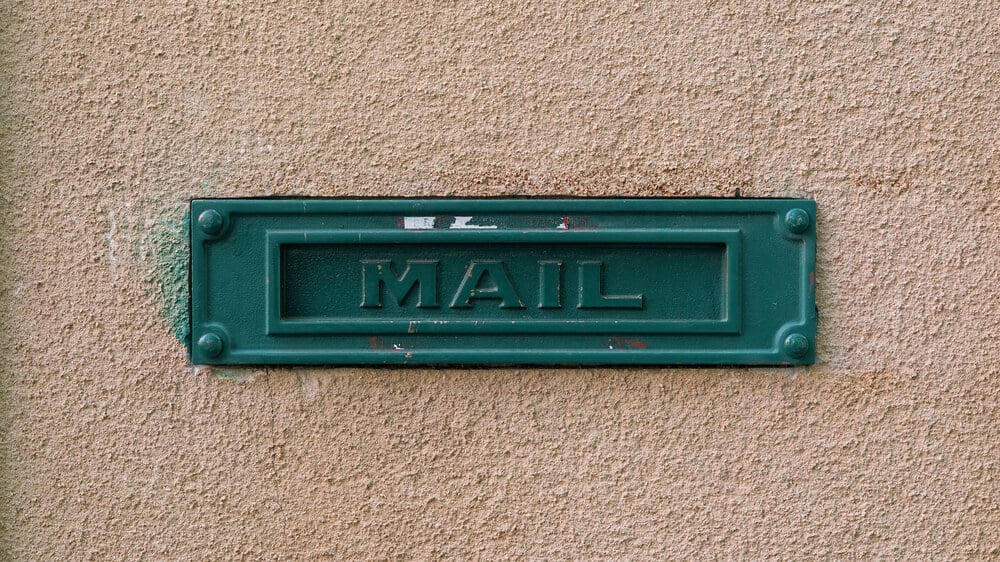
The hinged brass or bronze flap mounted in a front door for mail delivery, letter slots range from plain functional designs to more decorative versions with raised lettering reading “letters” or “mail.” A slot with a working interior flap that still swings and seats properly is valued considerably higher than a seized or bent example.
Renovators restoring a historically accurate front entrance often treat an intact, functional letter slot as a defining period detail.
Wardrobe and Closet Door Pulls
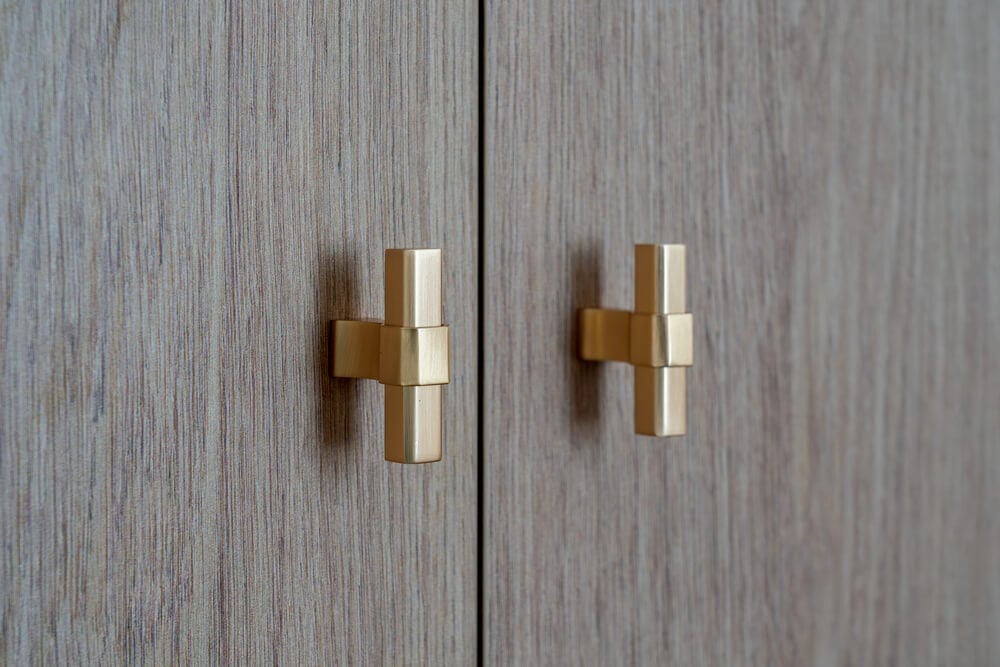
Distinct from standard door knobs in their typically flatter, more recessed profile designed to avoid snagging clothing stored nearby, wardrobe pulls are sought after specifically by renovators restoring original built-in closets. Matched sets across multiple closet doors in a single room are considerably harder to source than individual pulls.
Brass examples retaining their original finish, rather than ones that have been re-plated, are generally preferred.
Fire Escape Door Hardware
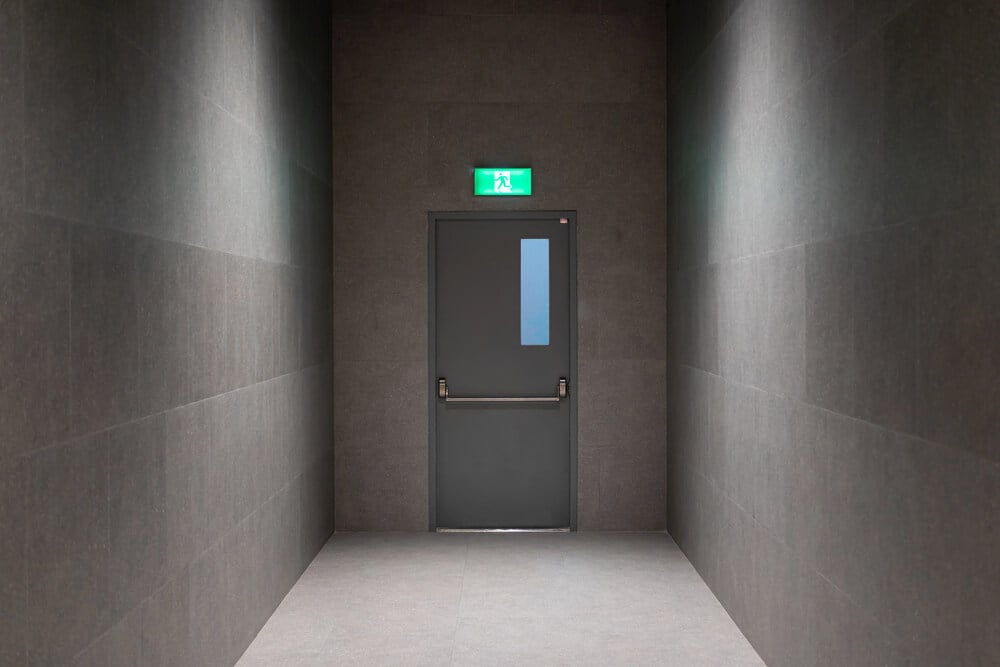
Specialized panic-style hardware designed to allow doors to open outward easily from the inside without a key, fire escape hardware is a distinct category renovators working on older commercial or multi-family buildings specifically seek to maintain code compliance while preserving period accuracy. Original mechanisms that still function reliably are especially valued, since this hardware often needs to remain genuinely operational rather than purely decorative.
Manufacturer stamps identifying the original hardware maker are a detail that can meaningfully affect both authenticity verification and resale value.
Weight and Wear as Authentication
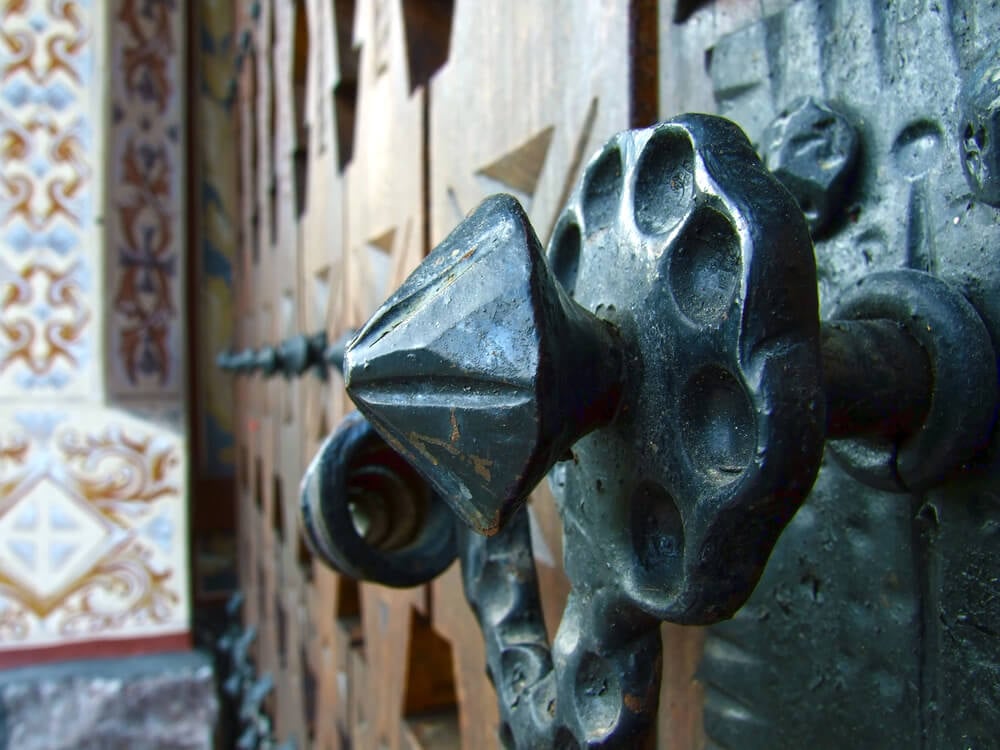
Reproduction hardware has become sophisticated enough that, at a glance, a modern brass knob can look convincingly old. What consistently gives away the difference to a practiced eye is weight, since older castings tend to use denser metal than many modern equivalents, and the specific pattern of wear left by generations of actual use, worn smooth in exactly the places a hand would naturally grip.
That is ultimately what renovators are paying for when they seek out original hardware rather than a reproduction. Not simply an old-looking object, but one that carries a physical record of the specific hands that turned it, pushed it, and locked it, thousands of times over, long before it ever reached a salvage shop.
More from Go2Tutors!

- The Romanov Crown Jewels and Their Tragic Fate
- 13 Historical Mysteries That Science Still Can’t Solve
- Famous Hoaxes That Fooled the World for Years
- 15 Child Stars with Tragic Adult Lives
- 16 Famous Jewelry Pieces in History
Like Go2Tutors’s content? Follow us on MSN.