Lesser-known Facts About Charlie Chaplin
Charlie Chaplin remains one of cinema’s most recognizable figures, with his iconic Tramp character etched into cultural history. While most people know him for his silent films and that famous mustache, there’s a fascinating collection of quirky, surprising, and downright bizarre details about his life that rarely make it into the spotlight.
These lesser-known aspects reveal a man whose real life was just as intriguing as anything he created on screen. Here’s a list of lesser-known facts about Charlie Chaplin that showcase the unexpected side of this legendary performer.
He Was Naturally Left-Handed

Chaplin was born left-handed, but like many children of his era, he was forced to write with his right hand in school. Teachers in Victorian England believed left-handedness was associated with the devil, and they’d often tie children’s left hands behind their backs or strike them with rulers to correct this ‘flaw’.
Despite this forced training, Chaplin remained ambidextrous and used his left hand for most other activities throughout his life.
He Played Violin Left-Handed

Most violinists, regardless of which hand they favor, hold the instrument on their left shoulder and bow with their right hand. Chaplin refused to follow convention and completely restrung his violin backward so he could play left-handed.
Fellow performer Stan Laurel recalled that during their 1912 tour, Chaplin carried his specially modified violin everywhere and would practice for hours, always playing in his unconventional style.
His Corpse Was Stolen for Ransom

Three months after Chaplin died on Christmas Day 1977, grave robbers dug up his coffin from a Swiss cemetery and demanded $600,000 from his family. The thieves were eventually caught after leaving his remains in a field, and authorities recovered the body eleven weeks later.
Chaplin was reburied under six feet of concrete to prevent any future theft attempts.
He Lost a Charlie Chaplin Look-Alike Contest
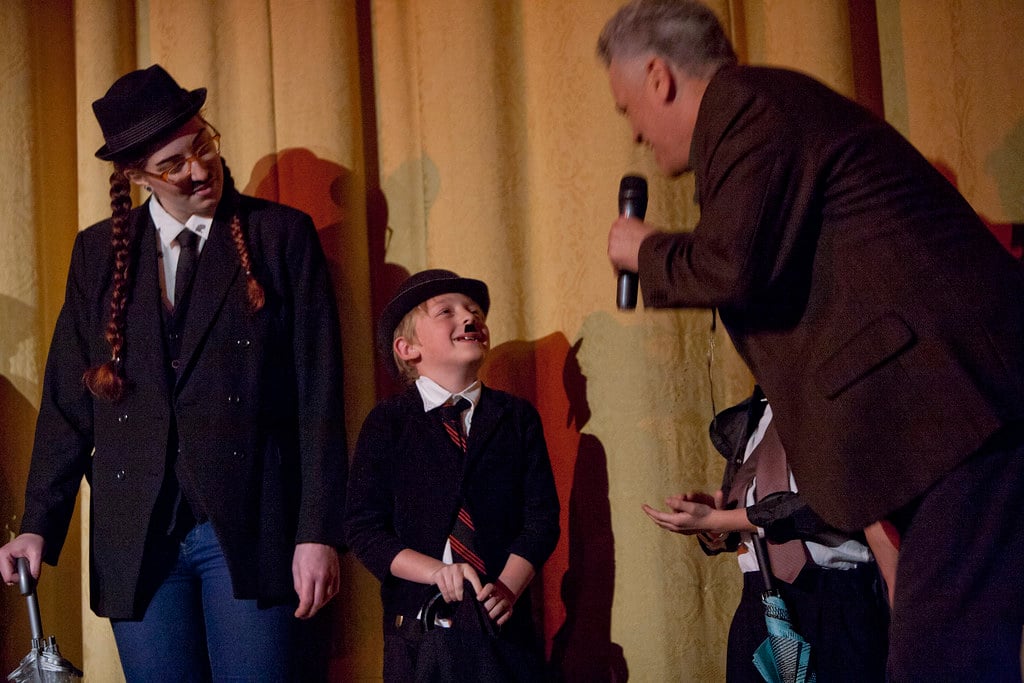
In 1915, at the height of his fame, Chaplin entered a Charlie Chaplin look-alike contest in France. The judges and audience didn’t recognize him as the real deal, and he only managed to place third.
This bizarre incident says something about how different people can look in person compared to their on-screen personas, especially in the era of grainy black-and-white film.
He Received the Longest Standing Ovation in Oscar History

When Chaplin returned to the United States in 1972 to receive an honorary Academy Award, he was greeted with a twelve-minute standing ovation. This remains the longest ovation in Oscar history, a testament to his impact on cinema and the audience’s recognition of how poorly he’d been treated during the Red Scare.
He was visibly moved by the reception, having been unsure how Americans would respond to his return after two decades in exile.
He Was the First Actor on Time Magazine’s Cover
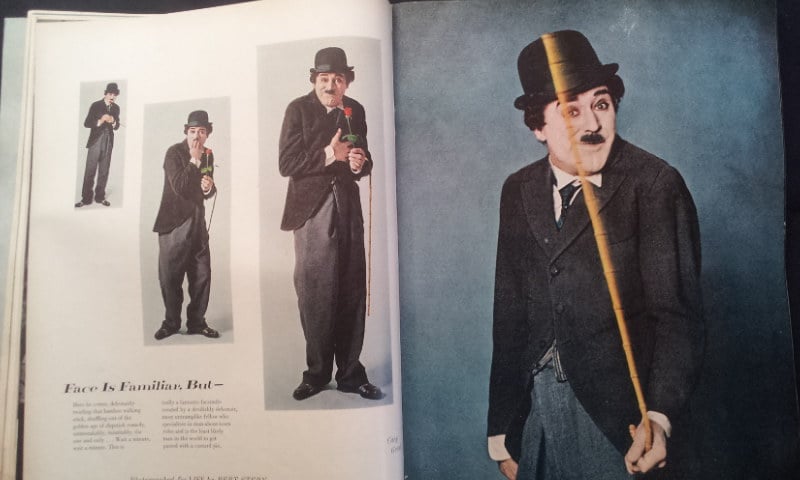
Time magazine launched in March 1923, and Chaplin became the first actor to grace its cover on July 6, 1925. The honor placed him alongside figures like Franklin D. Roosevelt, Benito Mussolini, and Sigmund Freud who had appeared in earlier issues.
His appearance on the cover, complete with his signature bowler hat and cane, confirmed his status as more than just an entertainer—he was a cultural phenomenon.
He Fathered 11 Children

Chaplin had eleven children between 1919 and 1962, spanning five girls and six boys across three marriages. His first two marriages to teenagers Mildred Harris and Lita Grey produced three children, while his brief marriage to Paulette Goddard was childless.
His final marriage to Oona O’Neill, whom he wed when she was eighteen and he was fifty-four, produced eight children and lasted until his death.
He Paid Child Support for a Child That Wasn’t His

In the 1940s, actress Joan Barry claimed Chaplin fathered her child, and he was ordered to court. Blood tests proved conclusively that Chaplin wasn’t the father, but the judge ruled the evidence inadmissible because there was little legal precedent for using blood tests in paternity cases.
After a mistrial and retrial, the jury ordered Chaplin to pay seventy-five dollars per week in child support, a decision that sparked protests and eventually led California to change its laws in 1953.
No Birth Certificate Was Ever Found

When the FBI investigated Chaplin during the Red Scare, they asked British intelligence agency MI5 to verify his birth records. Despite extensive searching, MI5 couldn’t locate a birth certificate for Chaplin at Somerset House in London, where births were typically registered.
The FBI even pursued rumors that his real name was ‘Israel Thornstein’ and that he might have been born in France, but MI5 found no evidence of either claim—Chaplin’s origins remain partially mysterious to this day.
He Composed Music But Couldn’t Read Sheet Music

Chaplin had a natural ear for music and composed the scores for all his films, yet he never learned to read musical notation. He would play tunes on the piano, violin, or cello, or simply hum melodies to professional musicians who would then transcribe and arrange his ideas.
This didn’t stop him from taking full creative control of his soundtracks, and some of his compositions, like ‘Smile,’ became popular hits outside of his films.
He Never Used Complete Scripts for Silent Films

Until he started making sound films with ‘The Great Dictator’ in 1940, Chaplin never worked from a finished script. He’d begin with just a simple premise like ‘Charlie enters a health spa’ or ‘Charlie works in a pawn shop,’ then build the story through improvisation on set.
This meant he often filmed thousands of feet of footage for scenes that would ultimately be just a few minutes long, constantly refining and reshaping the narrative as he went.
He Was 73 When His Youngest Son Was Born

Chaplin’s last child, Christopher, was born in 1962 when the filmmaker was seventy-three years old. His wife Oona was thirty-seven at the time, having married Chaplin when she was just eighteen.
The significant age gap never seemed to affect their relationship, which by all accounts was happy and stable, lasting thirty-four years until Chaplin’s death.
He Had Blue Eyes
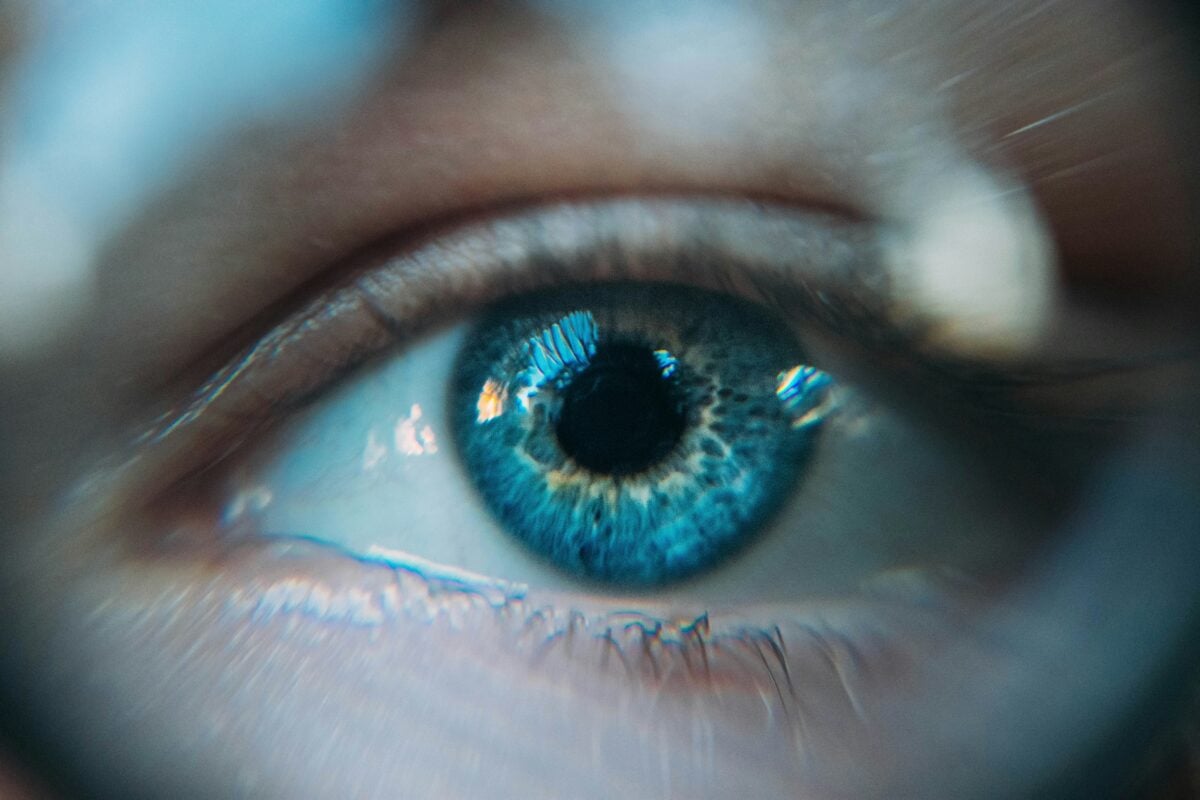
People who only saw Chaplin in black-and-white films naturally assumed he had dark brown or black eyes to match his dark hair and mustache. In reality, Chaplin had striking blue eyes, a detail that surprises many fans when they see color photographs of him.
This disconnect between how people imagined him and his actual appearance adds another layer to the look-alike contest story.
He Made His Stage Debut at Age Five

Chaplin’s first performance came when he was just five years old, filling in for his mother Hannah when her voice suddenly failed during a show for rowdy soldiers. He sang ‘Jack Jones,’ and when the audience showered him with coins, he stopped mid-song to pick up the money, which drew huge laughs.
He then began imitating his mother’s laryngitis-afflicted voice, earning even more applause and launching what would become one of the most successful careers in entertainment history.
An Asteroid Bears His Name

Russian astronomer Lyudmila Karachkina discovered a minor planet in 1981 and named it after the silent film legend she adored. The asteroid, officially designated 3623 Chaplin, sits in the asteroid belt between Mars and Jupiter.
Karachkina discovered hundreds of asteroids throughout her career, but this particular naming came four years after Chaplin’s death, ensuring his legacy extends literally into the cosmos.
He Was Knighted at 85 Years Old

Queen Elizabeth II finally knighted Chaplin in 1975, when he was eighty-five and confined to a wheelchair. He was originally supposed to receive the honor in 1956, but the ceremony was postponed due to the controversy surrounding the FBI’s communist investigations.
As he left the hall using a walking stick after receiving his KBE insignia, a reporter asked what he’d do for the rest of the day, and he jokingly replied, ‘Well, I’ll get drunk.’
A Legacy Beyond the Screen
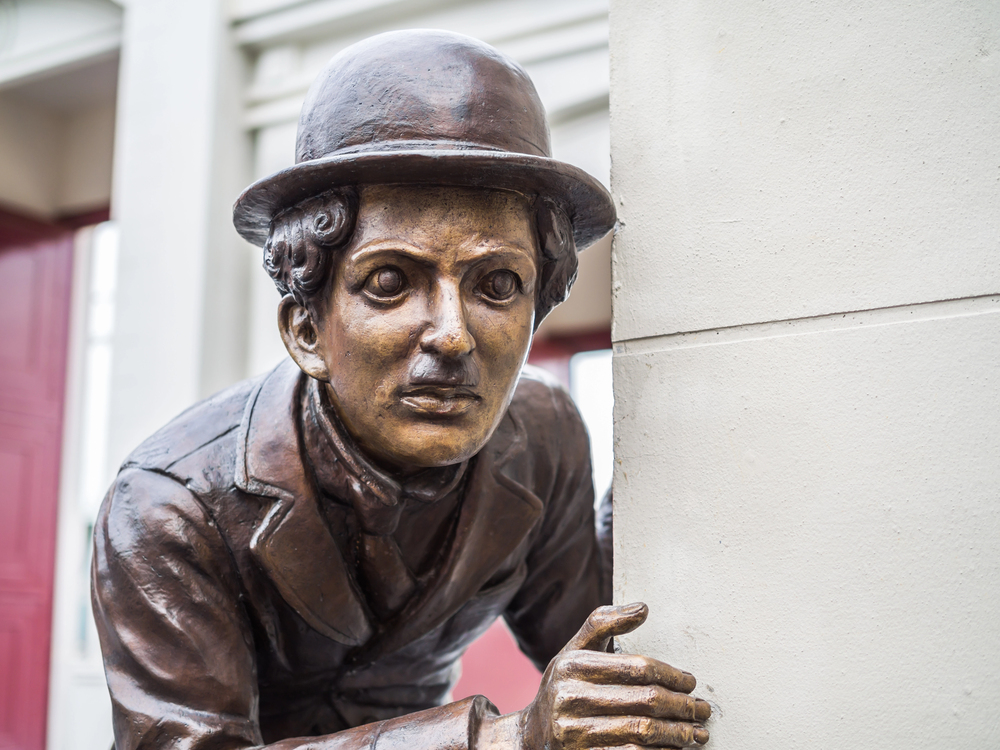
The details of Chaplin’s life paint a portrait far more complex than the silent Tramp who wandered across movie screens. From his ambidextrous talents to his musical genius without formal training, from grave robbers to government investigations, his story contains enough drama and absurdity to fill a dozen screenplays.
These lesser-known facts remind us that behind every icon stands a real person whose life often proves stranger and more fascinating than any character they portrayed.
More from Go2Tutors!

- The Romanov Crown Jewels and Their Tragic Fate
- 13 Historical Mysteries That Science Still Can’t Solve
- Famous Hoaxes That Fooled the World for Years
- 15 Child Stars with Tragic Adult Lives
- 16 Famous Jewelry Pieces in History
Like Go2Tutors’s content? Follow us on MSN.