Discontinued Candy Bars People Ate as Kids That Nobody Can Find Anymore
There is a specific kind of grief reserved for the candy bar you loved as a child and can no longer locate. It is not serious grief.
It is also not nothing. The product is gone but the memory of it is very precise — the weight of it, the way the wrapper felt, the specific moment in the afternoon when you bought it.
You can describe it in fine detail to anyone who will listen, and anyone who also loved that specific bar will nod with the particular recognition of shared loss, and anyone who didn’t will wonder why you care this much about a candy.
Some of these were great products. Some were not, honestly, that special — they were simply the thing you had at a specific age, in a specific place, and your nervous system logged it as perfect.
The companies that made them discontinued them for reasons that were sensible from a business perspective and devastating from the perspective of a person who wanted to eat one on a Tuesday afternoon in 2026.
The Marathon Bar (Mars, 1973–1981)
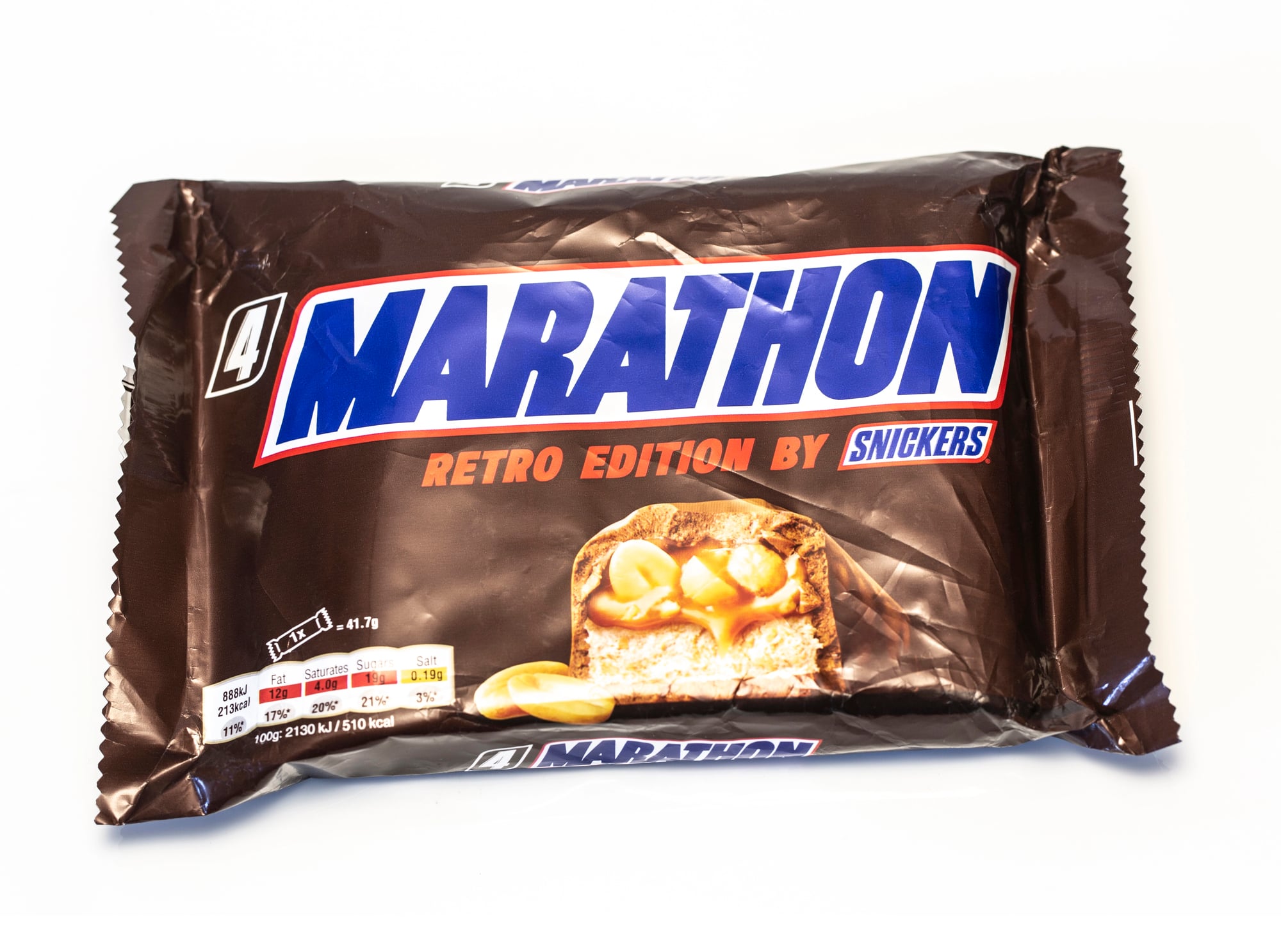
The Marathon Bar was an eight-inch braid of caramel covered in milk chocolate — long enough that Mars printed inch markings on the back of the wrapper as a promotional gimmick, inviting consumers to measure what they were eating before eating it. The bar was positioned on the premise that you literally could not eat it quickly, which was a strange but effective marketing angle.
It was discontinued in 1981, which surprised consumers given its apparent popularity. Cadbury later released a similar product in the United Kingdom called the Curly Wurly, which fans of the original tend to regard as technically related but not the same thing.
The name “Marathon” was later reassigned to the Snickers bar in international markets, which has confused discussions of the original ever since.
Nestlé Alpine White (1986–1993)
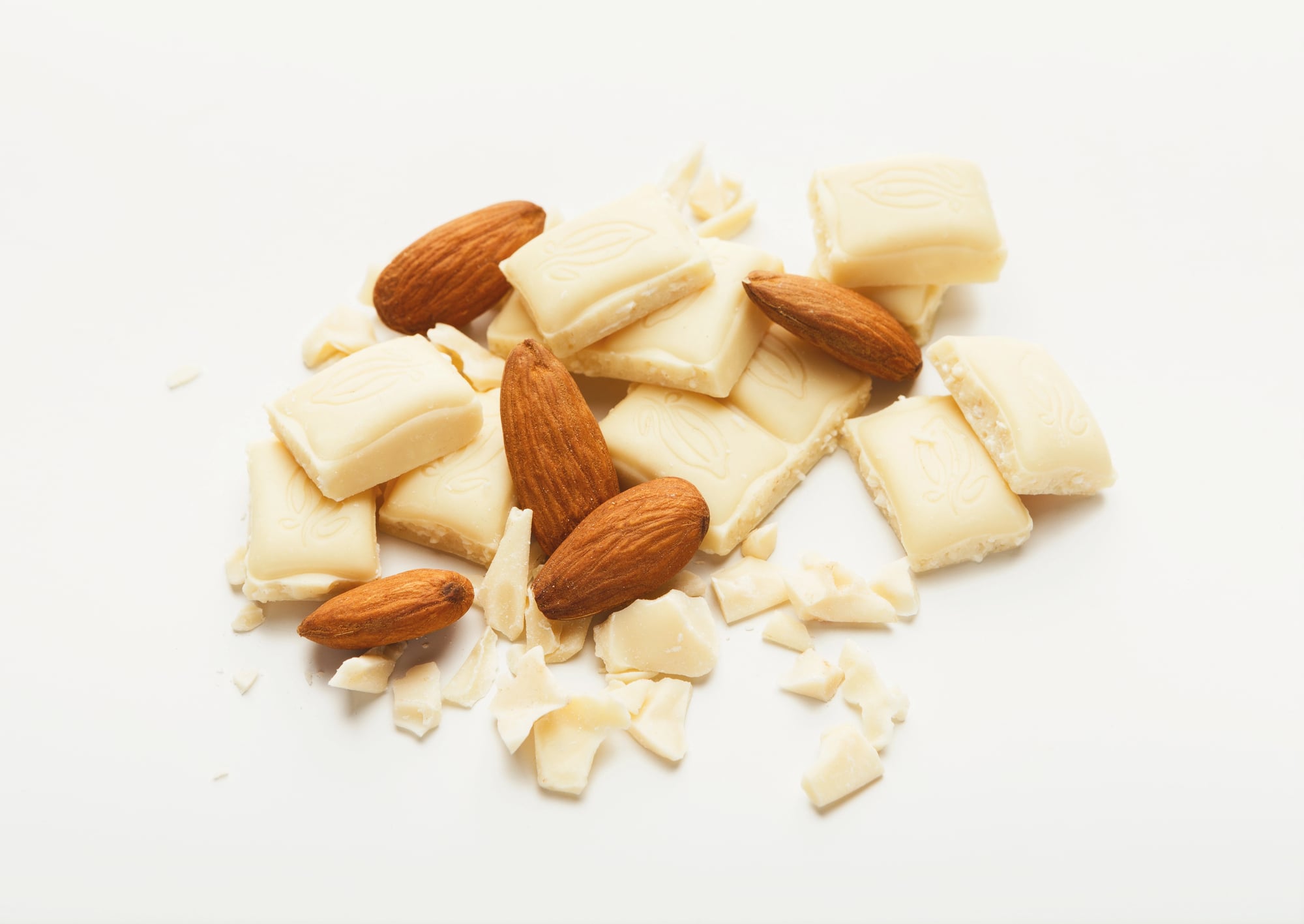
Alpine White was a white chocolate bar with almonds — a deceptively simple combination that Nestlé positioned with elegant packaging and a memorably strange television commercial featuring a jingle that many people who were children in the late 1980s can still hum unprompted. The bar itself was made from just five ingredients: sugar, cocoa butter, milk, almonds, and vanillin.
It was discontinued in 1993, and a petition launched in 2020 to bring it back collected enough signatures to generate press coverage but not a product. Fan threads on Reddit addressing Alpine White include comments from people who describe thinking about it regularly, decades after last tasting it, which is either a testament to its quality or to the extraordinary specificity of childhood taste memory.
Nestlé Choco’Lite (1972–1980s)
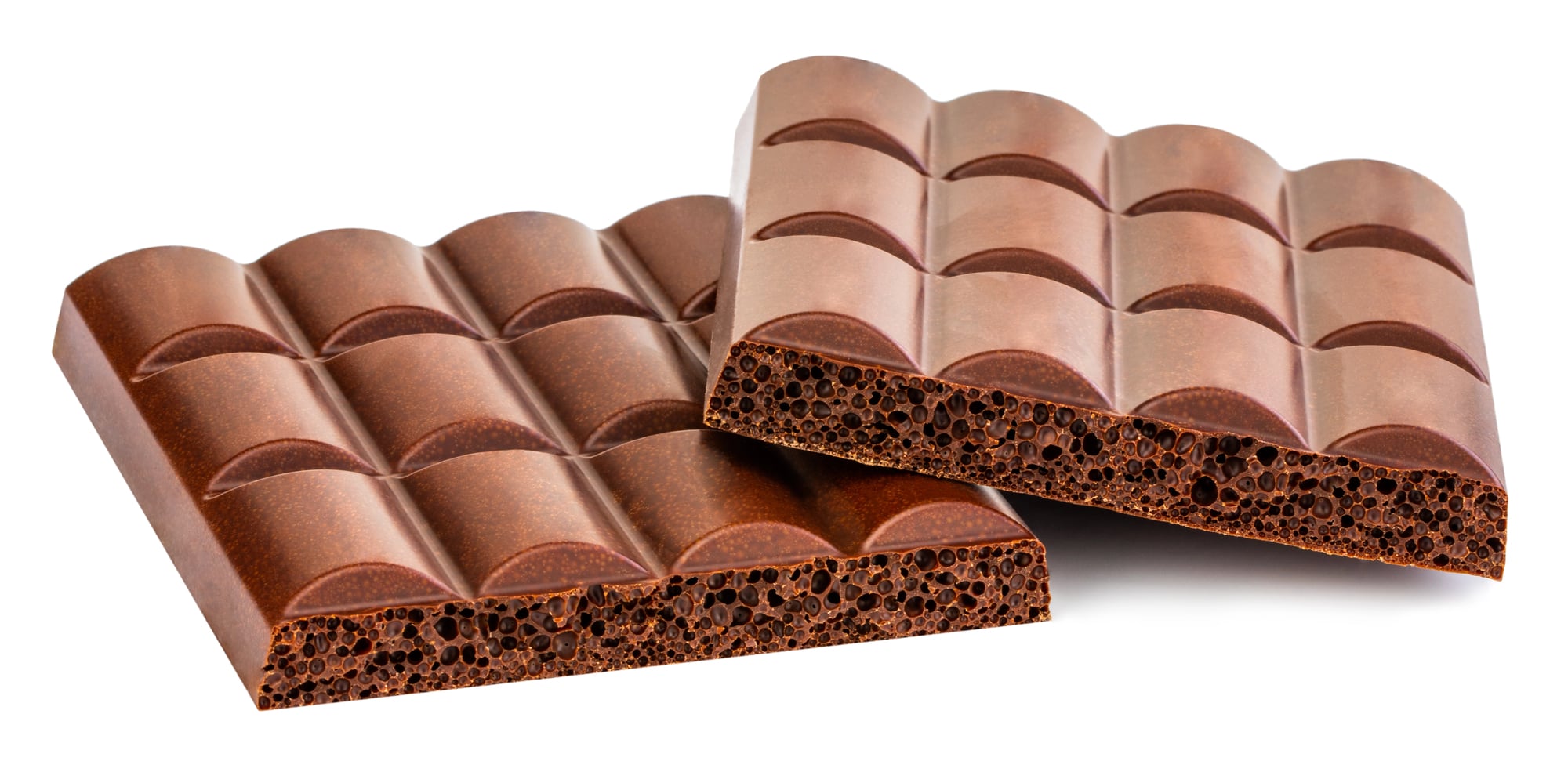
Choco’Lite arrived during the diet food wave of the early 1970s, marketed as a lighter alternative to regular chocolate bars — not because it contained less sugar, but because it was aerated, with tiny air pockets throughout the milk chocolate creating a crispier, less dense texture. The packaging and name positioned it as a calorie-conscious choice at a time when that positioning had marketing value, even when the actual calorie difference was not substantial.
People who ate it as children tend to remember the texture specifically — the way it was somehow crispy and melty at the same time, which was genuinely unusual and has not been reproduced exactly by subsequent aerated chocolate bars.
The Seven Up Bar (Pearson Candy, 1930s–1979)
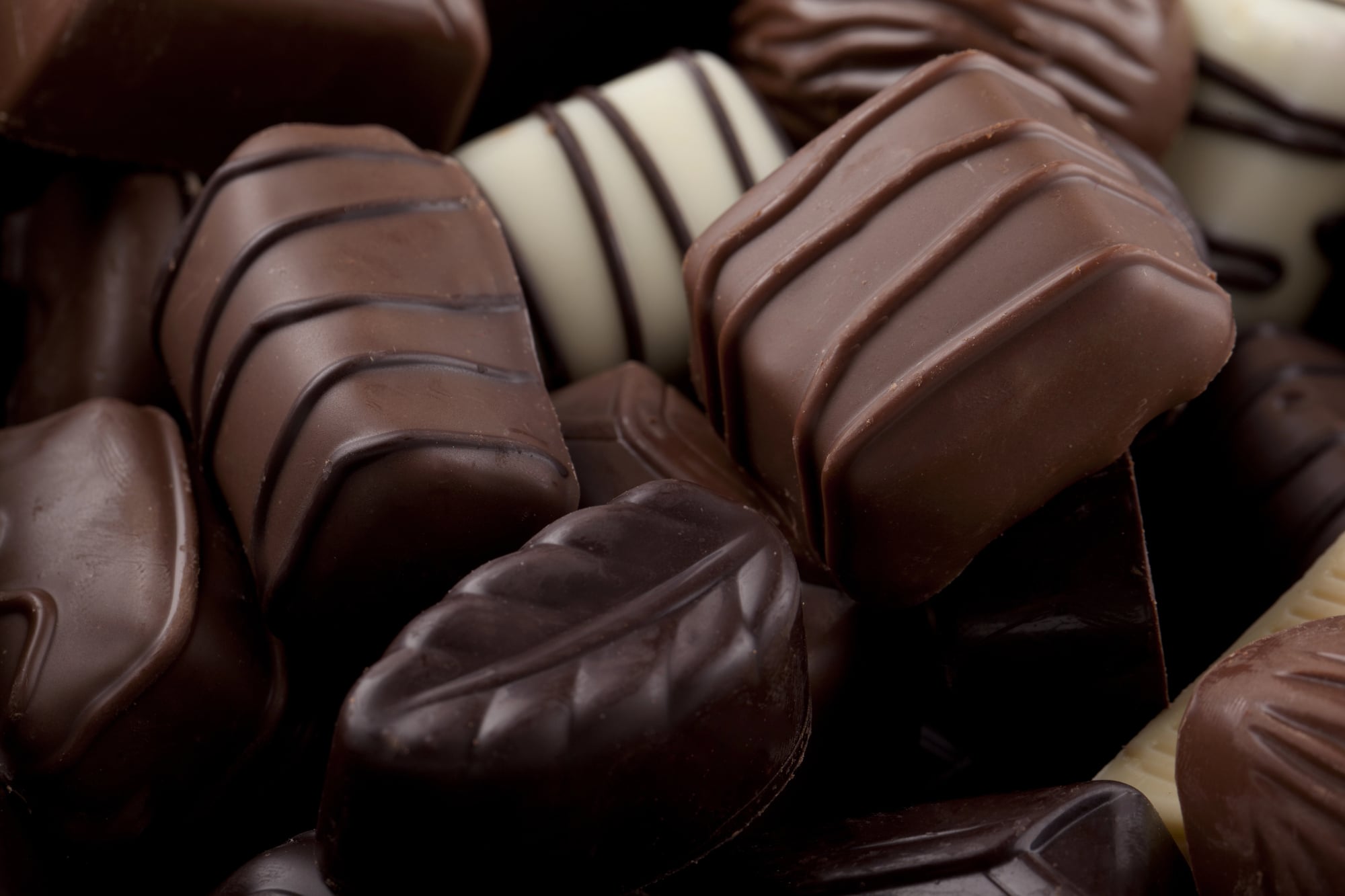
Nothing about the Seven Up Bar had any relationship with the lemon-lime soda. It was a chocolate bar divided into seven individual squares, each containing a different filling: mint, nougat, butterscotch, fudge, coconut, buttercream, and caramel.
The concept was essentially a mixed box of chocolates compressed into a single bar, which was either a brilliant convenience or a structural compromise depending on how you felt about buttercream being adjacent to fudge. It was discontinued in 1979, after roughly four decades on the market, and is sometimes described as one of the most original candy bar concepts ever produced — the kind of thing that sounds obviously good in retrospect but would be difficult to convince a product team to approve today.
The Reggie! Bar (Mars/Curtiss, Late 1970s–1981)
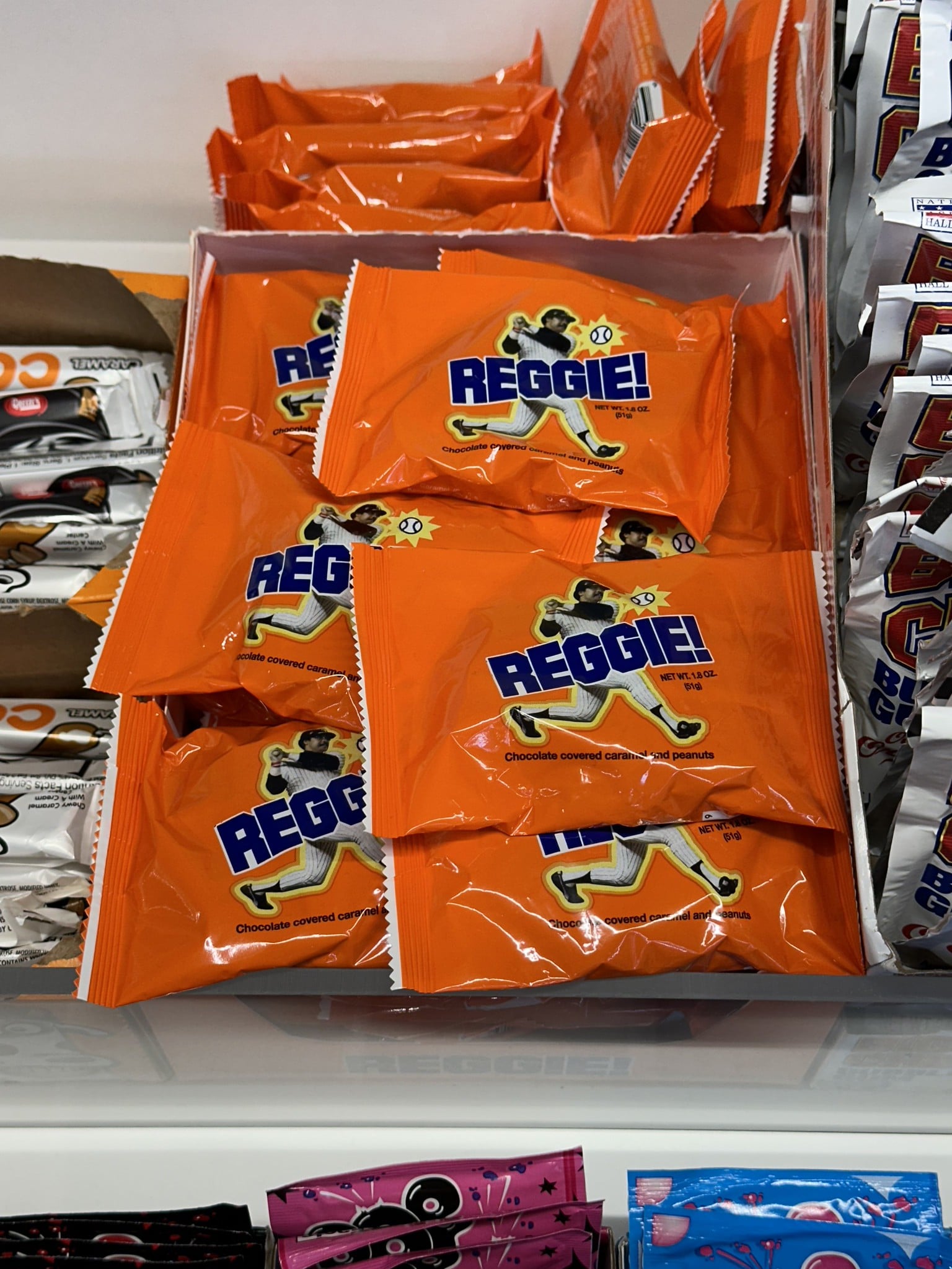
The Reggie! Bar was named after New York Yankees outfielder Reggie Jackson at the peak of his celebrity — the exclamation point in the name suggested the appropriate level of enthusiasm — and it was a round, patty-shaped candy containing caramel, roasted peanuts, and a milk chocolate coating. The circular shape was unusual in a candy aisle dominated by rectangles, and the association with Jackson gave it a cultural moment that most candy bars do not get.
The bar disappeared from shelves in the early 1980s as Jackson’s public profile declined and corporate mergers reshuffled the product portfolio. A limited revival appeared in 2023, driven by nostalgia, which gave a small number of people the opportunity to confirm that it was as good as they remembered and a larger number the experience of realizing it was actually smaller than they had been picturing.
BarNone (Hershey, 1987–Early 1990s)
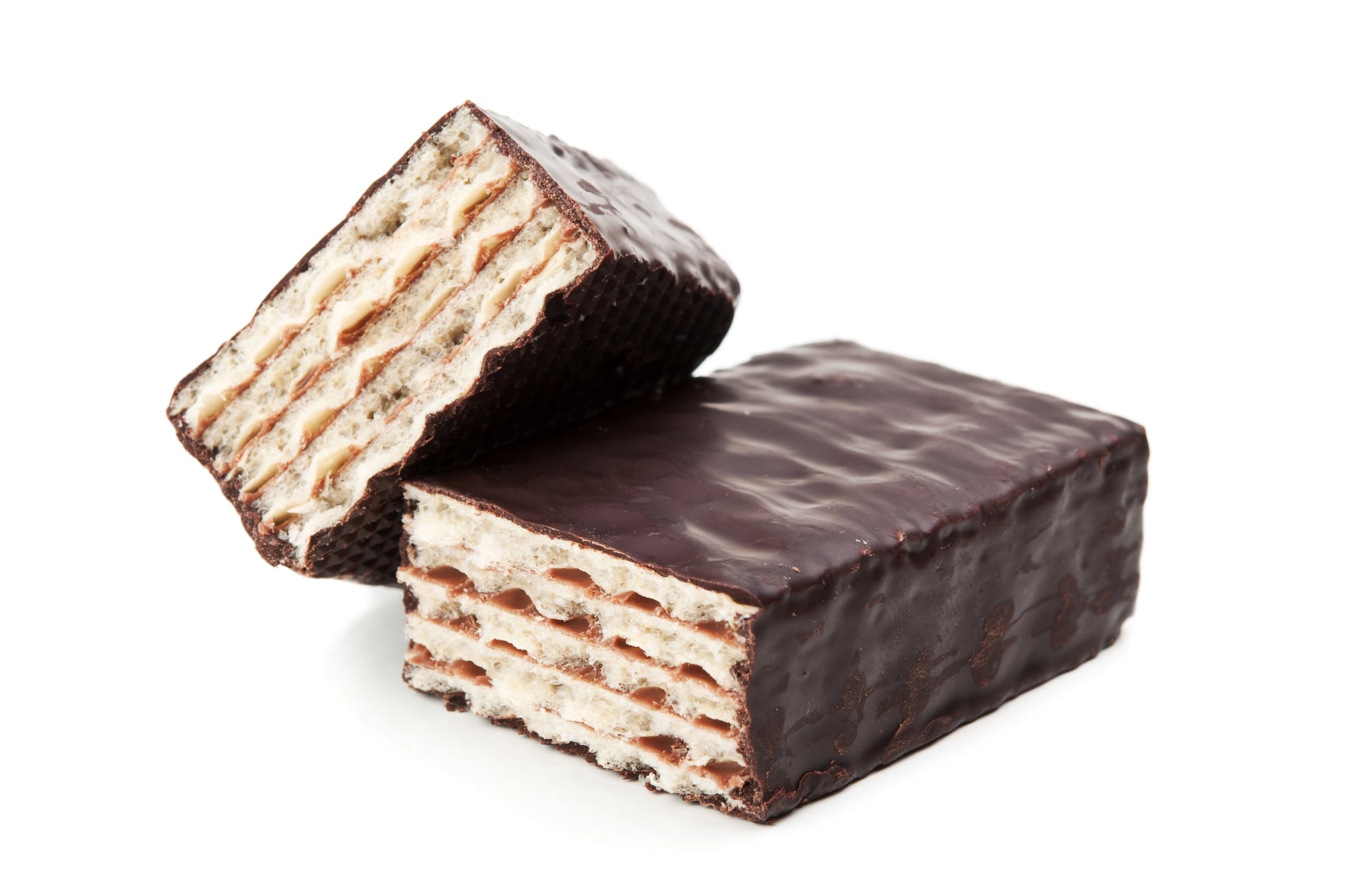
BarNone hit shelves in 1987 with the slogan “Tame the chocolate beasty” and a composition that aimed at maximum chocolate saturation: chocolate wafers, chocolate cream filling, peanuts, and a milk chocolate exterior. It was one of the more ambitious attempts at layered chocolate flavor in candy bar history, and it succeeded well enough to generate a dedicated following.
Its initial run did not extend far into the 1990s, but the product was revived by Hershey and has been available since 2016. The bar did have one notable peculiarity: it arrived at its peak immediately before a healthier eating trend shifted consumer preferences away from exactly the kind of indulgent combination it represented.
The Summit Bar (Mars, 1977–Mid 1980s)
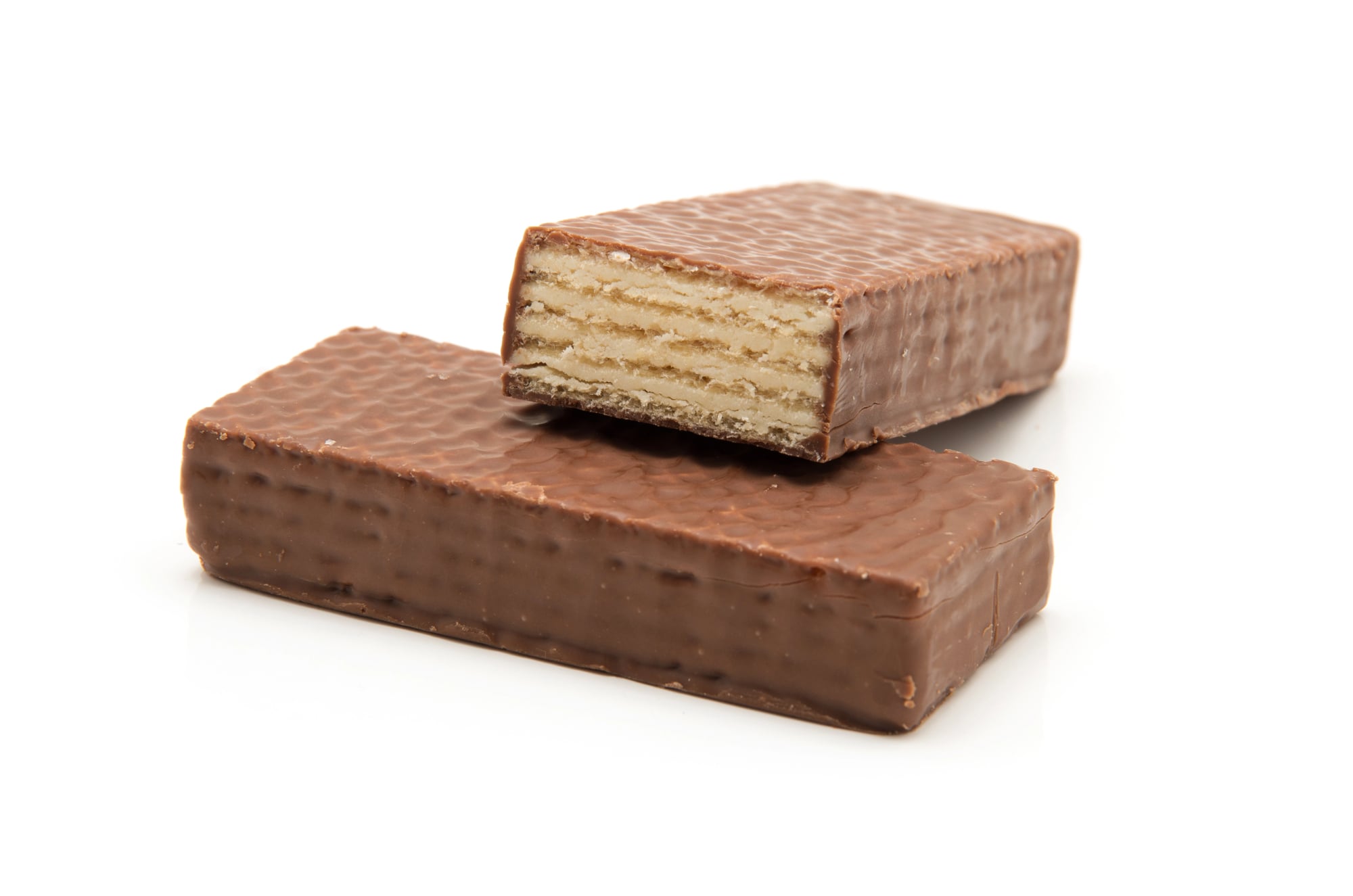
The Summit Bar was Mars’s attempt to compete with the wafer-and-chocolate category dominated by Kit Kat — two bars containing wafers, peanuts, and milk chocolate in a lighter configuration than a standard candy bar. The texture worked when it worked, but the bar had a significant practical flaw: it melted easily and unevenly in store displays, which meant customers frequently encountered damaged product.
Mars adjusted the formula more than once, modifying the peanut ratio and chocolate coverage, but never resolved the structural problem. By the mid-1980s it had been removed from shelves — a bar that failed not because the concept was wrong but because the engineering never caught up with the ambition.
Butterfinger BBs (Nestlé, 1990s–2006)
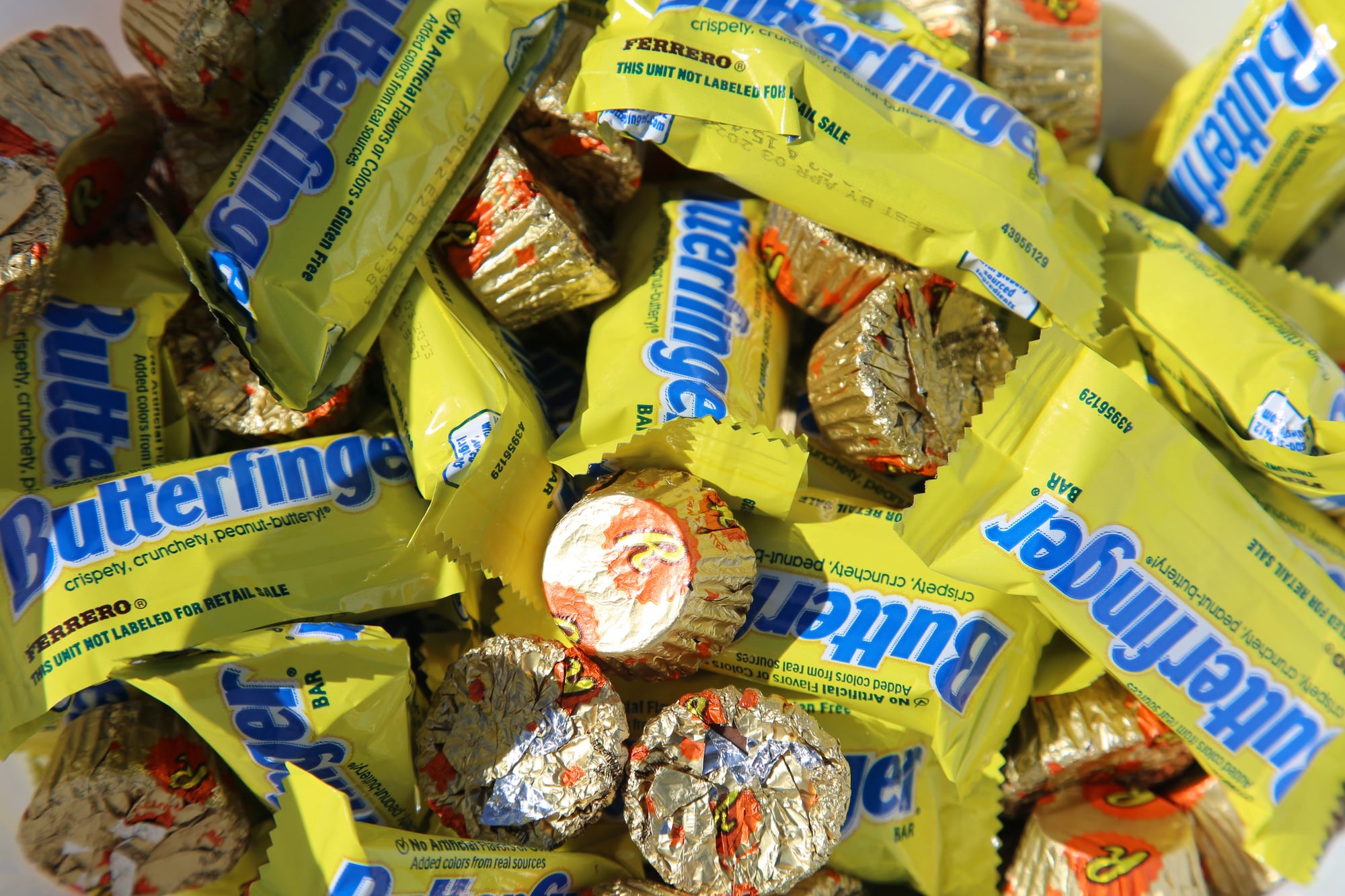
Butterfinger BBs were bite-sized spherical versions of the Butterfinger bar — the same peanut-butter-flavored crisp interior and chocolate exterior, in a format designed for throwing into your mouth one at a time. Nestlé connected the marketing to the animated Simpsons franchise, which was at its cultural peak in the early 1990s and gave the product an association that helped push it into broad awareness.
The product was discontinued in 2006. The announcement generated genuine consumer protest — not the polite disappointment that greets most discontinuations but the organized online petition activity that characterized early social media-era product nostalgia.
The protest was insufficient.
The Milkshake Bar (Various Manufacturers, Decades-Long Run)
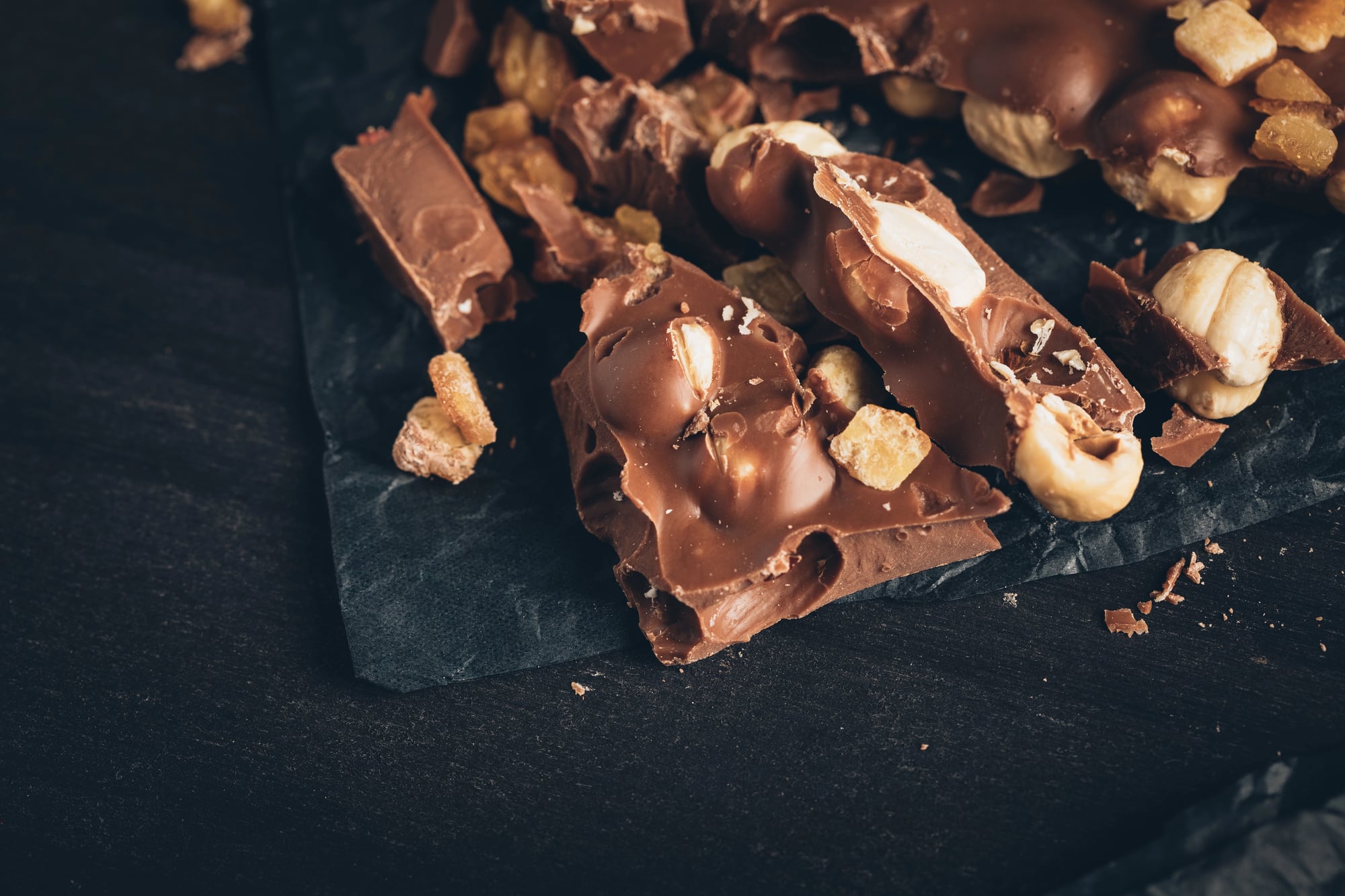
The Milkshake bar — malted milk, nougat, caramel, and chocolate — was produced across several decades and manufacturers before disappearing from mainstream retail. It was a staple of mid-century American candy culture, the kind of bar sold at pool concession stands and movie theater counters, and its malted milk center distinguished it from the caramel-and-nougat bars that dominated the category.
The product’s long run makes the nostalgia for it complicated — different people remember it from different eras and different formulations, and the Milkshake bar that someone ate at a drive-in movie theater in 1962 may not be exactly the same bar someone else ate at a high school basketball game in 1978. The memory is real in both cases.
The product is gone in both cases.
The PowerHouse Bar (Peter Paul, 1920s–1980s)
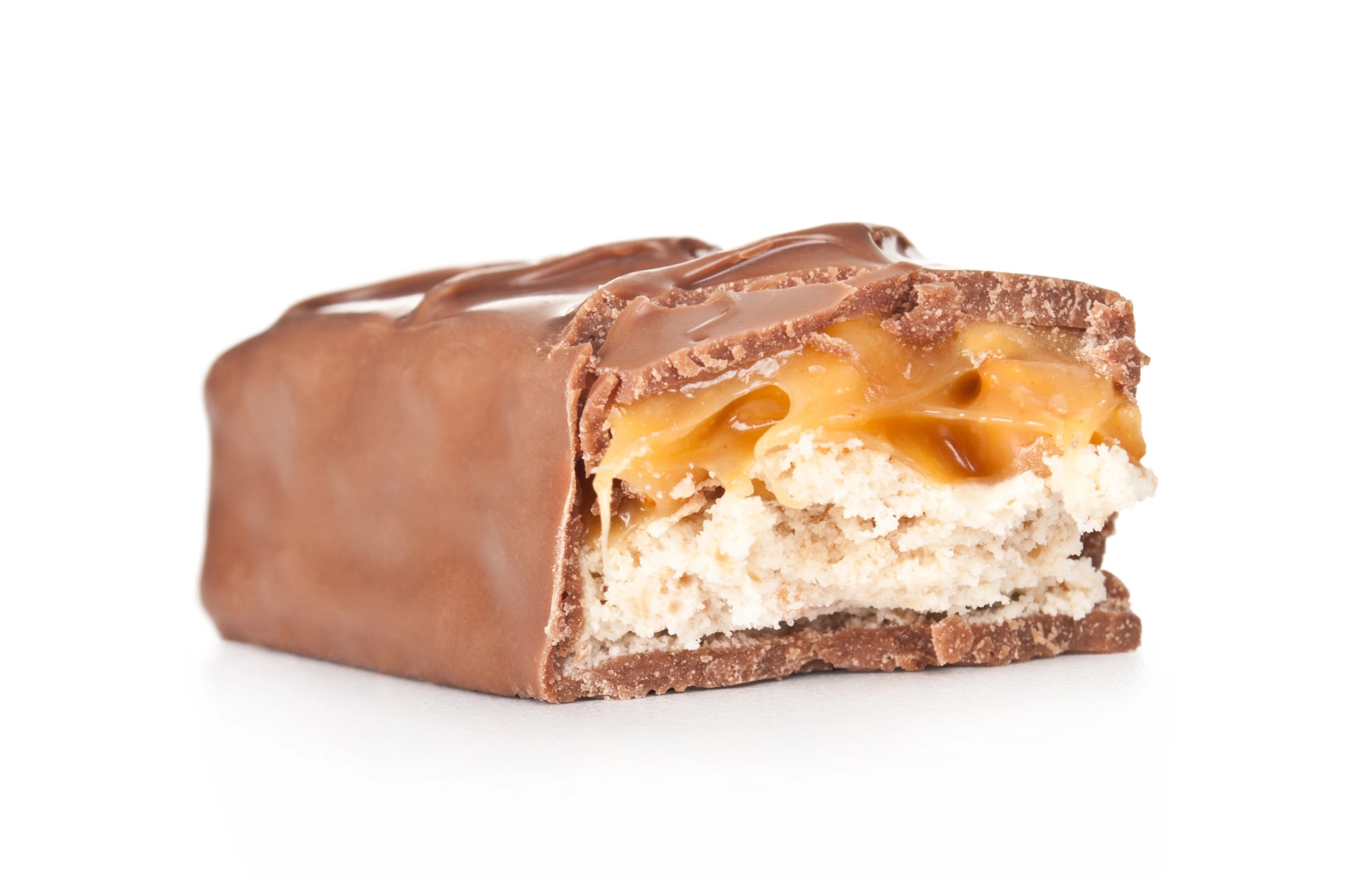
The PowerHouse Bar was marketed as a high-energy, high-protein snack — peanuts, caramel, fudge, and milk chocolate in a dense, satisfying configuration — and it was genuinely ahead of its time in the sense that the energy bar category it was reaching toward did not fully exist until decades later. It had a run of roughly sixty years under various manufacturers before disappearing in the 1980s.
People who ate it tend to describe it as one of the more filling candy bars they have encountered, which given the current market for high-protein snack bars seems like a product category that could accommodate its return. No one has brought it back.
The Coconut Grove Bar (Curtiss, 1949–Mid 1960s)
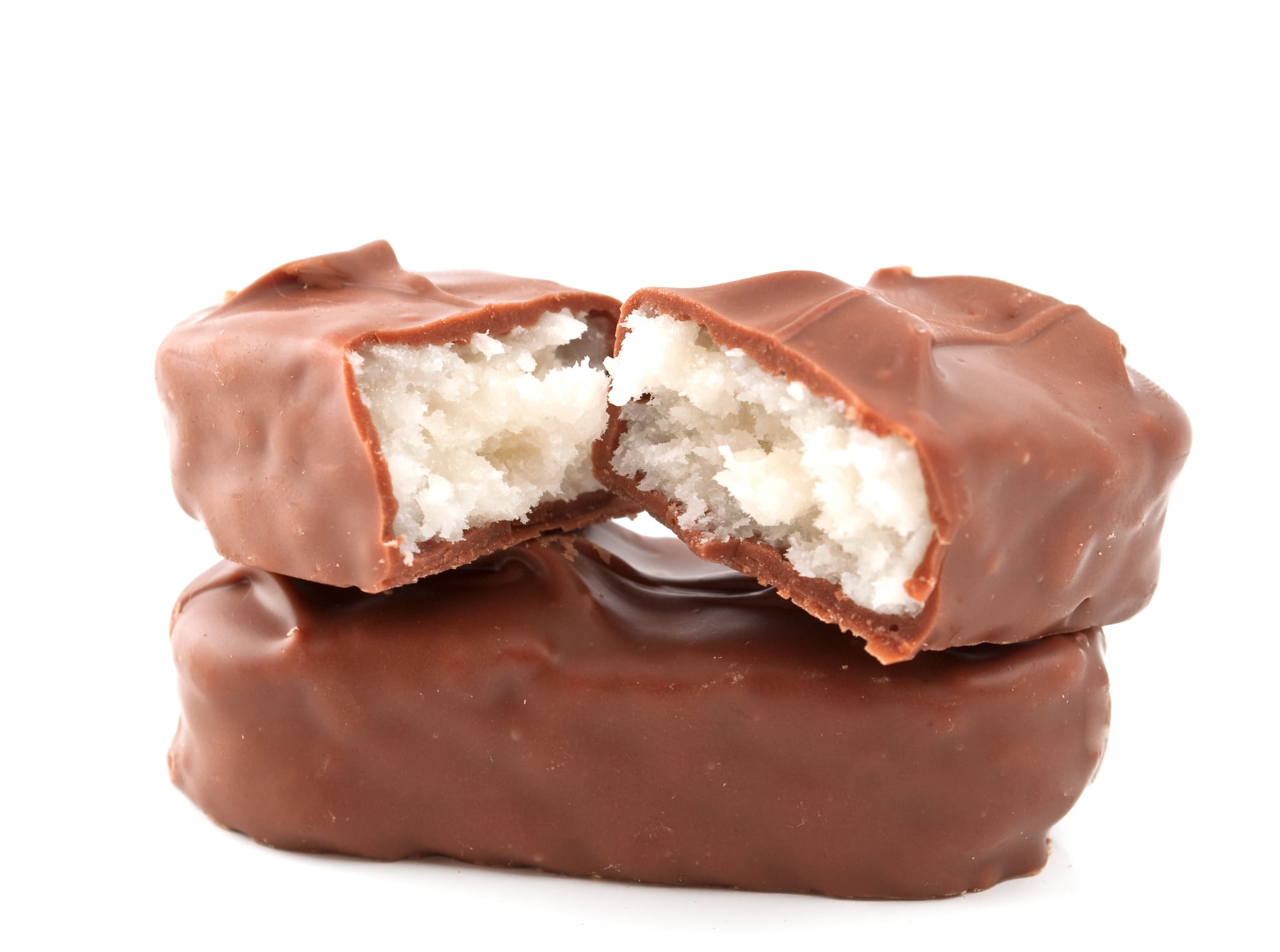
The Coconut Grove Bar was a tropical-themed candy from the Curtiss Candy Company — real coconut filling and bittersweet chocolate in a combination that many fans describe as more interesting and less sweet than the standard coconut-chocolate combinations that exist today. It was discontinued when Curtiss was acquired by Standard Brands in 1964 — the new parent company cited the coconut filling’s short shelf life as a commercial liability.
This is the kind of product decision that made complete business sense and created a specific nostalgia vacuum that nothing has entirely filled. The natural coconut filling that made it a commercial problem is also what people remember as making it genuinely distinctive.
Hershey’s Swoops (2003–2006)
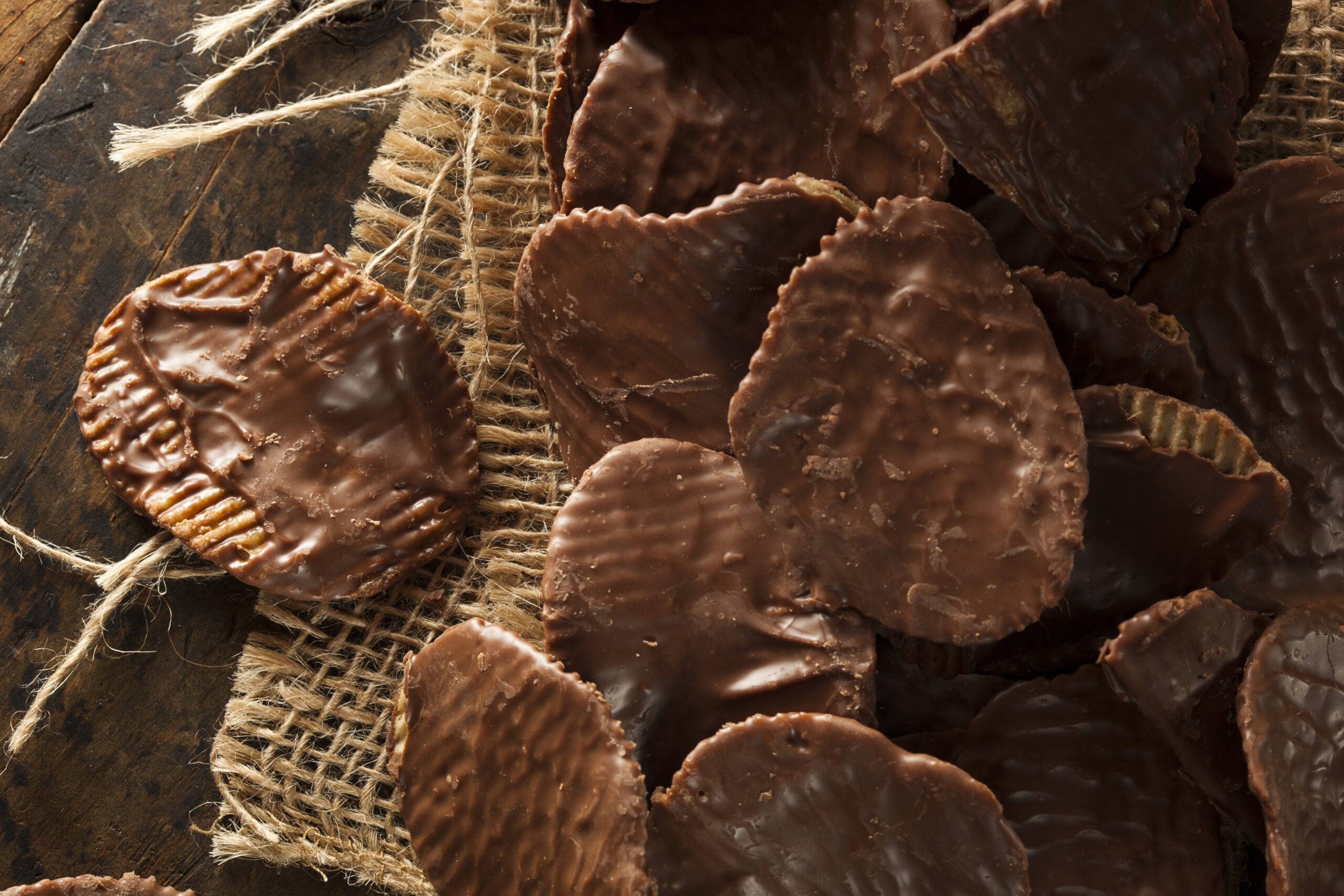
Hershey’s Swoops were thin chocolate wafers shaped like potato chips — the same visual joke as Pringles, applied to chocolate — and released in several flavors: milk chocolate, Reese’s Peanut Butter Cup, York Peppermint Pattie, and others. The concept was straightforward and immediately appealing: the familiar chip format, the familiar chocolate flavors, the tactile pleasure of eating something that was shaped like a snack but tasted like candy.
The product lasted three years. It was the kind of product that succeeded as a novelty and had trouble maintaining demand once the novelty expired, which describes a significant proportion of the candy bars on this list.
The Hollywood Bar (1970s–1980s)
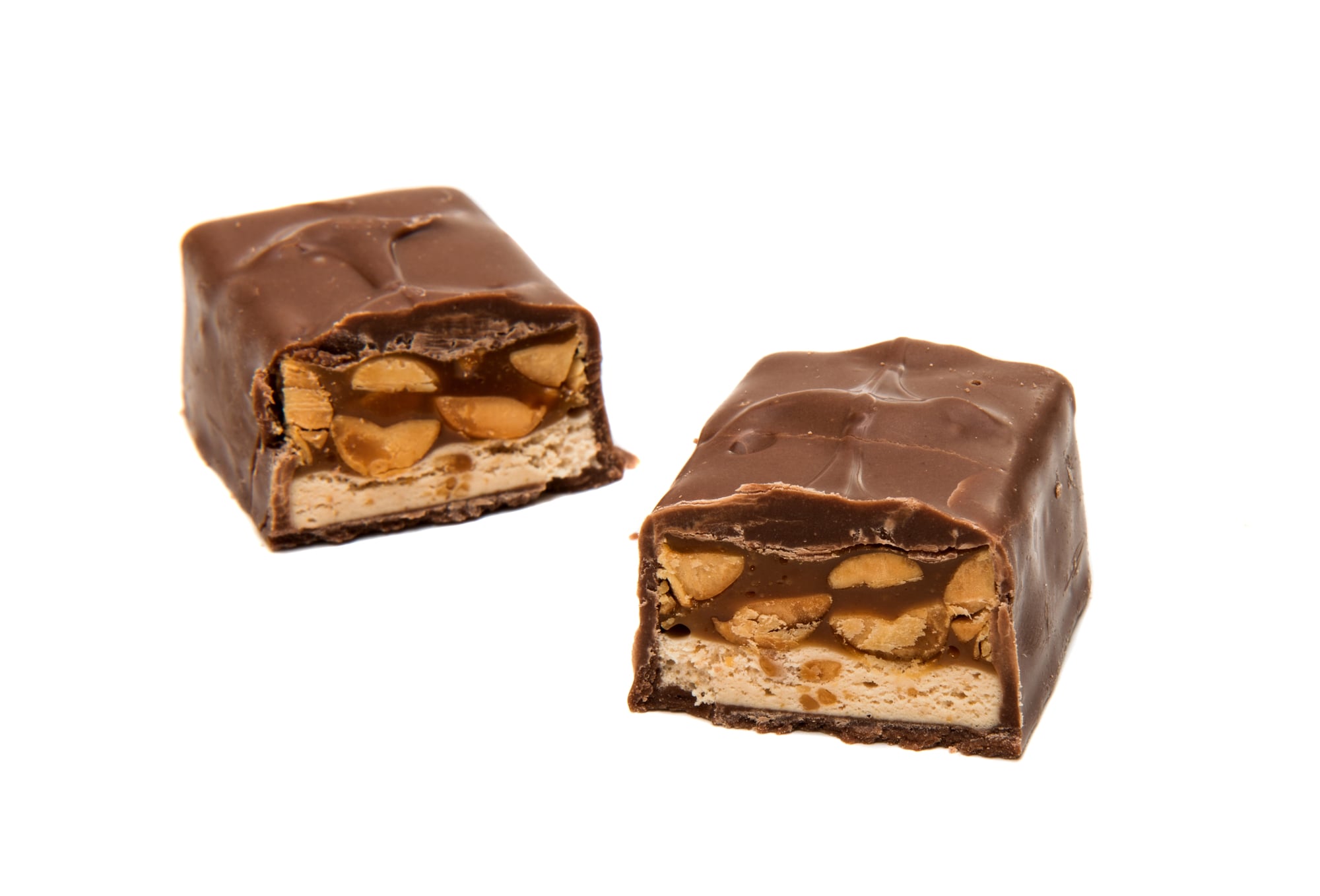
The Hollywood Bar — caramel, nougat, peanuts, and milk chocolate — occupied the category that might be described as “a different interpretation of the Snickers formula,” which is a crowded space and not an easy one to establish a distinct identity within. It had a short run in the 1970s and 1980s before being pulled.
What people remember about it tends to be specific to the texture of the caramel, which was apparently softer and more yielding than what they got from the bars that remained on the market after it disappeared. The candy bar aisle is unforgiving of near-equivalents, and the Hollywood Bar was, in the end, too close to something that already existed.
What Memory Does to Candy
There is genuine science behind the heightened attachment people feel to foods they ate as children — flavor memory is encoded alongside emotional memory, which means the candy bar from childhood is not just a candy bar but also the afternoon, the person, and the feeling attached to it. This is why an objective assessment of whether the Marathon Bar was genuinely better than its contemporary equivalent rarely satisfies anyone who misses the Marathon Bar.
The comparison is not between two candy bars. It is between the candy bar and something that no confectionery company can put on a shelf.
That said, some of these really were unusually good, and the industry’s failure to bring them back represents an actual missed commercial opportunity — which is why the petitions keep getting started, even when they don’t work.
More from Go2Tutors!

- The Romanov Crown Jewels and Their Tragic Fate
- 13 Historical Mysteries That Science Still Can’t Solve
- Famous Hoaxes That Fooled the World for Years
- 15 Child Stars with Tragic Adult Lives
- 16 Famous Jewelry Pieces in History
Like Go2Tutors’s content? Follow us on MSN.