Dumbest Mistakes in History
History books love to celebrate the winners and their brilliant decisions. But sometimes the most interesting stories come from the people who got it spectacularly wrong.
These aren’t just small errors in judgment. These are the kind of choices that make you wonder what anyone was thinking at the time.
Let’s look at some moments when smart people made decisions so bad that we’re still talking about them centuries later.
Decca Records turns down The Beatles

The year was 1962, and four young musicians from Liverpool walked into an audition that should have changed everything for Decca Records. Instead, executive Rowe listened to their demo and decided guitar groups were on their way out.
He told manager Brian Epstein that The Beatles had no future in show business. Within two years, The Beatles became the biggest band on the planet.
Decca missed out on what could have been the most profitable deal in music history. Rowe spent the rest of his career being reminded of that decision at every turn.
Blockbuster passes on buying Netflix
Blockbuster ruled the video rental world in 2000 with thousands of stores across America. Netflix was a small DVD-by-mail service losing money and desperate for a buyer.
The streaming company offered to sell itself to Blockbuster for just 50 million dollars. Blockbuster’s executives laughed them out of the room.
Ten years later, Blockbuster filed for bankruptcy while Netflix was worth billions. Sometimes the future walks right through your door and you don’t even recognize it.
Napoleon invades Russia in winter
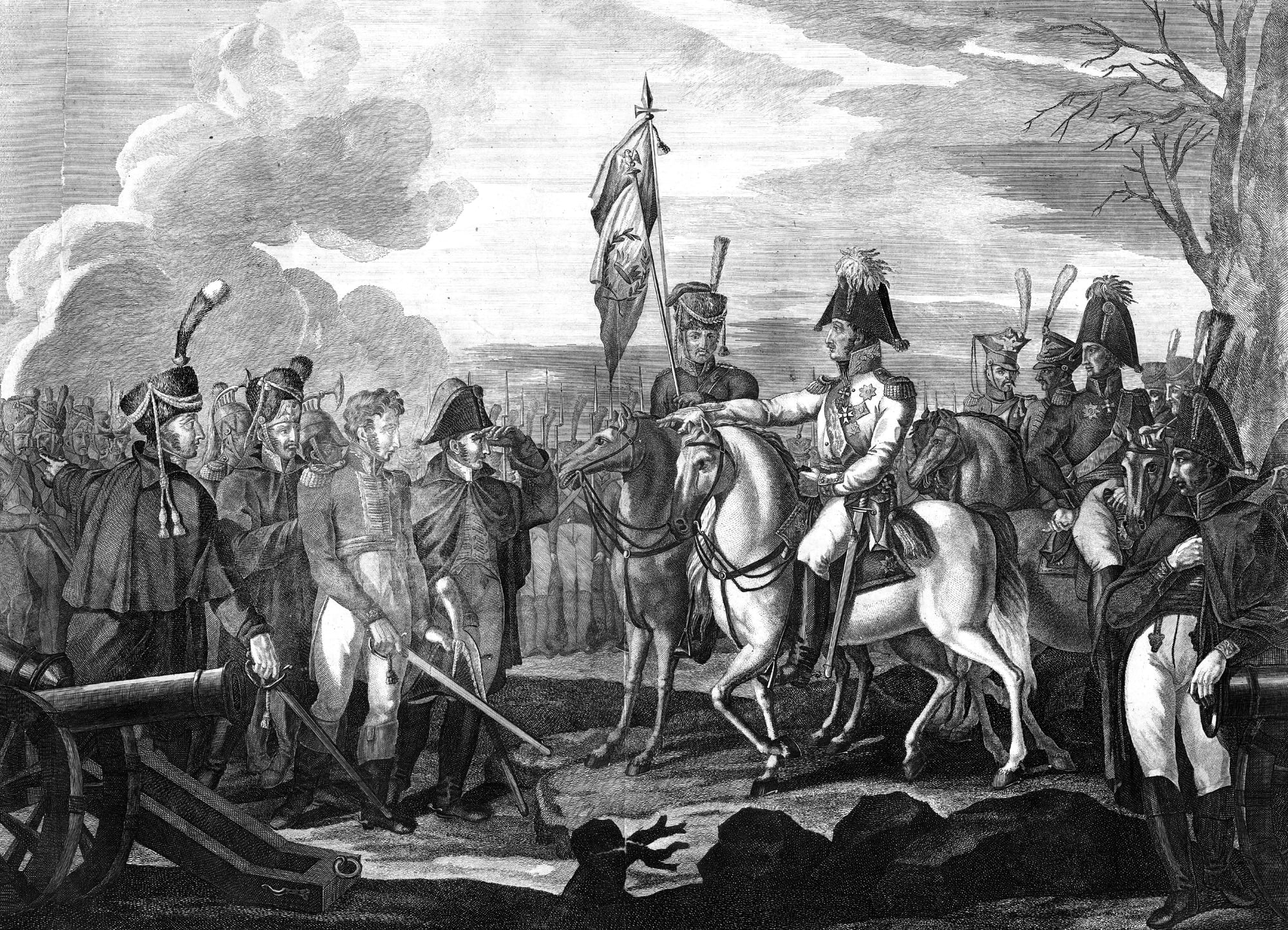
Napoleon Bonaparte conquered most of Europe and seemed unstoppable by 1812. Then he decided to march 600,000 soldiers into Russia right before winter hit.
The Russian army kept retreating and burning everything behind them, leaving nothing for the French troops to eat. When the brutal cold arrived, Napoleon’s massive army froze and starved.
Only about 100,000 soldiers made it back to France alive. This single decision basically ended Napoleon’s reign and changed European history forever.
The Titanic skimps on lifeboats
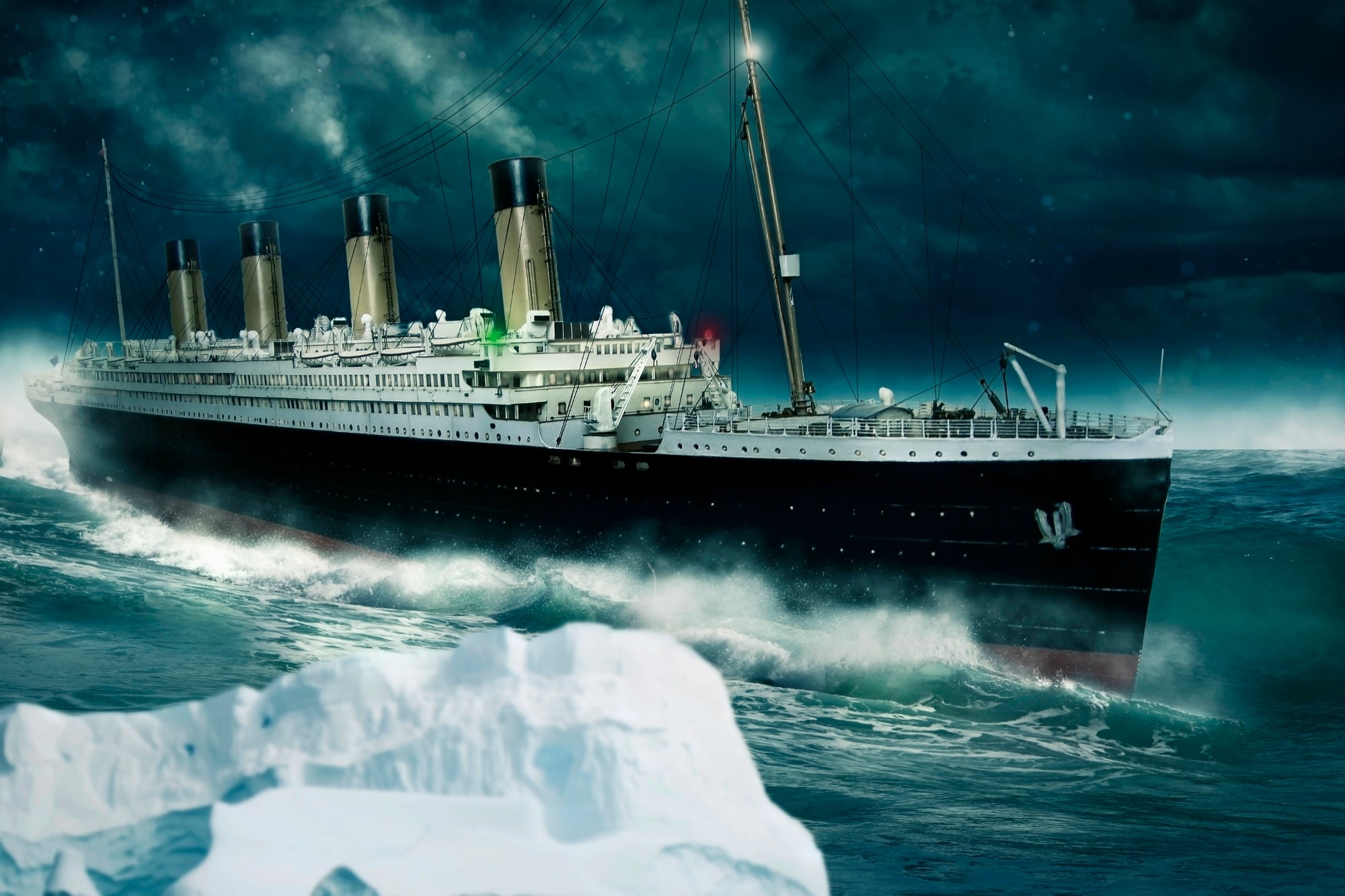
The Titanic was built to be unsinkable, or so everyone believed. The ship’s designers decided it looked better with fewer lifeboats on deck, even though they knew it wasn’t enough for all passengers.
When the massive ship hit an iceberg in 1912, there was space for only about half of the 2,200 people on board. More than 1,500 people died in the freezing Atlantic water.
The tragedy led to new safety laws, but those regulations came too late for the victims who could have been saved.
Western Union rejects the telephone

Alexander Graham Bell invented the telephone and knew it would change communication forever. In 1876, he offered to sell his patent to Western Union for 100,000 dollars.
The telegram company’s president called it nothing more than a toy with no commercial value. Within a few years, the telephone became essential to modern life.
Western Union eventually tried to compete in the phone business but never caught up. They turned down the chance to own the entire industry from the start.
Kodak invents digital photography then ignores it
Kodak engineer Steve Sasson built the first digital camera in 1975, decades before anyone else. Company executives saw the invention and decided it would hurt their film business, so they buried it.
Kodak kept focusing on traditional film while competitors developed digital technology. By the time Kodak tried to catch up, it was too late.
The company that invented digital photography filed for bankruptcy in 2012 because it refused to embrace its own creation.
The Trojans bring the wooden horse inside
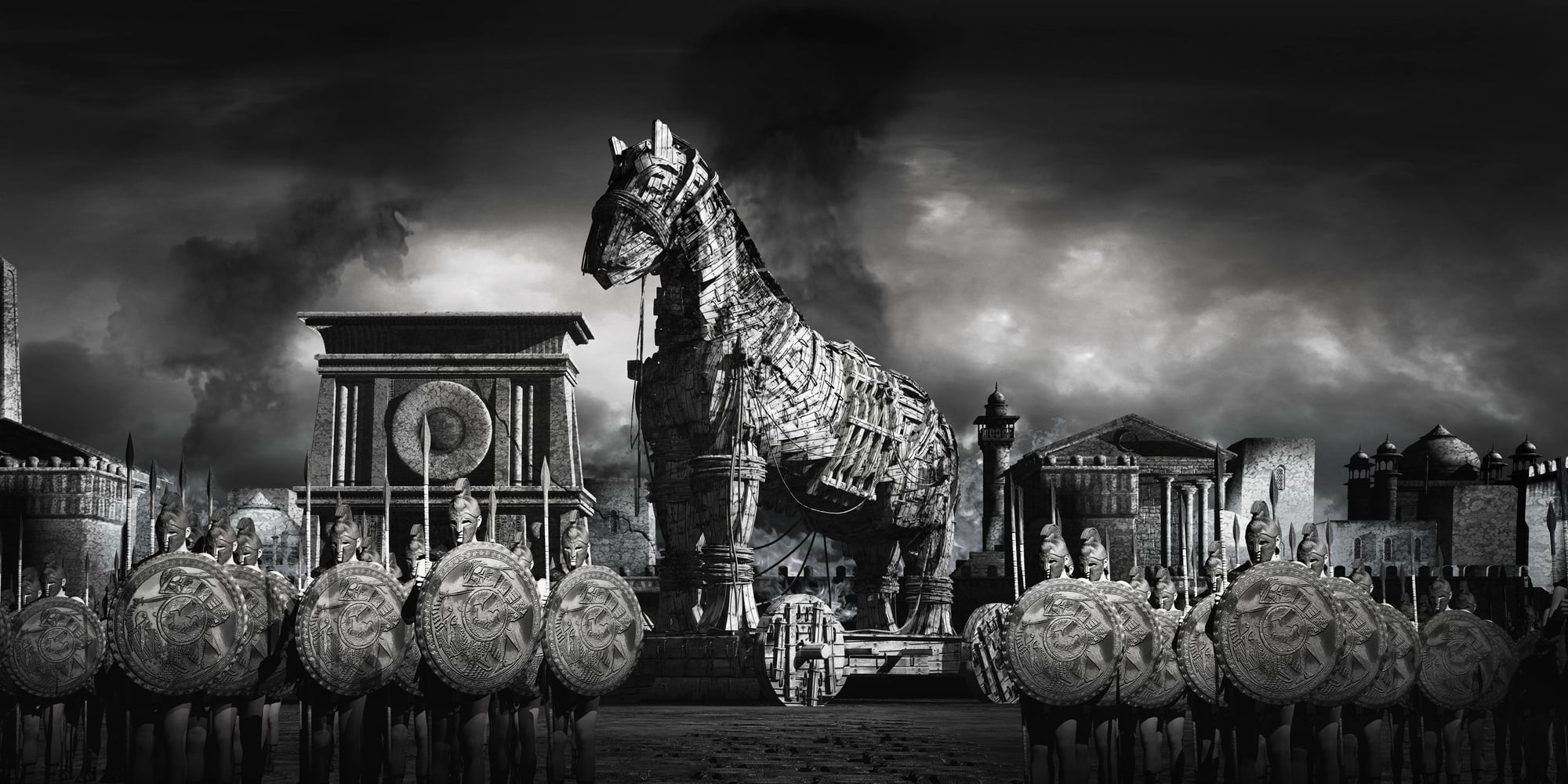
Ancient Troy had survived a ten-year siege by the Greek army and seemed safe behind massive walls. Then the Greeks appeared to give up and sail away, leaving behind a giant wooden horse as a gift.
Despite warnings from several people, the Trojans dragged the horse inside their city to celebrate their victory. Greek soldiers hiding inside the horse waited until night, then opened the city gates for their army.
Troy fell in a single night because people trusted a gift that was too good to be true.
NASA uses different measurement systems for Mars orbiter
The Mars Climate Orbiter cost 327 million dollars and took years to build and launch in 1998. One team of engineers used metric measurements while another used imperial measurements, and nobody caught the error.
When the spacecraft reached Mars, it flew too close to the planet and burned up in the atmosphere. NASA lost an entire mission because two groups of scientists forgot to check if they were speaking the same language.
The mistake became a famous example of why attention to detail matters in space exploration.
Xerox invents the computer interface then gives it away
Researchers at Xerox PARC invented the graphical user interface, the computer mouse, and ethernet networking in the 1970s. These inventions basically created modern computing as we know it.
Xerox executives didn’t understand what they had and let Steve Jobs tour the facility in 1979. Jobs saw the technology and used those ideas to build the Macintosh computer.
Xerox essentially handed Apple the blueprint for the personal computer revolution and got nothing in return.
The Chinese emperor burns the treasure fleet
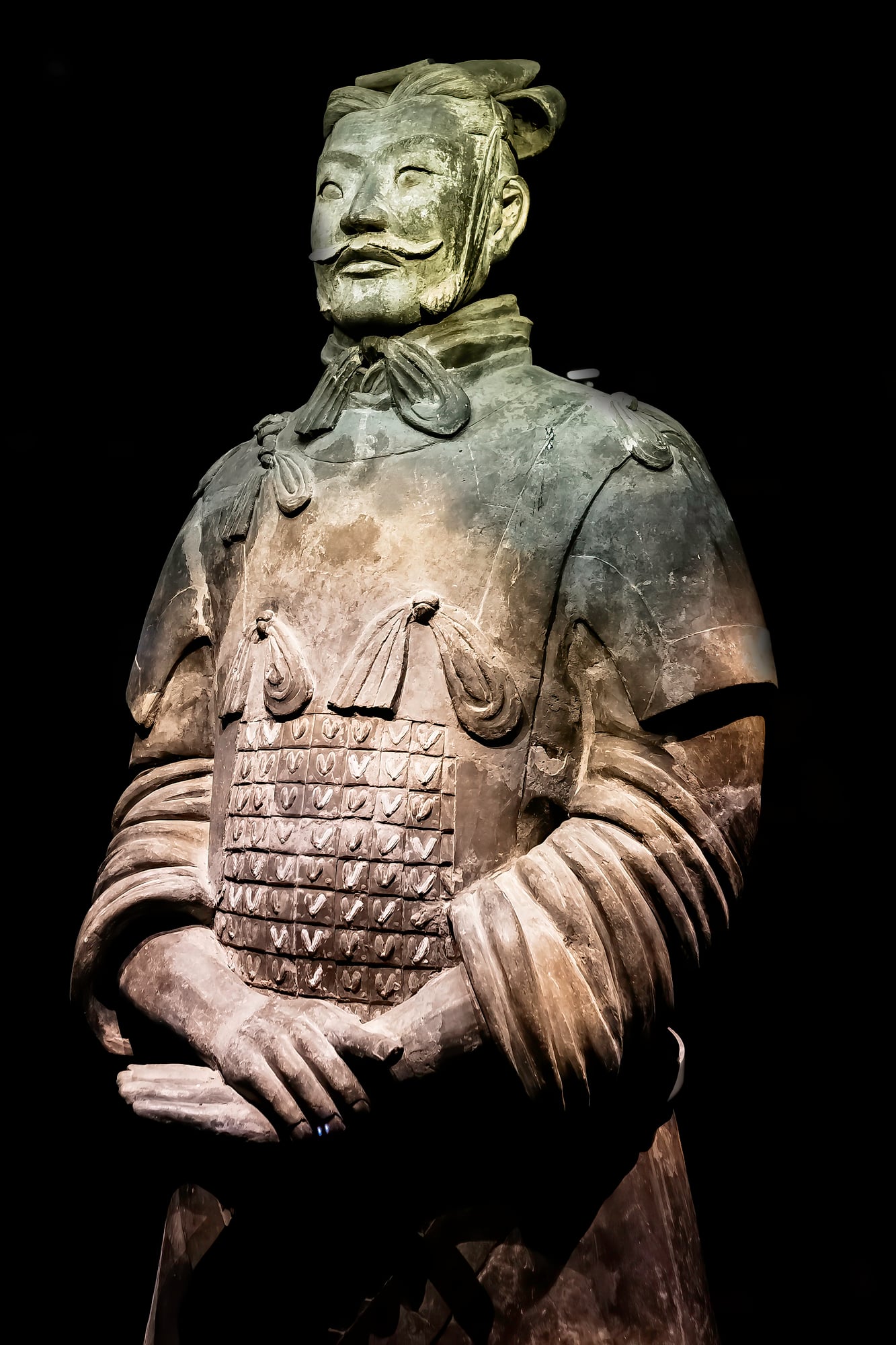
China had the world’s most advanced navy in the 1430s with ships larger than anything Europe would build for centuries. Admiral Zheng He led expeditions across the Indian Ocean and could have reached anywhere on Earth.
Then a new emperor decided ocean exploration was a waste of money and ordered the entire fleet destroyed. China turned inward and banned ocean-going ships for generations.
Europe filled the gap and colonized the world while China isolated itself and fell behind.
New Coke replaces the original formula
Coca-Cola had been America’s favorite soft drink for 99 years when executives decided to change the recipe in 1985. They spent millions on research and testing before launching New Coke with huge fanfare.
Customers hated it immediately and demanded the old formula back. The company received over 400,000 angry calls and letters in just a few months.
Coca-Cola brought back the original formula as ‘Coca-Cola Classic’ within 77 days, one of the fastest backpedals in business history.
The Maginot Line faces the wrong direction

France built an enormous defensive wall along its border with Germany after World War I. The Maginot Line cost billions and was considered impenetrable with underground fortresses and massive guns.
There was just one problem. The fortifications ended at the Belgian border because France didn’t want to offend their ally.
When Germany invaded in 1940, they simply went around the line through Belgium. France fell in six weeks, and their expensive wall never fired a shot at the enemy.
Excite turns down buying Google
Stanford students Larry Page and Sergey Brin built a better search engine in 1999 and wanted to sell it for one million dollars. They approached Excite, one of the leading internet companies at the time, with their offer.
Excite’s CEO thought the price was too high and said no. Google went on to become one of the most valuable companies on Earth, worth over a trillion dollars.
Excite faded into obscurity and eventually sold for parts, while the founders who offered them Google became billionaires.
The Dutch sell Manhattan for 24 dollars

Native Americans sold Manhattan Island to Dutch colonists in 1626 for goods worth about 24 dollars in today’s money. The island seemed like useless swampland at the time, good for nothing but trapping animals.
Nobody could have predicted that location would become the center of world finance and culture. Manhattan real estate is now worth hundreds of billions of dollars.
The sale is often called the best real estate deal ever made, but only from one side of the transaction.
Yahoo refuses to buy Google twice
Yahoo had two separate chances to own Google and turned them down both times. In 1998, they could have bought the startup for under a million dollars but decided to pass.
In 2002, Google offered to sell for three billion dollars, and Yahoo tried to negotiate down to one billion. Google walked away and kept growing while Yahoo slowly collapsed.
The company that once dominated the internet eventually sold itself for pocket change compared to what Google was worth.
Atari buries E.T. video game cartridges
Atari rushed out an E.T. video game in 1982 to capitalize on the hit movie, giving developers only five weeks to finish it. The game was terrible, and stores couldn’t give it away even at deep discounts.
Atari manufactured millions of copies and ended up burying unsold cartridges in a New Mexico landfill. The disaster contributed to the video game crash of 1983 that nearly killed the entire industry.
Developers dug up the landfill in 2014 and found the cartridges still there, proof of one of gaming’s biggest failures.
General Motors Ends Electric Car Production
Back in the 90s, General Motors built a sleek electric car named EV1 – people really enjoyed driving it. Rather than build more or sell them widely, they took each one off the road.
Even though owners begged to hold onto their vehicles, every last model was smashed apart. After that move, GM shifted attention back to heavy SUVs powered by gasoline.
Not long afterward, fuel costs climbed fast while worries about pollution increased too. Years passed until Tesla showed there was real demand for electric models, forcing GM to begin again at zero.
Time Warner combines with AOL
Right after the year 2000 began, AOL managed to persuade Time Warner – a company worth more than 100 billion – to join forces. Worth 165 billion, that agreement became the biggest corporate union seen so far.
Yet soon afterward, while broadband spread fast, AOL’s old-style dialup service fell apart. Because of this shift, Time Warner lost much of its worth.
Eventually, the company cut ties with AOL, selling it for just a small piece of what they once paid. Even now, analysts point to the deal as one of the most damaging moves in business memory, wiping out investor wealth in massive amounts.
When hindsight is perfectly clear

Mistakes like these show something odd: clear thinking does not always stop bad choices when the future feels invisible. Those leaders who dismissed The Beatles or ignored Google – no, they lacked nothing in their brains.
What slipped away from them was a sense of how fast everything could shift. It’s likely each era overlooks things that later seem obvious.
Yet here’s the twist – we never spot our own blind spots until the moment has already passed.
More from Go2Tutors!

- The Romanov Crown Jewels and Their Tragic Fate
- 13 Historical Mysteries That Science Still Can’t Solve
- Famous Hoaxes That Fooled the World for Years
- 15 Child Stars with Tragic Adult Lives
- 16 Famous Jewelry Pieces in History
Like Go2Tutors’s content? Follow us on MSN.