Edible Mushrooms With Heavy Price Tags
Worth sometimes hides where you least expect it – like in soil under pine trees. Take mushrooms.
Not every kind grows on demand; some refuse to be farmed at all. Their value comes from how they live, tied to roots in ways science still can’t copy.
Harvest time? Barely long enough to blink. A single season might offer just days.
This scarcity shapes what ends up on plates across continents. Flavor plays its part too – one taste explains why chefs wait months.
No machine speeds this process. Nature sets the pace.
Prices rise when supply bows to seasons, not schedules. What looks like dirt-covered caps carries weight beyond weight.
Some sell for more than silver by ounce. Tradition feeds into this, yes – but so does pure limitation.
You cannot rush a mycelium network underground doing its ancient work.
The Caterpillar Fungus of the Himalayas
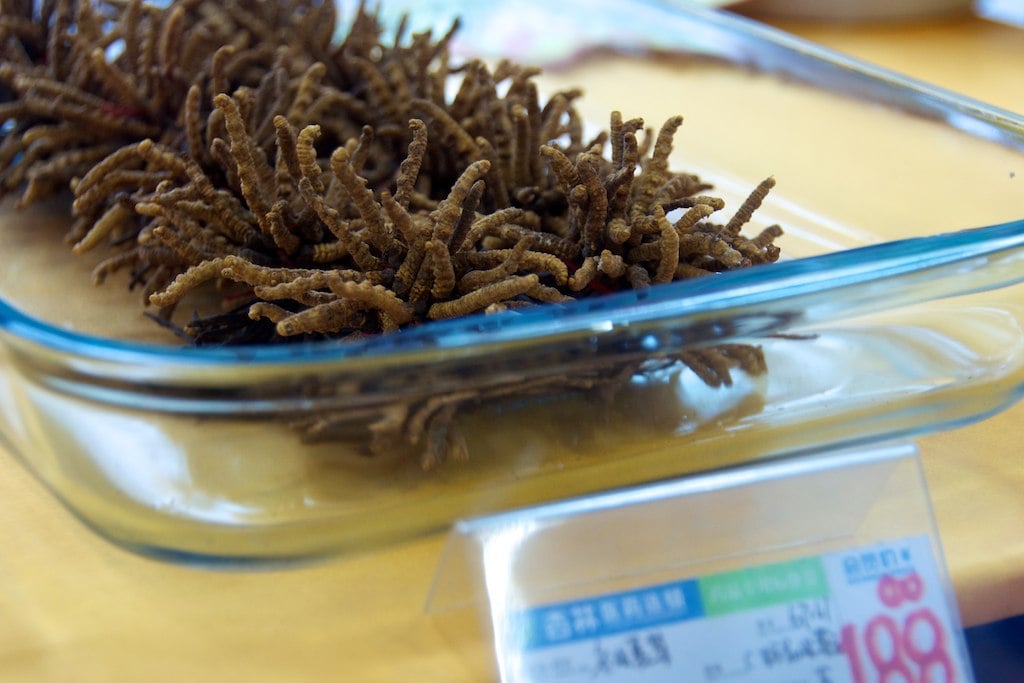
Yartsa gunbu sounds like something from mythology, and its origin story does nothing to dispel that impression. High on the Tibetan Plateau, ghost moth caterpillars burrow underground to undergo metamorphosis.
Sometimes a fungal spore finds them first. The Cordyceps fungus invades the caterpillar’s body, consumes it from within, then sends a small brown stalk sprouting from the dead insect’s head the following spring.
This mummified caterpillar with its fungal appendage sells for up to $50,000 per pound, with top-quality specimens in Beijing reaching $140,000 per kilogram. The Guinness World Records lists it as the most expensive medicinal fungus on Earth.
Tibetan harvesters spend weeks crawling across alpine meadows above 11,500 feet, searching for stalks barely larger than a toothpick poking through the grass. A good harvest can triple a villager’s yearly income.
The demand has grown so intense that it has sparked violent conflicts between competing harvesters and raised serious concerns about overharvesting in the fragile Himalayan ecosystem.
Traditional Chinese medicine has used yartsa gunbu for centuries, and wealthy Chinese businessmen now stuff it into roasted duck or goose as a display of wealth. The fungus earned the nickname “Himalayan Viagra” for its supposed aphrodisiac properties, though no scientific evidence supports these claims.
White Truffles From Alba
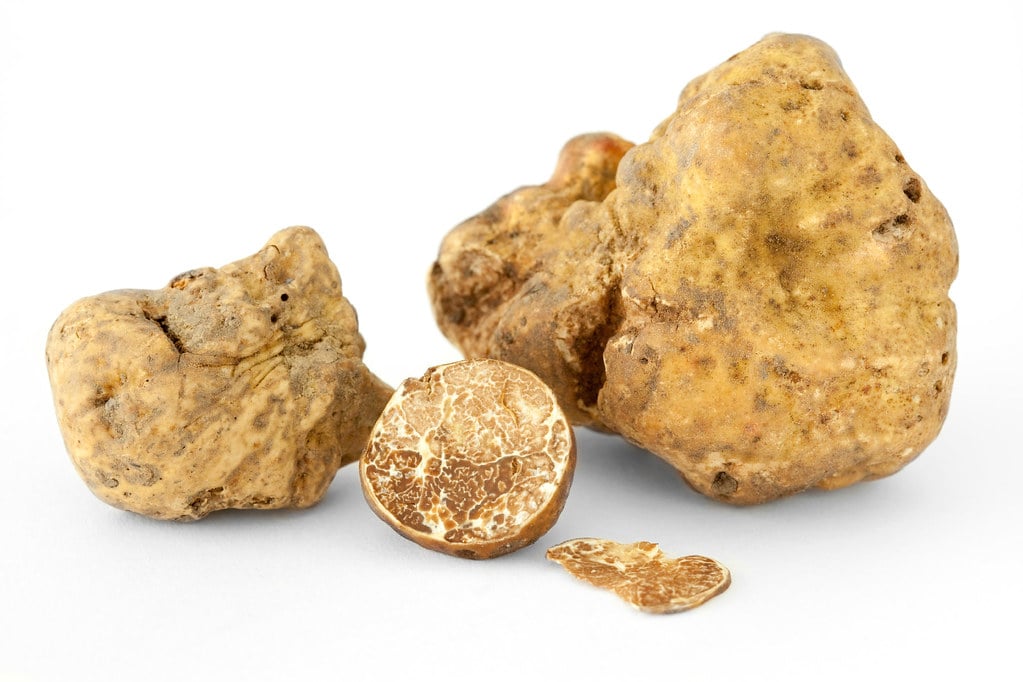
The white truffle holds a special place in Italian cuisine. Found almost exclusively in the Piedmont region around Alba, these knobby fungi grow underground at the base of oak, beech, and hazel trees.
They cannot be cultivated. No farmer has ever figured out how to replicate the precise soil conditions, moisture levels, and symbiotic tree relationships that produce them. Prices range from $4,000 to $5,000 per pound during a typical season, though exceptional specimens at auction have sold for far more.
In 2007, a Hong Kong buyer paid $330,000 for a single white truffle weighing about 1.5 kilograms. The annual White Truffle Festival in Alba celebrates these culinary gems each fall, drawing food enthusiasts from around the world.
Trained dogs (pigs were used historically but proved too fond of eating the truffles themselves) sniff out the fungi buried several inches underground. Harvesters work at night to protect their secret locations.
The truffle’s pungent aroma defies easy description. Chefs often call it garlicky, earthy, and almost overwhelmingly musky.
It works best shaved raw over eggs, pasta, or risotto, where heat releases its volatile compounds without destroying them.
Matsutake: Japan’s Autumn Treasure
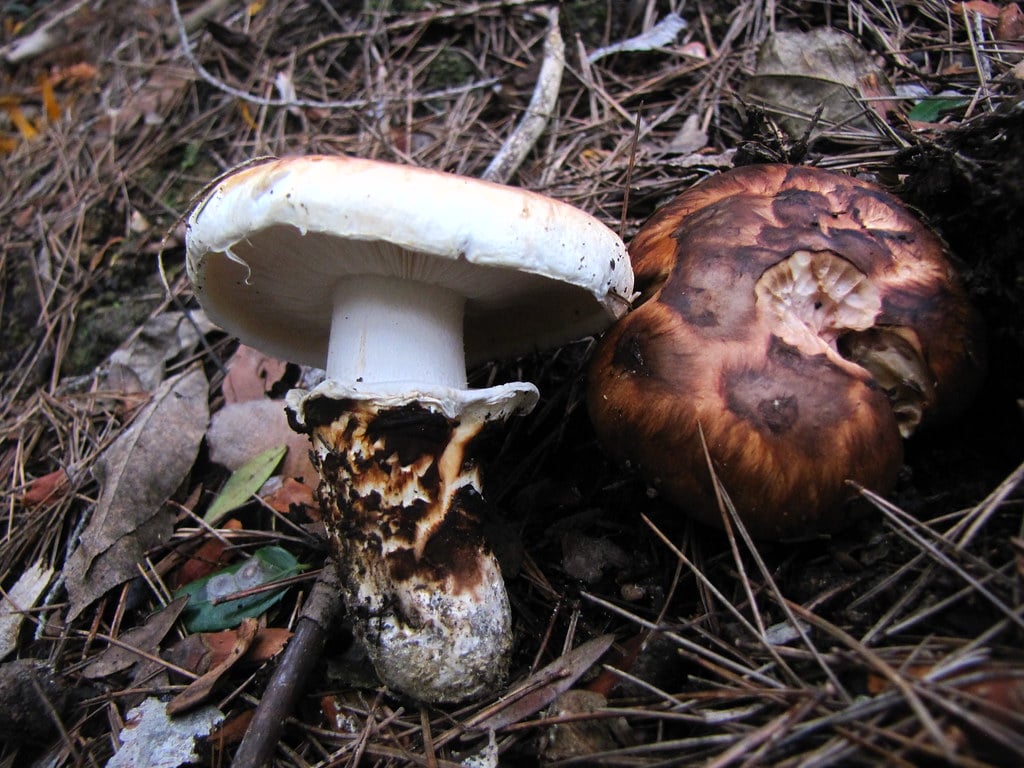
Japanese matsutake mushrooms carry cultural weight that goes beyond their spicy, pine-like flavor. Written about in poetry dating back to the seventh century, they were once given as gifts by the aristocracy and imperial family.
Today, domestically harvested specimens from the forests near Kyoto can reach $1,000 per pound or more. During poor harvest years, prices climb even higher.
The mushrooms grow in symbiosis with red pine trees, and the habitat is shrinking. An invasive nematode worm has devastated pine forests across Japan, reducing domestic production by 95% over the past 70 years.
Matsutake cannot be cultivated artificially, which means supply depends entirely on what nature provides. The International Union for Conservation of Nature recently designated them as a threatened species.
In fine dining establishments, matsutake appears in kaiseki course meals, cooked with minimal seasoning to let the aroma shine. The traditional preparation matsutake gohan layers sliced mushrooms over rice and lets steam do the work.
Size matters considerably. The bigger the mushroom, with its cap still closed, the higher the price.
Black Périgord Truffles

French epicurean Jean Anthelme Brillat-Savarin called truffles the “diamond of the kitchen,” and the black Périgord truffle represents the standard against which other species are measured. Native to the Périgord region of France but also found in Spain and Italy, these underground fungi command prices between $800 and $2,000 per pound depending on the season and quality.
Unlike white truffles, black Périgord truffles tolerate heat better. Their aroma intensifies rather than dissipates when cooked, making them suitable for shaving into sauces, pâtés, and rich dishes where they can perfume the entire preparation.
The flavor profile runs deep, nutty, and earthy, with complexity that builds as you eat. Finding them requires trained dogs that can detect the truffle’s scent through several inches of soil.
The relationship between truffle and tree proves equally precise. Black truffles form mycorrhizal bonds with host trees, exchanging nutrients in ways scientists still do not fully understand.
Efforts to cultivate them have shown limited success, though some farmers have managed to inoculate tree roots with truffle spores and coax production after years of waiting.
Morel Mushrooms and Their Devoted Hunters

The morel mushroom inspires a kind of seasonal obsession in foragers across North America and Europe. With their honeycomb-textured caps and hollow interiors, morels are unmistakable once you know what you’re looking for.
Fresh specimens sell for $40 to $70 per pound at specialty retailers, with dried morels commanding $150 to $300 per pound since the drying process concentrates flavor while dramatically reducing weight. Morels have resisted nearly all cultivation attempts.
A few experimental farms in China have produced small batches, but the complex life cycle of the fungus makes reliable commercial production elusive. The vast majority of morels on the market come from wild harvest, gathered by foragers who guard their favorite spots like state secrets.
The mushrooms appear briefly in spring, emerging after rains when ground temperatures reach about 53 degrees Fahrenheit. Experienced hunters target dead elm trees, particularly those with bark still attached but peeling loose.
Recently burned areas often produce spectacular flushes the following year. The thrill of the hunt, combined with the short seasonal window and rich, nutty flavor, keeps prices high and demand constant.
Golden Chanterelles
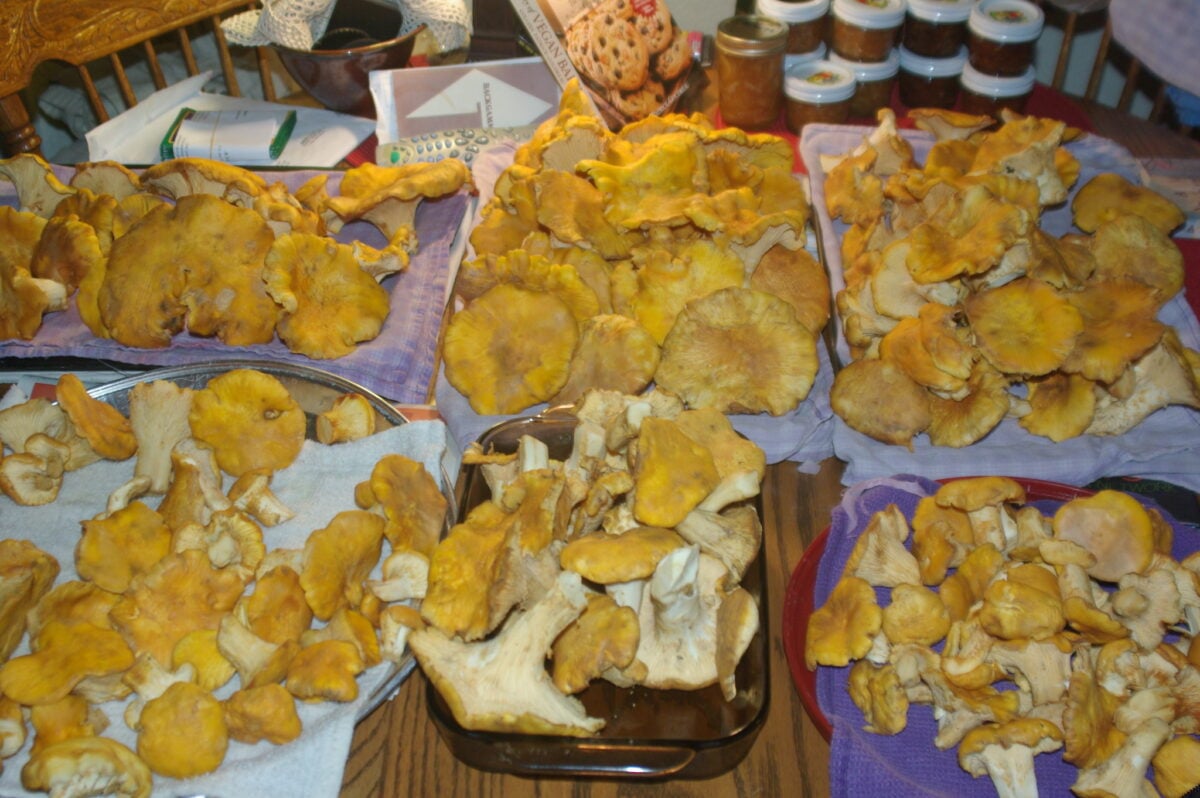
The golden chanterelle has been prized since at least the sixteenth century, though it gained widespread recognition through French cuisine in the 1700s. Swedish mycologist Elias Fries declared it “one of the most important and best edible mushrooms” in 1836, and that assessment holds today.
Chanterelles grow in forests throughout the northern hemisphere, forming mycorrhizal relationships with conifers and deciduous trees that make cultivation impossible. They fruit from late summer through fall, depending on location, and must be harvested by hand.
Prices range from $15 to $35 per pound depending on the season and source. The flavor defies easy comparison.
Many describe it as mildly peppery with fruity, apricot-like notes. The aroma stands out distinctly from other mushrooms.
Chefs often dry-sauté chanterelles first to release their natural liquid before finishing with butter, shallots, and herbs like thyme or tarragon. In January 2024, California designated the golden chanterelle as its official state mushroom, cementing the fungus’s cultural importance on the American West Coast.
Porcini: The King Bolete

Italians call it porcini, meaning “little pigs.” The French say cèpe. Germans know it as steinpilz.
English speakers sometimes use “penny bun” for the cap’s resemblance to a bread roll. Whatever the name, Boletus edulis ranks among the most sought-after wild mushrooms in existence.
Fresh porcini rarely appear in American grocery stores because the mushrooms are almost exclusively wild-harvested and do not travel well. When available, they command $35 to $70 per pound or more.
Most Americans encounter porcini in dried form, where the concentrated flavor adds depth to risotto, pasta sauces, and soups. The mushrooms grow in symbiosis with conifers and hardwoods, appearing from late summer into fall depending on rainfall patterns.
Unlike some edible mushrooms, porcini have few dangerous lookalikes, making them popular with novice foragers. The flesh stays white when cut (it does not bruise blue like some related species), and the meaty texture holds up well to cooking.
Many foragers consider porcini even tastier than truffles, with the added advantage of being far easier to find and prepare.
Lion’s Mane: The Smart Mushroom

Lion’s mane looks like no other fungus. Large, white, and shaggy with cascading icicle-like spines, it resembles its namesake animal.
Unlike most expensive mushrooms, lion’s mane can be cultivated successfully, which keeps prices more accessible at roughly $8 to $36 per pound fresh. The mushroom has attracted significant scientific attention for compounds called hericenones and erinacines, which appear to stimulate nerve growth factor production in laboratory studies.
Research suggests possible benefits for cognitive function, though human clinical trials remain limited. Traditional Chinese medicine has used lion’s mane for centuries.
In the kitchen, lion’s mane offers a unique texture that many compare to crab or lobster when properly cooked. Slicing the clusters into thick pieces and sautéing in butter brings out a savory, slightly sweet flavor.
The mushroom works well as a meat substitute in vegetarian dishes, holding its shape and providing substantial chew.
Maitake: The Dancing Mushroom

Japanese legend holds that Buddhist nuns and woodcutters discovered a massive cluster of frilly mushrooms at the base of a tree and danced in celebration. The name maitake translates to “dancing mushroom,” and the folklore suggests perfect specimens were once worth their weight in silver.
Also called hen of the woods (not to be confused with chicken of the woods, a different species), maitake grows in overlapping clusters of grayish-brown, fan-shaped caps. Wild specimens at farmers markets sell for $10 to $25 per pound during autumn harvest season.
Cultivated maitake has become increasingly available, keeping prices lower than most wild-only mushrooms. The flavor runs rich and earthy, with a satisfying meaty texture that holds up to roasting, sautéing, and grilling.
Maitake works particularly well, sliced into thick pieces and crisped in olive oil until the edges turn golden. The mushroom also freezes successfully without blanching, making it practical for preserving a large harvest.
Black Trumpets: The Horn of Plenty

Black trumpet mushrooms look almost sinister, with their dark, funnel-shaped caps that seem to absorb light. French foragers call them trompette de la mort (trumpet of death), though the name refers to their appearance rather than any toxicity.
They are entirely safe and considered among the finest wild edibles. Prices typically run $30 to $40 per pound when available, though their dark color makes them exceptionally difficult to spot against the forest floor.
Foragers sometimes walk right past them repeatedly before their eyes adjust to the search image. Black trumpets grow in scattered groups under hardwoods, often near oaks, from summer through fall.
The flavor profile differs from most mushrooms. Black trumpets taste fruity and almost smoky, with an intensity that punches above their delicate appearance.
Chefs often dry them and grind the result into a powder for seasoning soups and sauces. They pair beautifully with cream, eggs, and pasta, adding depth without overwhelming other ingredients.
The Shifting Economics of Fungi

Wild mushroom markets operate on rules that economists find fascinating. Supply cannot increase through effort or investment.
No amount of money can make truffles or matsutake grow faster or more abundantly. Climate shifts, invasive species, and habitat destruction can crash harvests without warning, sending prices spiraling.
Exceptional growing conditions in one region may coincide with drought elsewhere, evening out global supply or creating sudden shortages. The labor required to harvest these mushrooms adds another cost layer.
Foragers must possess years of accumulated knowledge about tree associations, terrain, weather patterns, and timing. Many keep their best locations secret for decades, passing information only to family or trusted friends.
This knowledge cannot be replicated by technology or scaled through hiring.
Enoki and Shimeji: Affordable Luxury
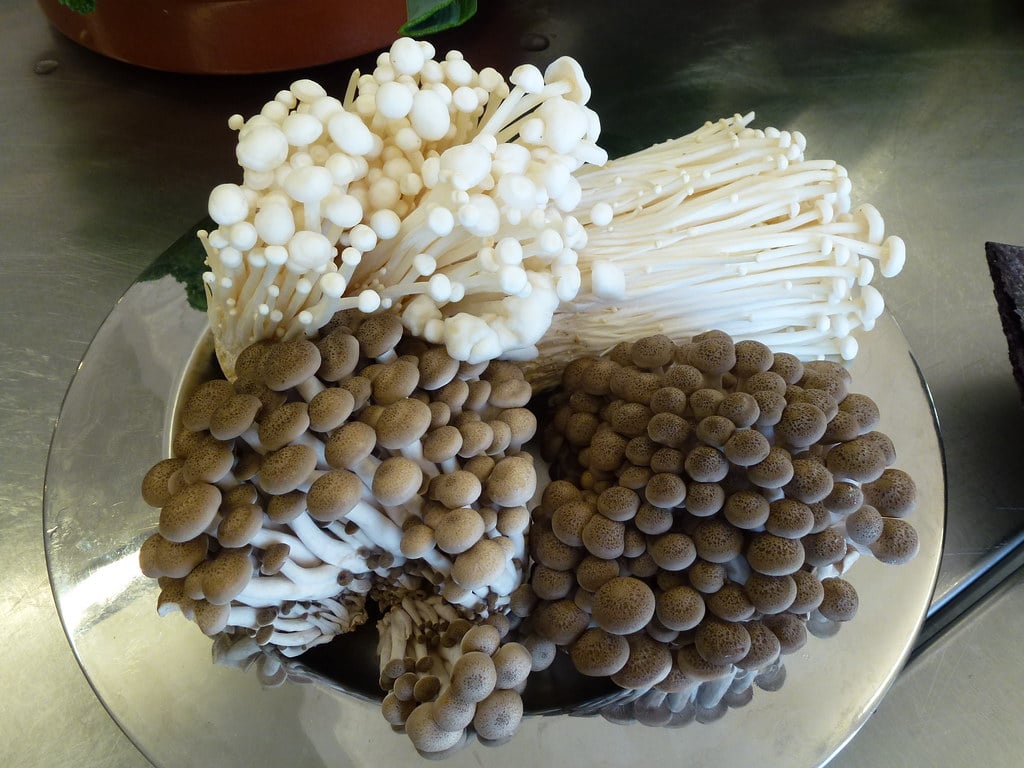
Not every prized mushroom breaks the bank. Enoki and shimeji represent the accessible end of gourmet fungi, typically selling for $5 to $15 per pound depending on source and quality.
Both can be cultivated successfully, which keeps supply steady and prices reasonable. Enoki mushrooms grow in tight bundles of long, thin white stems topped with tiny caps.
Their main appeal lies in texture: they stay crunchy even after cooking, making them perfect for soups, hot pots, and stir-fries. The flavor is mild, allowing other ingredients to shine while enoki contributes body and snap.
Shimeji mushrooms (also called beech mushrooms) come in brown and white varieties, growing in clusters with small speckled caps. They have no raw aroma but develop a buttery, nutty quality when cooked.
Japanese cuisine features them heavily in noodle dishes and nimono preparations. Unlike most mushrooms on this list, shimeji must always be cooked before eating.
These cultivated varieties offer an entry point into the world of specialty mushrooms without the steep investment required for wild-foraged specimens.
When the Forest Provides
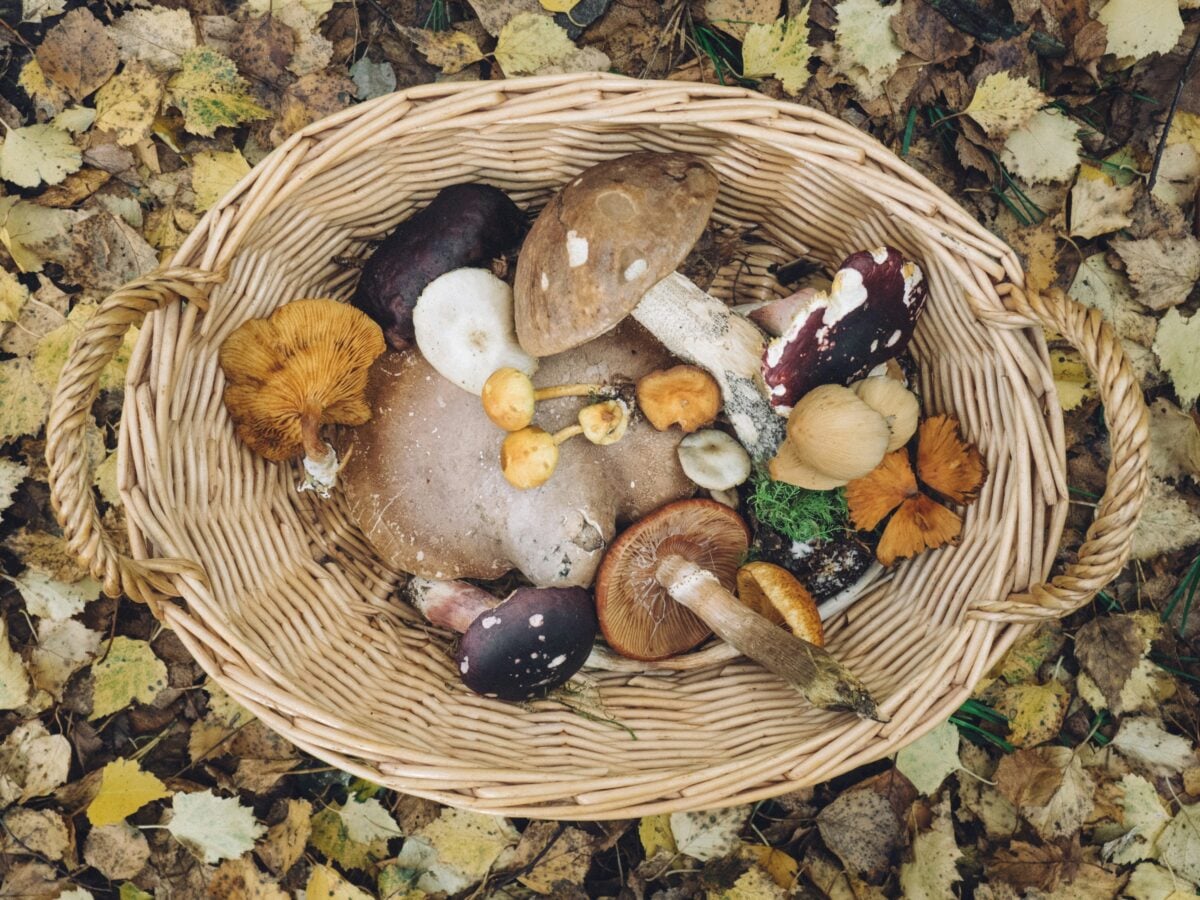
What draws people to costly mushrooms isn’t just status or high prices at eateries. These organisms offer tastes no lab can replicate, feels under the fingers that factories can’t mimic, scents that slip through words.
Roots tie them to damp woodland floors, shifting weather patterns, rituals passed down long before now. One thin slice of pale truffle draping pasta shifts ordinary food into another realm entirely.
Wild morels, picked quietly where few know how to look, bring back crisp dawns and leafless trees waking up. A price forms where rarity meets work.
Each costly fungus ties back to someone reading the forest like a story passed down through years. Skills grow slowly, picked up along damp trails by those raised on woodland ways.
Harvests last just days, maybe weeks if luck holds. What grows wild tastes nothing like what’s grown under lights or rows.
More from Go2Tutors!

- The Romanov Crown Jewels and Their Tragic Fate
- 13 Historical Mysteries That Science Still Can’t Solve
- Famous Hoaxes That Fooled the World for Years
- 15 Child Stars with Tragic Adult Lives
- 16 Famous Jewelry Pieces in History
Like Go2Tutors’s content? Follow us on MSN.