Events You Won’t Believe Happened at the Same Time
Time has this peculiar way of layering itself — while one corner of the world witnesses something momentous, another experiences something equally remarkable without the slightest awareness of the other. These coincidences of timing reveal just how much history can pack into a single moment, creating connections that seem almost too strange to be real.
Yet they are real, and they remind us that the world has always been more interconnected and simultaneously chaotic than any single perspective could capture.
The Great Wall of China and the Roman Empire
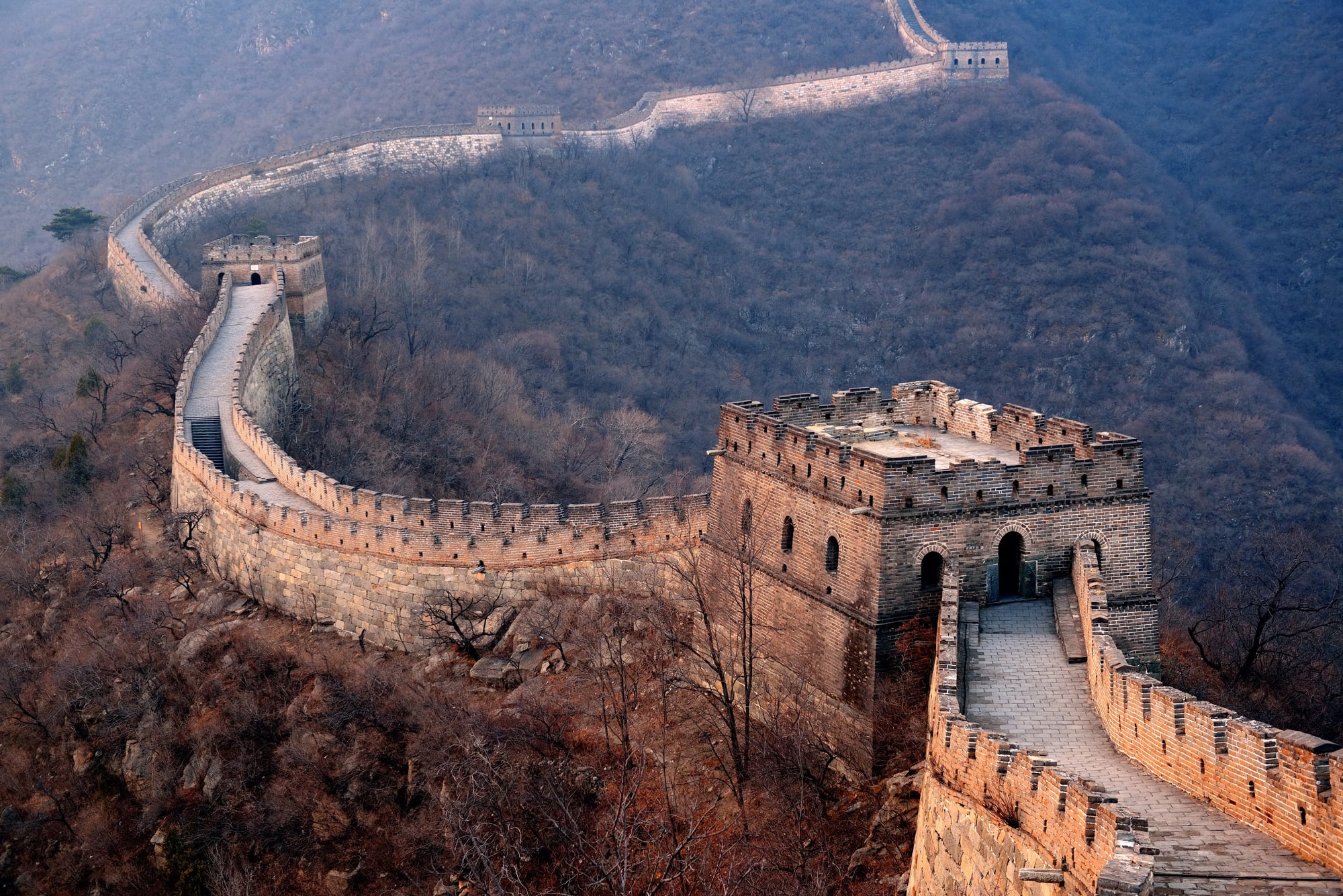
The Great Wall wasn’t built in a day. Neither was Rome.
Both were happening at exactly the same time. While Romans were perfecting their military machine and expanding across Europe, Chinese emperors were connecting and fortifying existing walls into what would become the Great Wall.
The overlap lasted centuries. Rome fell before the Wall was finished.
Shakespeare and Galileo
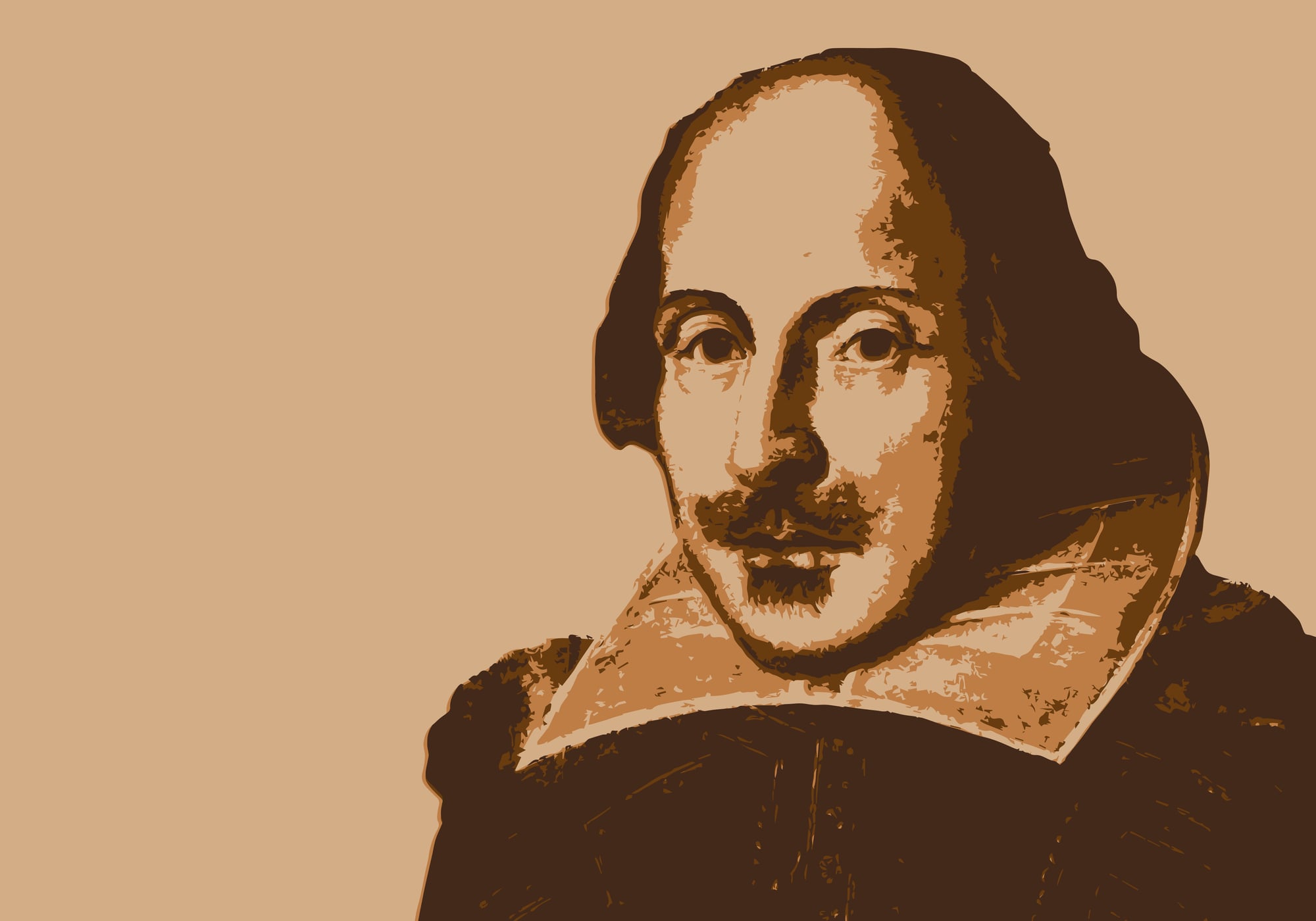
William Shakespeare died in 1616. Galileo Galilei died in 1642.
For 26 years, they shared the same planet — one revolutionizing how humans understood their place in the cosmos, the other revolutionizing how they understood their place in their own hearts.
And here’s what makes this particularly striking (if not outright amusing): while Galileo was peering through telescopes and challenging the Catholic Church’s grip on cosmic truth, Shakespeare was writing plays where characters routinely mistake their own gender, fall in love with the wrong people, and murder each other over misunderstandings that could have been cleared up with a single honest conversation. Both men, in their own way, were revealing that things are rarely what they appear to be — though one was considerably more likely to end up under house arrest for his efforts.
So while Galileo was facing the Inquisition for suggesting that Earth wasn’t the center of the universe, Shakespeare was putting words in Hamlet’s mouth about there being more things in heaven and earth than are dreamt of in anyone’s philosophy. They never met, never corresponded, probably never heard of each other.
But they were both chipping away at the same human arrogance from completely different angles.
The Last Woolly Mammoths and the Egyptian Pyramids
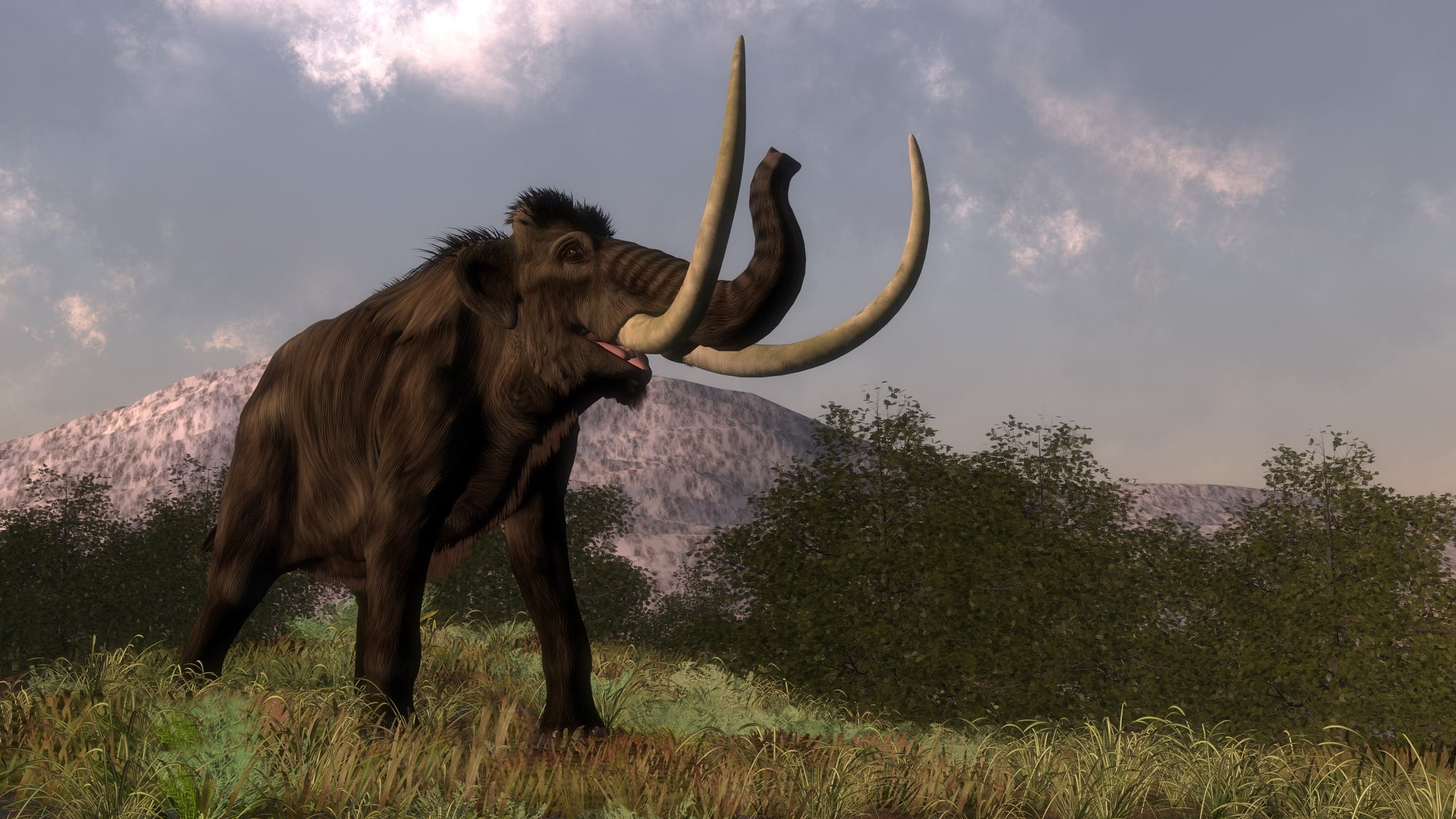
Woolly mammoths roamed Wrangel Island off the coast of Siberia until about 4,000 years ago. The Great Pyramid of Giza was completed around 4,500 years ago.
This means that for roughly 500 years, both existed simultaneously. Ancient Egyptians were perfecting mummification techniques while woolly mammoths were still trudging through Arctic tundra, completely unaware that humans on the other side of the world had figured out how to stack two million stone blocks into a perfect geometric monument.
The disconnect feels almost absurd — like finding out your neighbor has been building a spaceship while you were still figuring out fire.
Harvard University and Calculus

Harvard University opened its doors in 1636. Isaac Newton and Gottfried Wilhelm Leibniz were developing calculus in the 1660s and 1670s.
Harvard’s first students were studying Latin, Greek, and theology while Newton was inventing the mathematical language that would eventually describe everything from planetary motion to economic models. The university that would later produce eight U.S. presidents and 161 Nobel Prize winners started as a small Puritan college right around the time someone was figuring out how to mathematically represent change itself.
The First Automobile and the Last Public Execution by Guillotine in France
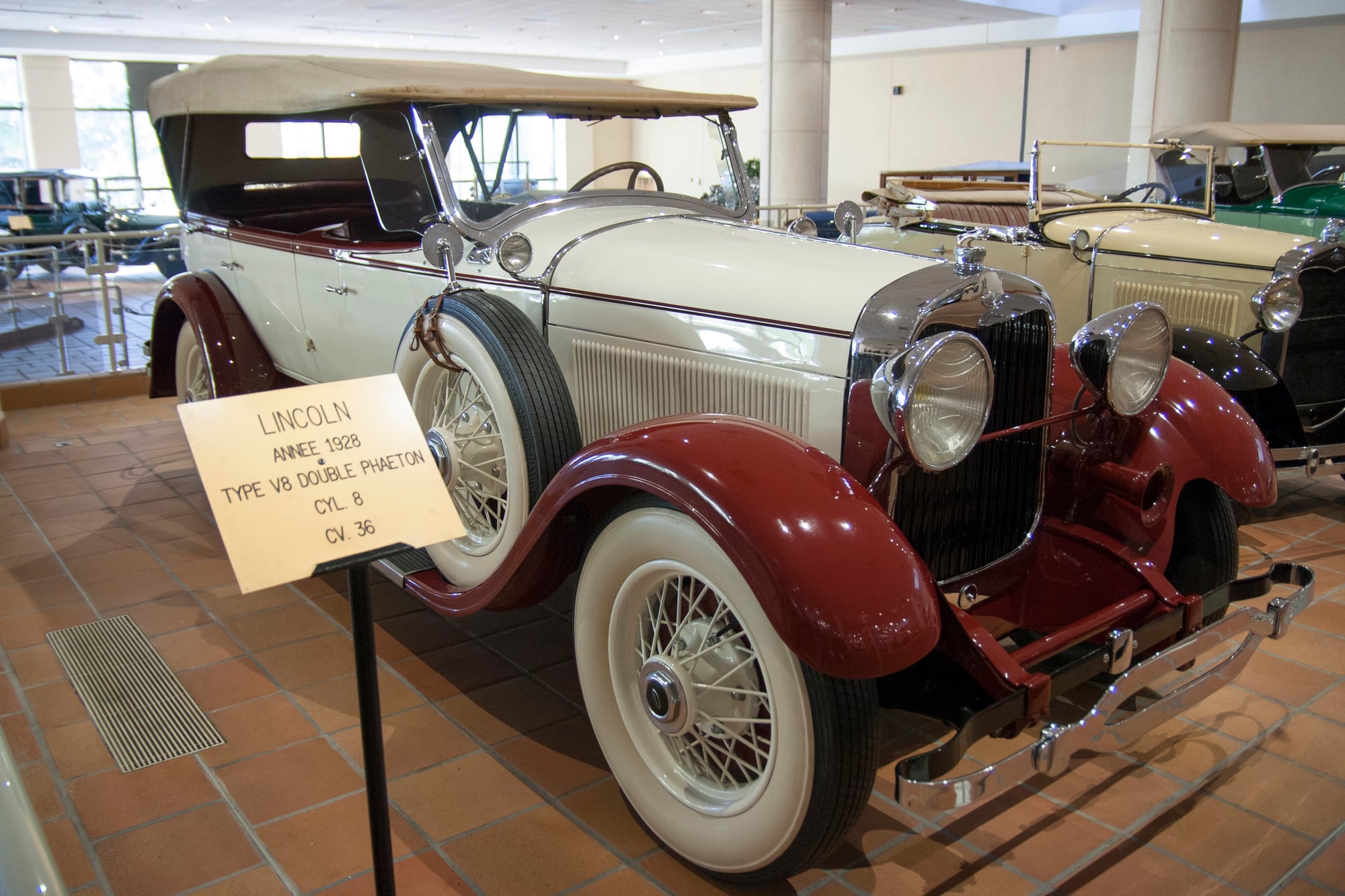
Karl Benz patented the first practical automobile in 1885. France conducted its last public execution by guillotine in 1939 — the same year Germany invaded Poland and World War II began.
So for about 54 years, both the automobile and public executions by guillotine coexisted in the world. People could drive cars to watch other people get their heads cut off by the state.
The machine that would transform human mobility shared decades with a machine designed to end human life as efficiently as possible.
The Fax Machine and the Oregon Trail

The fax machine was invented in 1843. The Oregon Trail’s peak usage was between 1840 and 1860.
While families were loading wagons and preparing for months-long journeys across dangerous terrain to reach the American West, Alexander Bain was perfecting a device that could transmit images across wires almost instantly. People were dying of dysentery and drowning in river crossings while the technology for instant communication was sitting in a patent office, waiting for the infrastructure to catch up.
The Aztec Empire and Oxford University
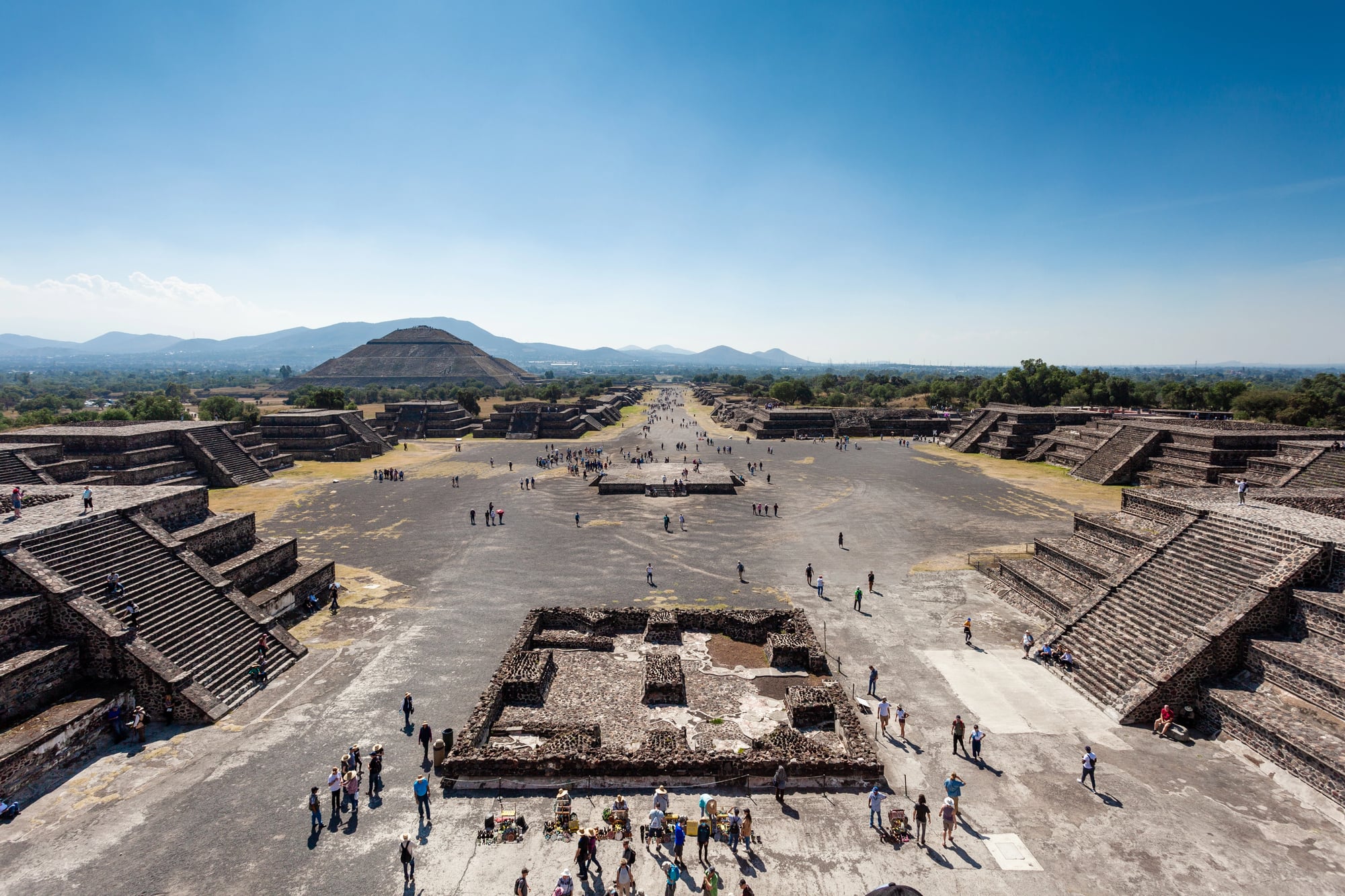
Oxford University was founded around 1096. The Aztec Empire was established in 1428 and conquered by Spanish forces in 1521.
This overlap creates a peculiar historical sandwich: Oxford was already 332 years old when the Aztecs founded Tenochtitlan, and it continued operating for another 500 years after Cortés destroyed their civilization. Students were studying at Oxford before the Aztecs existed, while the Aztecs existed, and long after they were gone.
The university that would educate 28 British prime ministers was already ancient when one of history’s most sophisticated civilizations was just getting started on the other side of the world.
Nintendo and Jack the Ripper
Nintendo was founded as a playing card company in 1889. Jack the Ripper’s murders occurred in 1888.
The company that would eventually create Mario and revolutionize video games started making hanafuda cards just one year after London’s most infamous serial killer disappeared into history. Nintendo’s first customers were buying playing cards while people in Whitechapel were still talking about the unsolved murders in hushed tones.
Brooklyn Bridge and the Battle of the Little Bighorn
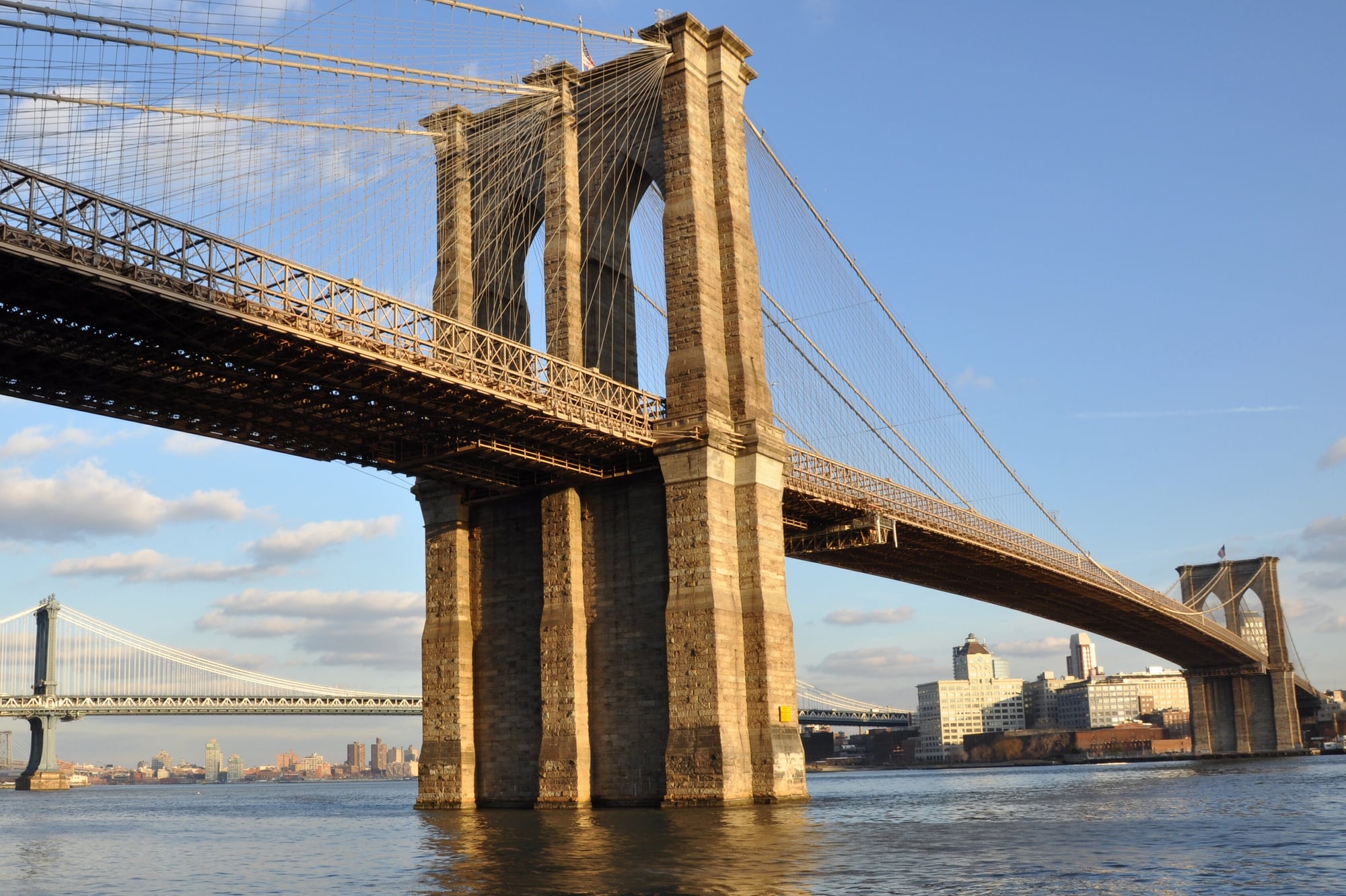
The Brooklyn Bridge opened in 1883. The Battle of the Little Bighorn took place in 1876.
So for seven years, both existed in American memory simultaneously — the triumphant engineering achievement connecting Manhattan and Brooklyn, and the shocking military defeat that killed George Custer and approximately 268 total U.S. casualties. The bridge represented American industrial progress; the battle represented the violent reality of westward expansion.
People could walk across the Brooklyn Bridge while the country was still processing what happened to Custer in Montana.
Star Wars and the Last Person Born Into Slavery in America
The original Star Wars was released in 1977. The last documented person born into slavery in the United States, Sylvester Magee, died in 1971.
For most of Magee’s life — if birth records are accurate — he coexisted with people who had no idea that someone born into American slavery was still alive. He lived through the entire development of cinema, from its invention to the creation of one of the most influential science fiction films ever made.
Magee died just six years before audiences first heard Darth Vader’s breathing.
Picasso and the Moon Landing
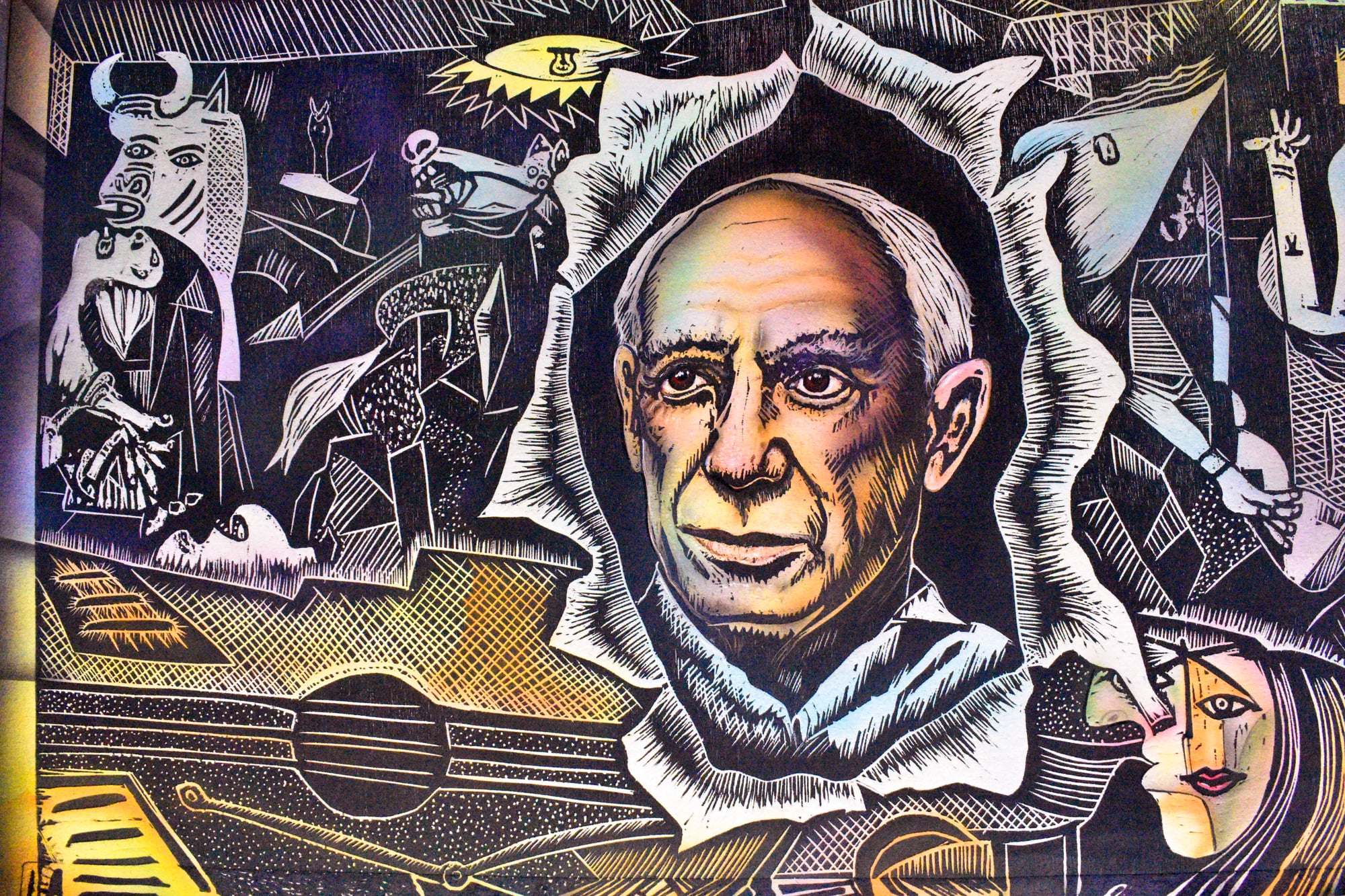
Pablo Picasso was born in 1881 and died in 1973. The Apollo 11 moon landing happened in 1969.
Picasso lived to see humans walk on the moon. The artist who co-founded Cubism and spent decades fragmenting reality on canvas witnessed the moment when reality itself expanded to include another celestial body.
He was 88 years old when Neil Armstrong took his first step, which means Picasso experienced both the horse-and-buggy era and the space age. He painted “Les Demoiselles d’Avignon” in 1907 and lived to see television broadcasts from the lunar surface.
Cleopatra and Julius Caesar’s Assassination
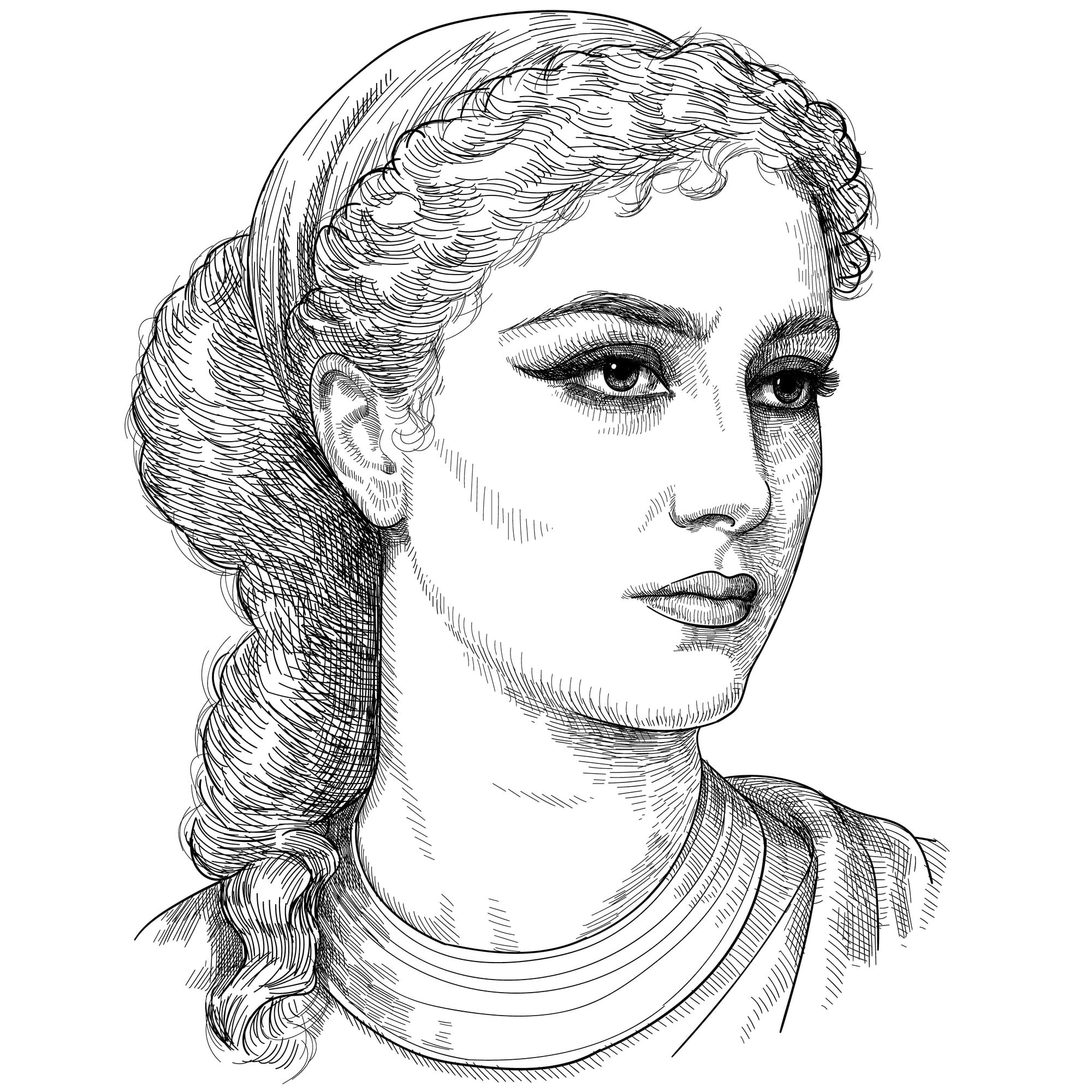
This one works backward from what most people assume. Cleopatra VII lived from 69 BCE to 30 BCE.
Julius Caesar was assassinated in 44 BCE. Cleopatra outlived Julius Caesar by 14 years.
She was also closer in time to the moon landing (1969) than she was to the construction of the Great Pyramid of Giza (around 2580 BCE). The Egyptian queen that most people associate with ancient history lived closer to our time than to the height of ancient Egyptian civilization.
She had a relationship with Julius Caesar, watched him get assassinated, then had a relationship with Mark Antony, and lived through the collapse of the Roman Republic.
The Time Everything Happened at Once

History refuses to wait for anything to finish before starting something else. While people assume that significant events happened in neat sequence — first this, then that, then the other thing — the reality is messier and more simultaneous.
These overlaps matter because they reveal how much was always happening at once, how many different versions of progress and collapse and innovation were running parallel to each other across the world. The past wasn’t simpler; it was just as chaotic as right now.
More from Go2Tutors!

- The Romanov Crown Jewels and Their Tragic Fate
- 13 Historical Mysteries That Science Still Can’t Solve
- Famous Hoaxes That Fooled the World for Years
- 15 Child Stars with Tragic Adult Lives
- 16 Famous Jewelry Pieces in History
Like Go2Tutors’s content? Follow us on MSN.