Photos Of 15 Iconic Outfits That Defined Pop Music
Fashion and music have always walked hand in hand, with artists using their clothes to make statements just as bold as their songs. Some outfits become so tied to a performer that decades later, people can spot them instantly in old photos or tribute acts.
These looks didn’t just catch attention for a moment; they shaped how entire generations thought about style, self-expression, and pushing boundaries.
From sequins to leather, from wild colors to stripped-down simplicity, these outfits told stories all on their own. Here are the looks that changed everything.
Madonna’s Cone Bra Corset

Jean Paul Gaultier designed this pink satin piece for Madonna’s Blond Ambition tour in 1990, and pop culture hasn’t been the same since. The exaggerated pointed shape challenged every idea about what female performers could wear on stage.
Madonna turned underwear into outerwear and made it powerful instead of vulnerable. This wasn’t just a costume; it became a symbol of owning your image and refusing to play by the old rules.
Elvis Presley’s Gold Lamé Suit
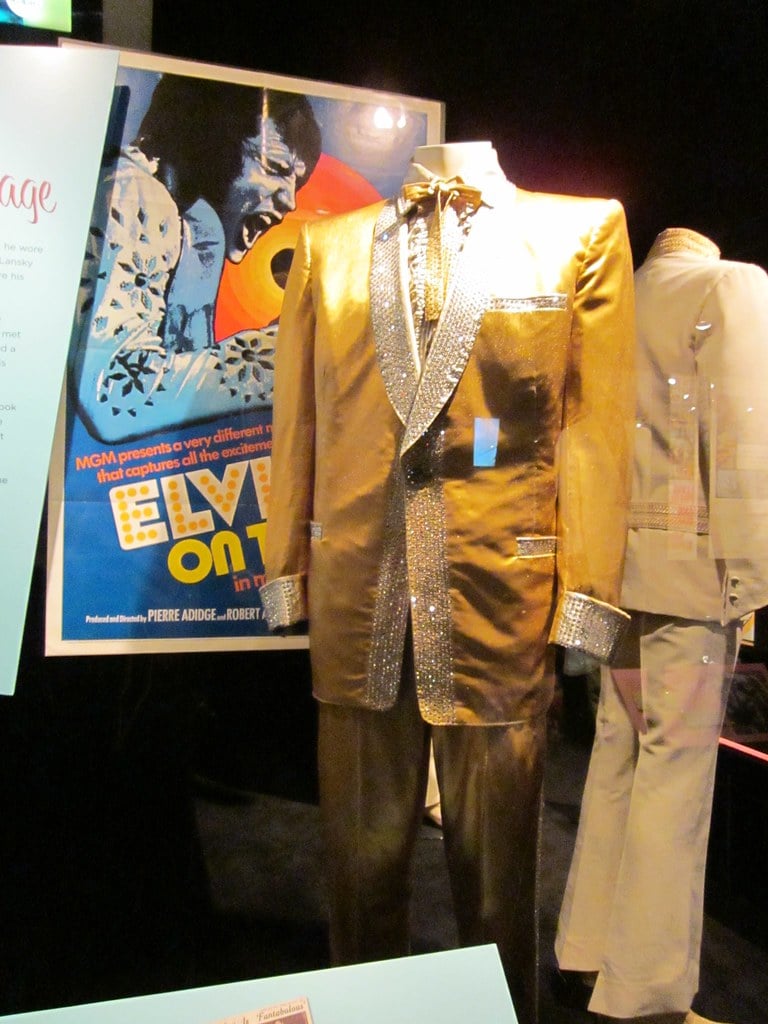
When Elvis walked out in this shimmering gold suit designed by Nudie Cohn in 1957, he looked like someone from another planet. The jacket alone cost around $2,500 back then, which would be over $20,000 today.
Everything about it screamed excess and confidence at a time when most performers wore simple tuxedos. That suit told America that rock and roll wasn’t going to be quiet or polite, and young people across the country got the message loud and clear.
Britney Spears’ School Uniform
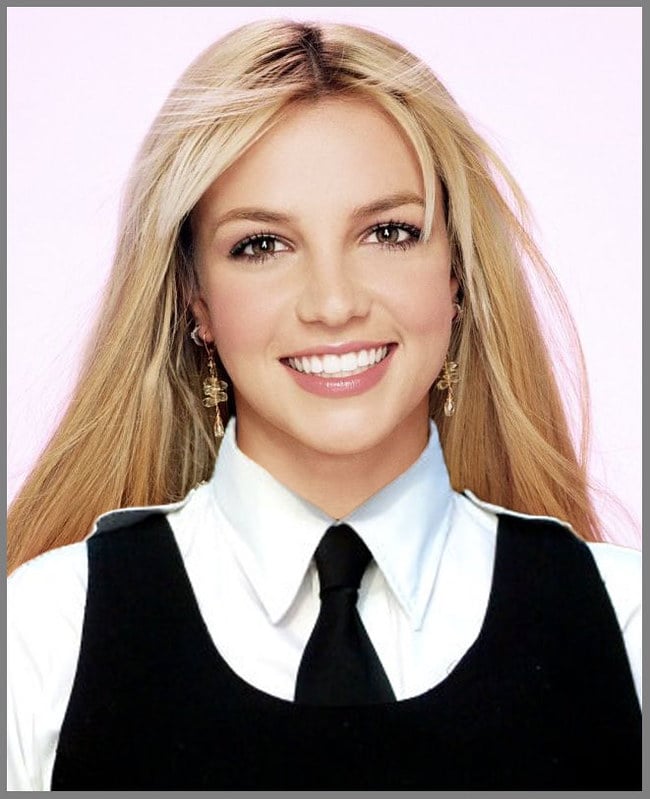
The 1999 video for ‘Baby One More Time’ featured Britney in a tied-up white shirt, short plaid skirt, and knee-high socks that launched a thousand Halloween costumes. This outfit walked a tricky line between innocence and rebellion that perfectly captured late-90s teen pop.
Stylist Annett Wolf helped create something that felt familiar yet fresh. The look became so recognizable that people still recreate it more than two decades later.
Michael Jackson’s Red Leather Jacket
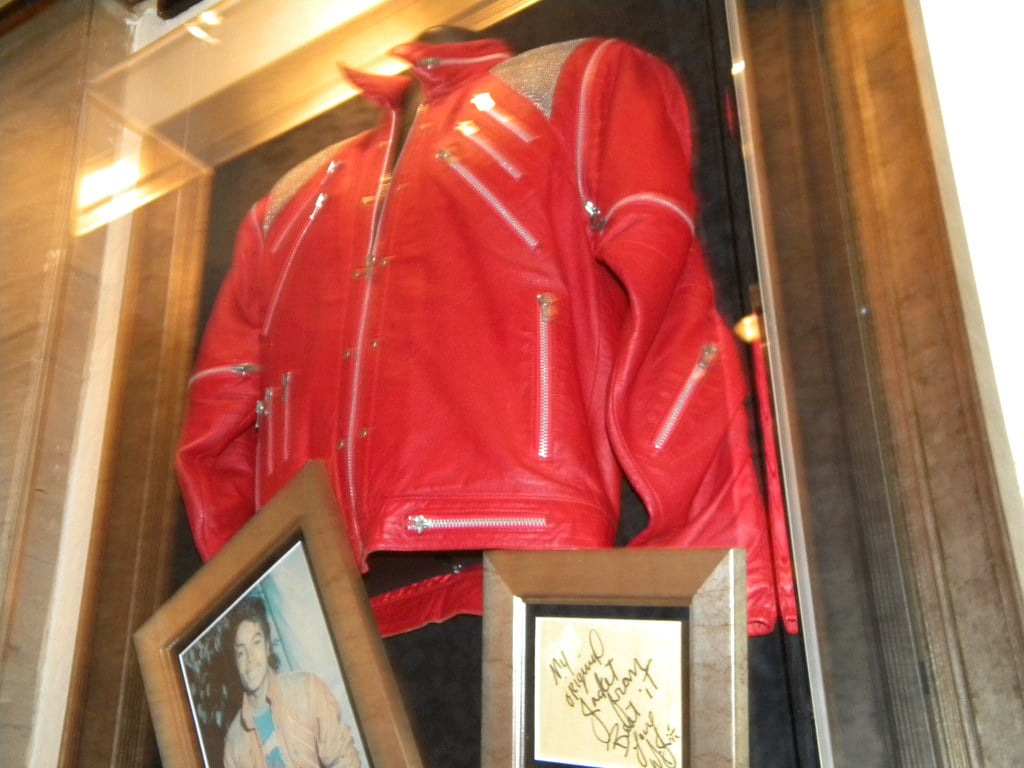
The ‘Thriller’ video jacket, designed by Deborah Nadoolman Landis, combined classic American style with just enough edge to feel dangerous. Those black stripes and zippered details made Michael look cool whether he danced with zombies or walked down any street.
The jacket sold at auction years later for $1.8 million, proving its place in music history. Red leather wasn’t exactly new, but after Michael wore it, everyone wanted their own version.
David Bowie’s Ziggy Stardust Jumpsuit
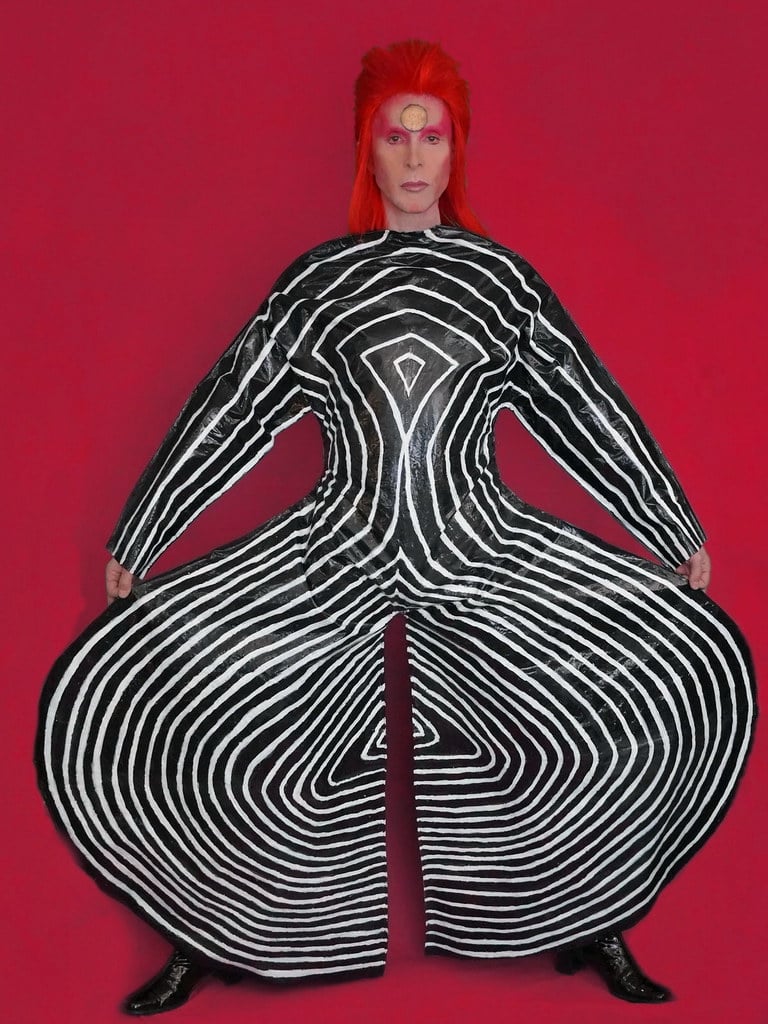
Freddie Burretti created those colorful, tight jumpsuits covered in patterns that helped Bowie transform into his alien rock star character in the early 1970s. The outfits featured bold prints, platform boots, and cuts that ignored traditional masculine clothing rules.
Bowie showed that performers could be whoever they wanted to be, and clothes could help tell that story. Those jumpsuits opened doors for every artist who came after and wanted to play with identity through fashion.
Prince’s Purple Coat
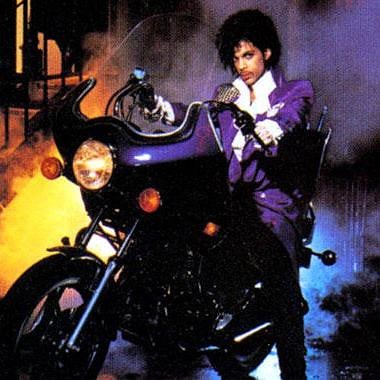
When Prince wore that ruffled purple trench coat in ‘Purple Rain,’ he made a color his own personal brand. The custom piece mixed Victorian flair with rock star attitude in a way nobody had quite managed before.
Purple became so connected to Prince that after his passing, buildings around the world lit up in that shade to honor him. Sometimes one outfit can become so powerful that it defines an artist’s entire legacy.
Lady Gaga’s Meat Dress
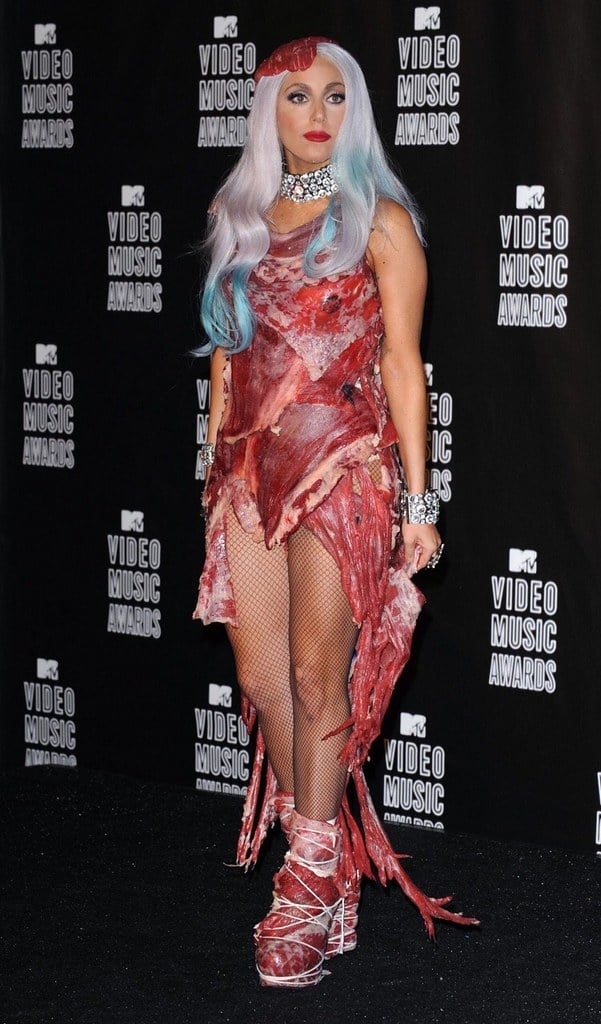
Franc Fernandez stitched together raw beef to create this 2010 MTV Video Music Awards look that had everyone talking for weeks. The dress weighed about 50 pounds and made a statement about not being treated like a piece of meat, using shock value to spark real conversations.
Some people loved it, others found it wasteful or weird, but nobody could ignore it. Gaga proved that fashion could be art, protest, and performance all rolled into one outfit.
Cher’s Bob Mackie Beaded Gowns
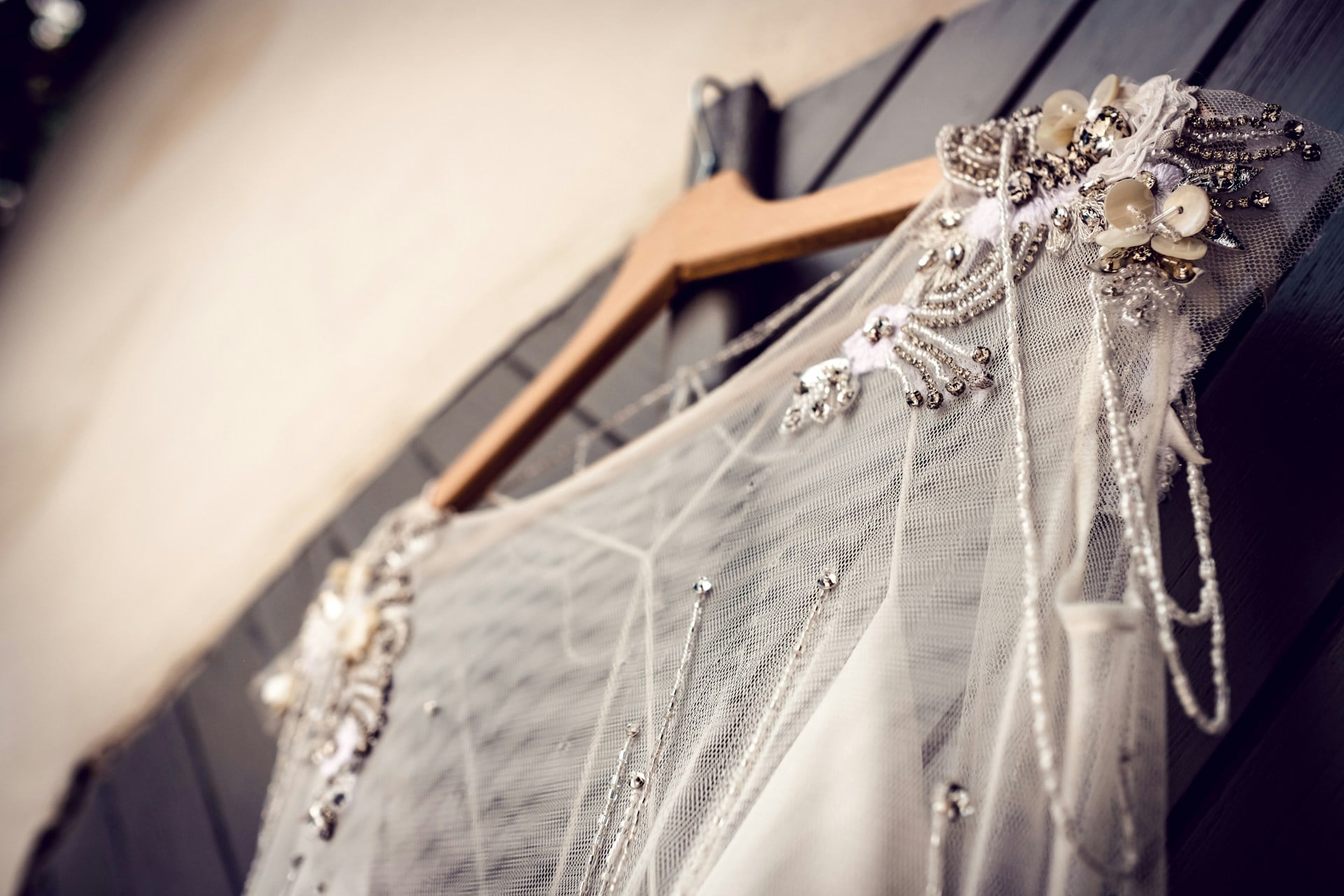
Throughout the 1970s and beyond, Bob Mackie dressed Cher in elaborate, see-through, heavily beaded creations that showed off her confidence and figure. These weren’t shy outfits; they featured cutouts, feathers, and so much sparkle that stage lights turned her into a walking light show.
Cher wore these gowns like armor, showing that women could be funny, talented, and glamorous without toning down any part of themselves. Mackie’s designs for Cher set the standard for Vegas showgirl glamour.
Kurt Cobain’s Thrift Store Cardigan
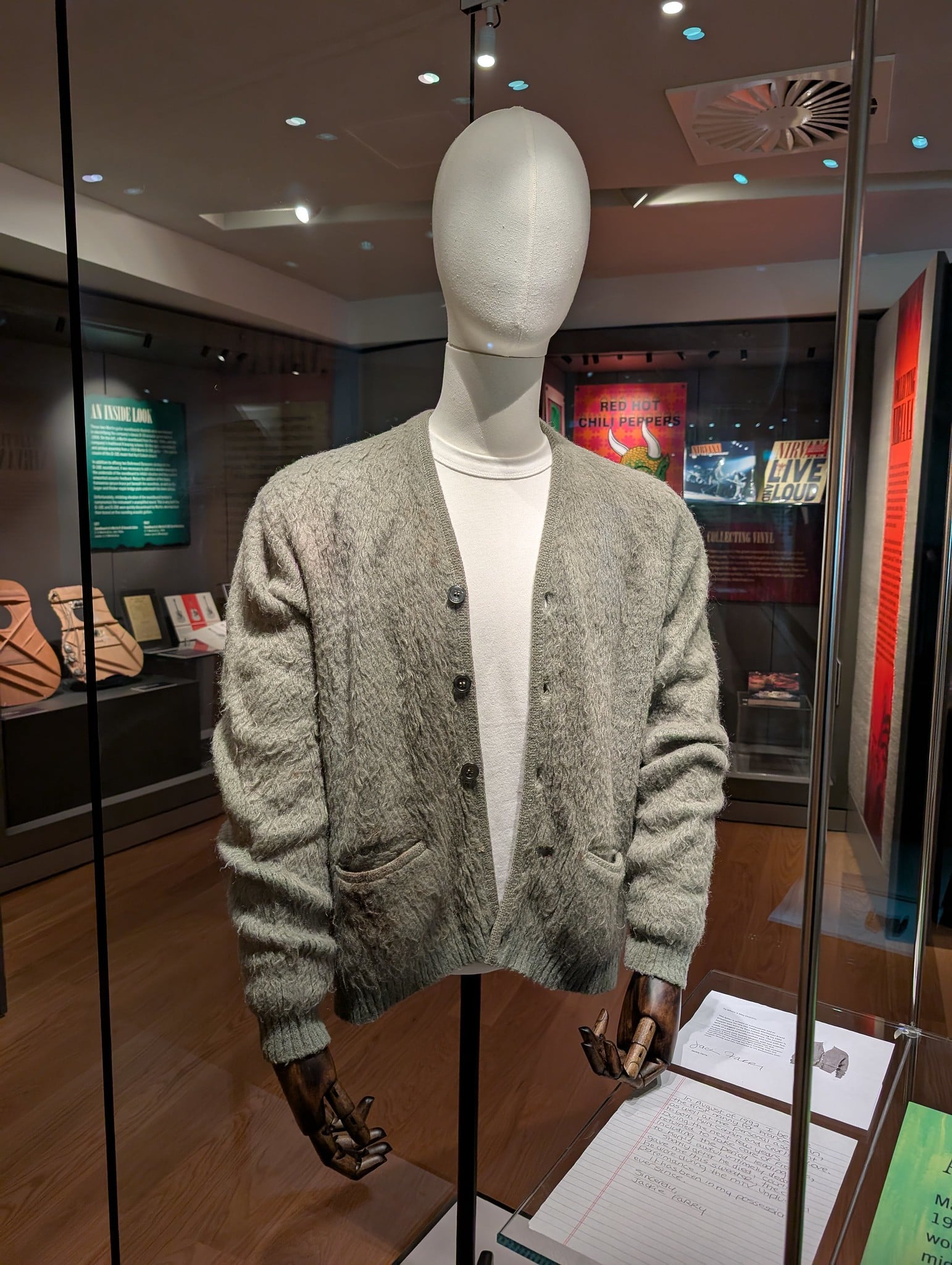
Nirvana’s unplugged performance in 1993 featured Kurt in a simple, oversized olive green cardigan that perfectly captured grunge’s anti-fashion fashion. The sweater came from a thrift store and looked like something anyone could find in their grandfather’s closet.
After Kurt’s death, that specific cardigan sold at auction for over $300,000. Sometimes the most powerful fashion statements come from refusing to try too hard.
Beyoncé’s Givenchy Met Gala Dress

Riccardo Tisci designed the sheer, jeweled Givenchy gown Beyoncé wore to the 2015 Met Gala, and the internet basically melted down. The dress featured intricate beading and strategically placed embellishments that created a stunning silhouette.
Beyoncé looked like royalty, and the dress sparked countless memes and tribute outfits. This wasn’t just red carpet fashion; it was a moment that reminded everyone why Beyoncé sits at the top of pop music.
Run-DMC’s Adidas Tracksuits
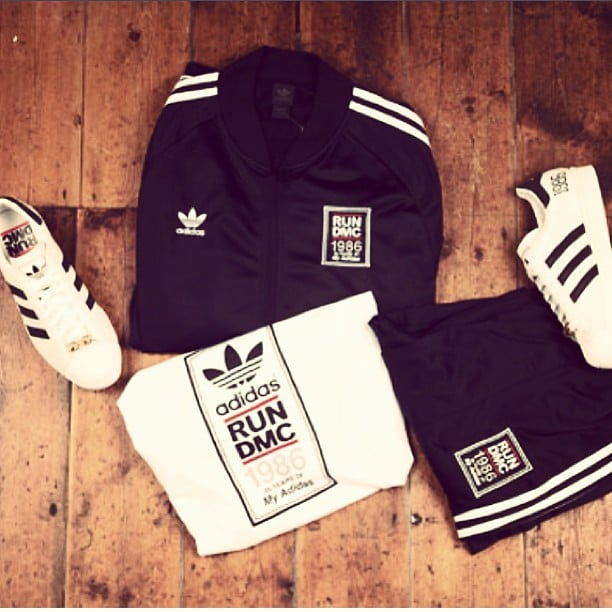
Three guys from Queens wore matching black Adidas tracksuits with thick gold chains and no laces in their sneakers, creating hip-hop’s first major fashion template in the mid-1980s. The look was street, comfortable, and completely different from the flashy costumes other performers wore.
Run-DMC even recorded a song called ‘My Adidas’ that turned sportswear into a badge of authenticity. Sneaker culture as we know it today started right there.
Elton John’s Feathered Costumes

Bob Mackie and other designers created wildly elaborate outfits for Elton throughout the 1970s, including a full Statue of Liberty costume and countless sequined jumpsuits with platform boots. These looks celebrated being over the top and having fun with fame instead of taking it too seriously.
Elton’s willingness to wear anything, no matter how outrageous, gave other artists permission to experiment. His wardrobe proved that talent and showmanship could go hand in hand.
Rihanna Wears Yellow Guo Pei Gown
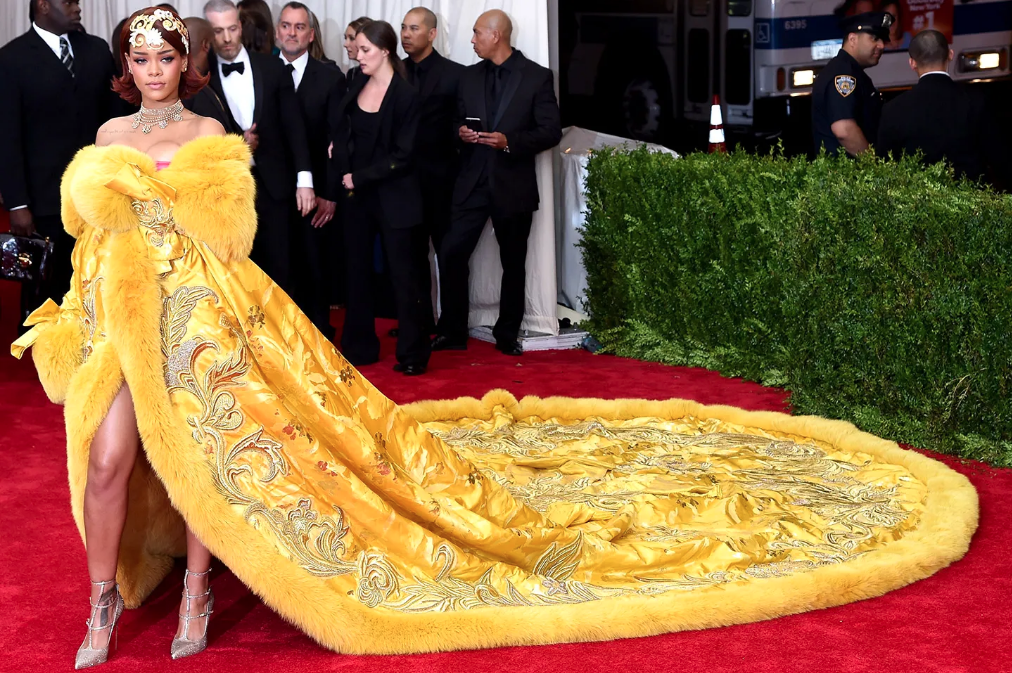
A yellow cascade of fabric swept across the 2015 Met Gala steps as Rihanna appeared beneath its golden folds. Crafted by Guo Pei, the garment had demanded twenty-four months of work before reaching her shoulders.
Weighing more than fifty pounds, each thread wove through time like painted strokes on silk. Confidence did not follow her – it led.
Onlookers bowed their heads; some whispered titles fit for dynasties. Online worlds exploded into endless reimaginings overnight.
Risk dressed itself differently after that night, wearing history instead of trend.
The Beatles’ Sgt. Pepper Suits
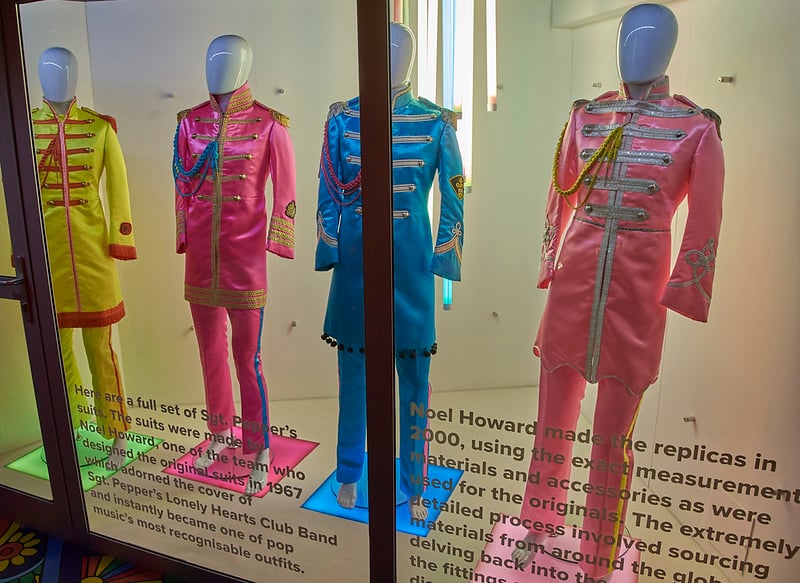
Bright satin coats on the Beatles’ 1967 record sleeve changed stage wear into bold visual statements. Manuel Cuevas stitched flamboyant pieces showing how deeply the group had transformed.
No longer just catchy singers, they now stood as creators chasing depth. Fans saw in those vivid ensembles proof that sound might weave intricacy, daring, and beauty together.
That release, along with its clothing, came to mean change, longing, new directions.
Aaliyah Wears Tommy Hilfiger Crop Top With Baggy Pants
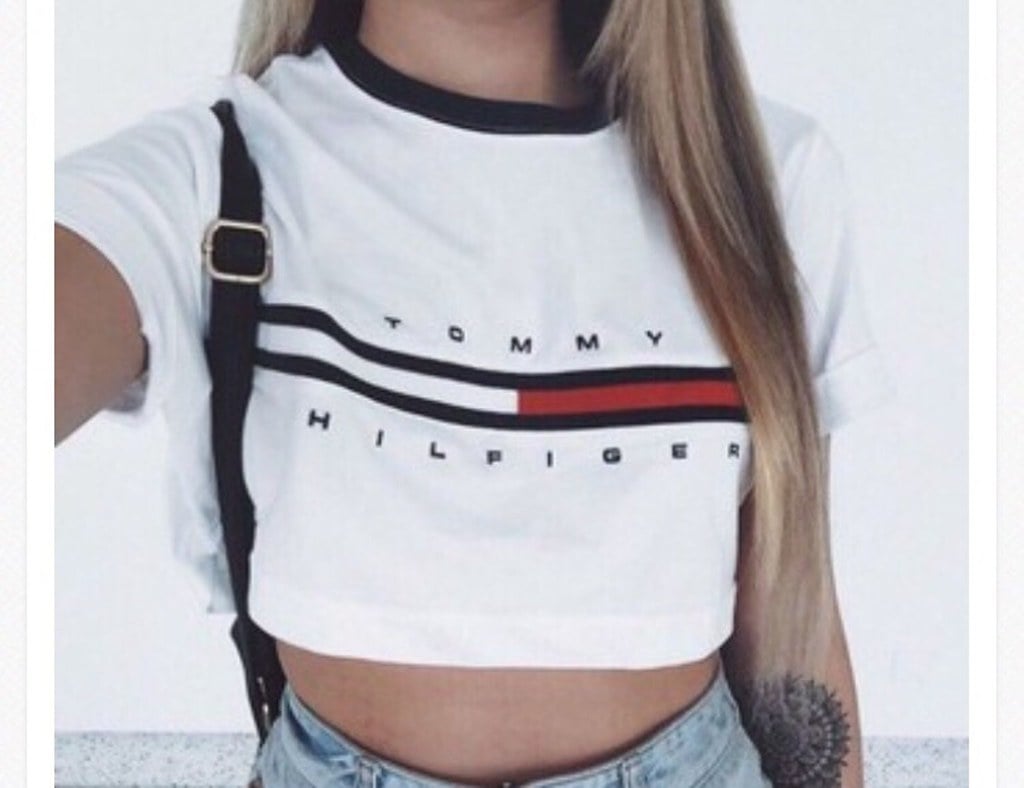
Loose suits once meant for men found new life through Aaliyah, reshaped in the late nineties with cropped shirts and wide-leg trousers. Instead of sticking to trends, she blended athletic pieces with soft silhouettes, mixing what others kept separate.
Tommy Hilfiger appeared frequently in her wardrobe; soon after, the label leaned into her presence, treating her like a defining face. Long after her time, singers like those in TLC picked up similar vibes, passing them forward even today.
Ease did not mean losing edge – she proved that by skipping tight fits and ditching stilettos altogether.
Where Style Meets Sound
More than shining bright on stage or screen, those looks stuck in our minds. Moments when sound seemed ready to reshape life carried their image forward.
A generation watching noticed something quiet but strong – standing apart had weight. Daring to seem odd turned out to mean something real.
Singers moved with words and melodies, yet fabric and fit said equal things. What covered the body often shouted alongside the song.
More from Go2Tutors!

- The Romanov Crown Jewels and Their Tragic Fate
- 13 Historical Mysteries That Science Still Can’t Solve
- Famous Hoaxes That Fooled the World for Years
- 15 Child Stars with Tragic Adult Lives
- 16 Famous Jewelry Pieces in History
Like Go2Tutors’s content? Follow us on MSN.



