Forgotten Tech Gadgets From the 2000s
The 2000s were a wild time for technology. Companies threw everything at the wall to see what would stick, and consumers eagerly lined up to buy gadgets that promised to change their lives.
Some devices became legends, while others faded into obscurity faster than a dial-up connection. Let’s take a trip down memory lane and revisit the tech that once seemed so cutting-edge but now lives only in dusty drawers and distant memories.
Palm Pilot
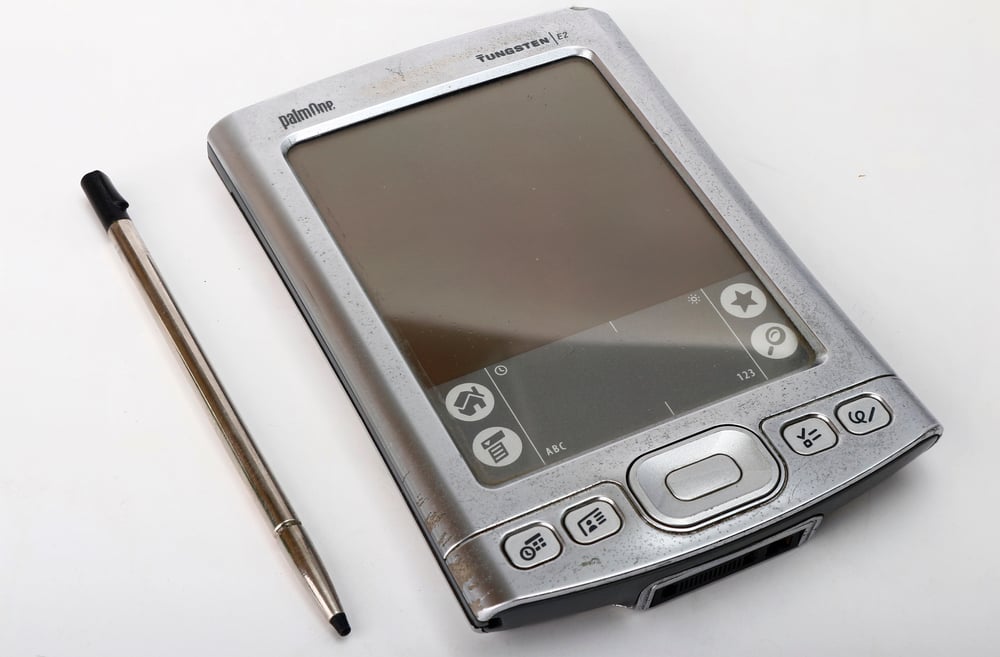
Before smartphones took over the world, the Palm Pilot was the ultimate status symbol for anyone who wanted to look organized and important. This pocket-sized device stored contacts, appointments, and to-do lists with a special stylus that always seemed to disappear right when you needed it.
People actually learned a whole new alphabet called Graffiti just to input text, drawing letters in specific ways so the device could recognize them. The Palm Pilot made everyone feel like they were living in the future, even though that future involved a lot of squinting at a tiny grayscale screen.
Zune

Microsoft looked at the iPod’s success and decided they wanted a piece of that action, so they launched the Zune in 2006. The device came in brown, which was perhaps the first sign that something wasn’t quite right with the marketing strategy.
Zunes could share songs wirelessly with other Zune users, which would have been great if anyone actually knew someone else with a Zune. The interface was clunky, the software was confusing, and despite Microsoft’s best efforts, the Zune became a punchline rather than an iPod killer.
HD DVD player
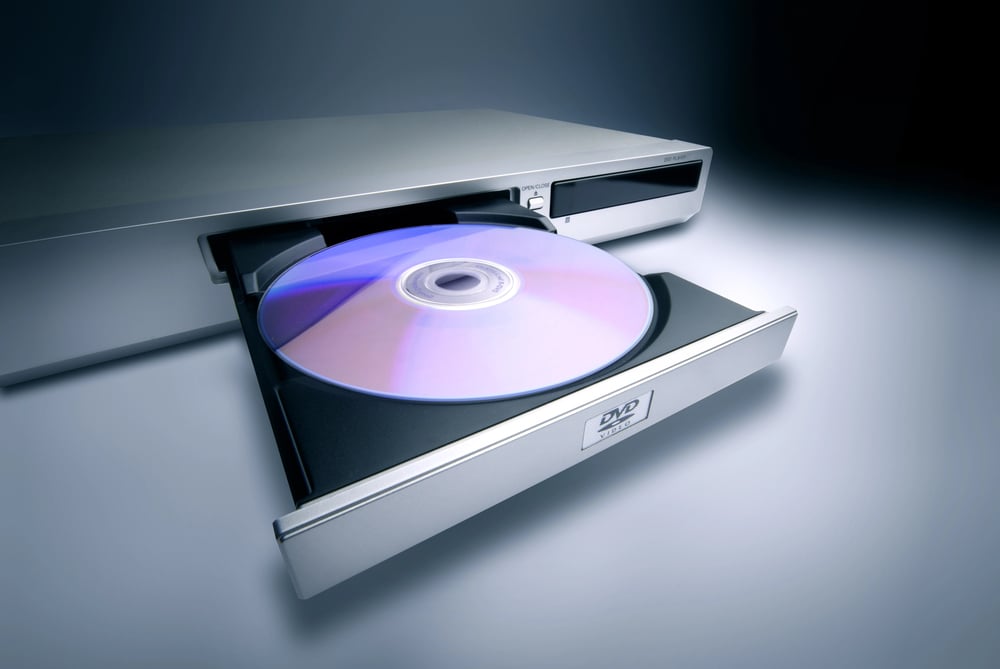
The late 2000s saw an epic format war between HD DVD and Blu-ray, and HD DVD lost spectacularly. Toshiba championed this high-definition disc format, convincing early adopters to spend hundreds of dollars on players and movies.
For a brief moment, people genuinely didn’t know which format would win, so some bought both players just to be safe. When Blu-ray emerged victorious in 2008, all those HD DVD players became expensive paperweights, and the movies became coasters for people who thought they were being clever.
MiniDisc player
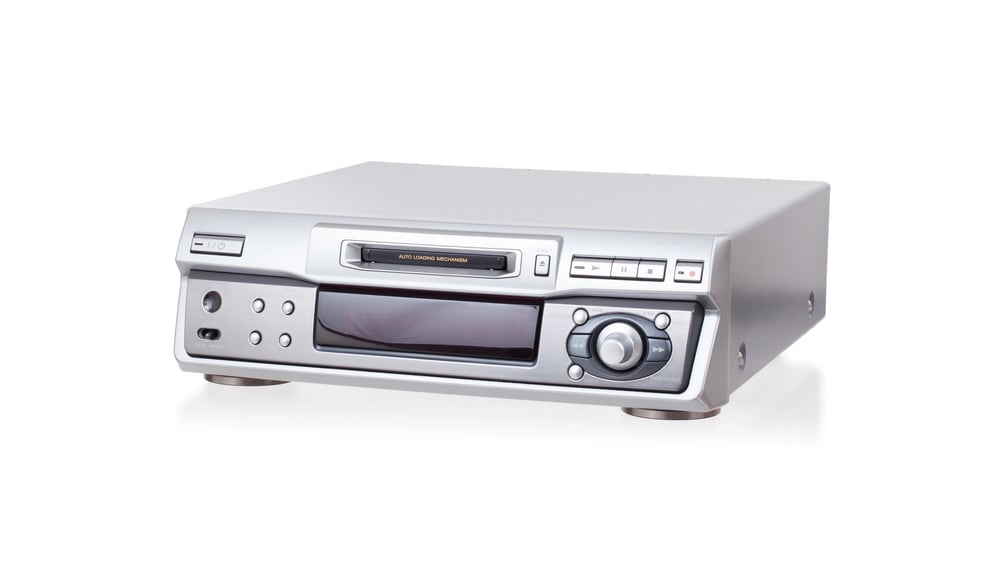
Sony kept pushing MiniDisc technology well into the 2000s, even though most people had already moved on to MP3 players. These devices used tiny discs that looked like floppy disks on a diet, and they were supposed to combine the best of CDs and cassette tapes.
Recording music onto MiniDiscs took forever, and the discs themselves cost way more than blank CDs. Japan loved them, but the rest of the world gave them a collective shrug and reached for their iPods instead.
Flip video camera

The Flip was brilliantly simple at a time when other camcorders required a PhD to operate. You could record video, flip out the USB connector, and plug it straight into your computer without cables or confusion.
Pure Video made a fortune selling these little rectangles to parents, travelers, and anyone who wanted to capture memories without reading a manual. Then smartphones added decent video cameras, and suddenly carrying a separate device just for recording seemed pointless and outdated.
BlackBerry Pearl
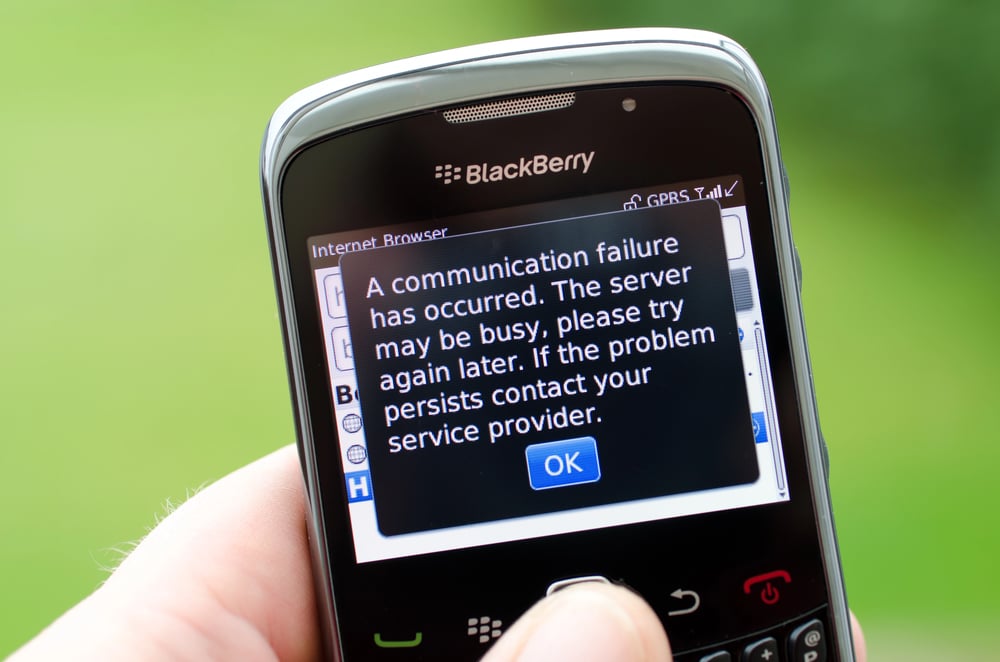
BlackBerry tried to compete with the iPhone’s sleek design by creating the Pearl, a phone that cramped two letters onto each key in a layout called SureType. The trackball in the middle was oddly satisfying to roll around, even when you weren’t trying to navigate anywhere.
Business professionals clung to their BlackBerrys because the keyboards were supposedly superior, but the Pearl’s hybrid approach pleased nobody. Touchscreens won, physical keyboards lost, and the Pearl rolled away into history like its little trackball.
Microsoft Kin

Microsoft launched the Kin phones in 2010, targeting teenagers and young adults who wanted social media integration above all else. The devices lasted exactly 48 days on the market before Microsoft pulled the plug, making them some of the shortest-lived gadgets in tech history.
Verizon sold maybe 500 units total, though exact numbers remain a mystery because everyone involved wants to forget this disaster happened. The Kin had a weird circular interface and limited apps, which turned out to be a terrible combination when competing against iPhones and Android devices.
Portable DVD player
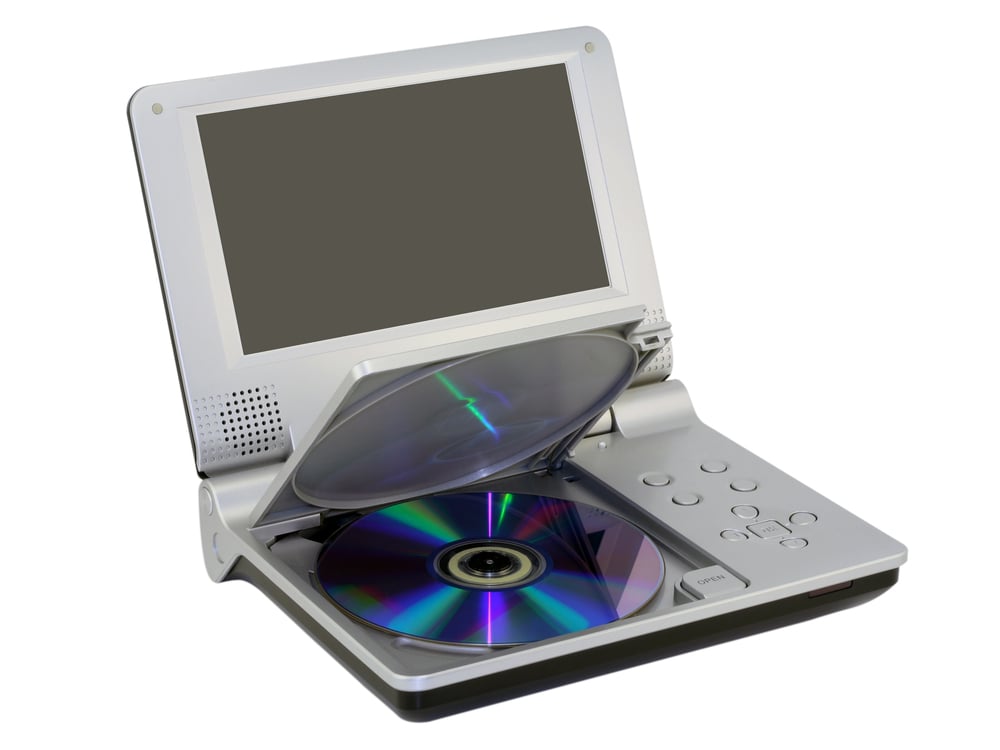
Watching movies during long car trips used to require a bulky portable DVD player that ate batteries like candy. Parents mounted these devices on headrests, creating mobile entertainment systems that seemed incredibly high-tech at the time.
The screens were small, the battery life was terrible, and you had to remember to bring actual DVDs, which always scratched at the worst possible moment. Tablets and smartphones with downloaded content made these clunky players obsolete, though you can still find them gathering dust in garage sales everywhere.
SanDisk Sansa

The Sansa line of MP3 players offered a budget-friendly alternative to the iPod, and they actually worked pretty well for people who didn’t care about status symbols. These devices came in various models with names that all sounded vaguely similar, making it hard to remember which one you owned.
The interface was functional but ugly, and transferring music felt like a chore compared to iTunes. Still, Sansa had a loyal following of people who refused to pay Apple prices, at least until streaming music eliminated the need for dedicated MP3 players altogether.
Nintendo DS Browser
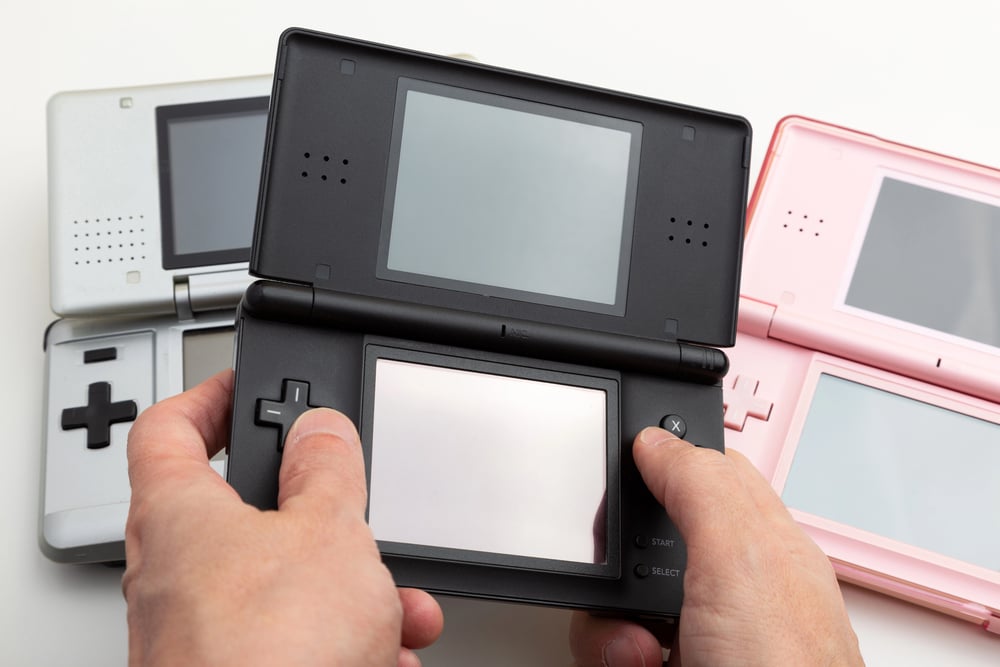
Nintendo sold a web browser cartridge for the DS that let people surf the internet on a device clearly not designed for that purpose. The dual screens seemed like they might offer some advantage, but mostly they just made websites look weird and stretched out.
Pages loaded slower than molasses, typing with the stylus was torture, and most sites weren’t optimized for the tiny resolution anyway. Owning the DS Browser cartridge was more about the novelty of saying you could browse the web on your gaming device than actually wanting to use it.
TomTom GPS

Dedicated GPS units from TomTom and Garmin used to be essential items that drivers mounted on their dashboards with suction cups that eventually stopped working. These devices came with outdated maps that cost a fortune to update, and they recalculated routes with an audible sigh when you missed a turn.
The voices were robotic and sometimes hilariously wrong, sending people down closed roads or into lakes. Smartphones with free navigation apps killed the standalone GPS market so thoroughly that seeing one still mounted in a car now feels like spotting a time traveler.
Sidekick phone
The T-Mobile Sidekick was the phone every teenager wanted in the mid-2000s, with its flip-up screen and full QWERTY keyboard. Celebrities loved them, which made regular people want them even more, despite the fact that they were chunky and awkward to carry.
The Sidekick had its own unique operating system and a trackball for navigation, plus unlimited data plans that seemed generous at the time. When a server failure in 2009 wiped out user data for thousands of customers, the Sidekick’s reputation never recovered, and smartphones swooped in to claim the throne.
Creative Zen

Creative Labs positioned their Zen MP3 players as the thinking person’s alternative to the iPod, packing in more features and better sound quality. The problem was that nobody really cared about all those extra features when the interface looked like it was designed by engineers who hated joy.
Transferring music involved software that crashed constantly, and the button layouts made no intuitive sense. Zen had its fans, but they were the type of people who enjoyed explaining why their choice was technically superior, even as everyone else happily used their iPods.
UMD movies

Sony decided that people needed to buy movies again in a new format specifically for the PlayStation Portable, creating Universal Media Discs that only worked on that one device. Studios actually released major films on these tiny discs, charging prices similar to full-sized DVDs for something you could only watch on a small handheld screen.
The discs couldn’t be played on anything else, they drained the PSP’s battery quickly, and the selection was limited to whatever Sony could convince studios to release. Unsurprisingly, digital downloads made the entire concept pointless before it ever really took off.
Netbook computers

Netbooks promised portable computing without the high price tag of real laptops, and for a brief period around 2008, they were everywhere. These tiny computers had cramped keyboards, weak processors, and screens so small that people developed eyestrain just checking their email.
They ran either a stripped-down version of Windows or Linux, and neither worked particularly well for anything beyond basic web browsing. The iPad and other tablets offered better portability with touchscreens, while ultrabooks provided actual computing power in thin packages, leaving netbooks with no real purpose.
iRiver player

Before everyone standardized on iPods, iRiver made MP3 players that appealed to audio purists who cared deeply about codec support and equalizer settings. These Korean-made devices could play every audio format imaginable, which sounded great until you realized most people only had MP3s anyway.
The interface was cluttered with options that intimidated casual users, and the design aesthetic seemed to prioritize function over form in ways that made the devices look industrial and uninviting. iRiver players were technically impressive but lacked the simplicity and style that made other portable music players must-have accessories.
iDog

The iDog was a robot dog speaker that danced and flashed lights in response to music played through it. This toy gadget connected to MP3 players and phones, bopping around with an enthusiasm that was either charming or deeply annoying depending on your tolerance for such things.
Kids thought they were cool for about a week before the novelty wore off completely. The iDog had different moods based on how much music you played, which meant some people felt guilty when their little robot puppy seemed sad and neglected.
Where all the gadgets went

These forgotten devices remind us that innovation often means creating things that fail spectacularly before finding what actually works. The tech landscape of the 2000s was cluttered with ambitious ideas that seemed brilliant until better solutions came along and made them irrelevant overnight.
Today’s smartphones absorbed the functions of dozens of these single-purpose gadgets, turning them into apps and features we barely think about. Looking back at these devices isn’t just nostalgia, it’s a reminder that the cutting-edge technology of today will probably seem just as quaint and outdated in another 20 years.
More from Go2Tutors!

- The Romanov Crown Jewels and Their Tragic Fate
- 13 Historical Mysteries That Science Still Can’t Solve
- Famous Hoaxes That Fooled the World for Years
- 15 Child Stars with Tragic Adult Lives
- 16 Famous Jewelry Pieces in History
Like Go2Tutors’s content? Follow us on MSN.