Spices That Were Used as Currency
Long before paper money and credit cards, people traded valuable items to get what they needed. Spices were among the most prized possessions in ancient and medieval times, worth more than gold in some places.
These fragrant powders and seeds could preserve food, cure illnesses, and make terrible-tasting meals edible, which made them incredibly valuable. Here are the spices that people once used just like cash.
Black pepper
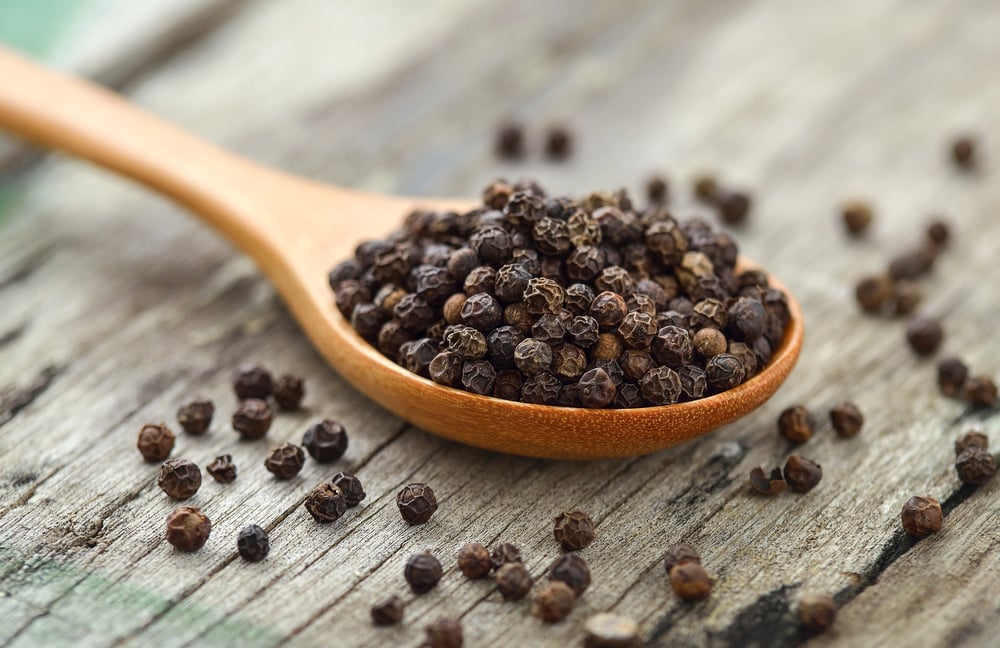
Black pepper was so valuable in ancient Rome that people called it ‘black gold’ and used it to pay rent, taxes, and dowries. A pound of pepper could buy a person’s freedom from slavery or settle serious debts.
The spice came from India’s Malabar Coast, and the long, dangerous journey to get it made pepper worth its weight in precious metals. Roman soldiers received part of their wages in peppercorns, which they could trade for other goods or save like money in a bank.
When Alaric the Visigoth demanded ransom to spare Rome in 408 AD, he asked for 3,000 pounds of pepper along with gold and silver.
Cinnamon
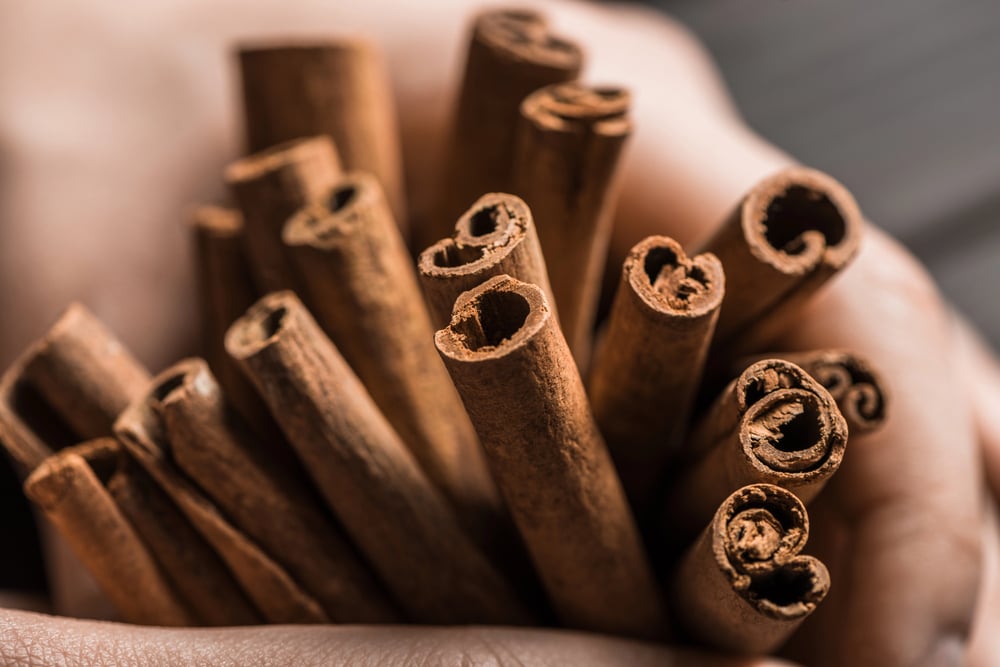
Cinnamon sticks were so expensive in medieval Europe that only kings and the extremely wealthy could afford them. Arab traders controlled the cinnamon supply and kept its source a secret for centuries, making up wild stories about giant birds and dangerous valleys to protect their monopoly.
A few pounds of cinnamon could buy a house in some European cities during the Middle Ages. The spice came from Sri Lanka and Indonesia, but European buyers had no idea where it originated until Portuguese explorers found the source in the 1500s.
Merchants sometimes accepted cinnamon as payment for debts because it held its value better than coins.
Saffron
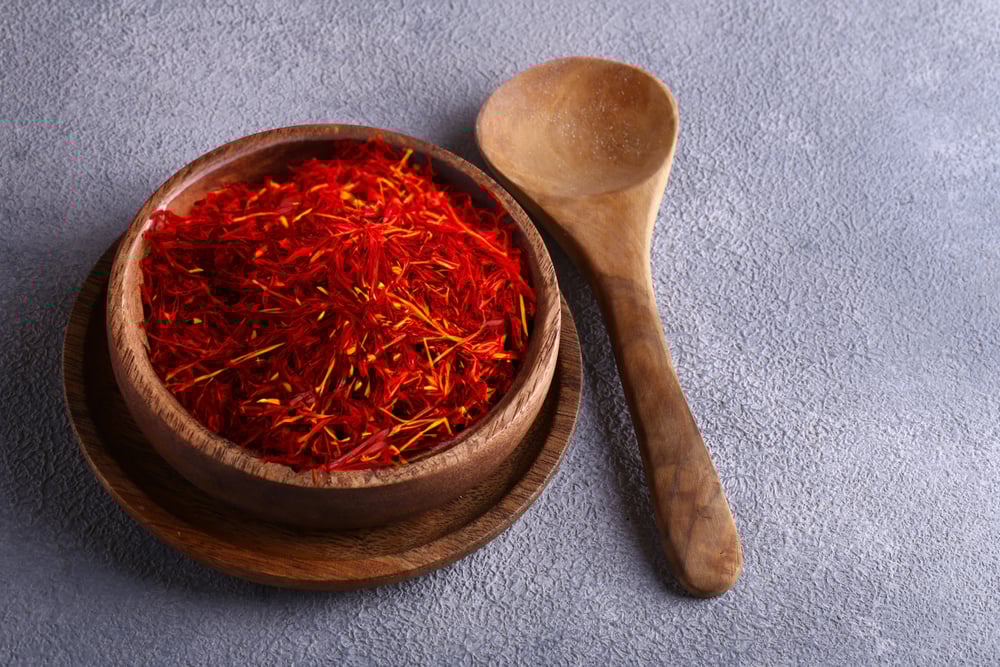
Saffron has been the world’s most expensive spice for thousands of years because it takes 75,000 flowers to make just one pound. Ancient Persians, Greeks, and Romans used saffron threads as currency in major business deals.
The spice was worth more than gold by weight and required so much labor to harvest that only the richest people could afford it regularly. Cleopatra supposedly bathed in saffron-infused water, which would have cost a fortune even for a queen.
Merchants traveling the Silk Road carried saffron as a reliable form of payment that everyone accepted.
Cloves
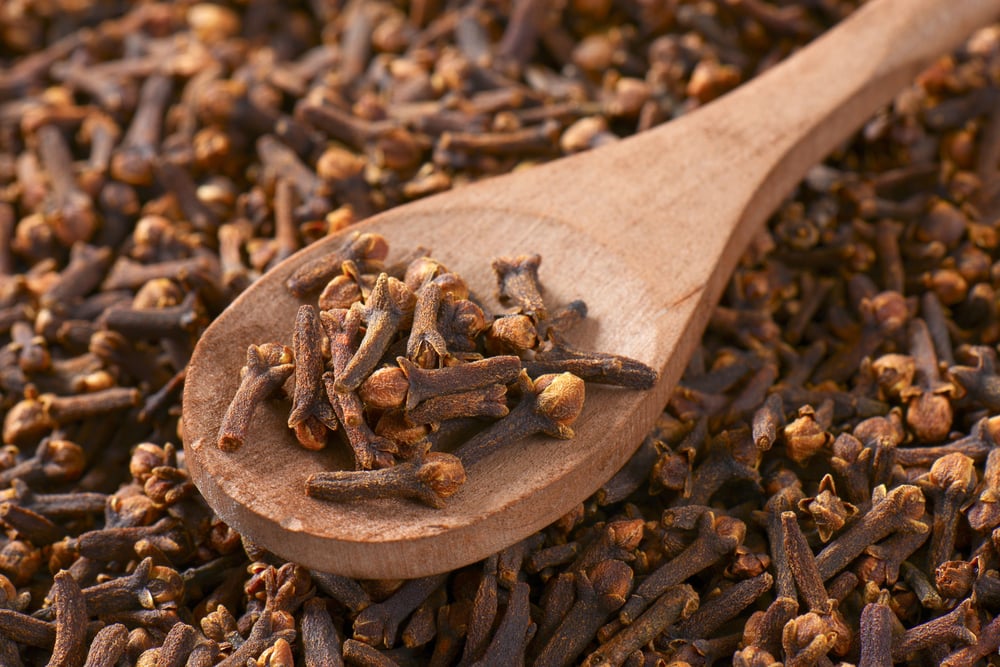
Cloves from the Maluku Islands in Indonesia were so rare and valuable that European powers fought wars to control the tiny islands where they grew. The Dutch East India Company paid Indonesian farmers in other goods rather than money, then turned around and sold the cloves in Europe for enormous profits.
A single pound of cloves in 15th century Europe cost more than what a laborer earned in a year. The spice worked as both medicine and food flavoring, which made it doubly valuable.
Pirates specifically targeted ships carrying cloves because the small, lightweight cargo was worth more than chests of silver.
Nutmeg

Nutmeg was so valuable in medieval Europe that a handful could set someone up for life financially. The spice only grew on a few small islands in Indonesia, and Arab traders kept the source location secret to maintain control of the market.
Dutch colonizers eventually took over the nutmeg islands and enforced their monopoly so strictly that they burned excess nutmeg to keep prices high. A single nutmeg seed in 17th century London could be exchanged for several sheep or a cow.
Wealthy people carried personal nutmeg graters made of silver or gold, showing off their ability to afford the precious spice.
Cardamom

Cardamom pods served as currency in ancient Indian kingdoms and along Middle Eastern trade routes for thousands of years. The spice grew wild in the forests of southern India and required careful hand-harvesting, making it expensive and labor-intensive to produce.
Vikings brought cardamom back from Constantinople and used it as payment in Scandinavian trade deals. A merchant could settle a significant debt with a bag of cardamom pods that weighed less than a loaf of bread.
The green pods kept their value for years if stored properly, making them more stable than many metal coins that could be clipped or debased.
Ginger
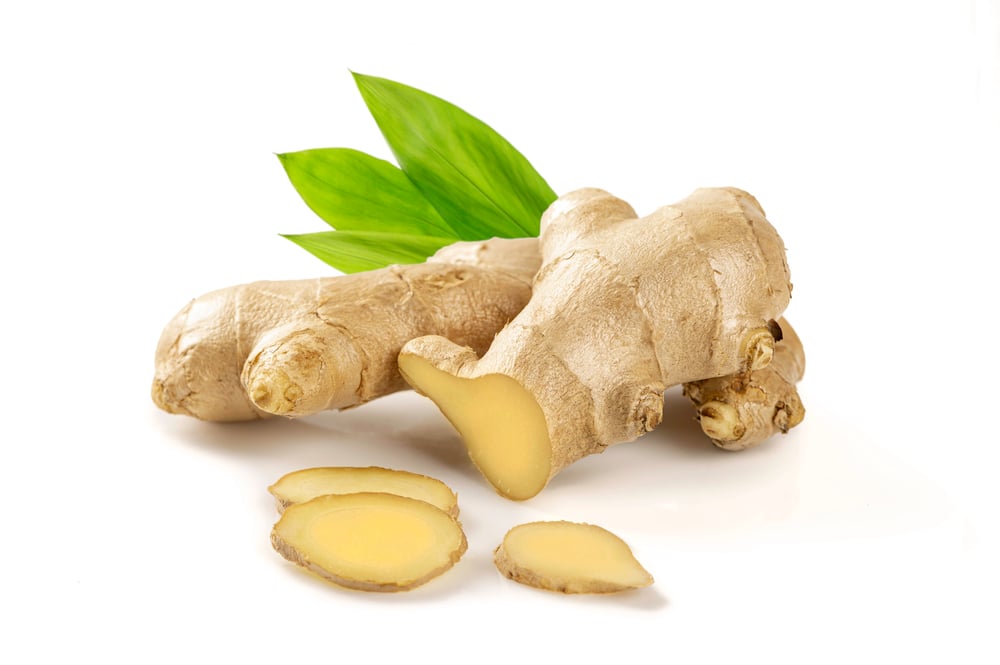
Fresh ginger root became a form of payment in ancient China, where officials sometimes collected taxes in ginger instead of grain or silk. The spice traveled well, lasted a long time without spoiling, and had medicinal properties that made it universally desired.
Roman merchants bought ginger from Arab traders at prices that would seem insane by today’s standards. A pound of ginger in medieval England cost the same as a sheep, making it a luxury item that only nobles could regularly enjoy.
Chinese emperors kept massive stockpiles of dried ginger that functioned like a national reserve of valuable currency.
Turmeric

Turmeric served as money in parts of India and Southeast Asia, where people used it for cooking, medicine, and religious ceremonies. The bright yellow powder could settle debts, pay for services, or be traded for other valuable goods.
Hindu and Buddhist temples accepted turmeric as donations because they could easily convert it to cash by selling it to spice merchants. The root had to be carefully harvested, dried, and ground, which made quality turmeric a labor-intensive product.
Farmers sometimes paid their workers in turmeric instead of coins, knowing the spice would hold its value.
Cumin

Ancient Egyptians placed cumin seeds in the tombs of pharaohs because the spice was considered more valuable than gold in the afterlife. The seeds worked as currency in Mediterranean trade because everyone wanted them for cooking and medicine.
Roman soldiers carried cumin rations that they could trade with local populations during military campaigns. Medieval European nobles paid portions of their taxes to the church in cumin, which monasteries then sold or used in their own cooking.
The spice was light enough to transport easily but expensive enough to make even small amounts valuable.
Mace
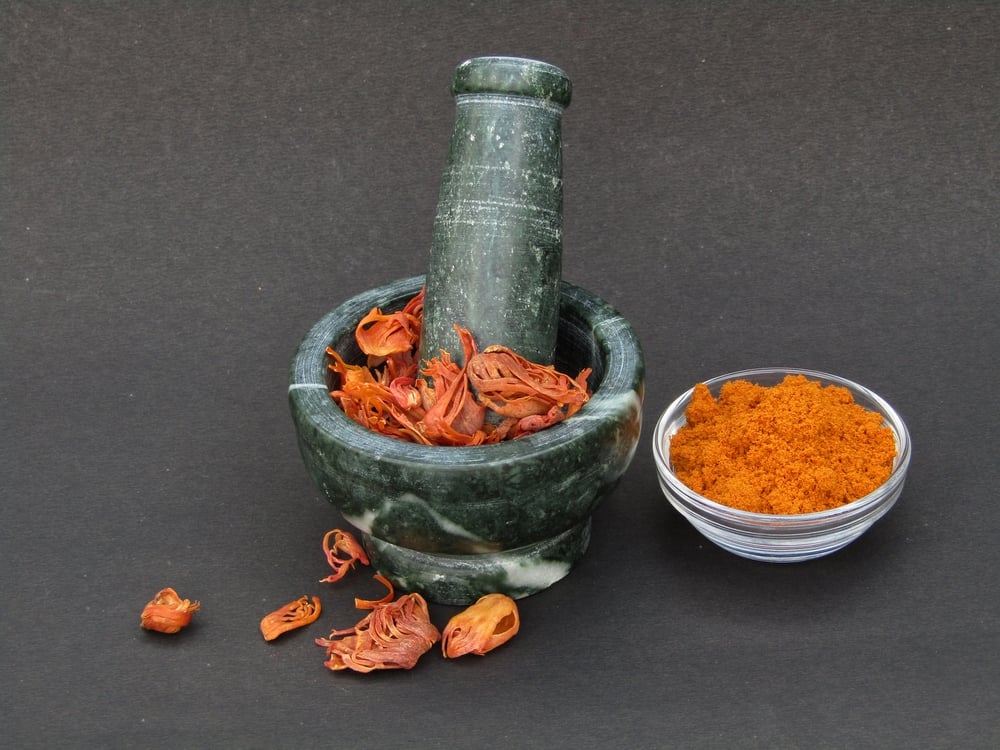
Mace comes from the same tree as nutmeg but from a different part of the fruit, and it was even more expensive than its sister spice. Dutch traders in the 1600s accepted mace as payment from Indonesian farmers and then marked up the price by over 1,000 percent in Europe.
The red webbing around the nutmeg seed had to be carefully removed and dried, making mace extremely labor-intensive to produce. A small pouch of mace could pay a sailor’s wages for months on a trading ship.
The British and Dutch nearly went to war multiple times over control of the islands where mace trees grew.
Star anise

Chinese merchants used star anise as a form of currency along the Silk Road, where its distinctive flavor made it instantly recognizable and hard to fake. The spice came from evergreen trees in southern China and northern Vietnam, and it took years for the trees to mature enough to produce.
Traders could exchange star anise for silk, tea, or other valuable goods at established rates. The dried pods kept their potency for years, making them more reliable than perishable goods as a medium of exchange.
European apothecaries paid premium prices for star anise because they believed it could cure various diseases.
Long pepper

Long pepper was actually more popular and expensive than black pepper in ancient Rome and Greece. The spice came from India and Indonesia, and its complex flavor made it a status symbol among wealthy Romans.
People used long pepper to pay rent, settle legal judgments, and complete business transactions. When Alaric demanded ransom for Rome, he asked for long pepper along with black pepper.
The spice eventually fell out of favor when chili peppers arrived from the Americas, causing long pepper’s value as currency to collapse.
Cubeb pepper
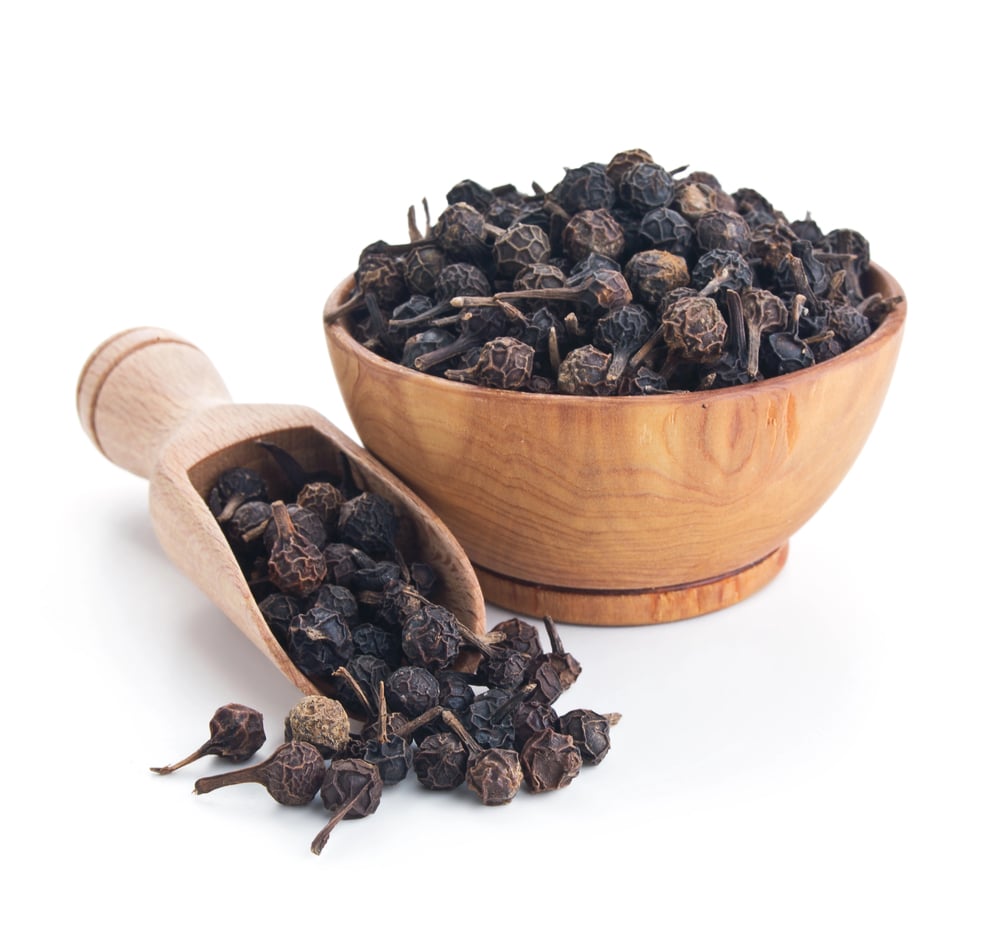
Cubeb pepper was so valuable in medieval Arab kingdoms that merchants used it like small change in the spice markets. The tailed peppercorns came from Java and had a unique flavor that made them unmistakable and difficult to counterfeit.
Islamic physicians prescribed cubeb for various ailments, which increased demand and kept prices high. Traders traveling between Asia and Europe carried cubebs as a compact, valuable form of portable wealth.
The spice lost its currency status when European colonizers found direct sea routes to the spice islands and flooded the market.
Galangal
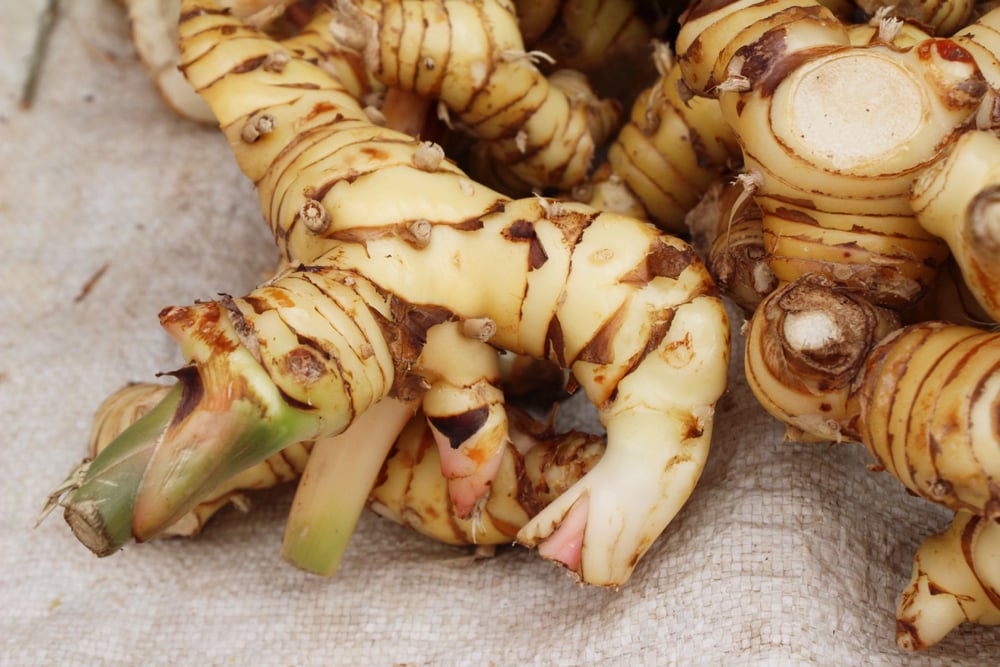
Galangal root functioned as money in parts of Thailand, Malaysia, and Indonesia, where people used it in cooking and traditional medicine. The rhizome traveled well, stored easily, and maintained its value over long periods.
Chinese merchants accepted galangal as payment for silk, porcelain, and other goods. The spice had to be at least three years old to develop full flavor, which meant quality galangal took time and patience to produce.
Medieval Arab traders carried galangal across the Indian Ocean and sold it in Middle Eastern markets where it commanded high prices.
Grains of paradise

A shift happened in medieval Europe once black pepper grew costly – grains of paradise stepped in. These tiny seeds, pulled from a relative of ginger, brought heat similar to pepper.
Along West Africa’s shore, Portuguese traders built outposts just to control access. Light and dense they were easy to carry yet worth much; a modest sack held weight like gold.
Brewers across Europe mixed them into beers and honey-based drinks, keeping need alive through routine use.
Cassia bark
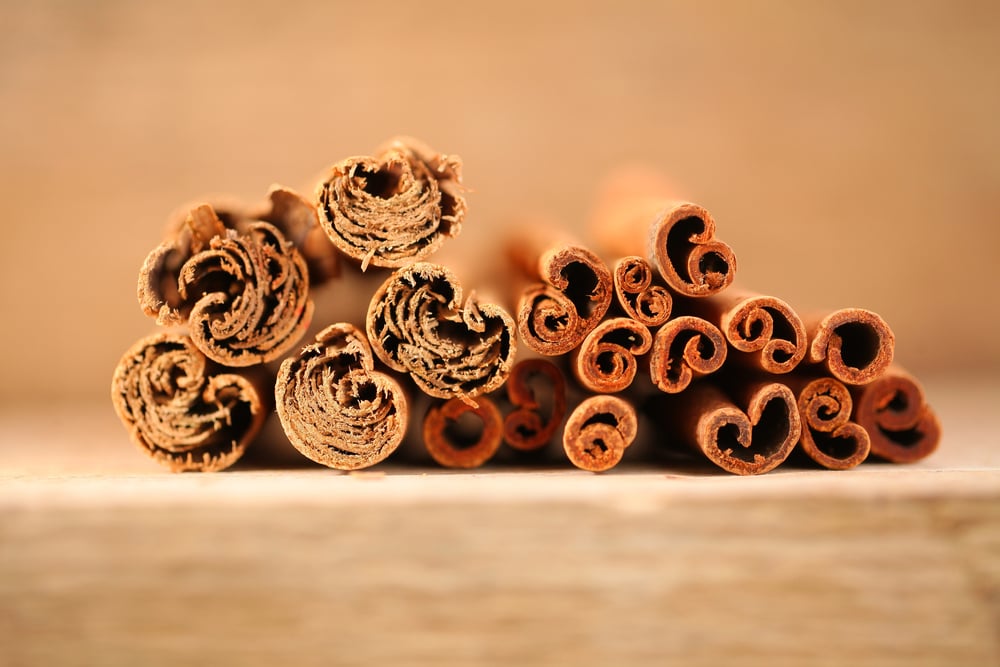
Back when money looked different, people in old China traded cassia bark like coins. This plant, kin to cinnamon, grew in southern forests and tasted sharper, a bit more bitter.
Rulers kept large stores hidden away in royal rooms – not just for cooking but as backup wealth if hard times hit. Caravans carried it across deserts and mountains, westward and eastward on the Silk Road trails.
From city markets in far-off Damascus to busy streets in Chang’an, sellers took it without question. Europeans rarely noticed how it differed from the real cinnamon kind.
Whichever was easier to find or cheaper to buy – that is what moved through hands most often.
When spices lost their value as money

Spices lost their power when Europe found sea paths straight to Asia. Ships from Portugal, Spain, and Holland poured in loads of pepper, cinnamon, cloves – goods once controlled only by Arab traders.
With supply soaring, prices dropped so low they stopped being used like cash. Then came the New World, bringing fiery chilies, smooth vanilla, flavors that shifted tastes away from medieval blends.
Ordinary families by the 1700s kept jars of what earlier generations guarded like gold. Walk down an aisle now, hand over small change for saffron or nutmeg – things that centuries ago might have bought a farm.
Trade remade worth itself, one boat at a time.
More from Go2Tutors!

- The Romanov Crown Jewels and Their Tragic Fate
- 13 Historical Mysteries That Science Still Can’t Solve
- Famous Hoaxes That Fooled the World for Years
- 15 Child Stars with Tragic Adult Lives
- 16 Famous Jewelry Pieces in History
Like Go2Tutors’s content? Follow us on MSN.