15 Greatest Magicians of All Time and Their Most Legendary Tricks
Strange wonder lives where showmanship meets secrecy. Not only stagecraft shapes magic, yet also how minds perceive deception.
Through time some artists lifted sleight into expression, crafting moments people recall even when lights return. What sticks isn’t merely motion of hands, instead belief planted in onlookers’ thoughts.
Behind every lasting act rests invisible design – simple actions made unforgettable by suggestion. Out of thin air, some tricks changed everything people thought magic could do.
Long after curtains closed, folks still whispered about those legendary stunts. A few names stand out when magic comes to mind, along with moves that stuck around long after they were first seen.
Harry Houdini
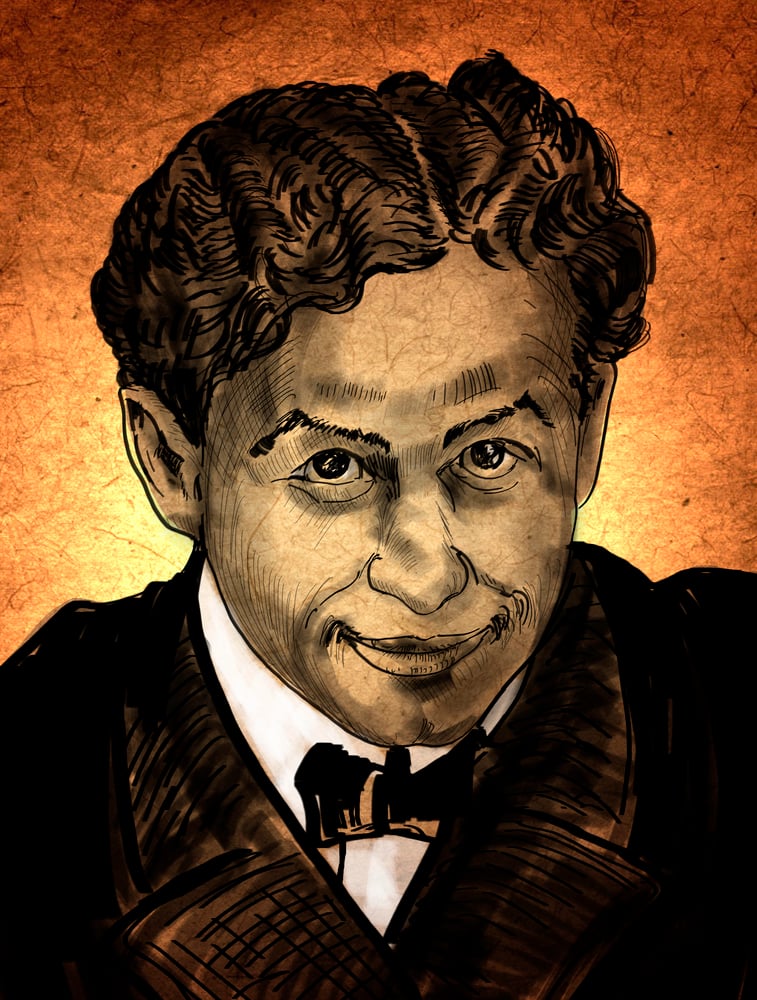
The name Harry Houdini is almost synonymous with escape artistry. His most legendary feats involved breaking free from handcuffs, locked containers, and even underwater restraints.
He built his reputation on testing physical limits while maintaining complete control over the outcome. One of his most famous acts, the ‘Chinese Water Torture Cell,’ placed him upside down in a locked tank filled with water.
The tension came not just from the escape itself, but from the visible risk and time pressure. Houdini’s genius was turning danger into spectacle while maintaining absolute precision behind the scenes.
David Copperfield

David Copperfield brought large-scale illusions to global audiences, transforming magic into a cinematic experience. His performances often combined storytelling with technical mastery, creating moments that felt larger than life.
His most iconic illusion involved making the Statue of Liberty appear to vanish. The trick relied on careful staging, lighting, and audience perception rather than literal disappearance.
It demonstrated how controlling perspective can reshape reality, even on a monumental scale.
Harry Blackstone Sr.

Harry Blackstone Sr. was known for theatrical illusions that blended storytelling with visual simplicity. His performances focused on elegance rather than excess, proving that impact doesn’t always require complexity.
One of his most famous tricks involved a light bulb floating freely in midair. The illusion felt almost poetic in its simplicity, showing how subtle movement and timing could create a lasting sense of wonder.
David Blaine
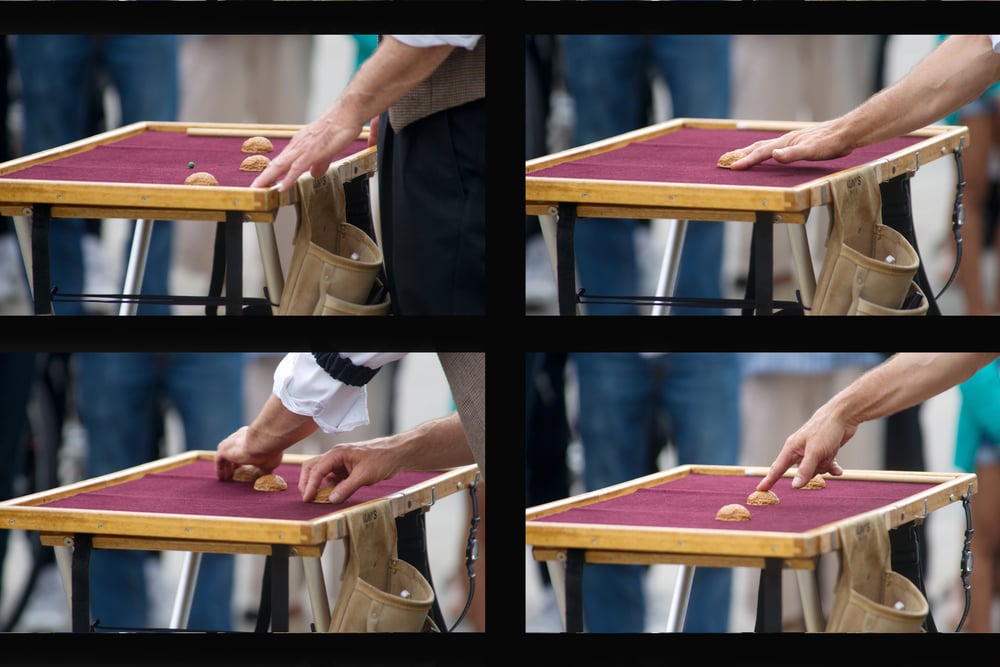
David Blaine shifted magic into a more intimate, street-level experience. Instead of grand stages, he brought illusions directly to people, often capturing their reactions in real time.
One of his most talked-about feats involved being encased in ice for over two days. While not a traditional trick, it blurred the line between illusion and endurance, forcing audiences to reconsider what counts as ‘magic’ in a modern context.
Criss Angel
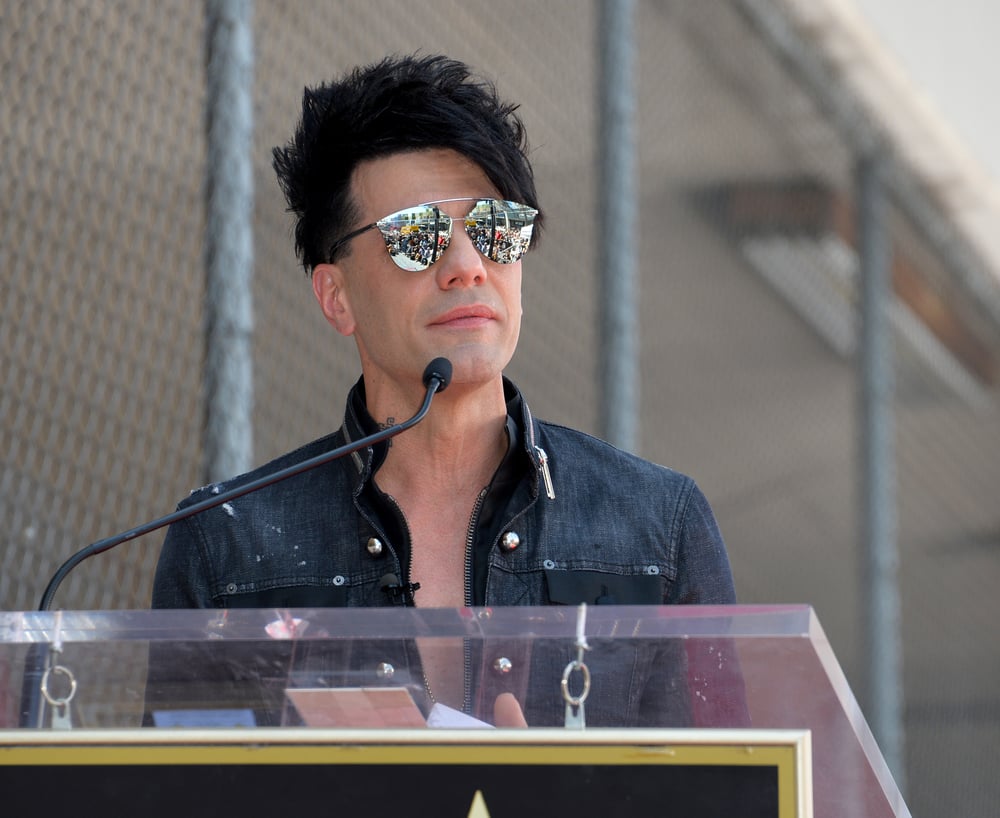
Criss Angel is known for combining magic with modern production techniques, creating illusions that feel almost cinematic. His style leans heavily into visual impact and spectacle.
A widely remembered illusion involved walking across the surface of a pool in full view of onlookers. The setting made the act feel spontaneous, even though it required careful planning and execution behind the scenes.
Dynamo

Dynamo brought magic into everyday environments, performing in streets, shops, and public spaces. His approachable style made complex illusions feel personal and immediate.
One of his most memorable moments involved levitating several feet above the ground while surrounded by spectators. The lack of a stage or visible setup made the illusion feel unusually convincing.
Penn & Teller
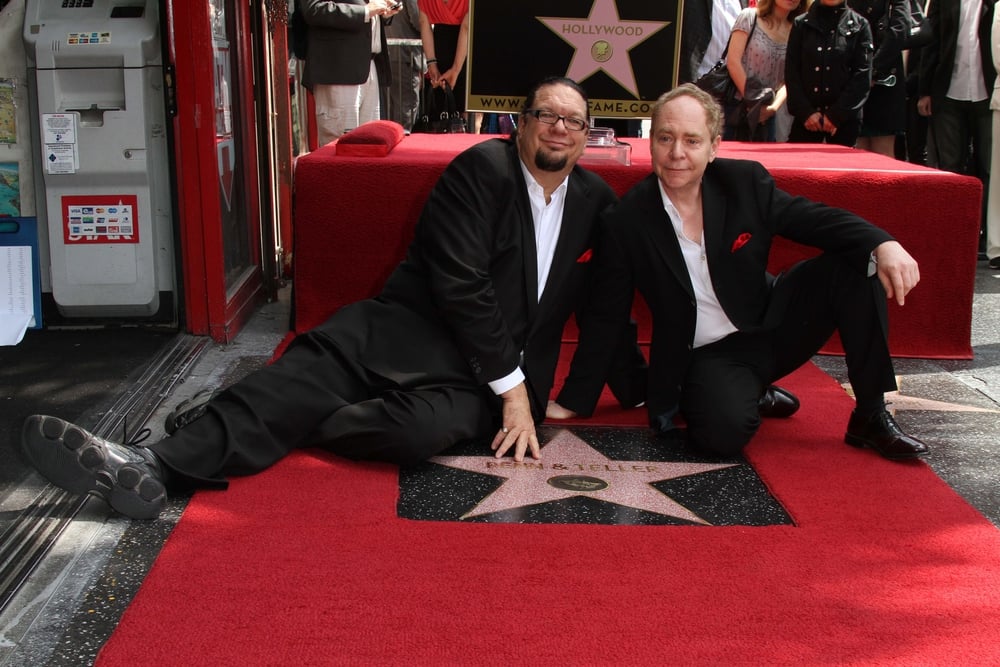
The duo Penn & Teller built their reputation on both performing and deconstructing magic. Their approach often involves revealing parts of a trick while still preserving its impact.
Their version of the bullet catch illusion stands out as both a performance and a commentary on the history of magic. By blending transparency with misdirection, they challenge audiences to question what they’re seeing.
Siegfried & Roy

Siegfried & Roy became known for combining illusion with live animals, particularly large cats. Their shows were built around scale, precision, and a sense of unpredictability.
Their signature acts involved making animals appear and disappear seamlessly on stage. The presence of live animals added an element of risk that made each performance feel unique.
Jean Eugène Robert-Houdin

Often considered the father of modern magic, Jean Eugène Robert-Houdin transformed illusion from street entertainment into a refined theatrical experience.
One of his most notable demonstrations involved mechanical figures that appeared to think and act independently. His work introduced the idea that magic could be intellectual as well as visual, influencing generations of performers.
The Great Lafayette

The Great Lafayette was known for elaborate stage productions that pushed the boundaries of performance. His shows often involved multiple layers of illusion happening simultaneously.
A standout act involved his apparent disappearance and reappearance under unexpected conditions. The complexity of his performances made them difficult to fully understand, even for experienced audiences.
Derren Brown
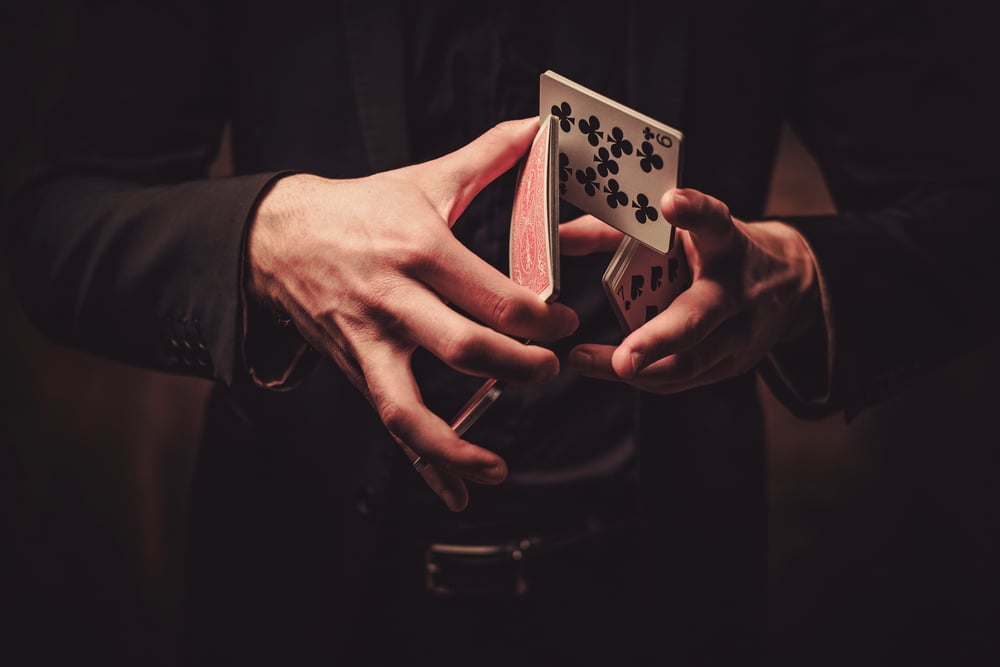
Derren Brown focuses on psychological illusion rather than physical tricks. His work explores how suggestion, perception, and expectation can shape reality.
One of his most famous feats involved predicting decisions that appeared random. His performances highlight how easily the human mind can be guided, often without awareness.
Chung Ling Soo

Chung Ling Soo built his career around a carefully crafted persona that added depth and intrigue to his performances. His style emphasized precision and control.
He became closely associated with the bullet catch illusion, a trick that has long been considered one of the most dangerous in magic. Its history reflects both the ambition and risks involved in pushing the craft forward.
Lance Burton
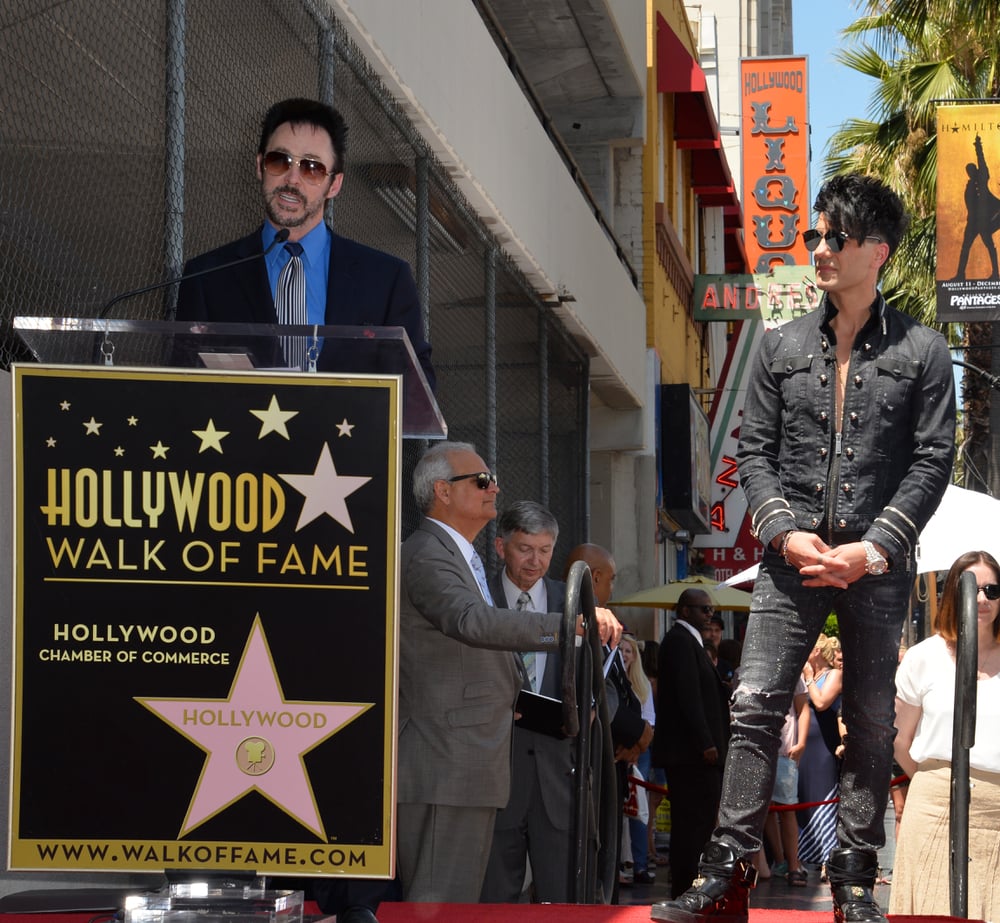
Lance Burton is known for classic stage magic performed with clarity and elegance. His style focuses on technique, timing, and presentation rather than spectacle alone.
A memorable illusion involved producing a dove from empty hands, a simple yet powerful demonstration of control. His work shows how traditional magic can remain compelling when executed flawlessly.
Shin Lim
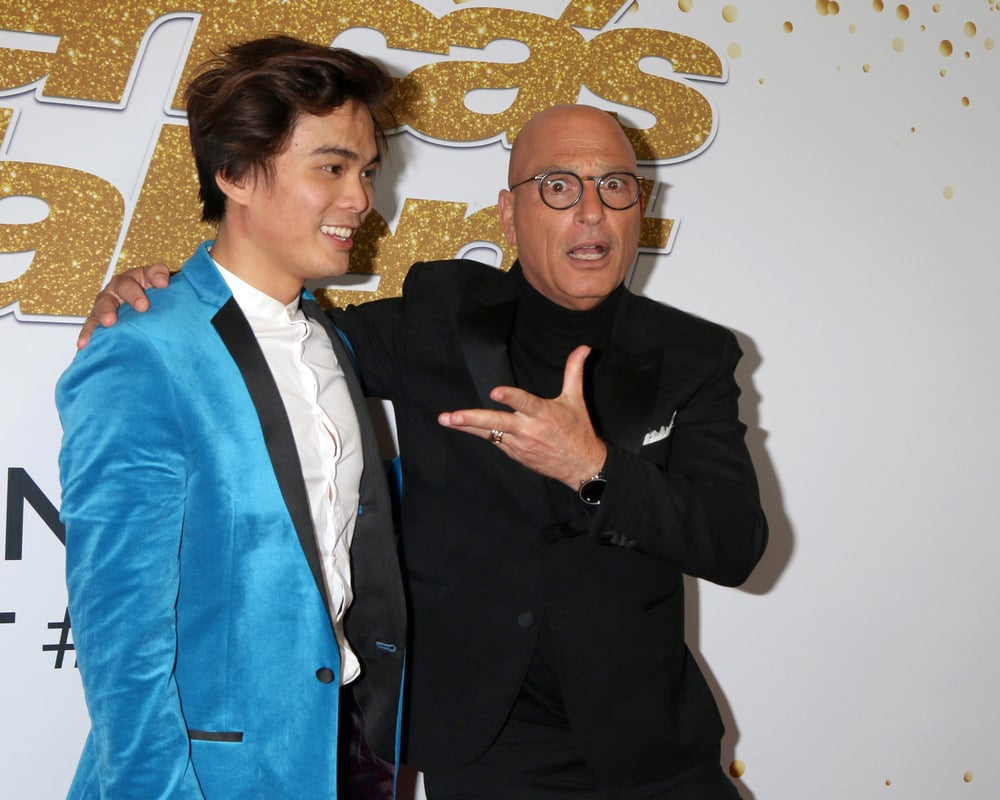
Shin Lim specializes in close-up card magic, creating routines that feel almost fluid in their execution. His performances rely on precision and visual storytelling.
One of his most recognized acts involves cards transforming continuously in his hands. The seamless transitions create a sense of impossibility, even under close observation.
Ricky Jay

Ricky Jay was known for his deep knowledge of magic history and extraordinary sleight of hand. His performances often combined storytelling with technical mastery.
He became famous for feats such as throwing playing cards with remarkable speed and accuracy. His work emphasized skill and discipline, reminding audiences that magic is as much craft as it is illusion.
Why the Illusion Still Works

Wonder lives on, not because of the illusions but through the shift in how people feel it. One by one, each magician brought something different – a fresh angle, an unseen method, or simply a bolder question.
Change stacked quietly at first, then grew into motion, layer after layer. What emerged was never fixed, always moving, shaped by those who dared to twist the familiar.
Right now, while screens flash and gadgets hum, magic still leans on old tricks – what you notice, when it happens, how your mind fills gaps. Gadgets shift over time, yet what people feel stays oddly steady.
One reason old magic feats stick around? They don’t just shock – they unsettle what feels solid. For a heartbeat, belief wobbles.
That tiny crack in sureness, fragile as it is, pulls audiences in, again and again across time.
More from Go2Tutors!

- The Romanov Crown Jewels and Their Tragic Fate
- 13 Historical Mysteries That Science Still Can’t Solve
- Famous Hoaxes That Fooled the World for Years
- 15 Child Stars with Tragic Adult Lives
- 16 Famous Jewelry Pieces in History
Like Go2Tutors’s content? Follow us on MSN.