Everyday Symbols with Names You Didn’t Know
Have you ever observed how many tiny symbols you encounter on a daily basis that you would be unable to recognize if someone asked? It is nearly impossible to notice the visual language that is all around you. From the moment you wake up and check your phone until you lock your front door at night, these tiny graphic assistants are working in the background.
Think about it: you probably look at, click, and tap dozens of symbols without giving them much thought. The problem is that they all have real names and often have interesting backstories.
You might be surprised to learn the correct names for these 10 common symbols.
Ampersand (&)
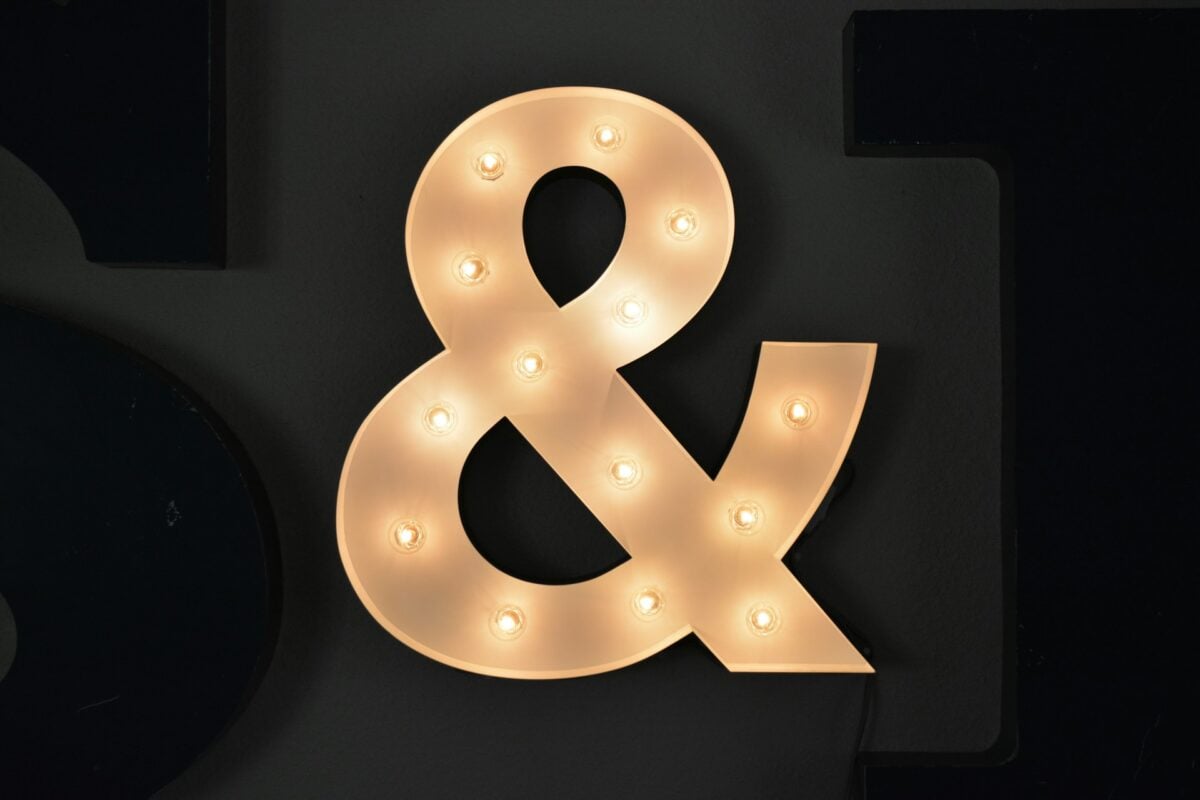
That curvy symbol connecting words has been making life easier for centuries. The ampersand started as a combination of the Latin letters ‘e’ and ‘t’ (meaning ‘and’), and schoolchildren used to recite it as the 27th letter of the alphabet.
When they’d reach the end, they’d say ‘and per se and,’ which eventually morphed into ‘ampersand.’ Pretty clever how language evolves, right?
Octothorpe (#)
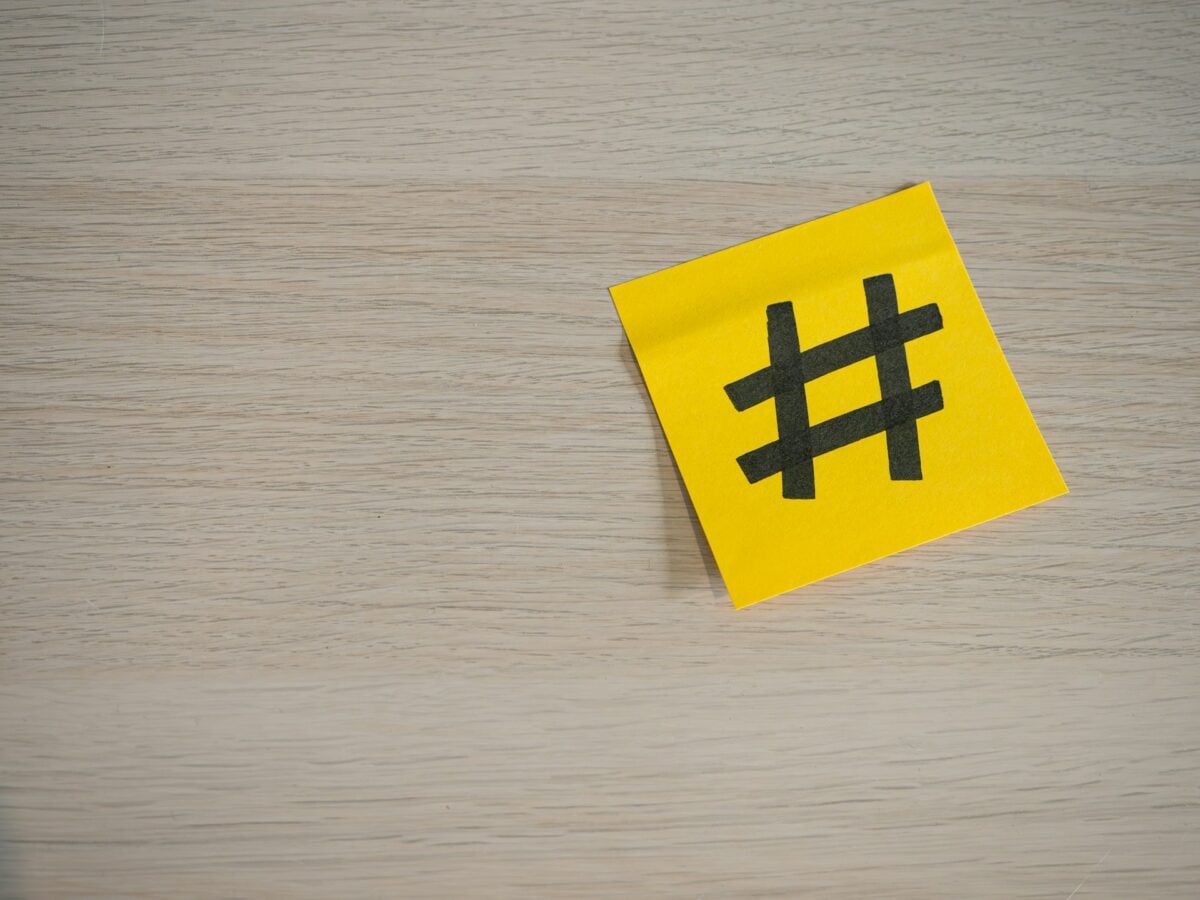
You probably call it a hashtag or pound sign, but its official name sounds like something from a fantasy novel. Bell Labs engineer Don MacPherson coined ‘octothorpe’ in the 1960s—’octo’ for the eight points and ‘thorpe’ possibly honoring athlete Jim Thorpe.
Whether you’re dialing an extension or tagging a photo, you’re using an octothorpe.
Like Go2Tutors’s content? Follow us on MSN.
Interrobang (‽)
This ambitious little symbol tried to solve a real problem: what do you do when you want to express both surprise and a question at the same time. Created in 1962 by advertising executive Martin Spekter, the interrobang combines a question mark and exclamation point.
Unfortunately, most keyboards never adopted it, but wouldn’t it be perfect for those ‘You did what?’ moments?
Pilcrow (¶)
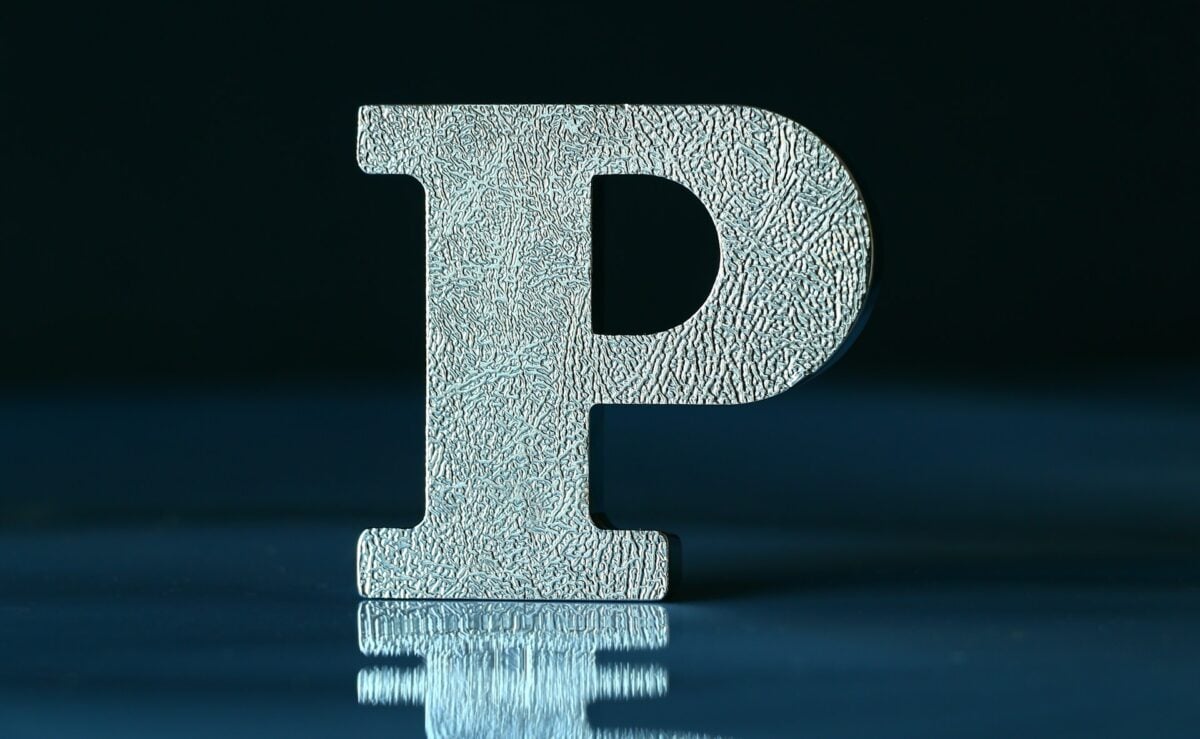
Ever notice that backwards ‘P’ symbol in your word processor that shows paragraph breaks? That’s a pilcrow, and it’s been helping organize text since medieval scribes needed a way to mark new thoughts. Modern word processors hide these formatting marks by default, but they’re still there, quietly structuring every document you create.
Asterisk (*)
Sure, you know what this star-shaped symbol does, but did you know its name comes from the Greek word for ‘little star’? Ancient scholars used asterisks to mark important passages in manuscripts. Today, whether you’re multiplying numbers or adding a footnote, you’re continuing a tradition that’s thousands of years old.
Like Go2Tutors’s content? Follow us on MSN.
Tilde (~)
That squiggly line above the ‘n’ in Spanish words like ‘niño’ has a name that’s as wavy as its appearance. ‘Tilde’ comes from Spanish, meaning ‘little title.’
In math and computing, it’s taken on new meanings—representing approximation, home directories, or bitwise operations. One little squiggle, so many jobs.
Caret (^)
Writers and editors have been using this upward-pointing symbol to show where text should be inserted for centuries. The name comes from Latin ‘caret,’ meaning ‘it lacks.’
When you see a caret in a document, it’s literally pointing out what’s missing. Pretty straightforward once you think about it.
Virgule (/)

Most people call it a slash or forward slash, but grammarians know it as a virgule. This diagonal line has been separating alternatives, creating fractions, and organizing file paths for decades.
Whether you’re writing ‘and/or’ or navigating to a website, you’re putting a virgule to work.
Like Go2Tutors’s content? Follow us on MSN.
Pipe (|)
That vertical line on your keyboard might look simple, but it’s incredibly useful in computing. Called a ‘pipe’ because it channels information from one command to another, this symbol is essential for programming and system operations.
You’ll also see it used as a separator or divider in text, quietly organizing information without calling attention to itself.
Diaeresis (¨)
Those two dots that occasionally appear over vowels in words like ‘naïve’ or ‘coöperate’ aren’t just decorative. The diaeresis tells you to pronounce each vowel separately rather than as a combined sound.
While many publications have dropped them, The New Yorker famously still uses them to maintain pronunciation clarity.
Your Daily Symbol Safari
Now that you know these names, you might notice symbols in a different way. Every keyboard, street sign, and app interface is a bit more interesting when you know the background and meaning of each mark.
These are tools that people have developed over centuries to increase the efficacy and clarity of communication, not just random shapes and squiggles. The next time you read a document or type an email, think about the symphony of symbols at work.
Most people never give much thought to the intricate visual language that underpins your daily life. The way these tiny symbols aid in organizing our complex world is truly remarkable, don’t you think?
More from Go2Tutors!

- 16 Historical Figures Who Were Nothing Like You Think
- 12 Things Sold in the 80s That Are Now Illegal
- 15 VHS Tapes That Could Be Worth Thousands
- 17 Historical “What Ifs” That Would Have Changed Everything
- 18 TV Shows That Vanished Without a Finale
Like Go2Tutors’s content? Follow us on MSN.



