Facts About Construction Of the Longest Bridges
Some bridges stretch so far they seem to bend the horizon — steel and concrete lines that fade into the distance.
They’re built through heat, wind, and sheer will, connecting places once separated by geography or time.
Here’s a list of the longest bridges in the world — monuments to engineering that push the limits of endurance, design, and imagination.
Danyang–Kunshan Grand Bridge
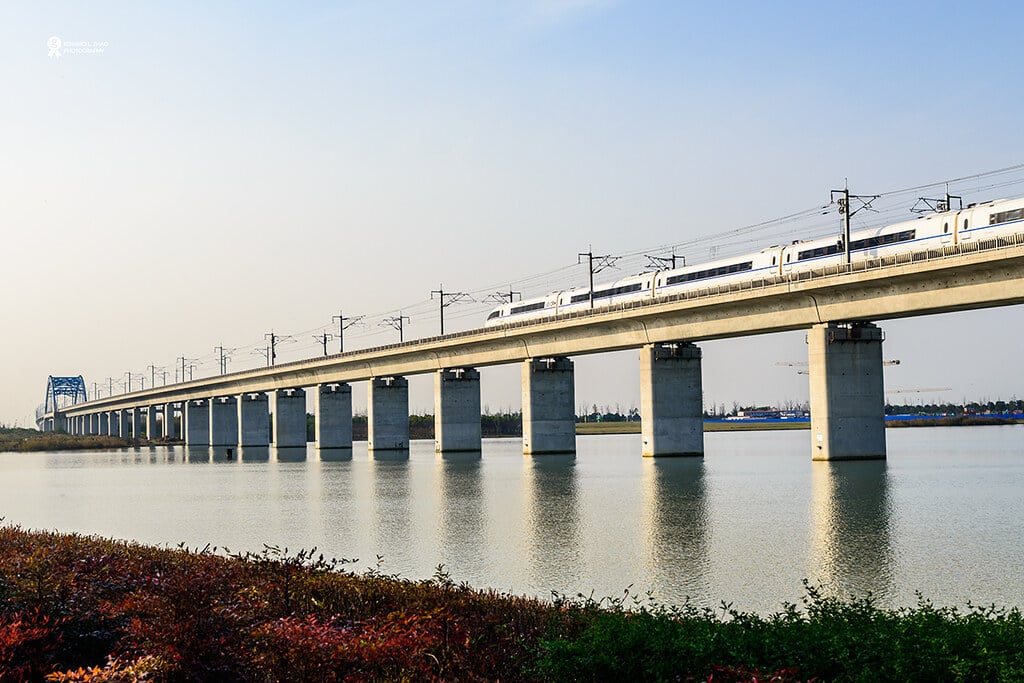
Running more than 100 miles through China’s Jiangsu province, this immense viaduct still holds the record for the world’s longest bridge.
It passes over rice fields, canals, and entire towns, looking almost endless from above.
Construction lasted around four years — remarkably fast given the thousands of workers and the logistics involved.
It’s built to survive typhoons, earthquakes, and ship impacts.
Nothing about it was left to chance — not even the wind resistance of its cables.
Lake Pontchartrain Causeway
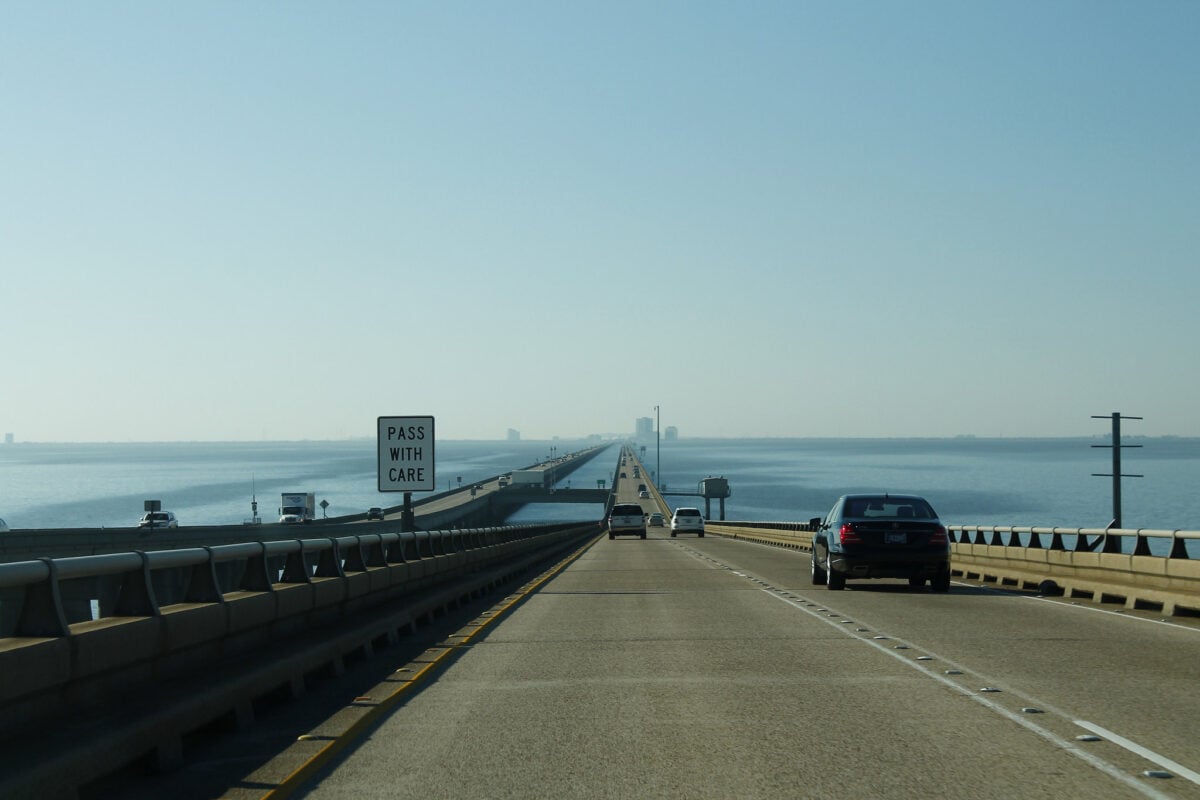
Halfway across this Louisiana bridge, there’s no land in sight.
Only water — still and endless.
Stretching nearly 24 miles, the twin spans cross Lake Pontchartrain, supported by more than 9,000 concrete piles.
Crews often battle fog thick enough to erase the horizon, and storms that rise out of nowhere.
Yet the Causeway stands firm, its rhythm of pillars disappearing into the mist like a mirage of order above chaos.
Bang Na Expressway
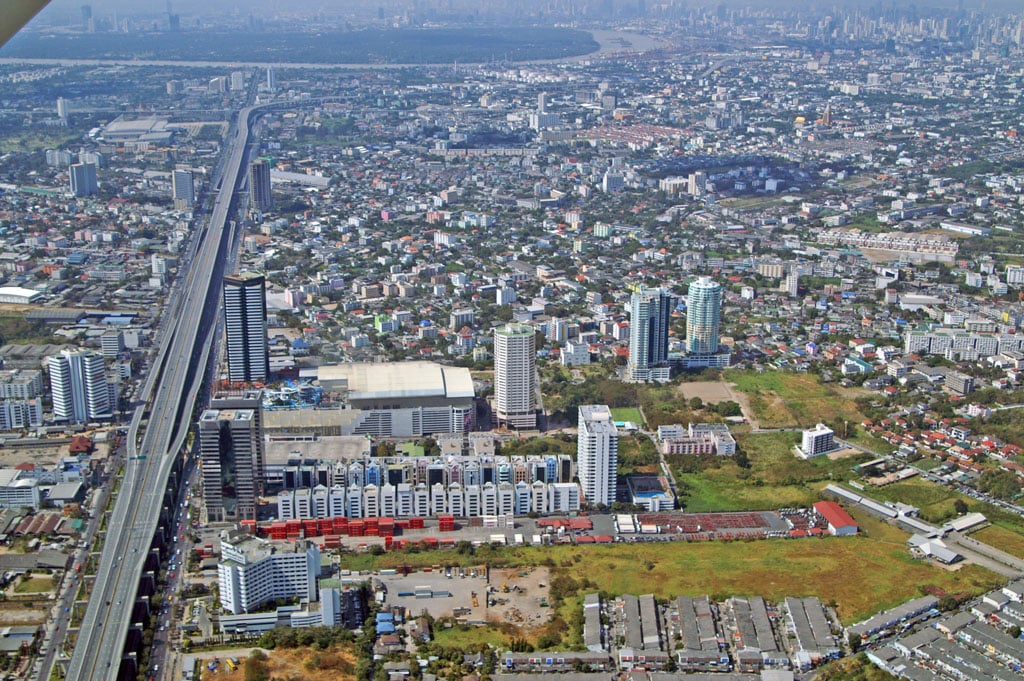
This six-lane elevated highway in Thailand extends almost 34 miles — yet it doesn’t cross a single river.
Instead, it soars over another highway, carrying traffic high above Bangkok’s famously gridlocked streets.
Over a million cubic metres of concrete were poured during its construction.
The process ran like a factory line — segments lifted and locked into place day after day.
Beneath it, the city pulsed with noise and colour, but up top, the road stretched on in calm precision.
Hong Kong–Zhuhai–Macau Bridge

Part bridge, part tunnel, part artificial island chain — this 34-mile structure connects three major cities across the Pearl River Delta.
It’s an engineering hybrid built under harsh conditions of heat, humidity, and unpredictable tides.
Steel piles were driven deep into the seabed, while workers faced punishing weather and strict deadlines.
Even so, the bridge seems effortless now — sleek, seamless, and quietly monumental against the skyline.
Chesapeake Bay Bridge-Tunnel
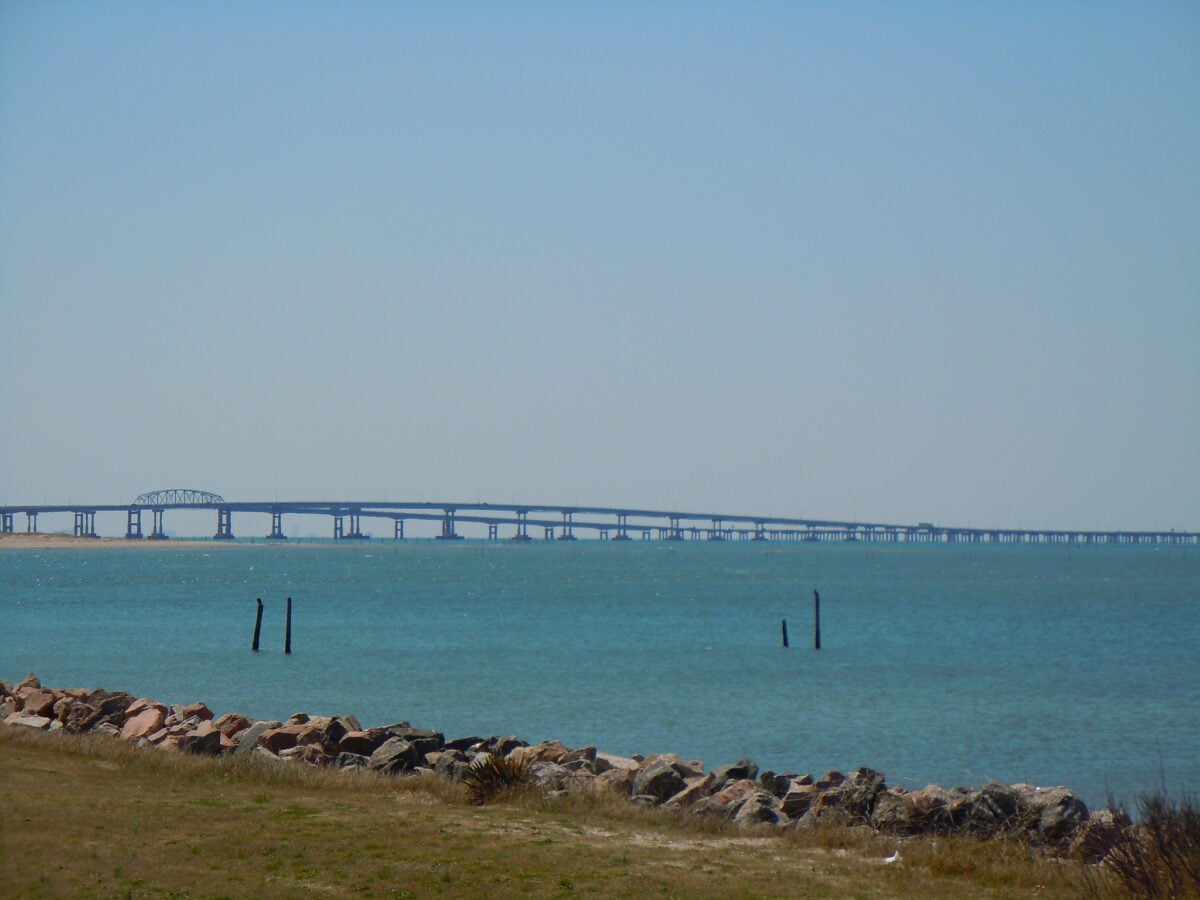
It begins as a bridge, dips underwater, then re-emerges into sunlight — a journey between two worlds.
Stretching 17.6 miles, it links Virginia’s mainland to its Eastern Shore through two tunnels and several long spans.
Salt, wind, and waves make upkeep relentless, yet it remains an American landmark of resilience.
Midway through, there’s a café and fishing pier perched on an artificial island.
Not many bridges can offer coffee with an ocean view.
Runyang Yangtze River Bridge

Part of China’s expressway network, this suspension bridge features a main span of more than 4,000 feet.
During construction, entire steel towers were floated downriver on barges before being raised upright — a feat demanding millimetre accuracy despite strong currents.
At night, floodlights turned the river into a silver ribbon, shimmering beneath cranes and cables.
Though the Yangtze can be unpredictable, the bridge rose steadily above it — a perfect balance of strength and grace.
Vasco da Gama Bridge

Lisbon’s sweeping 7-mile bridge spans the Tagus River, completed just in time for the 1998 World Expo.
Built to withstand strong Atlantic winds and shifting tides, it carries both beauty and purpose.
Its design is simple yet striking — pale concrete stretching over water that seems to go on forever.
Early in the morning, fog often settles across it, blurring the boundary between bridge and sky. For a few moments, it almost disappears.
Donghai Bridge

Reaching nearly 20 miles from Shanghai to the deepwater port of Yangshan, this bridge faces some of the world’s harshest sea conditions.
Engineers equipped it with flexible joints so it could sway — slightly, but safely — under typhoon-force winds.
Freight trucks cross it daily, forming a steady flow between land and ocean.
At sunrise, the entire bridge glows in shades of gold and coral.
Briefly, it looks less like infrastructure and more like art.
Manchac Swamp Bridge

One of the longest bridges in the United States, it hovers above the misty wetlands of Louisiana for nearly 23 miles.
Builders had to drive piles almost 250 feet deep to find stable ground — a costly process that came to over $7 million per mile.
The reward was worth it, though.
Beneath the bridge lies a haunting landscape of still water and moss-covered trees, where frogs hum and fog drifts like smoke.
Jiaozhou Bay Bridge

Crossing one of China’s busiest marine zones, this 26-mile structure connects Qingdao to Huangdao with an intricate network of spans.
Engineers used Y-shaped supports to preserve the bay’s natural tides and wildlife.
More than 10,000 workers helped complete it in just four years — an astonishing timeline for something so vast.
At night, its lights ripple across the water, tracing gold arcs that seem to float on the waves.
Bridging Distance and Imagination
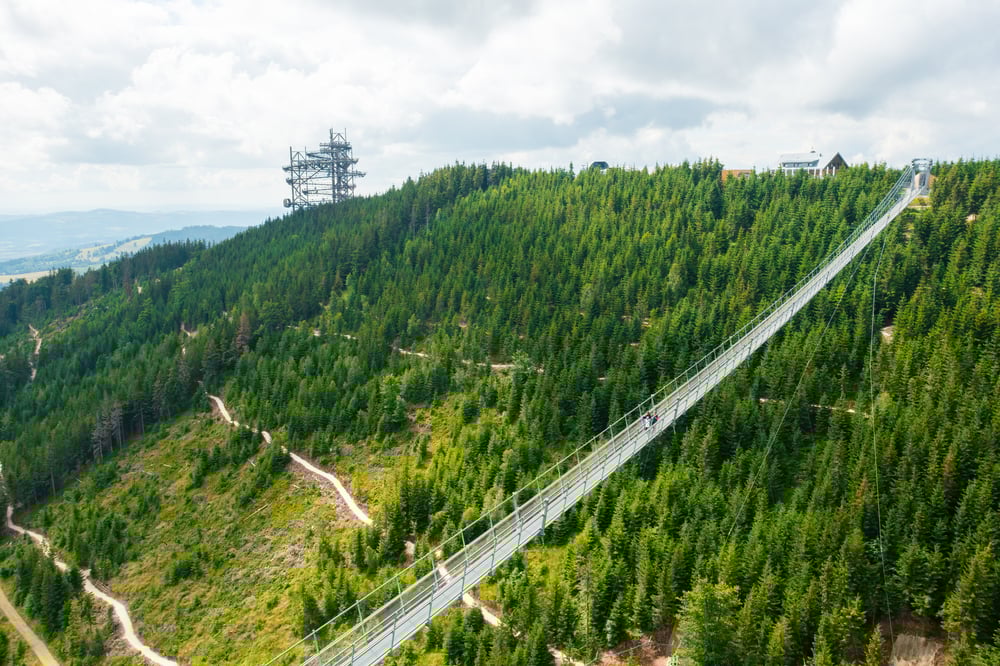
Each of these bridges began as a simple idea: to connect two places divided by nature.
Yet the results became far more than functional.
They represent patience, ingenuity, and boldness — proof that the limits of design exist only until someone decides to cross them.
More from Go2Tutors!

- The Romanov Crown Jewels and Their Tragic Fate
- 17 Halloween Costumes Once Considered Taboo
- Famous Hoaxes That Fooled the World for Years
- 15 Child Stars with Tragic Adult Lives
- 16 Famous Jewelry Pieces in History
Like Go2Tutors’s content? Follow us on MSN.



