Facts About the Alhambra in Spain
The Alhambra stands on a hill overlooking Granada, Spain, like a crown of red stone and intricate beauty. This palace and fortress complex tells stories of a time when Muslim rulers controlled southern Spain and built structures that still leave visitors speechless today.
Walking through its courtyards and halls feels like stepping into another world, where water features, tile work, and carved walls create spaces that somehow feel both grand and intimate. The Alhambra isn’t just a tourist site—it’s a living record of medieval Islamic art and architecture at its finest.
These are the facts that make this place so special. Some might surprise even people who think they know Granada’s most famous landmark.
The name means Red Castle

The Alhambra gets its name from the Arabic phrase ‘al-Qala’a al-Hamra,’ which translates directly to ‘the red castle’ or ‘the red one.’ The reddish color comes from the clay-rich soil used to make the fortress walls, which takes on a warm terracotta tone especially at sunset.
Some historians also suggest the name might refer to construction that happened at night by torchlight, making the walls glow red. Either way, the color remains one of the first things people notice when approaching from the city below.
Construction started in the 9th century

The first fortress structures appeared on Sabika Hill around 889 CE during the reign of Sawwar ben Hamdun. These early buildings were simple military fortifications, nothing like the elaborate palace that exists today.
The site sat largely forgotten for centuries until the Nasrid Dynasty arrived in the 13th century and saw its potential. What visitors see now mostly dates from that later period, but those original 9th-century foundations still support parts of the complex.
Muhammad I built the main palace
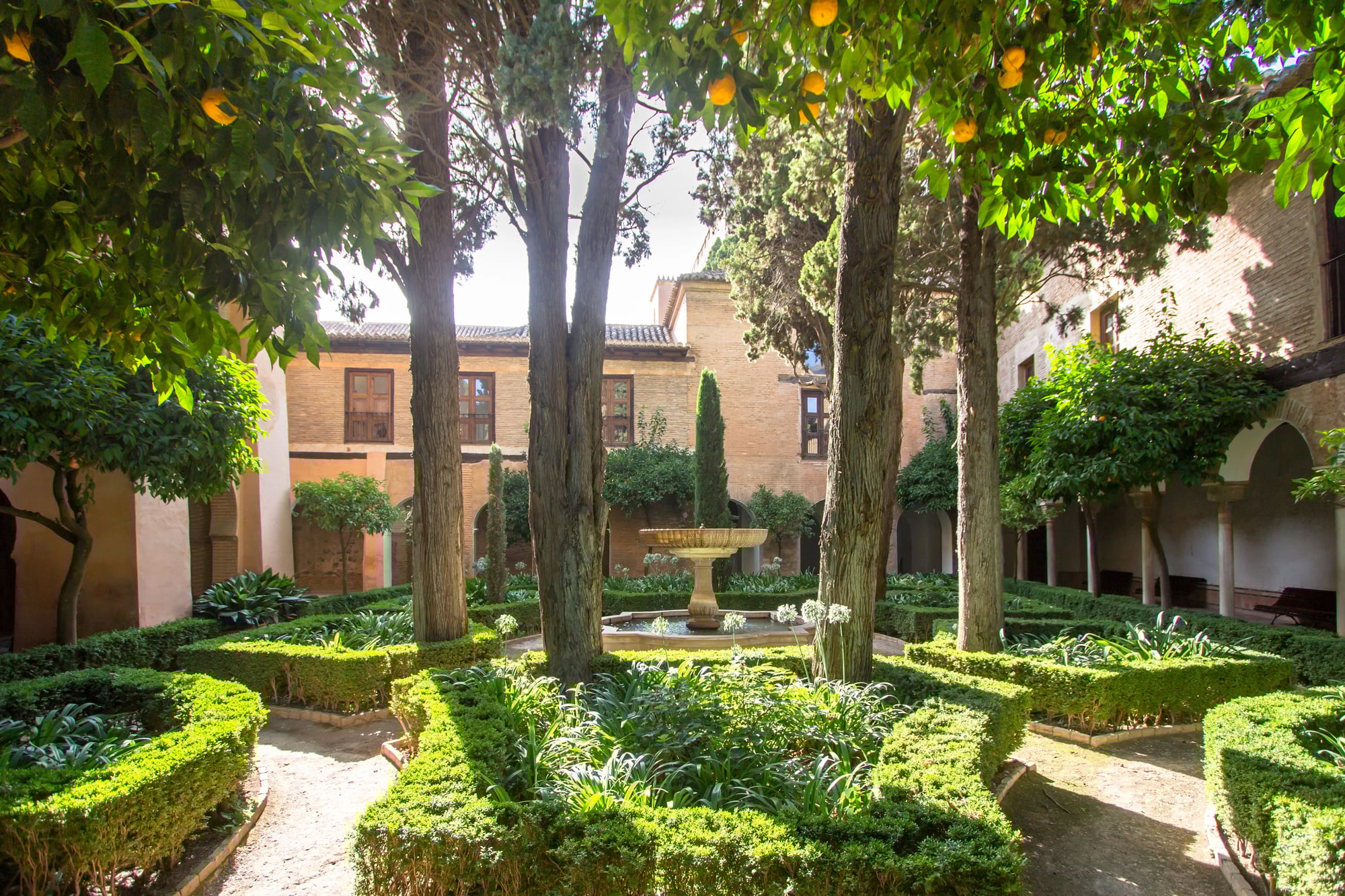
Muhammad I, the founder of the Nasrid Dynasty, transformed the Alhambra from a basic fortress into a royal residence starting around 1238. He ordered the construction of walls, towers, and the first palace buildings after making Granada his capital.
His vision set the stage for successors who would expand and beautify the complex over the next 150 years. The Alcazaba, the military section of the Alhambra, largely reflects his priorities of defense combined with royal comfort.
It housed an entire city

The Alhambra wasn’t just a palace where royalty lived. The complex contained a complete city with homes for nobles and servants, mosques, schools, gardens, shops, baths, and even a cemetery.
At its peak, around 40,000 people called the Alhambra home, making it a bustling community perched on a hilltop. The medina, or residential area, formed its own neighborhood with narrow streets and small houses.
Most of these structures crumbled over centuries, leaving mainly the palaces and fortifications that tourists visit today.
The Court of the Lions features 124 marble columns
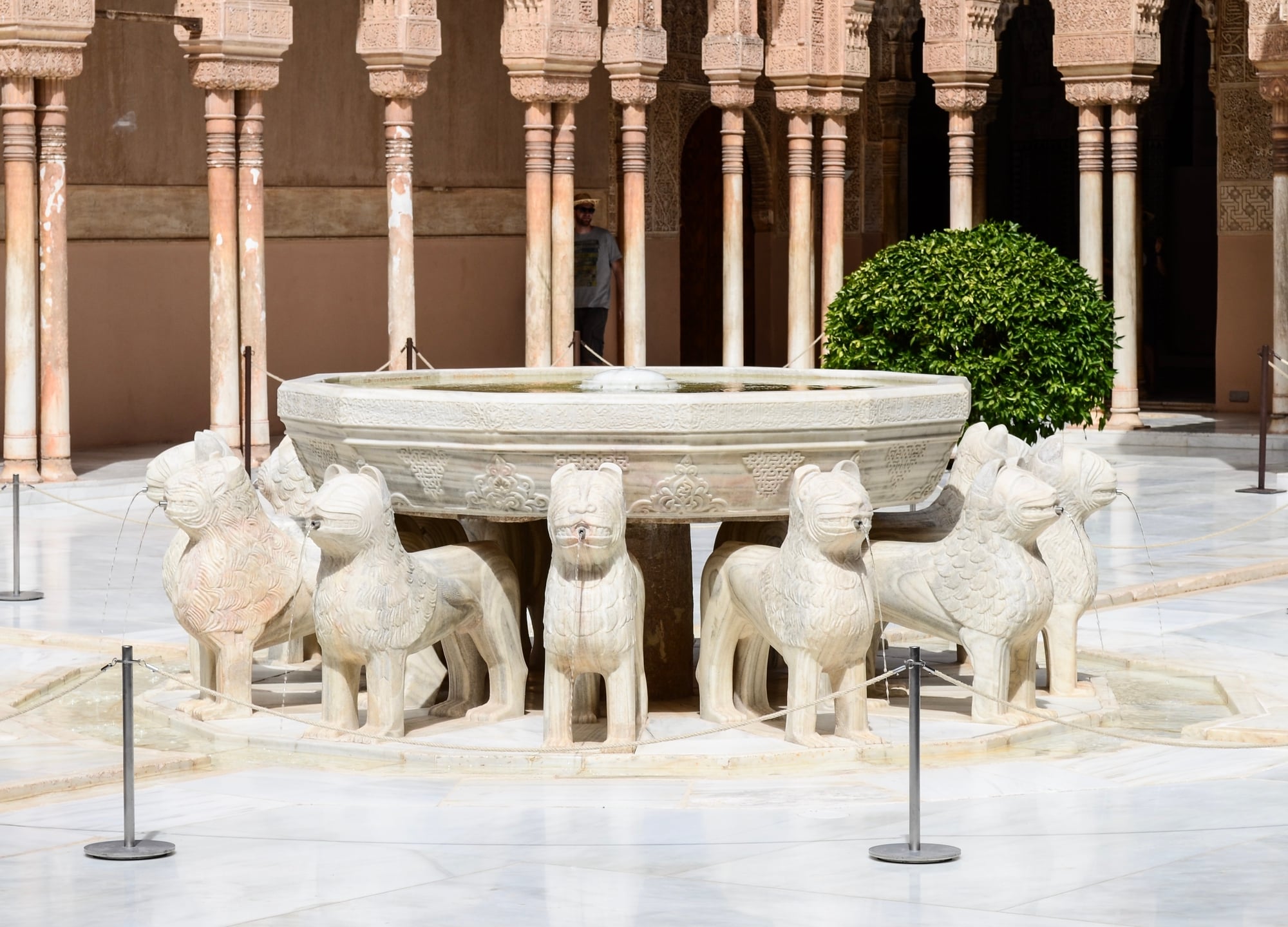
The Patio de los Leones, or Court of the Lions, ranks among the most photographed spaces in the entire complex. This courtyard contains 124 slender marble columns arranged in an intricate pattern that seems to defy engineering logic.
The columns support arches and a gallery that surrounds a central fountain held up by twelve marble lion sculptures. Water once flowed through the lions’ mouths, creating a constant soothing sound.
The proportions and symmetry create an almost hypnotic effect that architects still study centuries later.
Water engineering was incredibly advanced
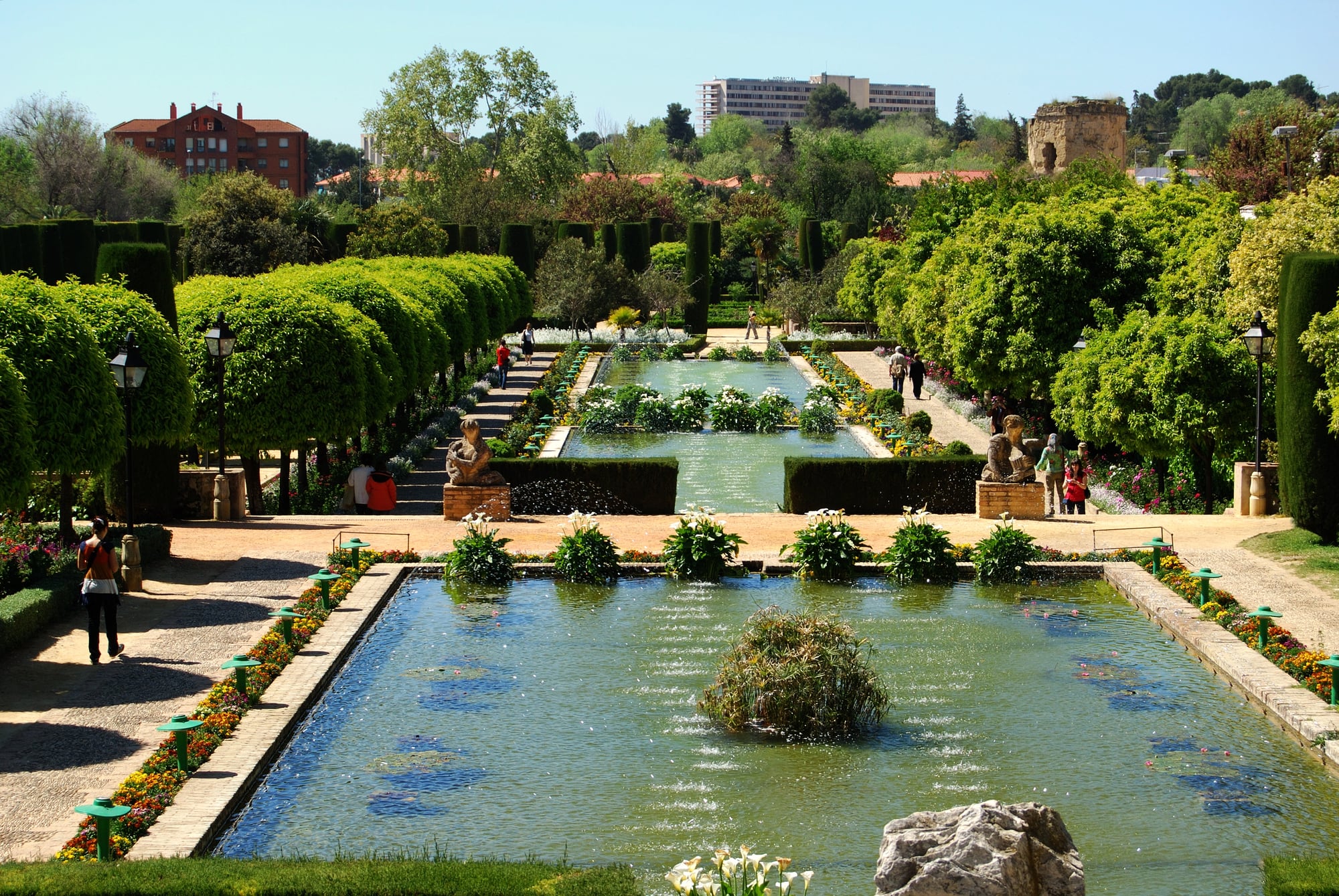
The builders designed an elaborate system to bring water from the Darro River up to the hilltop palace. Gravity-fed channels and aqueducts moved water throughout the complex to feed fountains, pools, and gardens without any mechanical pumps.
The sound of running water appears in nearly every courtyard, creating natural air conditioning that made the hot Spanish summers bearable. Engineers positioned water features carefully so they reflected light and buildings, doubling their visual impact.
This hydraulic sophistication surpassed most European systems of the same period.
Over 10,000 tiles create geometric patterns

Islamic art prohibits depicting people or animals in religious spaces, so artists developed incredibly complex geometric and floral patterns instead. The Alhambra showcases this artistic tradition with thousands of hand-cut tiles arranged in patterns that never quite repeat.
Mathematicians have studied these designs and found they demonstrate principles of symmetry and tessellation that weren’t formally described in Western mathematics until much later. The blue, green, gold, and white tiles cover walls from floor to ceiling in some rooms.
Many original tiles survive because the intricate plaster work above them protected them from weather damage.
The walls contain hidden poetry
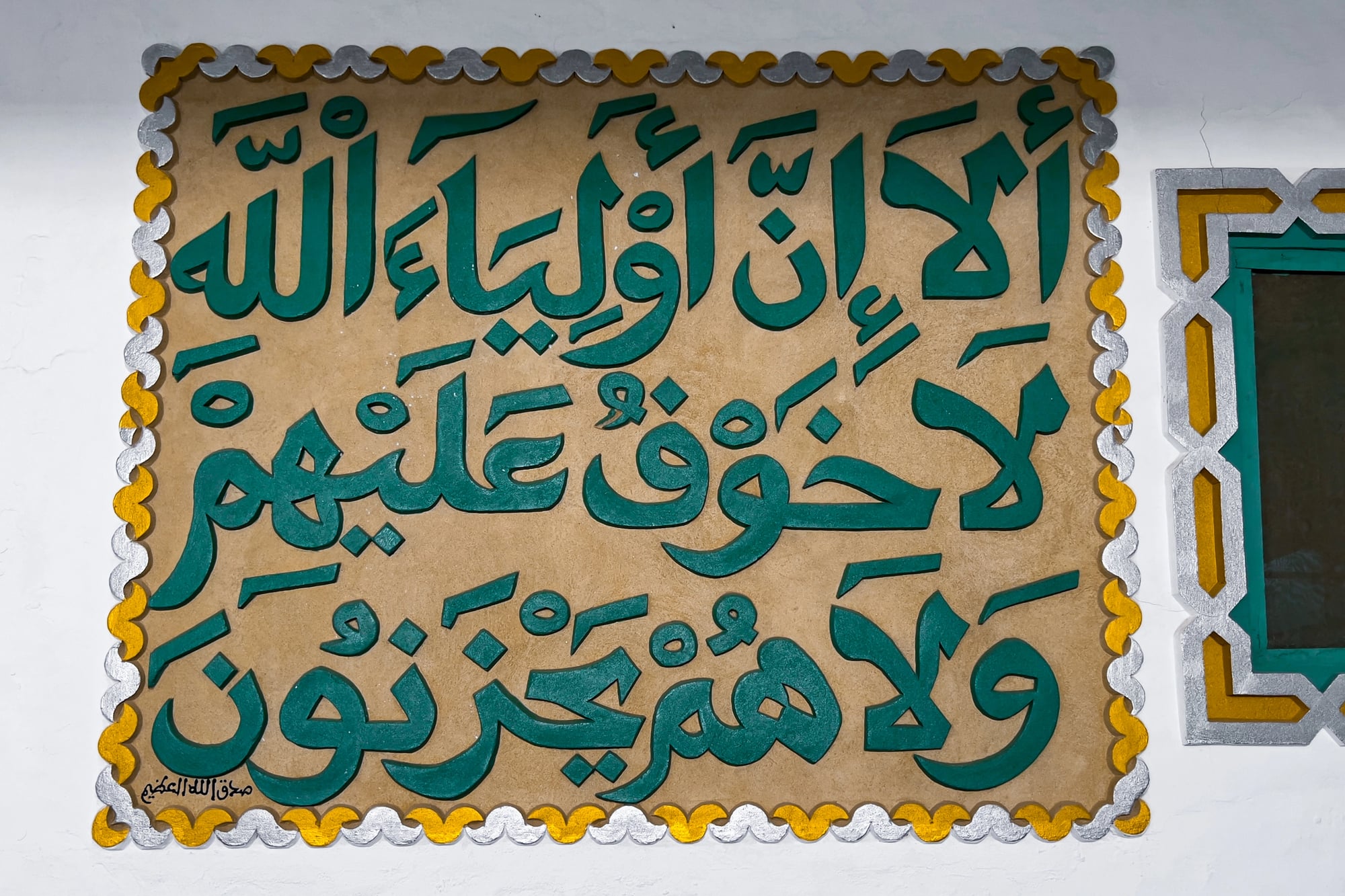
Carved Arabic calligraphy covers many walls throughout the palace, and much of it consists of poetry rather than religious texts. The verses praise God, describe the beauty of the palace, and tell stories of the sultans who built these rooms.
One phrase appears repeatedly throughout the complex: ‘wa la ghalib illa Allah,’ meaning ‘there is no victor but God.’ This served as the motto of the Nasrid Dynasty.
Visitors who can’t read Arabic walk past this poetry without realizing they’re surrounded by medieval literature literally carved in stone.
Christians almost destroyed it

After Catholic monarchs Ferdinand and Isabella conquered Granada in 1492, they seriously considered tearing down the Alhambra completely. They viewed it as a symbol of Muslim rule they wanted to erase.
Fortunately, they decided to build a palace of their own within the complex instead, which actually helped preserve the Islamic structures. Later Spanish rulers weren’t as careful, and some sections fell into serious disrepair.
By the 1800s, parts of the Alhambra were being used as barns and garbage dumps.
Washington Irving helped save it

American writer Washington Irving stayed in the Alhambra for several months in 1829 and wrote ‘Tales of the Alhambra,’ a collection of romantic stories set in the palace. The book became wildly popular in Europe and America, drawing attention to the deteriorating complex.
Irving’s vivid descriptions sparked international interest that eventually led to restoration efforts. Without his writings creating public pressure, more of the palace might have crumbled beyond repair.
The room where he stayed, the Hall of the Abencerrages, still attracts fans of his work.
Napoleon’s troops damaged the towers
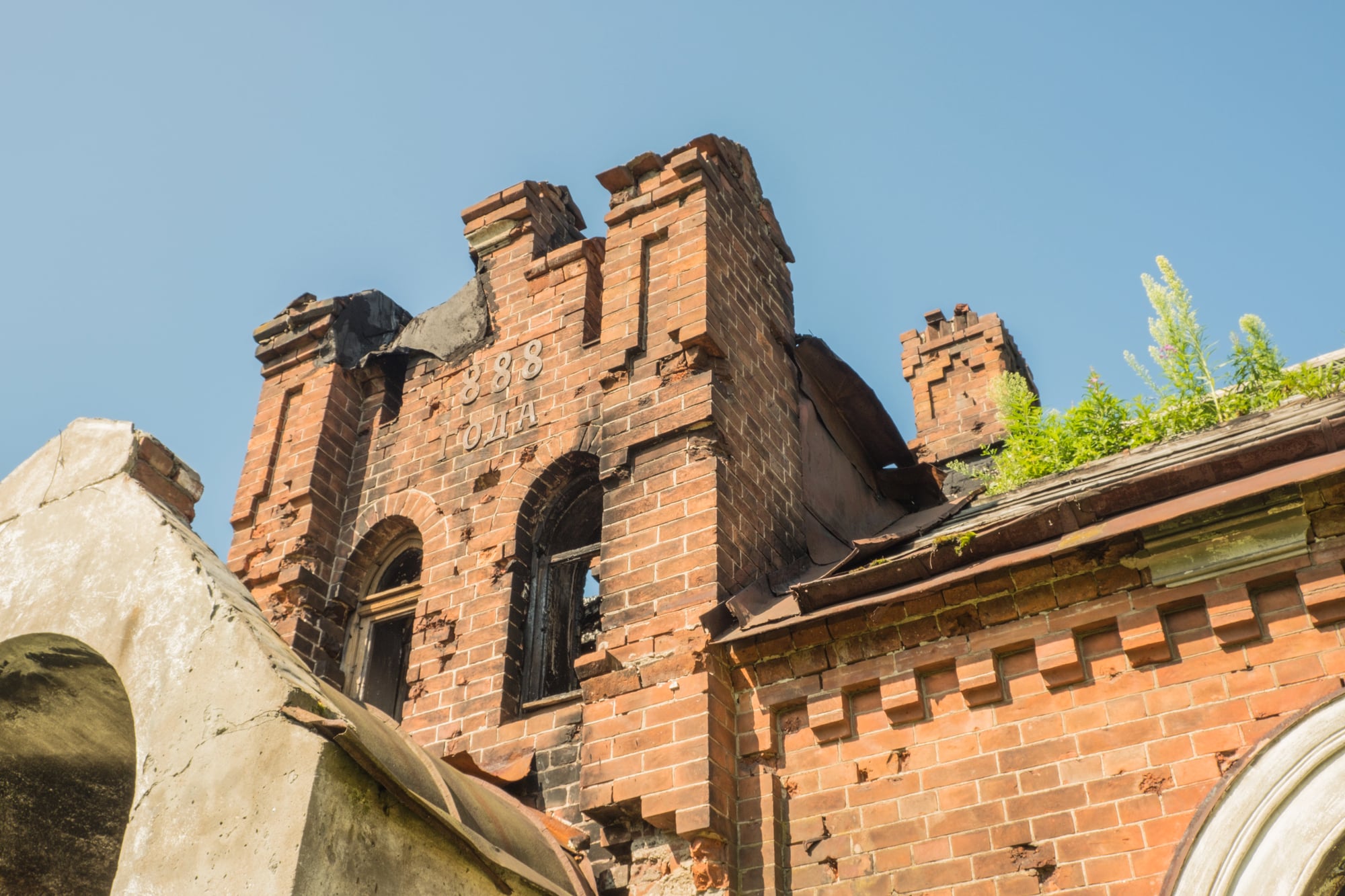
French forces occupied the Alhambra during the Napoleonic Wars in the early 1800s. When they retreated in 1812, they attempted to blow up the entire complex to prevent Spanish forces from using it.
A disabled Spanish soldier named José Garcia discovered the explosives and managed to defuse some of them, saving much of the palace. Several towers still suffered serious damage from the explosions that did detonate.
Restoration work on this destruction continued for decades afterward.
The Hall of Ambassadors has 8,017 wooden pieces
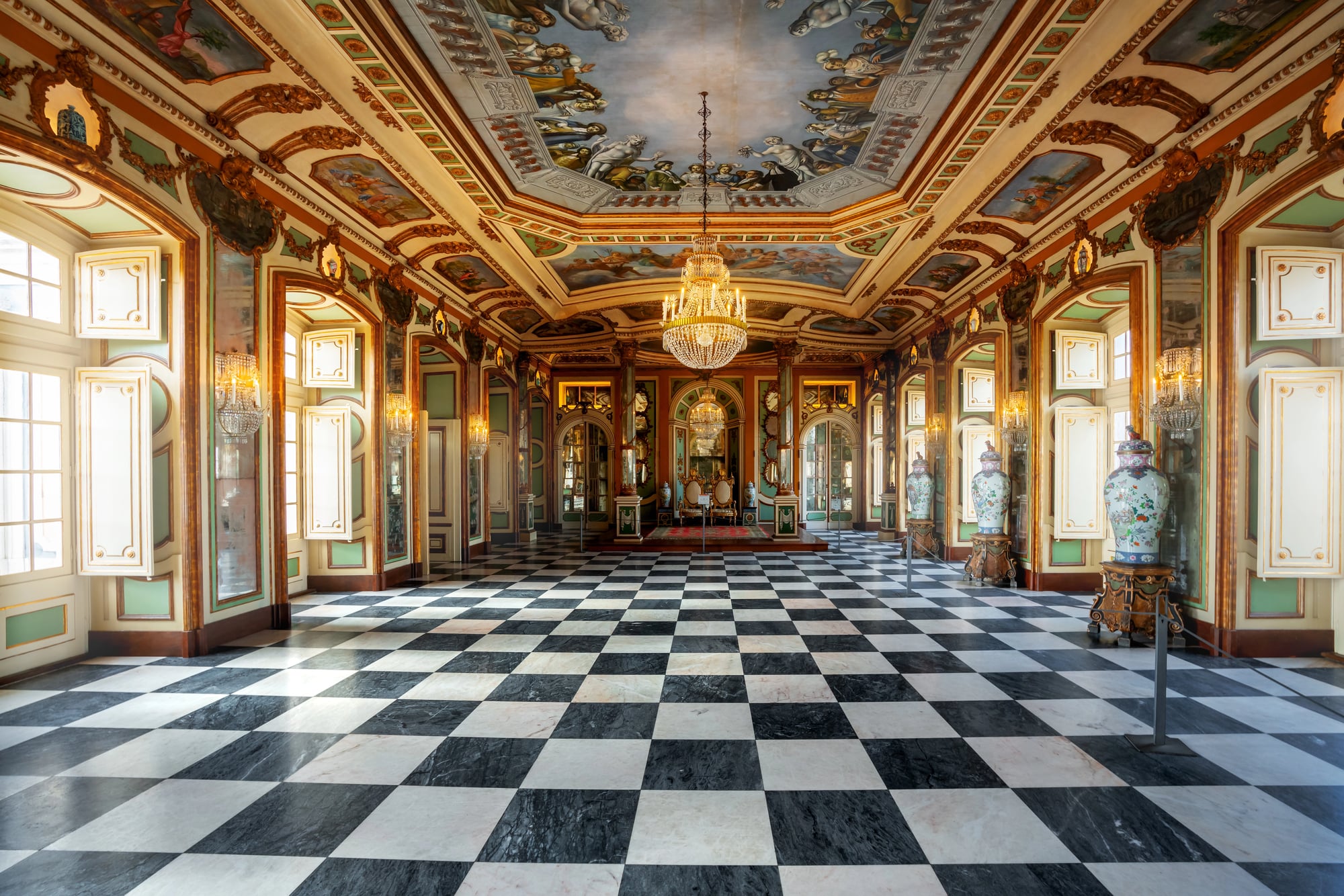
The ceiling of the Throne Room, officially called the Hall of Ambassadors, consists of 8,017 individual pieces of cedar wood fitted together like a three-dimensional puzzle. The design represents the seven heavens of Islamic paradise, with geometric star patterns that draw the eye upward.
Craftsmen completed this masterpiece without using a single nail, relying entirely on precise joinery. The room served as the throne room where sultans received foreign dignitaries and made important decisions.
Standing beneath this ceiling still creates a sense of awe that transcends religious or cultural backgrounds.
Tourists must book tickets weeks ahead

The Alhambra attracts roughly 2.7 million visitors each year, making it Spain’s most visited monument. To protect the fragile structures, authorities limit daily visitors to around 6,000 people.
Tickets often sell out weeks or even months in advance, especially during spring and fall. The restriction frustrates travelers who arrive in Granada without advance planning.
The entrance fee goes toward ongoing conservation work that keeps the palace from deteriorating. Even with crowds, the layout disperses people enough that moments of quiet reflection remain possible in the gardens.
It shaped buildings across the globe

The Alhambra sparked a wave of imitations once Europeans and Americans saw it during the 1800s. From London to LA, buildings like cinemas, lodgings, or courtrooms began using its curved openings, pillars, and detailed designs.
Take the Shrine Auditorium – its layout pulls straight from specific halls inside the Alhambra. Designers couldn’t resist how elegance mixed with geometric accuracy.
Frank Lloyd Wright himself admitted that structures such as the Alhambra shaped his approach to natural-looking forms.
Gardens blend Persian and Spanish styles
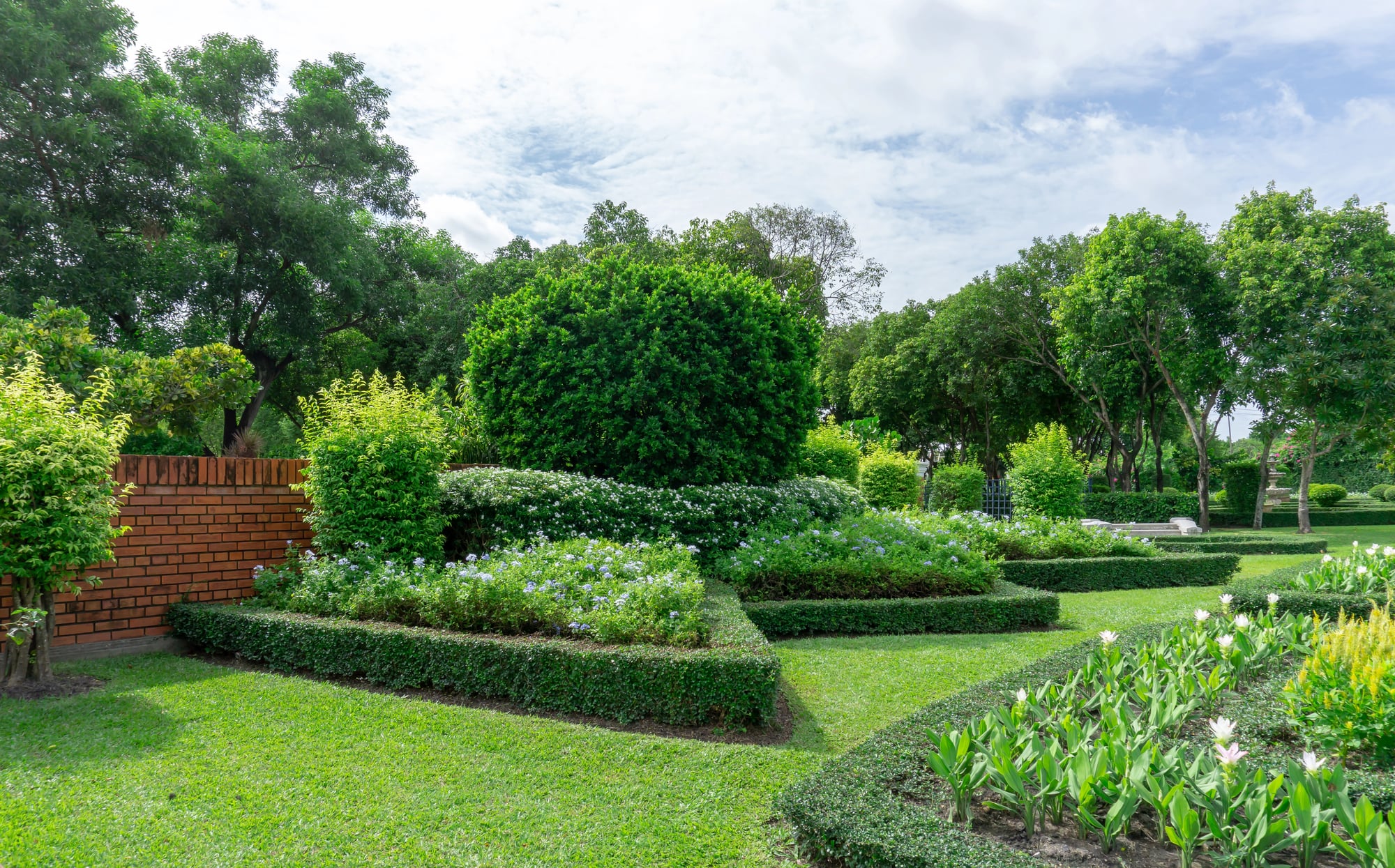
The Generalife’s green areas next to the big palace mix old Persian styles with changes suited for Spain’s weather. Water paths stretch out, tall cypresses stand in rows, along with blooming roses that keep things fresh even when it gets hot in Granada.
Most of the early plants from centuries ago are gone now, yet the design still matches old records pretty well. Workers care for these spots following time-tested ways whenever they can.
These outdoor rooms worked as a quiet hideout during warm months – kings and queens came here to relax away from stiff royal routines.
It got added by UNESCO back in ’84

The UN’s education and science group labeled Alhambra, Generalife, plus the Albaicín area as heritage spots back in ’84. That nod shows how much this place matters to people everywhere.
Getting that title means more eyes on it – also cash for upkeep – but draws way more visitors too. Spain must keep things up to certain rules because of the listing.
Today, Alhambra stands for more than old Spanish tales – it’s part of a wider story from Islamic times.
Fixing things keeps going, without end

Folks who know a lot about old buildings keep busy at the Alhambra all year round – they fix it up, look after it, or check how things are holding up. The fancy plaster designs? They break easily, so someone’s always watching them close.
When fixing stuff, workers have to guess – do they patch it up or leave it rough from age? Before touching anything, they now use tools like laser scans just to snap super-detailed pics of each piece.
The repair approach aims to honor past updates, yet stop things from getting worse. Certain spots stay off-limits for now, since this careful job is still going on.
New findings keep popping up now and then
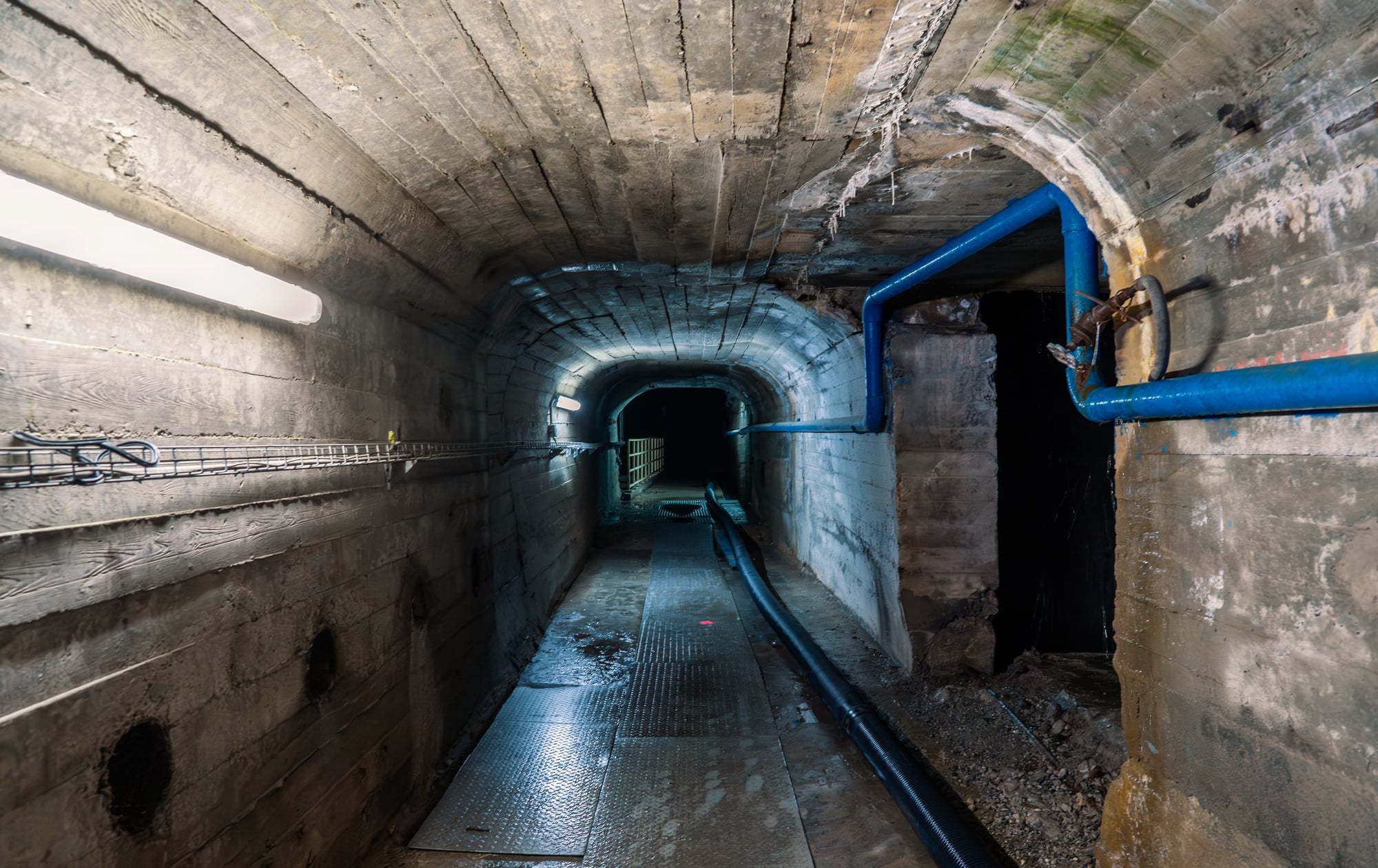
Even after hundreds of years, experts keep uncovering fresh chambers, tunnels, or old objects. Back in 2020, a team found a secret space below the royal residence – maybe used for holding prisoners or keeping supplies.
Special radar scans show there’s more tucked underneath newer walls. Old papers from Spain and North Africa pop up now and then, spilling bits on how people lived or built things back then.
Every find chips away at the mystery, yet the site stays stubbornly full of unknowns.
Here, the past shows up today

The Alhumbra isn’t just old walls on a slope in Spain. Instead, it shows how grace holds strong despite wars and shifts over ages.
Though the original makers – Muslim artisans – are gone from Granada since the 1400s, their imagination keeps touching folks from all walks of life. Strolling past open yards where water runs through grooves carved long ago links today’s travelers with that far-off era.
This place tells each person something deep – that invention lives longer than kingdoms, breaking through tongues, beliefs, even history.
More from Go2Tutors!

- The Romanov Crown Jewels and Their Tragic Fate
- 13 Historical Mysteries That Science Still Can’t Solve
- Famous Hoaxes That Fooled the World for Years
- 15 Child Stars with Tragic Adult Lives
- 16 Famous Jewelry Pieces in History
Like Go2Tutors’s content? Follow us on MSN.