Facts About the World’s Deepest Oceans
Most of Earth’s surface sits under the ocean, yet we’ve seen little of what lies below. People have reached the moon while those deep sea zones stay hidden from view.
Down in the trenches, pressure builds beyond what regular subs can handle; light does not reach at all. Even so, creatures live there where few would expect – thriving beneath crushing weight and total blackness.
Strange shapes rise from the seafloor, formations as dramatic as any mountain or canyon above. A second glance reveals why such remote seafloor zones feel both odd and captivating.
Despite their distance, something quiet pulls interest downward.
The Mariana Trench Is The Deepest Place On Earth

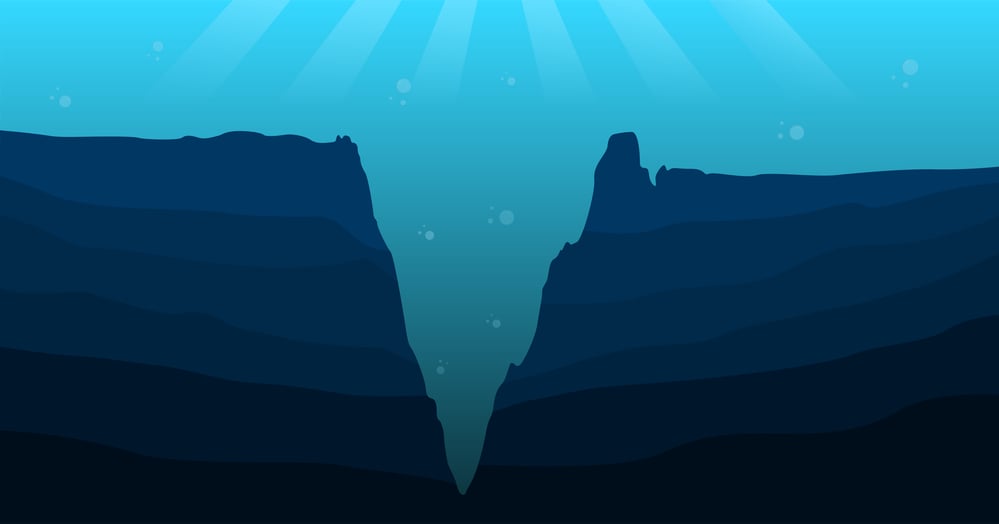
The lowest spot on our planet lies in the western Pacific, hidden within the Mariana Trench. Down there, a spot named Challenger Deep plunges roughly 36,000 feet beneath the sea.
Imagine setting Mount Everest into that hollow – its tip would stay submerged by over a mile. Few humans have made it this far below, each journey relying on custom-built gear built to survive immense force.
Equipment must handle pressures almost unimaginable to most.
Water Pressure Increases Dramatically With Depth

Every 33 feet deeper into the ocean brings another 14.7 pounds per square inch pressing in. Down at the base of the Mariana Trench, it’s more than 8 tons on each square inch – over a thousand times what we feel breathing at sea surface.
Anything making the trip must withstand forces powerful enough to squeeze it far beyond recognition. Without serious safeguards, a person would not survive even a moment under such weight.
Such conditions demand materials tough enough to hold shape where almost everything else collapses.
The Hadal Zone Is Earth’s Final Frontier
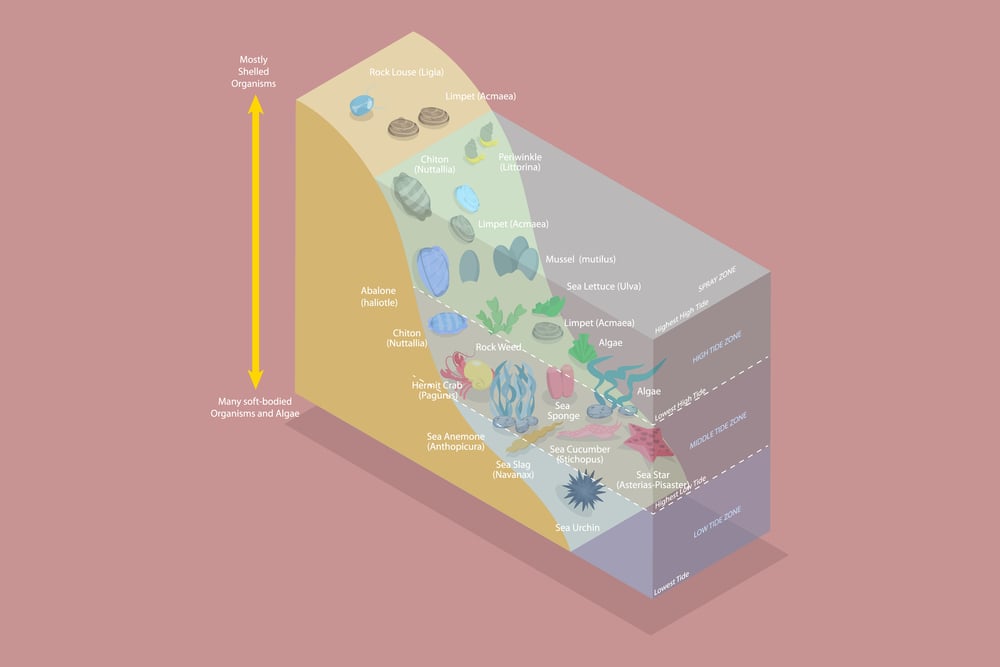
Down where sunlight fades into nothing, scientists speak of a place called the hadal zone – named not for light, but for Hades, Greece’s shadowed deity of buried realms. Beginning around 20,000 feet beneath the waves, this realm plunges further than any ocean trench dares to go.
Though tiny in scale, less than one out of every hundred seafloor acres lives so deep, its conditions twist into extremes unseen elsewhere on Earth. Machines must brave here instead of people, since only metal built for crushing weight and endless night can reach what hides far below.
Strange Creatures Thrive In Total Darkness

Down there in the dark, far under the waves, things still move. Life clings on even where pressure crushes and light never comes.
Fish glide through depths no human could survive without machines. Creatures like shrimp and jellyfish drift in silence beneath miles of cold sea.
Light appears not from above but made by them – glowing chemicals inside their bodies flicker softly. The blackness gets broken only by those tiny sparks they create themselves.
Bodies shaped strangely float past: some nearly see-through, others built like nightmares with gaping jaws. Their eyes sit huge on heads too wide, teeth long enough to snag prey in total darkness.
Not much resembles what swims near the surface anymore.
Puerto Rico Trench Deepest In Atlantic

Down south of the islands near Puerto Rico, a huge crack in the seafloor drops nearly 28,000 feet – this is the Atlantic’s lowest spot. Though the Pacific claims more deep zones, the Atlantic hides its own giant hollow.
Where the North American slab grinds past the Caribbean one, the ground sinks into darkness. Hidden beneath waves, this place might help explain why quakes shake the area now and then.
Few know it exists, yet it shapes how energy moves under the sea.
Trenches Form Where Tectonic Plates Meet
Most of the ocean’s deepest points exist because of the movement of massive tectonic plates that make up Earth’s crust. When one plate slides beneath another in a process called subduction, it creates a deep trench in the ocean floor.
The Mariana Trench formed this way millions of years ago, and it continues to change slowly as the Pacific plate slides under the Mariana plate. These geological processes shape the ocean floor just as much as mountains and valleys shape the land.
Temperature Drops Near Freezing At Extreme Depths

The water temperature in the deepest parts of the ocean hovers just above freezing, usually between 34 and 39 degrees Fahrenheit. This cold exists because sunlight never reaches these depths, and the water down there has been cut off from the warmer surface for hundreds or even thousands of years.
The combination of extreme cold, crushing pressure, and complete darkness makes these environments some of the most challenging places for life to exist anywhere on Earth.
The Java Trench Stretches For Thousands Of Miles

Located in the Indian Ocean, the Java Trench runs along the southern coast of Indonesia for more than 2,000 miles. This trench reaches depths of about 24,000 feet in some spots, making it the deepest point in the Indian Ocean.
The trench formed where the Australian plate slides beneath the Eurasian plate, and this movement continues to cause earthquakes and volcanic activity in the region above. The 2004 Indian Ocean earthquake that triggered a devastating tsunami originated near this trench.
Special Submarines Can Reach Incredible Depths

Only a few submarines have ever been built tough enough to reach the deepest parts of the ocean. In 2012, filmmaker James Cameron made a solo descent to the bottom of Challenger Deep in a specially designed submersible called Deepsea Challenger.
The sphere that held him was only 43 inches wide and made of thick steel to withstand the pressure. More recently, in 2019, Victor Vescovo descended to Challenger Deep in a submarine that can make repeated dives, opening up new possibilities for deep ocean exploration.
The Deepest Fish Ever Recorded Surprised Scientists

In 2017, researchers captured footage of a snailfish swimming at a depth of about 26,700 feet in the Mariana Trench. This broke the previous record for the deepest fish ever seen and surprised scientists who thought fish couldn’t survive below 26,000 feet.
The snailfish had translucent skin and a body built to withstand the extreme pressure. Scientists now believe this depth might represent a limit for fish because the pressure at greater depths would prevent their cells from functioning properly.
Plastic Pollution Has Reached The Deepest Trenches

Despite being among the most remote places on Earth, the deepest ocean trenches now contain plastic pollution. Scientists have found plastic bags and candy wrappers at the bottom of the Mariana Trench, more than six miles below the surface.
Small plastic particles have also been discovered inside creatures living at these depths, showing that human pollution has reached even the most isolated environments. This discovery highlights how far human impact has spread across the planet.
Sound Travels Differently In Deep Water
The deep ocean acts like a giant sound channel, allowing some noises to travel for hundreds or even thousands of miles. Whales use this to their advantage, sending low-frequency calls through deep water to communicate with other whales across vast distances.
Scientists have also detected mysterious sounds coming from the deepest parts of the ocean, though most of these turn out to be from ice breaking, underwater landslides, or other natural events rather than unknown creatures.
Ancient Life Forms Might Exist In Deep Trenches

Some scientists think the deepest ocean trenches could harbor primitive life forms that have existed unchanged for millions of years. The stable, extreme conditions in these places mean that evolution might happen very slowly, preserving ancient species that have disappeared elsewhere.
Researchers continue to discover new species every time they explore these depths, and many believe we’ve only scratched the surface of understanding the biodiversity that exists there.
The Tonga Trench Reaches Over 35,000 Feet

The Tonga Trench in the South Pacific is another of Earth’s deepest places, with its deepest point plunging to about 35,700 feet. This trench runs along the eastern side of the Tonga Islands and formed where the Pacific plate dives beneath the Indo-Australian plate.
The area experiences frequent volcanic activity and earthquakes because of this ongoing collision. The trench’s depth makes it second only to the Mariana Trench in terms of how far down it goes.
Exploring Deep Oceans Helps Predict Earthquakes

Scientists study the deepest ocean trenches partly because they can help predict earthquakes and volcanic eruptions. The movement of tectonic plates that creates these trenches also causes most of the world’s major earthquakes.
By understanding what happens in these deep zones, researchers hope to better predict when and where earthquakes might strike. This knowledge could save lives in coastal regions where tsunamis pose a major threat.
What Lies Beneath Shapes What Lives Above
The deepest parts of the ocean might seem disconnected from life at the surface, but they play a crucial role in ocean circulation and climate patterns. Cold water from the deep ocean eventually rises back to the surface, bringing nutrients that support fish populations and other marine life.
Understanding these deep places helps scientists predict how climate change might affect ocean currents and weather patterns around the world. The ocean’s depths remain connected to everything above them in ways researchers are still working to understand.
More from Go2Tutors!

- The Romanov Crown Jewels and Their Tragic Fate
- 13 Historical Mysteries That Science Still Can’t Solve
- Famous Hoaxes That Fooled the World for Years
- 15 Child Stars with Tragic Adult Lives
- 16 Famous Jewelry Pieces in History
Like Go2Tutors’s content? Follow us on MSN.