15 strange sloth habits you never knew
When you think of sloths, you probably picture a cute, fuzzy creature hanging lazily from a tree branch. But these animals are way more bizarre than their sleepy reputation suggests. Behind that permanent smile lies a collection of habits so strange that scientists are still scratching their heads trying to figure some of them out.
Here’s a list of 15 sloth behaviors that’ll make you see these tree-dwellers in a whole new light.
They Poop Once a Week and Lose a Third of Their Weight
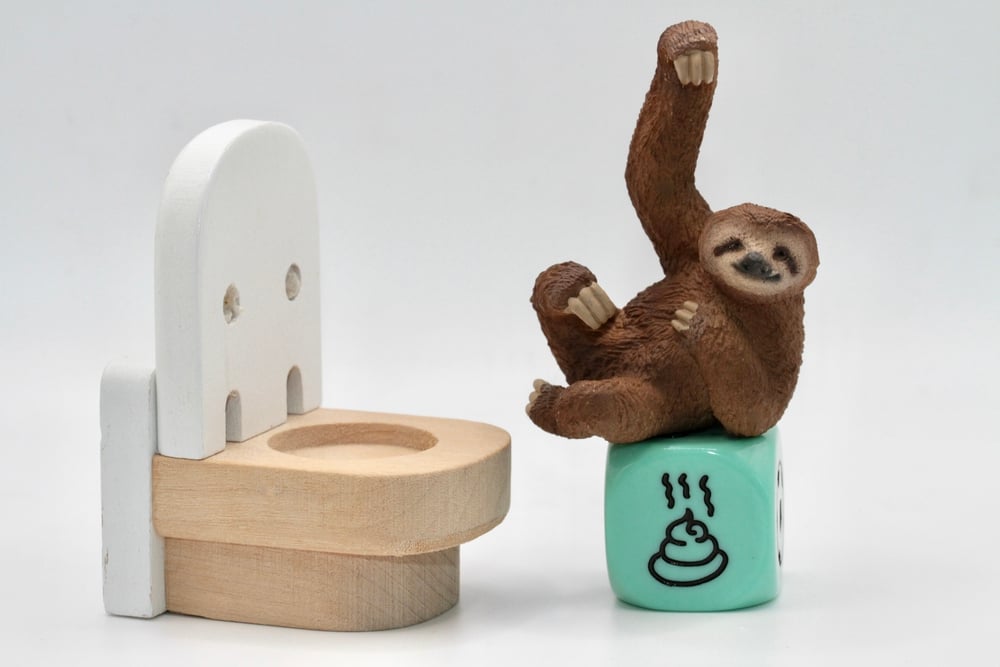
Sloths only relieve themselves about once a week, and when they do, they can lose up to one-third of their body weight in a single sitting. They climb all the way down from the safety of the canopy to the forest floor, wiggle around the base of their tree to dig a little pit, and do their business there. Nobody’s entirely sure why they risk their lives for this weekly ritual when they could just go from the trees, but it’s one of nature’s most puzzling bathroom habits.
Their Body Temperature Swings Like a Thermometer

Unlike most mammals that maintain a steady internal temperature, sloths have given up temperature control to save energy, and their core temperature can fluctuate over 18 degrees Fahrenheit during a single day. If they get too cold, the special microbes in their stomachs can die, and the sloth can no longer digest the leaves it eats. They basically operate like reptiles, basking in the sun when cold and seeking shade when hot.
They’re Blind in Bright Sunlight

Sloths have a rare condition called rod monochromacy, which means they completely lack cone cells in their eyes, making them entirely colorblind and completely blind in bright daylight. They can only see poorly in dim light. To make up for this terrible vision, they have an amazing sense of smell and great spatial memory, navigating the forest using memory and scent rather than sight.
Their Head Spins Almost All the Way Around

Three-fingered sloths have two more neck vertebrae than any other mammal, allowing them to turn their heads through 270 degrees. That’s nearly a complete circle. This owl-like ability helps them scope out their surroundings without having to move their entire body, which would burn precious energy they can’t afford to waste.
They Host an Entire Ecosystem in Their Fur

A single sloth can host up to 950 moths, beetles, and other invertebrates living in its fur. The fur also houses unique species of algae and fungi found nowhere else on Earth. These organisms create microcracks in the sloth’s hair that trap water and nutrients, essentially turning each sloth into a mobile jungle. The green tinge from the algae provides perfect camouflage in the canopy.
They Can’t Vomit, Burp, or Really Fart

A sloth’s esophagus has a loop in it that allows them to eat while hanging upside down, but this same feature prevents them from being able to vomit. They also can’t burp, and with their slow, continuous digestion, they don’t get to pass gas much either. Instead, excess gas from fermentation gets absorbed into their bloodstream and expelled through their skin or breath.
Their Organs Are Literally Glued in Place

Sloths have unique fibrinous adhesions that anchor their stomach, liver, and other organs against their lower ribs. These evolutionary coat hangers prevent the organs from crushing the lungs when the sloth hangs upside down. This clever adaptation reduces a sloth’s energy expenditure by 7 to 13 percent — a huge deal when you’re running on the metabolic equivalent of fumes.
They’re Three Times Faster in Water Than on Land
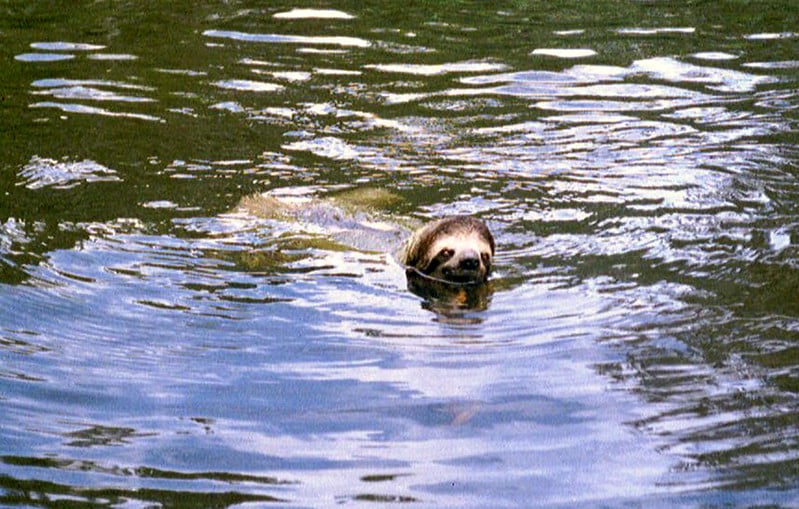
Sloths can swim through water three times faster than they can move on the ground. Their enormous stomach creates so much gas from digesting leaves that it acts as a giant flotation device, and their long necks work like snorkels to keep their nose above water. Some species even swim in saltwater, making them surprisingly competent aquatic mammals.
They Sleep at Completely Random Times
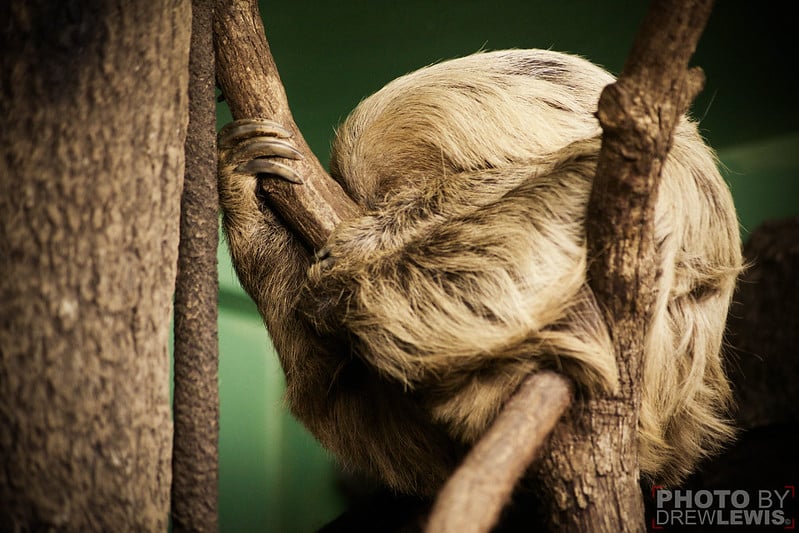
Sloths aren’t nocturnal or diurnal — they’re cathemeral, which means they sleep at irregular intervals throughout the day and night. They take short naps during both day and night, spending the rest of their time feeding, grooming, moving, or just observing their environment. Wild sloths actually only sleep about 8 to 10 hours per day, which is less than many people assume.
They Fall Out of Trees Weekly and Survive
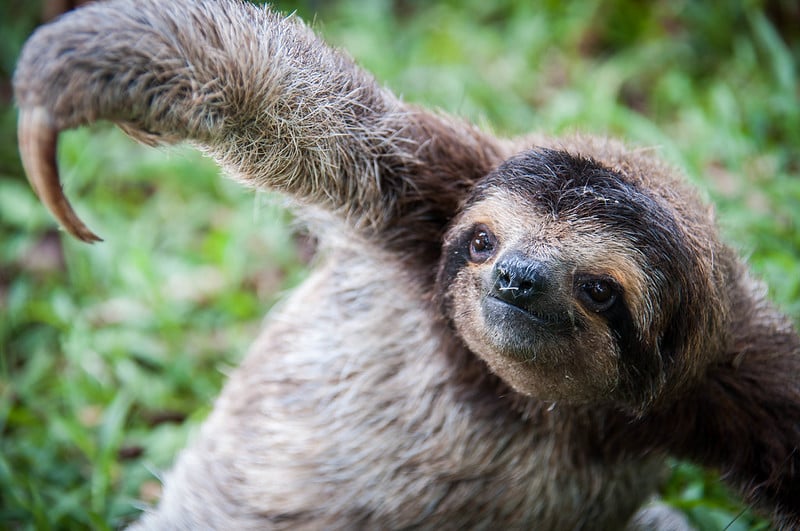
On average, a sloth will fall out of a tree once a week for its entire life, but all sloths are anatomically designed to fall and survive plummets from over 100 feet without injury. When two male sloths fight over a female, the goal is literally to knock your opponent out of the tree. Falling is just part of the job description.
Their Teeth Continuously Grow and Turn Black

Sloth teeth grow continuously throughout their lives and lack the protective enamel layer that human teeth have. Without enamel, their teeth absorb tannins from the leaves they eat and often turn black. Two-fingered sloths have large, sharp front teeth that self-sharpen every time they open their mouth because the top pair rubs against the bottom pair.
They Can’t Shiver When Cold

The sloth’s unusual muscle structure means they cannot shiver to generate warmth. Like cold-blooded animals such as reptiles, sloths control their body temperature by seeking warm and cool areas or curling into a sphere to conserve heat. This is one reason they’re confined to tropical environments where freezing temperatures never threaten their survival.
Digestion Takes Up to a Month

It can take anywhere from 157 hours to 50 days for a sloth to digest a single leaf from the time it’s eaten to when it’s excreted. A fermenting meal may take up to a week to process, and the stomach is constantly filled, making up about 30 percent of the sloth’s weight. Their four-chambered stomach works like a cow’s, breaking down tough plant material at an agonizingly slow pace.
They Stay Locked in Place Even After Death

Specialized tendons in the sloth’s hands and feet lock into place, allowing them to hang upside down for long periods without wasting any energy, and they’ve even been known to remain suspended upside down after death. This highly specialized muscle arrangement can produce enough strength to withstand the force of a jaguar trying to rip them from the tree.
Moths Use Their Poop as a Nursery

When a sloth descends to defecate, special moths living in its fur crawl off to lay their eggs directly in the fresh dung. The larvae eat the sloth poop exclusively, and when they mature, they fly back up to the canopy to colonize another sloth. When these moths die in the sloth’s fur, their decomposing bodies act as fertilizer that promotes algae growth, which provides extra nutrition for the sloth. It’s a weird three-way partnership that only exists because of that risky bathroom routine.
The Slow-Motion Survival Strategy

These strange habits aren’t signs of laziness or poor evolution. Sloths have survived on this planet for almost 64 million years, proving that moving slowly and doing things differently can be just as successful as being fast and fierce. Their unusual behaviors work together as a finely tuned survival system built around conserving every possible calorie. From moths farming in their fur to organs taped in place, sloths have turned weirdness into an art form that keeps them thriving in the rainforest canopy.
More from Go2Tutors!

- The Romanov Crown Jewels and Their Tragic Fate
- 13 Historical Mysteries That Science Still Can’t Solve
- Famous Hoaxes That Fooled the World for Years
- 15 Child Stars with Tragic Adult Lives
- 16 Famous Jewelry Pieces in History
Like Go2Tutors’s content? Follow us on MSN.