Facts That Are Older Than They Look
Some things feel recent when they’re surprisingly ancient. The world moves so quickly that yesterday’s breakthrough feels like it happened last week, and last decade’s innovation feels like it happened yesterday.
Time plays tricks on memory, and certain facts land with the shock of discovering your childhood friend is now a grandparent.
Oxford University

Oxford University was educating students before the Aztec Empire existed. While Tenochtitlan was still marshland waiting for its first inhabitants, Oxford scholars were already debating philosophy and copying manuscripts.
The university started teaching around 1096. The Aztecs founded their capital in 1325.
Sharks

Sharks have been cruising Earth’s oceans since before trees figured out how to grow. These ancient predators appeared roughly 400 million years ago, during the Devonian period, when the most complex land plants were still ferns and mosses.
Trees as we know them — the towering, woody giants — didn’t show up until about 350 million years ago. So sharks were already perfecting their hunting techniques for 50 million years before forests existed.
And yet, when you see a shark gliding through the water (sleek, efficient, almost mechanical in its precision), it feels like evolution’s latest masterpiece rather than one of its earliest rough drafts that happened to work so well it never needed revision. There’s something unsettling about creatures that found their groove before continents settled into their current positions, before mountains rose and fell, before most of the life forms we consider “normal” even existed.
But then again, maybe that’s exactly why they look so perfect: they’ve had an almost incomprehensible amount of time to get it right.
Cleopatra and the Great Pyramid
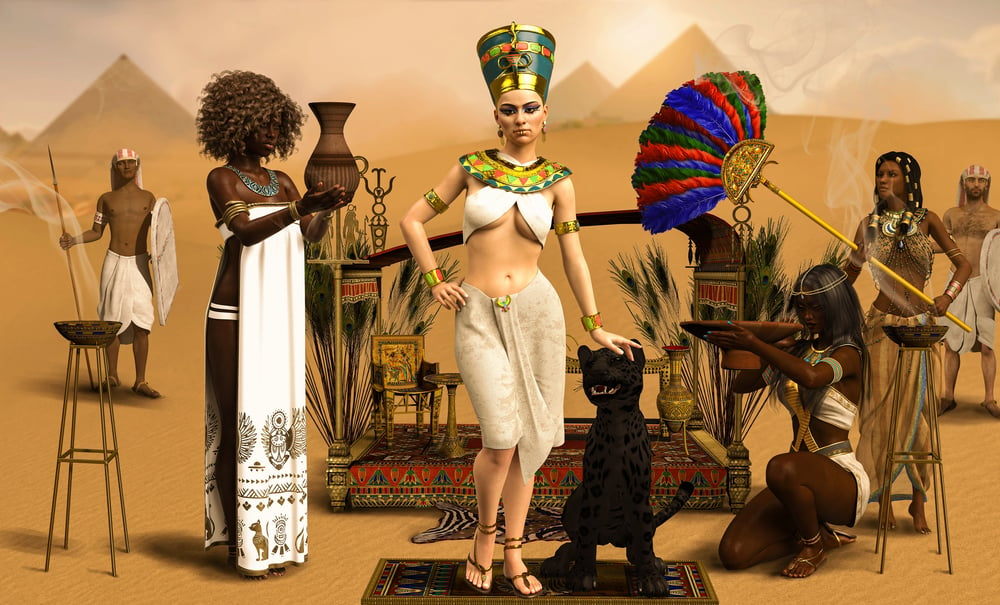
Cleopatra lived closer to the iPhone’s invention than to the construction of the Great Pyramid of Giza. The pyramid was completed around 2580 BC.
Cleopatra was born in 69 BC. The iPhone debuted in 2007. Do the math, and Cleopatra is separated from the pyramid by roughly 2,500 years, but only about 2,000 years from the iPhone launch.
This completely scrambles the timeline most people carry around in their heads. Cleopatra feels ancient, and the pyramids feel like they should be roughly contemporary with her reign.
Instead, the pyramids were already ancient tourist attractions when she was running Egypt.
Fax Machines

The fax machine predates both the telephone and the light bulb. Alexander Bain patented the first fax device in 1843, calling it the “electric printing telegraph.”
Alexander Graham Bell wouldn’t make his famous phone call for another 33 years. Edison’s practical incandescent light bulb came even later, in 1879.
So the technology to transmit documents over long distances existed before people could reliably talk to each other remotely or light their homes with electricity. The fax machine spent decades as a solution looking for the infrastructure to make it practical.
The Great Wall of China

The Great Wall of China was already ancient when Marco Polo made his famous journey to the East. Construction began in the 7th century BC under various warring states, with major expansion under Emperor Qin Shi Huang around 220 BC.
Marco Polo didn’t reach China until 1275 AD — meaning the wall had been standing for nearly 1,500 years before the Venetian explorer arrived. Yet somehow, in the popular imagination, Marco Polo’s travels and the Great Wall feel like they belong to the same historical moment.
Both represent the romance of ancient China, the mystery of the East, the wonder of early exploration. But that wall had already weathered more than a millennium of storms, invasions, and repairs before Polo ever set eyes on it (if he actually saw it at all, which some historians debate, but that’s another story entirely).
The wall was to Polo’s era what medieval castles are to us today: impressive ruins from a distant past that somehow still stood.
Nintendo
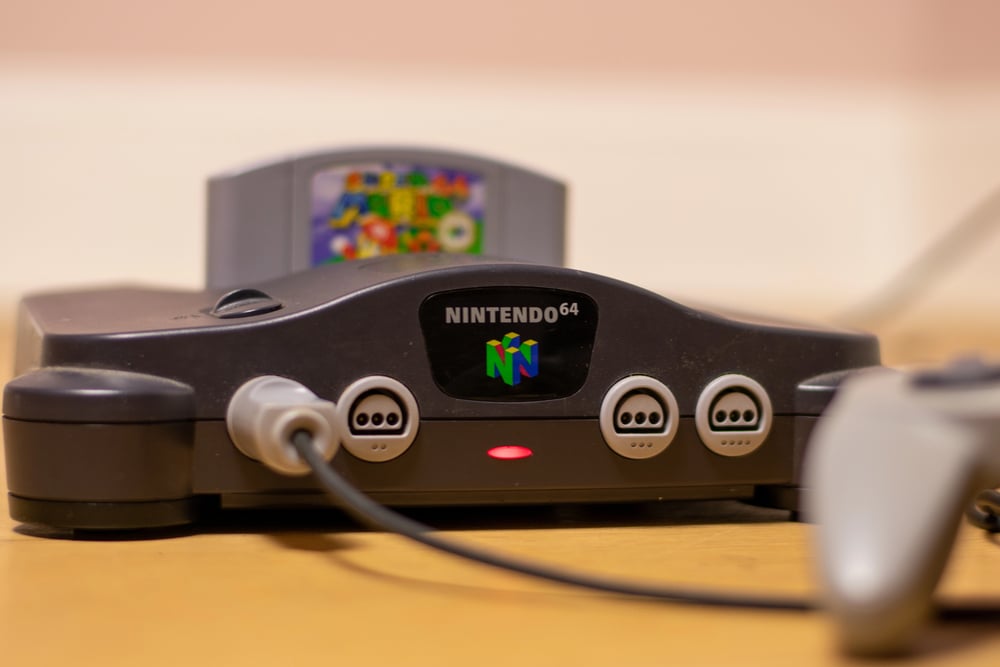
Nintendo was founded in 1889, the same year the Eiffel Tower was completed. While Gustave Eiffel was putting finishing touches on his iron lattice tower for the Paris Exposition, Fusajiro Yamauchi was starting a playing card company in Kyoto.
Nintendo spent its first 80 years making hanafuda cards, board games, and various failed ventures into taxi services and love hotels before discovering its true calling with video games. The company that gave the world Super Mario Bros. and The Legend of Zelda has deeper roots than the construction of most major American cities.
Nintendo is older than cars, planes, and radio. It predates both World Wars, the Russian Revolution, and the invention of television.
Woolly Mammoths
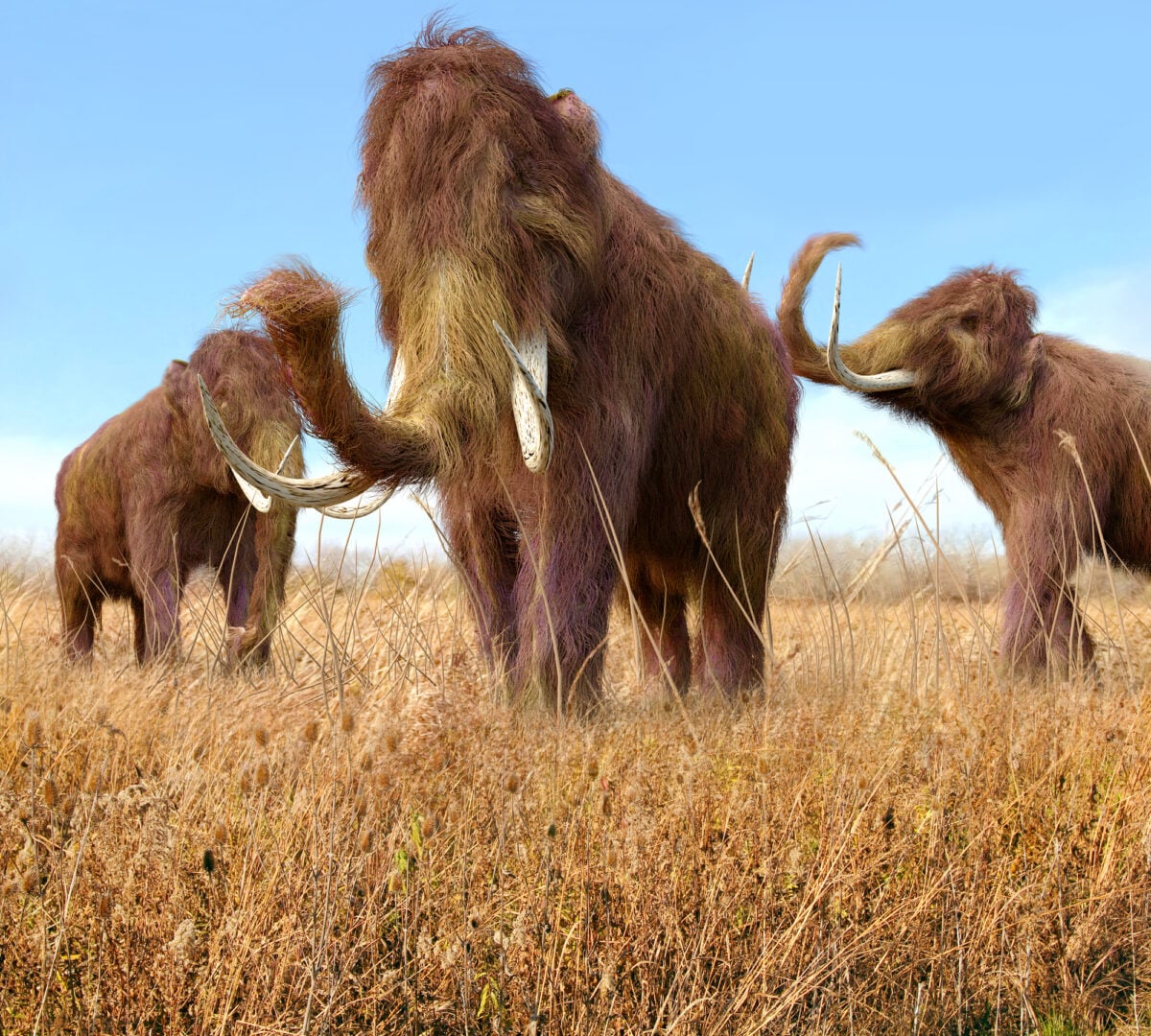
Woolly mammoths were still alive when the pyramids were being built in Egypt. While most mammoth populations died out around 10,000 years ago, a small group survived on Wrangel Island in the Arctic Ocean until about 2000 BC.
The Great Pyramid of Giza was completed around 2580 BC, meaning these last mammoths overlapped with one of humanity’s greatest architectural achievements by several centuries. Picture ancient Egyptian workers hauling limestone blocks under the desert sun while, thousands of miles north, the last woolly mammoths grazed on an isolated island.
Two completely different worlds — one reaching toward civilization’s future, the other representing the ice age’s final breath — existing simultaneously. The timeline of extinction never follows the neat chapters textbooks suggest.
The University of Al-Qarawiyyin

The world’s oldest continuously operating university isn’t in Europe — it’s in Morocco, and it was founded by a woman. Fatima al-Fihri established the University of Al-Qarawiyyin in Fez in 859 AD.
This makes it older than Oxford, Cambridge, Harvard, and pretty much every other famous university you can name. It predates the Norman Conquest of England by 200 years. The university has been granting degrees and conducting research for over 1,160 years without interruption. When European scholars were just beginning to rediscover classical Greek texts, Al-Qarawiyyin was already a major center of learning, attracting students from across North Africa, Europe, and the Islamic world.
It’s still operating today, still granting degrees, still teaching — an unbroken chain of scholarship spanning more than a millennium.
Honey

Archaeologists have found pots of honey in ancient Egyptian tombs that are over 3,000 years old — and it’s still perfectly edible. Honey’s low moisture content and acidic pH create an environment where bacteria simply cannot survive. Add the fact that bees add an enzyme that breaks down into hydrogen peroxide, and you’ve got a natural preservative that makes modern food science look primitive.
This means honey sitting in your kitchen cupboard uses the same preservation method that kept food fresh for pharaohs. The process hasn’t changed, hasn’t been improved, hasn’t been revolutionized.
Bees figured out food preservation thousands of years before humans invented refrigeration, and they did it so well that we still can’t improve on their method.
The London Underground
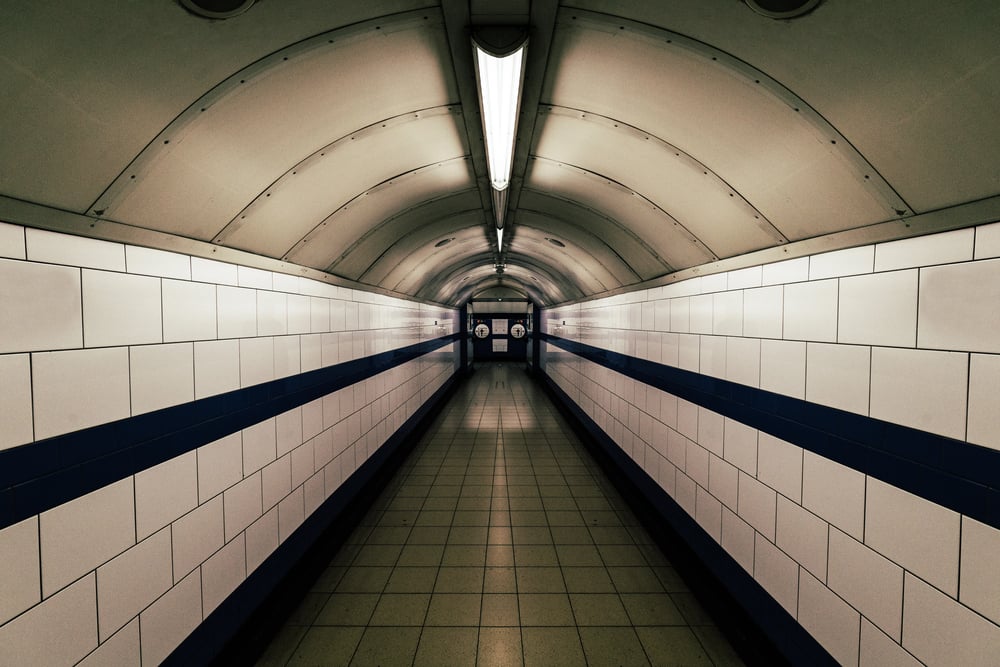
The London Underground is older than the Brooklyn Bridge. The world’s first underground railway opened in London in 1863, running steam trains through tunnels between Paddington and Farringdon.
The Brooklyn Bridge didn’t open until 1883, twenty years later. So London was already moving passengers through underground tunnels while New York was still debating how to span the East River.
The technology to bore tunnels and run trains beneath city streets existed decades before engineers figured out how to hang a bridge between Manhattan and Brooklyn. The Underground’s early tunnels were basically sewers with tracks, filled with steam and soot, but they worked — and they beat one of America’s greatest engineering achievements to the punch by two decades.
Antarctica

Antarctica wasn’t confirmed to exist until 1820, making it younger than the United States Constitution. While the Founding Fathers were debating the Bill of Rights, the southern continent remained purely theoretical — a “Terra Australis” that mapmakers drew in for balance but no one had actually seen.
Russian explorer Fabian von Bellingshausen first spotted the continental ice on January 27, 1820. By that time, the United States had already fought the Revolutionary War, established a government, built a capital city, and elected its third president.
America had been conducting business as a nation for over 40 years before anyone could prove Antarctica was real.
The Pyramids and Mastodons
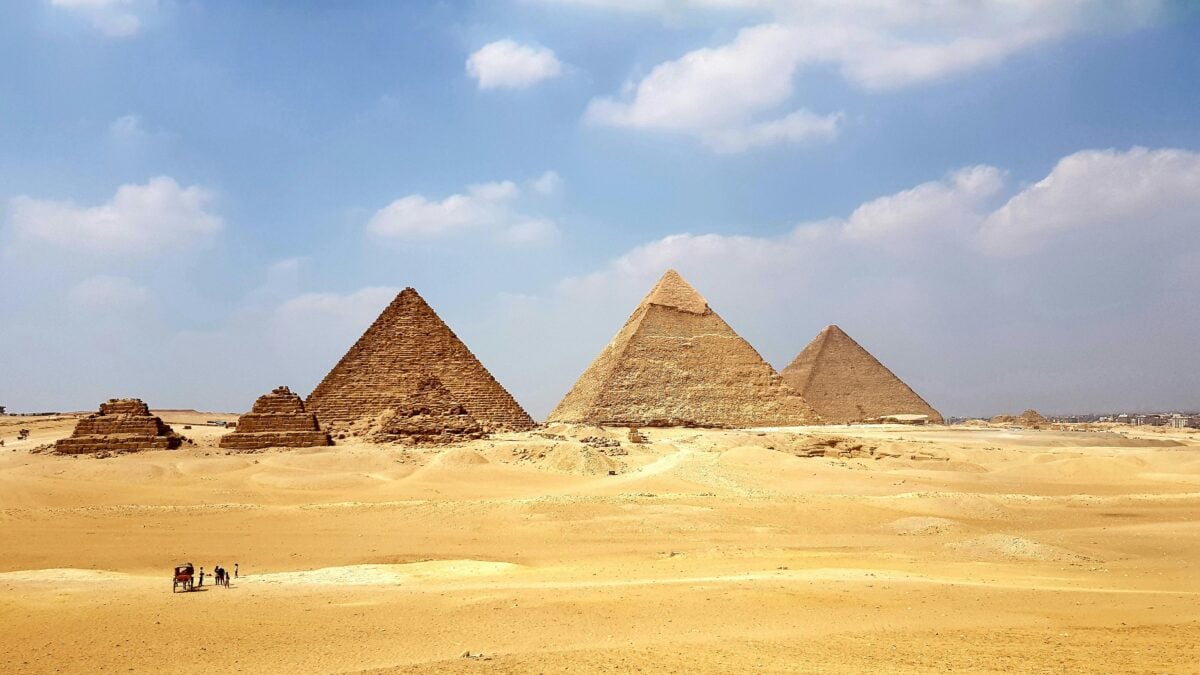
When the last mammoth died, the pyramids were already 580 years old, but mastodons kept roaming North American forests until just 10,000 years ago. These elephant relatives, smaller than mammoths but still imposing, survived in isolated pockets long after the ice age ended.
Some evidence suggests they persisted in certain areas until 8,000 years ago, well into the period when humans were developing agriculture and building the first permanent settlements. So while ancient Mesopotamians were inventing writing and Egyptians were constructing monuments, mastodons were still crashing through forests in what would become Ohio and Pennsylvania.
The gap between “prehistoric” megafauna and “historical” human civilization is much smaller than most people realize. These worlds weren’t separated by eons — they were separated by centuries, sometimes less.
The Power of Perspective
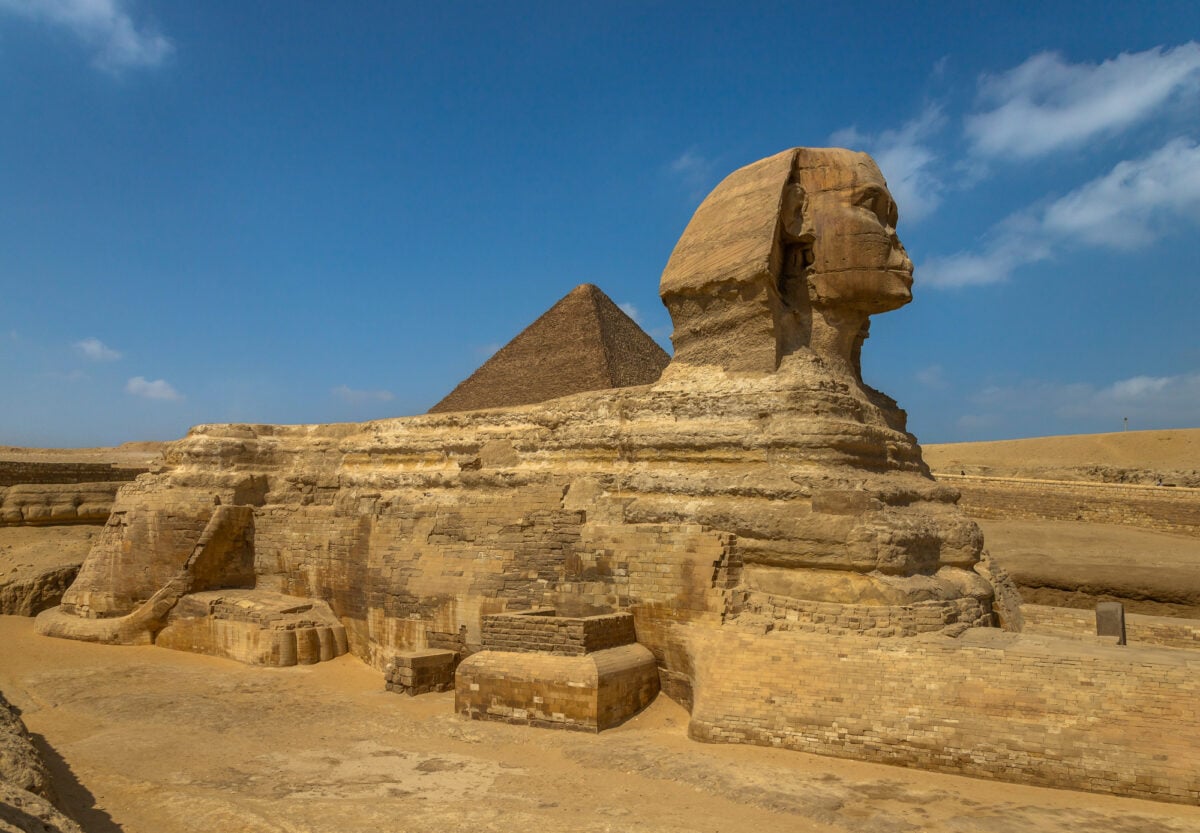
Time refuses to behave the way memory insists it should. These facts feel wrong precisely because they challenge the mental filing system everyone uses to organize history into neat, non-overlapping periods.
Ancient Egypt belongs in one mental drawer, medieval Europe in another, modern technology in a third. But the real timeline scrambles these categories, revealing overlaps that make perfect sense once you see them but feel impossible before you do.
Maybe that’s the most startling fact of all — how consistently human intuition misjudges the flow of time, even when the math is straightforward and the evidence is clear.
More from Go2Tutors!

- The Romanov Crown Jewels and Their Tragic Fate
- 13 Historical Mysteries That Science Still Can’t Solve
- Famous Hoaxes That Fooled the World for Years
- 15 Child Stars with Tragic Adult Lives
- 16 Famous Jewelry Pieces in History
Like Go2Tutors’s content? Follow us on MSN.



