Famous Photography Spots That Look Completely Fake
You’ve seen the photos. Impossibly blue lakes that seem painted on.
Rock formations that appear gravity-defying. Mountains reflected so perfectly in water they could be digital art.
These places exist, scattered across the planet, defying belief with their surreal beauty. Yet step into these locations with your own camera, and the disbelief only deepens — they’re somehow even more stunning in person than in the thousands of images flooding social media.
Antelope Canyon, Arizona
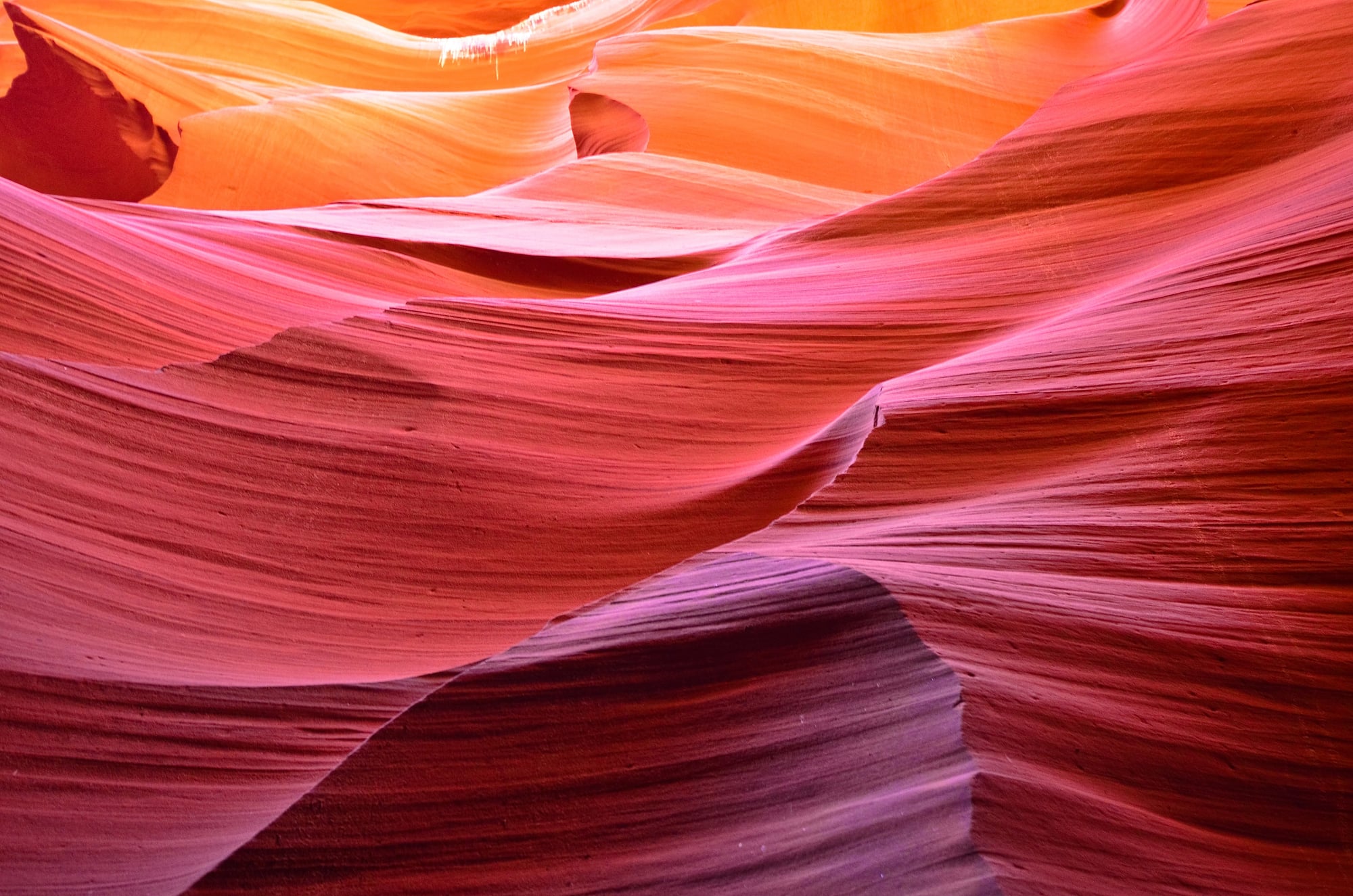
The light beams are real. Every photographer chasing that famous shot discovers this quickly enough.
But the colors shift and dance in ways that make your camera screen look like someone cranked the saturation to maximum and forgot to dial it back.
Those smooth, flowing walls carved by flash floods create a natural cathedral where light behaves differently than anywhere else on Earth.
Lake Bled, Slovenia
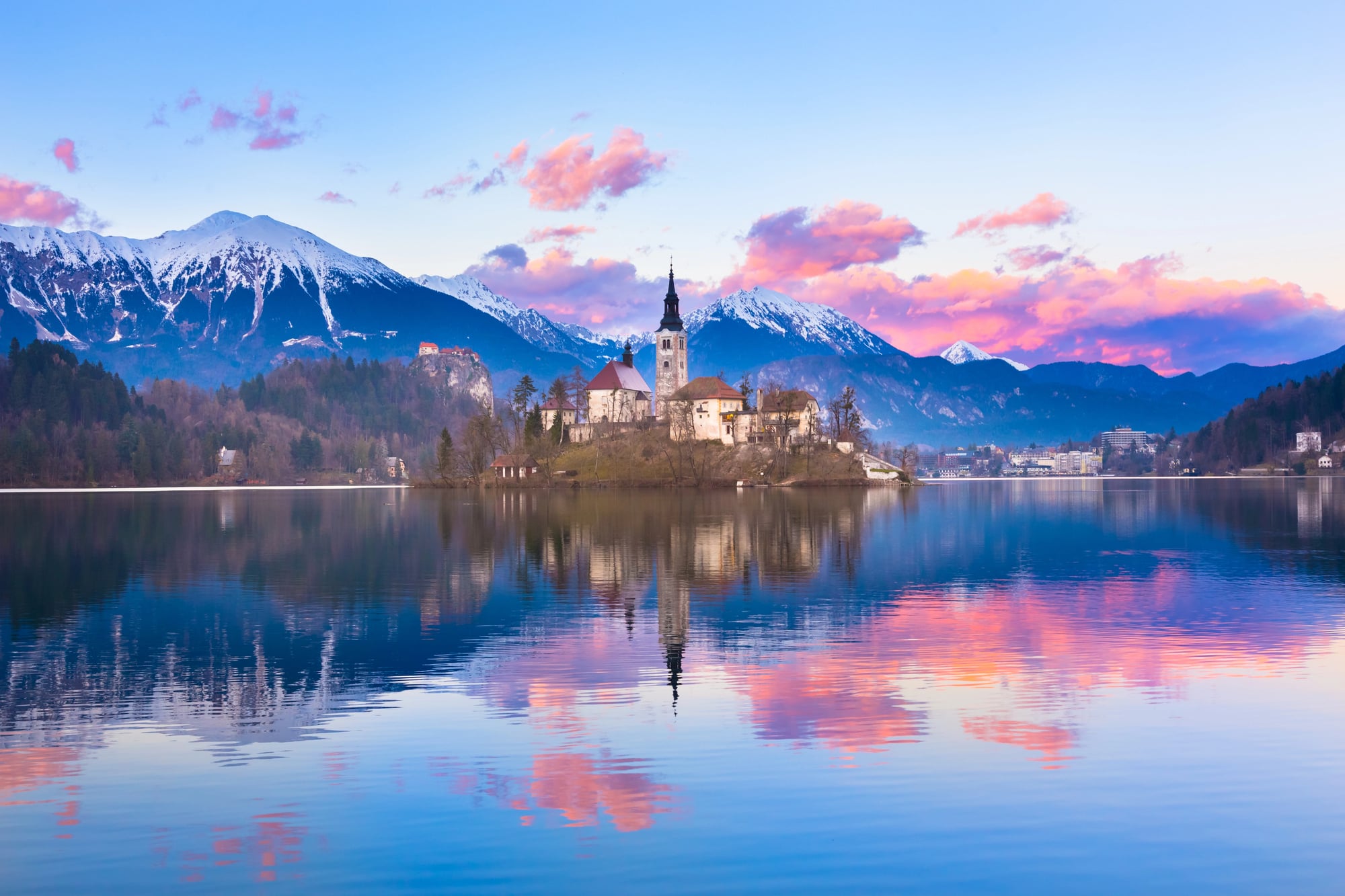
The castle perched on the cliff looks like it was designed by someone who never learned subtlety. The island church sitting in the middle of the lake — complete with its own tiny boat dock — reads like a fairy tale illustration that escaped into reality.
Early morning mist clings to the water’s surface, softening everything until the whole scene takes on the quality of a dream half-remembered, where the edges blur and the impossible becomes plausible, where a photographer standing on the shore might wonder (and this happens more often than anyone admits) whether they’ve stumbled into a place that exists primarily to be photographed, a landscape that seems to understand its own photogenic nature and plays up to it shamelessly.
So the photos aren’t lying. But they’re not telling the whole truth either.
Salar De Uyuni, Bolivia
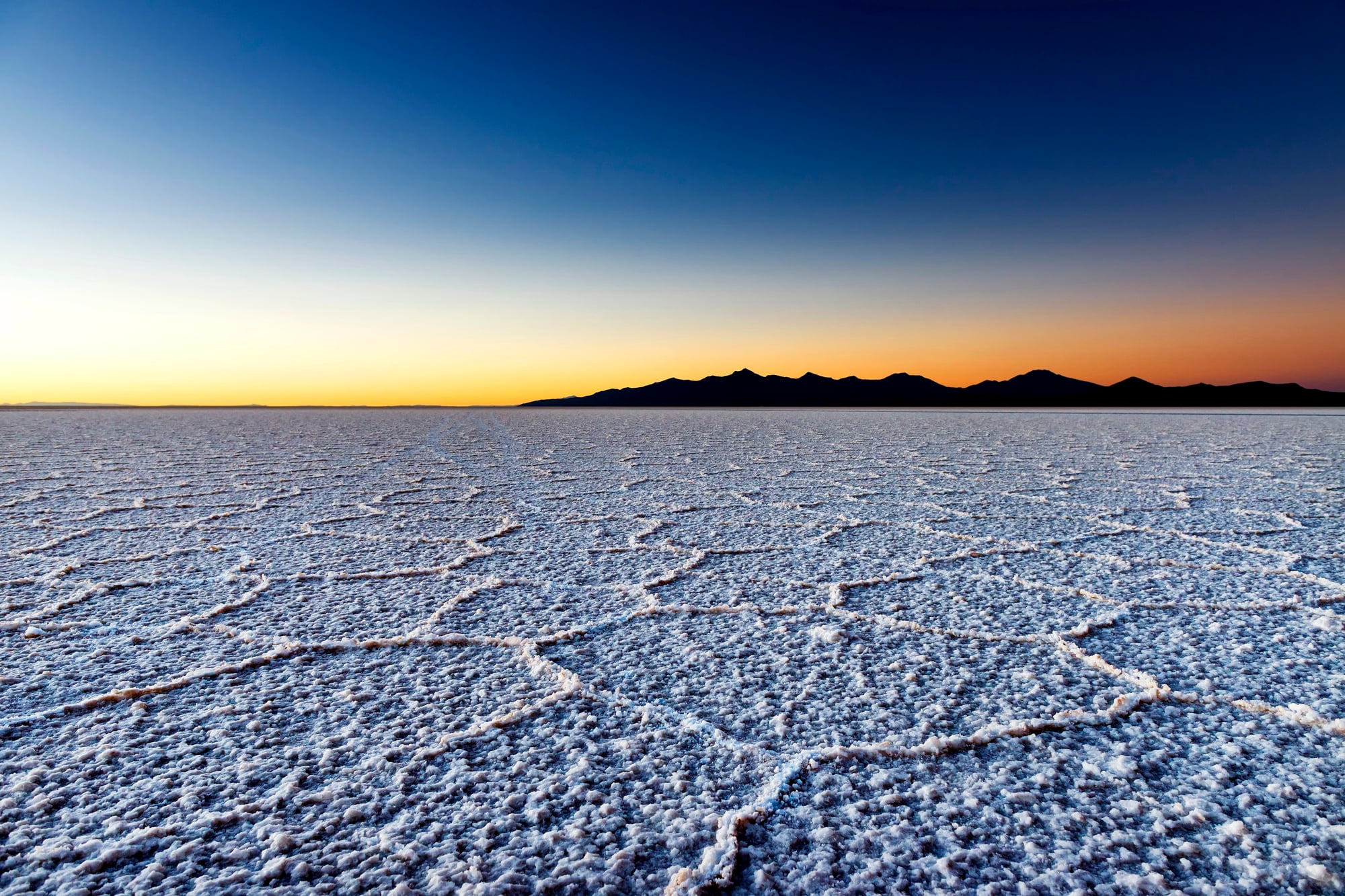
Salt flats shouldn’t create mirror universes. The physics seems wrong — this massive stretch of crystallized salt that transforms into the world’s largest mirror during rainy season.
Sky and ground become indistinguishable.
Standing there during the right conditions, photographers lose track of which way is up. The horizon vanishes completely.
It’s the kind of place that makes you check your camera settings twice, convinced something’s broken.
Rainbow Mountain, Peru
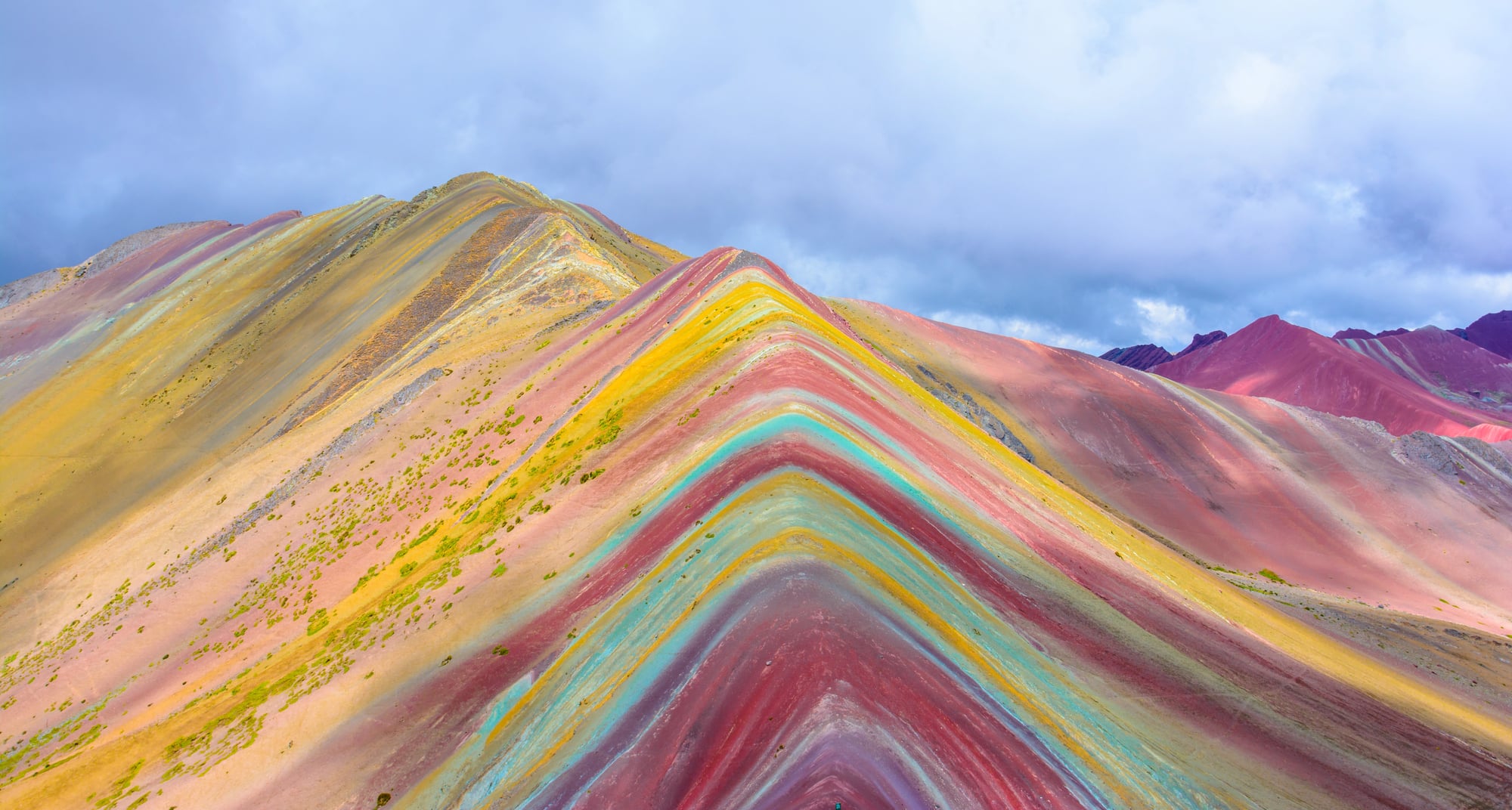
The stripes are genuine mineral deposits, but seeing them in person feels like discovering that geology has a sense of humor — layers of sedimentary rock that folded and oxidized over millions of years into something that looks like it was painted by someone who’d never heard of restraint.
The altitude (over 17,000 feet) adds another layer of surreal to the experience, where the thin air makes everything feel slightly unmoored from reality, where colors seem more saturated and shadows more dramatic, and where the act of hiking to reach this place becomes part of its mythic quality.
And yet there it sits, patient and striped, waiting for the next photographer to arrive breathless and disbelieving.
The mountain doesn’t seem to care whether anyone believes in it or not.
Zhangjiajie National Forest Park, China
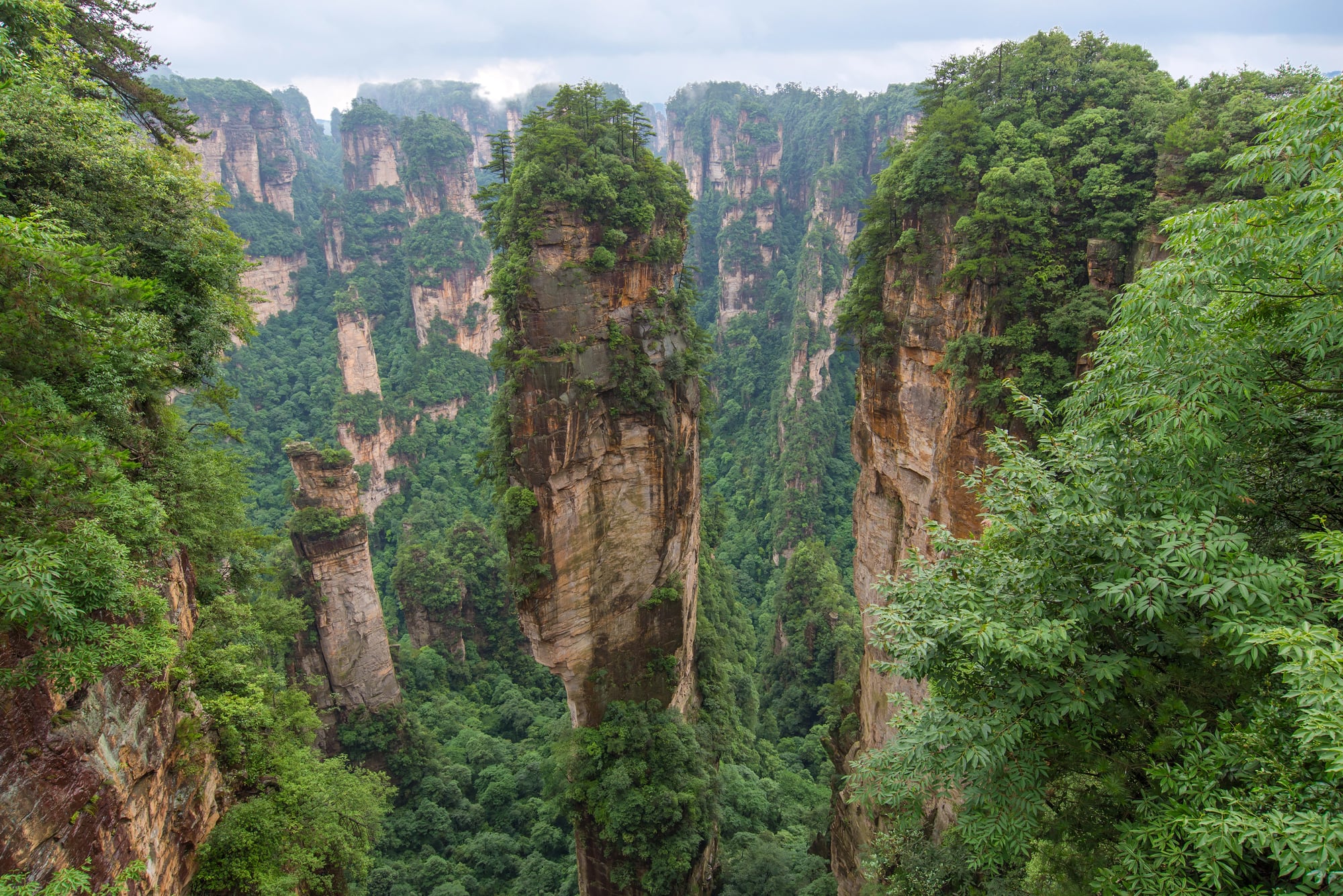
These towering sandstone pillars inspired the floating mountains in Avatar. That fact alone should tell you something about how they photograph.
The mist that regularly rolls through the valleys only adds to the otherworldly effect.
Photographers often find themselves shooting straight up, trying to capture the full height of these stone towers. The resulting images look like concept art for an alien planet.
The Wave, Arizona
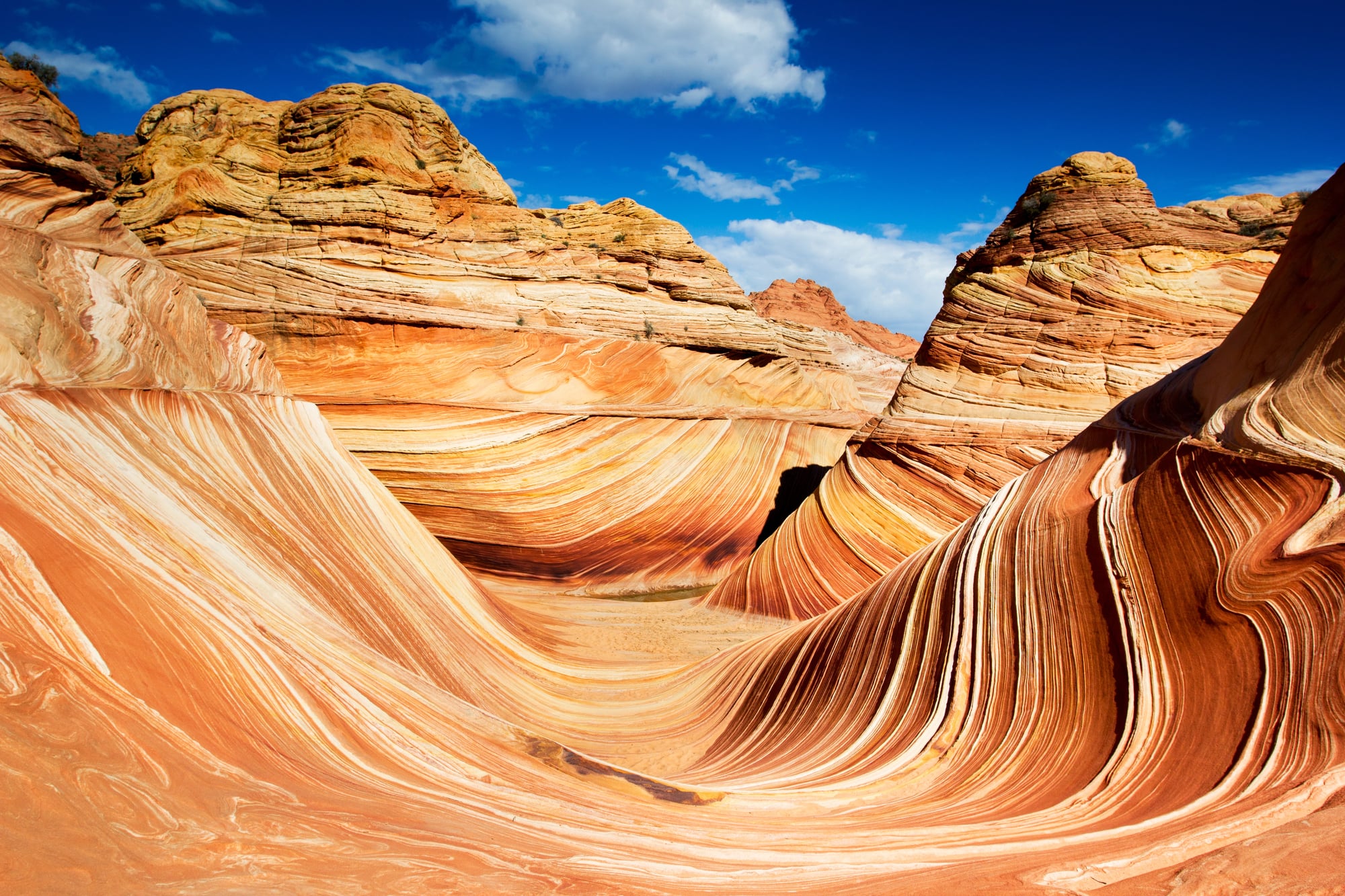
Rock shouldn’t ripple like water, but here it does — petrified sand dunes that froze mid-motion millions of years ago into these flowing, curved walls that seem to undulate even when you’re standing perfectly still, where the Navajo sandstone carved itself into patterns that follow no earthly logic, where photographers must win a lottery just for the chance to witness this geological impossibility in person.
The color shifts from cream to deep orange depending on the light. Most photos can’t capture the full spectrum, so they pick a moment and hope it conveys even a fraction of the strangeness.
Fly Geyser, Nevada
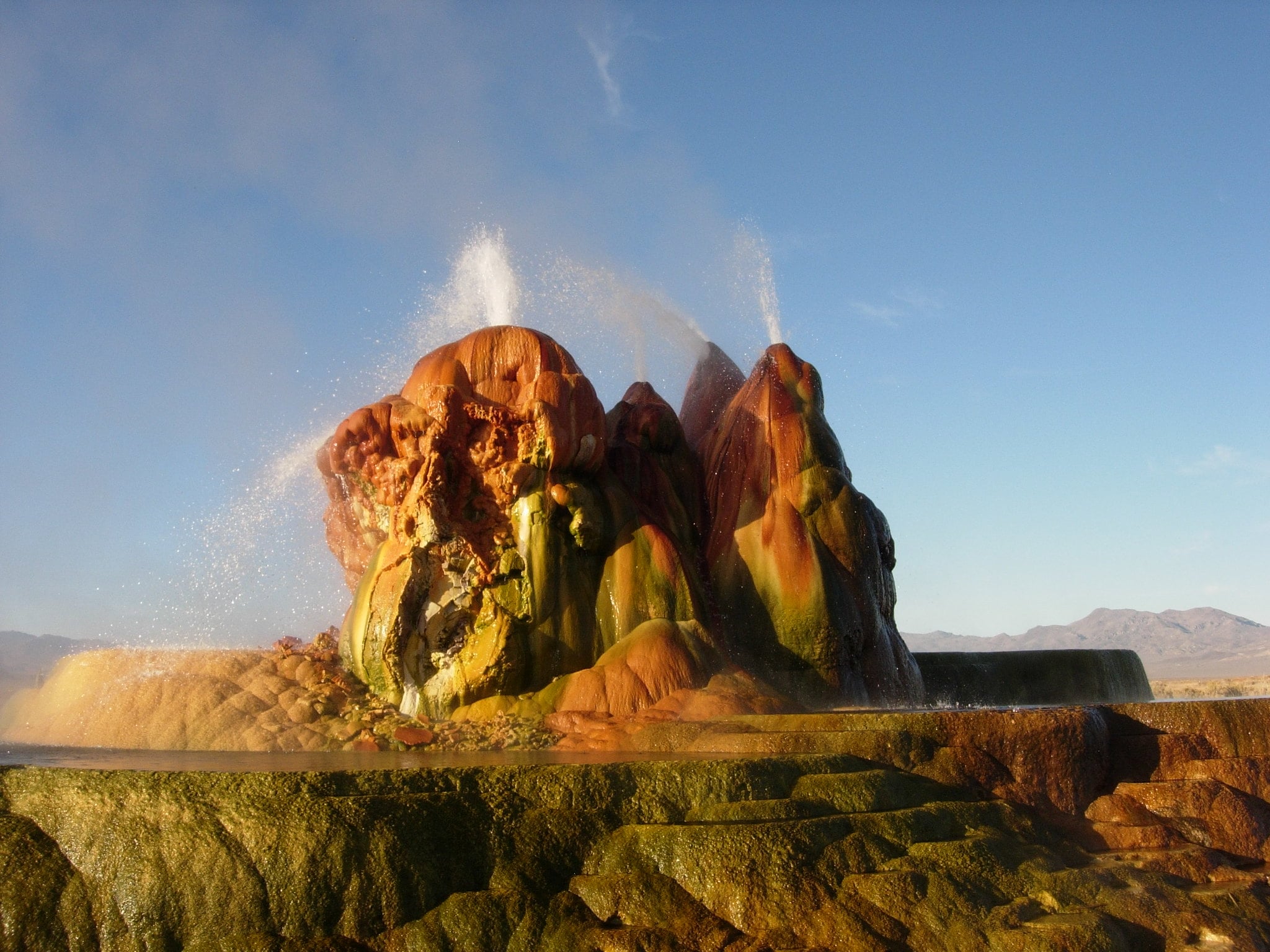
This wasn’t supposed to exist. A geothermal accident in 1964 created this rainbow-colored mound that continuously spouts water and steam.
The mineral deposits have built up into something that looks more like alien architecture than natural formation.
The colors — brilliant greens, oranges, and reds — come from heat-loving bacteria that thrive in the scalding water. Most photos look heavily processed even when they’re not.
Tunnel Of Love, Ukraine
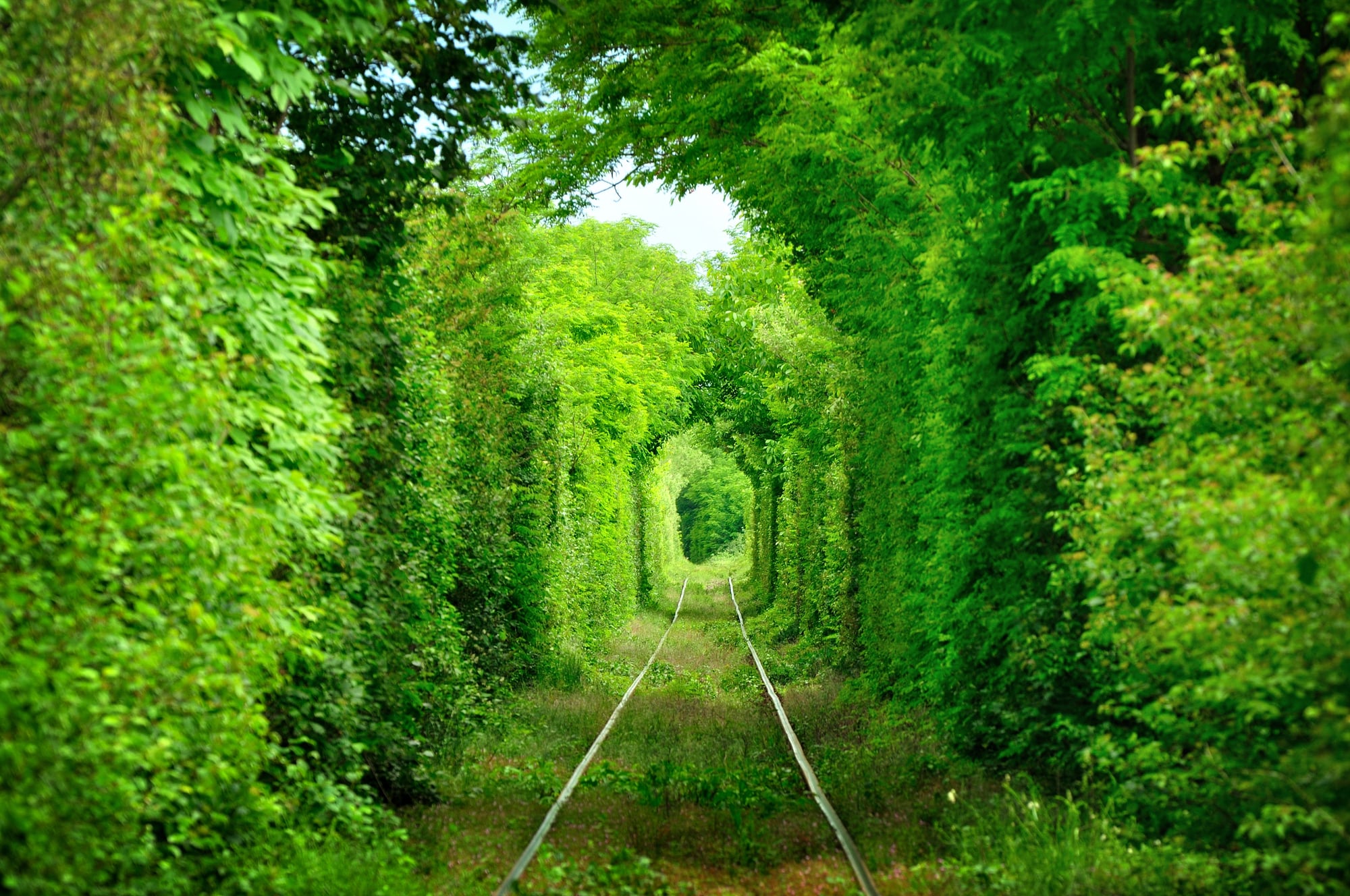
An abandoned railway line where the trees grew together overhead, forming a natural tunnel that seems designed specifically for romantic photography sessions and fairy tale photo shoots — which is exactly what it became, this stretch of track in Klevan where nature reclaimed human infrastructure and turned it into something more beautiful than either could have achieved alone.
The light filtering through the dense canopy creates patterns that shift throughout the day, and photographers often find themselves waiting for that perfect moment when the filtered sunlight hits the tracks just right, illuminating the tunnel like a cathedral made of leaves.
But walk through it, and the magic holds. Sometimes the most photogenic places earn their reputation honestly.
Door To Hell, Turkmenistan
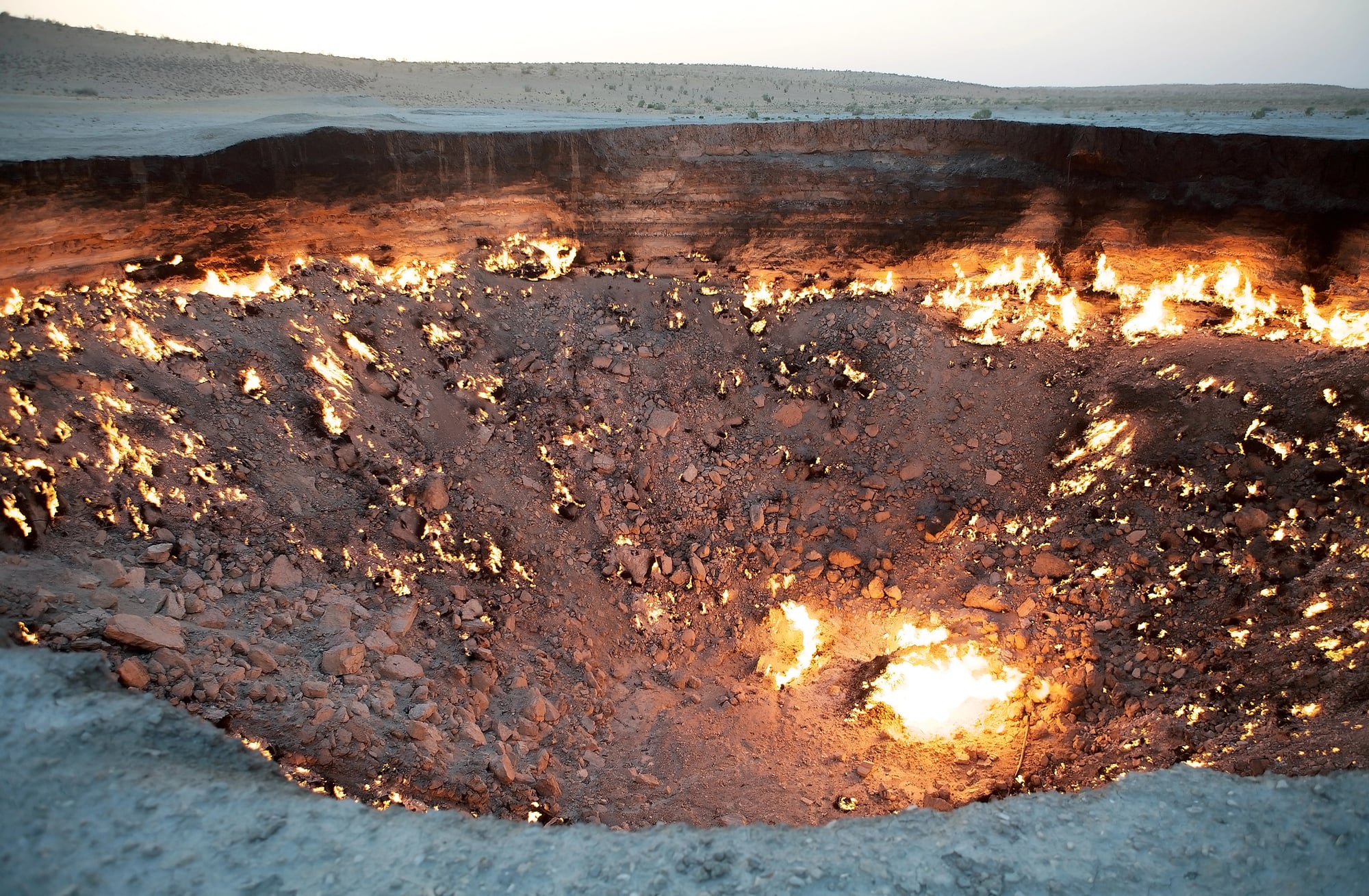
Scientists lit a natural gas crater on fire in 1971 and it’s been burning ever since. The official name is Darvaza Gas Crater, but everyone calls it the Door to Hell because that’s exactly what it looks like — a perfectly round pit in the desert floor that glows orange day and night.
Night photography here produces images that look like special effects. The surrounding darkness makes the flames appear to float in a void.
Most viewers’ first instinct is to assume heavy digital manipulation.
Lake Hillier, Australia
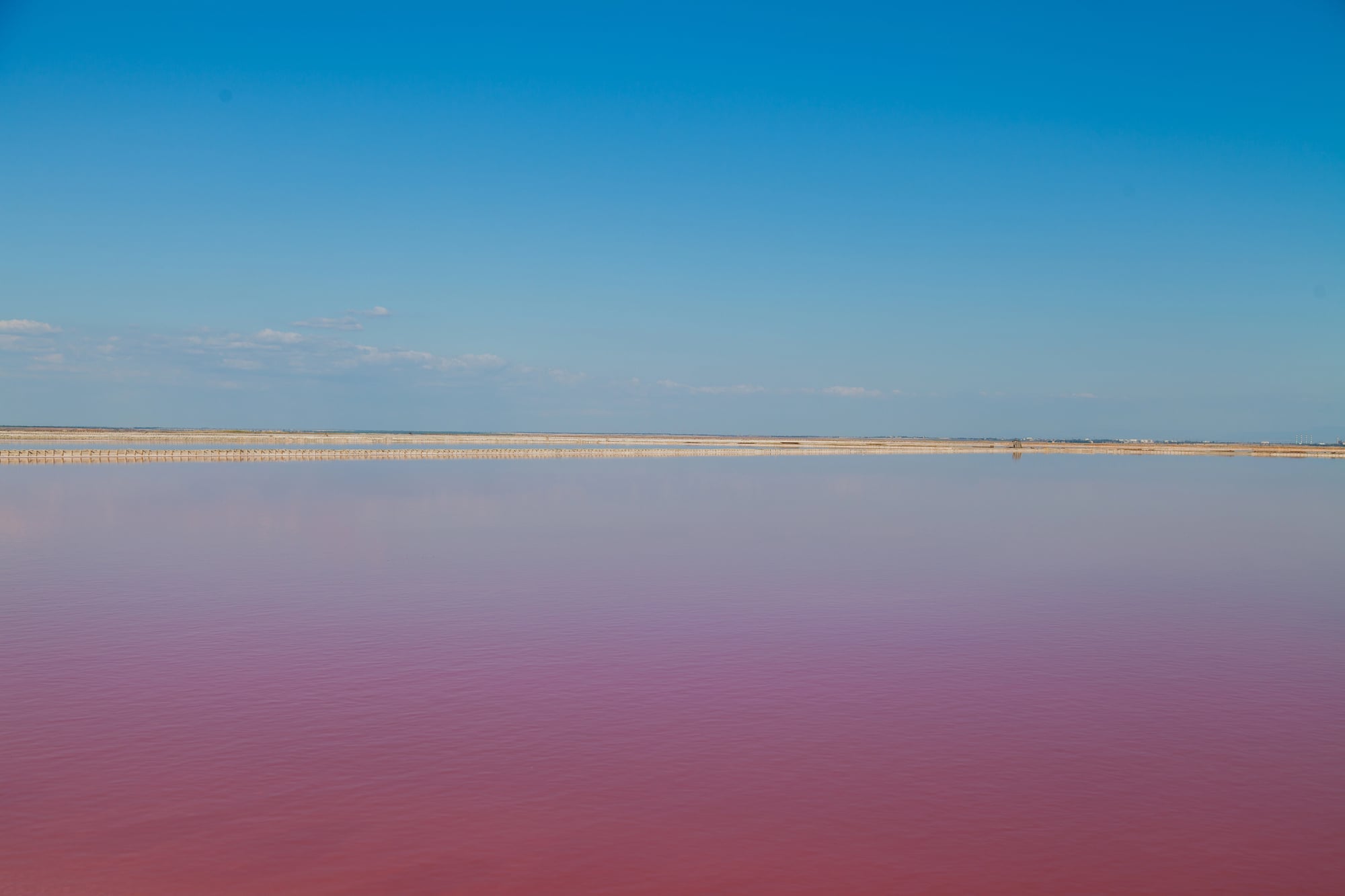
The water is actually pink. Not tinted pink or pink-ish — legitimately, permanently pink like someone mixed strawberry milk with seawater.
Scientists believe it’s caused by algae and bacteria that thrive in the salt-heavy environment, but knowing the cause doesn’t make the sight any less jarring.
Aerial photographs look like someone spilled paint across the landscape. The contrast between the pink lake and the surrounding blue ocean defies expectations so completely that most people’s brains reject it initially.
Socotra Island, Yemen
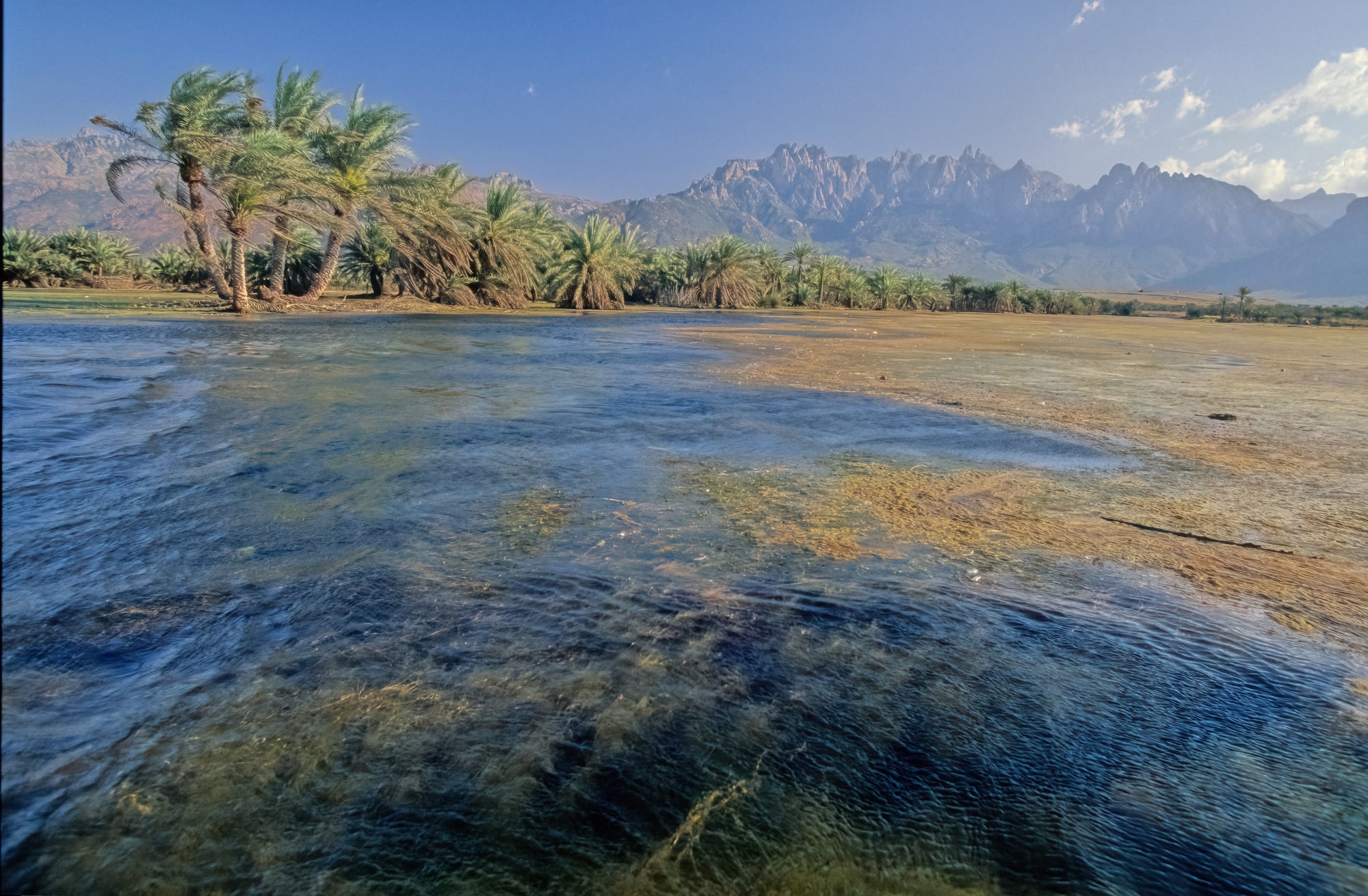
Evolution took a different path here. Isolated in the Arabian Sea, this island developed flora that exists nowhere else on Earth.
The Dragon Blood Trees look like giant umbrellas scattered across an alien landscape. The Desert Rose plants store water in bulbous trunks that seem borrowed from Dr. Seuss.
Photographers documenting Socotra often struggle with the same problem — how do you make something genuinely alien look believable to viewers who’ve never seen anything like it?
Marble Caves, Chile
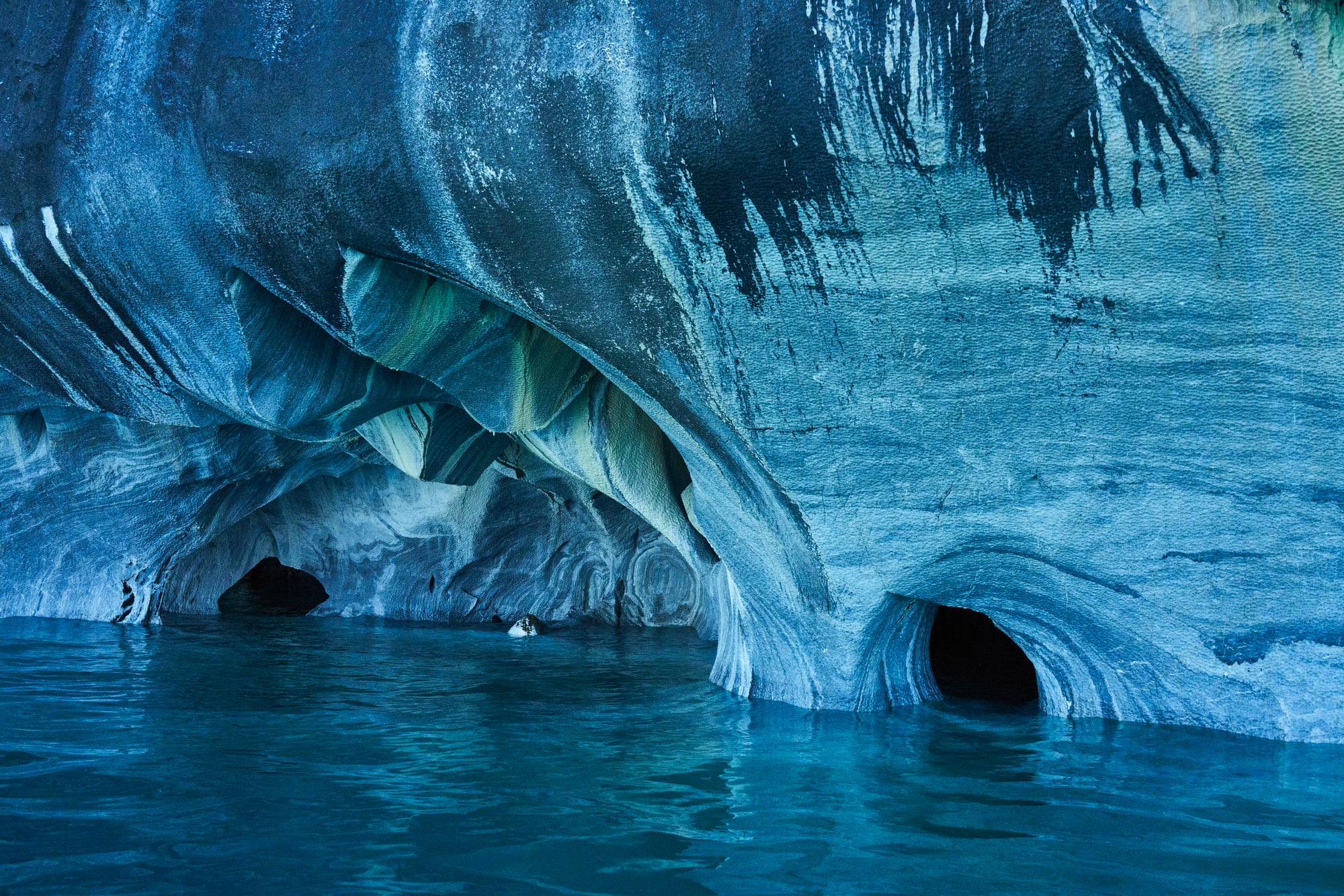
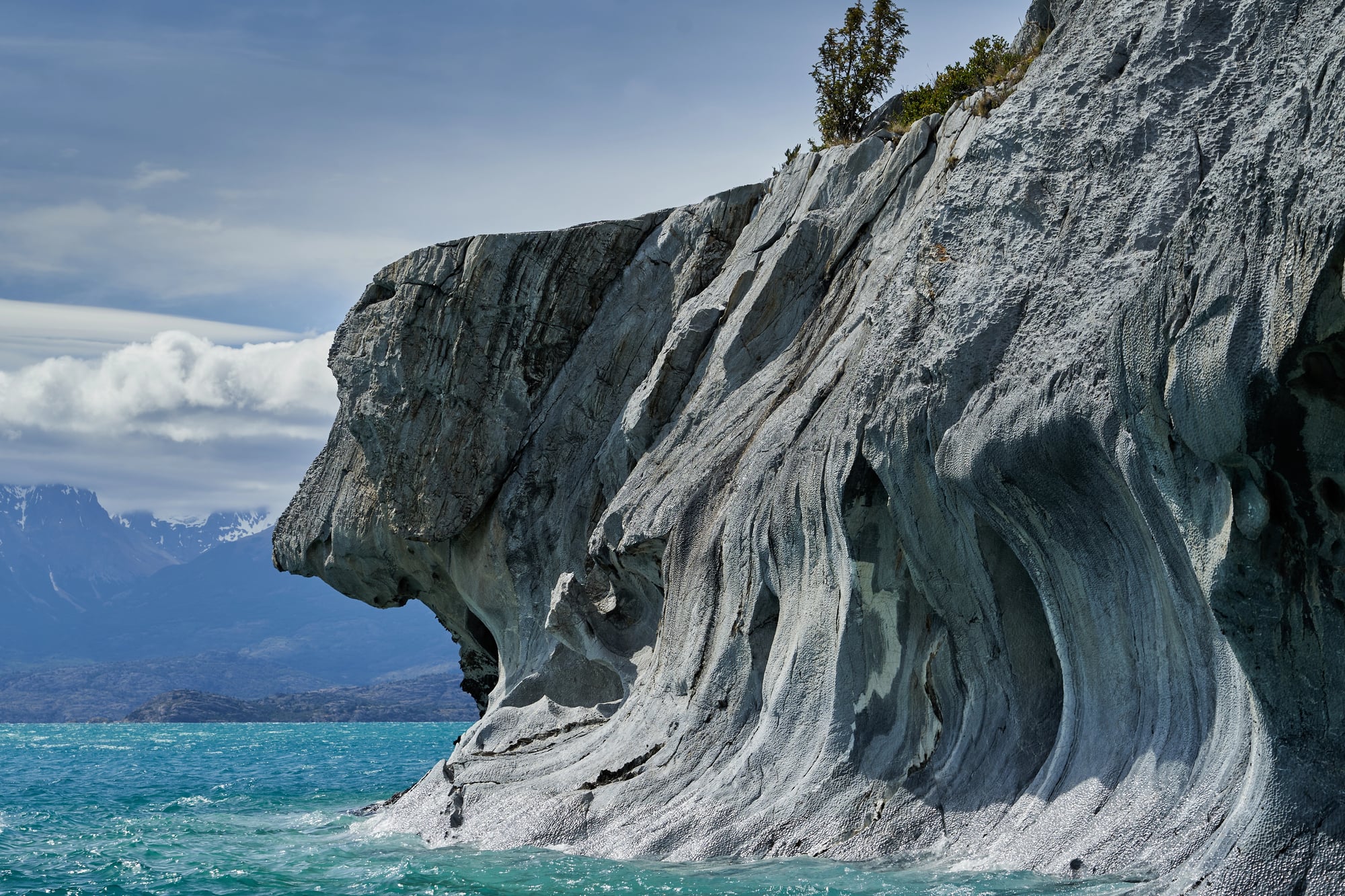
Water carved these chambers from solid marble over thousands of years, creating cathedral-like spaces where light bounces off polished stone walls and reflects through glacial blue water in patterns that seem to shift and breathe, where kayakers paddle through rooms that feel both ancient and impossibly pristine, where the marble’s natural patterns create swirls and veins that look hand-painted but formed through geological processes too slow and vast for human comprehension.
The blue varies with water levels and weather conditions. Some photos capture intense turquoise, others show deep sapphire — both are accurate, just taken at different moments.
Lencois Maranhenses, Brazil
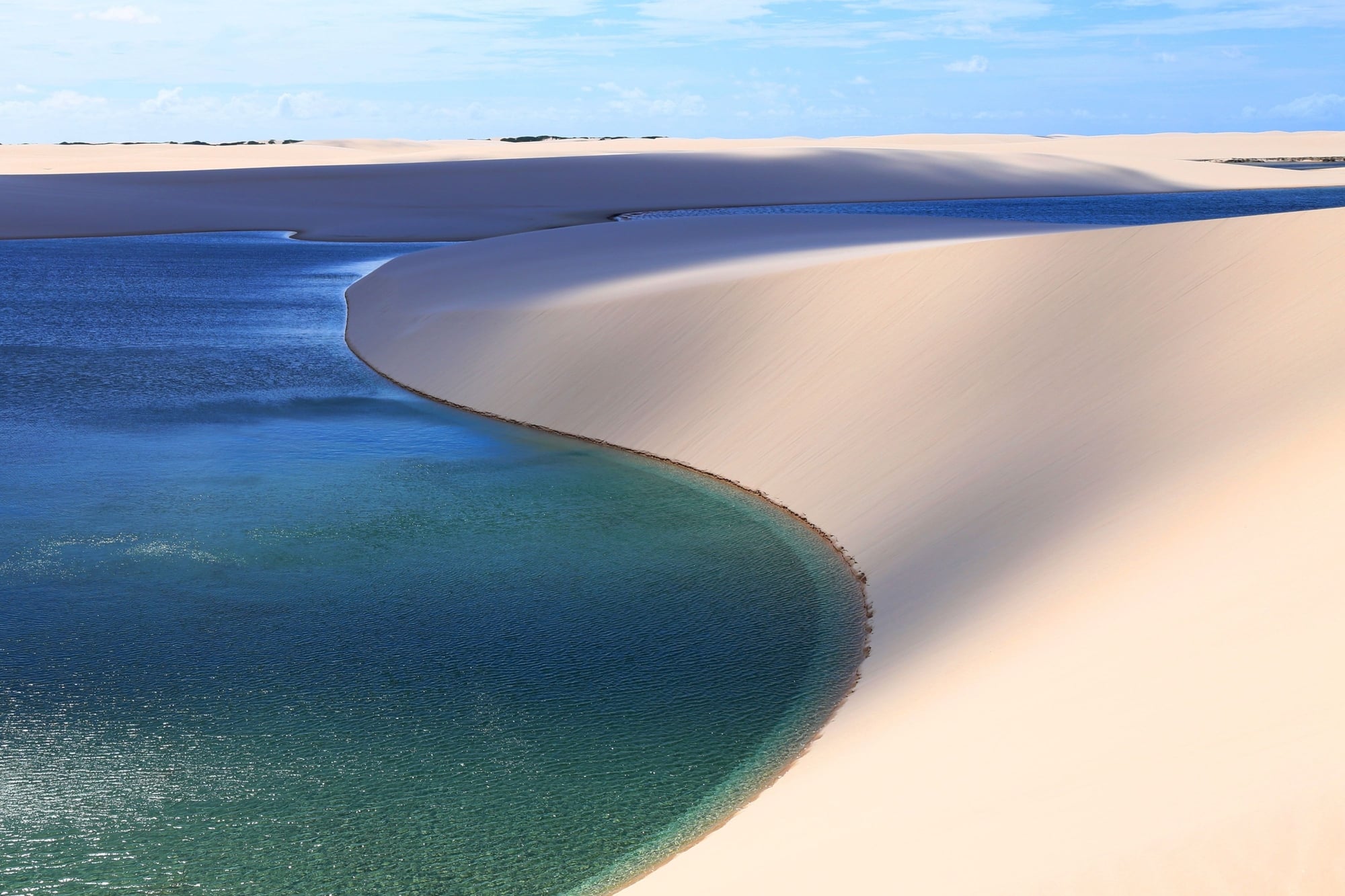
Sand dunes filled with freshwater lagoons shouldn’t exist this close to the equator. The physics seems backward — hundreds of crystal-clear pools scattered across bright white sand that looks like it belongs in the Sahara, not in a place where seasonal rains create temporary oases between the dunes.
During the rainy season, the contrast is so stark that aerial photographs look digitally manipulated. White sand, brilliant blue water, and not much else — the simplicity makes it seem artificial.
When Reality Outpaces Imagination
The strangest thing about these places isn’t that they look fake in photographs. The strangest thing is that they look fake in person too, yet there you stand, breathing the air and feeling the ground beneath your feet, holding proof that the world still has corners where the impossible happens daily and cameras capture only the faintest echo of the experience.
More from Go2Tutors!

- The Romanov Crown Jewels and Their Tragic Fate
- 13 Historical Mysteries That Science Still Can’t Solve
- Famous Hoaxes That Fooled the World for Years
- 15 Child Stars with Tragic Adult Lives
- 16 Famous Jewelry Pieces in History
Like Go2Tutors’s content? Follow us on MSN



