Famous Portraits Hiding Unexpected Stories
Portraits are often seen as simple windows into another time, capturing a face and freezing it in paint. Yet behind the stillness, many of the world’s most recognisable portraits hide secrets—lost layers, coded messages, and unexpected twists in history.
Below are famous portraits that turned out to be far more than what first meets the eye.
Mona Lisa

The world’s most famous smile has long been studied, but infrared scans revealed something startling—Leonardo da Vinci painted an earlier version of the Mona Lisa beneath the one now on display. The hidden layer shows a woman without a smile, her pose more formal, almost severe. And then there’s the background, shifting and layered, as if da Vinci couldn’t decide what story he wanted her to tell.
Girl with a Pearl Earring

Johannes Vermeer’s enigmatic sitter was never identified, sparking centuries of guesses. Scientific analysis showed she originally wore a green curtain-like backdrop, later replaced with the dark void we see today. That empty space is now part of her mystery, amplifying her gaze and the oversized pearl—though, fun fact, the jewel may not even be a pearl but polished tin.
Like Go2Tutors’s content? Follow us on MSN.
The Arnolfini Portrait
— Photo by Brasilnut
Jan van Eyck’s painting appears to show a wealthy couple, but look closely. In the convex mirror at the back, two additional figures stand in the doorway.
One is thought to be van Eyck himself, signing his name above with the phrase “was here.”A subtle cameo, centuries before selfies.
And still, arguments rage: is it a wedding, a contract signing, or something else entirely?
American Gothic

Grant Wood’s stern farmer and daughter have become an icon of rural America. But they weren’t farmers at all.
The man was Wood’s dentist; the woman, his sister. Both resented their stiff portrayal, especially his sister, who disliked being cast decades older than she was.
The house in the background still stands in Iowa, quietly drawing curious visitors.
The Scream

Edvard Munch painted several versions, but one canvas revealed a hidden note in the corner: “Could only have been painted by a madman.” At first suspected to be graffiti by someone else, experts later confirmed it was Munch’s own hand.
Whether a bitter self-joke or a defensive retort to critics, it changed how the painting is read—torment not just painted, but confessed.
Like Go2Tutors’s content? Follow us on MSN.
Lady with an Ermine
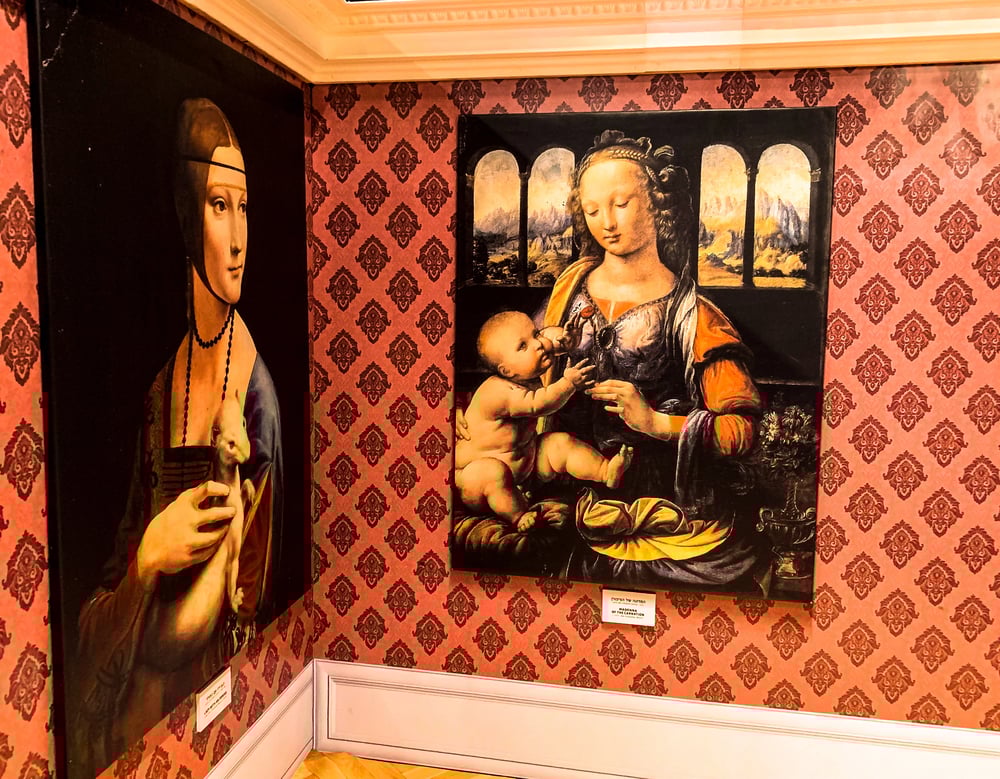
Leonardo da Vinci’s portrait of Cecilia Gallerani, mistress to the Duke of Milan, is deceptively clean. Yet imaging revealed da Vinci painted over multiple versions of the animal in her arms.
At first, there was no ermine. Later, a smaller, sleeker version. Finally, the oversized beast we see now.
A slow exaggeration, likely symbolic of the Duke, who adopted the ermine as his emblem.
Portrait of Adele Bloch-Bauer I
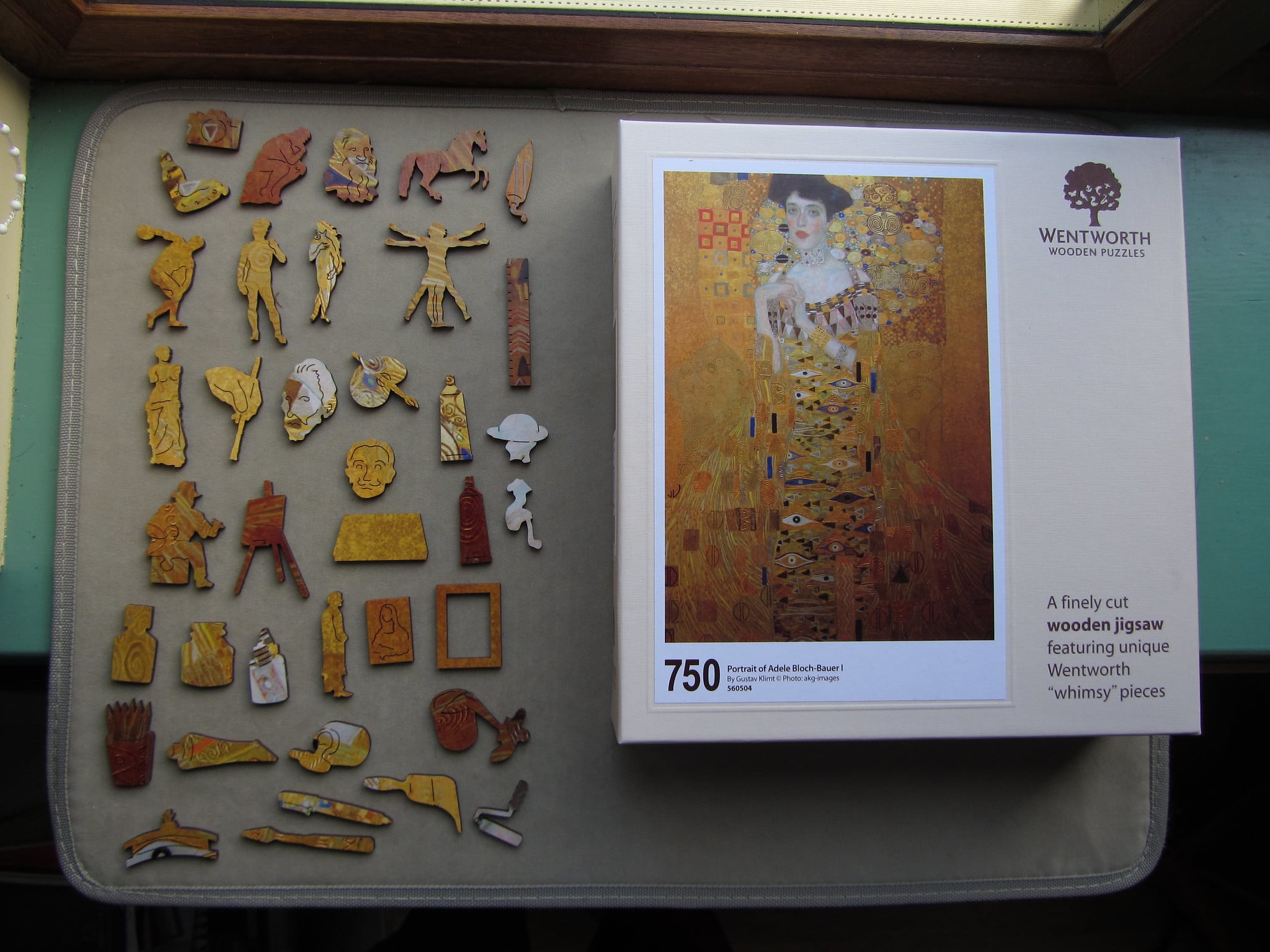
Gustav Klimt’s shimmering portrait became known as the “Austrian Mona Lisa.” But its story runs darker.
The Nazis seized the painting from Adele’s family during World War II. Decades later, her niece fought Austria in a lengthy legal battle to reclaim it.
She won, and the portrait now hangs in New York. A gilded masterpiece, once stolen, now a survivor.
The Blue Boy

Thomas Gainsborough’s youthful subject is a fashion puzzle. Painted in striking blue satin, the boy was dressed in a style already centuries out of date when the portrait was made.
Gainsborough deliberately chose this costume as a rebuke to a rival artist, who insisted blue could never dominate a painting. Petty? Perhaps. But the canvas proved otherwise.
Like Go2Tutors’s content? Follow us on MSN.
Whistler’s Mother

Formally titled Arrangement in Grey and Black No. 1, this portrait was less sentimental than its nickname suggests. James Whistler originally intended to paint his mother standing, but when she grew tired, he adjusted the pose to her now-iconic seated position.
The work was later used in posters as a symbol of motherhood, even though Whistler had meant it as an experiment in form and tone.
Las Meninas

Diego Velázquez painted the Spanish royal family in an unusually intimate scene. At the far left, Velázquez paints himself into the picture, brush in hand.
The royal couple appears only as a reflection in a mirror at the back. A bold move—making the king and queen supporting characters in their own portrait.
The focus, instead, is the infanta and her attendants.
Hidden Stories in Paint
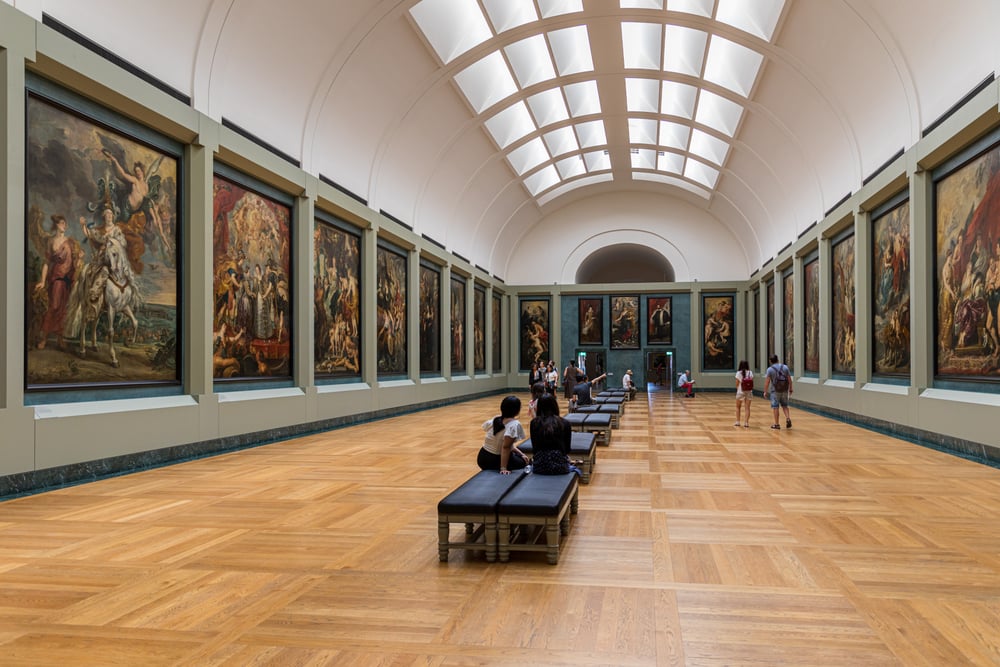
These portraits remind us that art is rarely straightforward. Beneath the brushstrokes lie forgotten layers, personal grudges, political statements, and even entire lives reshaped by fate.
Every portrait hangs silent, yet whispers louder than words once its secrets are uncovered.
More from Go2Tutors!

- 16 Historical Figures Who Were Nothing Like You Think
- 12 Things Sold in the 80s That Are Now Illegal
- 15 VHS Tapes That Could Be Worth Thousands
- 17 Historical “What Ifs” That Would Have Changed Everything
- 18 TV Shows That Vanished Without a Finale
Like Go2Tutors’s content? Follow us on MSN.