Largest Fleets in the World
The ocean covers most of our planet, and the nations that control its waters shape global politics, trade, and security. Naval power remains one of the clearest indicators of a country’s reach and influence.
Some countries invest billions in maintaining massive maritime forces, while others focus on specialized capabilities. Understanding who commands the seas tells you a lot about how the modern world works.
The United States Navy Dominates by Numbers and Technology
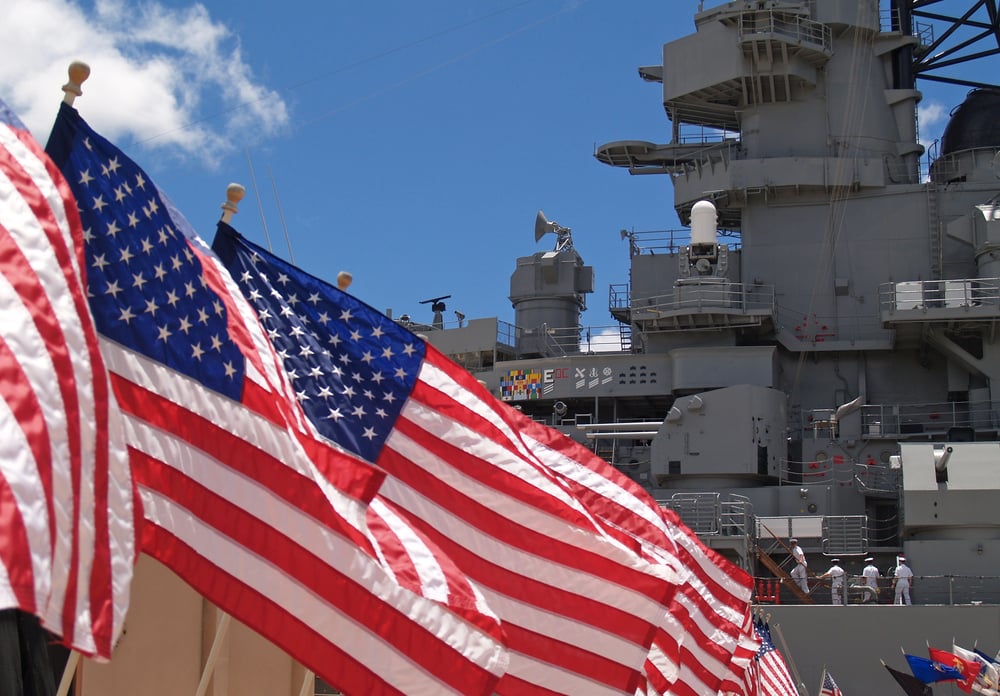
The U.S. Navy operates more than 290 ships and submarines. That total includes 11 aircraft carriers—more than the rest of the world combined.
Each carrier is essentially a floating city with thousands of crew members and dozens of aircraft. The fleet also includes guided-missile destroyers, nuclear submarines, and amphibious assault ships that can project power anywhere on earth within days.
American naval strategy focuses on maintaining presence in multiple oceans simultaneously. You’ll find U.S. warships patrolling the Pacific, Atlantic, Mediterranean, and Arabian Sea at any given time.
This global reach comes with massive costs. The Navy’s annual budget exceeds $200 billion, more than the entire military spending of most countries.
China’s People’s Liberation Army Navy Grows Rapidly
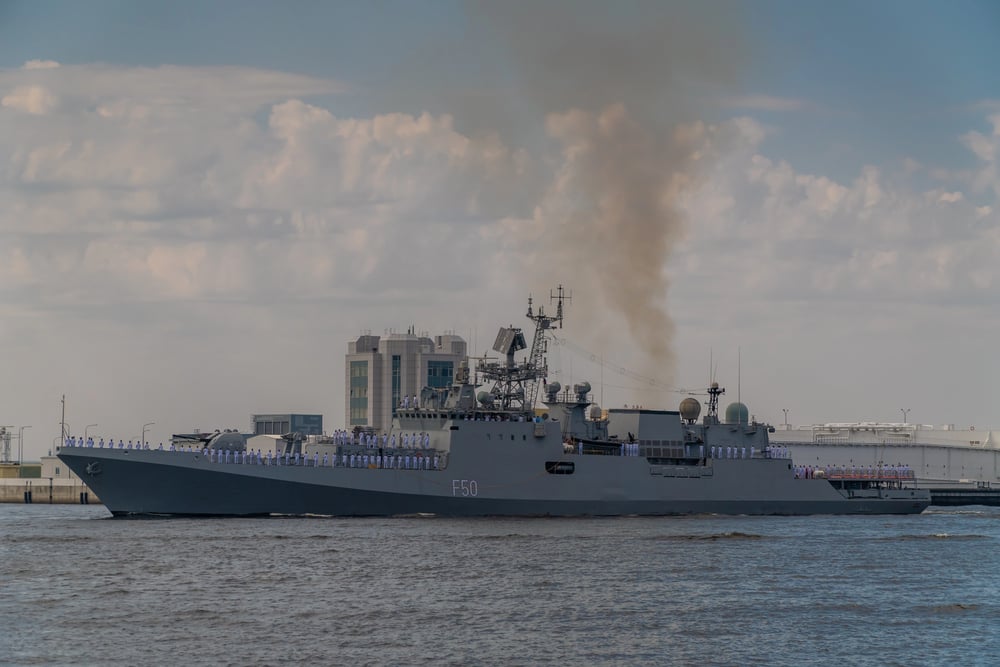
China now operates the world’s largest navy by total ship count, with over 370 vessels. This includes aircraft carriers, destroyers, frigates, and submarines.
The Chinese navy has expanded faster than any other force in recent decades, adding dozens of modern warships each year. The quality of Chinese ships has improved dramatically.
Early vessels were outdated Soviet designs, but newer ships incorporate advanced radar systems, missiles, and stealth technology. China focuses its fleet in the Western Pacific, particularly around Taiwan and the South China Sea.
The country is building its third aircraft carrier and plans several more in the coming years.
Russia Maintains a Powerful but Aging Fleet
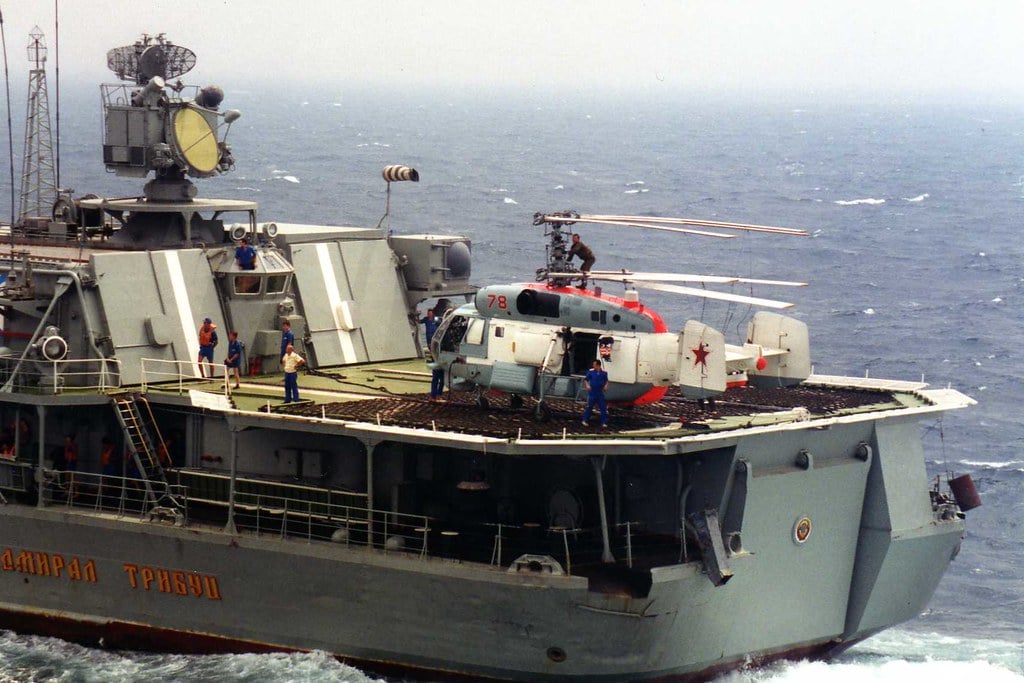
The Russian Navy operates around 350 ships, though many date back to the Soviet era. Russia inherited much of the USSR’s naval infrastructure, including nuclear submarines and surface combatants.
The fleet operates in four main areas: the Baltic, Black Sea, Northern Fleet, and Pacific Fleet. Russia’s submarine force remains particularly capable.
The country maintains a large force of nuclear-powered attack submarines and ballistic missile submarines. These vessels patrol under the Arctic ice and in the Atlantic, though the surface fleet has deteriorated.
Many Russian ships spend more time in port than at sea due to maintenance issues and budget constraints.
India’s Navy Expands to Match Regional Ambitions
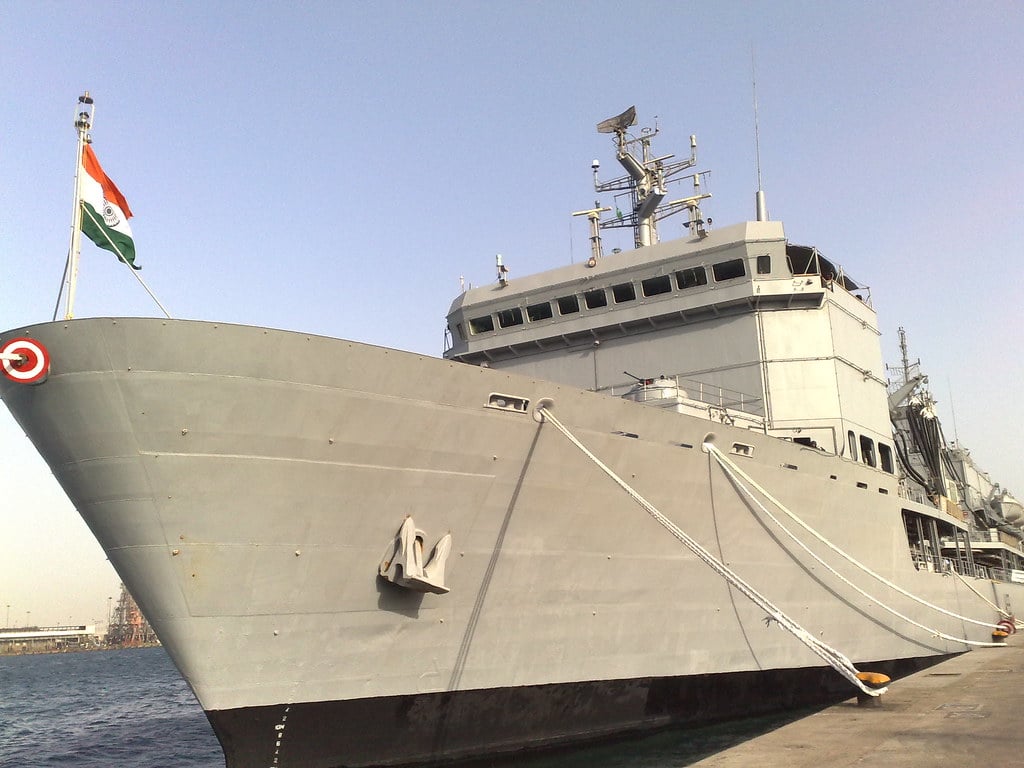
India operates approximately 150 ships and submarines, making it the fourth or fifth largest navy depending on how you count. The Indian Navy patrols the Indian Ocean, one of the world’s busiest shipping lanes.
The country operates one aircraft carrier currently, with plans to add more in the next decade. Indian naval strategy focuses on controlling sea lanes that carry oil from the Persian Gulf to East Asia.
The country also watches Chinese naval expansion with concern, as Beijing has been establishing ports and facilities around the Indian Ocean. India has invested heavily in new destroyers, frigates, and submarines to counter this presence.
Japan Fields a Modern Maritime Self-Defense Force
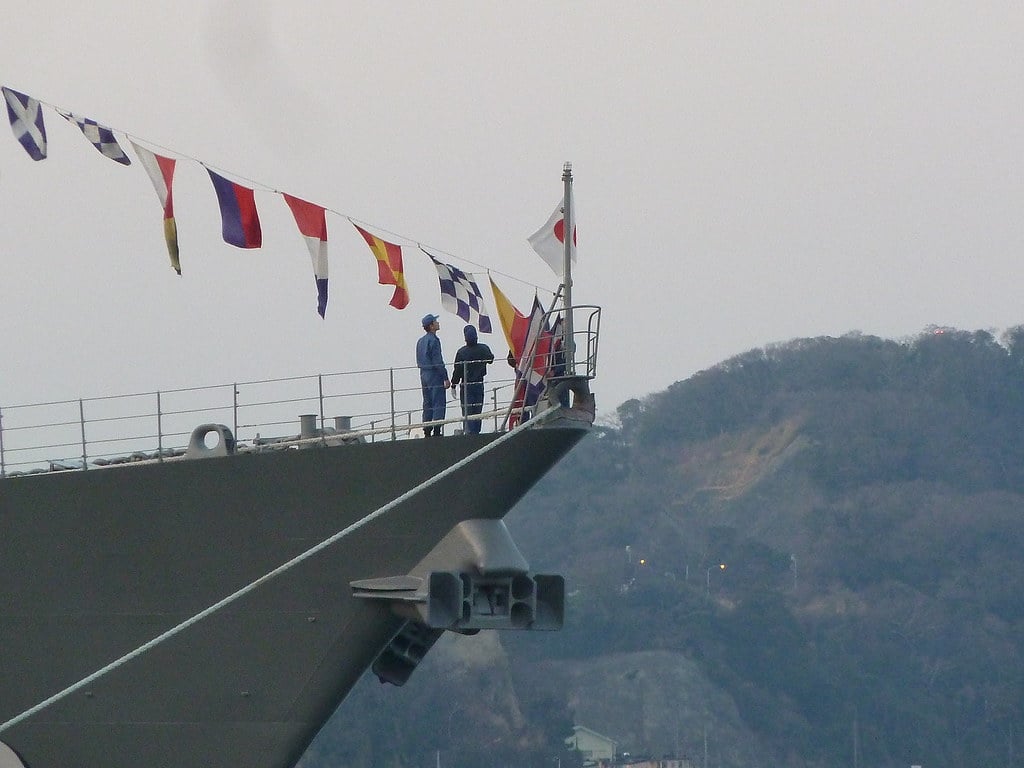
Japan’s Maritime Self-Defense Force operates around 150 ships, despite constitutional restrictions on maintaining offensive military capabilities. The fleet includes helicopter carriers that look remarkably similar to small aircraft carriers, destroyers equipped with advanced missile defense systems, and diesel-electric submarines.
Japanese ships are among the most technologically advanced in the world. The country’s shipbuilding industry produces high-quality vessels with excellent sensors and weapons systems.
Japan’s navy works closely with the U.S. Navy and focuses primarily on defending sea lanes around the Japanese islands and responding to North Korean threats.
The United Kingdom Maintains a Historic Naval Tradition
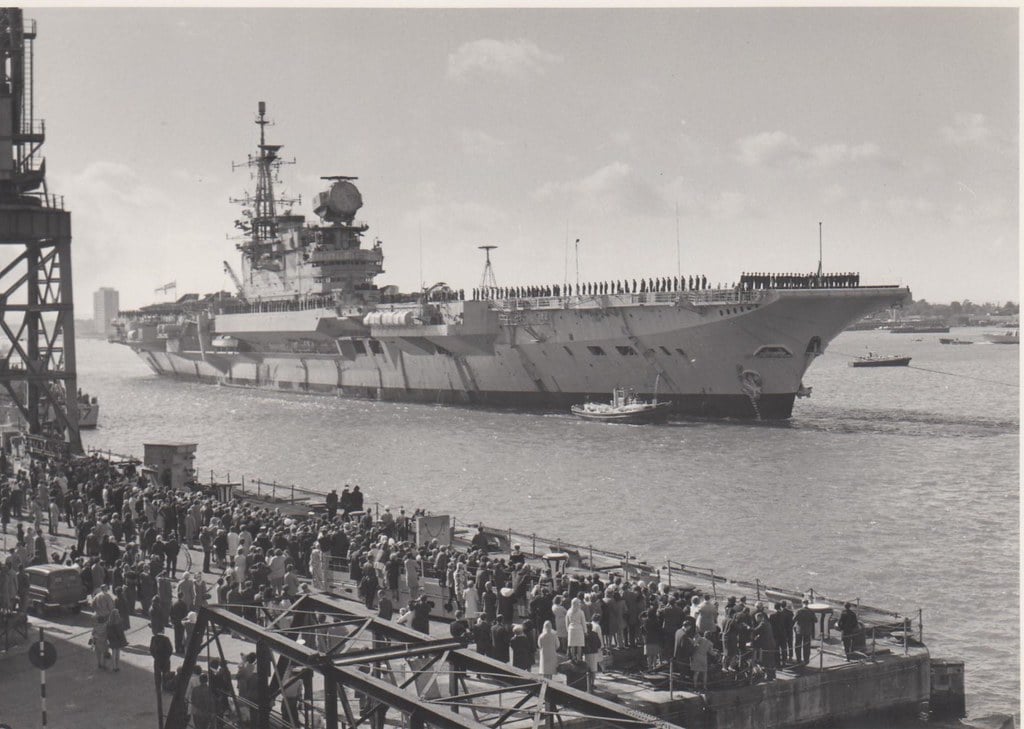
The Royal Navy, which once ruled the waves and controlled the largest empire in history, now operates around 75 ships. This includes two new aircraft carriers, nuclear submarines, and destroyers.
The fleet has shrunk dramatically from its peak, but the remaining ships represent cutting-edge technology. Britain’s naval strategy emphasizes power projection and maintaining commitments to NATO and other allies.
The Royal Navy operates globally despite its smaller size, often working alongside American forces. The country’s submarine-launched nuclear deterrent remains a core part of its defense policy.
France Projects Power from Multiple Oceans
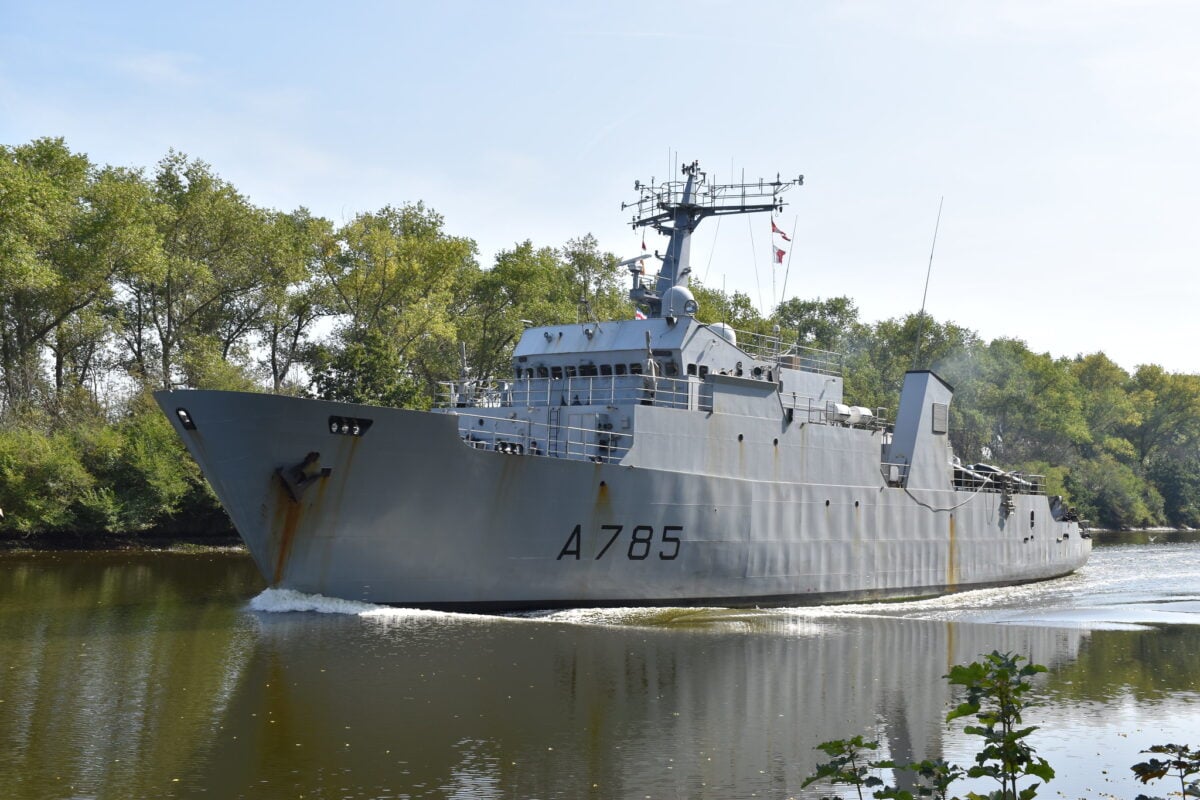
France operates approximately 120 naval vessels, including one nuclear-powered aircraft carrier—the only one outside the United States. The French Navy, or Marine Nationale, maintains bases in the Caribbean, Pacific, and Indian Ocean thanks to France’s overseas territories.
This geographic spread gives France genuine global reach. French warships regularly patrol waters from the South Pacific to the Caribbean Sea.
The country also maintains a nuclear submarine force and specializes in anti-submarine warfare. French naval aviation operates from both its carrier and land bases worldwide.
South Korea Builds for Peninsula Defense
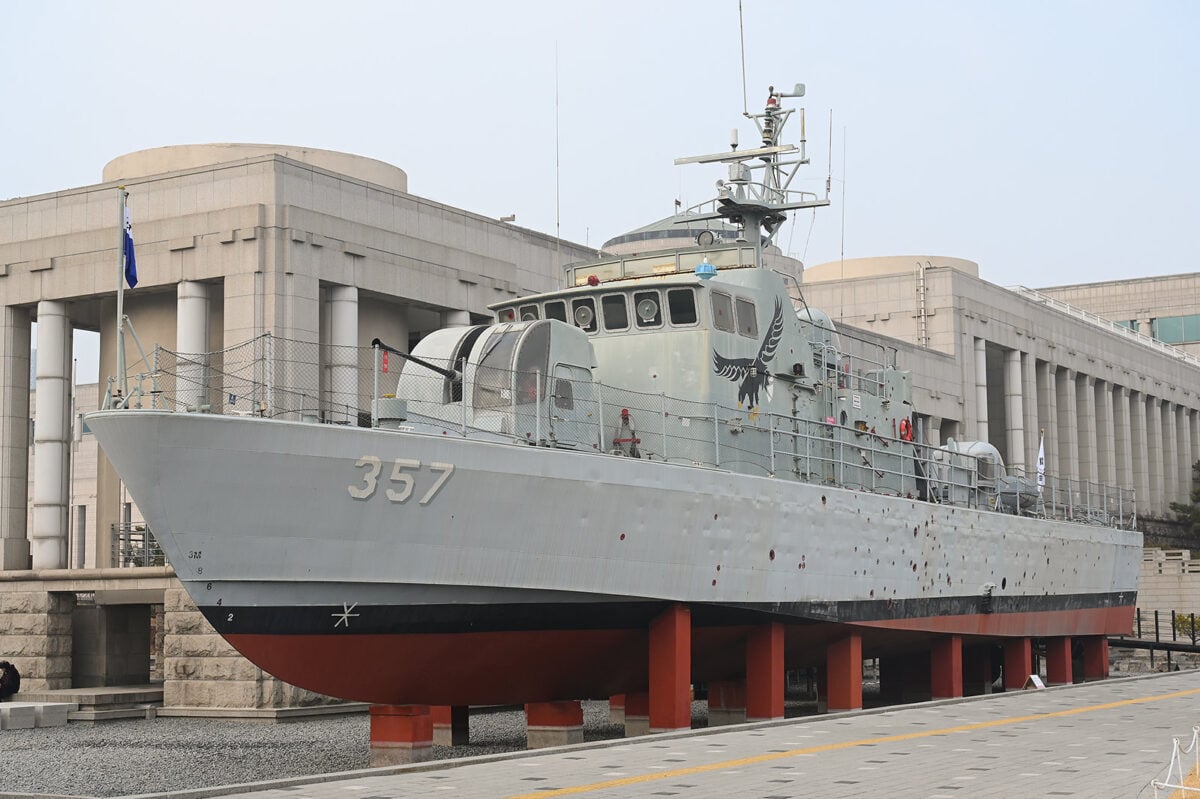
South Korea’s navy has grown to around 160 ships, focused primarily on defending against North Korea and maintaining control of waters around the Korean Peninsula. The fleet includes destroyers, submarines, and amphibious assault ships.
South Korean shipyards produce excellent vessels and have become major exporters of warships. The country has invested heavily in naval capabilities over the past two decades.
South Korean ships now feature advanced missile systems and radar technology. The navy regularly conducts exercises with the U.S. and Japanese forces, though relations with Japan remain complicated by historical tensions.
Italy Guards the Mediterranean
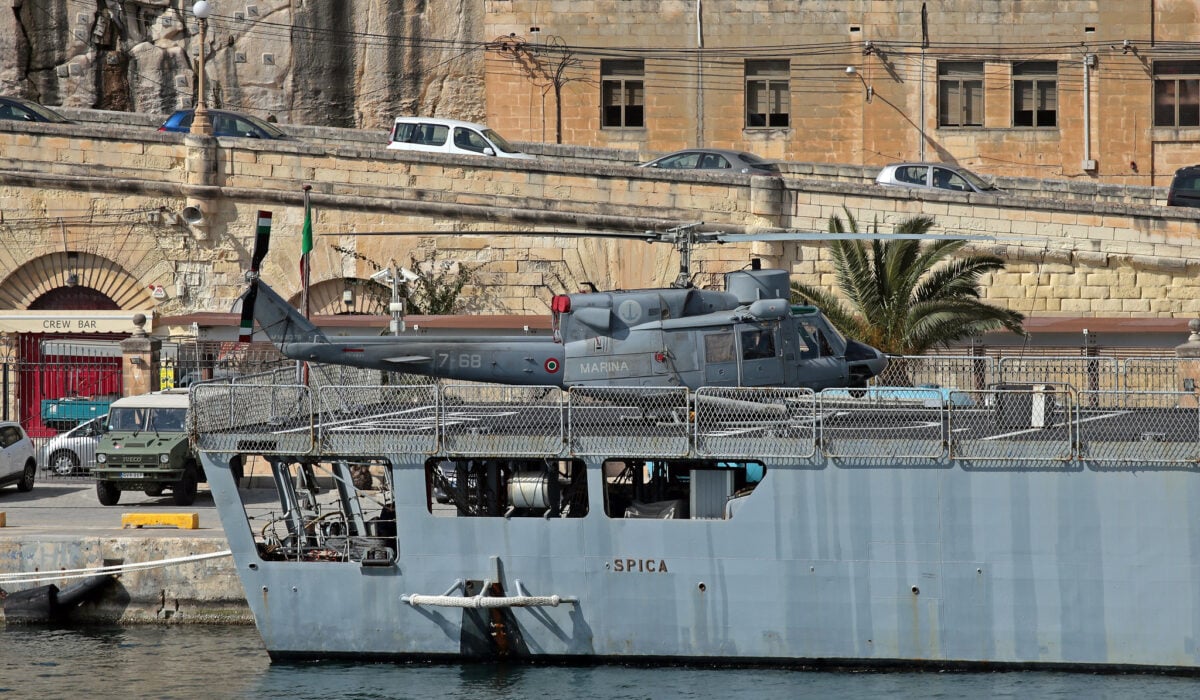
The Italian Navy operates about 100 ships and submarines, making it one of Europe’s largest naval forces. Italy’s geographic position at the center of the Mediterranean gives the fleet strategic importance.
The country operates two aircraft carriers and maintains a reputation for building beautiful, effective warships. Italian vessels often participate in NATO operations and Mediterranean patrols.
The navy also plays a major role in rescue operations for migrants crossing from North Africa. Italian shipyards continue to produce sophisticated vessels for domestic use and export.
Taiwan’s Navy Faces an Existential Challenge
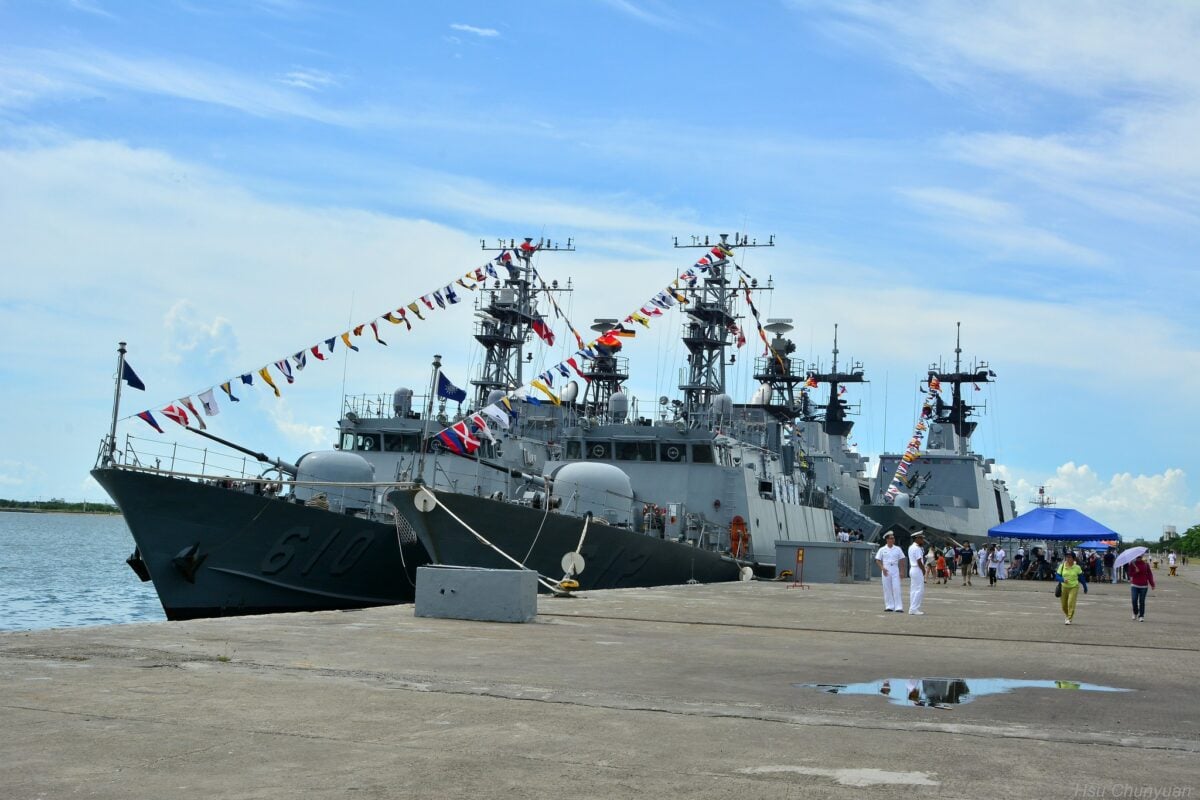
Taiwan operates around 90 ships focused entirely on defending the island from potential Chinese invasion. The fleet includes destroyers, frigates, and submarines, many purchased from the United States decades ago.
Taiwan struggles to modernize its navy as few countries will sell it advanced weapons due to Chinese pressure. The Taiwan Strait remains one of the world’s most dangerous potential flashpoints.
Taiwan’s naval strategy involves making any Chinese invasion as costly as possible while hoping for American intervention. The country has developed indigenous shipbuilding capabilities but cannot match Chinese production.
Australia Protects Vast Ocean Territory
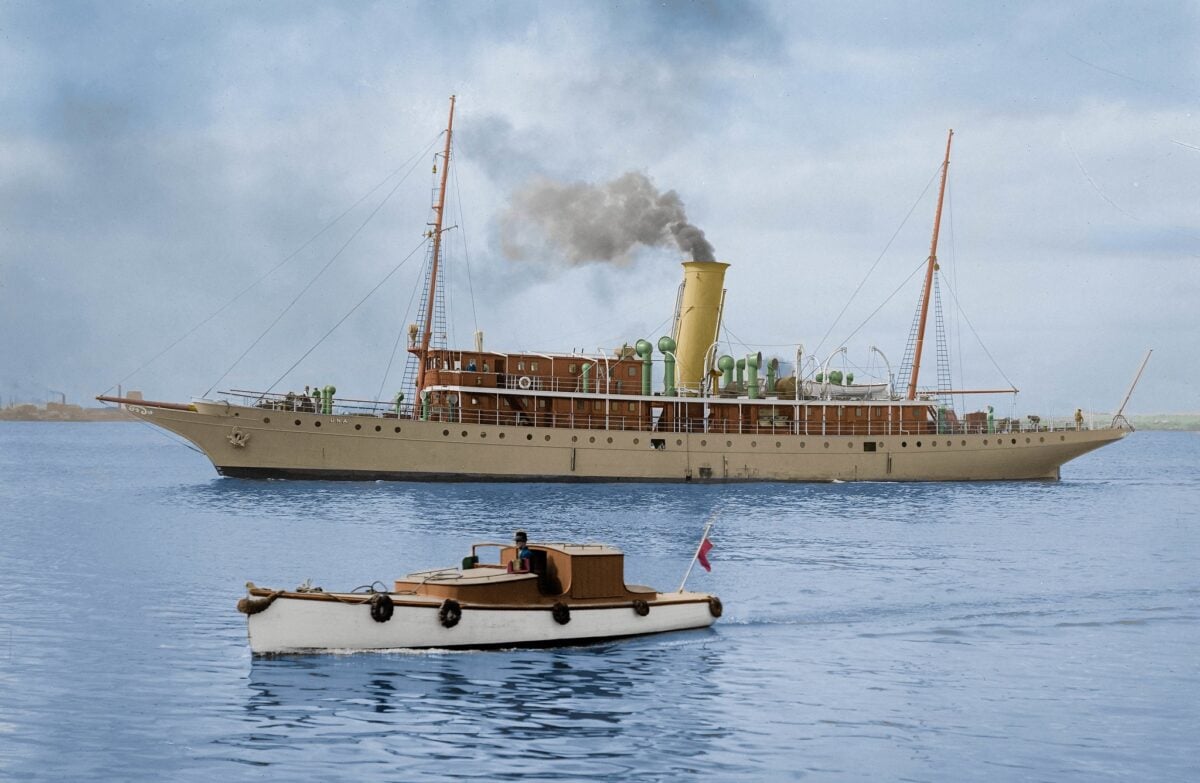
Australia’s Royal Australian Navy operates approximately 50 ships despite having one of the world’s longest coastlines and responsibility for vast ocean areas. The fleet focuses on submarines, frigates, and patrol vessels suited to protecting sea lanes and supporting regional stability.
Australia is undertaking a major naval expansion, including plans to acquire nuclear-powered submarines in partnership with the United States and United Kingdom. The country’s location in the Indo-Pacific has become strategically important as tensions rise between China and Western nations.
Brazil Leads South American Naval Power
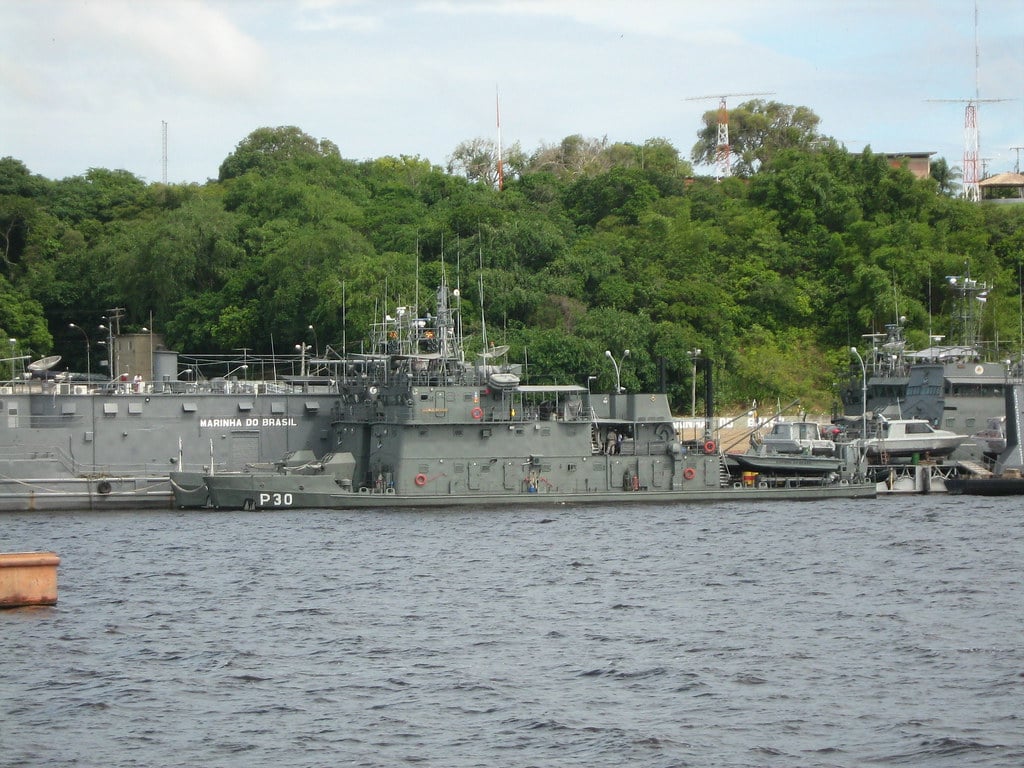
Brazil operates the largest navy in South America, with around 110 ships. The country maintains one aircraft carrier—though quite old—and focuses on patrolling the South Atlantic and protecting offshore oil platforms.
Brazil’s naval aviation includes helicopters and fixed-wing aircraft for maritime patrol. The Brazilian Navy faces budget challenges that limit modernization efforts.
Many vessels require replacement, but economic constraints prevent rapid fleet renewal. The country maintains a shipbuilding industry that produces corvettes and offshore patrol vessels.
Germany Returns to Naval Prominence
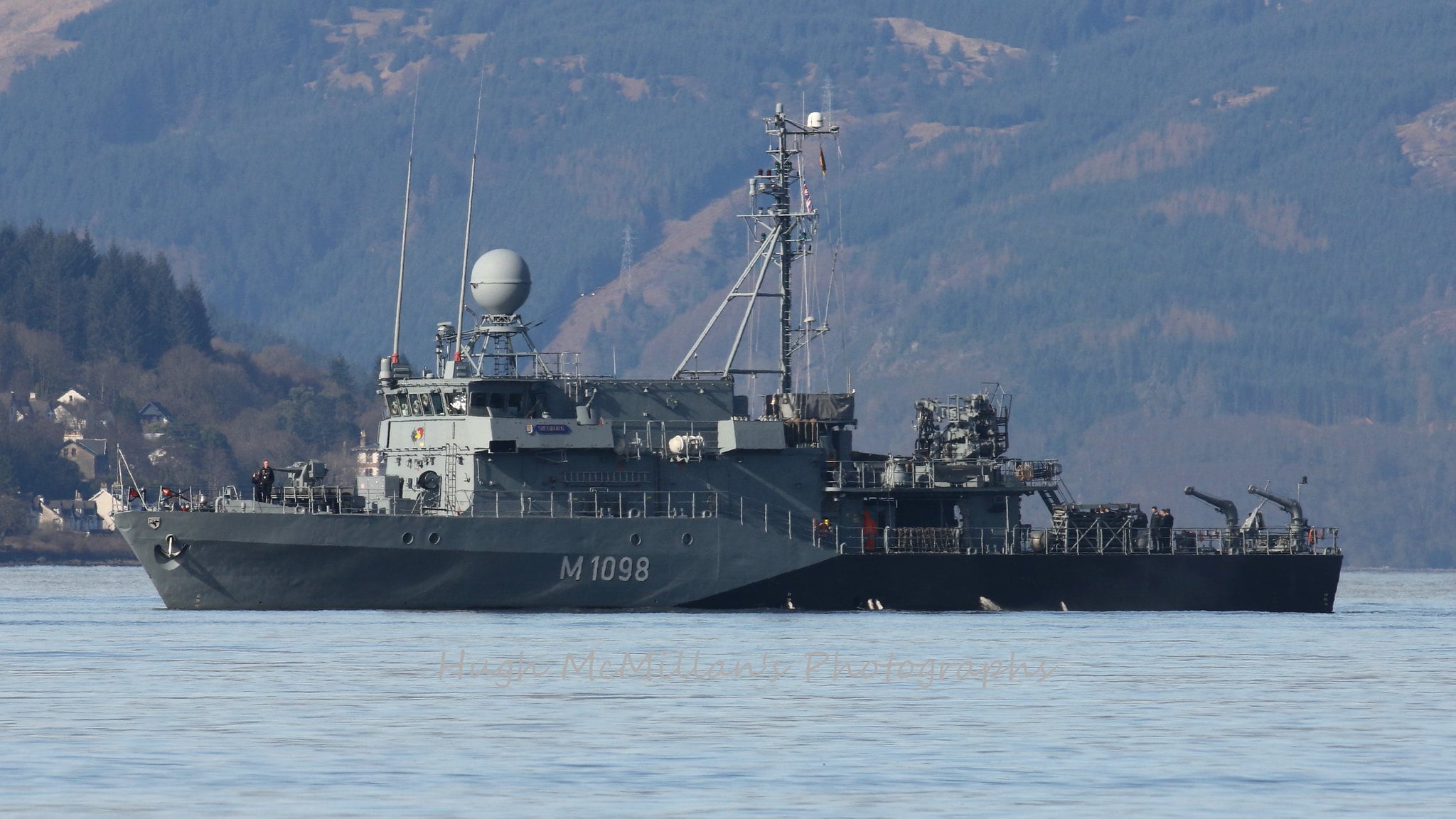
Germany operates approximately 65 ships, focused primarily on Baltic and North Sea operations. The country’s navy participates actively in NATO missions and maintains sophisticated submarines, frigates, and support vessels.
German naval construction emphasizes quality over quantity. Post-Cold War budget cuts reduced the German fleet significantly, but recent security concerns have prompted increased investment.
German ships often deploy to the Mediterranean and beyond as part of multinational operations. The country’s shipyards produce excellent submarines that compete internationally.
Measuring Power Beyond Ship Counts
Just counting ships misses what navies truly do. A single carrier task force – packed with subs, destroyers, support vessels – can control vast stretches of ocean.
What counts most isn’t quantity but gear: sharp radars, smart missiles, secure links make a fleet punch way above its weight. Sometimes small forces outmatch bigger ones because they see first, strike faster, stay connected.
What makes some fleets stronger? Not just numbers on paper. Ships out at sea doing tough drills handle emergencies much better.
When crews sail often under pressure, they learn fast what works. Another key piece – how many vessels are actually fit to go.
Take two hundred hulls sitting around; if a hundred need repairs, that force cannot respond like one smaller but fully prepared. Readiness shapes outcomes more than size ever could.
Ships only go as far as their supply lines allow. Reaching distant waters depends on fuel, weapons, and fixes – possible mid-ocean or via overseas docks.
Not every nation has access to far-flung anchorages; some are tied near their own shores. Where you can dock shapes where you can fight.
Where Power Moves Across Deep Water
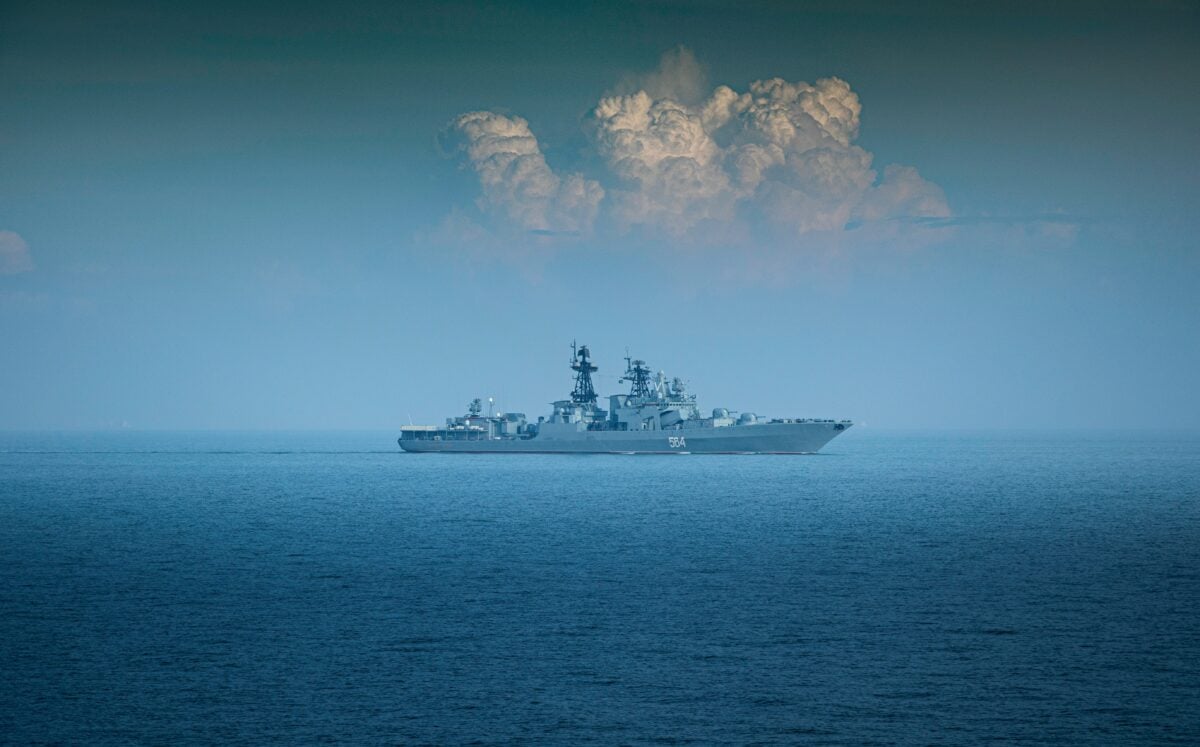
Sea strength keeps moving. A nation’s reach on water grows or shrinks with money, tools, and goals.
Ten years back looked nothing like now – ten more will bring another shift. One thing stays: oceans decide who shapes trade, safety, and rule worldwide.
Big ship forces push influence far, guard needs tightly, bend events widely – armies without coasts cannot match that reach.
More from Go2Tutors!

- 16 Historical Figures Who Were Nothing Like You Think
- 12 Things Sold in the 80s That Are Now Illegal
- 15 VHS Tapes That Could Be Worth Thousands
- 17 Historical “What Ifs” That Would Have Changed Everything
- 18 TV Shows That Vanished Without a Finale
Like Go2Tutors’s content? Follow us on MSN.



