Fascinating Facts About F1 Cars
Formula 1 cars look fast sitting still, which should tell you something. These aren’t just race cars—they’re million-dollar science experiments on wheels that push physics to its absolute limit.
The engineering that goes into them is so extreme that most of the technology never makes it to road cars because it’s too expensive, too complex, or just completely impractical for anything other than driving in circles at 200 mph while experiencing forces that would make astronauts uncomfortable. Here’s what actually makes these machines so ridiculous.
They Generate Enough Downforce To Drive Upside Down

At speeds above 130 mph, an F1 car produces enough downforce that it could theoretically drive upside down on a ceiling. The aerodynamics create suction that would keep the car glued to the surface even when inverted (though nobody’s been crazy enough to test this in practice).
The rear wing alone can generate over 1,500 pounds of downforce at high speeds. That’s more than the entire weight of the car pressing it into the track.
The Brakes Glow Orange And Can Stop From 200 mph In Under 4 Seconds
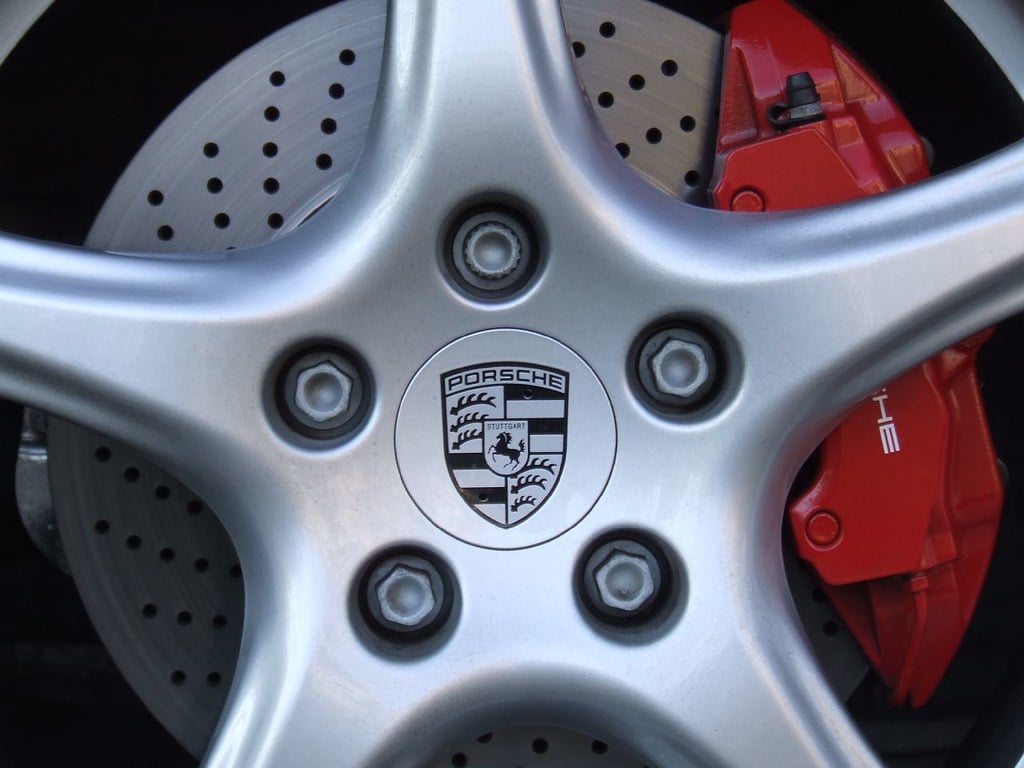
F1 brake discs are made from carbon fiber and operate at temperatures between 800-1000°C (that’s 1,472-1,832°F for Americans). They literally glow orange during races, and if you look at onboard camera footage during night races, you can see them glowing like hot coals inside the wheels.
The braking force is so intense that drivers experience up to 5-6 g’s of deceleration—your internal organs are basically trying to exit through your ribcage. The brake discs cost about $6,000 each and need to be replaced after every race weekend (sometimes more frequently).
Modern F1 Engines Cost More Than Most Houses

A single Mercedes or Ferrari F1 power unit costs approximately $10-15 million to develop and build. That’s for one engine.
Teams go through multiple engines per season, and the development costs run into hundreds of millions. These 1.6-liter V6 hybrid engines produce around 1,000 horsepower while revving to 15,000 rpm and achieving over 50% thermal efficiency (your road car is probably around 30% at best).
The engineering is so precise that tolerances are measured in microns.
The Steering Wheel Is More Complex Than Your Laptop
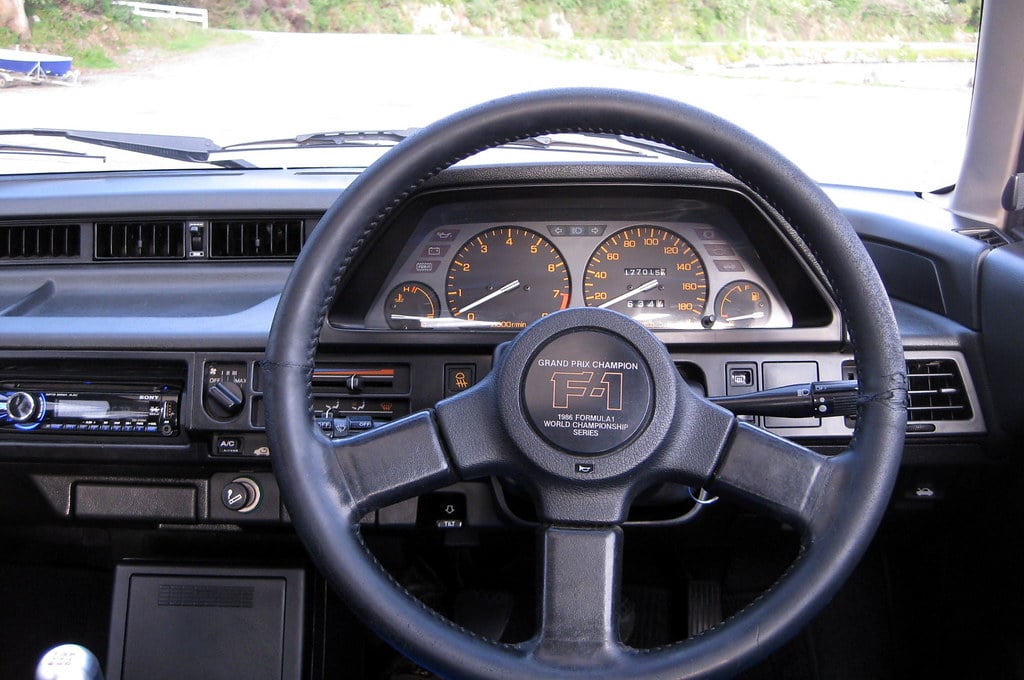
An F1 steering wheel has about 25 buttons, switches, and rotary dials that control everything from brake balance to differential settings to fuel mixture to DRS activation. Drivers are adjusting settings multiple times per lap while navigating corners at insane speeds.
The steering wheel alone costs around $80,000-100,000 (yes, just the steering wheel). And it’s custom-molded to each driver’s hands because at those speeds, you can’t afford to fumble for a button.
Tires Are Designed To Last About 40 Laps Maximum
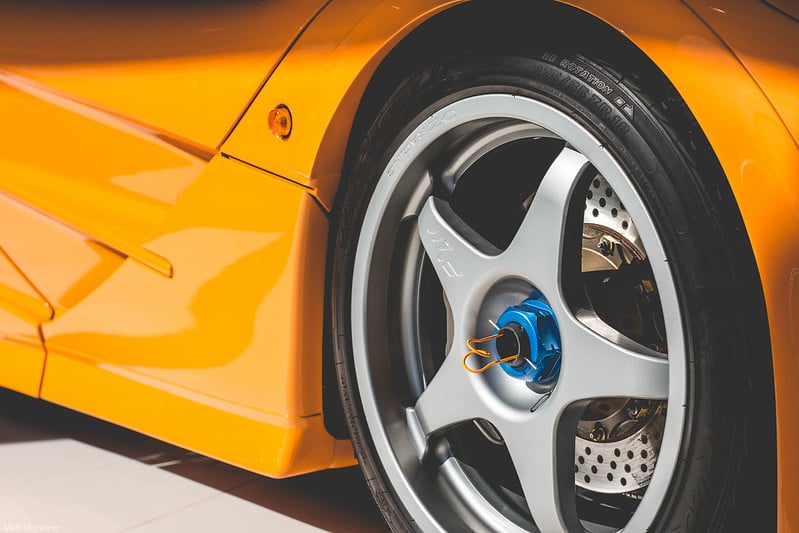
Pirelli specifically engineers F1 tires to degrade, which sounds counterintuitive but creates strategic variation in races. The softest compound might only last 15-20 laps before it’s basically destroyed.
During a race, tires can reach surface temperatures of 130°C. The tires are heated to 80-100°C before being fitted to the car (cold tires have basically no grip).
Each set of F1 tires costs around $2,700, and teams go through dozens of sets per race weekend.
Pit Stops Are Faster Than You Can Blink
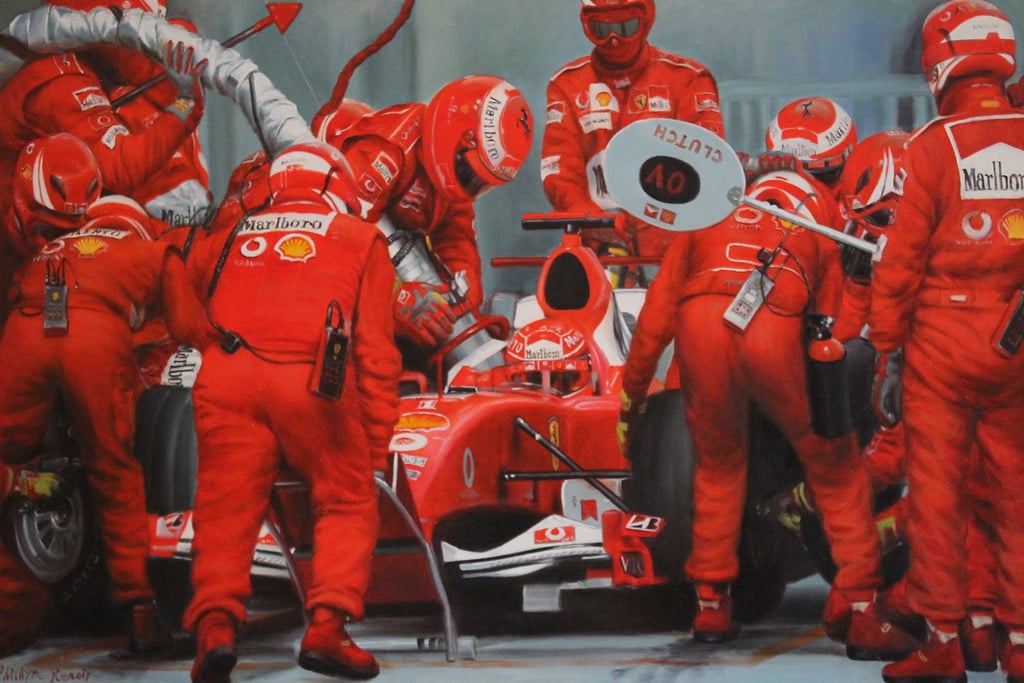
The record for the fastest F1 pit stop is 1.82 seconds. That’s removing four wheels, putting on four new wheels, and sending the car back out.
Twenty-plus crew members work in perfect choreography, and they practice this thousands of times. A pit stop that takes 2.5 seconds is considered slow (which is insane when you think about it).
The wheel guns operate at around 10,000 rpm and cost about $3,000 each.
The Fuel Is Nothing Like What You Put In Your Car
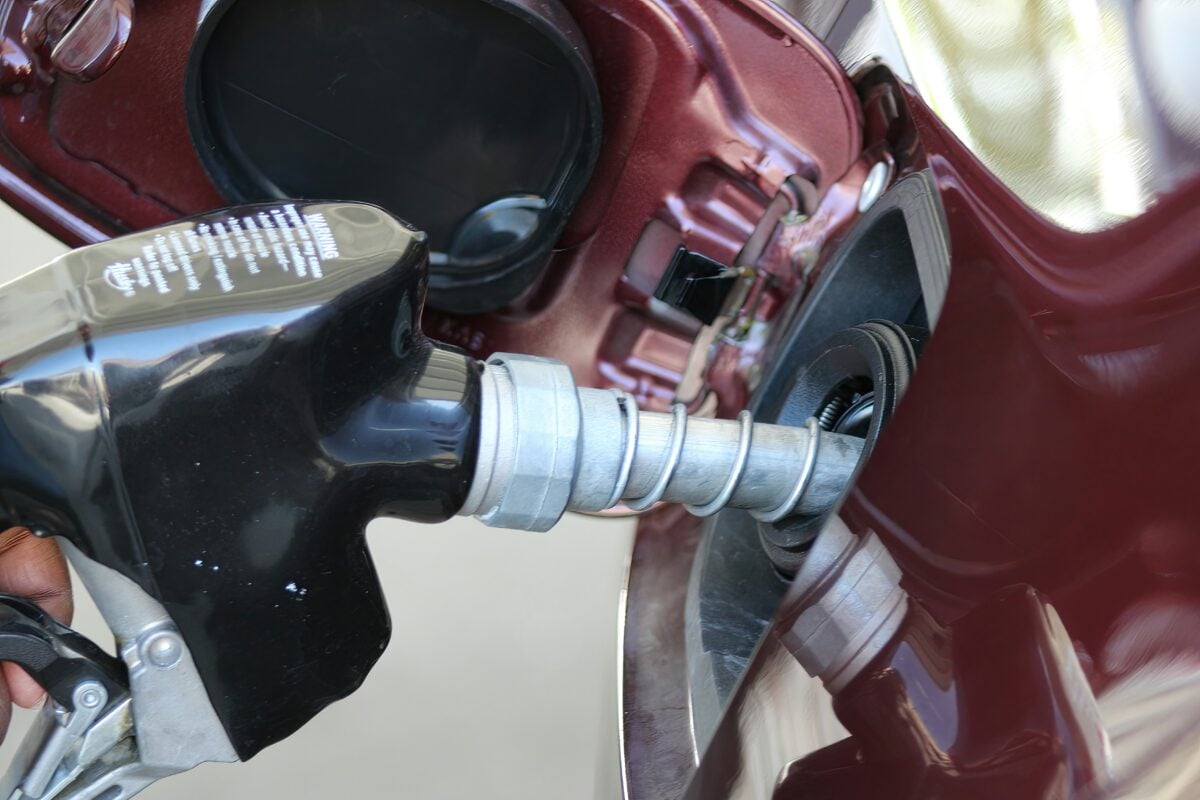
F1 fuel is a highly specialized blend that costs around $500 per liter (that’s about $2,000 per gallon if you’re keeping track). It’s designed to work specifically with the hybrid power unit and has to meet strict FIA regulations.
The fuel itself burns at a lower temperature than regular gasoline but provides more energy. Teams spend millions developing their fuel chemistry to squeeze out every last bit of performance, and the exact formula is kept secret.
Cars Are Rebuilt Almost Entirely Between Races
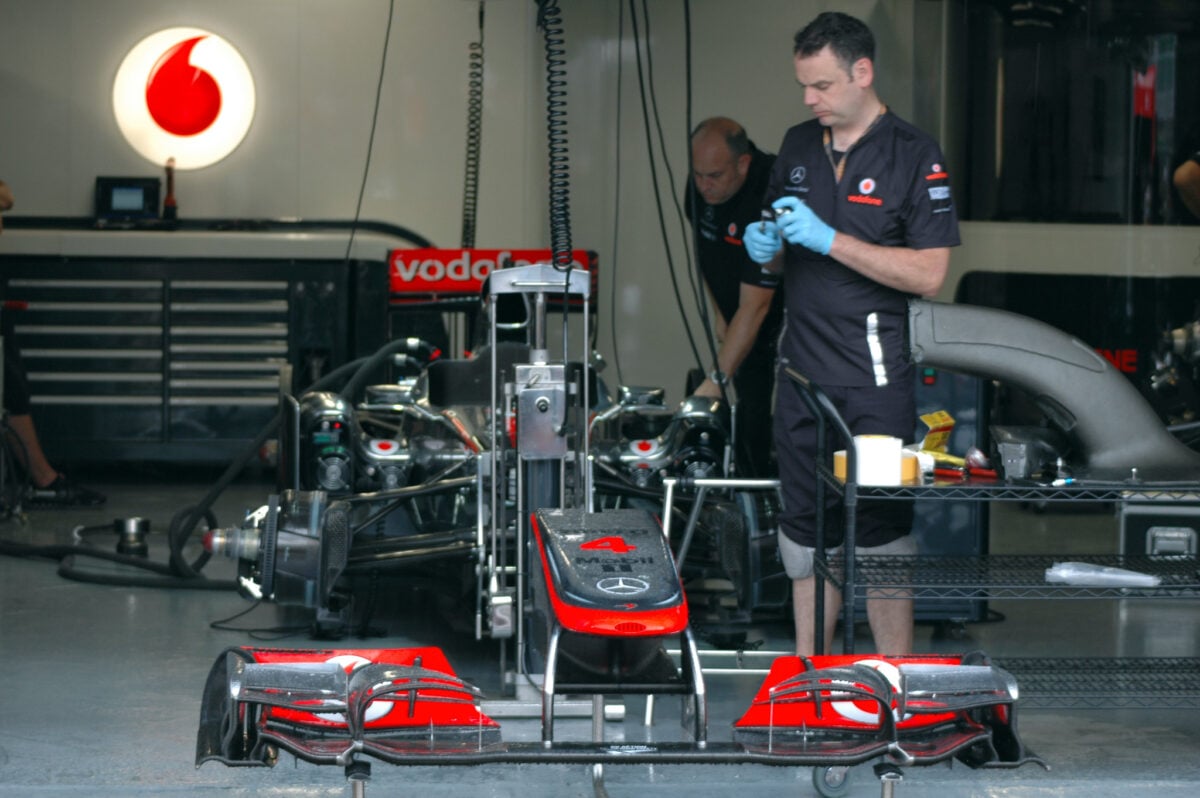
After most races, F1 cars are completely stripped down and rebuilt. Components are inspected, worn parts are replaced, and the car is essentially reassembled from scratch.
The gearbox alone is a $400,000 component that has to last multiple races (teams face penalties if they replace it too frequently). The monocoque (chassis) is made from carbon fiber and costs around $600,000-700,000, and if it’s damaged in a crash, it’s often cheaper to write it off than repair it.
G-Forces Make Drivers Necks Thick As Tree Trunks
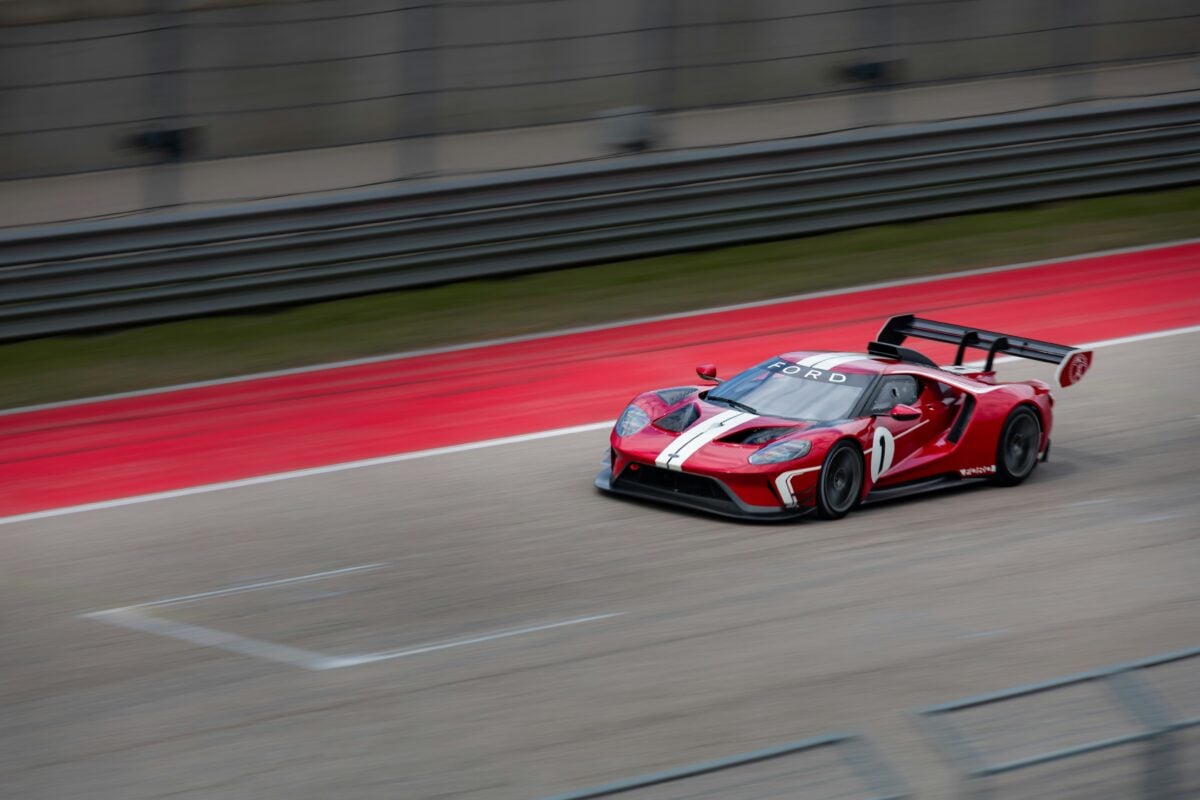
F1 drivers experience lateral g-forces of up to 5-6 g’s in high-speed corners, which means their head (plus helmet) effectively weighs about 55 pounds pulling to the side. Over the course of a race, this creates enormous strain on neck muscles.
Drivers train specifically to strengthen their necks, and you can tell an F1 driver just by looking at their neck muscles (they look like they’re smuggling watermelons). Fernando Alonso’s neck measures about 15.5 inches around, which is bigger than most people’s thighs.
The Halo Saved Grosjean’s Life And Everyone Hated It At First
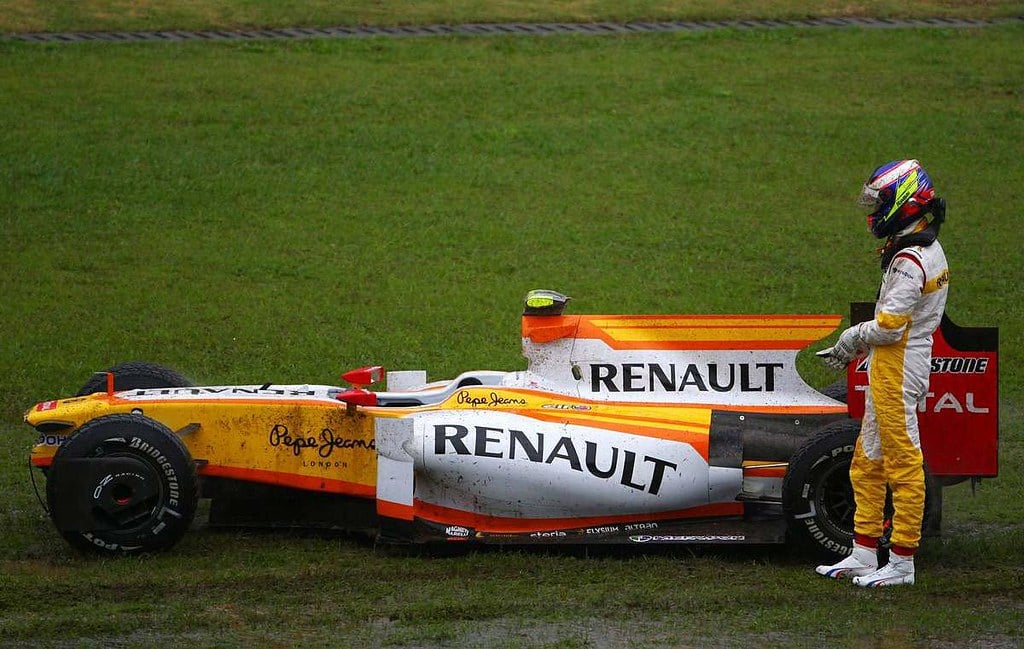
The halo device—that titanium ring above the cockpit—was introduced in 2018 and drivers complained it was ugly and unnecessary. Then Romain Grosjean’s car split in half and burst into flames at the 2020 Bahrain Grand Prix, and the halo literally kept the barrier from decapitating him.
The device weighs 7 kg and can withstand 12 metric tons of force. Now nobody complains about it (because it’s objectively saved multiple lives in just a few years).
DRS Is Legal Cheating That Makes Races More Interesting
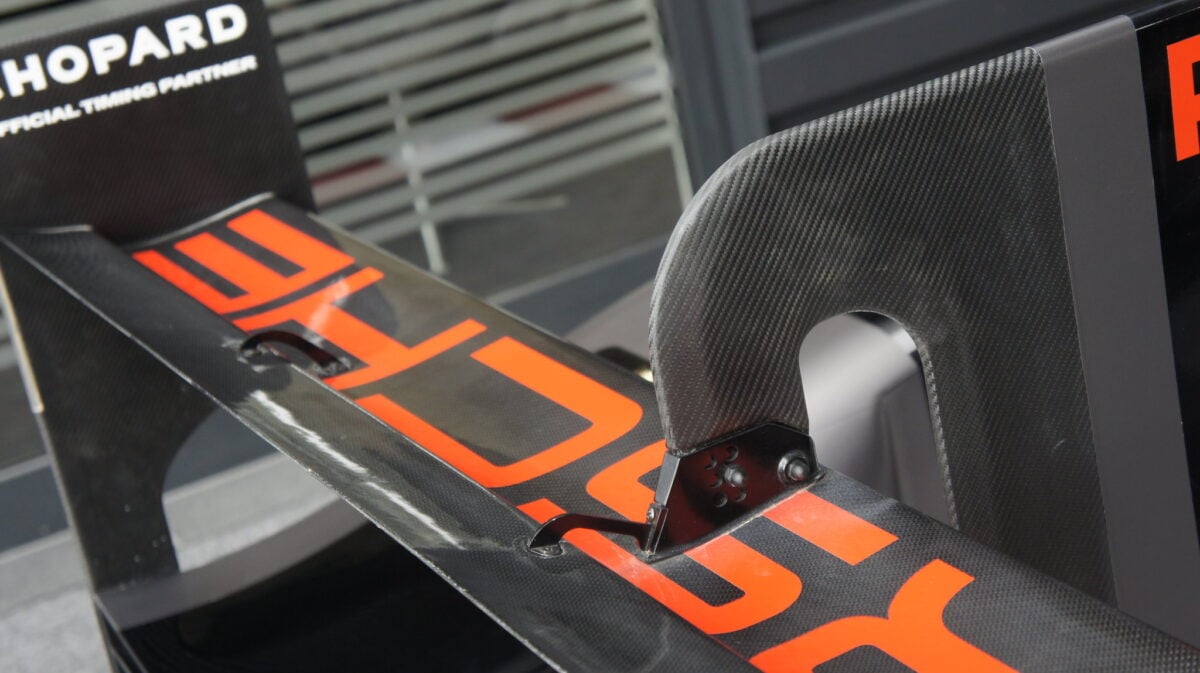
The Drag Reduction System is basically a flap on the rear wing that drivers can open on certain parts of the track when they’re within one second of the car ahead. It reduces drag and gives them about 10-12 kph extra speed, which is often enough to overtake.
Without DRS, modern F1 cars would struggle to pass each other because the aerodynamics make it almost impossible to follow closely. It’s an artificial solution to an aerodynamic problem that F1 created by making cars so dependent on downforce.
Engine Modes Got So Complex They Had To Be Banned
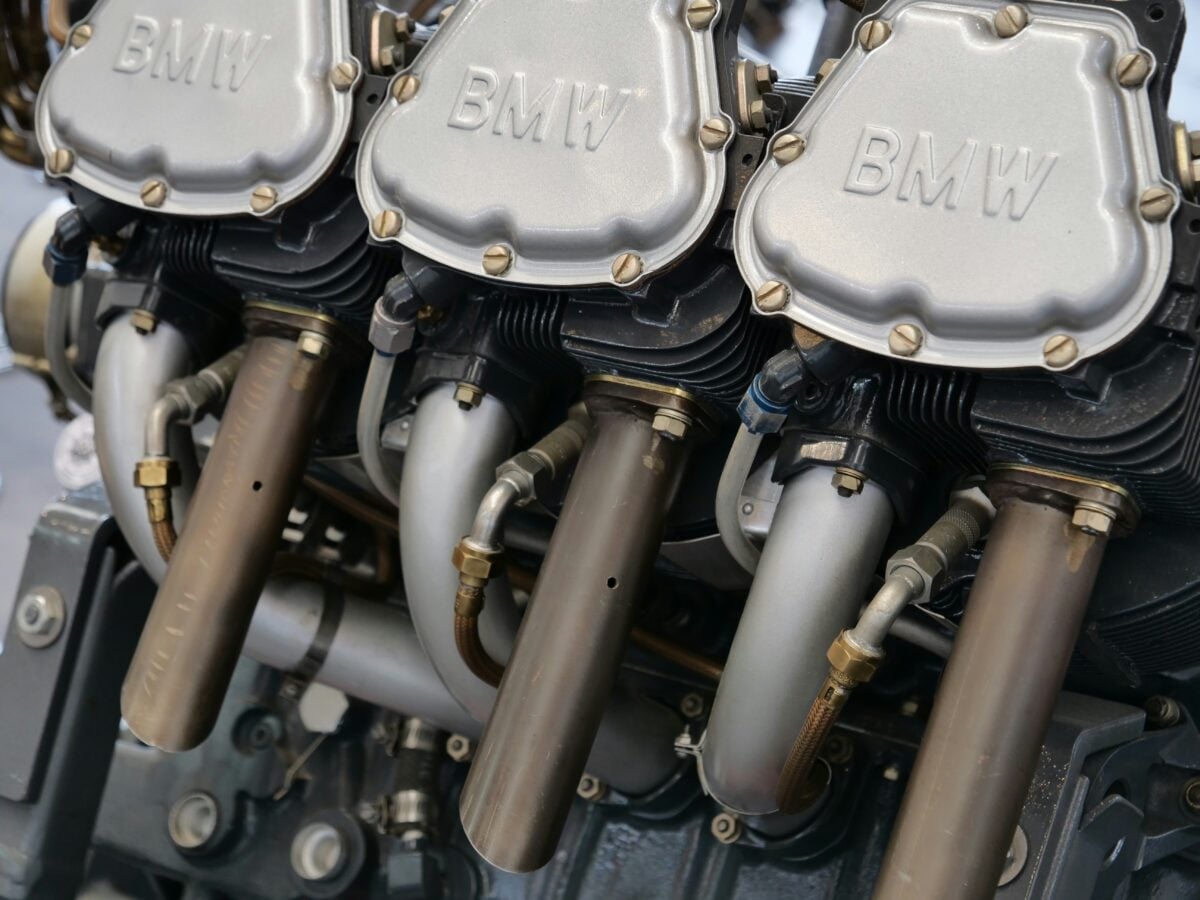
Teams used to have dozens of different engine modes—qualifying mode, overtake mode, defend mode, fuel-saving mode—and drivers would switch between them constantly during races based on what they needed. Mercedes was particularly good at this (some say too good).
In 2020, the FIA basically said “enough” and restricted how much teams could change engine modes during races because it was getting ridiculous. Now they have to pick one mode for the race and stick with it (mostly).
Weight Distribution Is Obsessed Over To An Absurd Degree

Teams place ballast (extra weight) strategically around the car to achieve perfect weight distribution, often down to the gram. The minimum weight for car plus driver is 798 kg (as of 2023 regulations), and if a driver is lighter than average, the team adds ballast to reach the minimum but places it low in the car to lower the center of gravity.
Heavier drivers are at a slight disadvantage because their weight is higher up. Engineers spend hours calculating optimal weight distribution for different tracks.
Hydraulic Systems Operate At Pressures That Could Cut You In Half
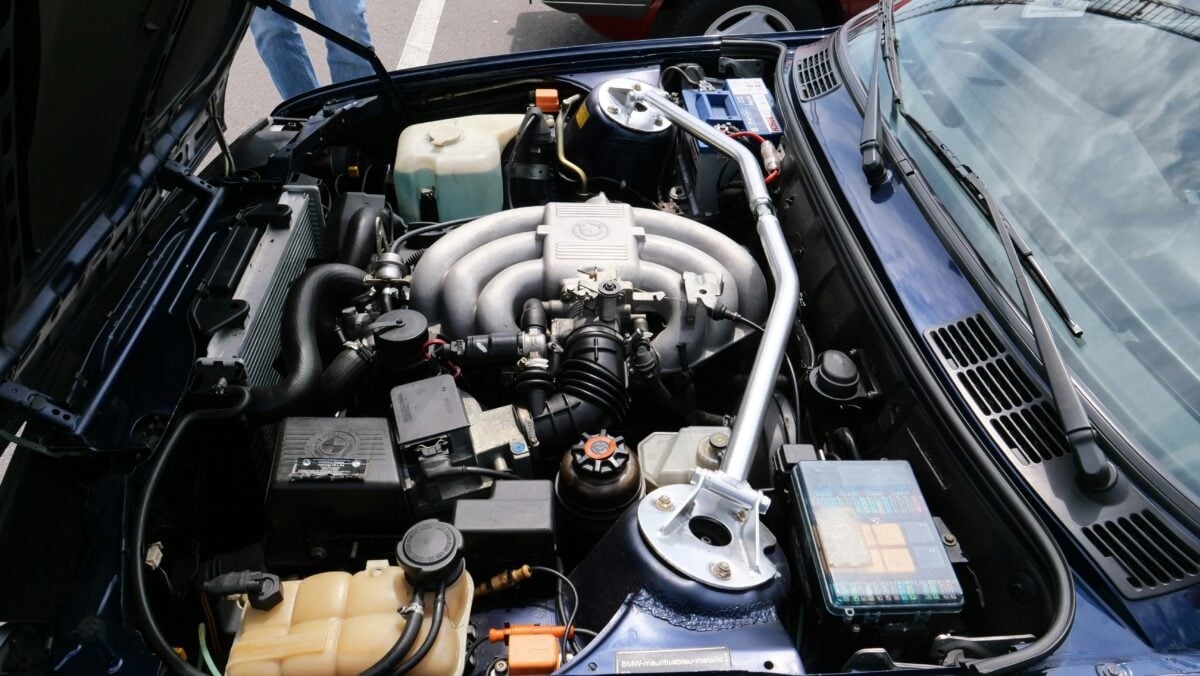
The hydraulic systems in F1 cars operate at around 350 bar of pressure (that’s roughly 5,000 psi). For context, a pressure washer operates at about 100-200 bar. If there’s a hydraulic leak during a pit stop and someone gets sprayed, it can literally inject fluid into their skin or cause serious injury.
Mechanics wear protective equipment, and there are strict safety protocols, but it’s still dangerous. The hydraulic fluid itself is also flammable (because of course it is).
Radio Communications Are Strictly Limited Now

Teams and drivers used to communicate constantly during races, with engineers giving detailed instructions about everything from when to pit to which corners to push harder in. It got to the point where drivers were basically just following orders from the pit wall like remote-controlled cars.
The FIA introduced strict rules limiting what teams can tell drivers over the radio (no detailed performance coaching), which led to some hilarious moments of drivers asking questions and teams having to give vague non-answers to avoid penalties.
Million-Dollar Machines Driven By Humans Who Lose Kilos Per Race

Despite all the technology, the actual driving is still done by humans who lose 2-4 kg of body weight during a race from sweating in a cockpit that reaches 50-60°C. Heart rates stay elevated at 170-190 bpm for two hours straight. Drivers pull multiple g’s in every corner, brake hard enough to stand on the pedals with 150 kg of force, and make split-second decisions at 300 kph.
And they do this while navigating traffic, managing tire temperatures, adjusting brake bias, and talking on the radio. It’s honestly absurd that humans can even do this.
Speed Machines Or Science Projects?
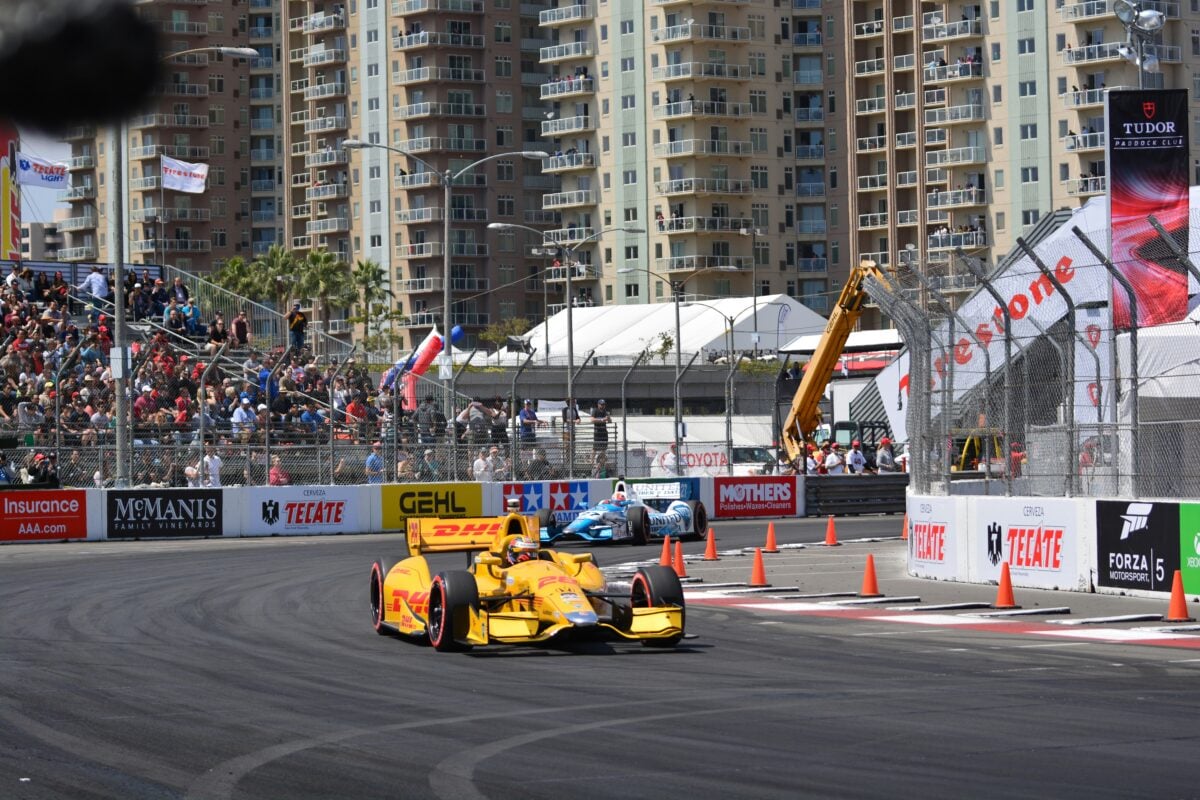
One day, F1 quit focusing just on speed – suddenly it was a game of squeezing every tech trick into the machine till rules shut the door. These machines? Wild feats of design, crazy expensive, needing armies of folks just to keep them running – and they’re growing even wilder.
Is that cool? Well, hinges on what you value: shiny new ideas or real battles on track – which, let’s face it, fans have argued over forever.
More from Go2Tutors!

- The Romanov Crown Jewels and Their Tragic Fate
- 13 Historical Mysteries That Science Still Can’t Solve
- Famous Hoaxes That Fooled the World for Years
- 15 Child Stars with Tragic Adult Lives
- 16 Famous Jewelry Pieces in History
Like Go2Tutors’s content? Follow us on MSN.



