Major Movie Plot Twists Hinted At
Some of the best moments in cinema come when everything suddenly clicks into place. That feeling when a twist lands perfectly, and viewers realize the clues were there all along, hiding in plain sight.
These aren’t cheap tricks or random surprises. They’re carefully planted seeds that make second viewings even better than the first.
The beauty of a great twist lies in how well filmmakers hide their secrets. Let’s look at some famous movies that gave audiences fair warning, even if most people missed it the first time around.
The Sixth Sense

Bruce Willis walks through the film in muted colors while everyone else pops off the screen in vibrant tones. His character never directly interacts with anyone except the troubled boy who sees dead people.
When the big reveal hits, it transforms every scene that came before it. The color red appears throughout as a warning signal, marking moments when the supernatural world bleeds into reality.
Viewers who watch again notice that other characters consistently ignore Willis, never making eye contact or responding to his presence.
Fight Club

The camera lingers on empty spaces next to Edward Norton’s character during conversations. Tyler Durden appears in quick single-frame flashes before the two men officially meet, suggesting something wrong with reality from the start.
Norton’s character experiences blackouts and lost time, waking up in strange places with no memory of how he got there. The film even includes a scene where Tyler tells the audience directly that single frames can be slipped into movies without anyone noticing.
These breadcrumbs lead straight to the truth that Tyler exists only in the narrator’s fractured mind.
The Prestige
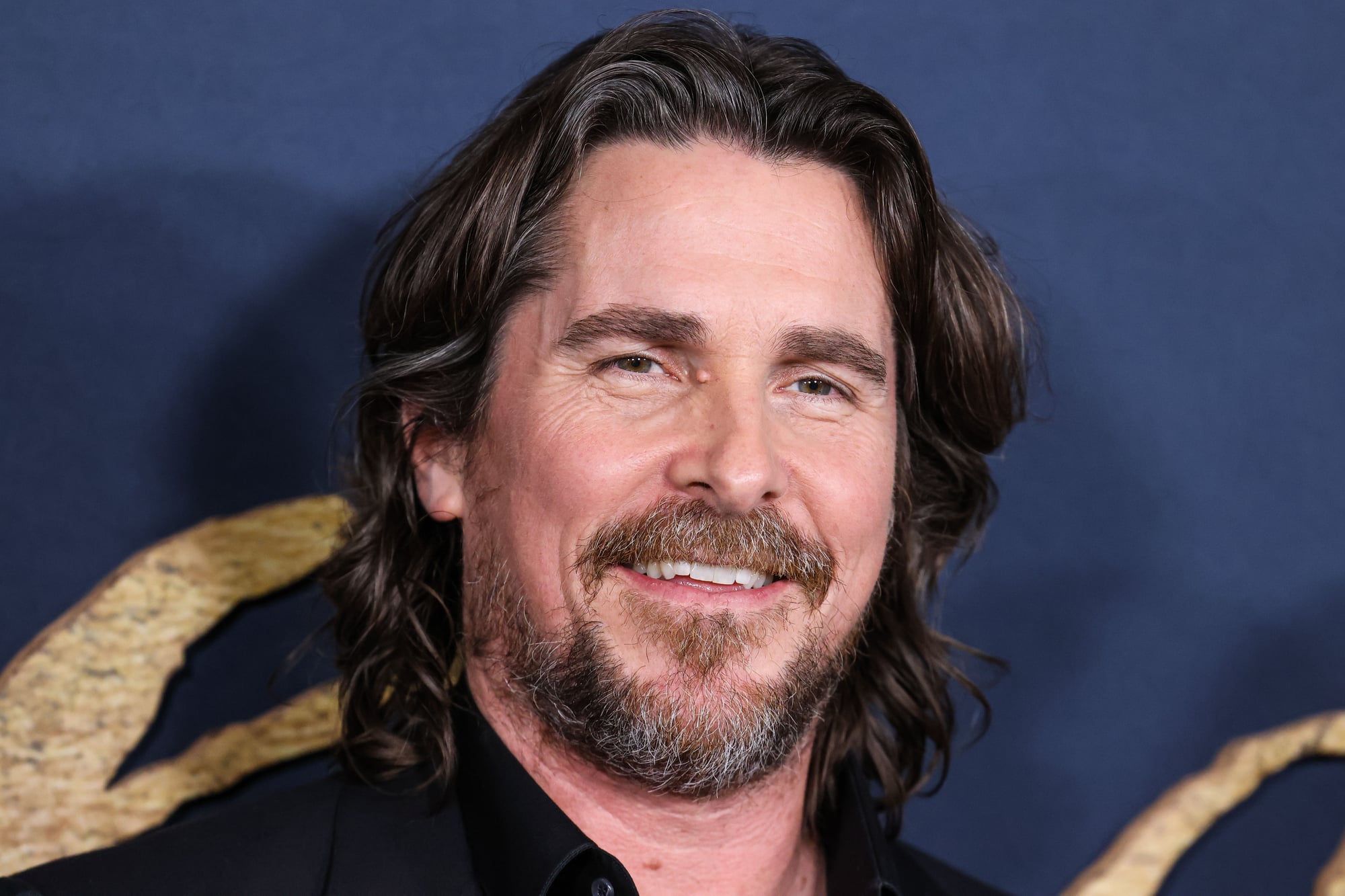
Christian Bale’s character constantly talks about sacrifice and the price of true magic. His dedication seems extreme, even obsessive, but the film treats this as just part of his personality.
References to a twin or double life get dismissed as misdirection and showmanship. The opening scene shows what looks like multiple identical top hats, not just two.
Bale’s character behaves differently from scene to scene, with subtle shifts in mannerisms and speech patterns. The answer was always there, just buried under assumptions about how far someone would go for their art.
Shutter Island

Leonardo DiCaprio’s character experiences headaches and takes medication throughout the entire story. Guards and staff members treat him with unusual patience, even when he becomes aggressive or demanding.
His partner seems too accommodating, never pushing back or questioning strange behaviors. The facility itself looks more like a hospital than a prison, with doctors who seem concerned rather than authoritarian.
Water appears repeatedly as a symbol, triggering panic and distress that goes beyond normal fear. Every conversation contains double meanings that make perfect sense once the truth emerges about who really belongs in the institution.
The Usual Suspects
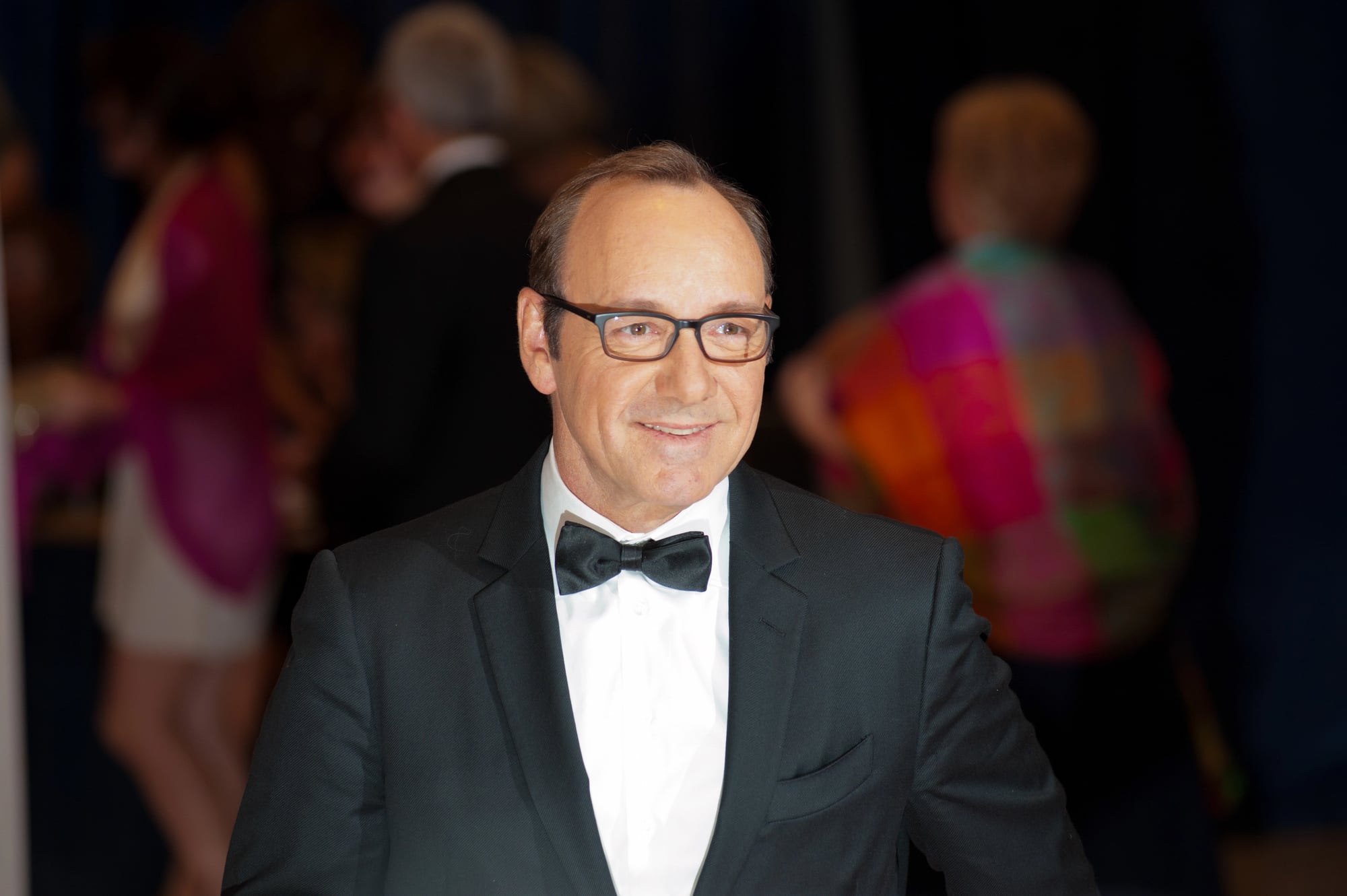
Verbal Kint sits in the detective’s office surrounded by bulletin boards and papers covered in names and details. The camera pans across these items repeatedly during his story, showing viewers exactly where his tale comes from.
His limp changes sides between scenes, a small detail that suggests something off about his whole presentation. The customs agent grows increasingly frustrated, sensing manipulation but unable to pinpoint the source.
Kevin Spacey’s character controls every conversation, steering questions and filling silences with carefully crafted fiction. The clues sit on the walls behind him the entire time.
The Others

Grace, played by Nicole Kidman, keeps her children locked away from sunlight behind heavy curtains. She explains this as a medical condition, but the level of control seems extreme and almost desperate.
New servants arrive at the house without having been hired through normal channels, appearing mysteriously after the previous staff vanished. Doors open and close on their own, and voices echo through empty rooms, but Grace dismisses these as tricks or intruders.
Her children mention seeing other people regularly, yet Grace refuses to believe them. The revelation about who haunts whom flips the entire story, but every strange rule and restriction pointed toward this conclusion from the beginning.
The Empire Strikes Back

Darth Vader shows unusual interest in young Luke Skywalker from their first encounter. Rather than simply destroying him, Vader wants to turn him, suggesting a personal connection beyond military strategy.
Obi-Wan acts evasive when discussing Luke’s father, choosing words carefully and avoiding direct answers. The film makes a point of showing how lies can hide in partial truths.
Vader’s obsession seems disproportionate for a rebel pilot, even one who destroyed the Death Star. When the truth comes out in that famous scene, it reframes the entire original film and every interaction between the characters.
Psycho

Marion Crane’s story dominates the first act, making her seem like the protagonist until she suddenly disappears. Norman Bates talks about his mother constantly but never shows her directly, always referencing her through closed doors and distant voices.
The motel sits empty and neglected despite Norman’s presence as its apparent manager. His taxidermy hobby reveals a preoccupation with death and preservation that goes beyond a simple pastime.
The house looms over the motel in every shot, with that one lit window suggesting someone watching. Norman’s awkward mannerisms and odd phrasings about his mother take on new meaning once the pieces fall into place.
Arrival

Amy Adams experiences what seem like flashbacks to her daughter throughout the film. These memories feel emotionally raw and present, not distant or faded like typical recollections.
The alien language appears circular, with no clear beginning or end points. Linguists struggle to understand how the aliens perceive time differently than humans.
Adams’s character begins to change how she speaks and thinks, adopting patterns that don’t follow linear logic. The film shows its twist in every scene, but viewers assume they understand what they’re watching until the timeline becomes clear.
Planet of the Apes
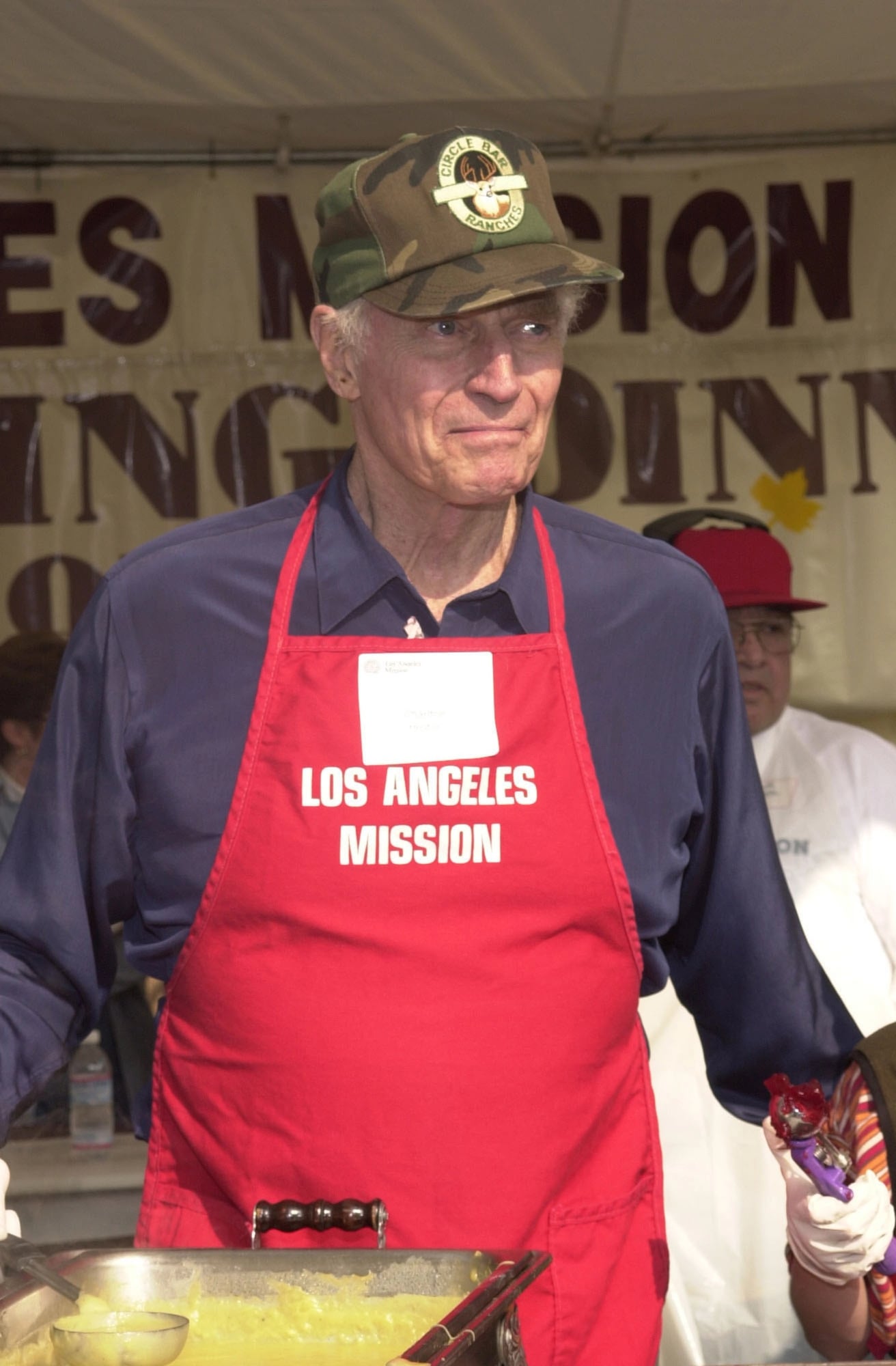
The apes use human expressions and idioms that seem oddly familiar for an alien civilization. Technology exists in ruins throughout the landscape, suggesting a previous advanced society.
Ape culture includes trials, government structures, and social systems that mirror human organization too closely for coincidence. Dr. Zaius works hard to suppress archaeological findings, showing fear rather than curiosity about the past.
Charlton Heston’s character keeps insisting something feels wrong about this world, beyond just being trapped. The famous beach scene delivers the answer, but the evidence cluttered every frame of the film.
Saw

The bathroom contains two men chained across from each other, but three people appear in the room throughout the film. A body lies on the floor between them, present from the very first shot but largely ignored as they focus on their own predicament.
Jigsaw’s traps require extensive setup and precise timing, suggesting someone with patience to watch and wait. The killer speaks through recordings rather than appearing in person, maintaining distance from his victims.
Close-ups show details of the room that gain importance as the story unfolds. That body never moves, never breathes, remaining perfectly still in ways that should have raised questions much earlier.
The Village

The elders of the community speak about the woods with practiced fear that seems almost rehearsed. Modern items occasionally appear before being quickly hidden or explained away.
The creatures follow specific patterns and rules, attacking only when certain boundaries get crossed. Ivy, the blind girl, navigates the village with unusual confidence for someone supposedly isolated from the outside world.
Colors hold exaggerated importance, with specific shades banned and feared beyond reasonable explanation. The film’s score uses instruments and techniques that don’t match the apparent time period, creating subtle dissonance for attentive viewers.
Iron Man 3

The Mandarin appears in broadcast videos that feel staged and artificial, with production values that seem too high for a terrorist organization. Tony Stark experiences anxiety attacks and technical problems that keep him separated from his suit at crucial moments.
Extremis subjects show abilities that exceed what biology should allow, glowing from within with heat that defies normal physics. Villain monologues focus on theater and performance, with multiple characters discussing the power of creating symbols.
Guy Pearce’s character remains helpful and present throughout, always available when needed but never quite saving the day himself.
Orphan

Esther wears old-fashioned clothes with high collars and long sleeves regardless of weather or occasion. She never removes her ribbons around her wrists and neck, treating them as essential rather than decorative.
The girl demonstrates knowledge and skills far beyond her supposed age, from art techniques to manipulation tactics. Adult men respond to her in uncomfortable ways that suggest something wrong with her appearance or demeanor.
Medical records become a point of conflict, with Esther fighting desperately to keep anyone from contacting her previous institution. Her size and proportions seem slightly off, not quite matching what a child her age should look like.
Knives Out

Marta’s condition of vomiting when lying gets established early and prominently, making it a clear rule of the story. Harlan’s death scene plays out multiple times from different perspectives, with details shifting slightly each time.
The family members all contradict each other when describing the evening, creating a maze of conflicting testimonies. Detective Blanc focuses on oddly specific details while ignoring obvious conclusions, suggesting he sees patterns others miss.
Ransom’s behavior swings between helpful and hostile, with motivations that never quite align with his stated goals. The film shows audiences exactly what happened, then challenges them to see past misdirection.
Primal Fear

Aaron’s alternate personality Roy appears only during moments of extreme stress or when discussing specific traumatic events. His lawyer never witnesses both personalities during the same conversation without a clear transition.
The archbishop’s private files and relationships paint a picture far darker than his public image. Aaron demonstrates acting ability during their meetings, shifting emotions and presentations based on what works.
Details about the crime scene don’t quite match Aaron’s innocent demeanor or his story about blackouts. Edward Norton’s performance shifts subtly throughout, with micro-expressions that suggest calculation behind the fear.
Atonement

The film’s visual style shifts between time periods, with some sequences feeling more constructed and artificial than others. Briony’s writing and imagination get emphasized repeatedly, showing how she shapes narratives to match her desires.
Certain scenes repeat with different outcomes, suggesting unreliable narration from the start. The wartime sequences feel almost dreamlike, too perfectly composed compared to the messier reality of the earlier acts.
The Truth Was Always Visible

Great filmmakers trust their audiences to pay attention without spelling everything out. These twists work because they follow rules established from the beginning, even if viewers don’t recognize those rules until later.
The clues create richer stories on repeat viewings, when audiences can appreciate the craftsmanship involved.
More from Go2Tutors!

- The Romanov Crown Jewels and Their Tragic Fate
- 13 Historical Mysteries That Science Still Can’t Solve
- Famous Hoaxes That Fooled the World for Years
- 15 Child Stars with Tragic Adult Lives
- 16 Famous Jewelry Pieces in History
Like Go2Tutors’s content? Follow us on MSN.