Fascinating Facts About Three Kings Day Around the World
January 6 marks a celebration that millions of people consider more important than Christmas itself. Three Kings Day—also called Epiphany or Día de los Reyes—remembers when the Magi visited the infant Jesus, but the holiday has grown far beyond its biblical origins.
The traditions vary wildly depending on where you celebrate, and some countries go all out with parades, special foods, and gift-giving that puts Christmas morning to shame.
The Three Kings Have Names and Backstories
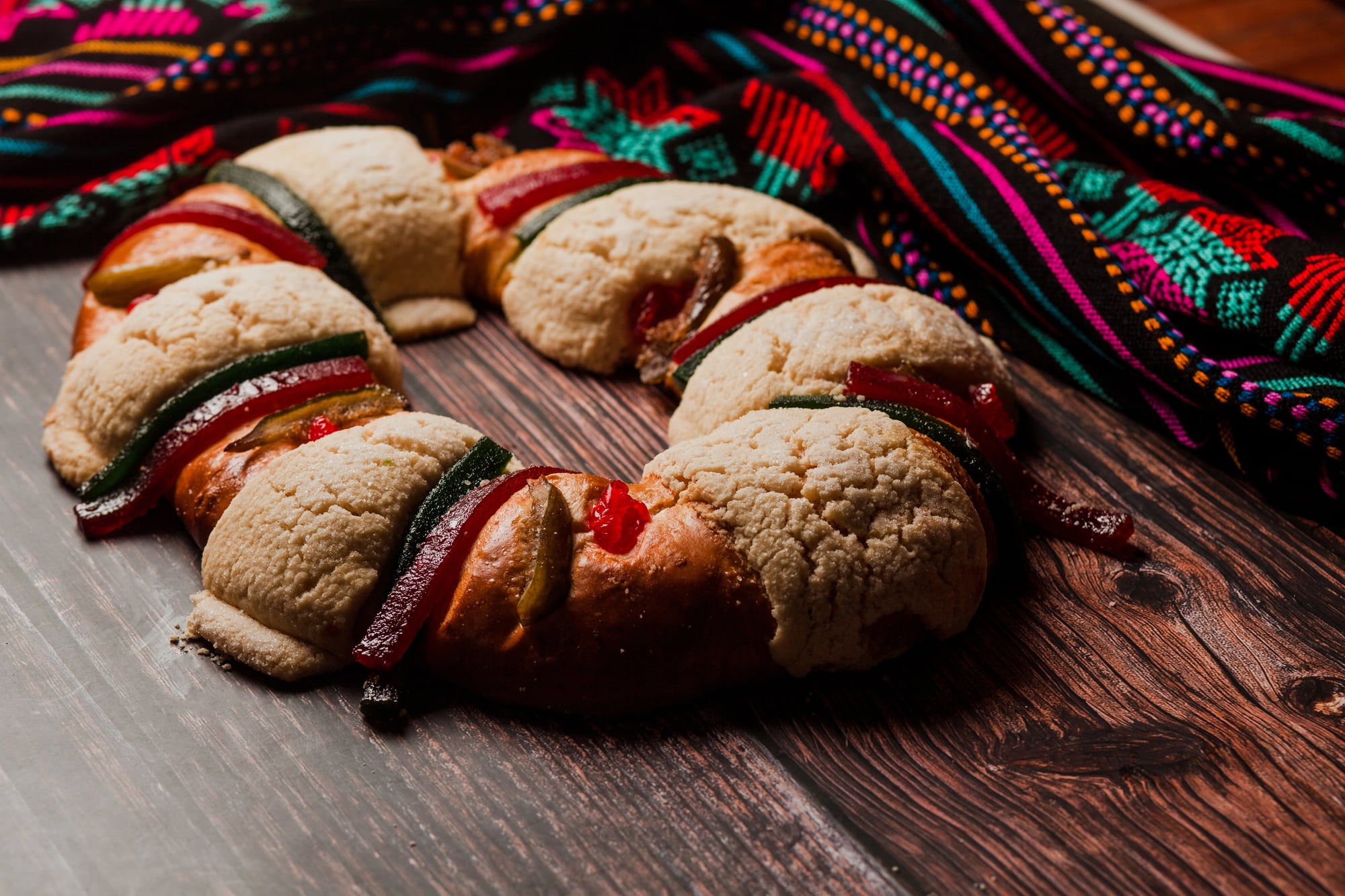
Melchior, Caspar, and Balthazar show up in nativity scenes worldwide, but the Bible never actually names them. It doesn’t even confirm there were three of them.
The Gospel of Matthew mentions “wise men from the East” who brought three gifts—gold, frankincense, and myrrh—and somewhere along the way, people decided this meant three visitors.
The names appeared in various texts and traditions centuries after the biblical account. Medieval Christians developed elaborate backstories for each king, assigning them different ages, regions, and even races to represent all of humanity coming to worship Christ.
Melchior supposedly came from Persia, Caspar from India, and Balthazar from Arabia or sometimes Ethiopia. These details became so embedded in Christian tradition that most people assume they’re biblical facts.
But they’re actually examples of how stories grow and change as they pass through different cultures and time periods.
Spain Goes Harder Than Anyone
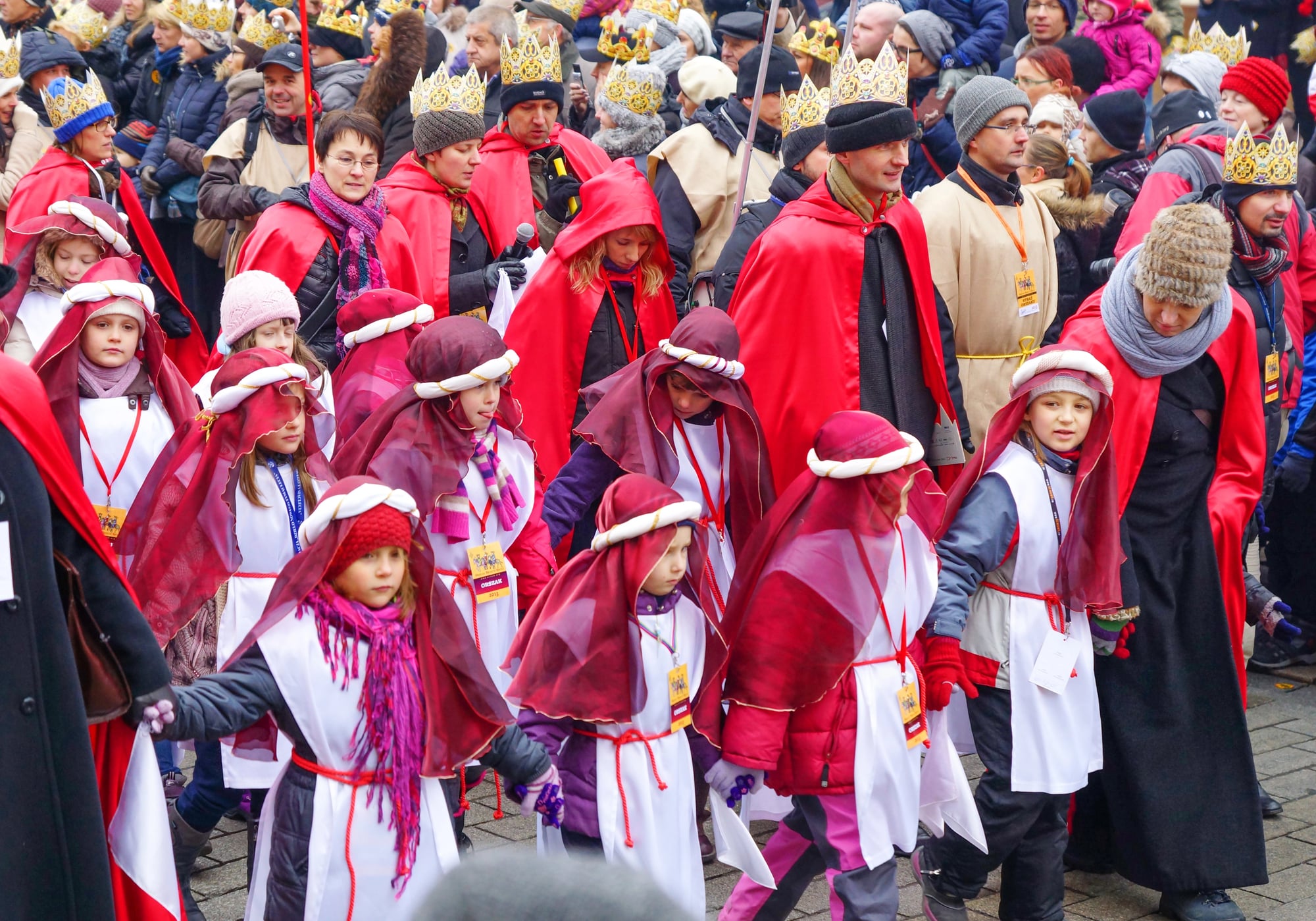
In Spain, Three Kings Day overshadows Christmas when it comes to gift-giving. Children receive their main presents on the morning of January 6, not December 25.
The night before, they leave shoes by the window or door for the kings to fill, along with snacks for the kings and water or hay for their camels. Cities across Spain hold massive parades called Cabalgatas de Reyes on January 5.
The three kings ride through streets on elaborate floats, throwing candy to crowds. These aren’t small neighborhood events—Madrid’s parade attracts hundreds of thousands of people and covers a route several miles long.
The celebration feels more magical to Spanish children than Christmas. They write letters to the kings asking for specific gifts, and some cities even have special mailboxes where kids can drop off their requests.
Department stores feature the three kings instead of Santa Claus, and the anticipation builds through the twelve days following Christmas.
Rosca de Reyes Hides a Surprise

Mexico and many Latin American countries serve a special bread called Rosca de Reyes on January 6. The ring-shaped sweet bread gets decorated with candied fruit to resemble a king’s crown, but the real excitement comes from what’s hidden inside.
Bakers tuck a small plastic figurine of baby Jesus into the dough before baking. Whoever finds the figurine in their slice takes on a special responsibility—they have to host a party on February 2, Candlemas Day, and provide tamales for everyone.
Some families hide multiple figurines in larger roscas, which means multiple people end up hosting or contributing to the February celebration. The moment someone bites into their slice and discovers the figure creates genuine excitement around the table, especially among children who love the element of surprise.
Puerto Rico Stretches It Out
While most places celebrate Three Kings Day on January 6, Puerto Rico takes a different approach. Children gather grass and put it in boxes under their beds on the night of January 5.
The grass supposedly feeds the kings’ camels, and in the morning, kids find gifts where the grass boxes were. But Puerto Ricans don’t stop there. The celebration extends through the entire month of January in many towns, with festivals, music, and special events.
Some communities organize gift drives where the three kings visit children in hospitals or underserved neighborhoods. The island’s connection to Three Kings Day runs deep, partly because it serves as a bridge between Spanish colonial heritage and contemporary Puerto Rican identity.
The holiday brings together religious tradition, cultural pride, and family values in a way that feels distinctly Puerto Rican even while honoring Spanish roots.
Italy Adds a Witch to the Mix
La Befana takes center stage in Italian Three Kings Day celebrations. According to legend, this old woman was too busy cleaning her house to join the Magi when they invited her to visit baby Jesus.
She changed her mind later and has been searching for him ever since, leaving gifts for children along the way. La Befana flies on a broomstick and enters homes through chimneys, much like Santa Claus.
Good children receive candy and small gifts, while naughty ones get coal—though modern Italian coal is actually sweet black candy, so everyone wins. This blend of Christian and pagan traditions creates something unique to Italy.
La Befana represents the folk magic that existed in Italy before Christianity fully took hold. The fact that she coexists with the three kings shows how Italian culture absorbed different influences rather than erasing them.
France Bakes Kings Into Cakes
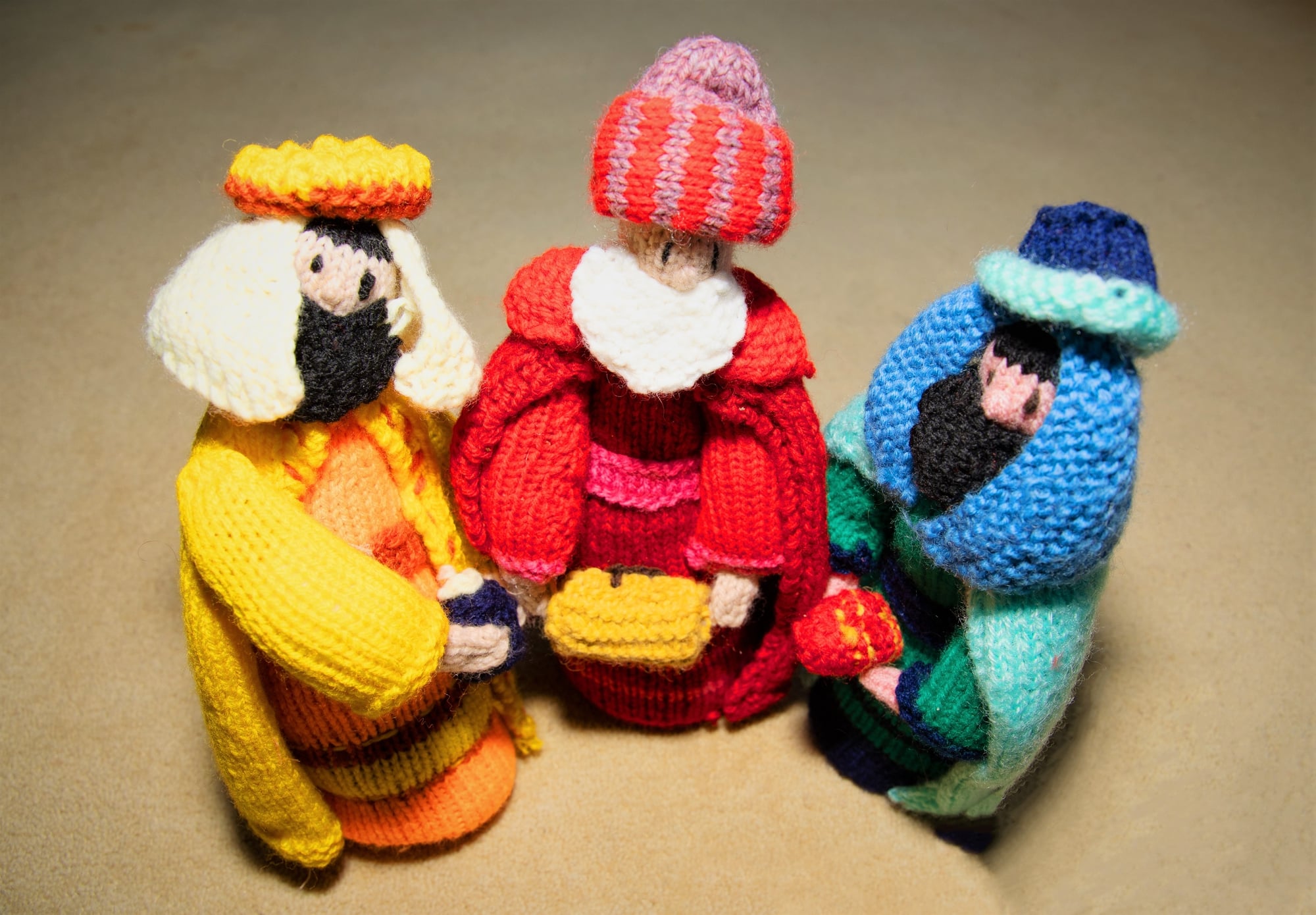
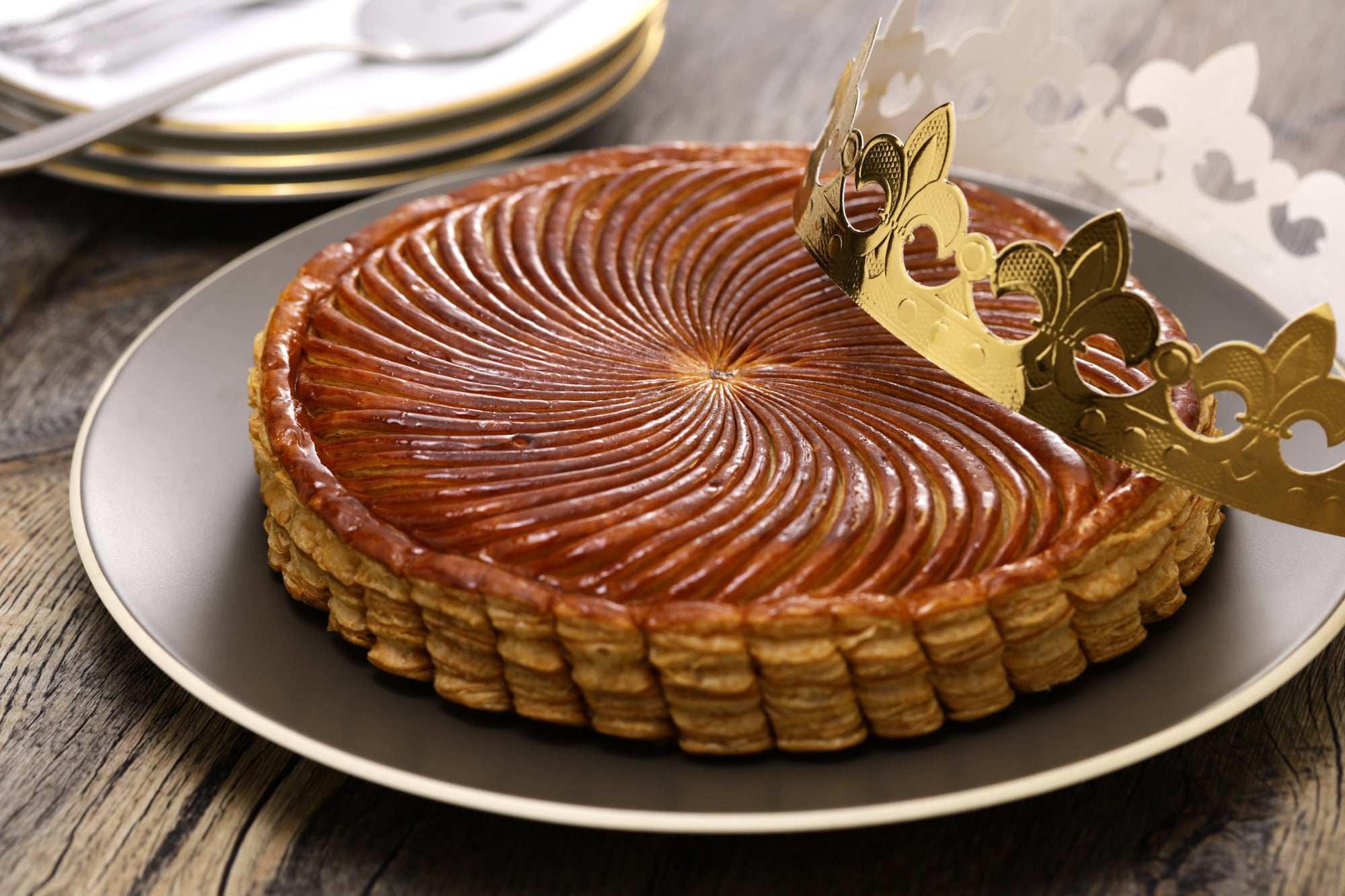
The French galette des rois (king cake) arrives in bakeries right after New Year’s Day and stays popular through January. This flat pastry filled with almond cream contains a small trinket called a fève, traditionally a dried fava bean but now usually a tiny ceramic figurine.
Whoever gets the slice with the fève becomes king or queen for the day and wears a gold paper crown. Bakeries include a crown with each cake, and the ritual of crowning someone adds ceremony to what could be just another dessert.
French families eat galette des rois multiple times during the season, which means different people get crowned king on different days. Some people take it seriously enough to collect the ceramic fèves, which bakeries change designs for each year.
Certain vintage fèves have become collector’s items worth significant money.
The Star Boys of Scandinavia
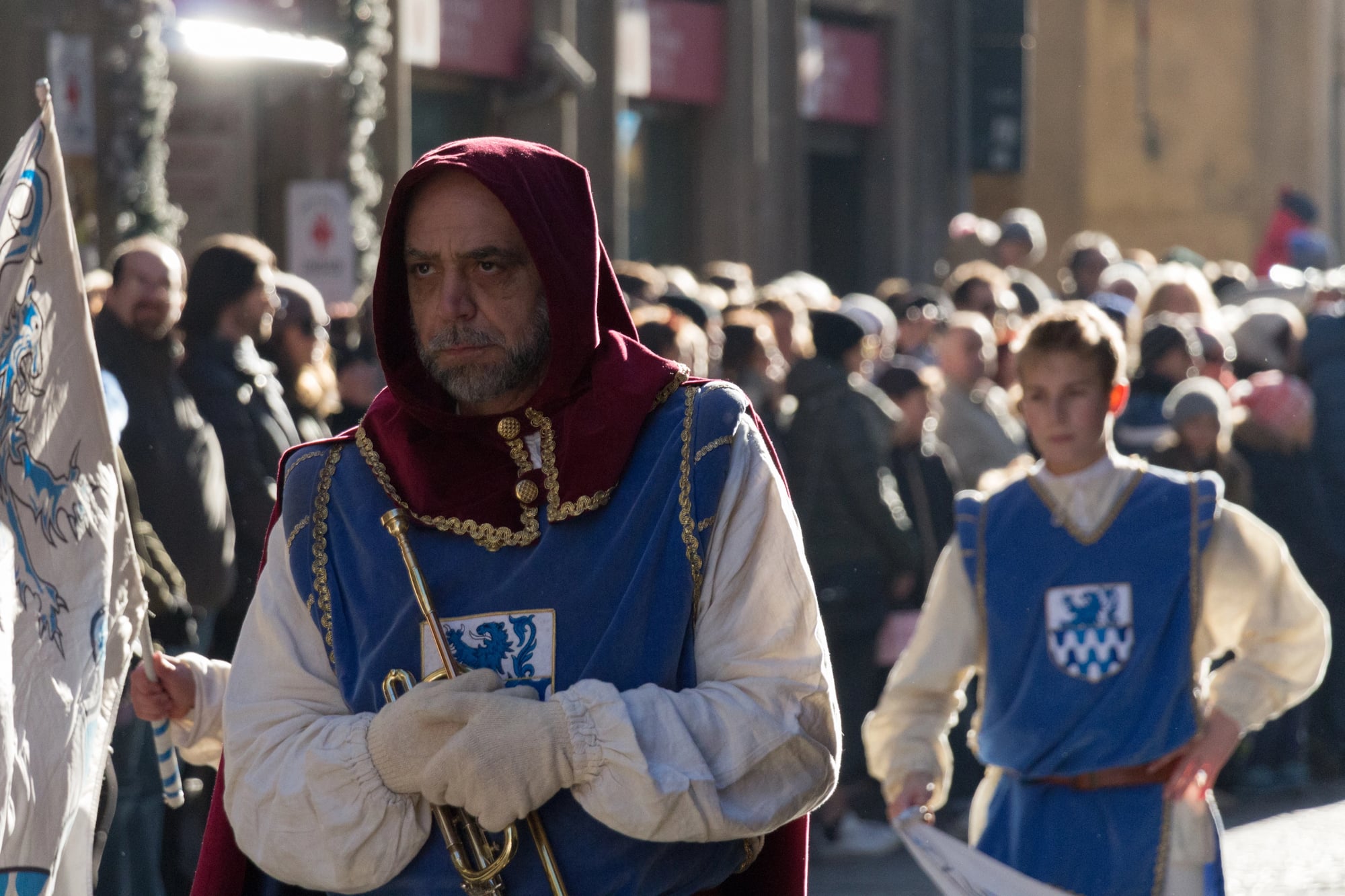
Finland, Sweden, and other Scandinavian countries celebrate Epiphany with a tradition called Stjärngossar (Star Boys). Groups of children dress in white robes and pointed hats decorated with stars, then go door to door singing songs and carrying a star on a pole.
This custom blends the story of the Magi following the star with Nordic folk traditions about winter spirits. The singers perform specific songs in exchange for treats or money, similar to Christmas caroling but with its own distinct character.
The tradition has declined in some areas as modern life makes door-to-door activities less common, but schools and churches keep it alive by organizing Star Boys performances.
The sight of children in star-decorated robes carrying lanterns through snowy January evenings creates an atmosphere that feels ancient and magical.
German Children Mark Doorways
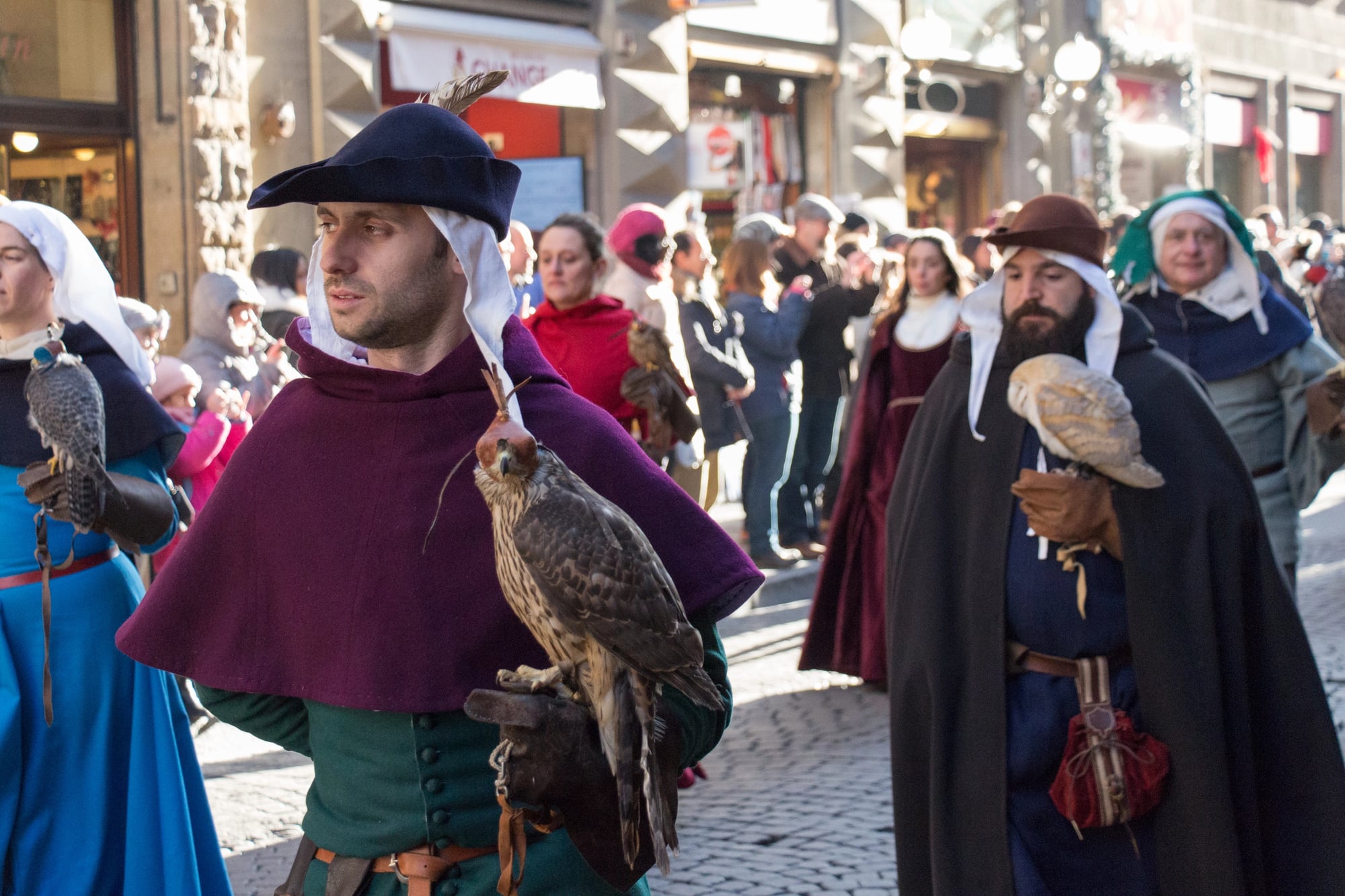
In Germany, groups of children dress as the three kings and go from house to house singing and collecting donations for charity. They carry a star on a pole and chalk to mark doorways with the year and the initials C+M+B.
Most people think these letters stand for the kings’ names—Caspar, Melchior, and Balthazar. But the official meaning is “Christus Mansionem Benedicat” (Christ bless this house).
The practice creates visible reminders of the blessing throughout neighborhoods, as the chalk marks stay visible for weeks or months. This tradition, called Sternsinger (Star Singers), raises millions of euros for children’s charities worldwide.
It turns a religious observance into practical help for people in need. The marks above doorways serve as both spiritual protection and public acknowledgment of participation in charitable giving.
Eastern Orthodox Celebrate Later

Orthodox Christians who follow the Julian calendar celebrate Epiphany on January 19 rather than January 6. The date difference comes from the calendar reform that most of the world adopted but some Orthodox churches rejected.
In Orthodox tradition, Epiphany focuses more on Jesus’s baptism than on the Magi’s visit. Many Orthodox communities perform water blessing ceremonies, with priests throwing crosses into rivers or lakes.
Young men dive into freezing water to retrieve the crosses, believing this brings good luck for the coming year. Russia takes these ice swimming traditions to extremes. People cut cross-shaped openings in frozen lakes and rivers, and thousands plunge into the water despite temperatures well below freezing.
Medical personnel stand by because the shock to the system can be dangerous, but participants believe the spiritual benefits outweigh the physical risks.
New Orleans Makes It a Party
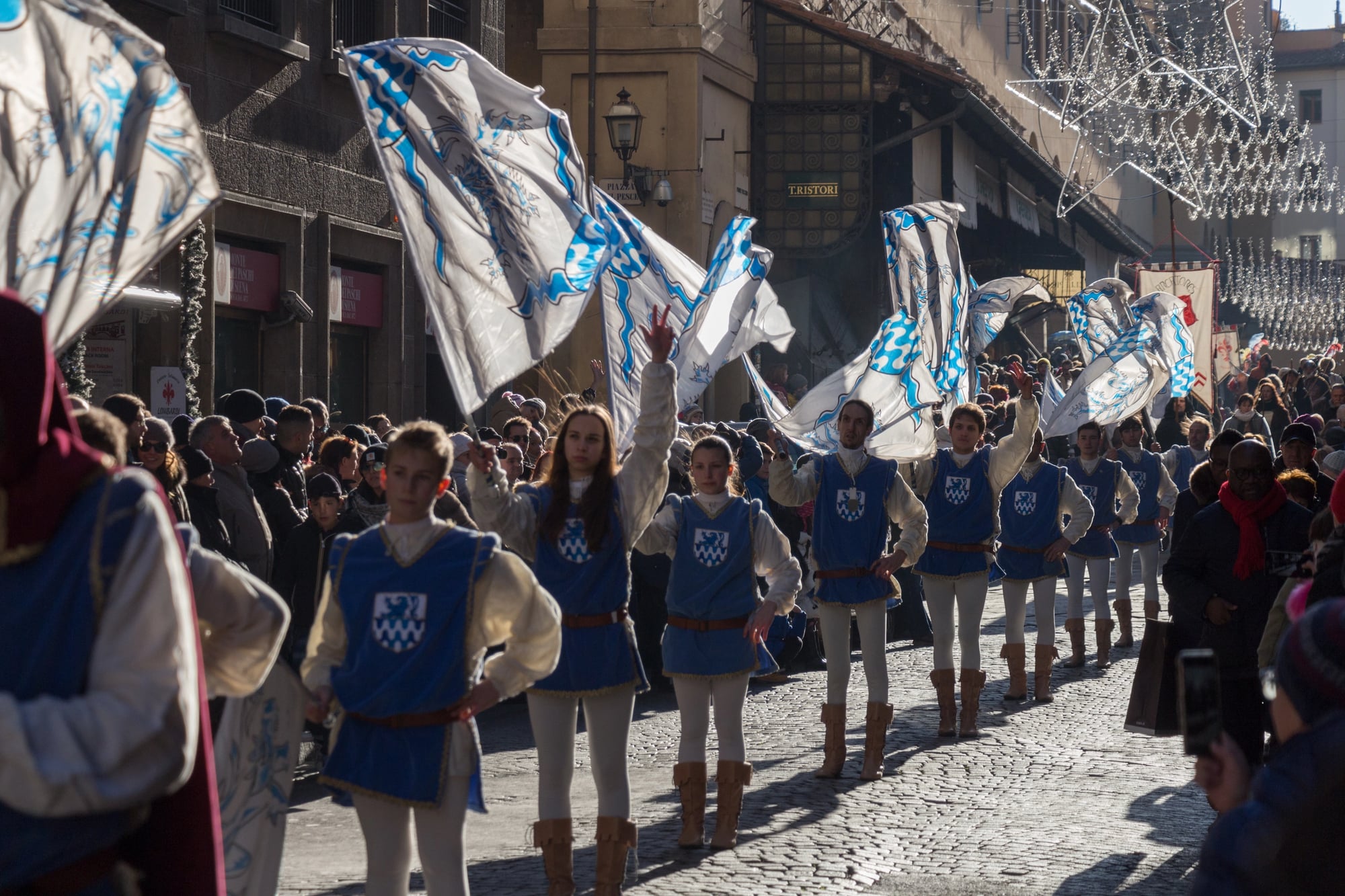
The Carnival season in New Orleans begins on Epiphany, making January 6 the official start of the party that culminates in Mardi Gras. King cakes appear in bakeries and become a daily staple for many residents through the weeks leading up to Lent.
New Orleans king cake differs from the French version. It’s a sweet braided bread covered in purple, green, and gold sugar.
A tiny plastic baby representing Jesus hides inside, and whoever gets it in their slice has to bring the next king cake to work or to the next gathering. This tradition keeps communities connected throughout Carnival season.
Office workers rotate king cake duties, friends gather for king cake parties, and the hunt for the hidden baby adds an element of fun to every slice. The tradition transforms a religious holiday into weeks of shared celebration.
Bethlehem Still Celebrates Big
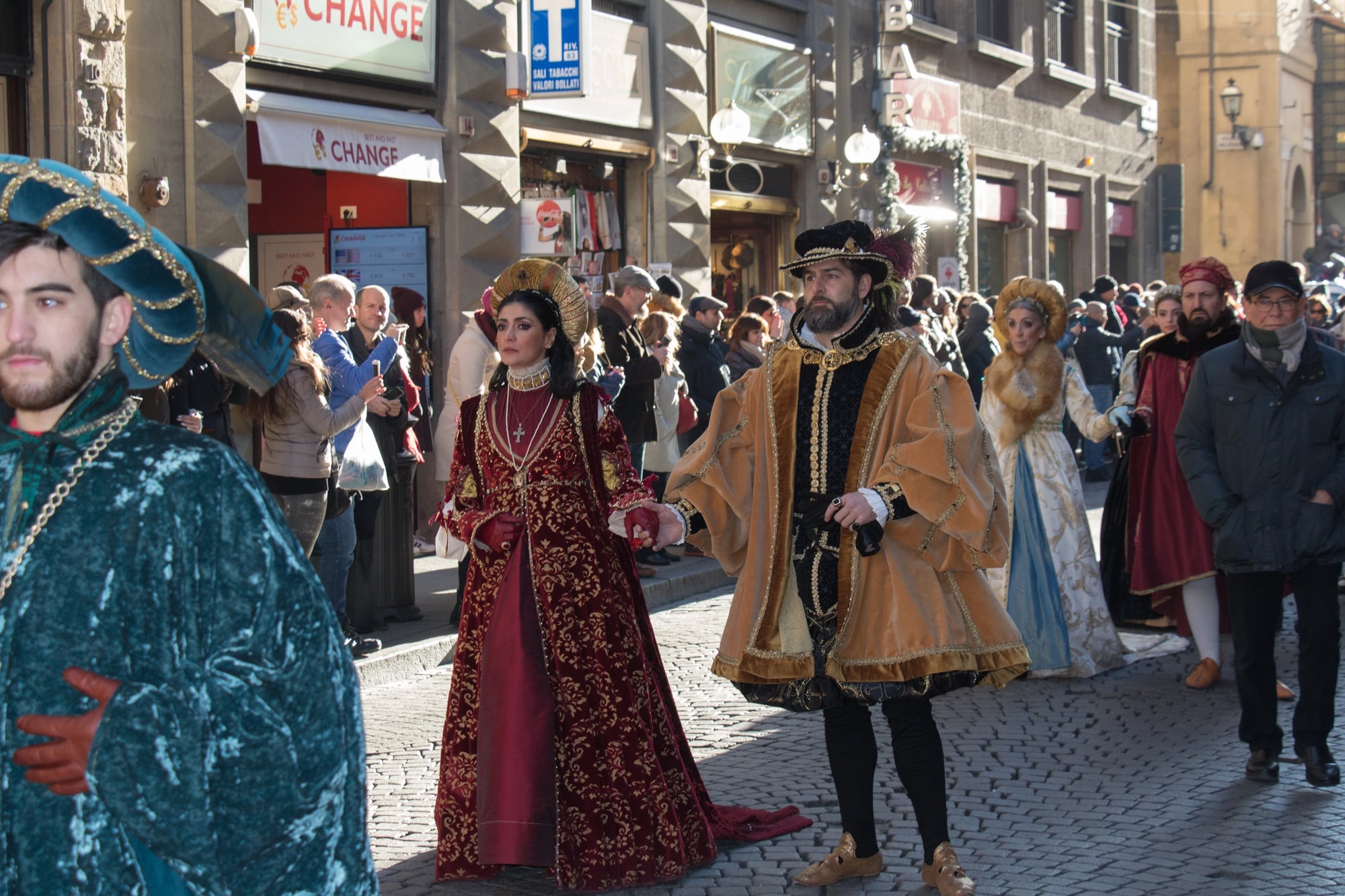
The actual birthplace of Jesus sees major celebrations on both the Western January 6 and the Orthodox January 19. Thousands of pilgrims travel to Bethlehem’s Church of the Nativity, where a silver star marks the traditional site of Christ’s birth.
Palestinian Christians maintain strong Epiphany traditions despite the political complexities of the region. Processions, special masses, and cultural performances bring together local Christians and visitors from around the world.
The celebrations affirm Palestinian Christian identity and maintain centuries-old traditions. The presence of both Western and Orthodox observances in the same city creates an extended celebration period that benefits the local economy and keeps Bethlehem in international awareness.
Tour guides stay busy, hotels fill up, and the influx of pilgrims provides income for a community that faces economic challenges throughout the year.
Gift-Giving Traditions Vary Wildly

Some cultures give all their presents on Three Kings Day, making it the main gift-giving occasion of the winter season. Others treat it as a supplemental day for smaller gifts after the main Christmas haul.
Still others focus on charity rather than personal gift exchange. In Latin America, children who receive gifts from both Santa Claus and the three kings sometimes get a double windfall.
Many parents now choose one tradition or the other to avoid spoiling kids with too many presents. The economic factor plays a role too—spreading gifts across two dates makes the financial burden more manageable.
The shift from religious observance to commercial opportunity bothers some people who see Three Kings Day becoming another shopping holiday. But others argue that gift-giving honors the original story of the Magi bringing presents.
Commercial aspects don’t necessarily diminish spiritual meaning.
When Traditions Cross Borders
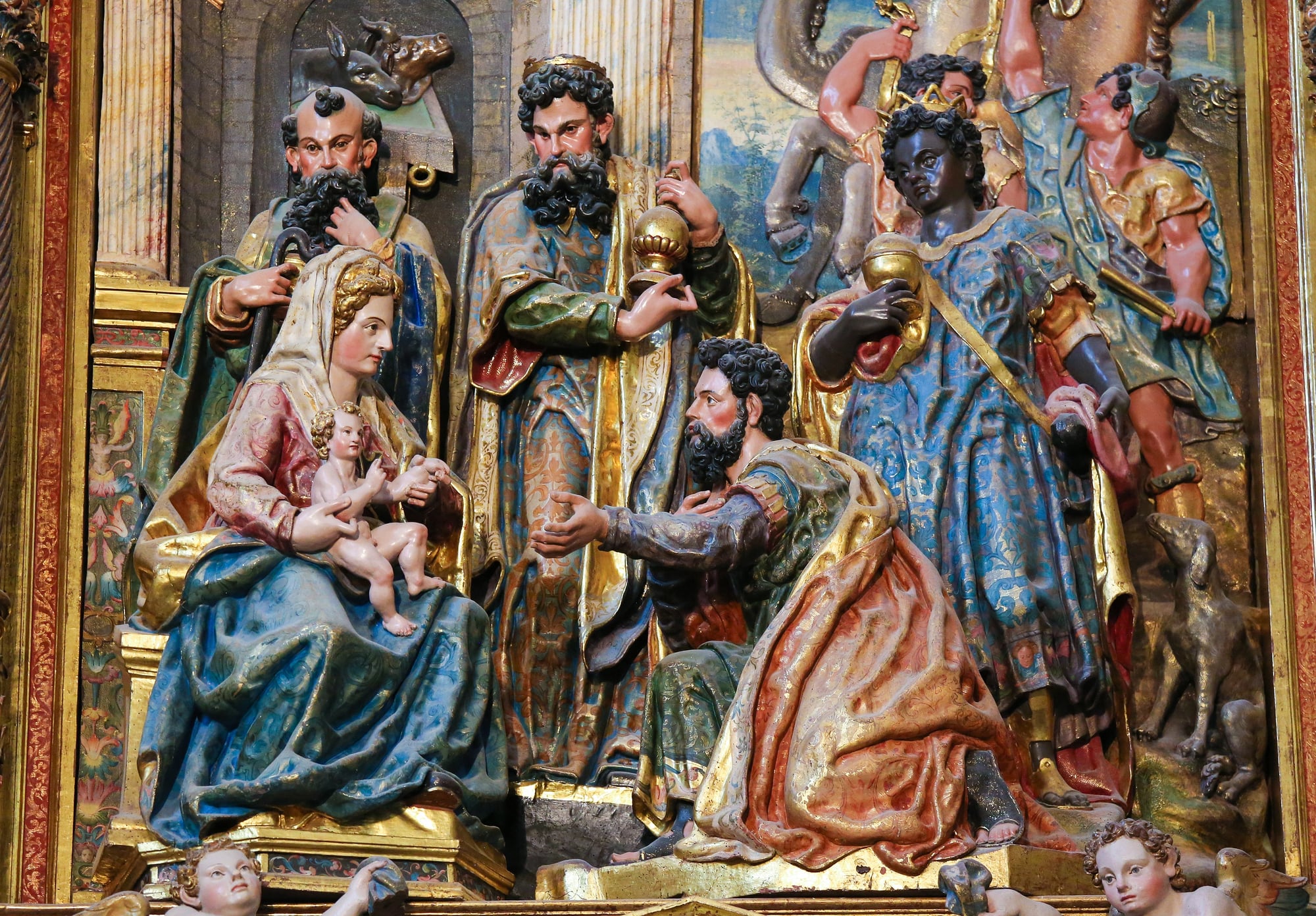
Immigration and globalization spread Three Kings Day traditions to places that never celebrated it before. Mexican communities in the United States introduce Rosca de Reyes to neighbors who’d never heard of it.
Spanish immigrants in London recreate their hometown parades on a smaller scale. This cultural exchange works both ways. People in traditionally Three Kings Day countries now recognize Santa Claus and Christmas trees, creating hybrid celebrations that blend different traditions.
Some families maintain both December 25 and January 6 as gift-giving days, doubling the fun. The internet lets people share their local traditions with a global audience.
Videos of Spanish parades go viral. Recipes for king cakes spread across continents. Children in one country learn about celebrations half a world away, which sometimes inspires families to adopt new traditions or appreciate their own more deeply.
The Gifts Still Carry Meaning
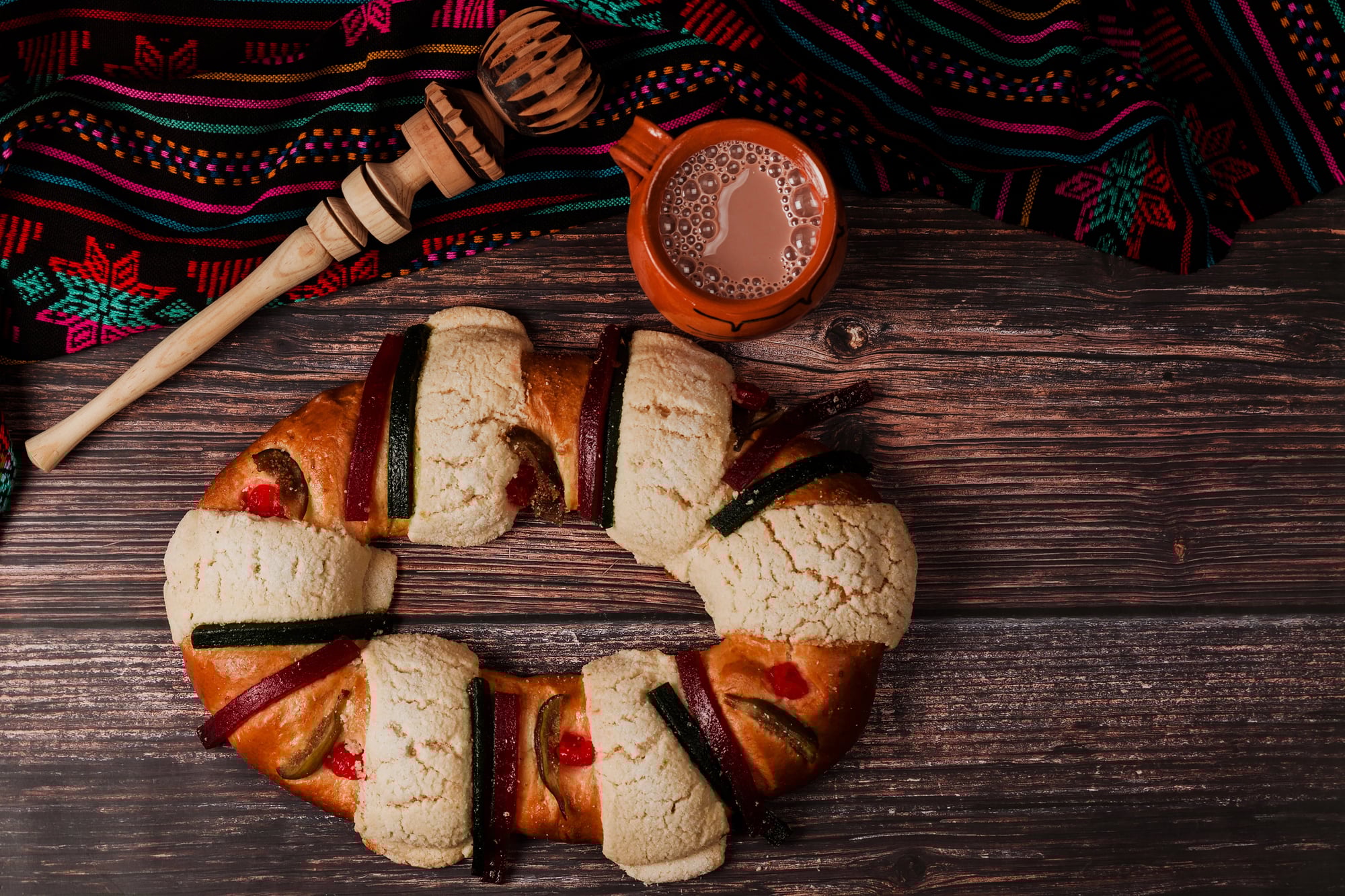
Gold, frankincense, and myrrh represented wealth, worship, and death in the original story. Modern traditions sometimes encourage people to think about what symbolic gifts they could offer—not just physical presents, but offerings of time, talent, or service to others.
Some churches organize Three Kings Day gift drives where people donate items for children in need. This transforms the focus from receiving to giving, from personal celebration to community care.
Parents use the holiday to teach children about generosity and thinking of others. The question of what gifts to give and receive on Three Kings Day connects directly to the values each family wants to emphasize.
Do you focus on material abundance, spiritual growth, charitable giving, or family togetherness? Your answer shapes how you celebrate and what lessons children take from the tradition.
How Stories Become Traditions

A line from an ancient page sprouted motion, drifted over lands, turned into celebration and flickering flames. Three wanderers without names – eventually – gained speech, histories, even preferred seasonings whispered through generations.
A solitary trek, barely noted at first, now hums in processions down cobblestone plazas. Dishes shifted with geography, molded by forgotten tunes and longer nights near frozen rivers.
Gifts moved from palm to palm—back then, yes, but also through each turn of the year after. A hush of giving wove into the days, slipping by like breath on glass. No one marked it much, yet there it stayed.
Each home stirs something unique into Three Kings Day. Meals get picked, tales are shared with kids, presents move from hand to hand—small acts that gently shape what the custom becomes.
Time rolls on, younger ones take their turn, shifting pieces here and there in ways past holders wouldn’t predict, yet holding steady to its heart almost by accident.
More from Go2Tutors!

- The Romanov Crown Jewels and Their Tragic Fate
- 13 Historical Mysteries That Science Still Can’t Solve
- Famous Hoaxes That Fooled the World for Years
- 15 Child Stars with Tragic Adult Lives
- 16 Famous Jewelry Pieces in History
Like Go2Tutors’s content? Follow us on MSN.



