Fascinating Trivia About the World’s Largest Deserts
Think about vastness for a moment. The kind of scale that makes your daily world feel like a postage stamp stuck to the corner of something unimaginably large.
Deserts do this to your sense of space — they stretch beyond what seems reasonable, holding secrets that sound too strange to be real. Each one develops its own personality across millions of years, collecting oddities that would sound like fiction if you hadn’t seen the evidence yourself.
Antarctica

Antarctica isn’t what you picture when someone says desert. Ice everywhere, penguins waddling around, research stations scattered across white emptiness. But precipitation defines deserts, not temperature.
Antarctica gets less than two inches of precipitation annually. That makes it the world’s largest desert at 5.4 million square miles.
The Sahara looks modest by comparison.
Sahara Desert

The Sahara moves. Not metaphorically — literally. Sand dunes migrate up to 100 feet per year, swallowing roads and threatening buildings along their edges.
Morocco spends millions annually just keeping highways clear of advancing sand. But here’s the part that reshapes how you think about deserts entirely: the Sahara fertilizes the Amazon rainforest.
Wind carries approximately 27 million tons of Saharan dust across the Atlantic Ocean every year (much of it phosphorus-rich sediment from an ancient lakebed in Chad), and this dust provides essential nutrients that Amazonian plants can’t get from their own nutrient-poor soil. Two of Earth’s most extreme environments depend on each other across 5,000 miles of ocean.
The desert spans 3.6 million square miles across North Africa — larger than the contiguous United States, though still smaller than the US when Alaska is included.
Arabian Desert
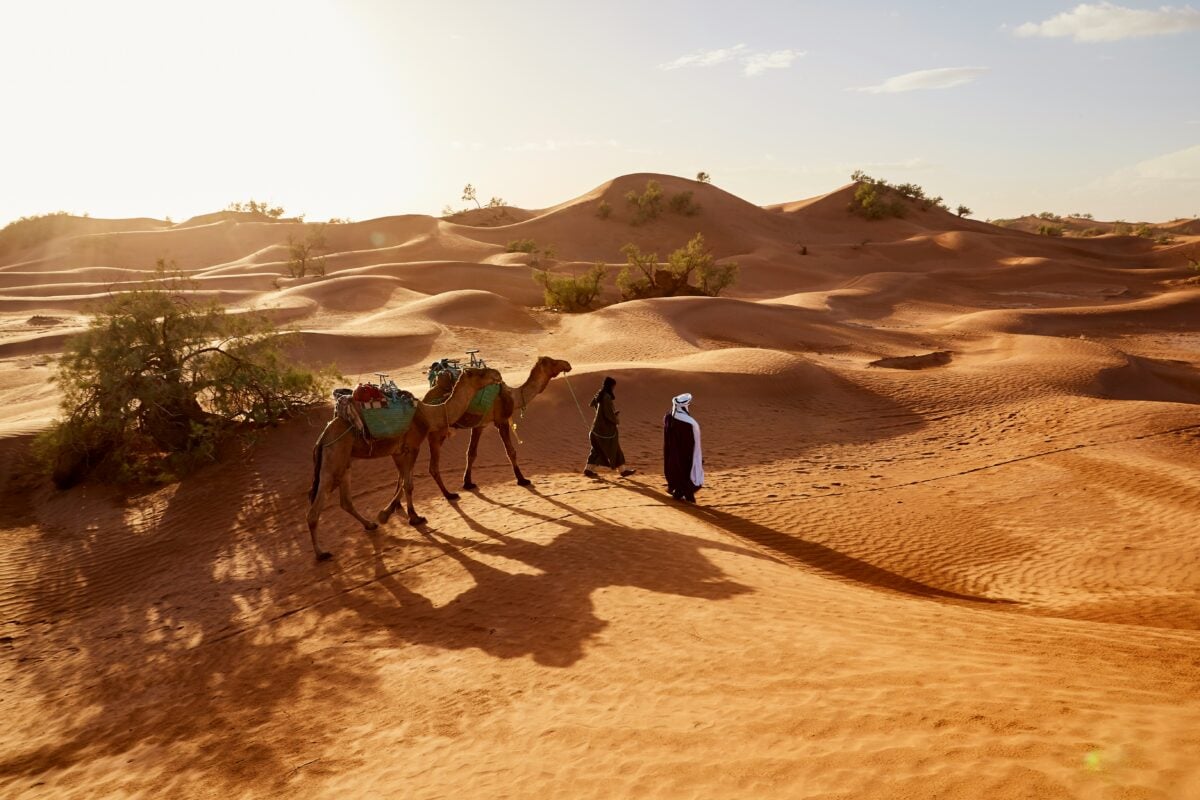
Sand dunes here reach heights that would make respectable mountains. The Rub’ al Khali, or Empty Quarter, contains dunes stretching over 800 feet tall — imagine a 60-story building made entirely of sand, and you’re getting close to the scale.
This desert covers most of the Arabian Peninsula, but it’s not uniformly hostile to life. The region sits atop the world’s largest continuous oil reserves, which formed from ancient marine organisms that lived here when the area was covered by a shallow sea millions of years ago.
So technically, you’re looking at an ocean floor that has learned to become a desert.
Gobi Desert

The Gobi Desert corrects your assumptions about deserts and temperature. Winter temperatures drop to -40°F, and summer peaks hit 122°F.
That’s a temperature swing of 162 degrees — more extreme than most places on Earth experience. And here’s something that sounds like adventure fiction but happens regularly: the Gobi Desert produces sandstorms so massive they affect air quality in cities 1,500 miles away. Beijing regularly deals with dust clouds that originated in Mongolia.
The desert spans 500,000 square miles across Mongolia and northern China, making it the fifth-largest desert globally. But perhaps the most remarkable thing about the Gobi is what lies beneath its surface — it’s one of the world’s richest fossil beds, containing dinosaur eggs and skeletons that have been preserved for millions of years in its dry conditions.
Kalahari Desert

The Kalahari refuses to behave like a proper desert, which makes it endlessly fascinating. Most years bring enough rainfall (5-10 inches annually in some areas) that grasses and scattered trees survive across much of its 350,000 square miles.
Yet this semi-desert supports one of Africa’s most remarkable wildlife populations. Elephants, lions, cheetahs, and hundreds of bird species thrive here during certain seasons — proof that deserts don’t have to be lifeless to be genuine.
The San people have lived in the Kalahari for over 20,000 years, developing one of the world’s most sophisticated traditional tracking and survival systems. The Kalahari also sits atop some of the world’s largest diamond deposits.
Botswana, which contains most of the desert, produces about 20% of the world’s diamonds by value.
Great Victoria Desert
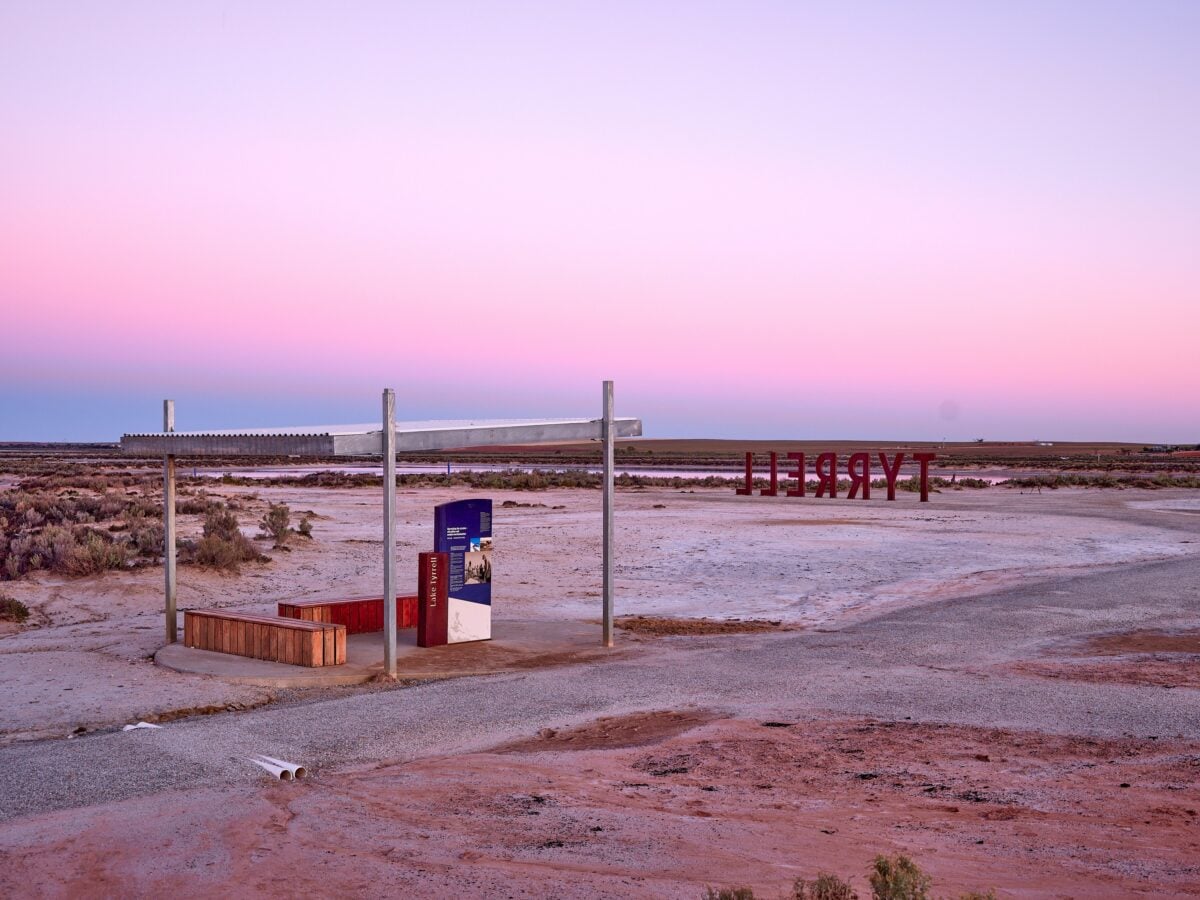
Australia’s Great Victoria Desert spans 134,000 square miles of Western and South Australia, but it’s the underground activity that makes this desert genuinely unusual. Beneath the surface lies one of the world’s most extensive cave systems, carved by water that disappeared millions of years ago.
The desert surface shows no hint of these caverns. You could walk for days across seemingly uniform scrubland while massive hollow spaces stretch beneath your feet.
Some caves contain ancient Aboriginal art dating back over 40,000 years — galleries painted in underground chambers that have remained completely dry for millennia.
Thar Desert

The Thar Desert shouldn’t exist where it does. Located along the India-Pakistan border, it sits in a region that should receive monsoon rains, but the Aravalli Mountains block moisture-bearing winds, creating a rain shadow effect that maintains desert conditions across 77,000 square miles.
Despite its harsh conditions, the Thar supports a population density that would shock most desert dwellers worldwide. Over 30 million people live within its boundaries, making it one of the most densely populated deserts on Earth.
They’ve developed intricate water harvesting systems and adapted agriculture techniques that allow farming in areas receiving less than 5 inches of annual rainfall.
Sonoran Desert

The Sonoran Desert grows trees that live longer than civilizations. Saguaro cacti can reach 200 years old and grow to 40 feet tall, but they’re not the record holders.
Some desert ironwood trees in the Sonoran have been carbon-dated to over 1,500 years old — they were already ancient when the Byzantine Empire was at its peak. This desert, spanning 120,000 square miles across Arizona, California, and Mexico, also experiences a phenomenon called desert blooms.
After rare heavy rains, millions of wildflower seeds that have been dormant in the soil for years suddenly germinate, covering vast areas in colors that seem impossible against the usual browns and grays of desert landscapes.
Great Basin Desert

The Great Basin Desert sits higher than most people realize — much of it exists above 4,000 feet in elevation, making it a cold desert where snow regularly covers the ground in winter. But elevation isn’t the only thing that sets this desert apart.
Water that falls in the Great Basin stays in the Great Basin (hence the name). No rivers flow out of this 190,000-square-mile area to the ocean. Instead, water collects in closed basins, creating temporary lakes that evaporate and leave behind salt flats and mineral deposits.
The result is a landscape that changes dramatically with the seasons — what appears as a lake in spring becomes a blindingly white salt flat by summer.
Chihuahuan Desert

The Chihuahuan Desert contains more species of cacti than anywhere else on Earth — over 1,000 different varieties. But the diversity goes beyond cacti.
This 140,000-square-mile desert, stretching across Mexico and into Texas and New Mexico, supports more plant and animal species than any other North American desert. Part of this diversity comes from the desert’s elevation range.
It extends from 1,000 feet above sea level to over 5,000 feet, creating multiple climate zones within a single desert system. What grows in the lower, hotter regions differs completely from vegetation in the higher, cooler areas.
Taklamakan Desert
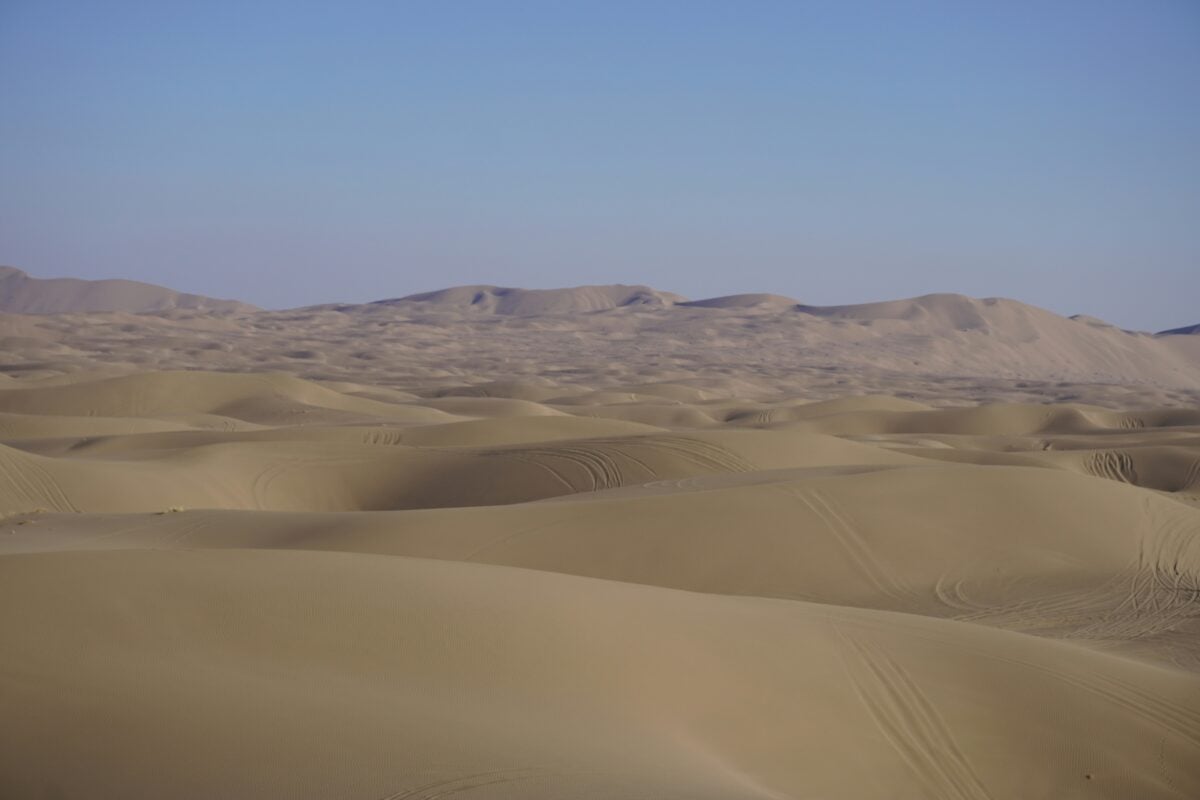
The Taklamakan Desert earned a nickname that translates roughly to “go in and you won’t come out.” This 130,000-square-mile desert in western China consists almost entirely of shifting sand dunes — some over 900 feet tall — that can move several yards in a single windstorm.
For centuries, the Taklamakan was considered completely impassable, forcing Silk Road traders to travel around its edges rather than attempt a crossing. Even today, with modern navigation and transportation, the desert remains one of the most challenging environments on Earth to traverse.
The sand is so fine and mobile that roads and structures disappear within months of construction.
Patagonian Desert

Patagonia’s desert exists because of mountains that steal its rain. The Andes Mountains intercept moisture-bearing winds from the Pacific Ocean, leaving the eastern side of South America’s southern cone in a permanent rain shadow.
This creates a cold, windy desert that spans 260,000 square miles across Argentina and Chile. Unlike hot deserts, the Patagonian Desert receives most of its limited precipitation as snow.
Temperatures rarely exceed 60°F even in summer, and winter brings freezing conditions that can last for months. Yet this harsh environment supports guanacos, rheas, and other wildlife that have adapted to life in one of the world’s most consistently windy places.
Iranian Desert

Iran’s central plateau contains two major desert regions — the Dasht-e Kavir and Dasht-e Lut — that together cover about 150,000 square miles. The Dasht-e Lut holds the distinction of recording some of the highest land surface temperatures ever measured on Earth: approximately 159.3°F (70.7°C), as recorded by NASA satellite sensors — hot enough to kill most bacteria.
These deserts also contain vast salt flats where the ground forms geometric patterns that look artificial but result from natural salt crystal formation. In some areas, the salt crust is thick enough to support vehicles, while in others, it conceals quicksand-like salt marshes that can trap anything heavy enough to break through the surface.
Namib Desert

Time moves differently in the Namib Desert, and the dunes themselves prove it. Some of these sand formations have remained stable for over a million years — they were already ancient when early humans first appeared in Africa.
The desert runs along Namibia’s Atlantic coast for about 1,200 miles, making it one of the world’s oldest deserts. The Namib receives virtually no rainfall, but it has developed an ingenious alternative water source.
Fog from the Atlantic Ocean rolls inland most mornings, and specialized plants and animals have evolved to harvest water directly from this fog. Beetles position themselves to collect water droplets on their backs, while certain plants can absorb moisture from fog through their leaves.
When Earth Reveals Its Extremes

Desert trivia reads like nature’s own collection of impossible facts, each one stranger than fiction would dare to suggest. These landscapes push life to its creative limits, producing solutions that seem designed by someone with a peculiar sense of humor and an unlimited budget for scale.
You realize that what looks like emptiness from a distance turns out to be some of the most ingenious problem-solving on the planet — it just happens quietly, across time spans that make human history look like a brief conversation.
More from Go2Tutors!

- The Romanov Crown Jewels and Their Tragic Fate
- 13 Historical Mysteries That Science Still Can’t Solve
- Famous Hoaxes That Fooled the World for Years
- 15 Child Stars with Tragic Adult Lives
- 16 Famous Jewelry Pieces in History
Like Go2Tutors’s content? Follow us on MSN.