The Human Body: 15 Quick Facts
The human body operates as an intricate biological machine that rarely gets credit for its daily accomplishments. Right now, as you read these words, your heart is beating roughly 70 times per minute, your lungs are exchanging oxygen and carbon dioxide, and your brain is processing visual information at remarkable speeds — all without requiring any conscious effort from you.
These automatic functions represent just a fraction of what your body manages every single day, yet most people know surprisingly little about the vessel that carries them through life.
Your heart beats over 100,000 times per day

Your heart doesn’t take breaks. It doesn’t call in sick or decide to work part-time. Every single day, this muscular organ contracts and relaxes approximately 100,000 times, pumping about 2,000 gallons of blood through your circulatory system.
Your brain uses 20% of your body’s energy

Despite accounting for only about 2% of your total body weight, your brain consumes roughly 20% of all the energy you produce — and this percentage holds steady whether you’re solving complex mathematical equations or binge-watching television (though your brain might appreciate the mental stimulation more than you realize). The brain’s energy demands remain remarkably consistent because it’s constantly maintaining neural connections, processing sensory information, and coordinating the countless automatic functions that keep you alive, which means that even during sleep your brain continues working at nearly the same metabolic rate as when you’re awake.
So the next time someone suggests that thinking hard makes them hungry, they’re not entirely wrong.
Your stomach lining replaces itself every few days
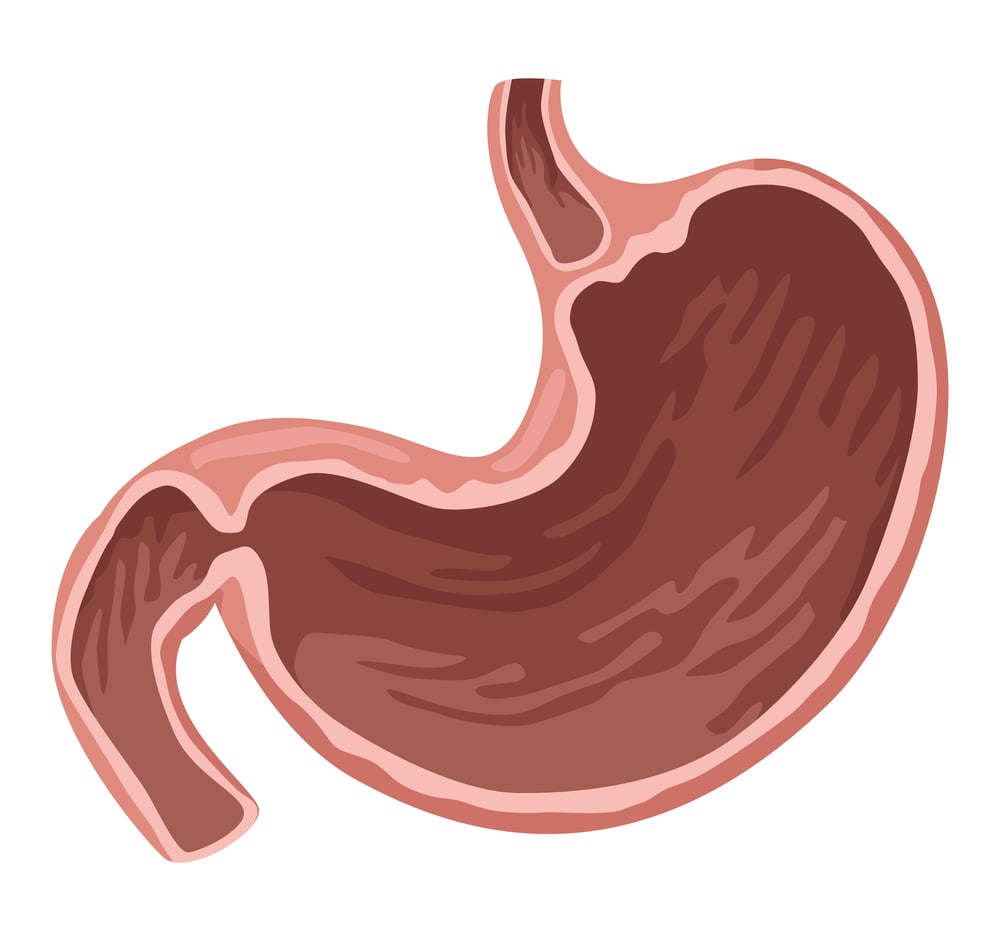
Think of your stomach as a self-renovating kitchen that completely redecorates itself twice a week. The stomach’s inner lining faces a harsh environment of acid strong enough to dissolve metal, so it regenerates itself every 3-5 days to prevent damage.
The efficiency of this process borders on miraculous — like a construction crew that works around the clock while the building remains fully operational. Your digestive system never closes for renovations.
You produce about 1.5 liters of saliva daily

Saliva production is criminally underrated. Your salivary glands manufacture roughly 1.5 liters of saliva every day — enough to fill a large water bottle.
This isn’t just mouth moisture; saliva contains enzymes that begin breaking down food before you swallow, antibodies that fight bacteria, and compounds that help heal small wounds in your mouth.
Your lungs contain about 300 million air sacs
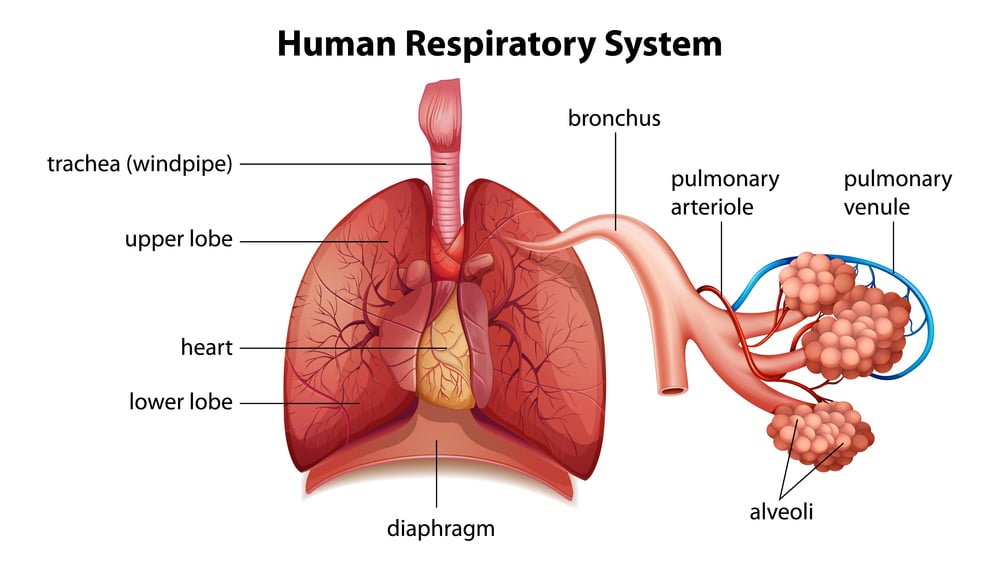
The human lung contains approximately 300 million tiny air sacs called alveoli, and if you could somehow unfold and flatten all of them, they would cover roughly half a tennis court (which seems like an oddly specific measurement, but here we are). Each alveolus is surrounded by capillaries so thin that red blood cells must squeeze through them single file, like commuters boarding a packed subway car during rush hour — except this particular commute happens about 20,000 times per day with each breath you take.
The whole system operates on the principle that surface area matters: the more space available for gas exchange, the more efficiently oxygen can enter your bloodstream and carbon dioxide can exit, which explains why your lungs evolved to look more like intricate coral reefs than simple balloons.
Your bones are stronger than steel
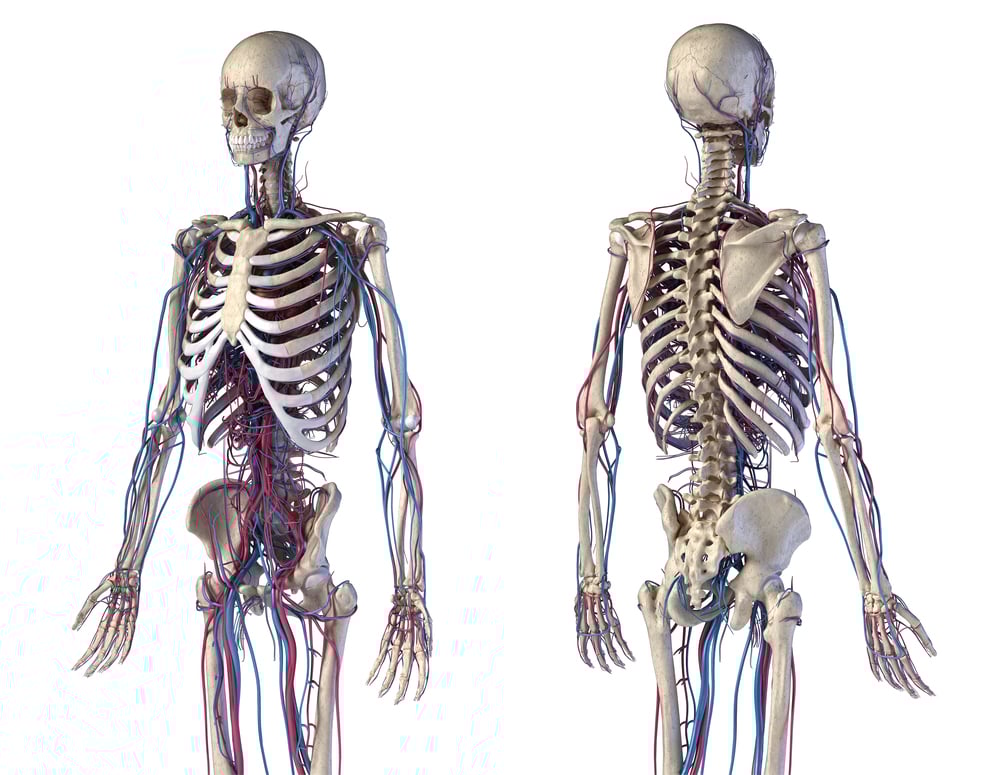
Bone tissue has a tensile strength comparable to steel while remaining four times lighter. Your femur, the longest bone in your body, can support about 30 times your body weight before fracturing.
This strength comes from a composite structure of collagen fibers and calcium phosphate crystals.
Your eyes can distinguish about 10 million colors

The human eye can differentiate between approximately 10 million different colors, though most people can only name a few hundred at best. Your color vision depends on three types of cone cells in your retina, each sensitive to different wavelengths of light.
Each cone cell responds most strongly to either red, green, or blue light, but the magic happens in the overlap — the brain interprets the combined signals from all three types to create your perception of the entire visible spectrum, which explains why someone can spend twenty minutes at the paint store debating whether a particular shade qualifies as “sage green” or “eucalyptus mint” (and why paint manufacturers employ people whose entire job involves naming these distinctions). But here’s the thing that gets overlooked: not everyone sees the same 10 million colors because cone cell sensitivity varies between individuals, which means your experience of “blue” might be slightly different from someone else’s “blue,” and you would never know it because you’ve both been calling that wavelength “blue” your entire lives.
Your skin sheds about 8 pounds of dead cells annually

Your skin operates like a conveyor belt factory that never stops production. Every minute, you shed roughly 30,000 to 40,000 dead skin cells, which adds up to about 8 pounds of discarded cellular material per year.
Most household dust is actually composed of these shed skin cells, along with fabric fibers and other debris. Your body essentially contributes to its own cleaning problems.
Your kidneys filter 50 gallons of blood daily
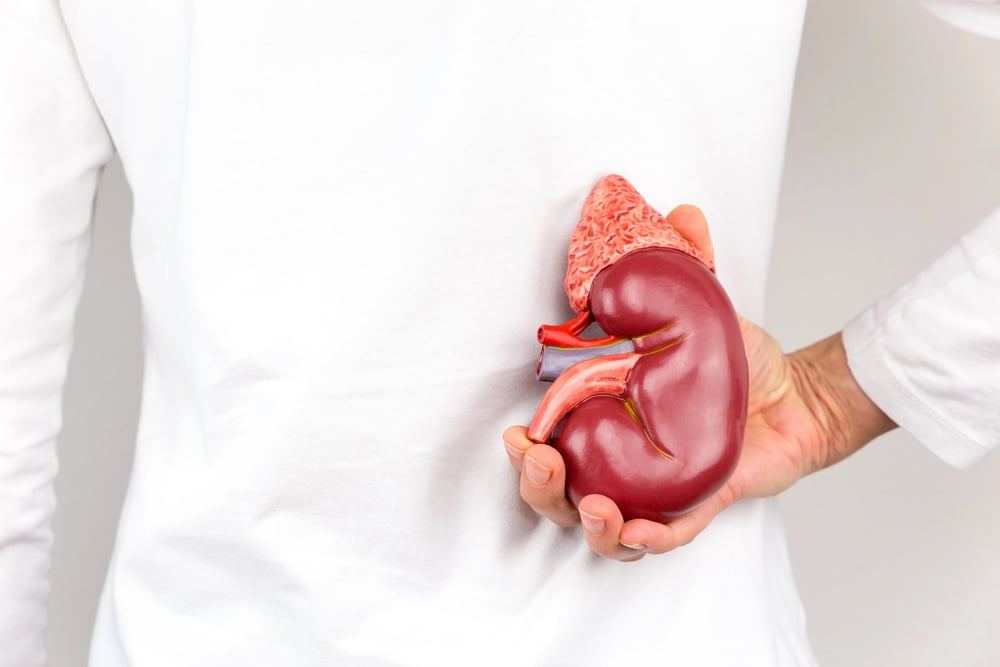
The kidneys deserve recognition as the body’s most dedicated custodial staff — they filter approximately 50 gallons of blood every single day, removing waste products and excess water while carefully retaining everything your body needs to keep functioning. This filtering process happens continuously, with your entire blood supply cycling through your kidneys roughly 12 times per hour, which means that in the time it takes you to eat lunch, your kidneys have cleaned and recirculated every drop of blood in your body at least once (and probably started on a second round).
The precision required for this operation is staggering: each kidney contains about one million tiny filtering units called nephrons, and each nephron must make split-second decisions about what to keep and what to discard, all while maintaining the exact chemical balance your cells require to survive.
Your liver performs over 500 different functions
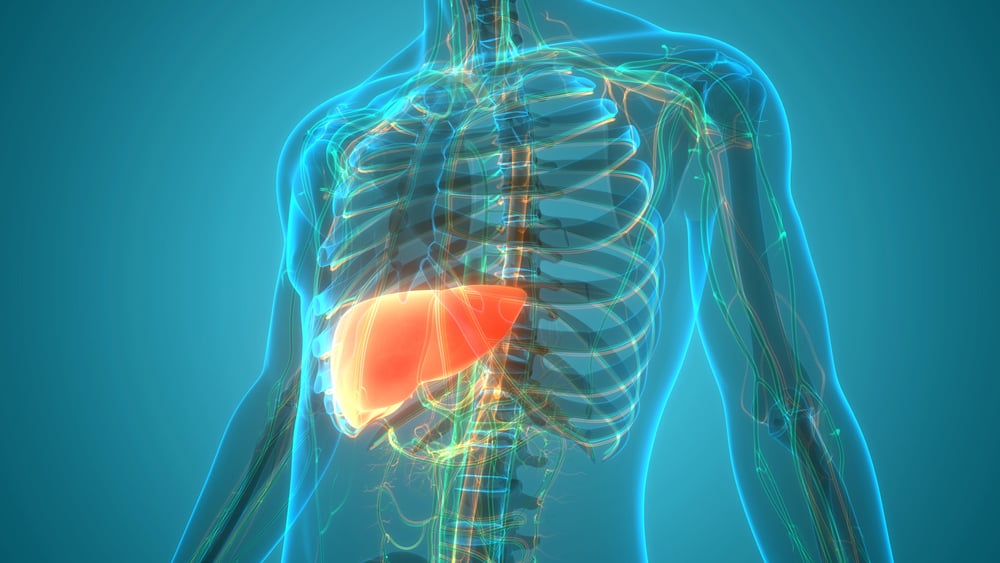
The liver multitasks better than any overachieving college student. It performs more than 500 distinct functions, including detoxifying harmful substances, producing bile for fat digestion, storing vitamins and minerals, and manufacturing proteins essential for blood clotting.
Your muscles make up about 40% of your body weight

Roughly 40% of your total body weight consists of muscle tissue, though this percentage varies based on fitness level and genetics. You have over 600 muscles in your body, and they’re constantly working — even when you’re sitting still, muscles in your back and core are contracting to maintain your posture.
The human muscular system contains three distinct types of muscle tissue: skeletal muscle (which moves your bones), smooth muscle (which lines your internal organs and blood vessels), and cardiac muscle (which exists only in your heart), and each type operates under different rules — skeletal muscles respond to conscious commands, smooth muscles work automatically without your input, and cardiac muscle falls somewhere in between with its own built-in pacemaker system that can function independently of your brain’s instructions. So when people talk about “muscle memory,” they’re usually referring to skeletal muscle, but the truth is that all your muscles have been quietly memorizing their jobs since before you were born.
Your blood travels 12,000 miles through your body daily
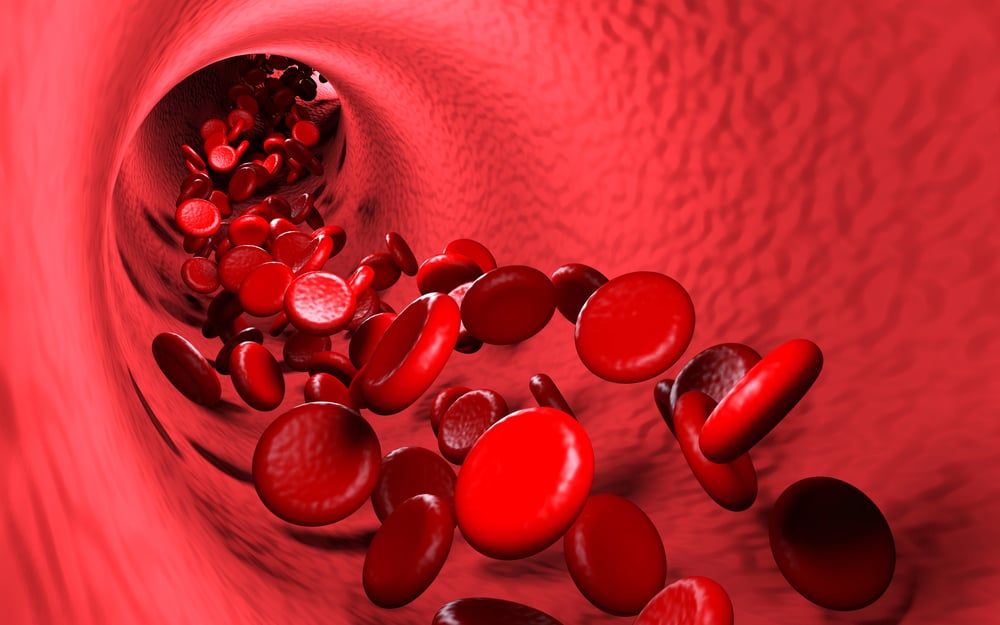
Your circulatory system functions as a transportation network that would make city planners envious. Blood travels roughly 12,000 miles through your blood vessels each day — equivalent to driving halfway around the Earth.
This journey happens at varying speeds depending on vessel size, from rapid flow through major arteries to leisurely passage through tiny capillaries.
Your DNA contains about 3 billion base pairs
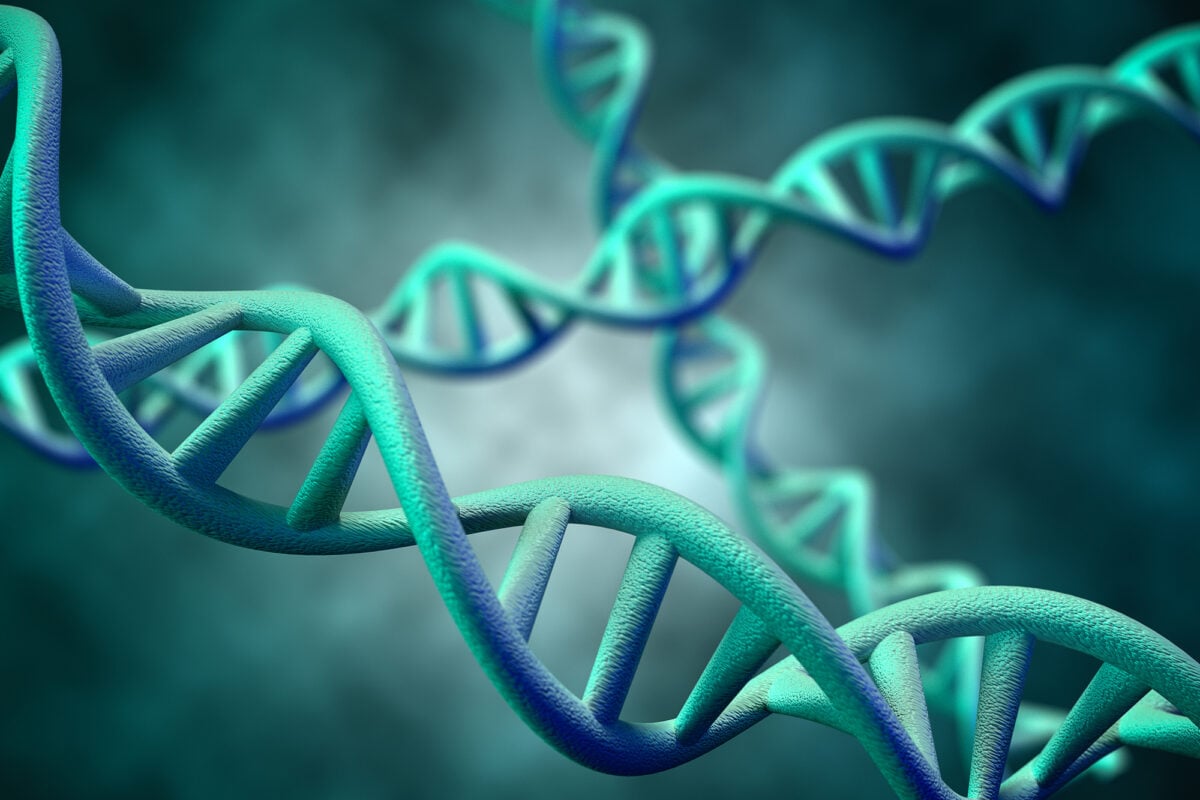
Every cell in your body (except red blood cells) contains the same DNA sequence made up of approximately 3 billion base pairs. If you could unwind and stretch out all the DNA in a single cell, it would extend about 6 feet in length, which means the DNA in your entire body would stretch roughly 10 billion miles — enough to reach from Earth to Pluto and back again.
The human genome contains an estimated 20,000 to 25,000 genes, but here’s what makes this particularly fascinating: only about 2% of your DNA actually codes for proteins, while the remaining 98% was once dismissed as “junk DNA” until scientists realized it plays crucial roles in regulating gene expression and controlling cellular functions (so much for first impressions). And despite sharing 99.9% of our DNA with every other human, that 0.1% difference accounts for all the variation you see in physical appearance, disease susceptibility, and countless other traits.
Your immune system remembers every pathogen it encounters
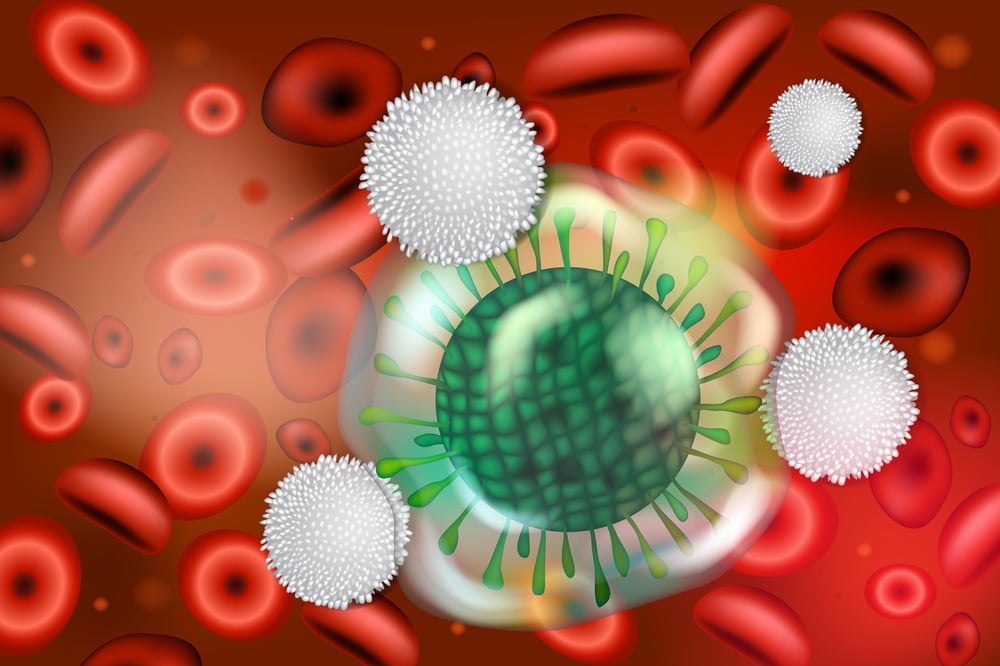
The immune system keeps detailed records like a meticulous filing clerk. Once your body encounters a virus, bacteria, or other pathogen, specialized cells called memory B cells and memory T cells store information about that specific threat for decades.
This biological database explains why you typically get chickenpox only once, and why vaccines work so effectively.
Your body temperature regulation system operates within degrees

Your body maintains its core temperature within a remarkably narrow range — typically between 98.6°F and 100.4°F — despite external temperatures that can vary by more than 100 degrees. This internal thermostat operates through a complex system of sweating, shivering, blood vessel dilation and constriction, and behavioral responses.
The hypothalamus in your brain acts as the control center, constantly monitoring internal temperature and making adjustments faster than most home thermostats.
The remarkable machinery you carry

Every day, your body performs countless tasks that would require teams of engineers, chemists, and maintenance workers to replicate artificially. From the heart that never misses a beat to the immune system that maintains detailed records of every threat encountered, the human body represents a level of biological sophistication that continues to humble even our most advanced technology.
The next time you take a breath, remember that you’re operating one of the most complex and efficient machines ever created — and it comes with a lifetime warranty.
More from Go2Tutors!

- The Romanov Crown Jewels and Their Tragic Fate
- 13 Historical Mysteries That Science Still Can’t Solve
- Famous Hoaxes That Fooled the World for Years
- 15 Child Stars with Tragic Adult Lives
- 16 Famous Jewelry Pieces in History
Like Go2Tutors’s content? Follow us on MSN.