Fashion Icons Who Changed How We Dress
Some people just know how to wear clothes. They step into a room and everyone notices—not because they’re trying too hard, but because they’ve figured something out that the rest of us are still working on.
These aren’t always models or designers. Sometimes they’re musicians, actors, or royalty who happened to wear something that clicked with the moment.
Their influence reaches far beyond their own closets. You can see it in what hangs in stores today, in what people reach for when they get dressed, in the way certain styles never quite disappear.
Coco Chanel Made Comfort Acceptable
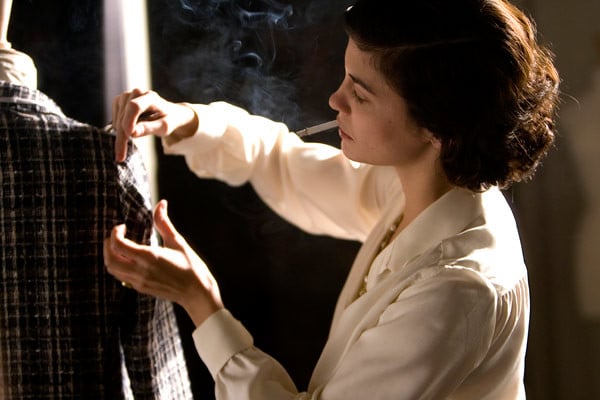
Before Chanel, women wore corsets. They squeezed into restrictive clothing that prioritized appearance over everything else.
Chanel took one look at that situation and decided women deserved better. She borrowed from menswear, introduced jersey fabric into women’s fashion, and made the little black dress a staple instead of a statement.
The changes she brought weren’t subtle. Women could move freely. They could work, dance, and live without constantly adjusting their clothing.
Her designs stripped away the excess and focused on clean lines that worked with the body instead of against it. People still reach for black dresses when they don’t know what to wear.
That’s Chanel’s doing.
Audrey Hepburn’s Simplicity Became Elegance
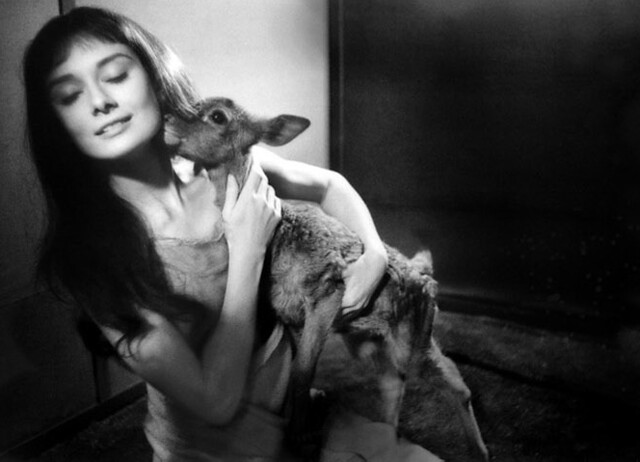
Hepburn didn’t try to be glamorous in the traditional Hollywood way. She was thin when curves were in fashion, wore minimal makeup when other stars piled it on, and chose simple silhouettes that didn’t shout for attention.
Somehow, that became the new definition of chic. Her collaboration with Hubert de Givenchy created looks that people still copy.
The black dress from “Breakfast at Tiffany’s” shows up at parties decades later. Her cropped pants, ballet flats, and oversized sunglasses turned everyday items into icons.
She proved that less could be more. You didn’t need excess to make an impression.
Princess Diana Dressed Like a Real Person
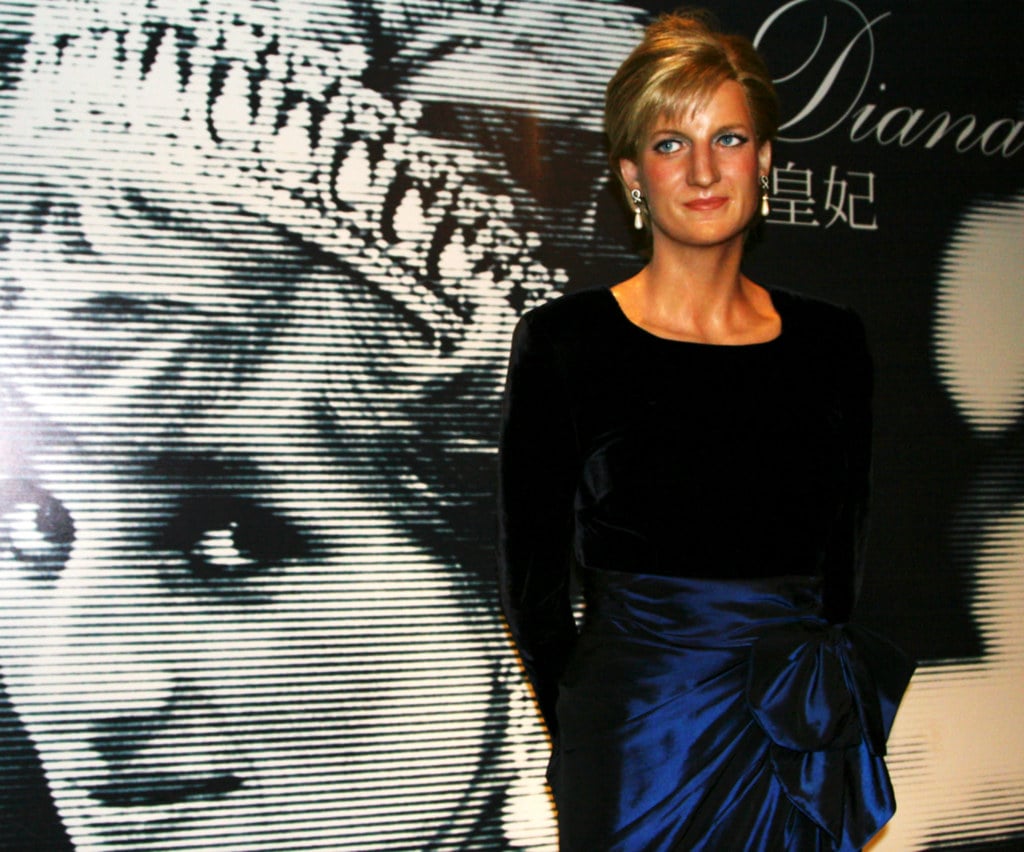
Diana had access to every designer in the world, but she wore clothes that looked wearable. She mixed high-end pieces with accessible brands.
She repeated outfits. She wore sneakers with blazers before anyone called it athleisure.
Her style evolved as she did. The frilly early years gave way to bold colors, power suits, and eventually the casual confidence of jeans with a blazer.
She showed that royalty didn’t mean stiff formality. You could have status and still dress like someone who had a life to live.
People related to her because she dressed like she understood what it meant to get dressed every day. Not for a photo shoot or a red carpet, but for actual life.
David Bowie Made Gender Irrelevant
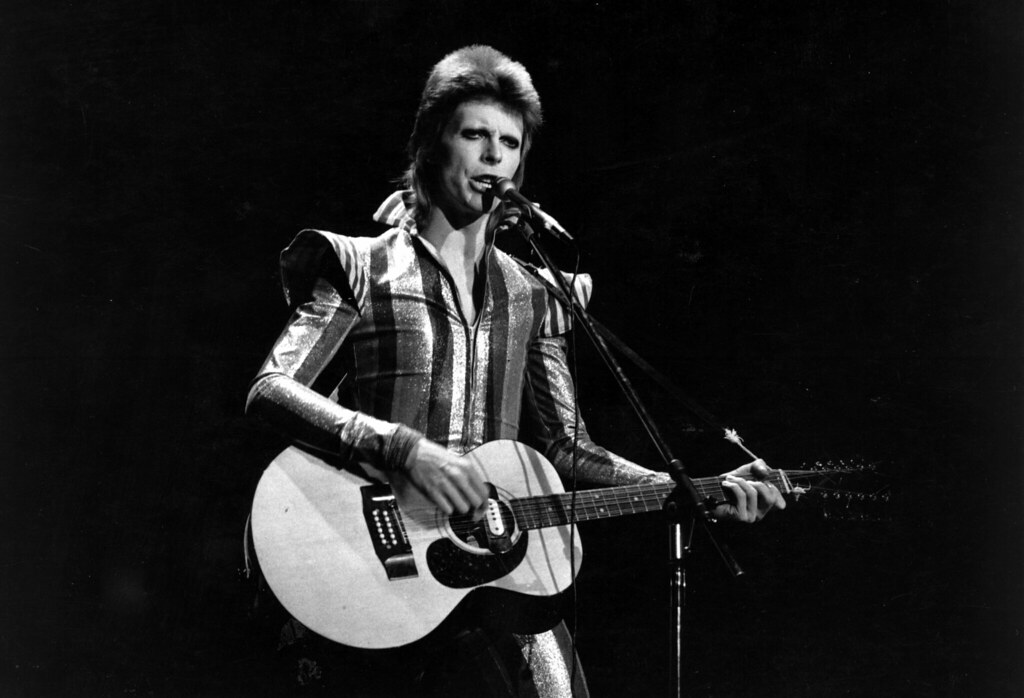
Bowie wore whatever he wanted. Dresses, jumpsuits, makeup, platform boots—nothing was off limits.
He treated clothing like a costume box and his body like a canvas. Each era brought a new persona, and each persona brought new rules about what men could wear.
He didn’t just push boundaries. He erased them.
The idea that clothing has gender started to crack because of people like him. Designers began creating collections that didn’t separate men’s and women’s sections.
Fashion became more about expression than conformity. You see his influence every time someone challenges traditional menswear.
Every time fashion shows feature androgynous clothing. Every time a pop star shows up in something unexpected.
Madonna’s Constant Reinvention
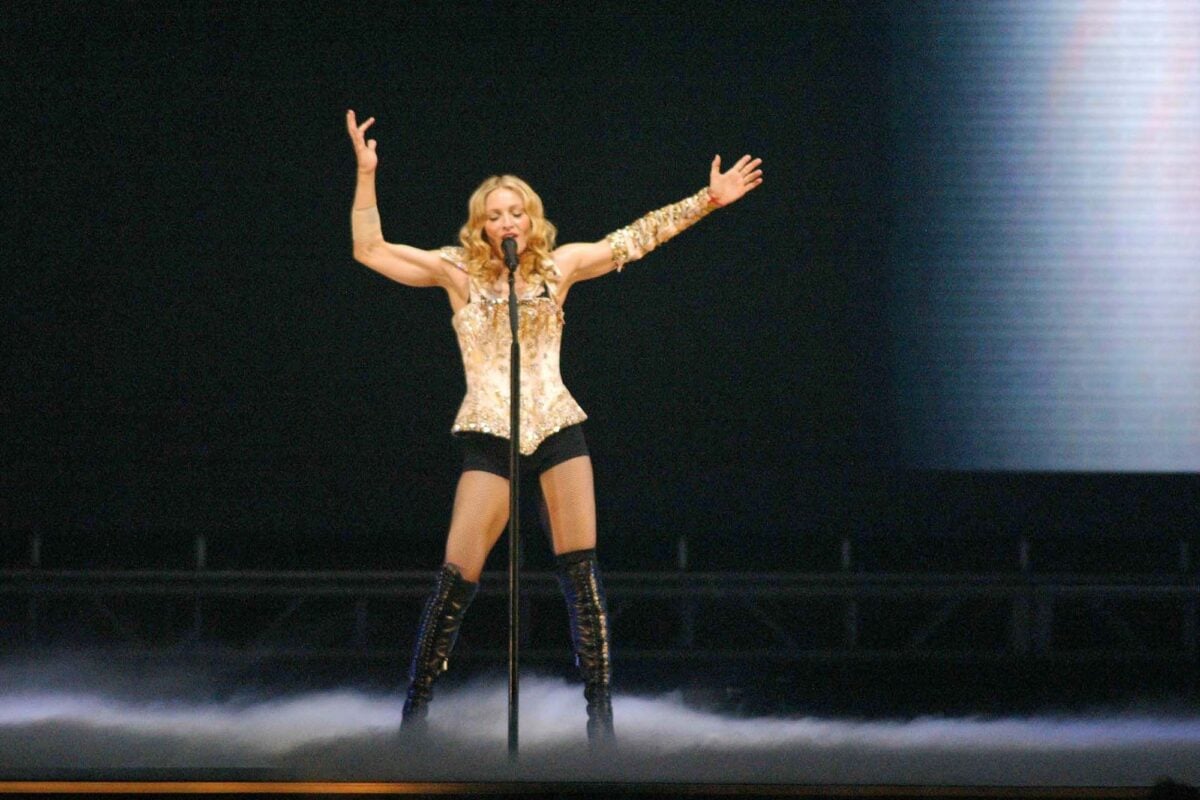
Madonna never stayed still long enough for anyone to pin her down. Underwear such as outerwear, cone bras, religious imagery, punk leather, glamorous Hollywood—she cycled through styles faster than most people change their wardrobes.
Each phase felt deliberate, calculated to provoke and captivate. She took control of her image in a way few women in entertainment had before.
She didn’t dress for approval. She dressed to challenge, to shock, to make people look twice.
That attitude spread beyond her fanbase. Women started thinking about clothing as a tool for self-expression rather than just following trends.
Her ability to constantly transform showed that you didn’t have to commit to one style forever. You could be whoever you wanted to be, whenever you wanted to be it.
James Dean’s Rebel Uniform
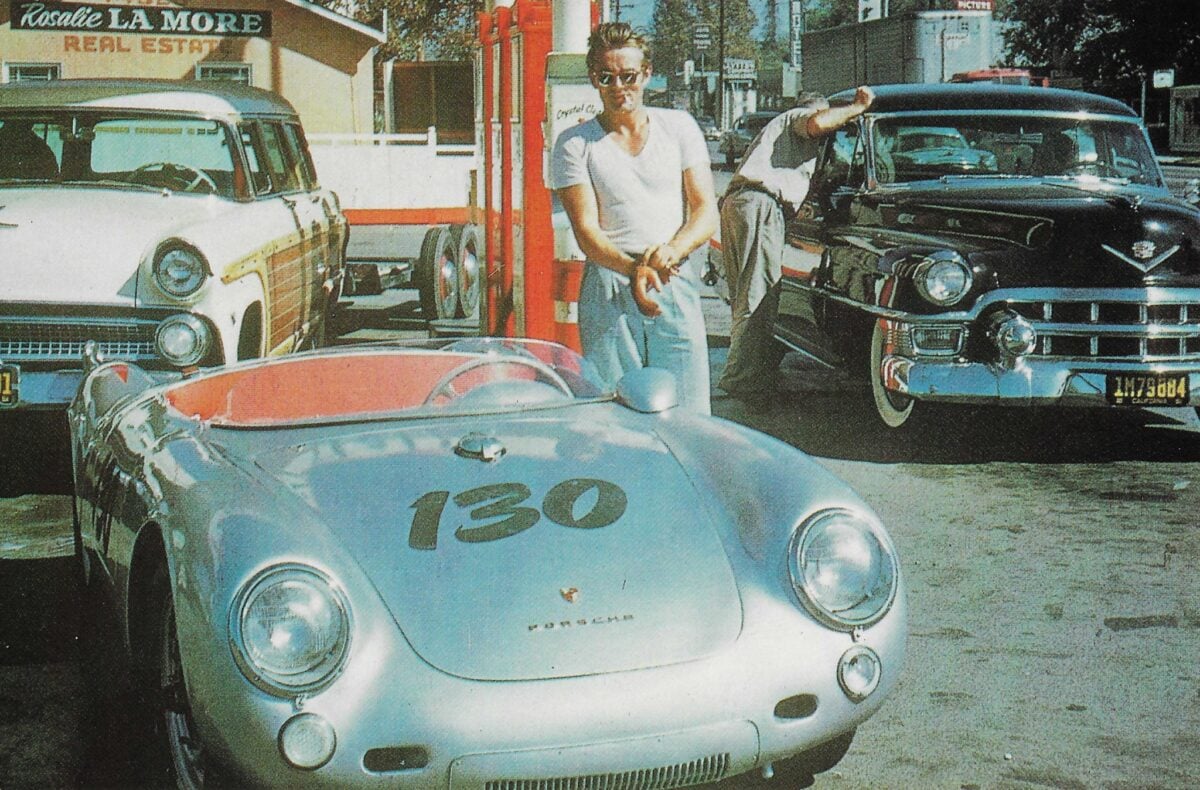
Three films. That’s all Dean made before he died at 24. But those three films established a uniform that teenage boys still wear.
White T-shirt, jeans, leather jacket, boots. Simple pieces that somehow communicated rebellion, youth, and effortless cool.
Before Dean, that combination meant workwear. After him, it meant attitude.
He made casual clothing feel loaded with meaning. The way he wore those clothes—the slouch, the casual confidence—mattered as much as the clothes themselves.
You can trace a direct line from Dean to every rock star, actor, and regular person who’s ever thought a white T-shirt and jeans was the perfect outfit. He proved that basics could be iconic.
Grace Kelly’s Refined Restraint
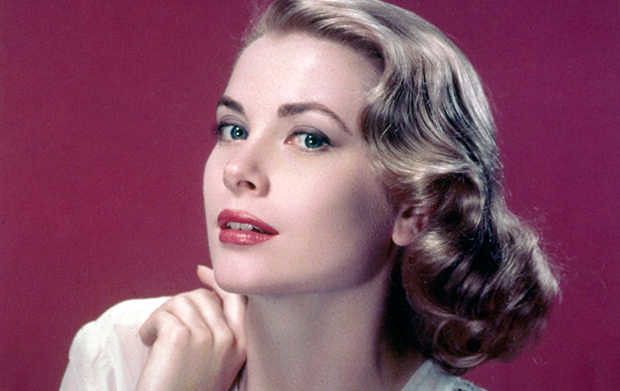
Kelly embodied controlled elegance. Her style was about restraint, about knowing when to hold back.
She wore structured clothes that emphasized her posture, classic colors that never screamed, and accessories that completed an outfit without overwhelming it. When she left Hollywood to become a princess, her style became even more influential.
She showed that sophistication didn’t require trends. It required understanding what worked for you and sticking with it.
Her handbag became so synonymous with her image that Hermès named it after her. Women still study her wardrobe for lessons in timeless dressing.
The kind of style that doesn’t date because it was never really about the moment.
Twiggy’s Mod Revolution
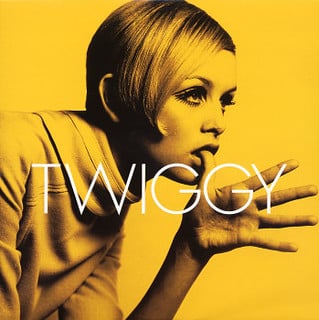
Twiggy arrived in the 1960s looking nothing like the models who came before her. Boyish figure, short hair, dramatic eye makeup, mini skirts, shift dresses.
She represented a complete break from the past. Fashion suddenly belonged to young people, and it looked nothing like what their parents wore. She made androgyny fashionable for women.
The shift dresses and mini skirts she popularized freed women from the waist-cinching silhouettes that had dominated for decades. You could be thin, angular, and young-looking and still be the face of beauty.
Her influence shows up every time fashion cycles back to 1960s mod. Those clean lines, bold patterns, and youthful energy trace back to her moment.
Yves Saint Laurent Put Women in Tuxedos
Saint Laurent took menswear and tailored it for women. The tuxedo suit in 1966 wasn’t just a design.
It was a statement about power, equality, and what women could wear. He created safari jackets, peacoats, and trench coats specifically for women, borrowing military and menswear elements without making them costumes.
He understood that women wanted the authority that came with structured, traditionally masculine clothing. But he also kept his designs beautiful and feminine in their construction.
The balance he struck influenced decades of designers who followed. You see his impact every time a woman wears a blazer or a suit.
That acceptance of traditionally male clothing for women started largely with him.
Kate Moss Made Messy Cool
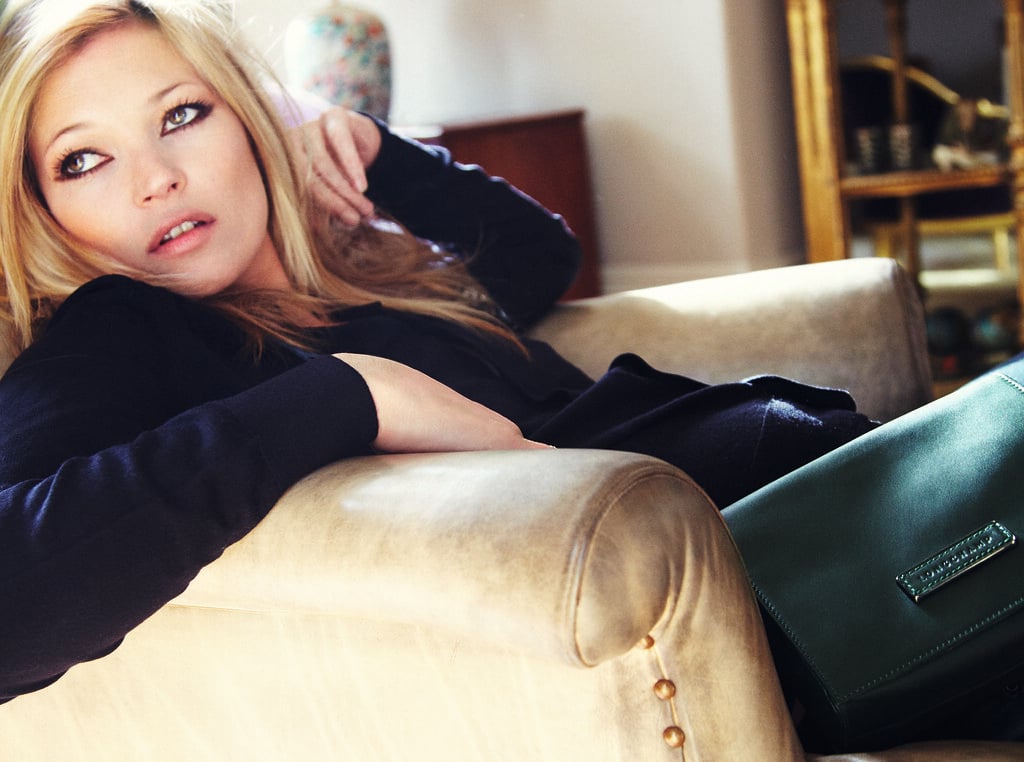
Moss turned disheveled into aspirational. She wore vintage tees with designer jeans, threw on leather jackets, mixed high and low fashion without appearing to care about the rules.
Her off-duty style became as influential as what she wore on runways. She represented a shift from the polished supermodels of the 1980s to something more attainable yet somehow still aspirational.
Her “heroin chic” look in the 1990s was controversial, but her lasting influence is about that mix of carelessness and style. Looking like you didn’t try too hard became the new trying.
Fashion became more about personal style than following strict rules. Moss showed that you could throw things together and still look incredible.
Rihanna Broke Every Rule

Rihanna wears whatever she wants, whenever she wants. She shows up to formal events in casual clothes and casual events in couture.
She mixes streetwear with high fashion, makes bold color choices, and treats her body as the perfect canvas for experimentation. Her influence extends beyond what she wears.
Her Fenty brand disrupted beauty and fashion industries by forcing them to think about inclusion. She proved that someone could be taken seriously in fashion without traditional credentials.
Her pregnancy style challenged the idea that mothers should hide their changing bodies. She makes fashion look fun again.
Not precious or intimidating, but something to play with and enjoy.
Harry Styles Made Pearls Masculine
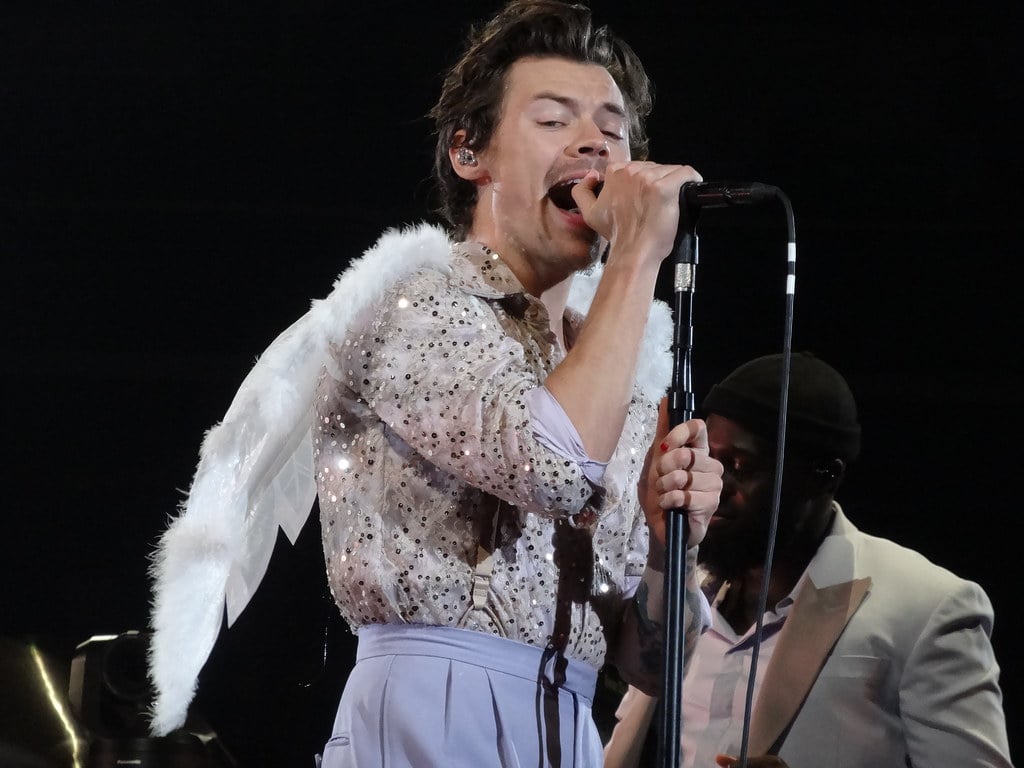
Styles brought gender-neutral fashion to mainstream pop culture. He wears bright colors, patterns, pearls, nail polish, dresses, suits—all with the same confidence.
He treats clothing as expression rather than identity, showing that men can engage with fashion without compromising masculinity. His influence on young men’s fashion is unmistakable.
Suddenly it became acceptable for men to care about style, to wear jewelry, to experiment with color and pattern. He made softness masculine and showed that strength doesn’t require traditional macho signaling.
Fashion brands responded. More collections blur gender lines.
More young men feel comfortable expressing themselves through clothing.
Anna Wintour’s Signature Became Power

Not many dress like Wintour does. Yet her choices shape how others see style.
That steady mix – sunglasses always on, hair cropped close, coats bold enough to speak first – it echoes everywhere now. Copying her isn’t mimicry. It’s code for knowing what matters in fashion.
Staying unchanged? She showed it could mean staying powerful too. Steadiness is where her strength shows.
When others jumped from one trend to another, she stayed put, doing what felt right. Not wavering made space for trust to grow.
Others lean into those who stand firm without needing permission. Clarity like that speaks louder than change ever could.
Out of clutter came clarity – her look taught how silence between pieces speaks louder than the items themselves. What mattered was never just adding, but removing until only truth remained.
Empty space became its own statement, a pause that shaped meaning. Not every piece needed to stay; some had to go so others could breathe.
The strength sat in restraint, not accumulation.
The Closet Connection
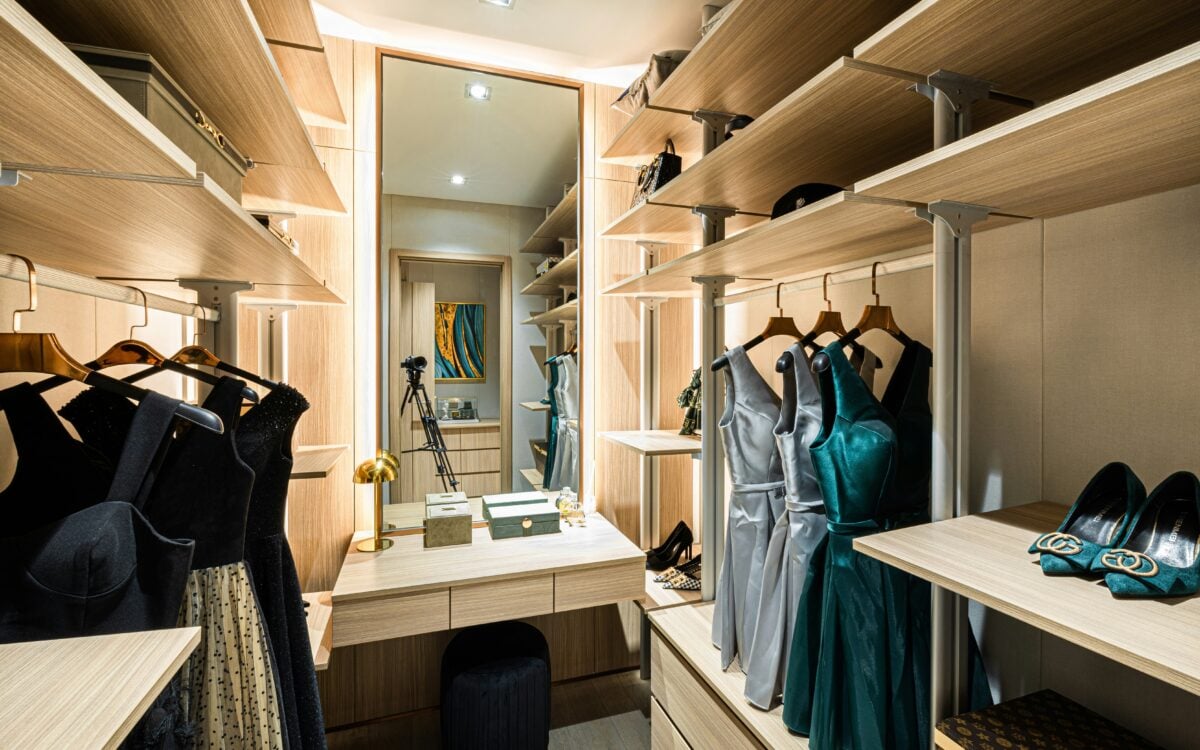
Not every big shift comes loudly. What you put on each morning connects to quiet rebels long ago.
A single person once wore trousers when everyone expected skirts – now nobody thinks twice. Bright suits on men? That started as a risk taken in silence.
Even how denim feels today bends because someone refused the norm years before stores caught up. Small acts of dressing differently pile up into entire wardrobes we accept without question.
You live inside ideas they tested while being watched, mocked, or ignored. History doesn’t shout its sources – it stitches them into hems and lapels instead.
More from Go2Tutors!

- The Romanov Crown Jewels and Their Tragic Fate
- 13 Historical Mysteries That Science Still Can’t Solve
- Famous Hoaxes That Fooled the World for Years
- 15 Child Stars with Tragic Adult Lives
- 16 Famous Jewelry Pieces in History
Like Go2Tutors’s content? Follow us on MSN.



