Fashion Items Originally Meant For Work
Your closet likely has more workwear than you think. That denim jacket you wear for coffee runs has roots in the mining industry.
Those cargo pants you don on weekends were made for soldiers. The sneakers you see as casual once protected factory workers on assembly lines.
Fashion often takes inspiration from different trades. This cycle happens so often that we don’t notice it.
An item that begins as something useful becomes popular, then changes into a statement, and eventually, everyone forgets it once it serves a real purpose. Still, each piece tells a story about the people who first needed it.
Denim Jeans Started in Gold Mines
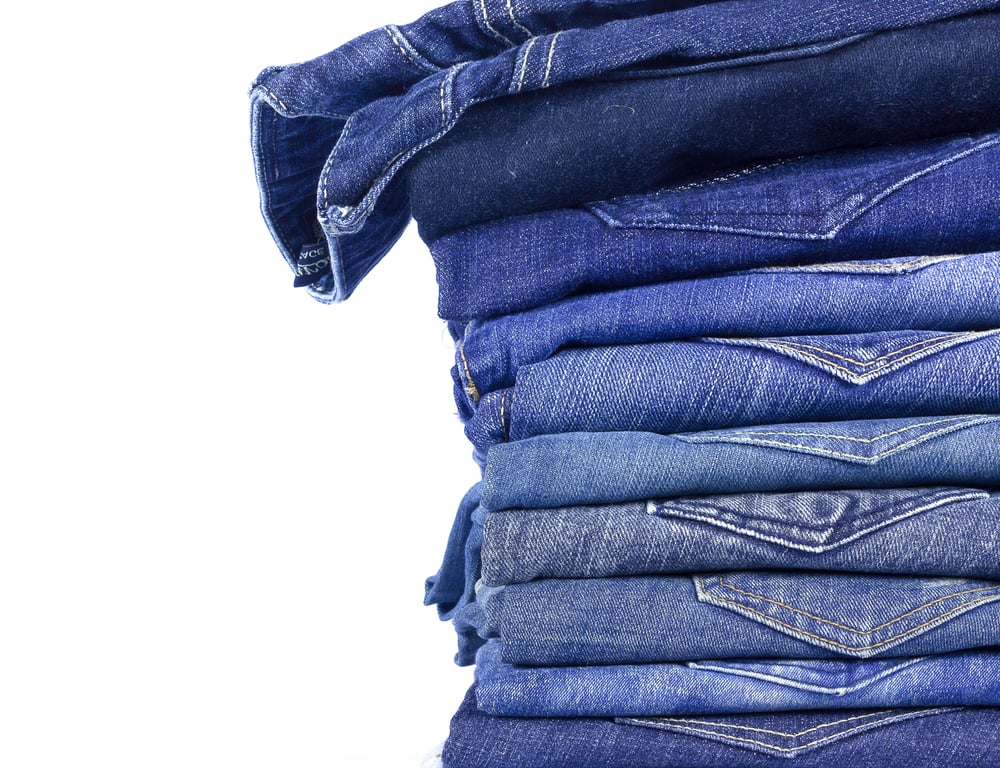
Levi Strauss didn’t set out to create fashion in 1873. He wanted to solve a problem for miners who kept ripping their pants while digging for gold in California.
The riveted denim pants he patented with Jacob Davis could handle the rough treatment that came with crawling through tunnels and hauling equipment. The fabric itself came from Nîmes, France—that’s where “denim” gets its name.
But American miners made it their uniform because nothing else lasted. When Hollywood started putting cowboys and rebels in jeans decades later, most people had no idea they were wearing mining gear.
Cargo Pants Carried Military Supplies
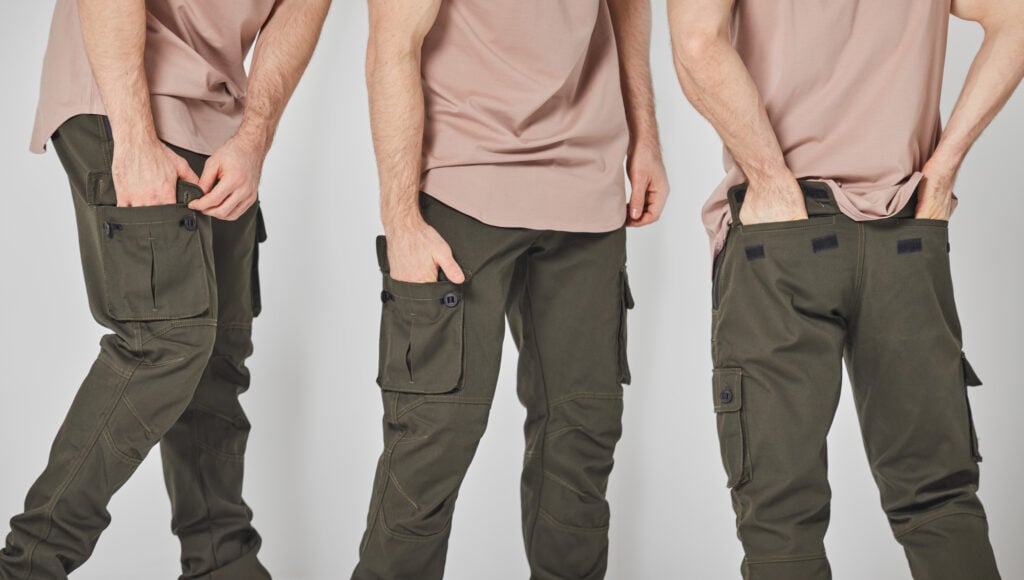
British forces created cargo pants in the 1930s for soldiers who needed to carry ammunition, maps, and rations without a backpack. The large pockets on the thighs were not a fashion statement; they served a practical purpose.
American paratroopers adopted the design during World War II and continued to use it. Those pockets can hold a lot when you’re jumping out of planes.
In the 1990s, teenagers started wearing them to hold CD players and snacks. The original purpose remained, even though what people carried changed.
Work Boots Became Street Style

Construction workers, loggers, and factory employees needed boots that could take a beating. Steel toes protected feet from falling objects.
Thick rubber soles gripped slippery surfaces. The high ankle support prevented injuries during long shifts on uneven ground.
Brands like Timberland and Dr. Martens built their reputations on durability, not aesthetics. But when hip-hop artists started wearing Timberlands in New York City during the 1980s, construction boots became cultural symbols.
The same boots that climbed scaffolding started appearing in music videos and on college campuses.
Overalls Solved a Simple Problem
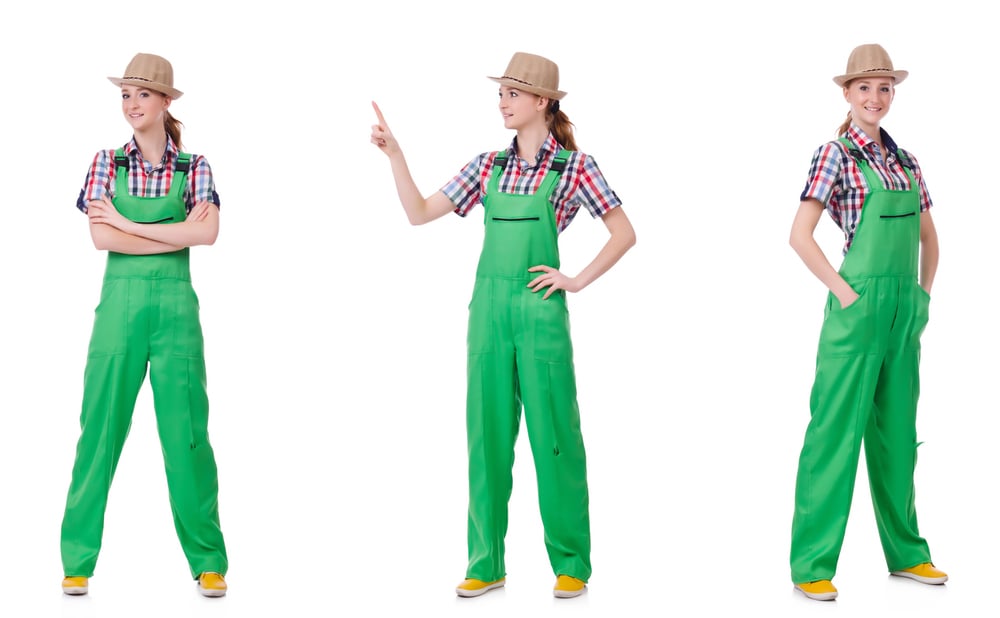
Farmers needed clothes that wouldn’t bind when they bent over to plant crops or fix equipment. Overalls kept everything in place without a belt and protected regular clothes from dirt and damage.
The bib front added extra pockets and coverage. Factory workers adopted them for the same reasons.
You could move freely, and the straps distributed weight evenly when you stuffed the pockets with tools. When fashion picked them up in the 1960s and again in the 1990s, most wearers never thought about planting season or assembly lines.
Chore Coats Protected Against Workshop Grime
Folks from France or the U.S. used these tough cotton coats while working – places like garages, backyards, or storage sheds around the early 1900s. Pockets? Plenty – they kept screws, pens, even tiny gadgets close at hand.
That rough material brushed off spills, sawdust, just about anything daily grind threw its way. These jackets picked up grime, then hit the wash, yet still hung in there – plain as that.
Thing is, once fashion folks began pushing them in small shops, they held onto those practical pockets while swapping in fancy materials and sharper seams. Purpose didn’t change one bit; only where they fit changed completely.
Bandanas Started as Sweat Solutions
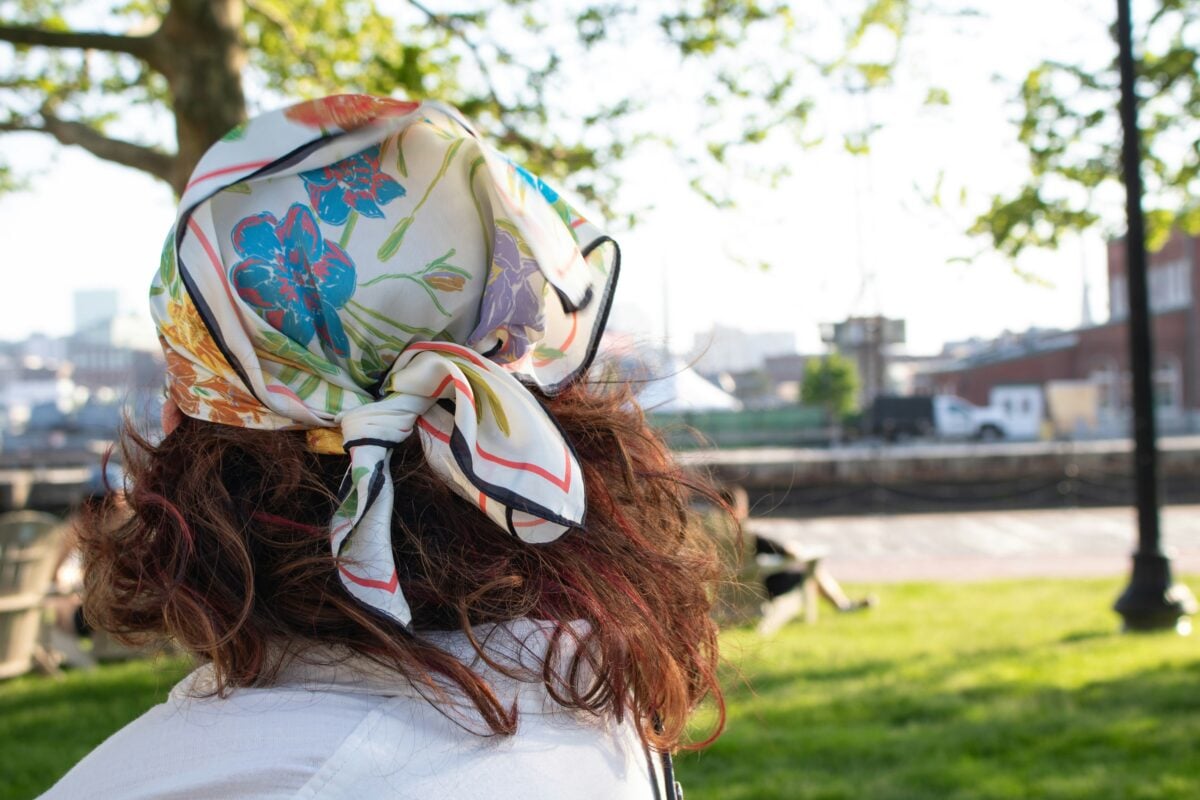
Construction workers, along with railroad crews and ranch folks, draped cloth around their necks or heads to soak up sweat when it got sweltering. Since cotton grabs dampness fast, they’d dip it in water now and then to stay cool.
Out on trail rides full of dust, cowboys pulled the fabric over their mouth and nose. The basic cloth square did loads – worked as a quick fix for wounds, wiped hands, grabbed hot pans, even waved as a sign.
Once bandanas hit style scenes, folks still tied ’em just like before, never really asking why those ties stuck around.
Boilersuits Kept Mechanics Clean
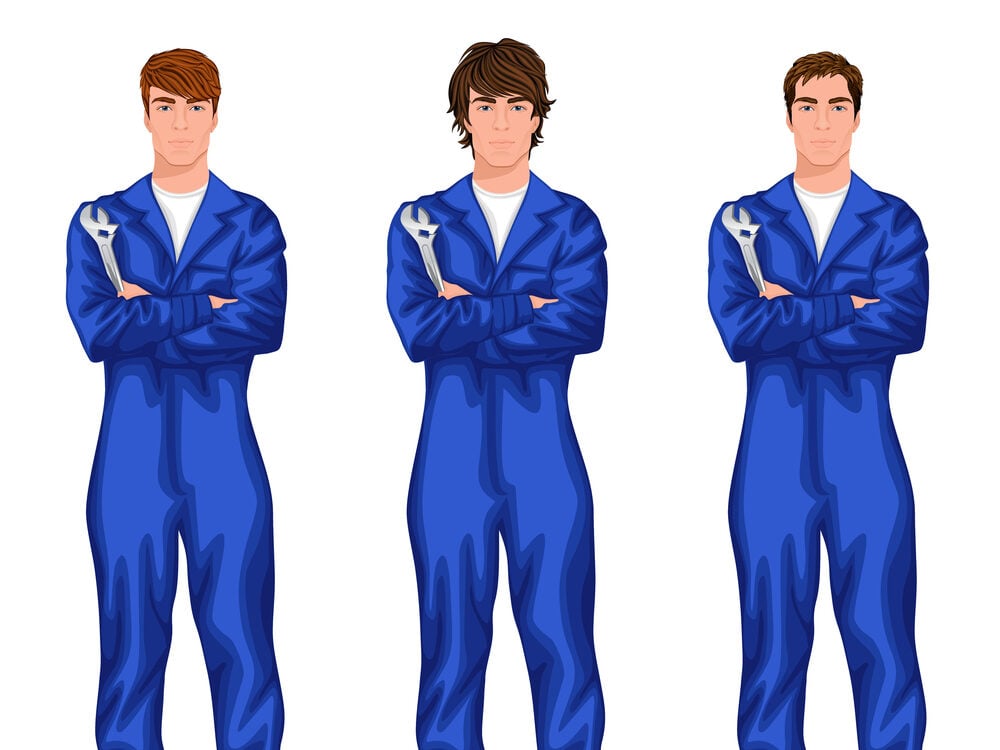
One-piece coveralls, often called boilersuits in Britain, protected mechanics and industrial workers from grease and grime. You could zip in and out of them quickly between shifts.
They covered your entire outfit underneath, which meant you could wear regular clothes to work and change once you arrived. Pilots and race car drivers adopted them because they worked.
When luxury brands started making versions in silk and designer fabrics, the practical origins seemed almost comical. But the silhouette remained identical.
Pocket Tees Served Practical Needs
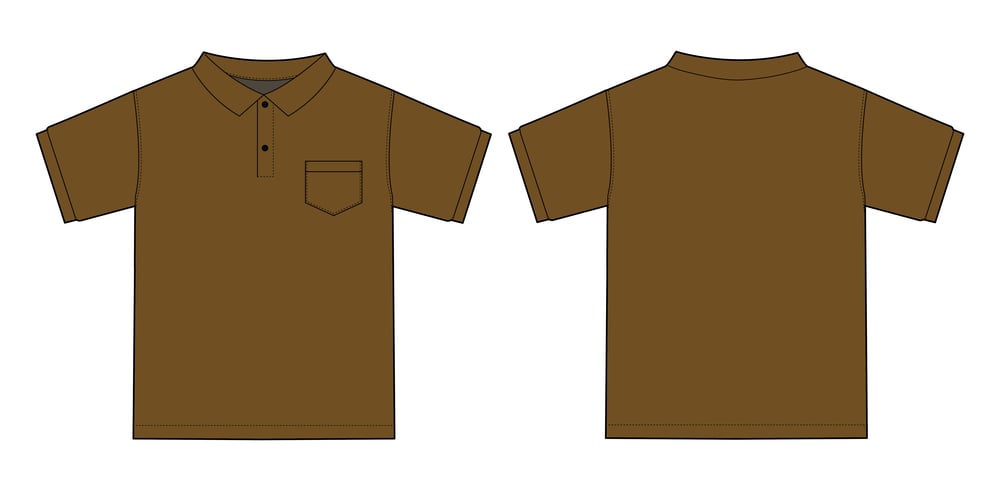
Factory workers had to stash smokes, pens, or tiny pads when using their hands. A shirt’s front pocket fixed it – slim, handy, didn’t mess up movement.
These tops were handed out at tons of jobs back in the middle 1900s. Once folks started wearing them outside work, the little front pouch stuck around – though hardly anyone ever used it.
Over time, the feature kept going long after it made sense.
Hoodies Kept Warehouse Workers Warm
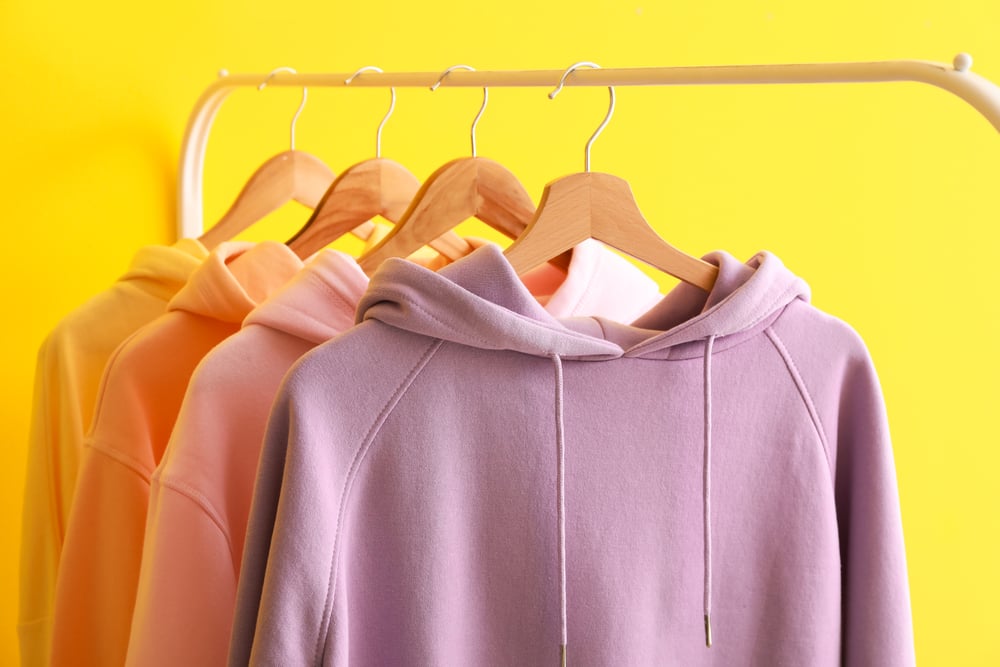
Champion created the first hooded sweatshirt in the 1930s for workers in freezing warehouses in upstate New York. The hood provided extra warmth without requiring a separate hat. The thick cotton trapped heat during long shifts in unheated buildings.
Athletes picked them up for outdoor training in cold weather. Skaters and hip-hop culture adopted them in the 1970s and 1980s.
Today, tech workers wear them to meetings and hoodies appear on fashion runways, but they started as thermal protection for people who couldn’t control their work environment.
Carpenter Pants Featured Tool Loops
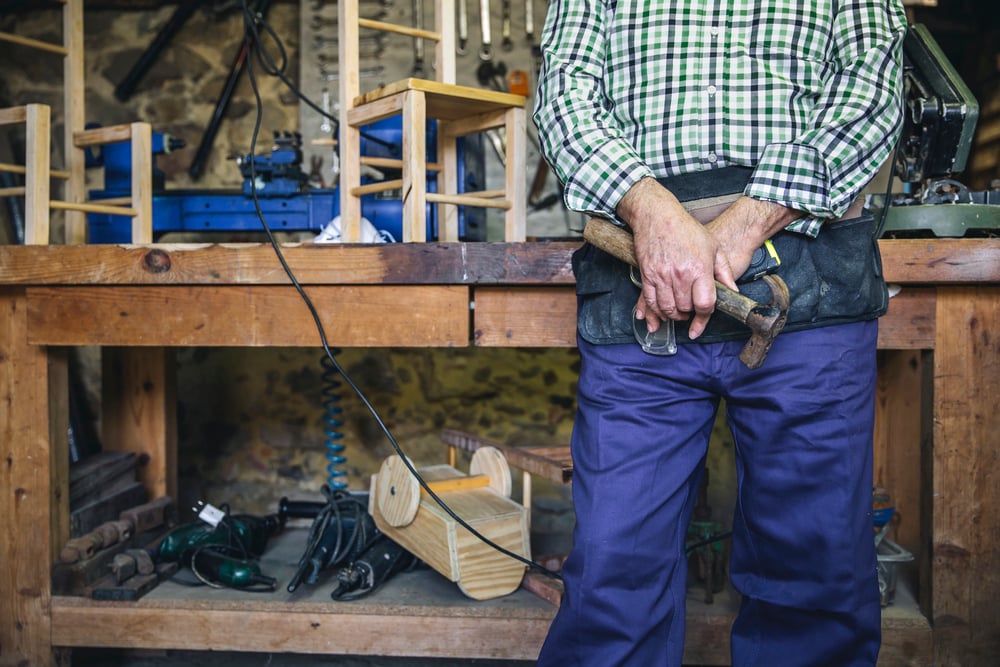
Carpenters needed pants with loops to hold hammers, tape measures, and utility knives. The loose fit allowed for bending and climbing.
The reinforced knees handled constant kneeling on job sites. Every detail served a specific function in the daily routine of building things.
When skateboarders started wearing carpenter pants in the 1990s, the tool loops held nothing. But the wider legs made tricks easier, and the durable fabric held up to concrete scrapes.
The trade shifted, but the pants worked for similar reasons.
Flannel Shirts Insulated Outdoor Workers

Lumberjacks, miners, and construction crews wore flannel because it kept them warm without restricting movement. The soft cotton weave trapped air and blocked wind.
The material dried relatively quickly when it got wet from rain or sweat. The classic plaid pattern came from Scottish and Irish textile traditions, but North American workers made it standard uniform.
When grunge musicians adopted flannel in Seattle during the early 1990s, they weren’t making a fashion statement. They were cold and broke, and flannel shirts were cheap at thrift stores.
Safety Vests Prevented Accidents
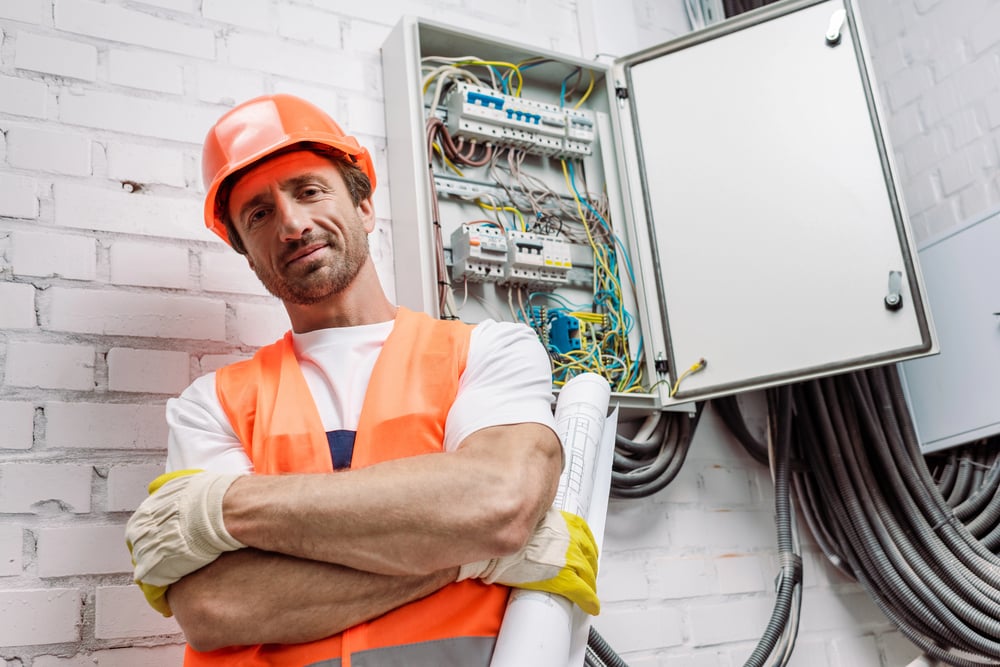
Construction workers plus road teams dressed in vivid orange or yellow jackets – helped drivers spot them early. Reflective lines grab headlight beams when it’s dark out. Those coats prevented deaths, simply by showing folks where they stood near hazards.
High-end designers grabbed shiny fabrics along with bright fluorescent shades, using them to talk about being seen plus staying safe on the job. Everyone noticed the twist right away.
Gear made to avoid injuries at work ended up showing off social rank in clubs.
Military Jackets Carried Equipment

Field jackets, bombers, yet flight gear started because the military had real needs. Pilots required tall collars to keep out freezing winds up in the air.
Meanwhile, soldiers on foot used deep pockets – maps, food, bullets fit inside. Every feature served a purpose; none of it was just for show.
Once these coats hit regular fashion following different wars, folks held onto the look but ditched the purpose. Chances are you won’t need a jacket built for flying a B-17 just to run errands.
Still, the style makes sense – that’s why it never really went away.
The Thread That Connects Everything

Take a good look inside your closet. You’re seeing someone else’s hard work.
What looks cool today was once made to solve tough problems for working people. Style keeps borrowing from practical gear because useful design makes sense.
The best designs work so well that they go beyond their original purpose. They aren’t just for laborers anymore.
When workwear is strong, practical, or simply made, people continue to wear it day after day. This kind of durable construction isn’t about following trends; it satisfies a fundamental need for gear that won’t let you down, whether you’re on a job site or caught in back-to-back meetings.
More from Go2Tutors!

- The Romanov Crown Jewels and Their Tragic Fate
- 13 Historical Mysteries That Science Still Can’t Solve
- Famous Hoaxes That Fooled the World for Years
- 15 Child Stars with Tragic Adult Lives
- 16 Famous Jewelry Pieces in History
Like Go2Tutors’s content? Follow us on MSN.



