Fashion trends we regret from the 2000s
The early 2000s gave us some unforgettable music, movies, and technology. It also gave us some of the most questionable fashion choices in recent history.
Looking back at old photos from that era can make anyone cringe, wondering what possessed an entire generation to embrace certain styles. From head to toe, the 2000s had a unique way of making people look like they raided a clearance bin at every store in the mall.
Here are the fashion trends from the 2000s that most people would rather forget. These styles seemed cool at the time but definitely haven’t aged well.
Velour tracksuits

Juicy Couture made velour tracksuits the ultimate status symbol, and suddenly everyone wanted to look like they just rolled out of a very expensive gym. These matching sets came in every color imaginable, from hot pink to baby blue, and people wore them everywhere, not just to work out.
The material felt soft and comfortable, sure, but wearing velvet sweatpants to the grocery store or airport wasn’t exactly a fashion statement worth repeating. Celebrities like Paris Hilton and Britney Spears made them popular, but that doesn’t mean they were actually a good idea.
Ultra low-rise jeans
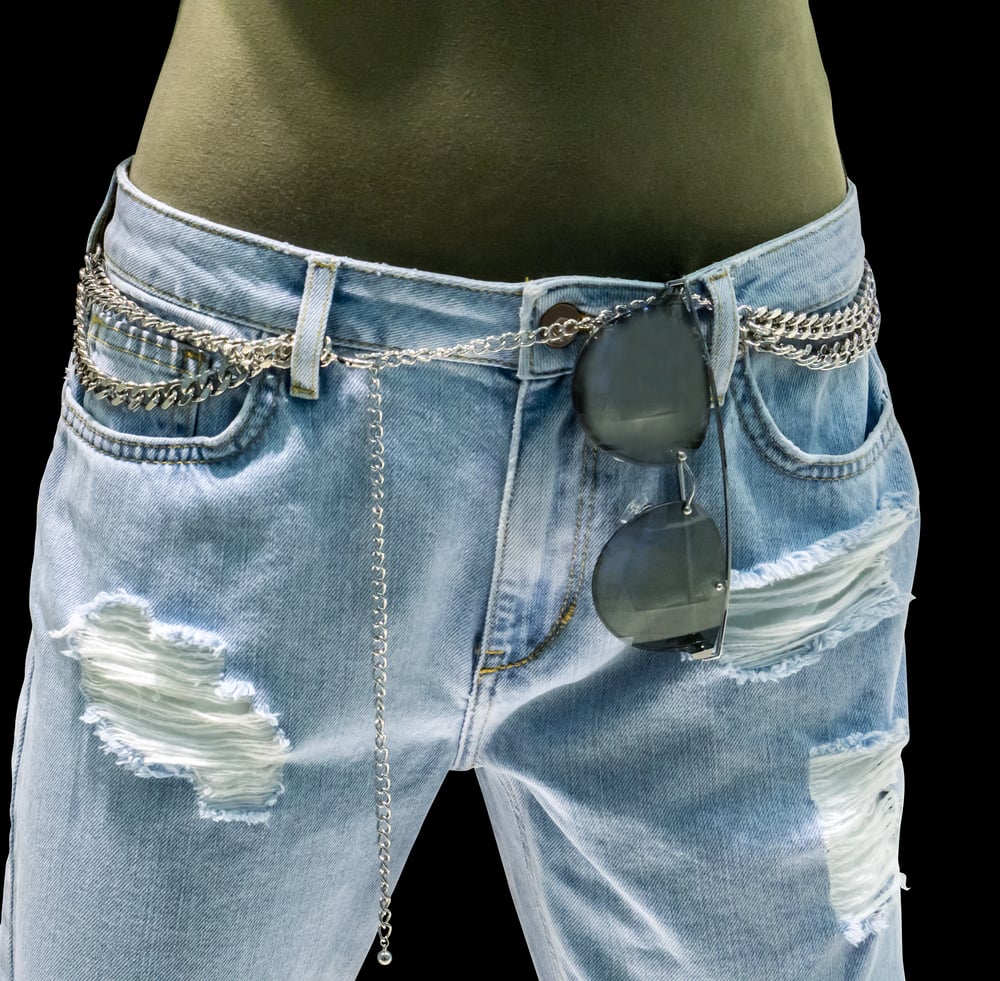
Jeans in the 2000s sat so low on the hips that they barely qualified as pants anymore. The waistband would rest several inches below the belly button, and people constantly had to worry about showing too much when they sat down or bent over.
These jeans were uncomfortable, impractical, and required constant adjusting throughout the day. Pairing them with a thong that showed above the waistband somehow became an intentional look rather than a wardrobe malfunction.
Trucker hats

Ashton Kutcher and other celebrities made trucker hats a thing, and suddenly everyone wanted foam-front mesh caps with random logos on them. These hats were originally worn by actual truck drivers and farmers as free promotional items from feed stores and equipment companies.
Wearing them ironically to clubs and parties made about as much sense as wearing a hairnet to a wedding. The trend died quickly, leaving closets full of caps advertising tractor companies and energy drinks.
Popped collars

Polo shirts were meant to have their collars down, but the 2000s decided that flipping them up looked cooler. Sometimes people would layer two or three polo shirts and pop all the collars at once, creating a rainbow of upturned fabric around their necks.
This trend was especially popular in preppy circles and on college campuses. The look suggested someone either didn’t know how to dress themselves or was trying way too hard to seem casual and wealthy at the same time.
Bedazzled everything

Rhinestones appeared on jeans, shirts, purses, phones, and pretty much any surface that would hold glue. People would spend hours adding crystals to their clothing or pay extra for pre-bedazzled items that sparkled under any light.
The trend reached peak absurdity when even grown men started wearing jeans with rhinestone designs on the back pockets. Most of these stones would fall off after a few washes anyway, leaving behind glue marks and a few sad remaining crystals.
Butterfly clips

These tiny plastic clips shaped like butterflies, flowers, or other designs covered people’s heads like a swarm of decorative insects. Some would use just a few strategically placed clips, while others would use dozens to create patterns or hold up elaborate hairstyles.
The clips came in every color and often matched outfits, because coordination was important even when looking ridiculous. They worked fine for keeping hair back but made heads look like a craft store exploded.
Denim on denim

Wearing a jean jacket with jeans seemed perfectly normal in the 2000s, creating an all-denim look that people now call a ‘Canadian tuxedo.’ Britney Spears and Justin Timberlake showed up to the American Music Awards in matching head-to-toe denim outfits, cementing this trend in fashion history for all the wrong reasons.
The look only worked if both pieces were the exact same wash of denim, but most people mixed light and dark blues, making it even worse. Adding a denim purse or denim shoes took the trend to levels that should have been illegal.
Peasant tops

These loose, flowing shirts with elastic around the neckline could be worn on or off the shoulders. They had puffy sleeves and often featured embroidery or lace details that looked vaguely bohemian.
The elastic would leave marks on your skin and constantly needed adjusting to stay in place. While they were comfortable and breezy, they also made most people look like they were wearing a pillowcase with sleeves. Pairing them with low-rise jeans created an especially awkward silhouette.
Ponchos

Not the traditional Latin American garment, but rather cheap knit versions that hung loosely over regular clothes. These were basically blankets with a head opening that people wore as outerwear.
They provided no real warmth, no shape, and made everyone look like they were hiding a small child or large pet underneath. The trend popped up suddenly, flooded stores for about a year, and then disappeared just as quickly, leaving confused shoppers wondering why they bought three of them.
Skinny scarves
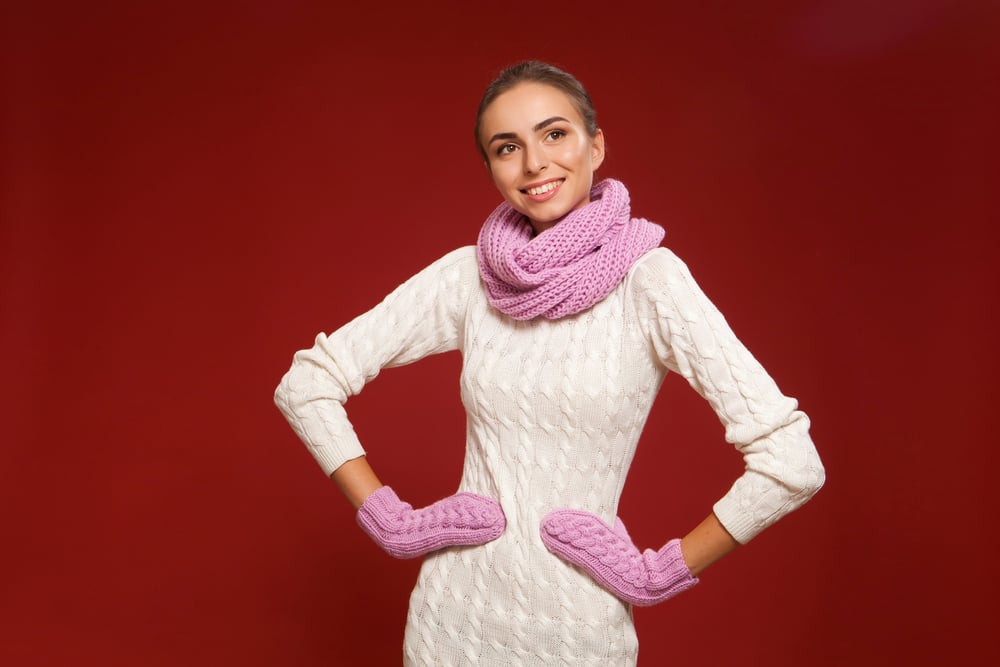
These thin strips of fabric wrapped around necks served no practical purpose but apparently completed an outfit. They were too narrow to provide any warmth and often got twisted or tangled throughout the day.
People wore them with everything from t-shirts to blazers, thinking they added a touch of sophistication. Really they just looked like colorful shoelaces draped around the neck. The trend was especially popular among guys trying to look artistic or fashionable.
Leg warmers with everything
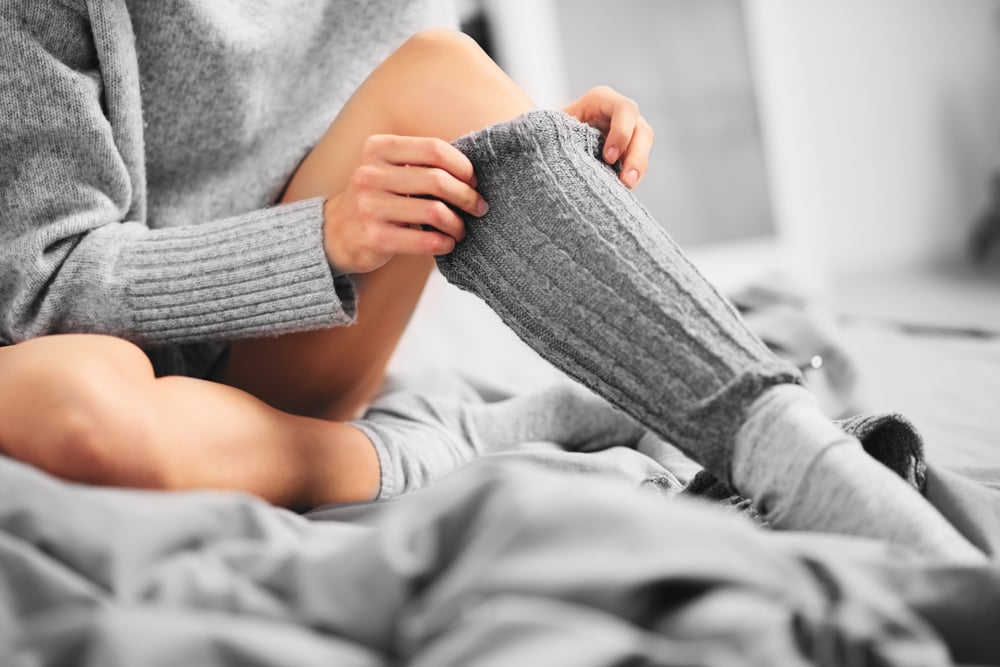
Leg warmers made sense for dancers and athletes who needed to keep their muscles warm. They made zero sense wearing jeans with regular shoes for a trip to the mall.
The 2000s saw people wearing these knit tubes on their calves with sneakers, heels, or boots, often in bright colors or patterns. They would scrunch down throughout the day and require constant pulling up. The look suggested someone either just left dance class or was confused about what decade they were living in.
Shrug sweaters
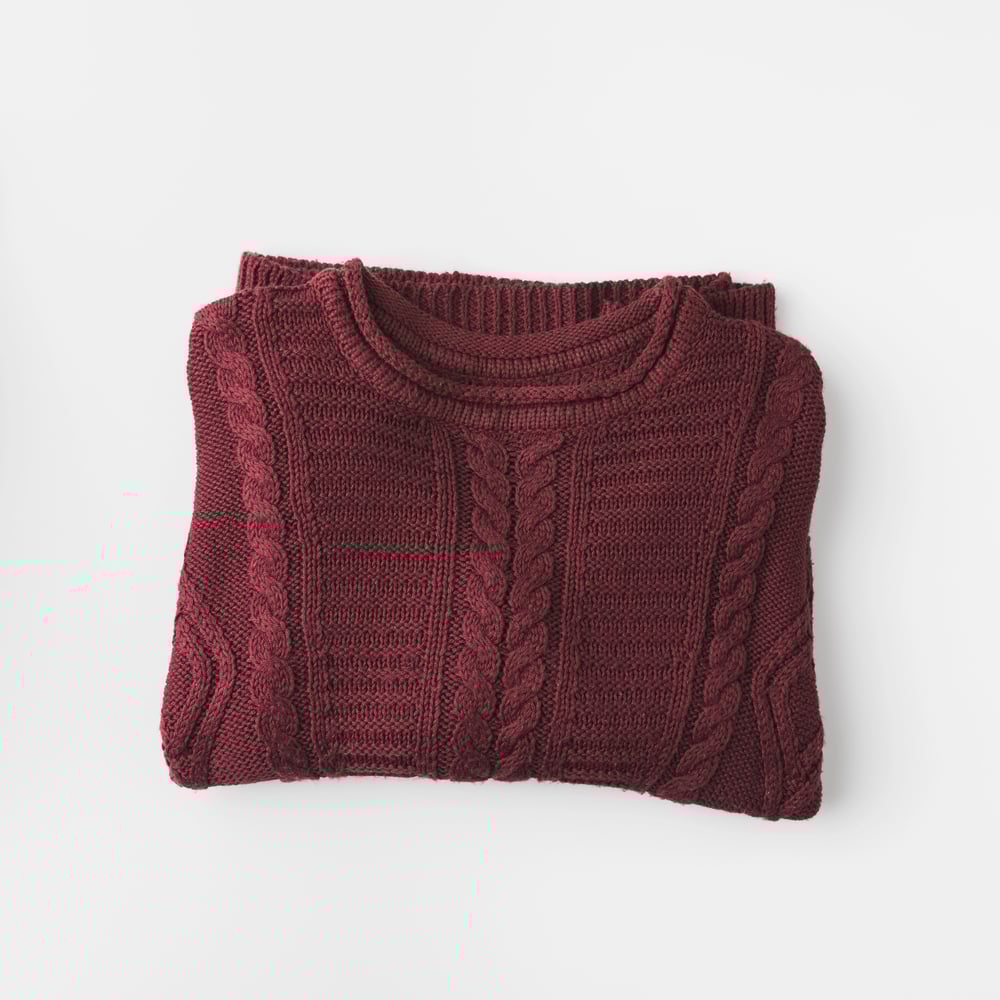
These tiny cardigans barely covered the shoulders and arms, ending right below the chest. They served no functional purpose since they didn’t keep anyone warm and didn’t really complete an outfit either.
People wore them over tank tops or dresses, adding a layer that covered almost nothing. The shrug was basically an excuse to own another piece of clothing that took up space in the closet. Most of them were made from thin, cheap material that stretched out after one wearing.
Zip-off cargo pants

These pants featured zippers around the thighs that let you remove the lower legs and turn them into shorts. The concept seemed practical for hikers and outdoor enthusiasts who needed versatile clothing.
Regular people wore them to school, parties, and casual outings, apparently ready to convert their pants to shorts at a moment’s notice. The zippers created awkward lines around the legs and often broke or snagged. Very few people actually used the zip-off feature, making these just regular pants with weird horizontal stripes.
Handkerchief tops

These shirts looked like bandanas or handkerchiefs tied around the chest, leaving the midriff completely exposed. They provided minimal coverage and required constant adjusting to stay in place.
Most featured bold prints or bright colors and tied behind the neck and back. The look worked better for beach cover-ups than actual everyday wear, but that didn’t stop people from wearing them to restaurants and shopping centers. They also left weird tan lines that took months to fade.
Ed Hardy Shirts Are Terrible

Every bit of Ed Hardy shirt space filled up fast – tattoos drawn in ink styles, bones, flowers, big cats, shiny fake gems stuck everywhere. A man who used to draw permanent skin pictures started the name, yet what came next shouted louder than any studio ever did.
Buyers handed over wild sums for tops resembling a tourist trap’s inventory after fireworks blew through it. One dad from a TV series about family life showed up often dressed head-to-toe in the stuff, oddly boosting its moment in the spotlight. Too many images fought nonstop across each piece, none letting anything else breathe.
Platform flip-flops

Out of nowhere, chunky foam soles began stacking onto flip-flops back in the 2000s. Because basic versions felt too plain, designers poured on layers – sometimes colorful stripes, sometimes wild designs.
Walking changed completely; each step became wobblier, less sure. Height increased, balance dropped. Straps dug into skin until blisters formed, while uneven ground turned risky under such bulky bases. People wore them near water a lot – but also stepped out in them at parties, dinners, places where flats or sandals worked better. Awkward? Maybe. Common? Absolutely.
What we learned from our fashion mistakes
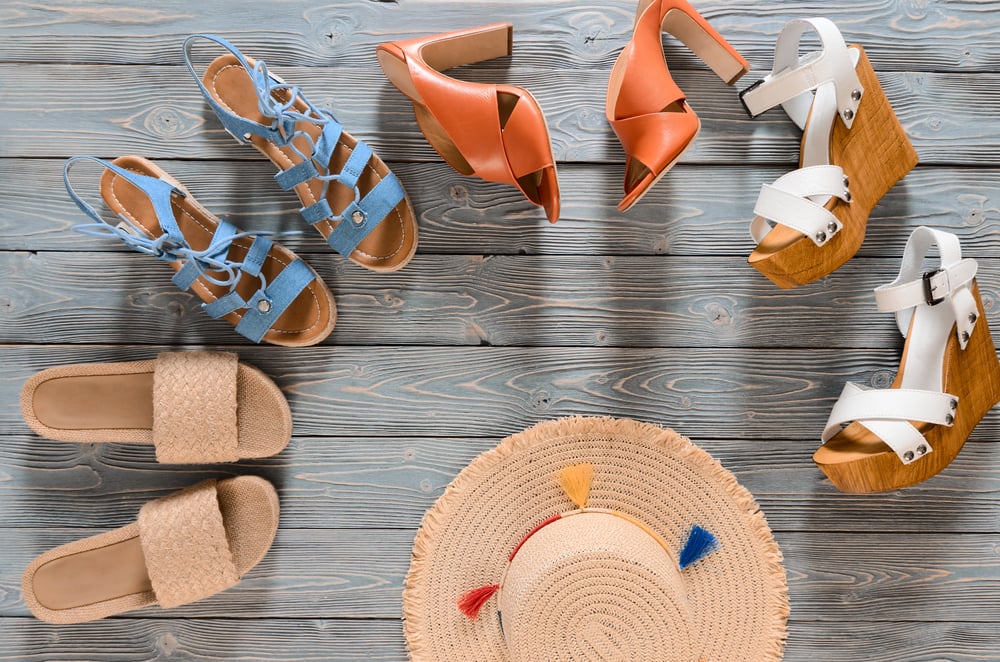
Looking back, the 2000s showed how wild outfits might feel exciting then yet seem odd decades after. Style during that era was full of bold tries, testing limits – some best left untouched.
Now, clothing leans on classics, skipping looks likely to cause second thoughts in future snapshots. Each decade stumbles into strange fads; the early two thousands simply collected extra helpings. Photos from that time? They tell their own story.
More from Go2Tutors!

- The Romanov Crown Jewels and Their Tragic Fate
- 13 Historical Mysteries That Science Still Can’t Solve
- Famous Hoaxes That Fooled the World for Years
- 15 Child Stars with Tragic Adult Lives
- 16 Famous Jewelry Pieces in History
Like Go2Tutors’s content? Follow us on MSN.