Strange smartphone habits kids had in the early 2010s
Before phones became invisible extensions of people’s hands, there was a brief, awkward era where smartphones were powerful—but still new enough that nobody really knew how to behave with them. Kids in the early 2010s treated them less like tools and more like experimental playgrounds, inventing habits that feel strangely specific in hindsight.
Obsessively checking who was “typing…” on iMessage

The three dots weren’t just a feature—they were a psychological event. Seeing them appear meant immediate anticipation, analysis, and sometimes panic if they disappeared too quickly. Conversations often became exercises in over-interpretation of timing rather than content.
Screenshotting everything like it was evidence
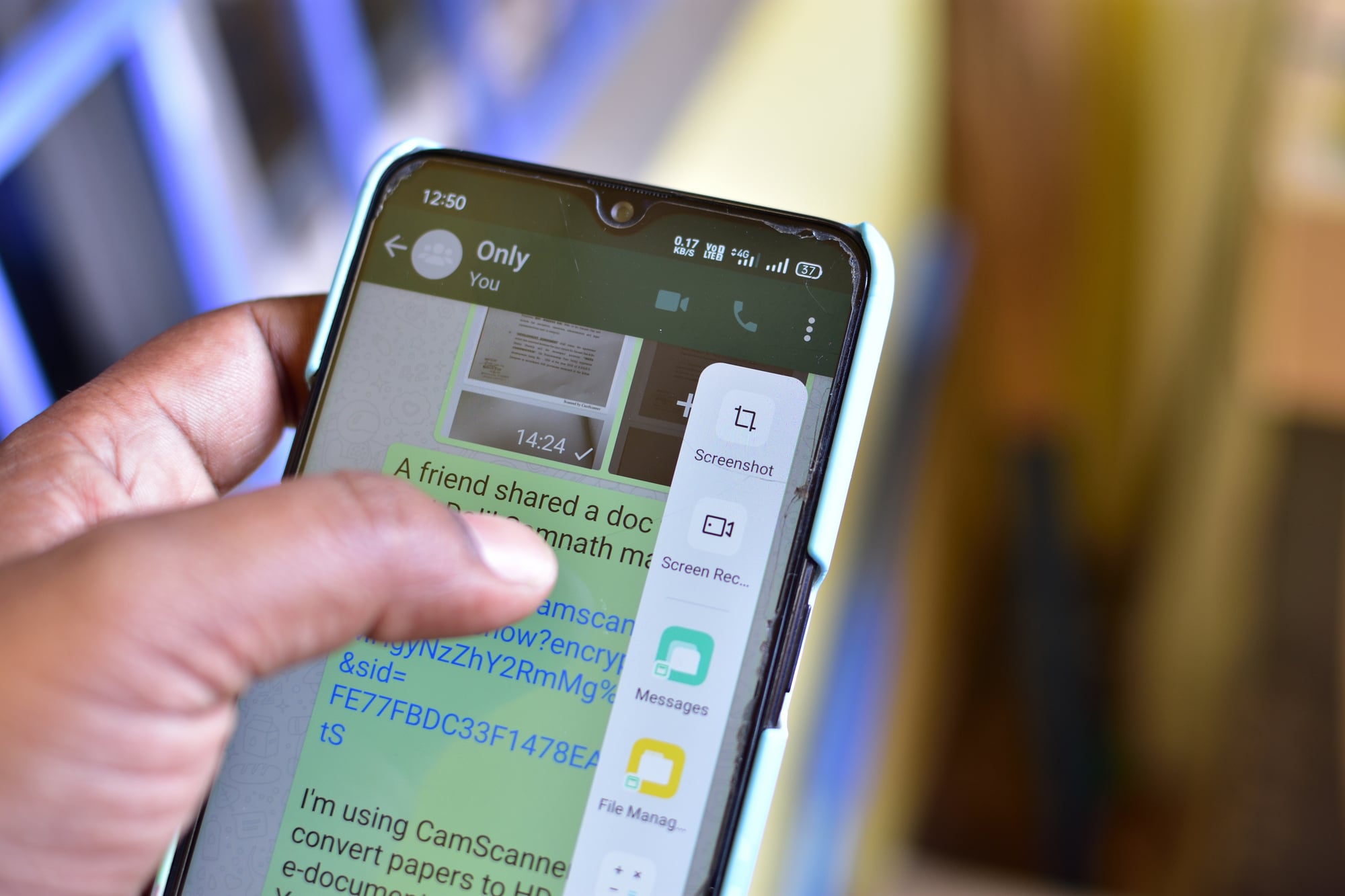
Before cloud storage and infinite photo backups felt normal, kids treated screenshots like digital trophy hunting. A funny text, a weird Snapchat (when it first launched), a glitchy game moment—everything was preserved “just in case,” even if no one ever looked at it again.
Curating Instagram feeds like personal museums

Early Instagram wasn’t casual—it was controlled. Kids would take 30 photos of the same coffee cup, apply 5 filters, delete everything that didn’t match their “aesthetic,” and post once a week at the “perfect” time. The grid mattered more than the moment.
Treating Snapchat streaks like survival statistics

Streaks turned friendship into a numbers game. Forgetting to send a single blank snap could erase hundreds of days of “bonding,” which somehow made people set alarms just to send pictures of ceilings at 11:58 PM.
The logic was questionable, but the commitment was absolute.
Making Vine videos that required Hollywood patience

Six seconds doesn’t sound like much—until you try to choreograph it. Kids would spend hours planning jump cuts, lip-sync timing, and camera angles for clips that would be watched 14 times total before disappearing forever.
The effort-to-lifespan ratio was completely irrational, which made it perfect.
Using airplane mode as a “pause button” for life

Turning on airplane mode wasn’t just for flights—it became a way to temporarily disappear from group chats, delay responses, or “reset” social pressure. It was the closest thing to a digital breath-hold.
Leaving voice memos instead of texting like it was normal

For a short window, sending voice messages felt futuristic and slightly rebellious. Kids would ramble for minutes instead of typing 12 words, convinced this was somehow faster or more expressive.
Most of them were never listened to more than once.
Downloading entire albums just for one song

Even as streaming started emerging, people still pirated or downloaded full albums for a single track. Phones filled up with 14-song discographies where only track #3 ever got played.
Digital hoarding, but with extra steps.
Using phone flashlights like personality features

Once smartphones introduced LED flashlights, kids used them constantly—for selfies, under-the-chin storytelling, or just walking around at night like they were documenting a survival mission.
Brightness became a form of expression.
Over-editing selfies before selfies were called selfies

Before filters were automated, apps like Facetune-era predecessors and early camera tools let kids manually adjust brightness, skin tone, and “vignette intensity” until faces looked vaguely human-adjacent.
The goal wasn’t realism—it was control.
Writing entire emotional narratives in Notes app drafts
Instead of posting feelings publicly, kids would write long, unsent paragraphs in Notes—half diary, half text message rehearsal, half argument simulation. Most of them were never shared, only reread at 2 AM.
The Notes app became a private theater for conversations that never happened.
When phones were new enough to be weird

Looking back, the strangest part isn’t any single habit—it’s how intentional everything felt. Nothing was automatic yet. Every photo, message, and post required a decision that felt slightly important.
Phones weren’t background objects. They were tiny stages where kids tried out versions of themselves, one awkward experiment at a time.
More from Go2Tutors!

- The Romanov Crown Jewels and Their Tragic Fate
- 13 Historical Mysteries That Science Still Can’t Solve
- Famous Hoaxes That Fooled the World for Years
- 15 Child Stars with Tragic Adult Lives
- 16 Famous Jewelry Pieces in History
Like Go2Tutors’s content? Follow us on MSN



