Fastest Animals in the Sky and On Land
Speed is one of nature’s most fascinating traits. Whether it’s a bird dropping out of the sky like a bullet or a four-legged animal blazing across an open plain, fast animals have always captured human attention.
There’s something almost unbelievable about what evolution has produced — bodies built to move faster than most people can fully picture. Here are the animals that hold the records, and a look at what actually makes them so fast.
The Peregrine Falcon: Nothing Comes Close
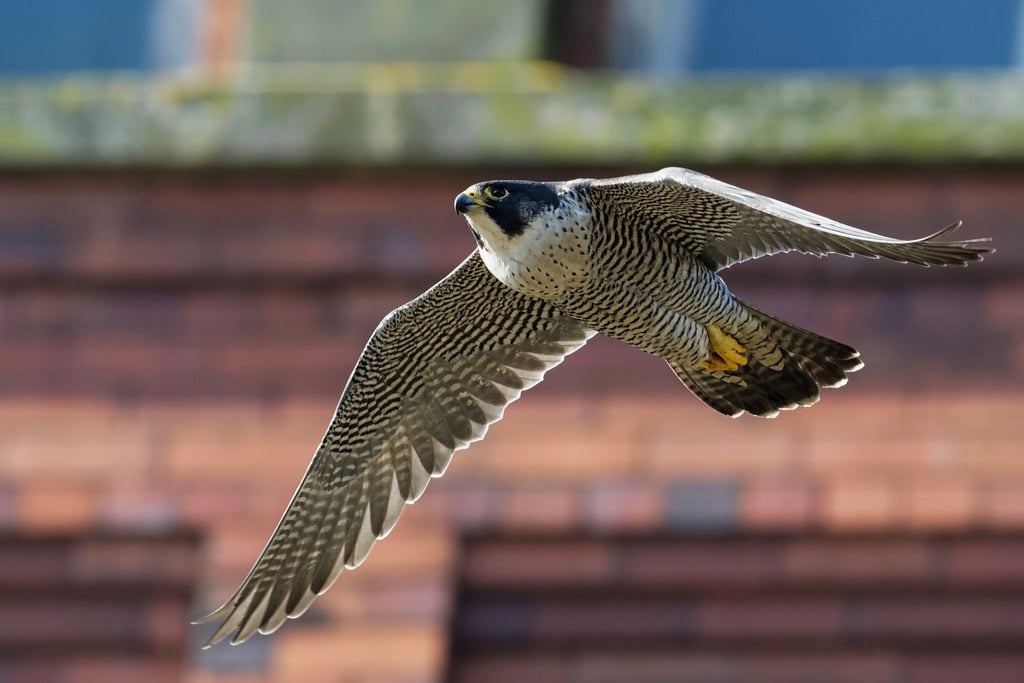
The peregrine falcon is the fastest animal on Earth, full stop. In a hunting stoop — that near-vertical dive from height — it reaches speeds over 240 mph.
Nothing else alive comes close to that number. What makes it possible isn’t just wing shape.
The falcon has specialized nostrils that manage airflow at high speed so it doesn’t suffocate mid-dive. Its eyes have a second eyelid that protects them while keeping vision sharp.
The whole body is a precisely tuned system designed for one purpose.
The Golden Eagle: Power With Speed
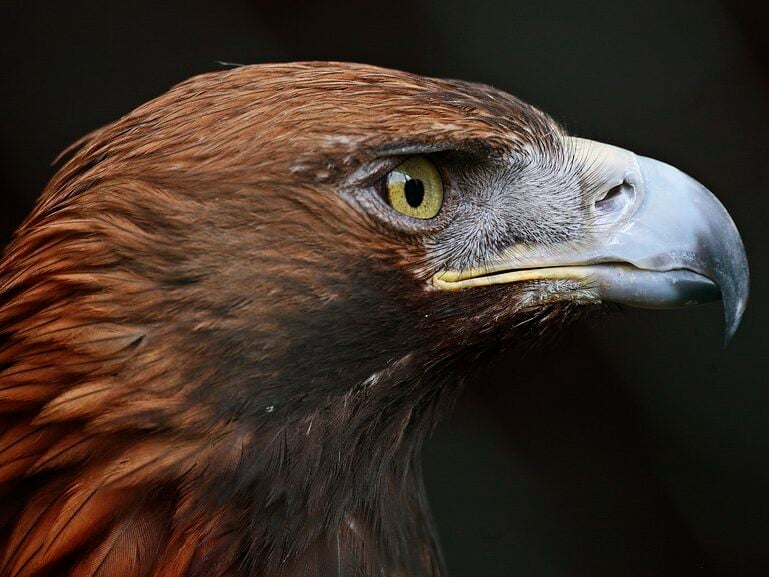
The golden eagle doesn’t reach peregrine territory, but it’s no slouch. In a dive, it can hit around 150 mph, and in level flight it cruises comfortably above 30 mph with bursts much higher.
What sets it apart from pure speed birds is that it combines velocity with raw power. It hunts prey as large as young deer, using speed to close distance and talons strong enough to end the pursuit instantly.
White-throated Needletail Swift: Fastest in Level Flight
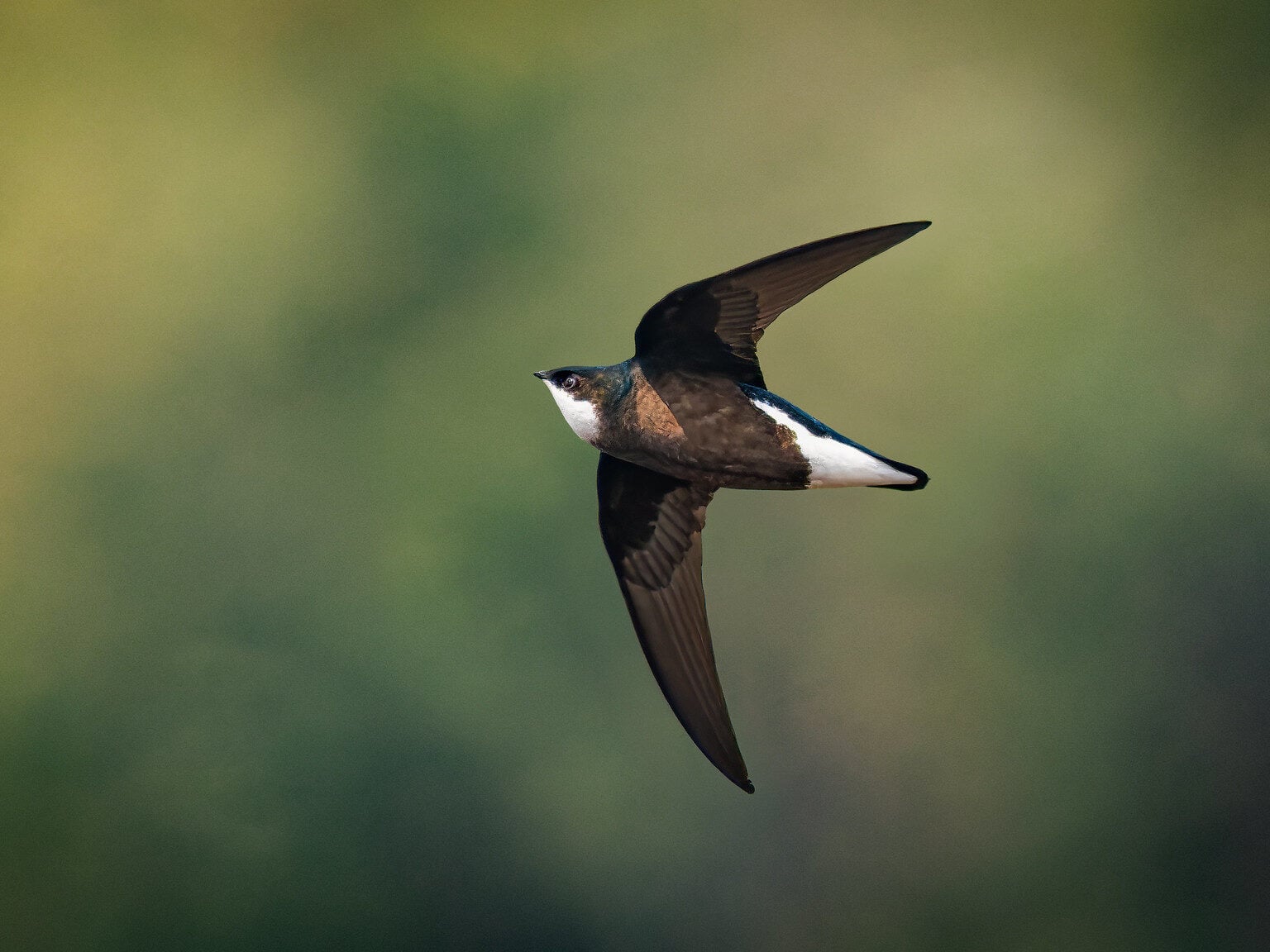
If the peregrine wins the dive contest, the white-throated needletail swift wins the horizontal race. In level flight, it has been recorded at over 105 mph — faster than any other bird flying straight.
Swifts spend almost their entire lives airborne. They eat, drink, and sleep on the wing.
The white-throated needletail is built like a flying dart: tiny legs, long swept-back wings, and a body that barely registers wind resistance.
The Frigatebird: Built for the Tropics
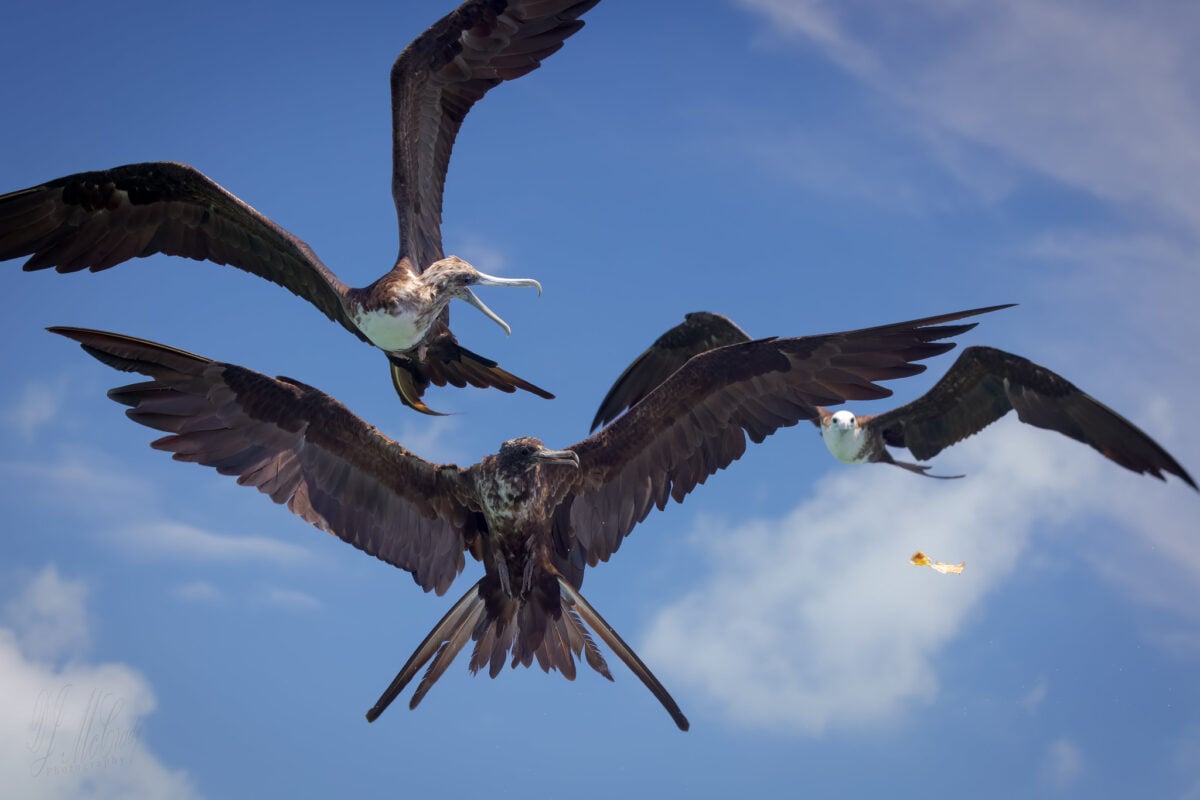
The frigatebird has a wingspan that can stretch over seven feet, and it uses every inch of it. Speeds around 95 mph have been recorded.
It soars on thermal currents for hours without flapping, then drops into bursts of speed when chasing prey. It’s also a pirate.
Frigatebirds routinely harass other seabirds mid-flight, forcing them to drop their food, then snatching it before it hits the water. Being fast helps with that.
The Spur-winged Goose: Africa’s Fastest Waterfowl
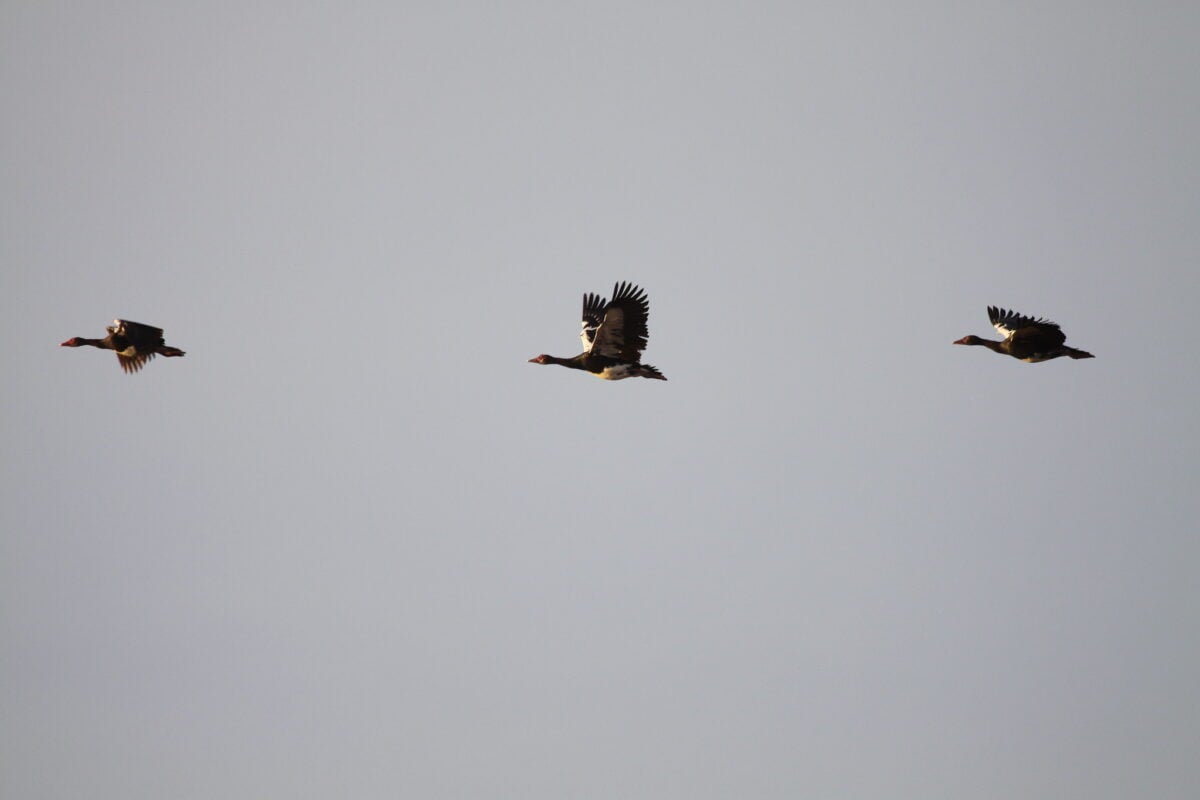
Most people wouldn’t put a goose on a list of fast animals, but the spur-winged goose from sub-Saharan Africa reaches about 88 mph in flight. It’s the largest and fastest waterfowl in the world.
The name comes from a small bony spur on its wing joint, which it uses defensively. Speed and a sharp spur — it’s better equipped than it looks.
The Grey-headed Albatross: Long-Distance Speed
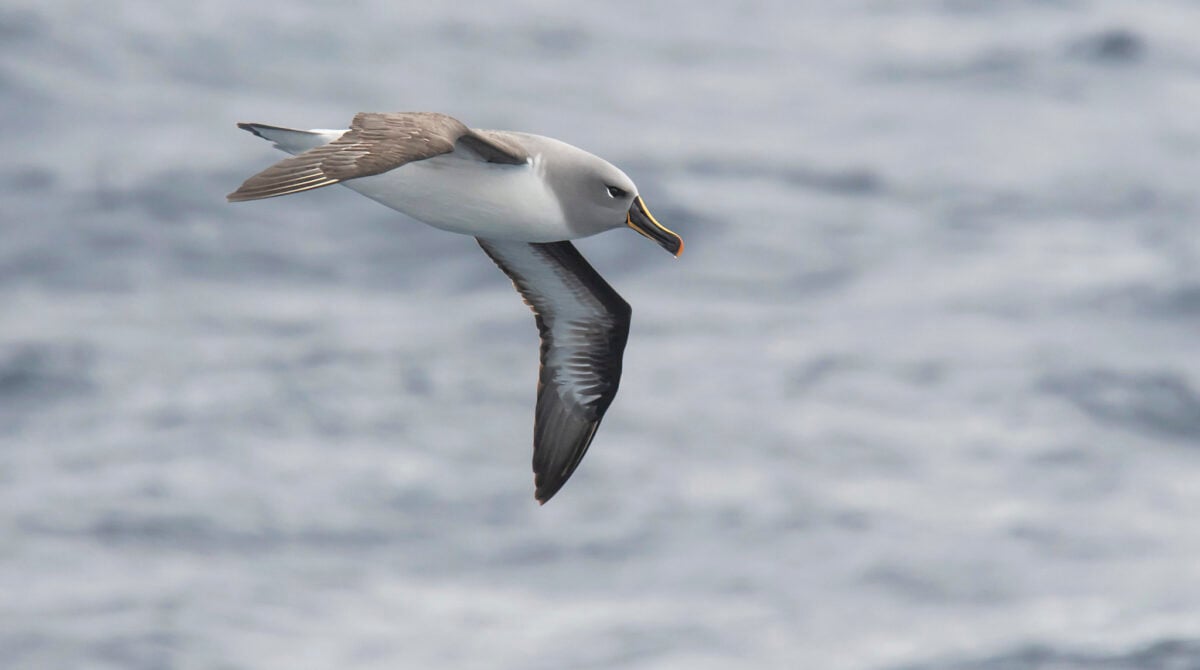
The grey-headed albatross holds a different kind of record: it circled the entire globe in 46 days, averaging sustained speeds above 78 mph over thousands of miles. That kind of endurance at that pace is hard to fully appreciate.
It doesn’t hit the top speeds of some faster birds, but no other animal sustains that velocity for that long. Its wings are designed for efficiency over open ocean, using dynamic soaring to extract energy from wind gradients without spending much of its own.
The Mexican Free-tailed Bat: The Overlooked Speedster

Bats rarely appear on speed lists, but the Mexican free-tailed bat deserves the spot. Researchers tracking a colony in Texas recorded speeds above 100 mph in level flight — which puts it ahead of most birds in horizontal speed.
The finding surprised scientists. It flies low and fast during hunting runs, and its wing shape gives it an aerodynamic profile that most bats don’t have.
It’s small, weighing less than half an ounce, but it moves like something much more aerodynamic.
The Cheetah: The Land Record Holder
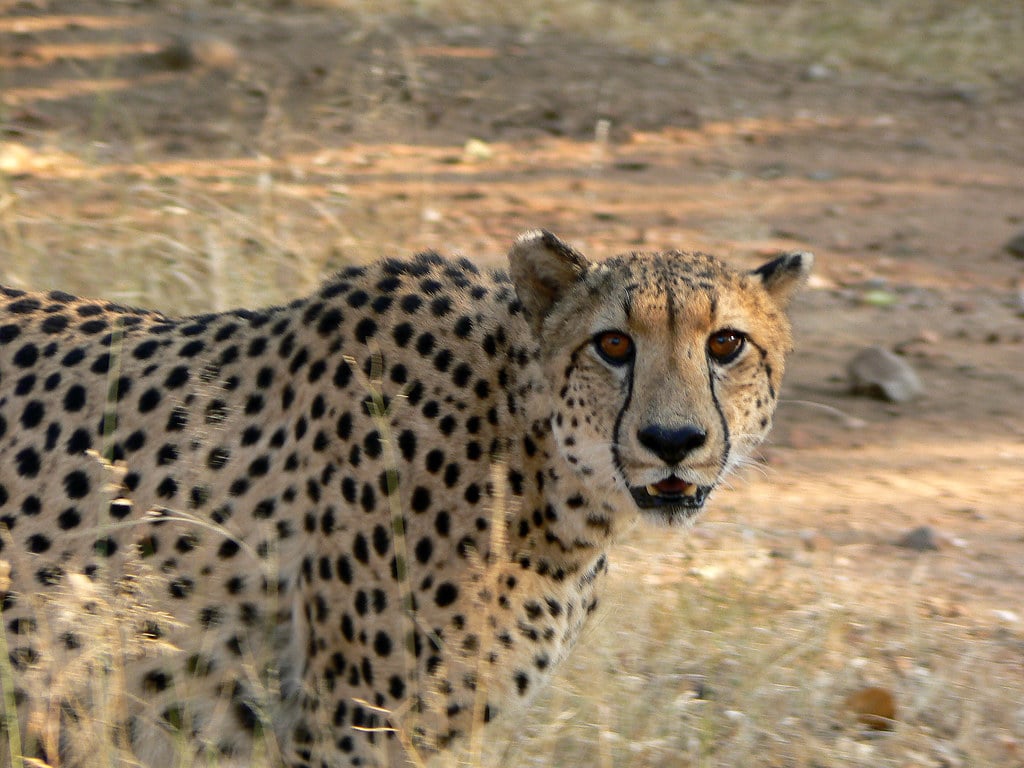
On land, the cheetah is the undisputed record holder. Top speed reaches around 70–75 mph, and it can accelerate from 0 to 60 mph in roughly three seconds — faster than most production cars.
But raw speed tells only part of the story. The cheetah has a flexible spine that acts like a spring, allowing strides of up to 25 feet.
Semi-retractable claws grip the ground like cleats. And large nasal passages deliver oxygen fast enough to sustain the sprint.
The catch is endurance. A full chase lasts 20 to 30 seconds before overheating becomes a serious risk.
If the prey isn’t caught quickly, the cheetah has to stop and rest — sometimes long enough for another predator to steal the kill.
The Pronghorn Antelope: Built for the Long Haul
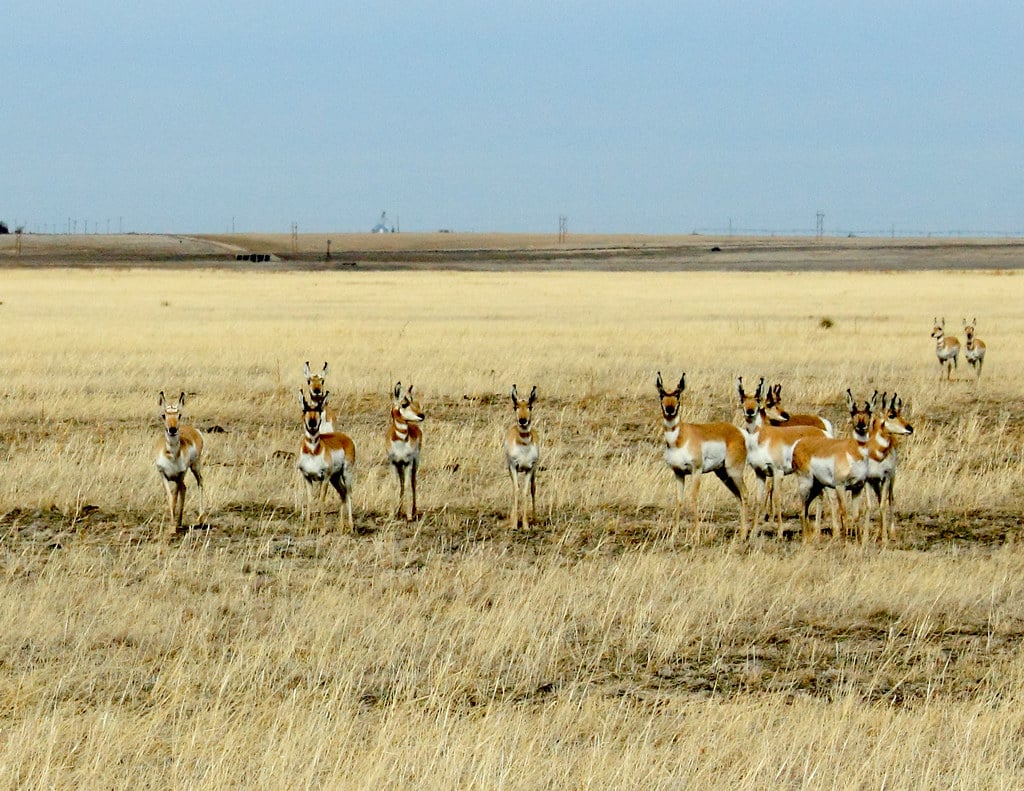
The pronghorn antelope of North America can’t match the cheetah’s top speed, but it reaches 55 mph and holds it for much longer. Over a mile, a pronghorn leaves a cheetah behind.
Its lungs, windpipe, and heart are all oversized for its body. This gives it oxygen efficiency that no other land animal can match at sustained speed.
Scientists believe this endurance evolved to outrun a now-extinct American cheetah that roamed the continent thousands of years ago.
The Springbok: Springs in Its Legs
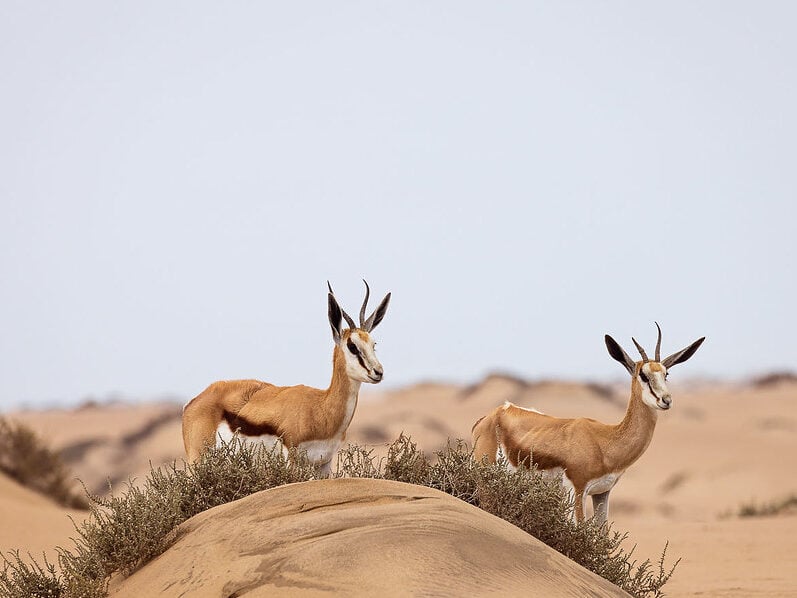
The springbok of southern Africa tops out around 55 mph as well, but what makes it distinctive is pronking — a behavior where it leaps straight up into the air repeatedly, sometimes mid-run, reaching heights of six feet. Pronking burns energy, which makes it an odd thing to do when running from a predator.
The current thinking is that it signals fitness: a springbok leaping high is telling the predator it’s in excellent condition and not worth chasing. Speed as a statement.
The Wildebeest: Underrated on the Plains
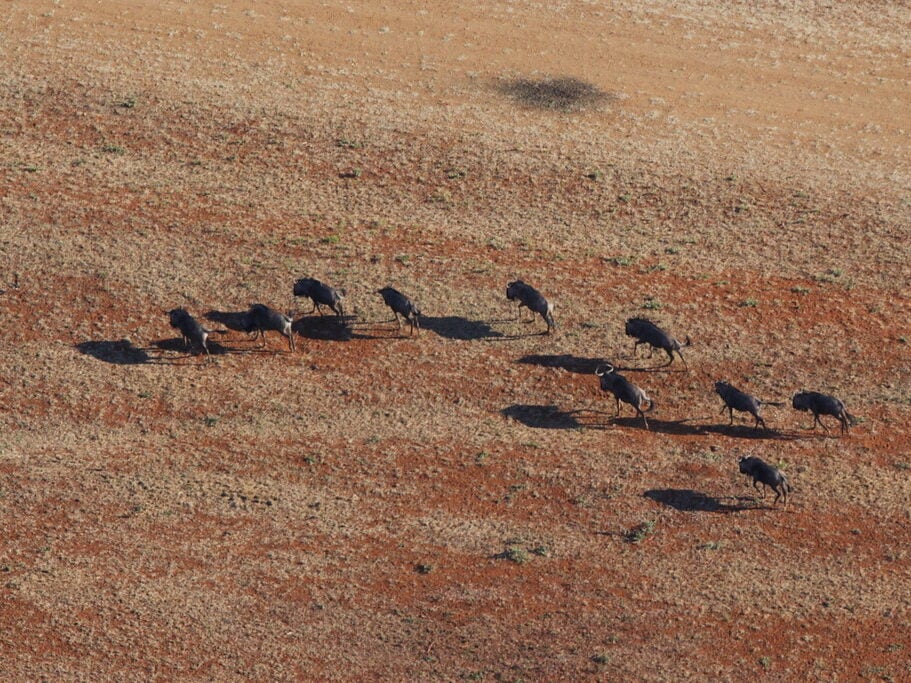
Wildebeest don’t look like speed animals. They’re stocky, shaggy, and run with an awkward gait.
But they reach 50 mph when pushed, and they sustain that for far longer than most predators can match. During the Great Migration, millions of them travel over a thousand miles annually.
The ones that survive aren’t just the strongest — they’re the ones with the stamina to outpace lions over distance.
The Ostrich: Fastest Bird on Foot
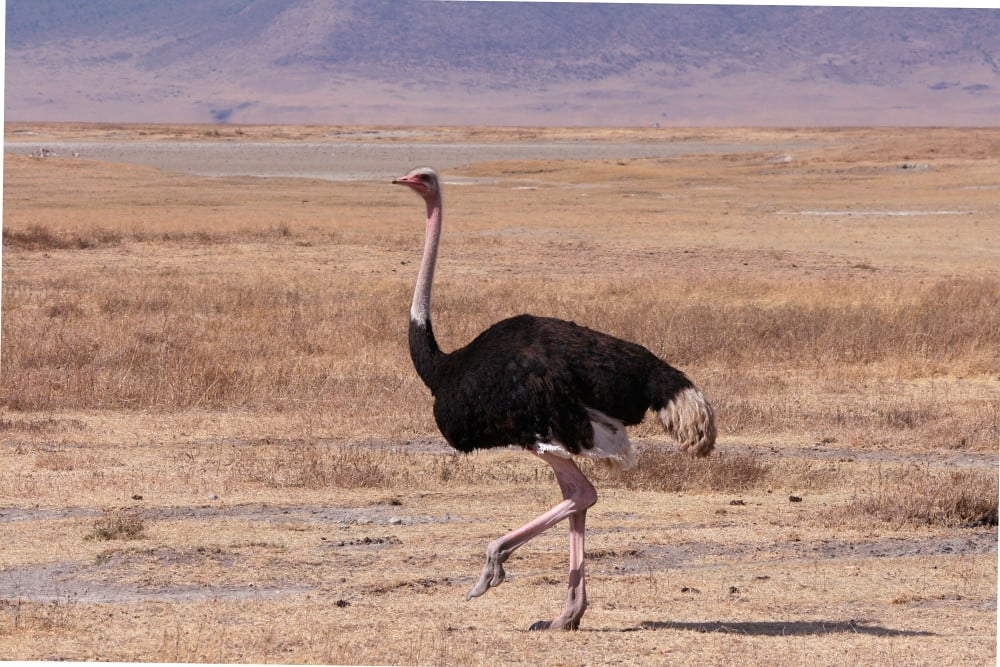
A burst of speed comes naturally to the ostrich, even without flight – clocked at 45 mph when charging across open ground. Each step pumps energy forward, much like a swinging weight that recoils on its own rhythm.
Efficiency sneaks into motion through legwork built for distance and drive. Faster than most expect, the real standout isn’t just peak velocity – it’s how long it lasts.
Moving at 30 miles per hour, an ostrich maintains that stretch for half an hour straight. Few creatures manage to match such endurance when ground keeps rolling underfoot.
The Quarter Horse Is Very Fast
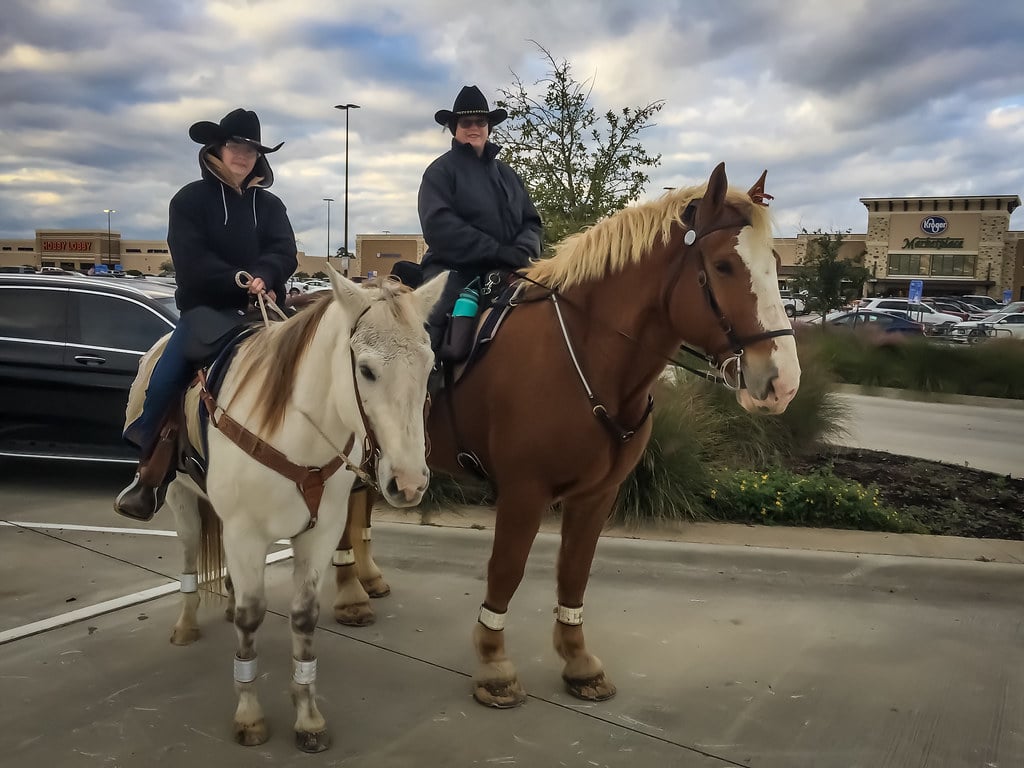
A quarter of a mile is all it takes to see how fast this horse really is. Bred in America for quick bursts, its top speed hits 55 miles per hour.
That outpaces every other farm-raised creature around. The name?
It comes straight from that sprint distance. Ahead of the pack in short bursts, the quarter horse outpaces thoroughbreds when the track’s less than four furlongs long.
Yet stamina isn’t its strength – built more for explosion than endurance. Over longer ground, it fades fast.
But inside that brief stretch where seconds decide everything? Nothing moves like it.
The Thomson Gazelle Survives Through Quick Escapes
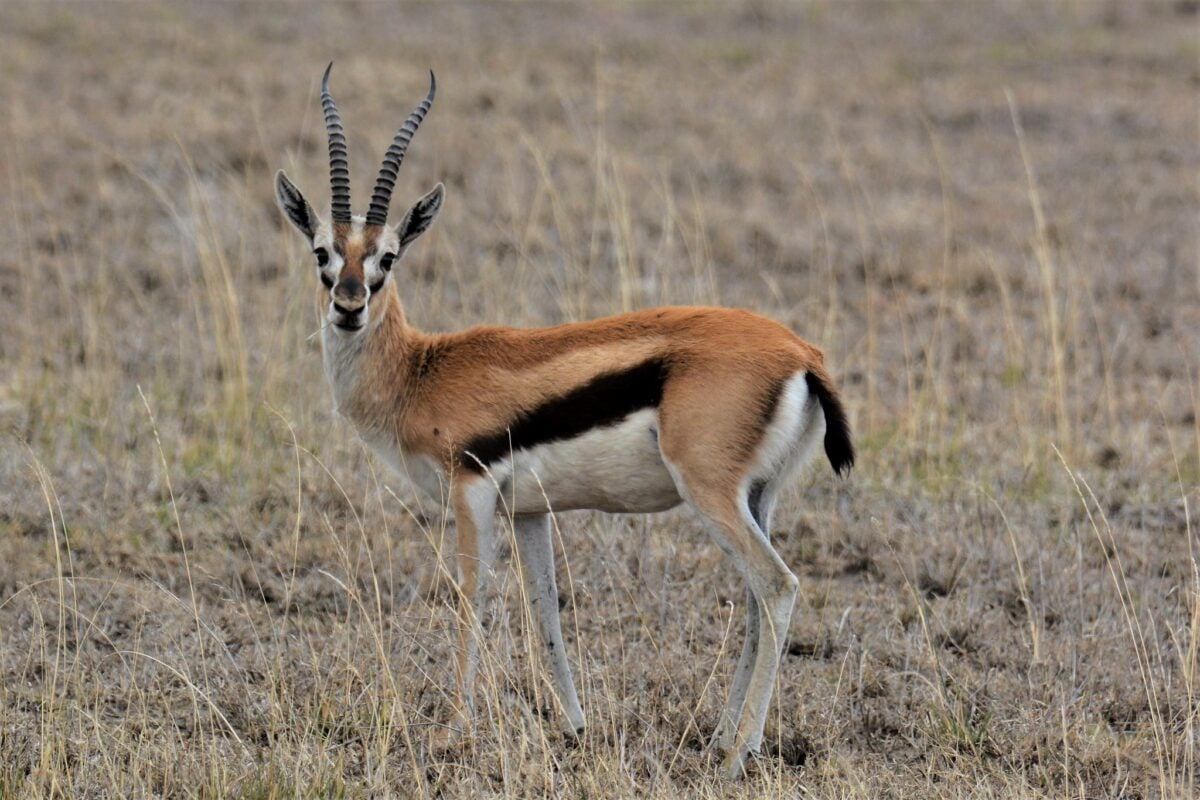
A burst of speed carries the Thomson’s gazelle up to 50 miles per hour, each stride urgent. Instead of fleeing straight ahead, it slashes sideways, throwing off pursuit.
Even at 70 mph, the cheetah struggles to match the sudden shifts. Quick pivots give the gazelle an edge when escape matters most.
A burst of speed down an open path matters, yet that’s just a piece of staying free. What saves the gazelle isn’t raw velocity but sharp turns that wreck pursuit.
Sudden stops followed by sideways leaps disrupt any clean run. Quickness paired with nimbleness puts it beyond most predators’ reach.
Few creatures on flat grassland are tougher to pin down.
Speed Matters Sometimes But Not Always
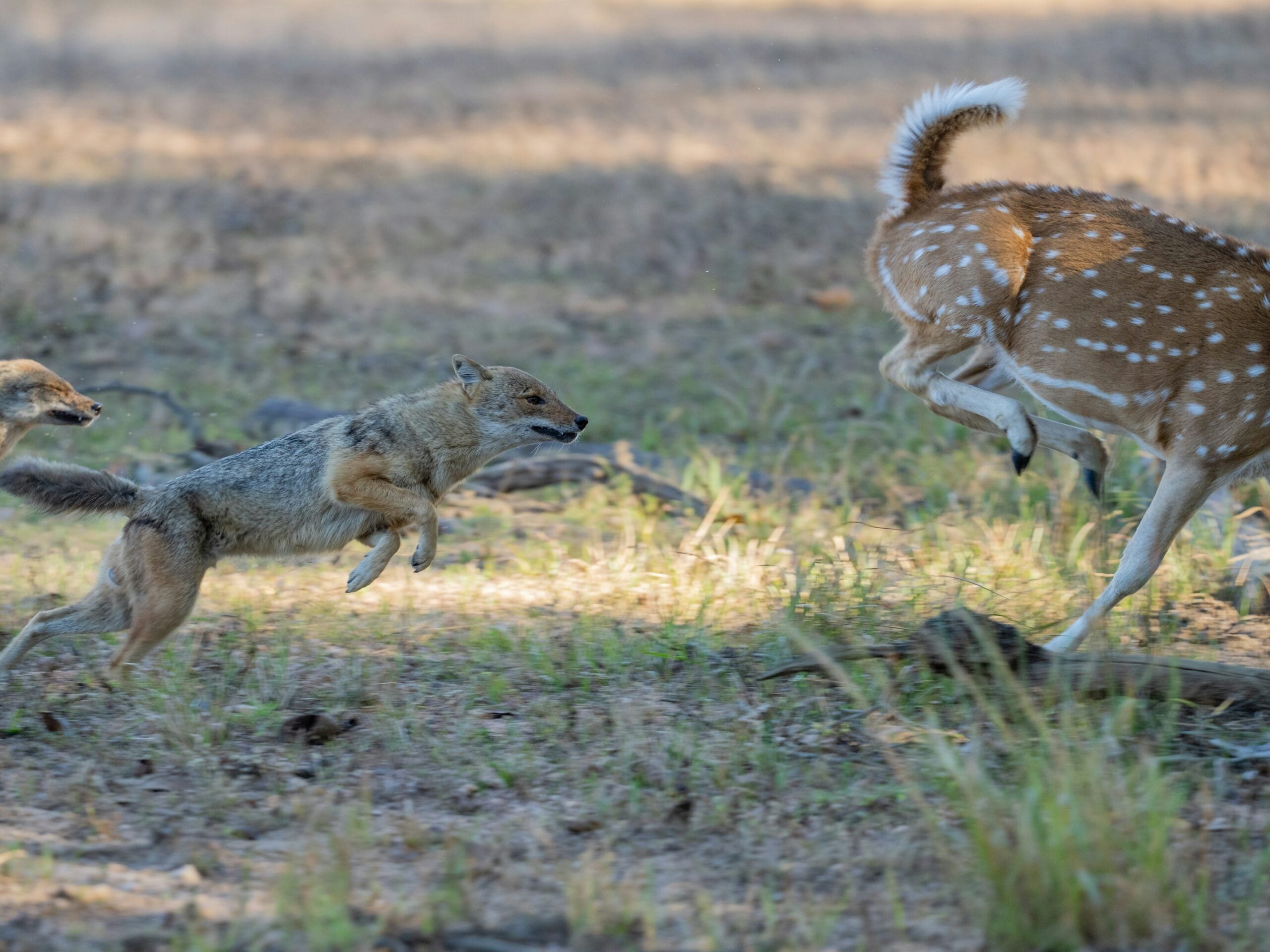
It stands out how little raw speed actually reveals when you look closer at these creatures. Diving gives the peregrine its crown, nothing more.
On flat ground, the cheetah burns out fast – half a minute and it’s done. Meanwhile, the grey-headed albatross just keeps going, mile after mile, without quitting.
Built for speed, each creature answered nature’s sharp demands – chase, escape, journey, live. Not one of these fastest made their mark by accident.
A sprint across open plains began. Long miles above deep water shaped another.
The rush through air? That started with closing gaps before the moment passed.
Fast times grab eyes. Truth is, why they move so quick – that’s what sticks.
More from Go2Tutors!

- The Romanov Crown Jewels and Their Tragic Fate
- 13 Historical Mysteries That Science Still Can’t Solve
- Famous Hoaxes That Fooled the World for Years
- 15 Child Stars with Tragic Adult Lives
- 16 Famous Jewelry Pieces in History
Like Go2Tutors’s content? Follow us on MSN.