Film and TV Animals With Lifetime Royalties and Licensing
Animals in entertainment work harder than most people realize. They perform stunts, nail emotional scenes, and sometimes become more famous than their human co-stars.
But unlike actors who negotiate contracts and residuals, most animal performers get paid once and fade into obscurity after their big break. Some animals broke that mold entirely.
A select few landed deals that kept money flowing long after the cameras stopped rolling, earning royalties from merchandise, licensing agreements, and syndication rights. These weren’t just talented performers—they became brands.
The stories behind these deals reveal how smart handlers, lucky timing, and undeniable star power turned a few furry faces into legitimate business empires. Here’s who made the cut.
Lassie
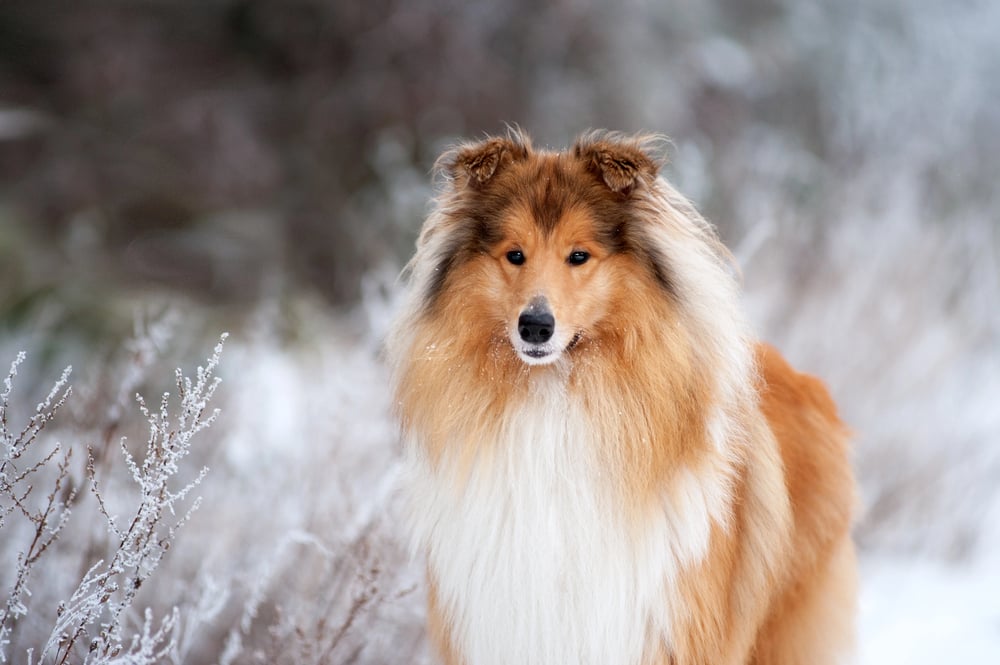
The original Lassie wasn’t just one dog but a lineage of male Rough Collies all playing a female character. The first Lassie, Pal, earned $4,000 for the original 1943 film while his human co-star made $3,500.
Pal’s owner and trainer Rudd Weatherwax negotiated a deal that gave him ownership of the Lassie trademark after MGM decided the character wasn’t worth keeping. That decision became one of Hollywood’s biggest mistakes.
Weatherwax controlled everything Lassie-related for decades, from the long-running TV series to lunch boxes and toys. The Lassie brand generated millions through licensing deals that continued through multiple generations of dogs, all descendants of Pal.
Weatherwax’s family still owns the rights today, and Lassie merchandise still sells worldwide.
Rin Tin Tin

A German Shepherd found in a World War I battlefield kennel became one of the biggest stars of silent films. Rin Tin Tin earned $6,000 per week at his peak, more than most human actors of the 1920s.
His owner Lee Duncan kept tight control over the dog’s image and established licensing agreements for everything from comic books to radio shows. When the original Rinty died in 1930, Duncan continued the brand with descendants, much like the Lassie franchise.
The Rin Tin Tin name generated income through multiple decades of TV shows, films, and merchandise. Duncan’s estate maintained control of licensing rights, and the character’s image still appears on vintage collectibles that command high prices.
The dog single-handedly saved Warner Brothers from bankruptcy in the 1920s, yet his financial legacy outlasted his studio contributions.
Morris the Cat

The finicky orange tabby became the face of 9Lives cat food in 1968 and never stopped working. Morris was actually a rescue cat from a Chicago animal shelter, discovered by handler Bob Martwick.
The original Morris earned a steady income from his 9Lives contract, but the real money came from licensing deals that allowed his image on everything from cat toys to greeting cards. When the first Morris died, the company replaced him with look-alikes, maintaining the character’s continuity.
The Morris brand generated millions through endorsements, merchandising, and even a failed bid for president in 1988 and 1992. His handlers negotiated perpetual licensing agreements that kept money flowing to their estates long after individual cats passed away.
Morris remains one of the longest-running advertising mascots in American history.
Spuds MacKenzie

The Bull Terrier who became Bud Light’s party mascot in 1987 exploded into pop culture faster than almost any animal spokesperson. Spuds, whose real name was Honey Tree Evil Eye (actually a female dog playing a male character), appeared in Super Bowl commercials and on everything from t-shirts to beach towels.
Her owner and the marketing team behind her negotiated extensive merchandising rights that generated substantial royalties during the campaign’s peak years. The character was retired in 1988 after criticism about marketing alcohol to minors, but licensing agreements for vintage Spuds merchandise continued generating income.
Original Spuds memorabilia now sells for serious money among collectors. Though the campaign was brief compared to others on this list, the intensity of Spuds’ popularity created a licensing goldmine that outlived the dog herself.
Keiko from Free Willy

The orca who played Willy became the center of a massive franchise that extended far beyond the original 1993 film. Warner Brothers negotiated complex agreements regarding Keiko’s image rights, and the Free Willy franchise generated hundreds of millions through sequels, merchandise, video games, and theme park attractions.
Keiko’s unique situation involved multiple parties including the studio, the Mexican aquarium that originally owned him, and later the Free Willy-Keiko Foundation that managed his care and eventual release. Licensing deals for Free Willy merchandise continued generating revenue long after Keiko’s death in 2003.
The franchise’s success sparked ongoing debates about animal rights and captivity, but the financial structure ensured various stakeholders continued benefiting from Keiko’s image. His story remains one of Hollywood’s most complex animal licensing arrangements.
Bart the Bear
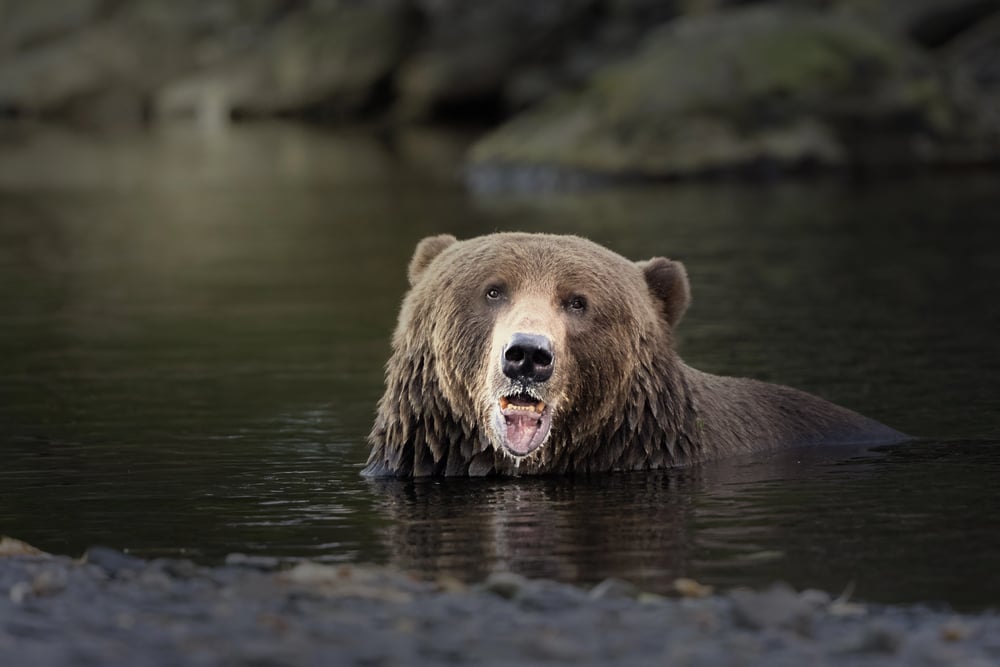
This Alaskan Kodiak bear appeared in dozens of films and TV shows including The Edge, Legends of the Fall, and countless documentaries. Bart’s trainers Doug and Lynne Seus negotiated appearance fees plus residuals for projects that went into syndication.
More importantly, they licensed Bart’s image for educational materials and wildlife conservation campaigns. Bart became a spokesperson for wildlife preservation, and those licensing deals generated ongoing income while promoting environmental causes.
When Bart died in 2000, the Seus family continued their work with Bart’s successor, Bart the Bear 2, maintaining similar contractual arrangements. The original Bart’s image still appears in stock footage and archival materials that generate licensing fees.
His career demonstrated how animal performers could leverage fame into conservation advocacy while maintaining profitable licensing structures.
Moose from Frasier

The Jack Russell Terrier who played Eddie on Frasier became one of TV’s most beloved animal characters. Moose earned $10,000 per episode at his peak, more than many supporting human actors on other shows.
His trainer Mathilde de Cagny negotiated carefully to ensure Moose received residuals from syndication, though the exact terms remained private. Moose appeared in commercials and print ads outside of Frasier, with de Cagny maintaining strict control over licensing his image.
When Moose retired, his son Enzo took over the role seamlessly, continuing the income stream. The Frasier franchise generated billions through syndication, and Moose’s contract ensured he shared in that success.
De Cagny parlayed Moose’s fame into a successful training business and book deals. Eddie merchandise still sells to Frasier fans decades after the show ended.
Trigger
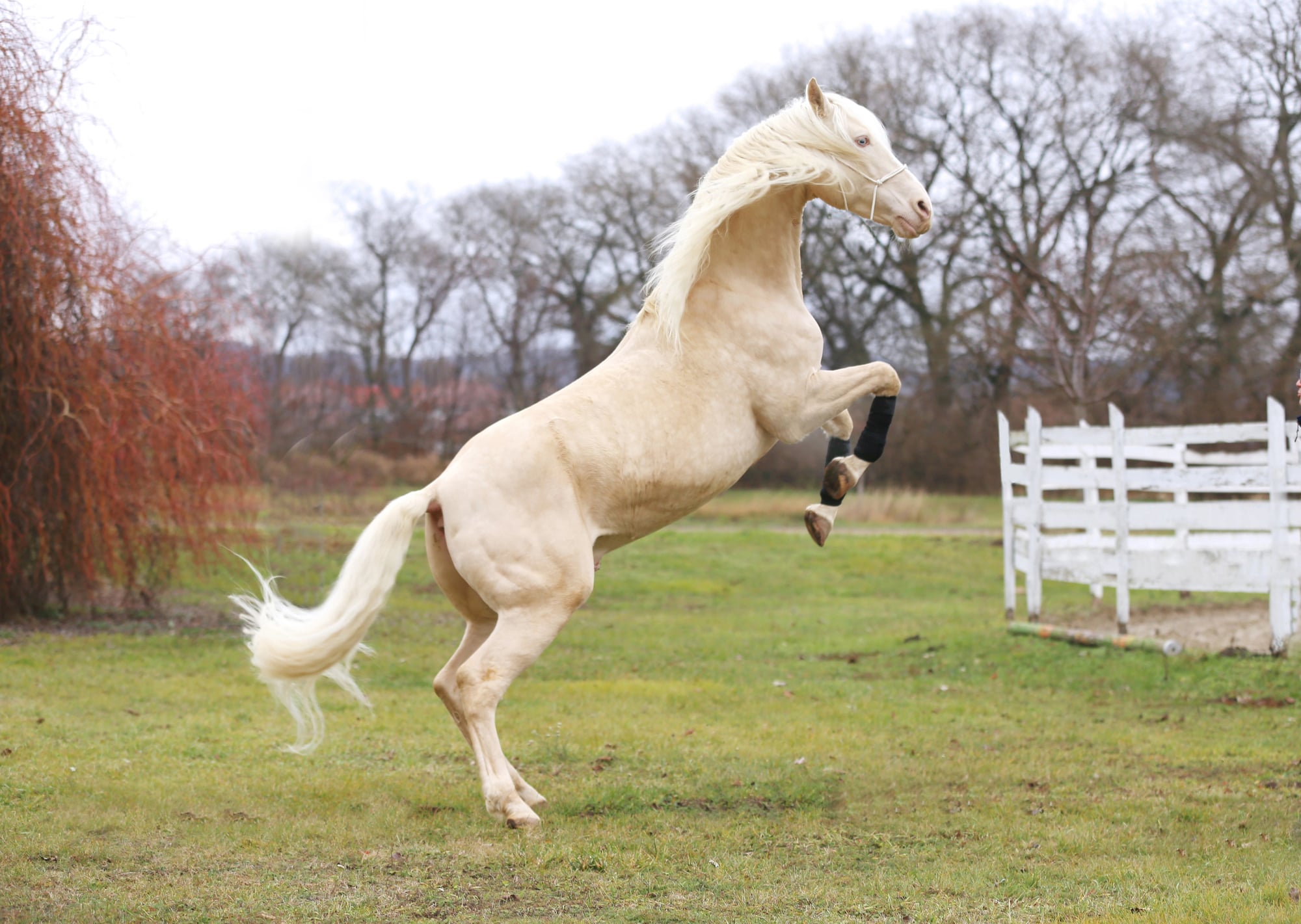
Roy Rogers’ palomino stallion became as famous as his owner through careful brand management and licensing. Rogers eventually purchased Trigger outright and controlled all aspects of the horse’s image rights.
Trigger appeared in 88 films and the Roy Rogers TV show, but the real money came from merchandise. Trigger’s image appeared on lunch boxes, comic books, toy guns, and countless other products throughout the 1950s.
Rogers negotiated licensing deals that gave him a percentage of all Trigger-related merchandise sales. When Trigger died in 1965, Rogers had him mounted by a taxidermist and displayed in his museum, continuing to generate revenue through admission fees.
The Roy Rogers-Dale Evans Museum closed in 2009, but Trigger licensing deals had generated millions over decades. Rogers understood brand synergy before most Hollywood stars figured it out.
Salem from Sabrina the Teenage Witch
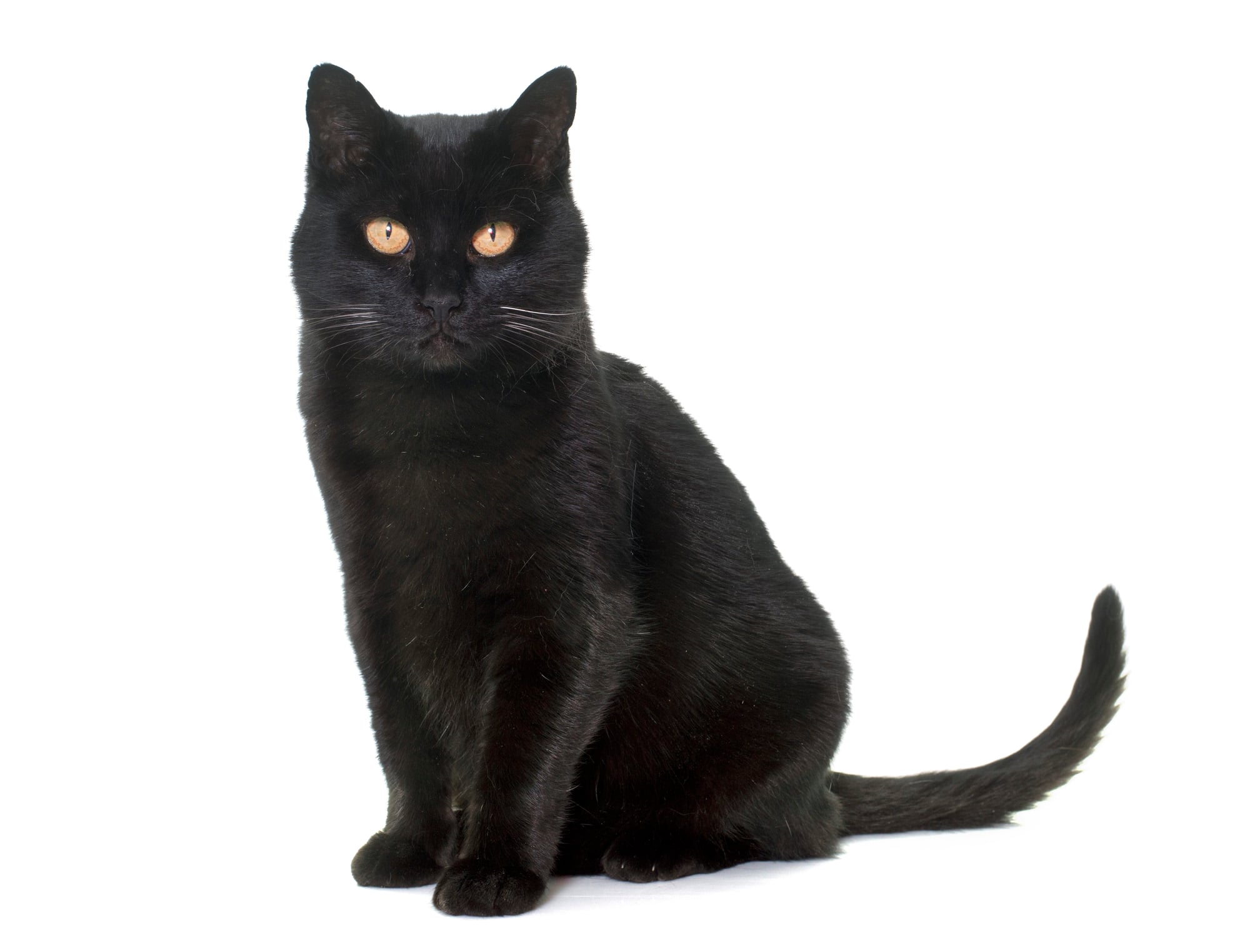
The animatronic and real cat combination that played Salem Saberhagen created unique licensing opportunities. Several real cats performed scenes requiring actual feline presence, while an expensive puppet handled dialogue scenes.
The production company owned Salem’s character rights, but the trainers who provided real cats negotiated appearance fees plus residuals from syndication. Salem became the show’s breakout character, appearing on merchandise from plush toys to Halloween costumes.
The character’s popularity spawned licensing deals worth millions, separate from the show’s general merchandising. Voice actor Nick Bakay received ongoing payments for Salem’s dialogue in reruns and international broadcasts.
The combination of practical and puppet effects created complicated but lucrative licensing arrangements. Salem merchandise outlasted the show’s original run by decades, proving the character’s enduring appeal.
Punxsutawney Phil

The groundhog who predicts weather every February 2nd operates under one of entertainment’s strangest licensing arrangements. The Punxsutawney Groundhog Club controls all commercial uses of Phil’s name and image.
While Phil himself doesn’t receive royalties (being a groundhog), the club licenses his likeness for merchandise, TV appearances, and advertising. The 1993 film Groundhog Day paid licensing fees to feature Phil, though Bill Murray was the star.
Phil appears in national commercials and generates income for the club through trademark protection of his name. Every Groundhog Day broadcast requires permissions and sometimes fees depending on commercial usage.
The club maintains tight control over Phil’s brand, ensuring the tradition remains profitable. Multiple groundhogs have played Phil over the years, but the licensing structure treats him as one immortal entity.
This arrangement creates ongoing revenue streams that fund the annual festival and support the organization.
Flipper

The bottlenose dolphins who played Flipper across multiple films and TV series created lasting licensing empires. The original 1963 film spawned a TV series running from 1964 to 1967, with multiple dolphins sharing the role.
Trainer Ric O’Barry managed several dolphins including Kathy, who performed most of Flipper’s scenes. The Flipper brand generated enormous merchandising revenue through toys, comics, and lunch boxes.
MGM controlled the character rights and licensed the name extensively, creating income streams that continued through a 1990s revival series. The franchise sparked both dolphin fascination and later animal rights concerns after O’Barry became an activist.
Flipper licensing deals continued generating money decades after the original series ended. The character remains iconic enough that nostalgia merchandise still sells.
Various entities claimed portions of Flipper royalties over the years, creating complicated legal histories around the brand.
Benji

The scruffy mixed-breed dog discovered at an animal shelter became a film franchise worth millions. Benji’s trainer Frank Inn owned the character rights completely after creating the role independent of major studios.
Inn licensed Benji carefully, maintaining creative control while generating merchandise income. The original Benji film from 1974 led to sequels, TV movies, and extensive merchandising.
Inn’s ownership structure meant Benji licensing deals flowed directly to him rather than through studio bureaucracies. Multiple dogs played Benji across productions, but Inn controlled the brand absolutely.
When Inn died, his estate maintained Benji rights, and a 2018 Netflix reboot renewed interest in the franchise. Benji merchandise from vintage to modern continues generating licensing revenue.
Inn’s decision to maintain independent control over his creation proved incredibly profitable compared to studio-owned animal characters.
Buddy from Air Bud
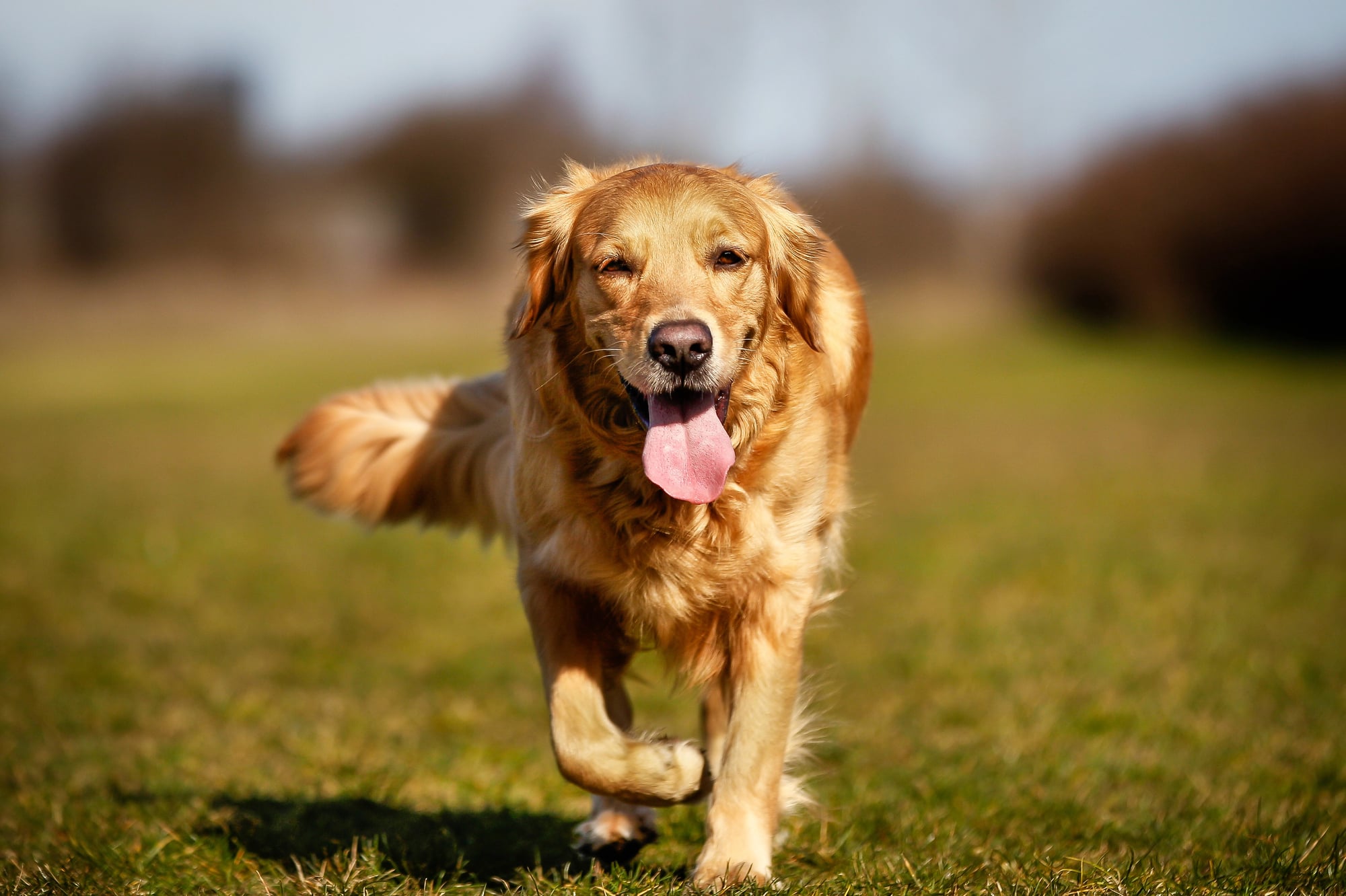
The Golden Retriever who played basketball launched a franchise that few expected. Buddy’s owner and trainer Kevin DiCicco negotiated carefully when selling the Air Bud concept to Disney.
While Disney owned the film rights, DiCicco maintained some profit participation and image licensing for the real Buddy. The 1997 film spawned four theatrical sequels and numerous direct-to-video releases featuring different dogs.
Air Bud merchandise generated substantial revenue through sports equipment, toys, and video games. The franchise eventually expanded beyond Buddy into Air Buddies spinoffs, diluting the original character’s licensing value.
DiCicco’s agreements ensured he benefited from the franchise’s early success even as subsequent films used different animals. Buddy died in 1998, but the character he created lived on through multiple generations of canine performers.
The franchise’s unexpected longevity turned Buddy into a brand worth tens of millions.
Strongheart
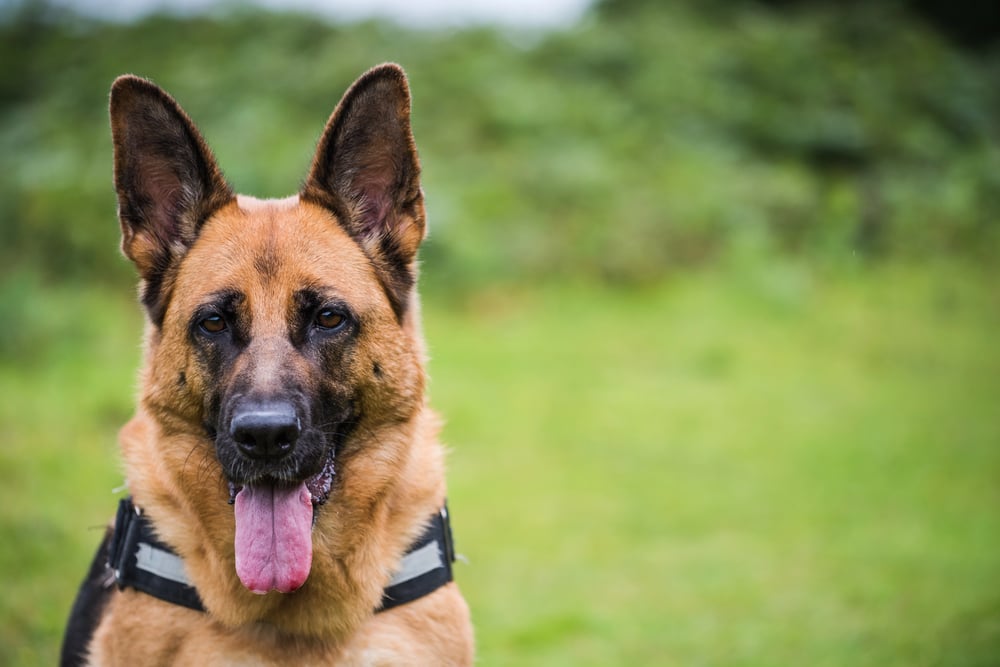
Before Rin Tin Tin, there was Strongheart, a German Shepherd who became Hollywood’s first major canine star. Strongheart appeared in silent films starting in 1921 and earned his owner Laurence Trimble substantial income through performance fees and early merchandising.
Trimble negotiated one of the first image licensing deals for an animal performer, allowing Strongheart’s likeness on postcards and promotional materials. When Strongheart died in 1929, his legacy continued through a best-selling biography and ongoing merchandise sales.
Trimble’s early understanding of intellectual property rights for animal performers set precedents later stars would follow. Strongheart licensing wasn’t as extensive as later animals on this list, but his importance lies in establishing the framework.
His image appeared on vintage collectibles that now command high prices. Trimble’s pioneering approach to animal performer rights influenced how subsequent trainers negotiated contracts.
Uggie from The Artist

The Jack Russell Terrier who stole scenes in the 2011 silent film The Artist became an unexpected awards season darling. Uggie’s trainer Omar von Muller leveraged the dog’s popularity during The Artist’s Oscar campaign into lucrative appearance fees and merchandising deals.
While The Artist was a smaller independent film, Uggie’s profile exploded during its success, leading to a book deal and commercial work. Von Muller negotiated carefully to ensure Uggie benefited financially from the sudden fame.
The dog received the Palm Dog award at Cannes, raising his commercial value significantly. Uggie appeared on talk shows, in magazines, and even ‘signed’ a book deal with his paw print.
His retirement in 2012 was covered internationally, demonstrating his cultural impact. Von Muller’s ability to monetize Uggie’s brief moment of fame showed modern understanding of social media and viral marketing.
Uggie died in 2015, but his book and memorabilia continue generating small licensing fees.
Crystal the Monkey
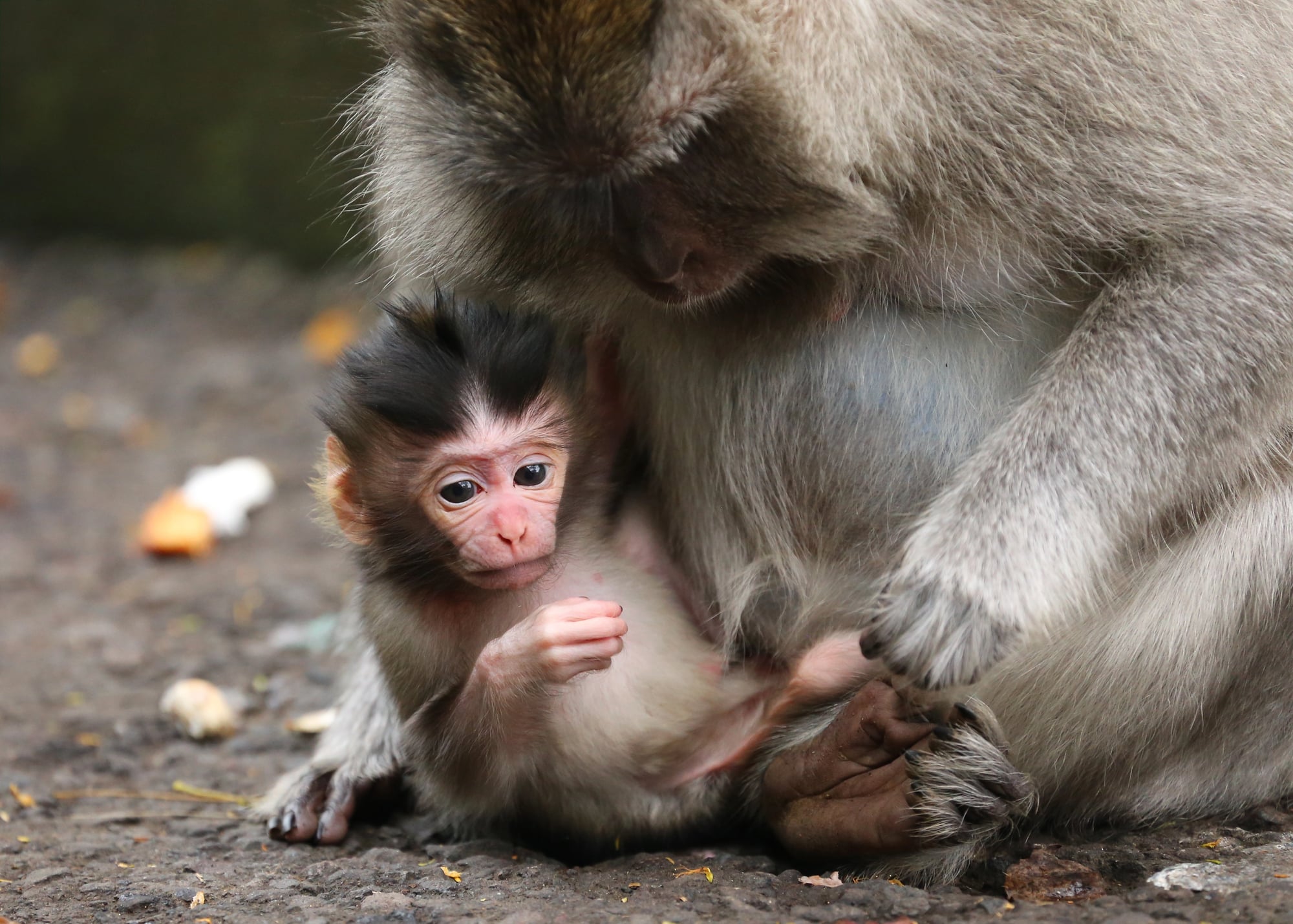
A small monkey with a big resume climbed through scenes across decades of screen history. From museum nights to wild bachelor parties, her face became familiar without saying a word.
Starting long before most current stars were born, she kept working year after year. Behind every scene stood a handler who thought ahead about money beyond the first paycheck.
Instead of one-time deals, agreements opened doors to repeat earnings when reruns aired or streams began. Old movies living on new services keep sending checks, thanks to foresight tucked into contracts years ago.
Starting strong early, she landed ads backed by contracts bringing money long after filming ended. Thanks to sticking around so long, every job piled up more than the last over years of steady gigs.
Managed by a group focused on animal talent, someone always checks that pay matches effort and rules are followed when using her face. Still showing up for shoots today, she earns while most others have stopped completely.
Quiet results like hers show what happens when daily grind meets sharp planning behind the scenes.
Hooch From Turner And Hooch
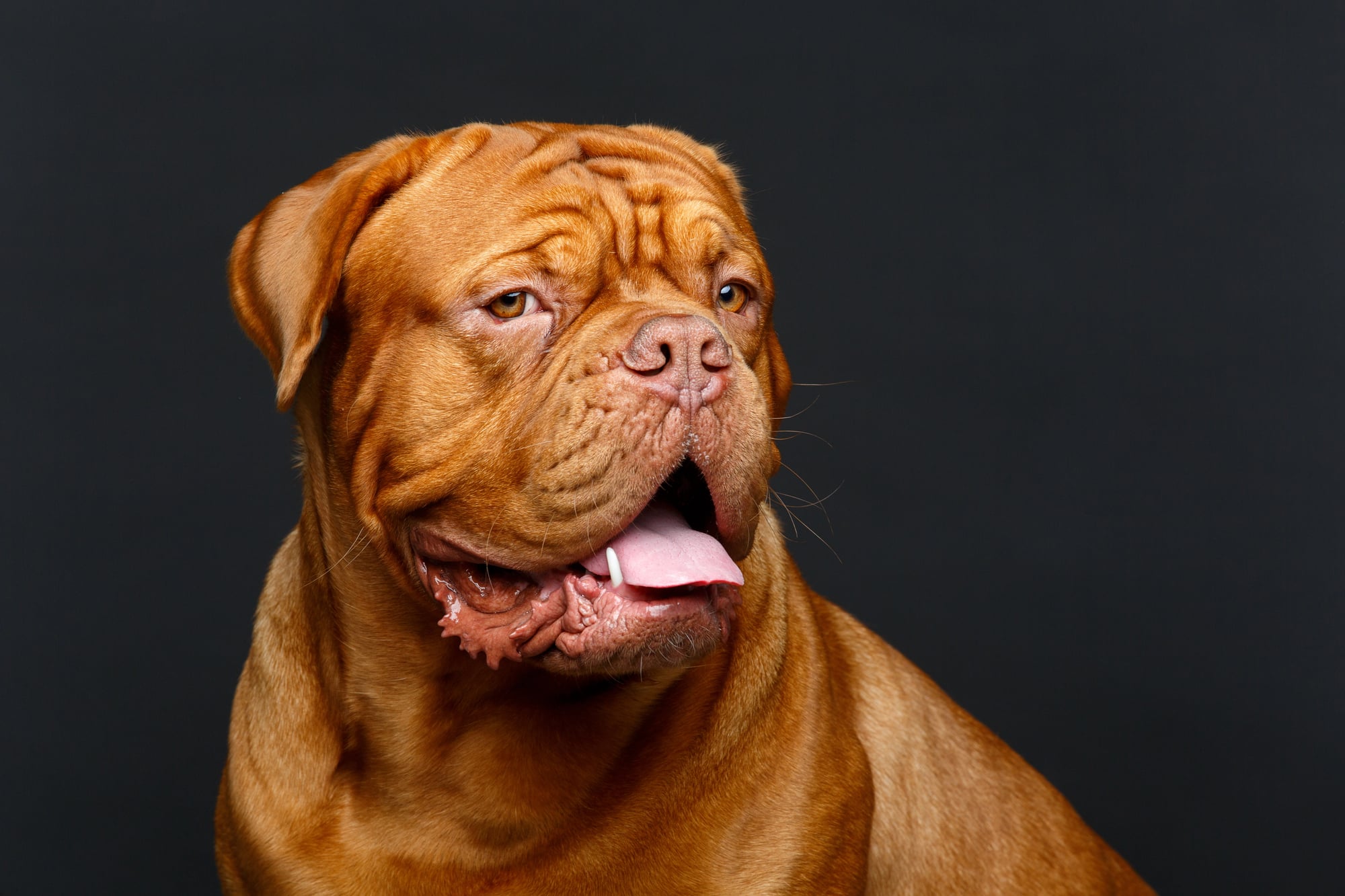
That big red dog sharing scenes with Tom Hanks somehow slipped into pop culture during 1989. Beasley – actual name of the canine – was handled by Clint Rowe, someone who secured regular pay plus a slice of any product tie-ins.
The movie itself didn’t storm theaters, though years later folks kept finding it on late-night screens and rental shelves. Stuff with Hooch’s face popped up here and there, dealing quietly feeding a small stream of cash over time.
Hooch’s made-up family showed up in the 2021 Disney+ remake, sparking fresh curiosity about the old dog. Though Beasley didn’t lock down every possible deal, fans kept the character alive well past the movie’s release.
Money still trickled into Rowe’s heirs thanks to products tied to Turner and Hooch. Over time, shifts in how people watch things revealed that a so-so box office run could grow into something more lasting.
Despite modest beginnings, it stuck around – quietly earning, quietly remembered.
Fame Merging With Eternity

Out here, these creatures did way more than entertain. Fame stretched far beyond life itself because choices were sharp and breaks came at just the right moment.
Behind each one stood people who saw what others overlooked – a recognizable creature, soft or not, could keep earning once the cameras turned away. Deals signed long ago set up royalties, product partnerships, and permissions later stars now copy without thinking twice.
A few actually pulled in bigger numbers sitting idle – or gone – than while performing, showing how much better it is to have solid terms than raw skill alone. Long after silence fell, they still whisper a truth worth hearing: manage attention well, and time stops mattering.
More from Go2Tutors!

- The Romanov Crown Jewels and Their Tragic Fate
- 13 Historical Mysteries That Science Still Can’t Solve
- Famous Hoaxes That Fooled the World for Years
- 15 Child Stars with Tragic Adult Lives
- 16 Famous Jewelry Pieces in History
Like Go2Tutors’s content? Follow us on MSN.



