13 Products That Were Pulled from Shelves, Then Quietly Brought Back
Although product recalls garner media attention, their eventual reintroductions frequently occur without much fuss. Months or years later, a number of popular products that vanished due to controversy or safety concerns have returned to store shelves with little to no notice.
These covert returns offer intriguing insights into business strategy, customer loyalty, and how firms handle PR difficulties. These are 13 products that disappeared off the market and then reappeared when the limelight had faded.
Tylenol Capsules

Following seven deaths from cyanide-laced Tylenol capsules in , Johnson & Johnson discontinued the product statewide. The gold standard for corporate responsibility during product recalls was set by this disaster.
Despite the disastrous accident, the firm regained its market-leading position by reintroducing Tylenol with innovative tamper-evident packaging. This revolutionized industry safety standards and ultimately restored consumer trust.
New Coke
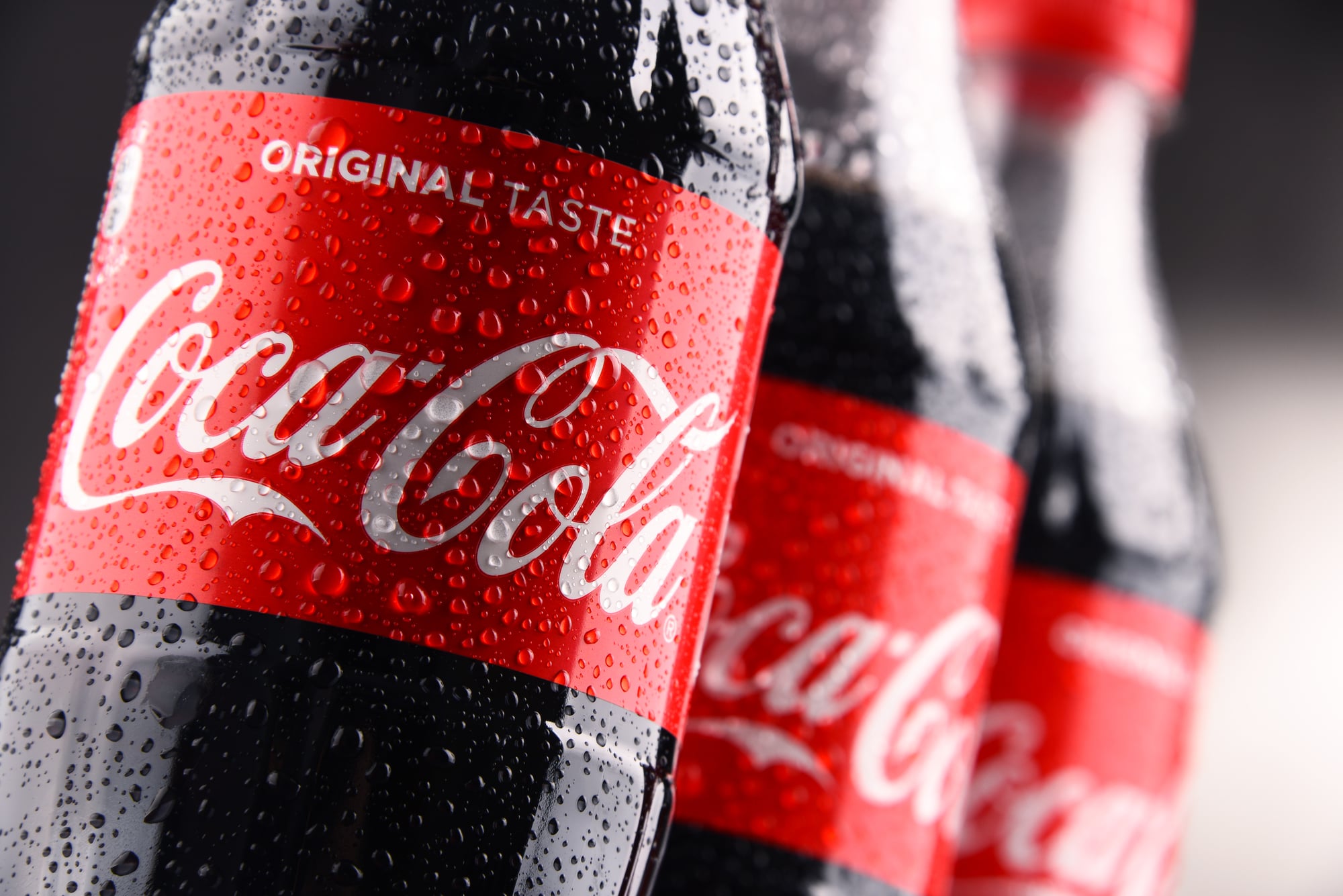
When Coca-Cola decided to alter its -year-old formula in , there was a huge response from consumers. After only days, the firm discontinued the modified product and reinstated the original as “Coca-Cola Classic.”
Ironically, this marketing fiasco rekindled interest in the brand, with some speculating that the whole ordeal was a smart tactic to boost the appeal of the flagship product in comparison to rivals.
Samsung Galaxy Note

Samsung’s flagship smartphone became well-known after a worldwide recall resulted from many units catching fire because of battery flaws. In some areas, the company reissued similar handsets as the Galaxy Note Fan Edition after refurbishing them with safer, smaller batteries.
Samsung was able to recover some losses and restore consumer trust in its products through this calculated limited distribution.
Vioxx

After research connected Merck’s well-known arthritis medication to an elevated risk of heart attack and stroke, it was taken off the market in . In several non-US nations, the FDA discreetly approved the drug’s return with stringent usage restrictions and a new name, Arcoxia.
The complicated balance between medical advantages and hazards is illustrated by the medication’s reappearance with new warnings and restricted prescribing guidelines.
Taco Bell Green Onions

Taco Bell temporarily removed green onions from all locations after an E. coli outbreak in . After thorough supply chain investigation, the chain reintroduced green onions with enhanced food safety protocols.
The company’s quick response and implementation of improved testing procedures helped restore consumer confidence, though many customers never even noticed the ingredient had disappeared temporarily.
Polaroid Instant Film

When Polaroid announced in that they would stop producing instant film, photography enthusiasts mourned its loss. A group called The Impossible Project purchased the last remaining factory and eventually restored production of compatible film.
The endeavor proved so successful that they acquired the Polaroid brand name itself, bringing the original product back to market in a perfect circle of brand resurrection.
Hydrox Cookies

These chocolate sandwich cookies actually preceded Oreos but disappeared when Kellogg’s discontinued them in . Devoted fans campaigned for their return, leading Leaf Brands to acquire the trademark and reintroduce Hydrox in .
The product’s resurrection demonstrates the power of consumer loyalty. The company emphasized Hydrox’s original recipe featuring real sugar instead of high fructose corn syrup to differentiate it from competitors.
Surge Soda
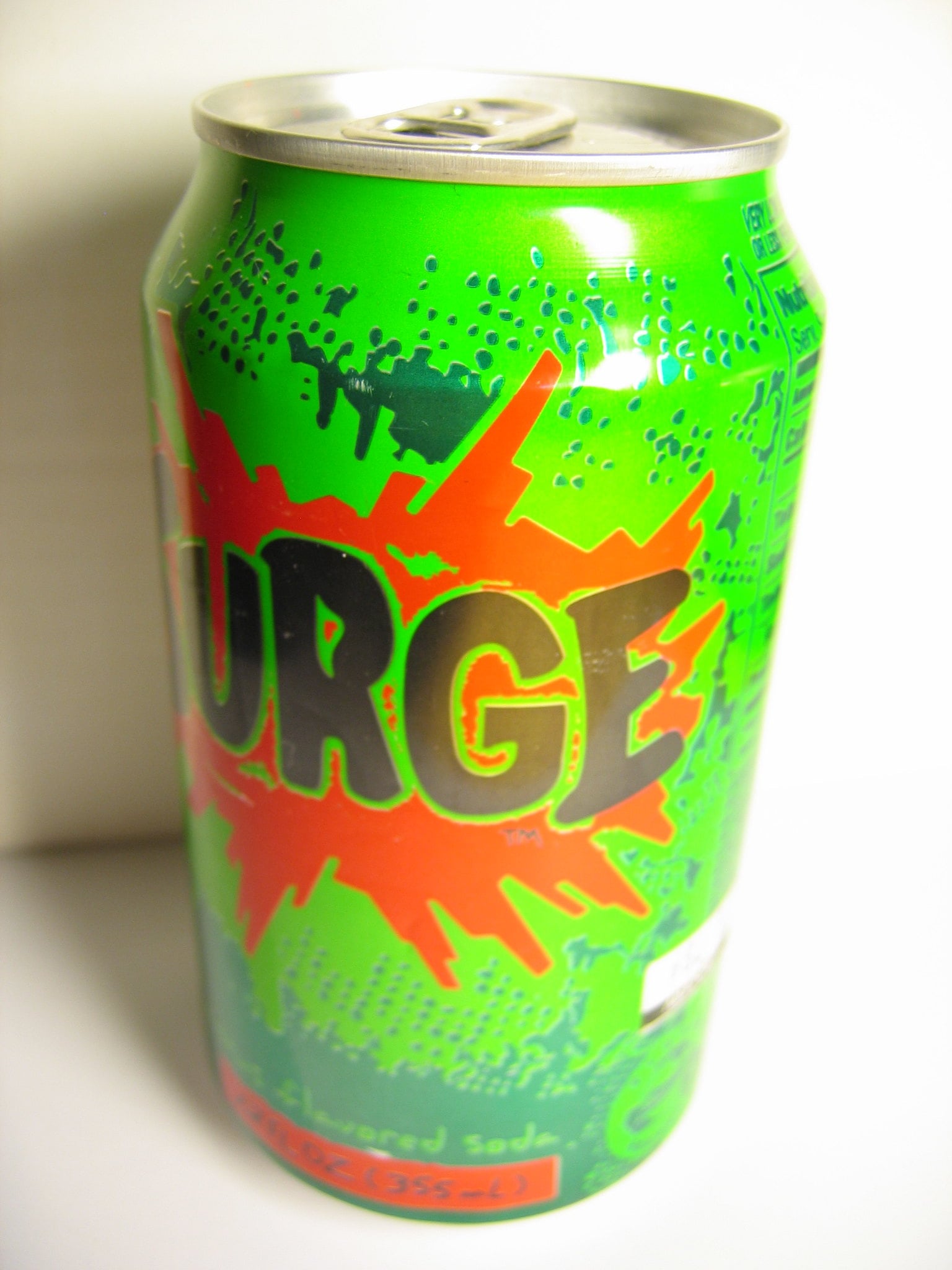
Coca-Cola’s citrus soda disappeared from shelves in after a seven-year run. Dedicated fans created the ‘SURGE Movement’ online, eventually persuading Coca-Cola to bring back the beverage in .
Initially sold exclusively through Amazon, Surge later returned to convenience stores and became one of the most successful examples of consumers using social media to resurrect a discontinued product.
Twinkies

When Hostess Brands filed for bankruptcy in , their iconic cream-filled sponge cakes vanished from stores. The beloved snack returned less than a year later when investors purchased the brand and restarted production.
The brief disappearance created artificial scarcity that fueled extraordinary demand upon its return, with some customers paying hundreds of dollars for boxes during the hiatus.
Burger King Satisfries

These reduced-fat french fries debuted in but were pulled from most locations within a year due to poor sales. The company later reintroduced a similar product with improved taste and different marketing, such as ‘Burger King Fries with % Less Fat.’
This rebranding strategy demonstrates how companies can retool failed products by addressing consumer objections while maintaining the original concept’s core benefit.
Microsoft Flight Simulator

Microsoft discontinued this beloved simulation program in after years of releases. The company revived the franchise a decade later with dramatically improved graphics and features in .
The new version became Microsoft’s most successful simulator launch ever, showing how technical advances can breathe new life into products that were once considered obsolete.
Crystal Pepsi

This clear cola variant launched in but disappeared within a year due to poor sales. Pepsi reintroduced it as a limited-time offering in following a social media campaign by consumers.
The transparent soda’s comeback capitalized on ‘s nostalgia. Pepsi embraced the product’s cult status rather than positioning it as a permanent menu addition.
The Resurrection Effect

Product comebacks offer intriguing insights into business strategy and consumer psychology. These instances demonstrate how, in certain cases, termination increases demand rather than decreases it, with absence literally making the heart grow fonder.
Businesses now know how to capitalize on nostalgia, fix original defects, and even purposefully employ brief disappearances to rekindle interest in aging goods. Sometimes, the finest marketing strategy isn’t inventing something new but bringing back something familiar in the right way at the right moment.
The most effective resurrections acknowledge what went wrong while highlighting what consumers actually enjoyed about the original.
More from Go2Tutors!

- The Romanov Crown Jewels and Their Tragic Fate
- 13 Historical Mysteries That Science Still Can’t Solve
- Famous Hoaxes That Fooled the World for Years
- 15 Child Stars with Tragic Adult Lives
- 16 Famous Jewelry Pieces in History
Like Go2Tutors’s content? Follow us on MSN.