Food Coloring Facts and History
Have you ever pondered why that birthday cake frosting is the ideal shade of pink or why your favorite candy appears so colorful? You might be surprised to learn how fascinating the history of food coloring is. From the first Egyptian confectioners to the latest scientific discoveries, the process of incorporating color into our food has been around for thousands of years and has influenced everything from breakfast cereal to royal feasts.
It’s true that we eat with our eyes first, isn’t it? Imagine opening a can of tomato soup to discover it is gray, and the sensation of that bright red strawberry jam would be completely different if it were brown. We rarely stop to think about how color affects our entire eating experience.
These amazing facts about food coloring and its fascinating history will totally alter the way you view your next colorful meal.
Ancient Egyptian Origins

The practice of coloring food isn’t some modern invention—it goes back about 3,500 years. Ancient Egyptian candy makers were adding natural extracts and wine to their sweet creations as early as 1500 BC, simply to make them more appealing to customers.
Picture being a candy maker in ancient Egypt—experimenting with different plant extracts to make your treats stand out in the marketplace. These early food artists understood something that remains true today: presentation matters just as much as taste.
Medieval Status Symbols
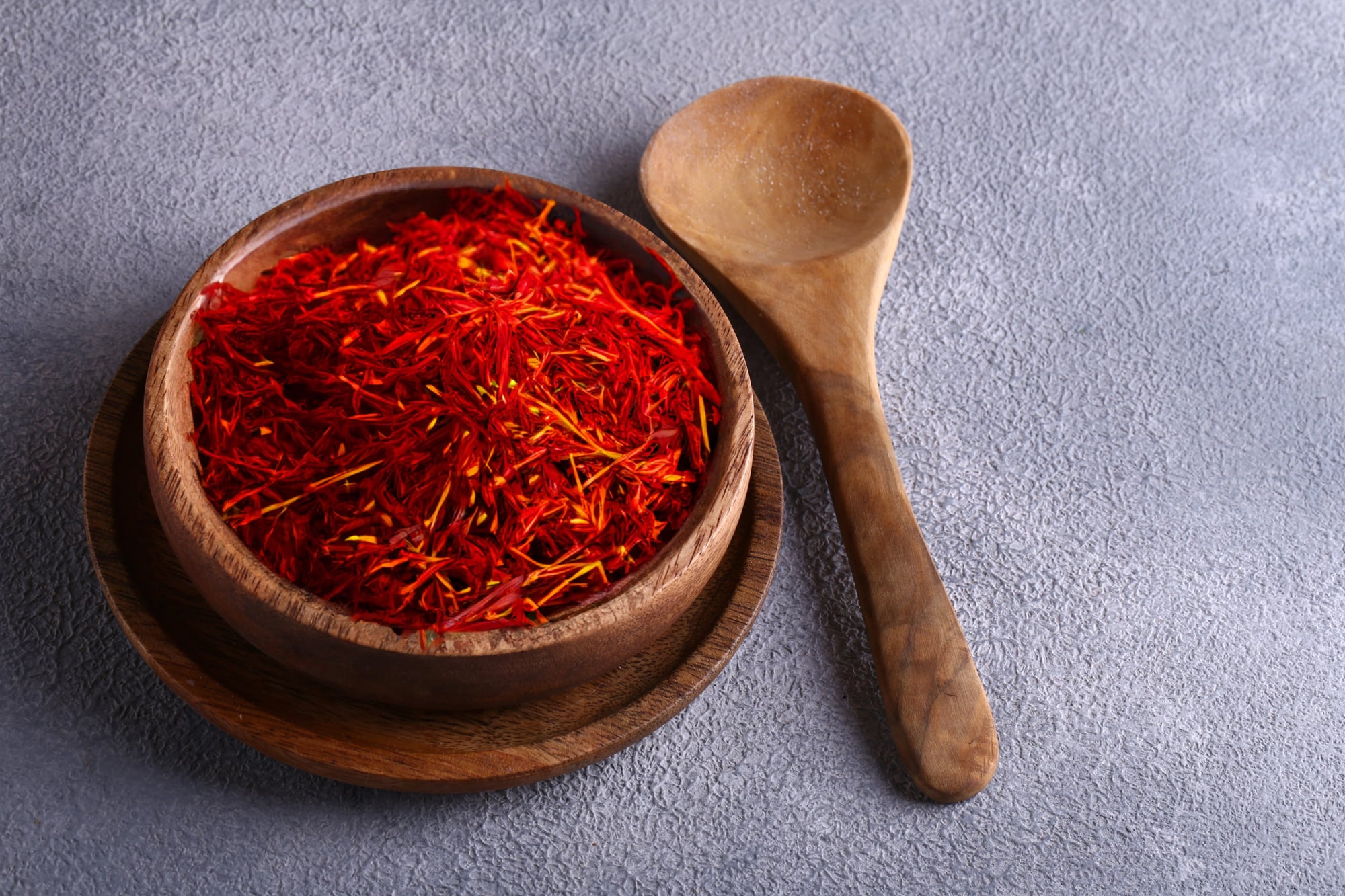
During the Middle Ages, colorful food became a way to show off your wealth and social status. Rich households would use expensive spices like saffron to create golden dishes—or add rose petals for delicate pink hues.
The more vibrant your food appeared, the more successful you seemed to be. Think of it like having the latest smartphone today; colorful food was basically the medieval equivalent of flexing your prosperity at dinner parties.
Like Go2Tutors’s content? Follow us on MSN.
Ancient Wine Inspectors
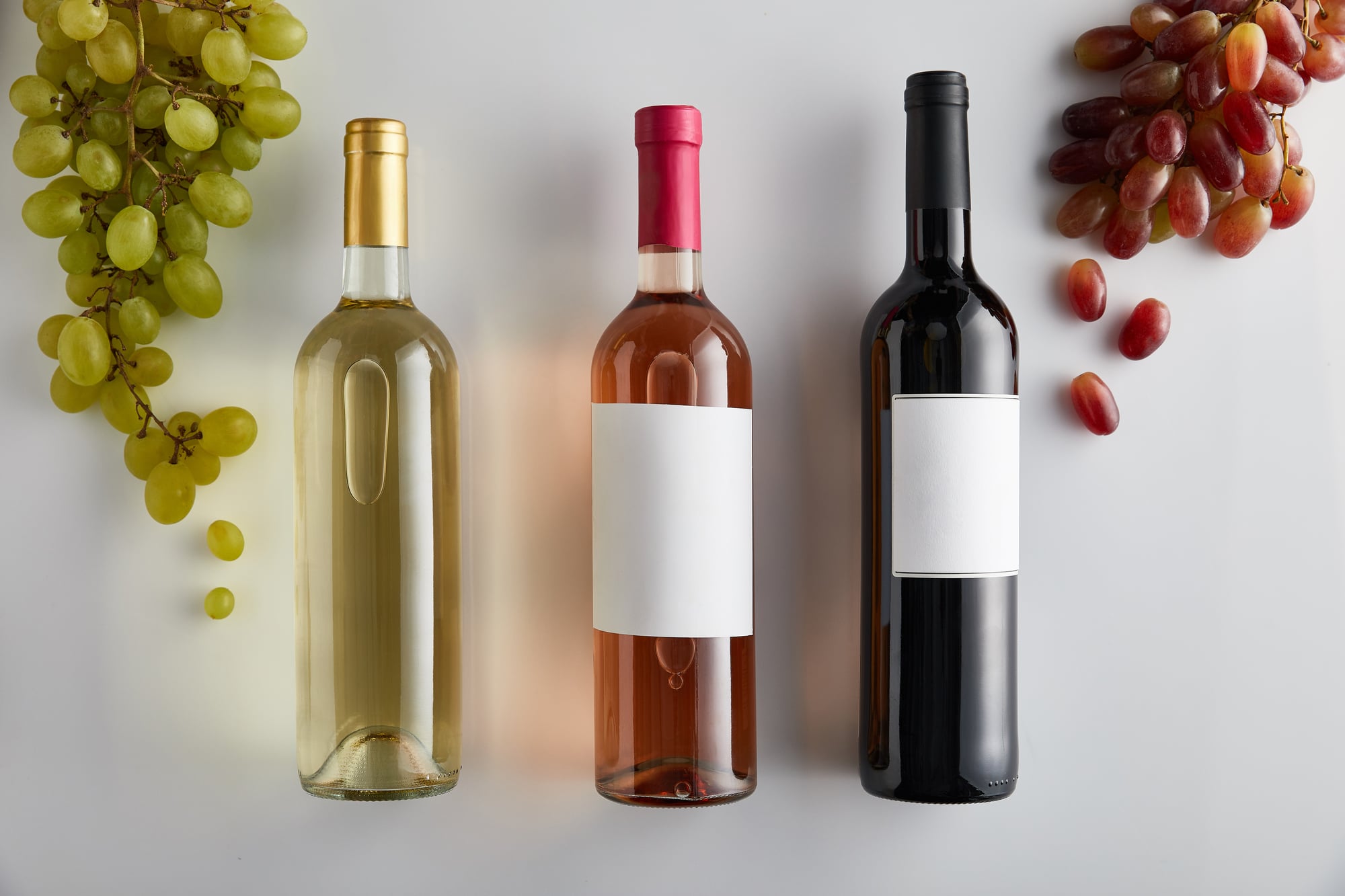
Both ancient Greece and Rome took food coloring so seriously that they actually appointed official inspectors to oversee the artificial coloring of wine. These weren’t casual quality checks either—these inspectors had real authority to ensure wines met color standards.
It’s pretty amazing to think that even thousands of years ago, people cared enough about food appearance to create government positions just to monitor it.
The Accidental Discovery

The first synthetic food dye happened completely by accident in 1856. Sir William Henry Perkin, an 18-year-old English chemistry student, was trying to create a treatment for malaria when he stumbled upon a beautiful purple color called mauveine.
Instead of throwing away his ‘failed’ experiment—he realized he’d discovered something revolutionary. Sometimes the best discoveries come from our biggest mistakes, and this one changed the food industry forever.
Coal-Tar Colors Era
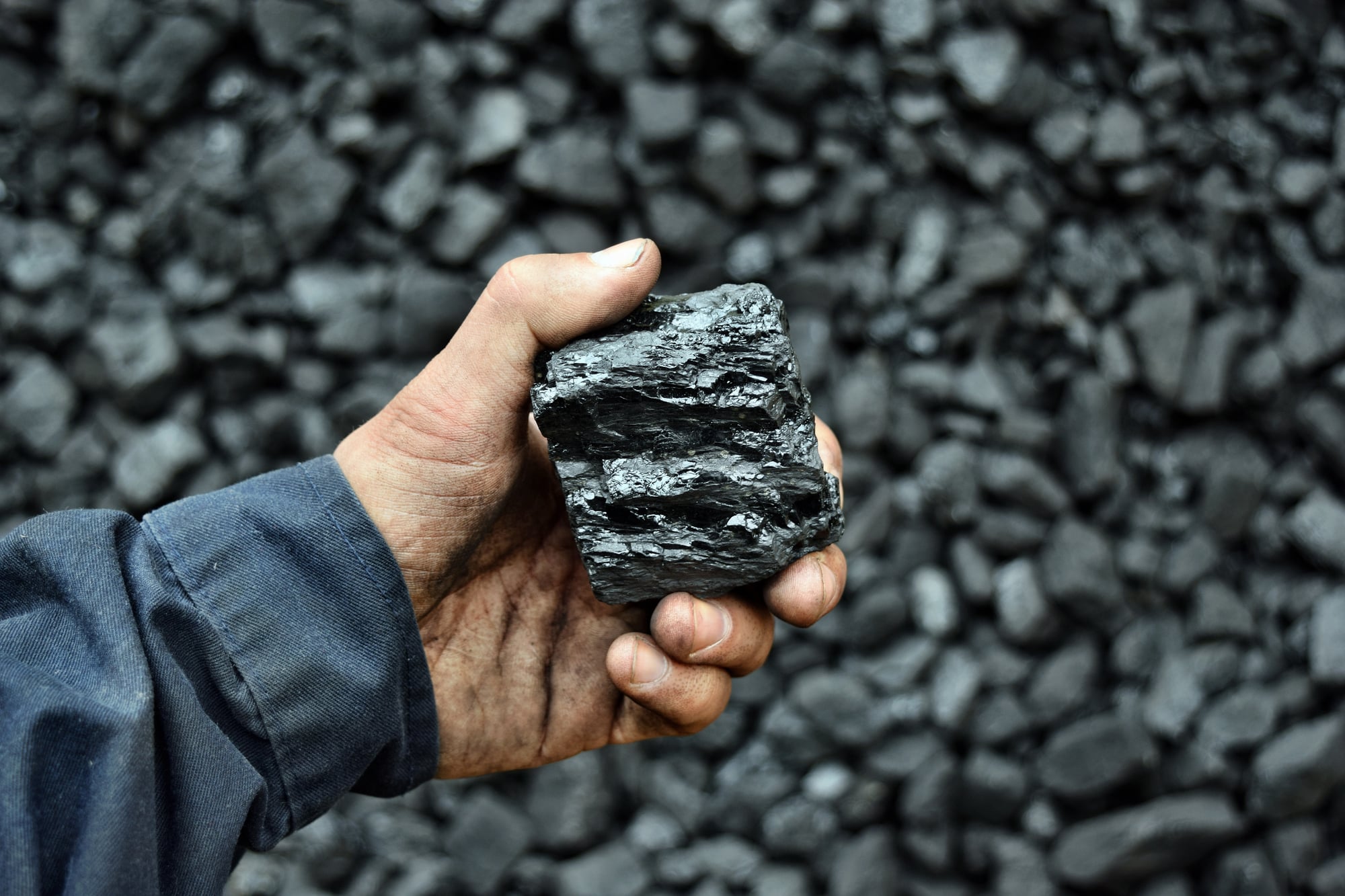
Early synthetic dyes were actually called ‘coal-tar colors’ because they were made from coal processing byproducts. By the turn of the 20th century, these coal-derived colors were showing up in everything from ketchup and mustard to jellies and wine.
It sounds pretty unappetizing now—but at the time, these synthetic options were considered technological marvels. They offered something nature couldn’t provide: colors that were cheaper, brighter, and more consistent.
Like Go2Tutors’s content? Follow us on MSN.
The Great Poisoning of 1851
Food coloring history has some genuinely scary chapters. In 1851, about 200 people in England were poisoned—and 17 died—from eating candy colored with toxic substances.
The lozenges contained dangerous minerals like arsenic, copper, and lead that were commonly used as colorants back then. This tragedy was one of the wake-up calls that eventually led to food safety regulations we rely on today.
The Birth of Food Regulation
The horrific poisoning incidents of the 1800s finally pushed governments to act. In 1882, Germany became one of the first countries to ban dangerous minerals like arsenic, copper, chromium, lead, mercury, and zinc from food colorants.
The United States followed with the Pure Food and Drug Act of 1906—which was groundbreaking legislation that started regulating what could and couldn’t be added to our food.
From 80 to 7
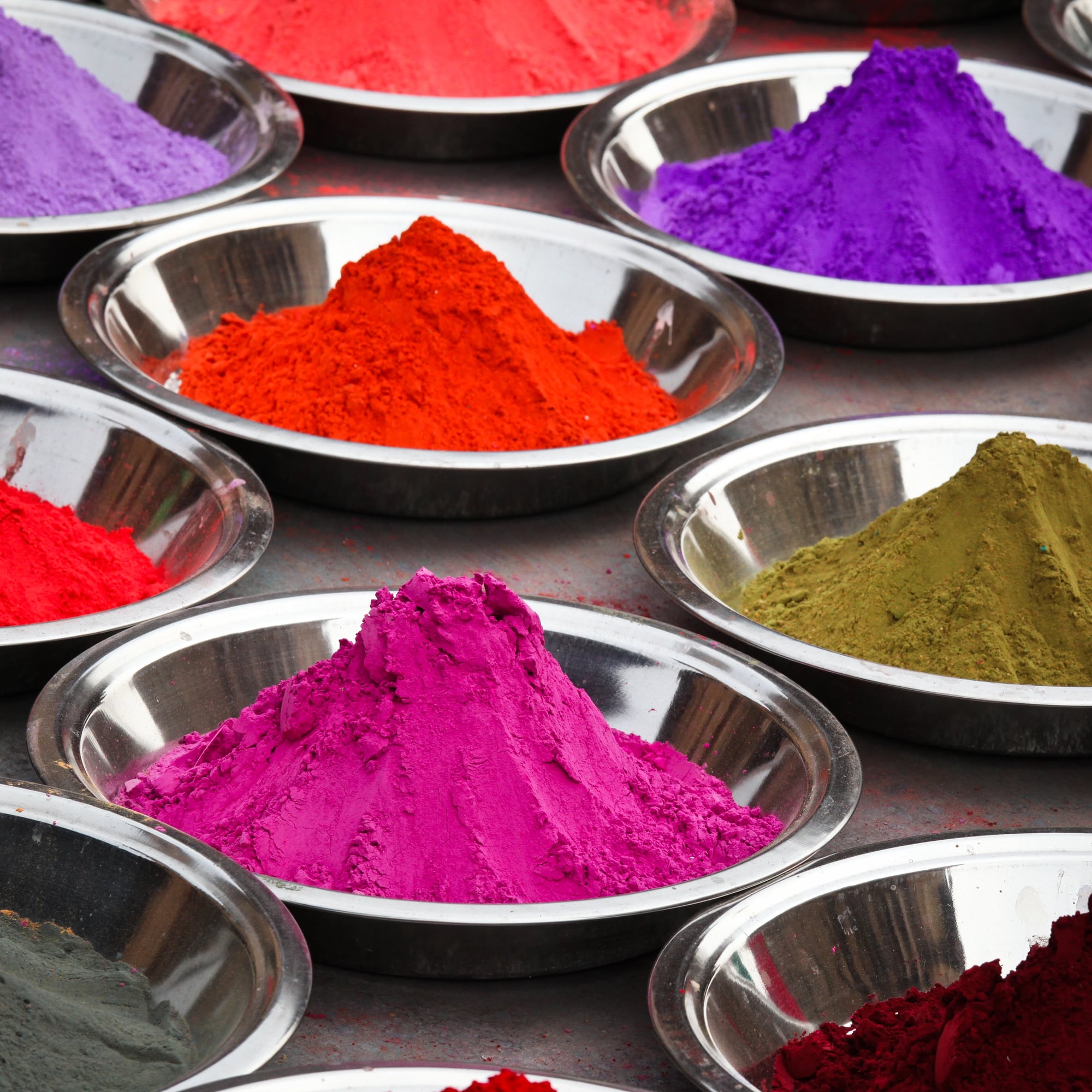
When the FDA first started regulating synthetic food dyes in 1906, there were over 80 different synthetic colors being used in foods. Today, after decades of safety testing and some concerning discoveries, only seven synthetic food dyes are approved for use in the United States.
That’s a pretty dramatic reduction—and it shows just how seriously food safety is taken compared to the early days.
Like Go2Tutors’s content? Follow us on MSN.
The Halloween Candy Crisis
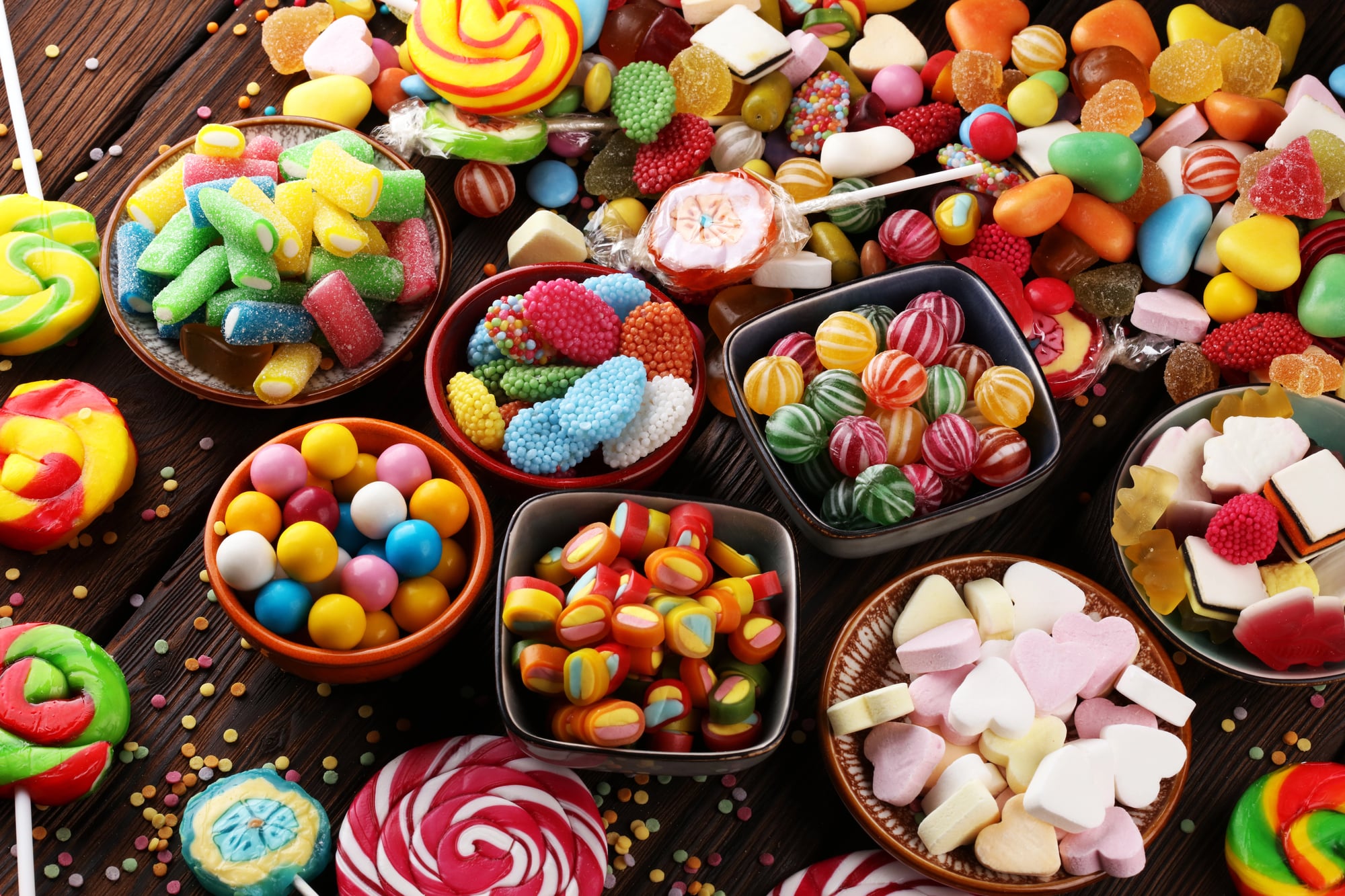
In 1950, FD&C Orange No. 1 was found to cause illness in children who ate Halloween candy containing the dye. This incident led to major reforms—including the Color Additive Amendment of 1960, which created stricter safety standards.
The amendment also divided colors into ‘certified’ and ‘exempt from certification’ categories. It’s sobering to think that something as innocent as trick-or-treating helped shape modern food safety laws.
The Bug-Based Red
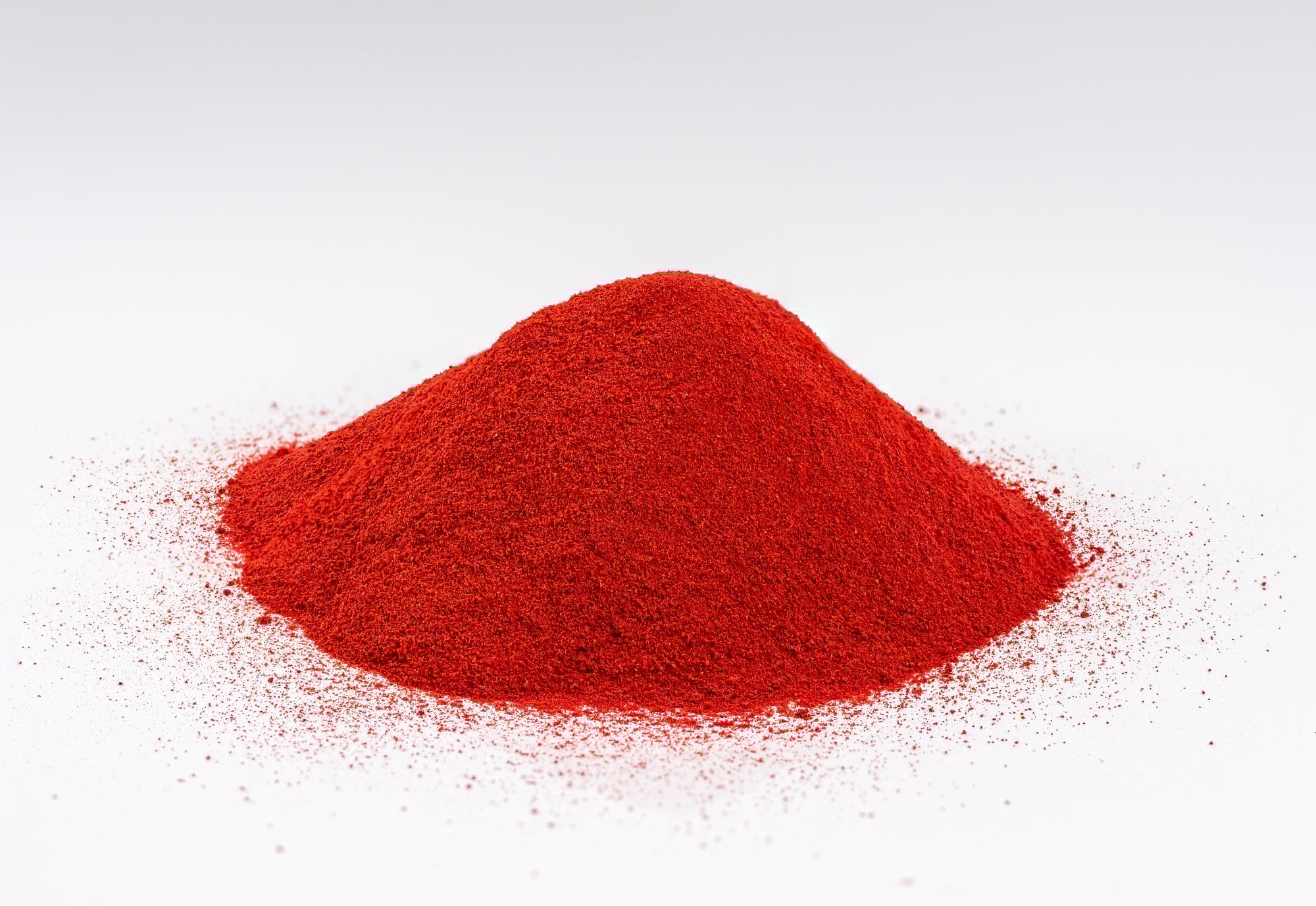
One of the most widely used natural red colorants, carmine, comes from cochineal insects that live on cacti. Workers literally hand-harvest these tiny bugs from cactus farms to create the vibrant red color you see in everything from strawberry yogurt to red velvet cake.
It’s completely natural and safe, yet it definitely makes you think twice about what ‘natural’ really means.
European Warning Labels
In Europe, foods containing certain artificial dyes like Yellow 5 and Yellow 6 must carry warning labels stating they ‘may have an adverse effect on activity and attention in children.’ American companies like McDonald’s and Kraft actually use natural colorings in their European products while continuing to use synthetic dyes in the same products sold in the United States.
Like Go2Tutors’s content? Follow us on MSN.
The Fermentation Future
Some of the most exciting developments in food coloring are happening in fermentation labs. Companies are now using yeast, algae, and fungi to produce natural colors more efficiently than traditional agriculture.
Instead of hand-harvesting bugs from cacti for red dye, scientists can grow the same pigments in bioreactors year-round. It’s like having a color farm that never depends on weather or seasons.
The Clean Label Movement
Today’s consumers are increasingly demanding ‘clean labels’—products with ingredients they can recognize and pronounce. This has pushed food companies to replace synthetic dyes with natural alternatives like turmeric for yellow, beet juice for red, and spirulina for blue.
It’s more expensive and technically challenging, but companies know that modern shoppers read ingredient lists like never before.
The Sweet Science Behind Every Bite
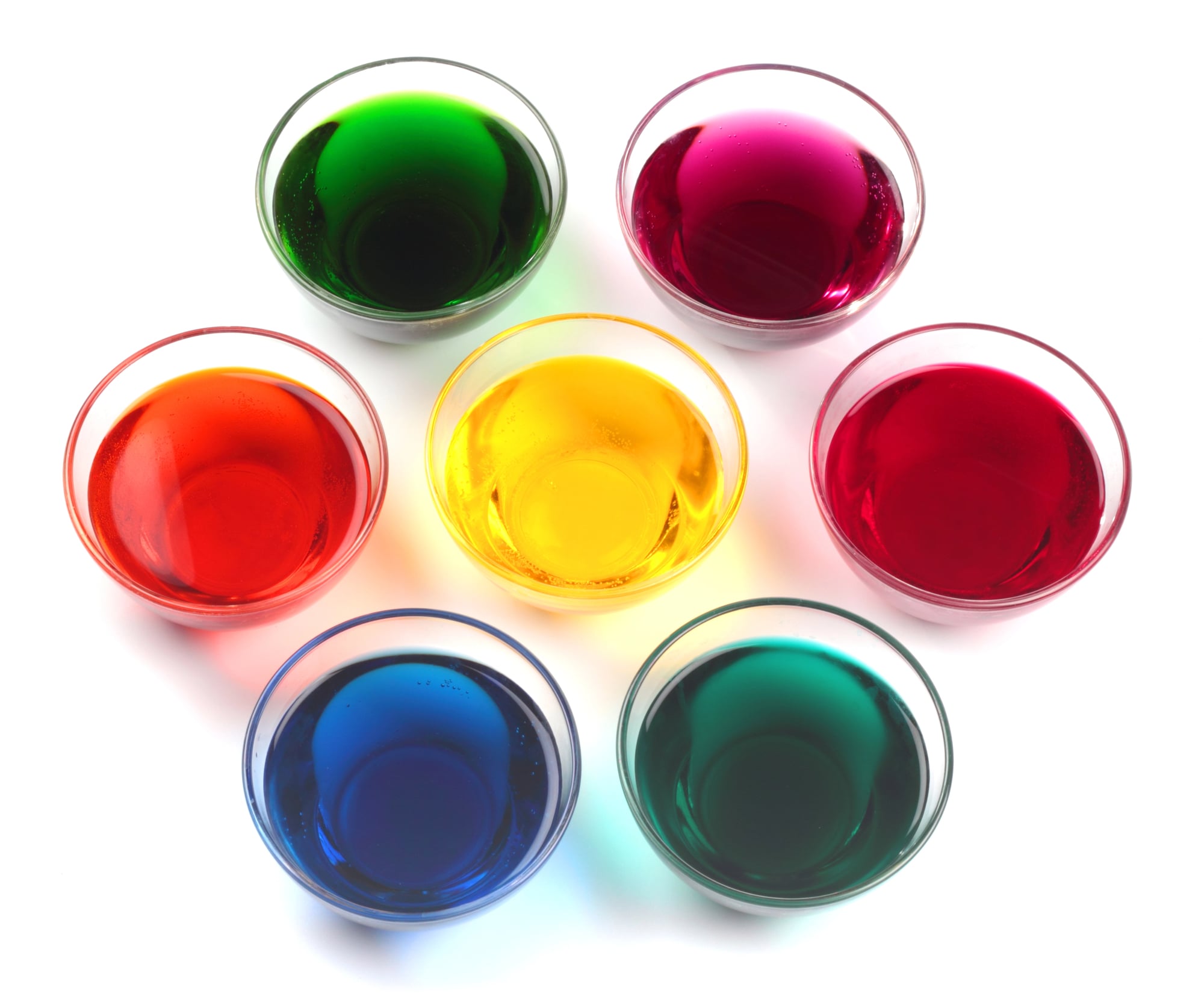
Although food coloring may seem like a straightforward addition to our meals, it is actually the result of thousands of years of scientific advancements, human ingenuity, and inventiveness. Humans have always tried to make food more aesthetically pleasing and enticing, from the ancient Egyptian confectioners who experimented with wine and plant extracts to the contemporary biotechnology labs that grow colors in bioreactors.
In addition to reminding us that even the most basic components of our food have surprisingly intricate and fascinating histories behind them, each vibrant bite ties us to this amazing tale of human ingenuity.
Like Go2Tutors’s content? Follow us on MSN.
More from Go2Tutors!

- 16 Historical Figures Who Were Nothing Like You Think
- 12 Things Sold in the 80s That Are Now Illegal
- 15 VHS Tapes That Could Be Worth Thousands
- 17 Historical “What Ifs” That Would Have Changed Everything
- 18 TV Shows That Vanished Without a Finale
Like Go2Tutors’s content? Follow us on MSN.



