20 National Dishes That Locals Rarely Eat Themselves
We all have those iconic dishes that seemingly represent entire nations. You know the ones—the meals that show up on tourist menus, postcards, and travel guides as “must-try traditional cuisine.”
But here’s the fascinating truth: many celebrated national dishes aren’t actually regulars on local dinner tables. Here is a list of 20 national dishes that, despite their international fame, locals tend to skip in their day-to-day eating habits.
Fish and Chips
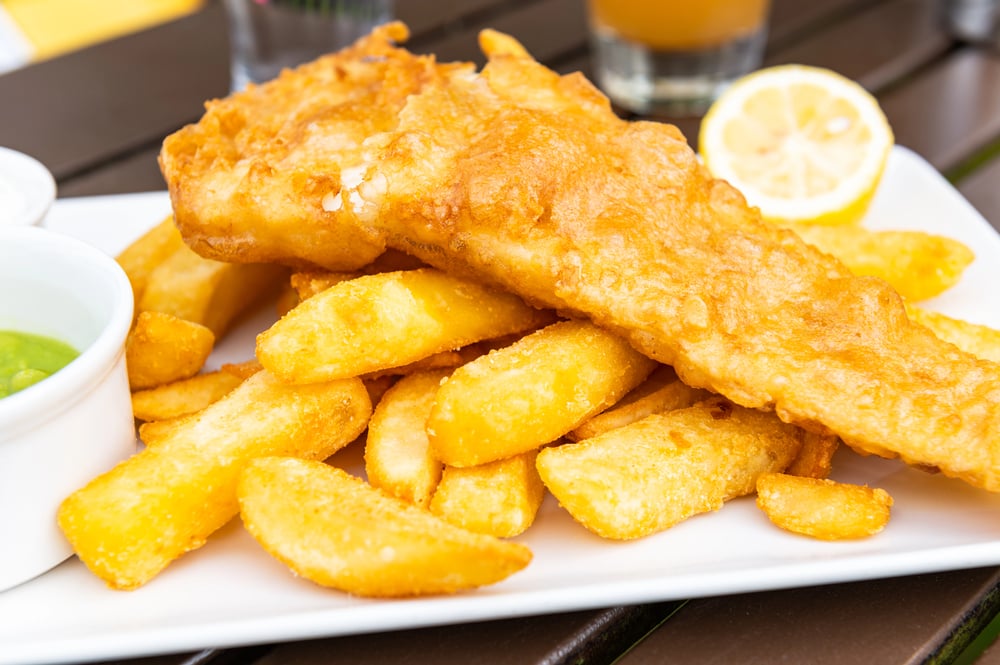
This British classic might seem like a daily staple across the UK, but most Brits only indulge in proper fish and chips occasionally. The greasy, newspaper-wrapped treat is more of a special weekend indulgence or seaside holiday tradition than everyday fare.
Many Britons now prefer lighter, more diverse cuisines for their regular meals, saving the deep-fried favorite for nostalgic moments.
Fondue
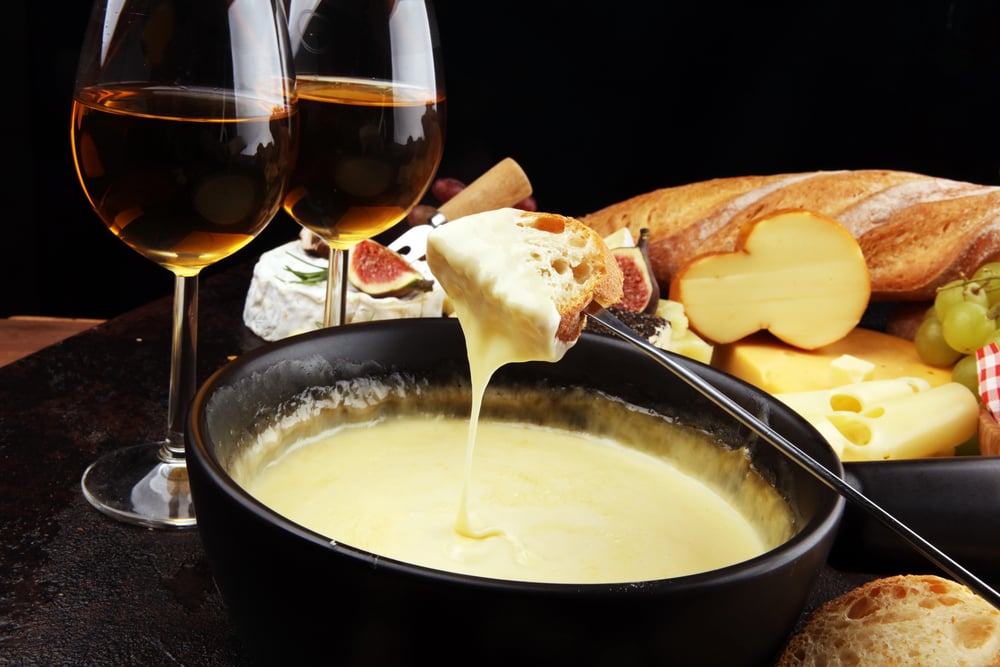
Switzerland’s melted cheese extravaganza requires special equipment, takes considerable time to prepare, and is incredibly heavy. Swiss locals generally reserve fondue for special winter gatherings or when entertaining tourists.
The rich dish is typically enjoyed a few times per year at most, often during the colder months as a social activity rather than a regular dinner option.
Like Go2Tutors’s content? Follow us on MSN.
Deep Dish Pizza

Chicago’s famous deep-dish pizza is more of a tourist attraction than a local go-to meal. Native Chicagoans more commonly eat thin-crust pizza cut into squares for everyday consumption.
The heavy, time-consuming deep dish version is something locals might enjoy occasionally or when showing visitors around, but it’s far from a weekly dinner choice in most Chicago households.
Paella
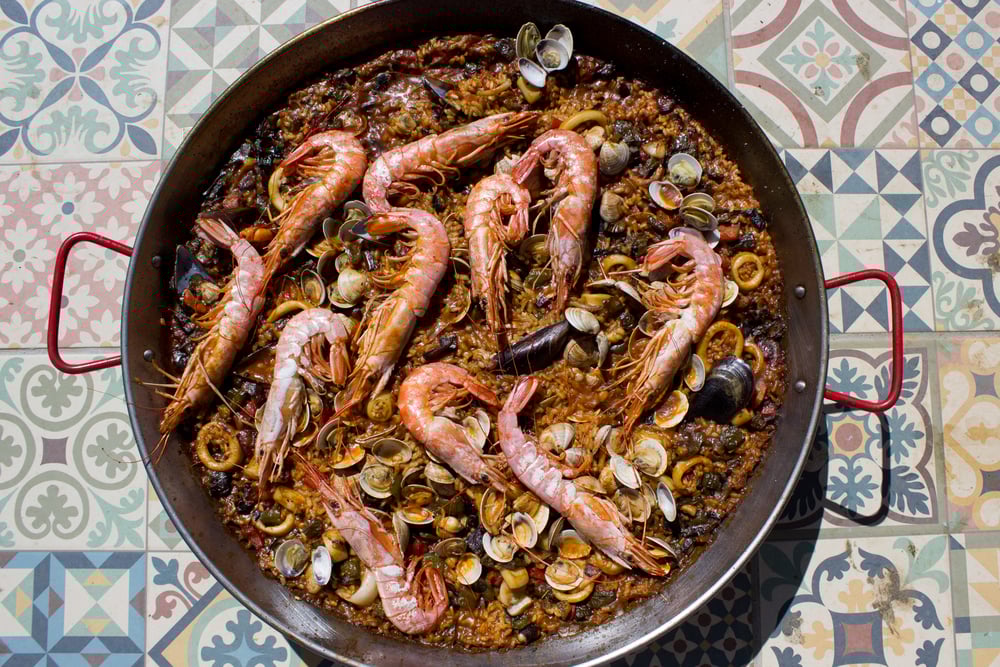
This iconic Spanish rice dish from Valencia requires significant preparation time and is traditionally made in large quantities. While genuinely beloved, most Spaniards save paella for Sunday family gatherings or special occasions.
Daily Spanish meals are typically much simpler, and outside Valencia, many Spaniards eat paella only a handful of times annually.
Haggis
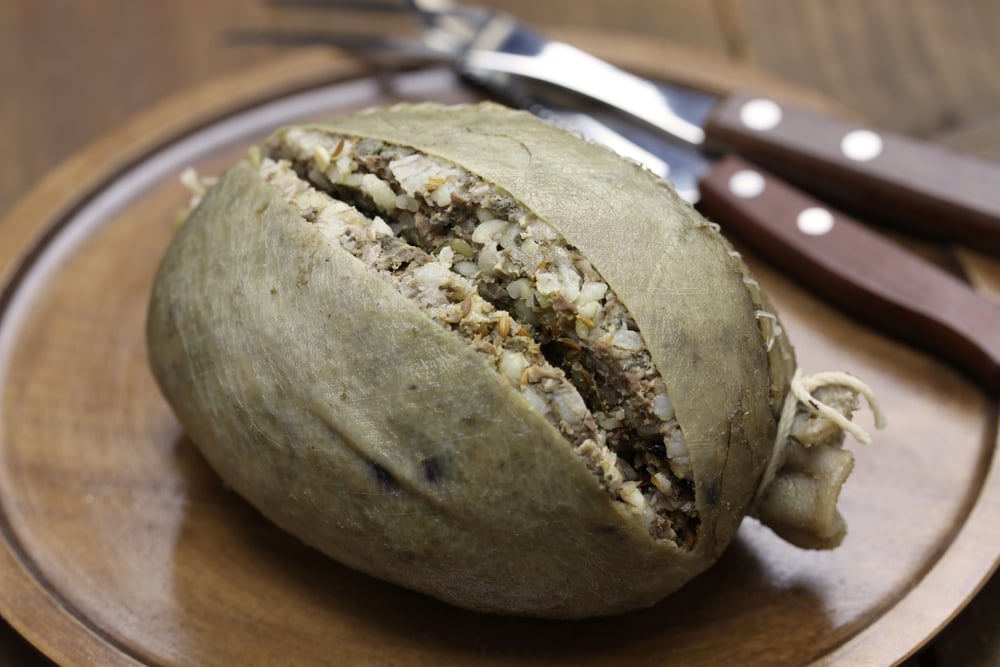
Scotland’s national dish of sheep organs mixed with oatmeal and spices is primarily reserved for Burns Night celebrations on January 25th. The average Scot might only eat traditional haggis once or twice a year at most.
Modern Scottish home cooking leans toward simpler meat dishes, pasta, and international cuisines, with haggis mainly appearing at ceremonial events or tourist establishments.
Like Go2Tutors’s content? Follow us on MSN.
Wiener Schnitzel
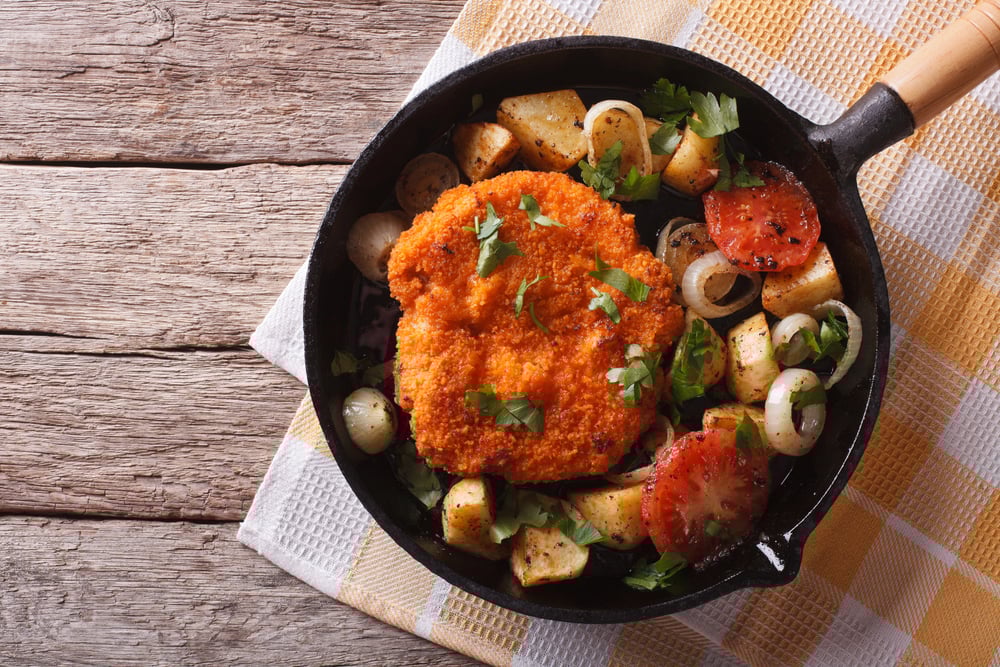
This breaded veal cutlet is internationally synonymous with Austrian cuisine, but it’s not a common weeknight dinner for Austrians. The preparation is too labor-intensive for regular consumption, and modern Austrian home cooking has diversified significantly.
Locals might make schnitzel for Sunday lunch or special occasions, but it’s far from the daily staple that tourists might imagine.
Feijoada
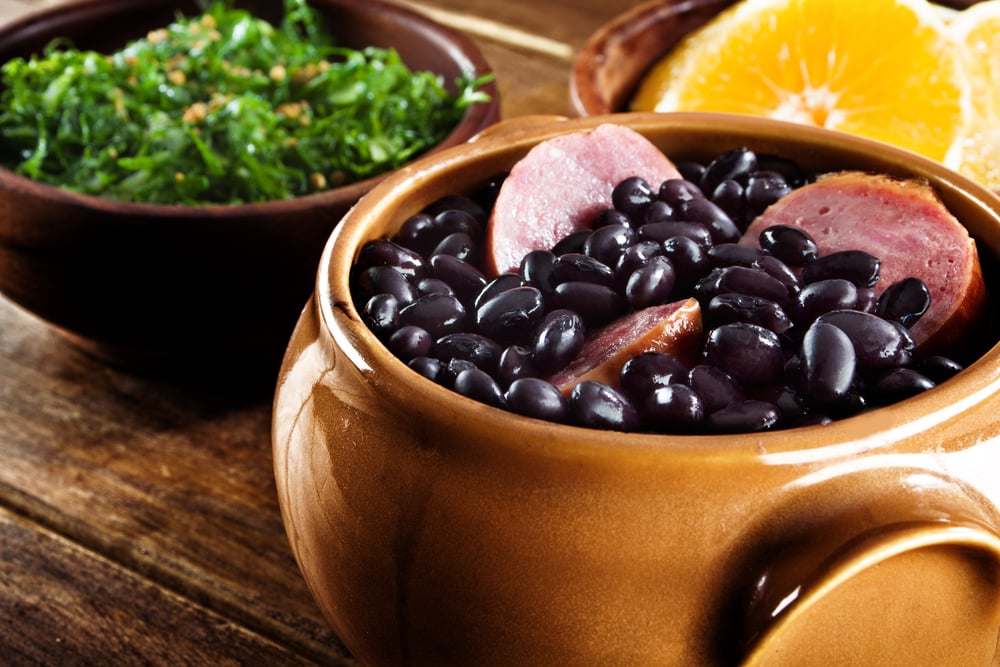
Brazil’s national dish—a black bean stew with various pork cuts—is traditionally served on Wednesdays and Saturdays in restaurants. The heavy, complex dish requires hours of preparation, making it impractical for daily consumption.
Most Brazilians enjoy feijoada monthly at most, saving the rich dish for weekend family gatherings rather than regular meals.
Beef Wellington
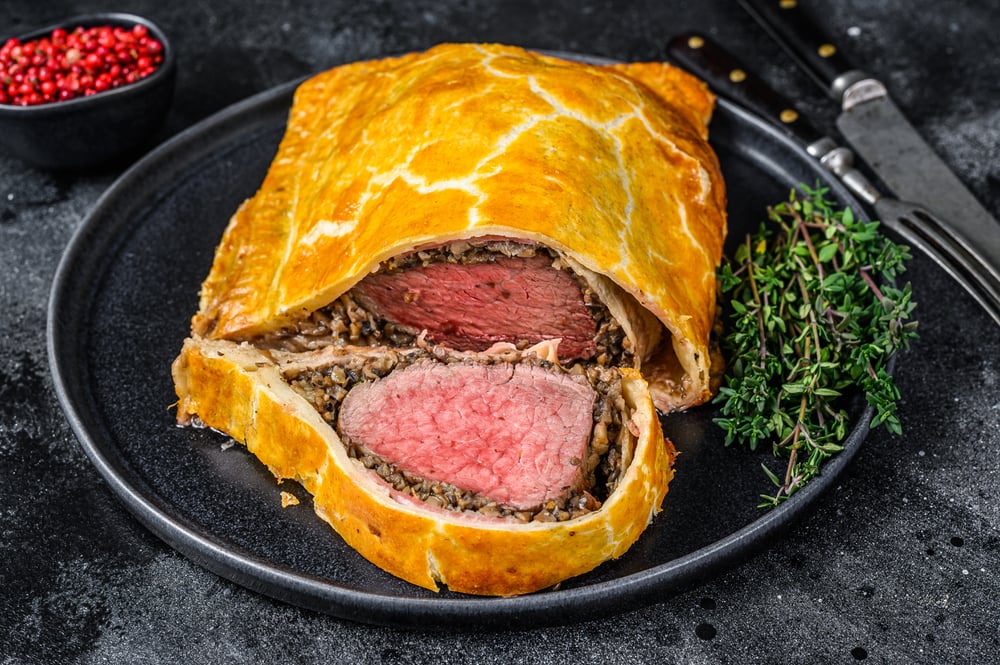
Despite its reputation as a quintessentially British dish, this complicated creation of beef tenderloin wrapped in pastry is rarely made in British homes. The cost of ingredients and complex preparation put it firmly in “special occasion” territory.
Most Brits have eaten Beef Wellington in restaurants more often than home-cooked versions, if they’ve had it at all.
Like Go2Tutors’s content? Follow us on MSN.
Coq au Vin
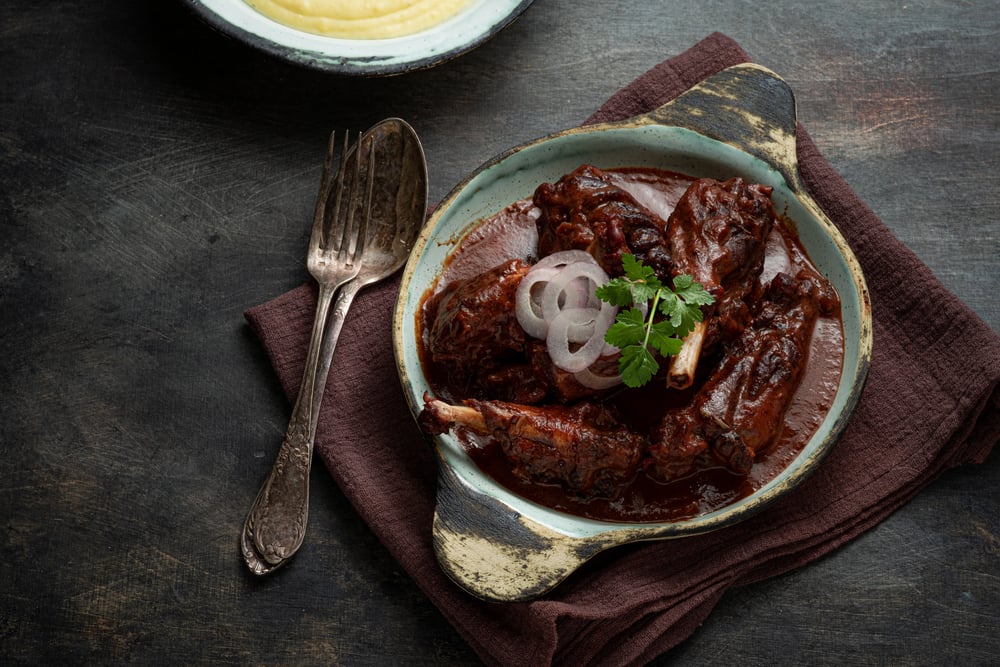
Julia Child may have made this dish famous internationally, but modern French families rarely prepare this wine-braised rooster for everyday meals. The long cooking time and rich ingredients make it more suitable for special Sunday dinners or holiday celebrations.
Contemporary French home cooking tends to be much simpler and quicker than this classic.
Peking Duck
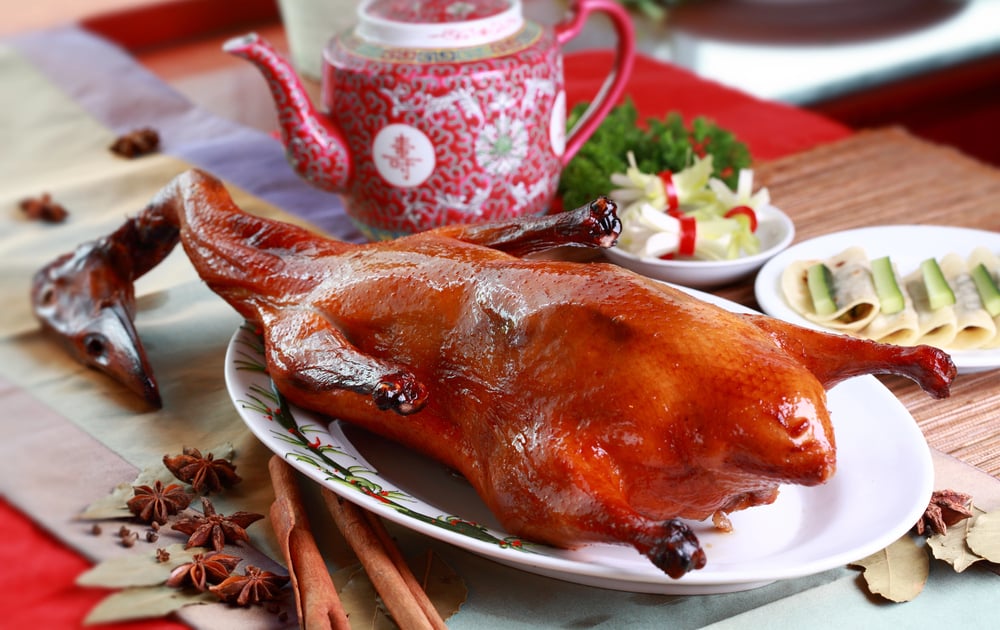
This labor-intensive dish requires special equipment and techniques to achieve its signature crispy skin. Even in Beijing, locals typically only eat Peking duck when dining out for celebrations or hosting out-of-town guests. H
ome cooks rarely attempt this complicated preparation, and everyday Chinese meals bear little resemblance to this ceremonial dish.
Moussaka

Greece’s famous eggplant and meat casserole is time-consuming to prepare properly. Contemporary Greek families may make moussaka for Sunday gatherings or special occasions, but it rarely appears in everyday meal rotation.
Simpler dishes like grilled meats, vegetable stews, and fresh salads comprise the actual daily diet of most Greeks.
Like Go2Tutors’s content? Follow us on MSN.
Turkey
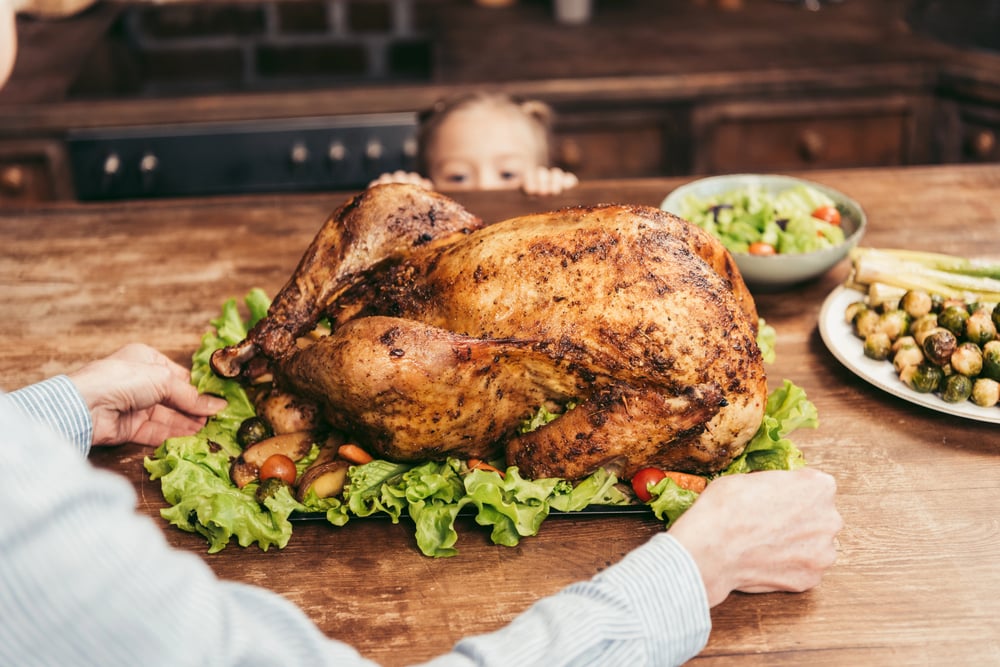
While Americans certainly eat turkey at Thanksgiving and sometimes Christmas, the massive roasted bird is surprisingly uncommon during the rest of the year. Despite being considered quintessentially American, turkey sandwiches aside, the whole roasted presentation is almost exclusively a holiday food.
Most American families go months without cooking turkey in any form.
Chole Bhature
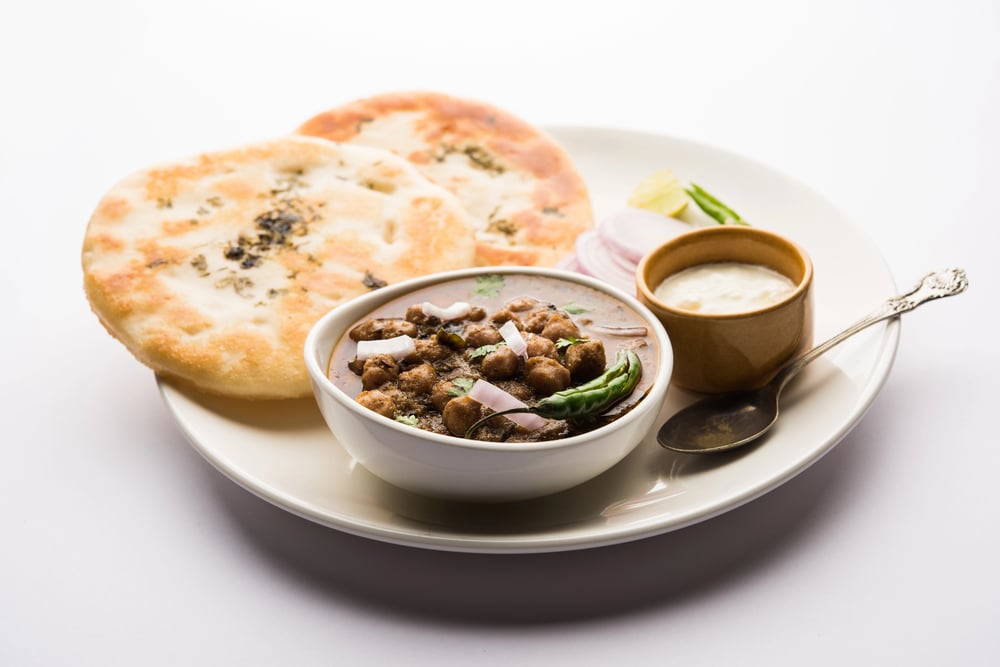
This rich Punjabi dish of spiced chickpeas with fried bread is often portrayed as typical Indian food, but it’s generally considered a special treat rather than everyday fare. Most Indian families reserve this heavy, indulgent combination for weekend brunch or special occasions.
Daily meals in Indian households tend to be lighter and more vegetable-focused.
Irish Stew
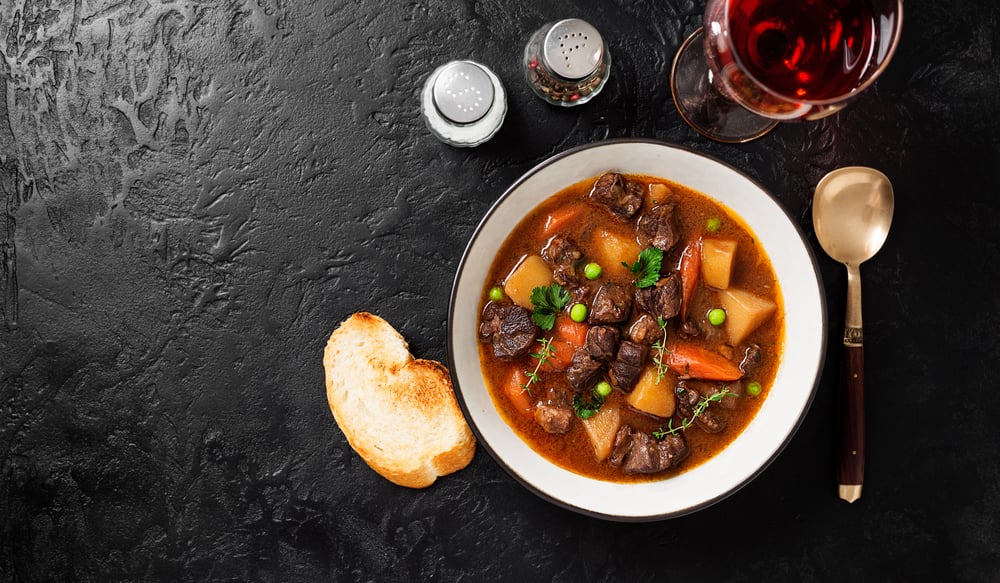
Traditional lamb stew might appear on every Irish-themed restaurant menu worldwide, but contemporary Irish families prepare it infrequently. Modern Irish cooking has evolved to include diverse international influences, with pasta dishes and stir-fries appearing more regularly than traditional stews.
The hearty dish is more likely to appear occasionally during colder months rather than year-round.
Like Go2Tutors’s content? Follow us on MSN.
Köttbullar
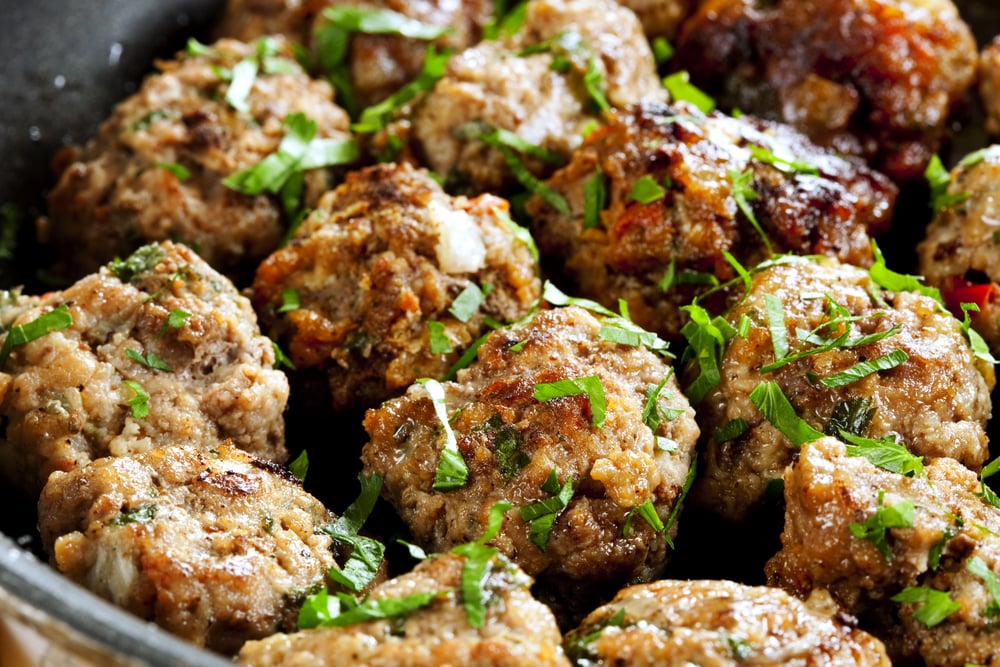
IKEA made Swedish meatballs famous throughout the world, but Swedes don’t eat them nearly as frequently as people from other countries may believe. The classic lingonberry jam and cream sauce recipe takes a little longer, so it’s better suited for holidays or weekend dinners.
Every day, Swedish cuisine is becoming more global and focused on convenience.
Kimchi Jjigae
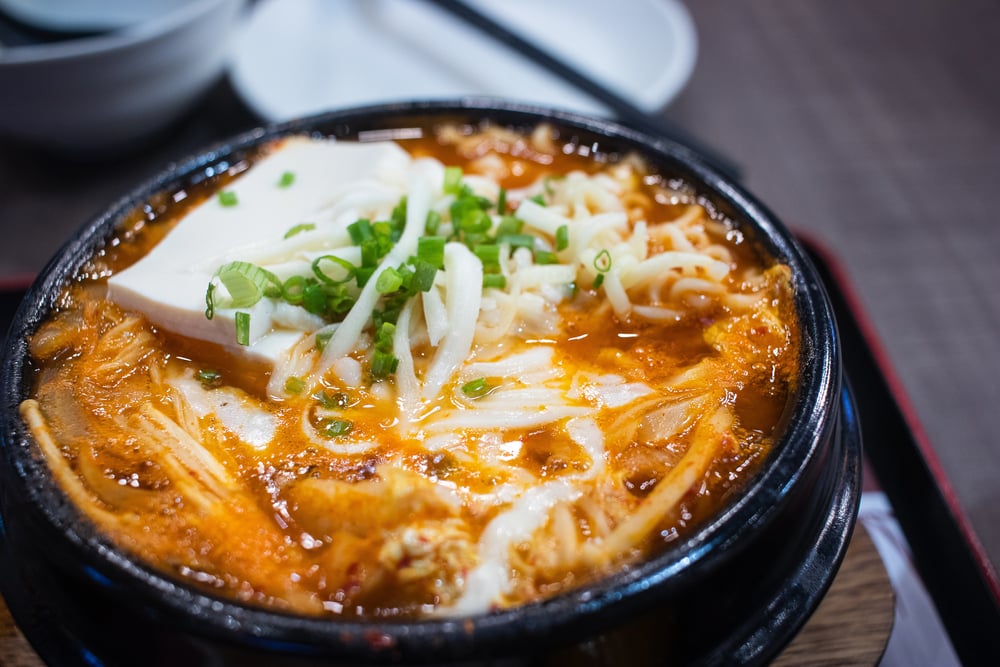
While kimchi itself is indeed a Korean staple, the famous kimchi stew is not necessarily an everyday meal for modern Koreans. The spicy, fermented dish is more commonly enjoyed during restaurant outings or weekend family meals.
Younger generations in Korea increasingly incorporate Western-style meals into their diets, saving traditional stews for occasional consumption.
Escargot
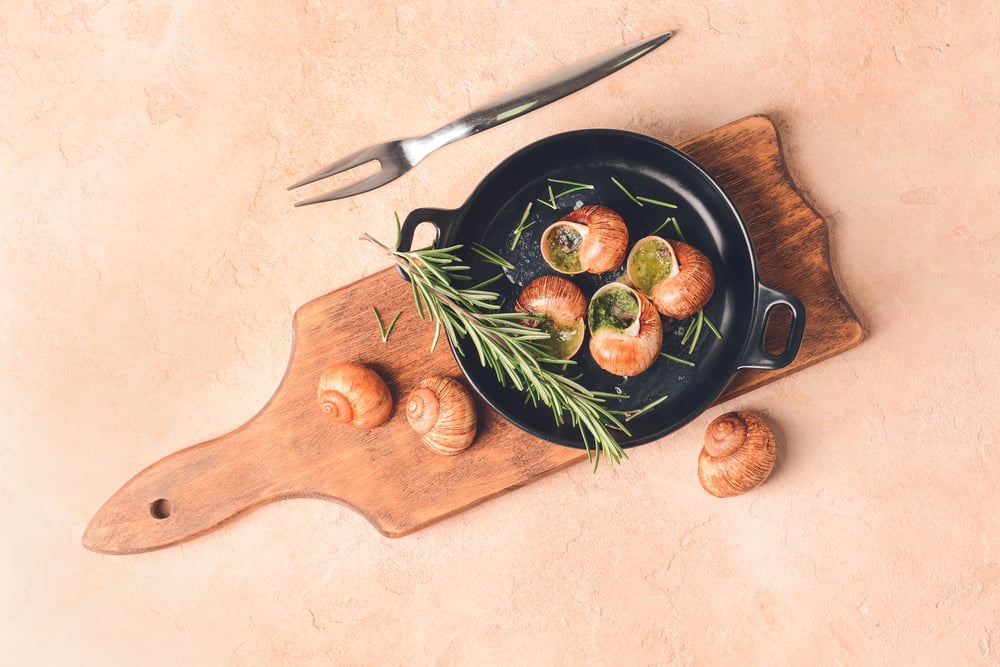
The buttery garlic snails that tourists associate with French cuisine are rarely prepared in French homes. This dish has always been more of a restaurant specialty than home cooking, even among older generations.
Most French people eat escargot only occasionally when dining out, treating it as a special indulgence rather than a representative of daily French eating habits.
Like Go2Tutors’s content? Follow us on MSN.
Pavlova

Australia and New Zealand famously argue over who invented this meringue dessert, but citizens of both countries typically make pavlova only for holidays and special occasions. The elaborate sweet treat requires significant preparation time and is far too indulgent for regular consumption.
Most Aussies and Kiwis only enjoy pavlova a few times yearly.
Fårikål
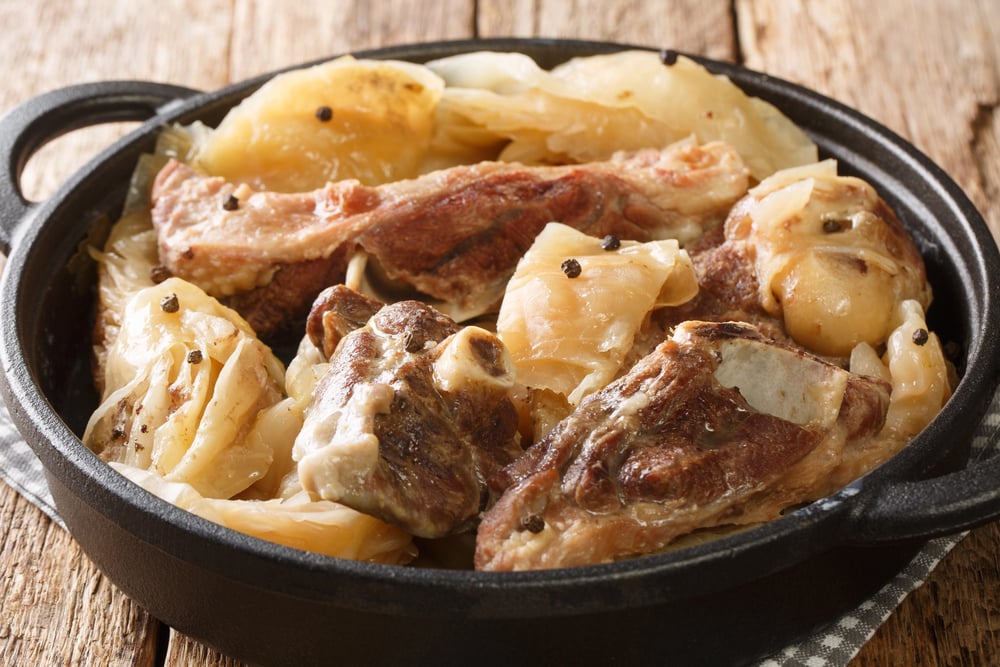
Norway’s national dish of lamb and cabbage stew has its own dedicated day (the last Thursday in September), but that’s often the only time many Norwegians eat it. The simple but distinctive dish has fallen out of regular rotation in modern Norwegian households, where international cuisines and convenience foods have gained popularity.
Many younger Norwegians eat fårikål primarily out of cultural tradition rather than preference.
Borscht
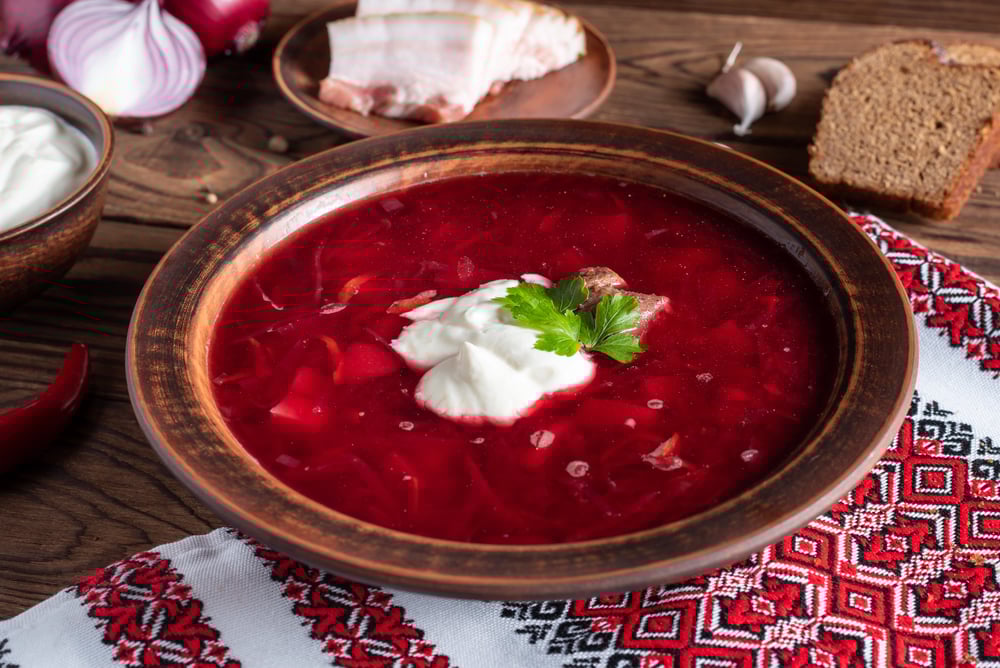
Ukraine’s famous beet soup is labor-intensive in its traditional form, requiring multiple stages of preparation. While still beloved, urban Ukrainians typically prepare borscht for Sunday family gatherings rather than weekday meals.
The bright red soup remains culturally important but has transitioned from daily sustenance to a dish made with care for special occasions.
Like Go2Tutors’s content? Follow us on MSN.
Beyond Tourist Menus
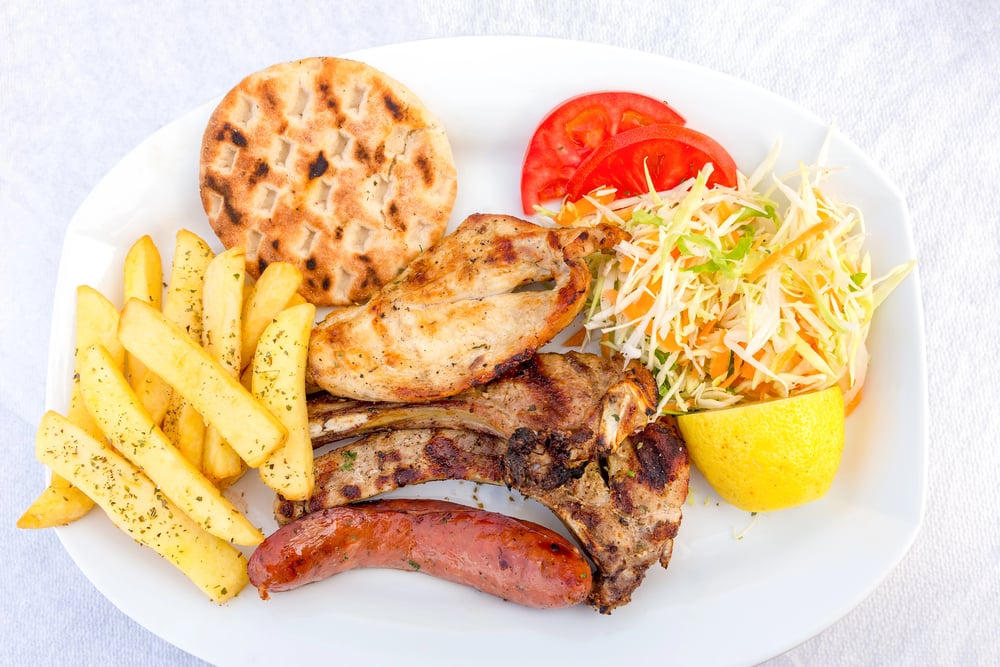
These famous national dishes expose something intriguing about food culture: what supports its people every day often differs from what promotes a country internationally. Often, the most complex, celebration-worthy dishes rather than daily cuisine become national emblems.
This disparity between culinary reputation and daily reality serves as a reminder that genuine food culture is always more complicated and changing than what is shown on restaurant tablecloths or souvenir magnets.
More from Go2Tutors!

- 18 Unexpectedly Valuable Collectibles You Might Have Lying Around
- 15 Things Every Teenager in the ’70s Did That Teens Today Wouldn’t Understand
- 15 Strange Things People Have Tried to Ban (And Failed)
- 15 Inventions That Were Immediately Banned After Being Created
- 20 Actors Who Were Almost Cast in Iconic Roles
Like Go2Tutors’s content? Follow us on MSN.