15 Space Discoveries That Shocked Scientists
Space has always been good at humbling scientists. Just when astronomers think they’ve mapped out how the universe works, something completely unexpected shows up to flip everything upside down. These aren’t small corrections to existing theories—they’re jaw-dropping discoveries that force researchers to question fundamental assumptions about reality itself.
The most exciting moments in astronomy happen when observations don’t match predictions. Here is a list of 15 space discoveries that left scientists scrambling to rewrite textbooks and rethink everything they thought they knew about the cosmos.
The James Webb Telescope’s Ancient Galaxy Problem
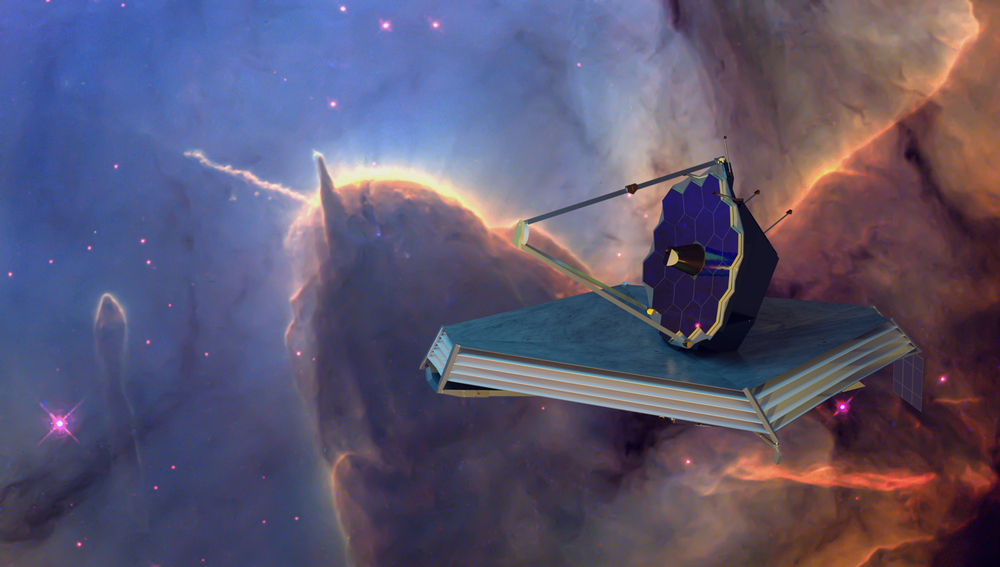
When the James Webb Space Telescope peered deeper into space than ever before, it found something that shouldn’t exist. Massive, fully-formed galaxies were sitting there just 400 million years after the Big Bang—yet they looked ancient.
These cosmic giants appeared mature and structured, as if they’d been evolving for billions of years. Current models of galaxy formation simply can’t explain how such complex structures developed so quickly in the universe’s infancy.
Oumuamua’s Mysterious Acceleration
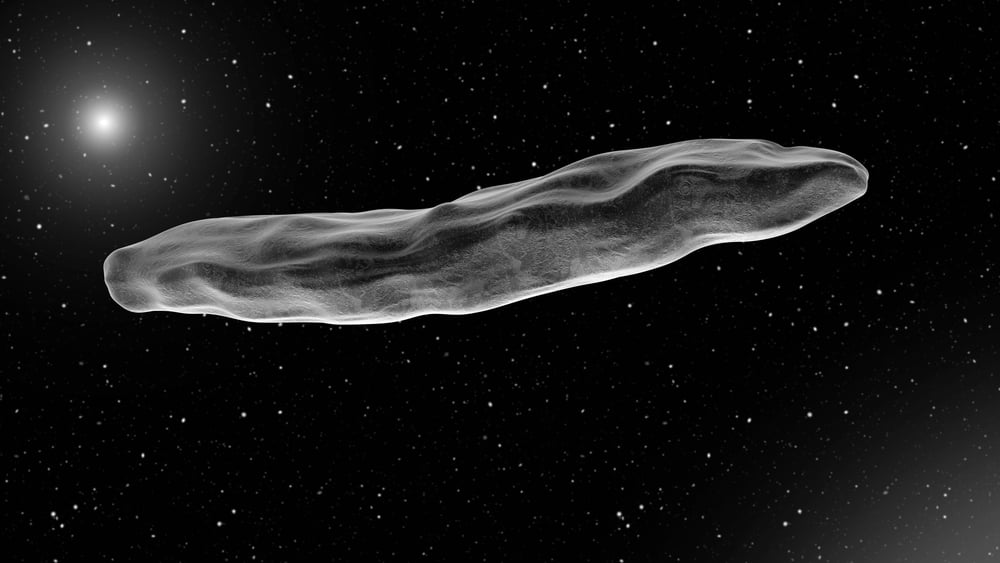
Astronomers initially classified Oumuamua as a typical asteroid when it entered our solar system in 2017. This pencil-shaped visitor had other ideas, though—it started accelerating away from the sun in ways that gravity alone couldn’t explain.
The object’s trajectory suggested some kind of non-gravitational force was acting on it. While some proposed exotic explanations involving alien technology, others suggested more mundane causes like outgassing hydrogen or unusual surface properties.
Dark Energy Getting Stronger
For decades, scientists assumed dark energy was a constant force steadily pushing the universe apart. Recent observations suggest this mysterious energy might actually be intensifying over time—accelerating cosmic expansion at an ever-increasing rate.
If true, this discovery paints a rather dramatic picture of the universe’s future. Instead of gradually expanding forever, space itself might eventually stretch so violently that it tears apart atoms, planets, and even the fabric of reality.
Rogue Planets Wandering Alone
The discovery of planets drifting through interstellar space without any host star came as a complete surprise. These cosmic outcasts—ejected from their birth systems through gravitational interactions—wander the galaxy in perpetual darkness.
Current estimates suggest billions of these rogue worlds might exist in our galaxy alone. Some could even retain enough internal heat to support subsurface oceans, creating potential havens for life in the most unlikely places.
The Missing Antimatter Mystery

Physics predicts that the Big Bang should have produced equal quantities of matter and antimatter. If that were actually the case, these opposite particles would have annihilated each other completely—leaving behind nothing but pure energy.
The fact that stars, planets, and people exist at all means something went dramatically wrong with this symmetry. Scientists still can’t figure out why the universe chose matter over antimatter, though several theories attempt to explain this fundamental cosmic bias.
Fast Radio Bursts From Nowhere
In 2007, astronomers stumbled across radio signals that release more energy in milliseconds than our sun produces in entire days. These Fast Radio Bursts appear randomly across the sky—some repeat on schedules, others fire once and disappear forever.
Despite years of investigation, their origins remain largely mysterious. The signals seem to follow no consistent pattern, making them one of astronomy’s most perplexing phenomena.
Supermassive Black Void That Grew Too Fast
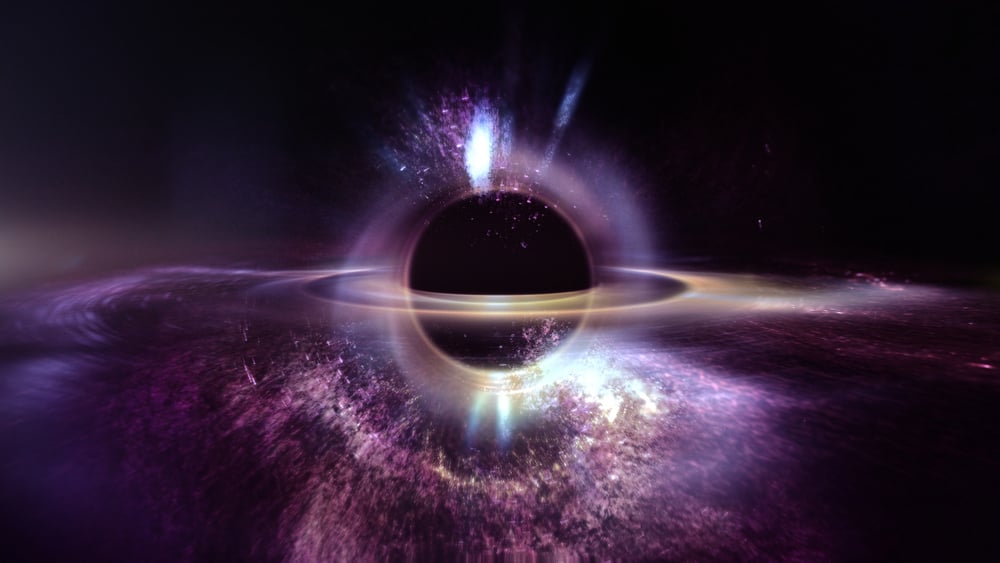
Recent observations revealed supermassive black voids in the early universe that were already billions of times more massive than our sun. The problem? These cosmic monsters simply didn’t have enough time to grow that large through conventional feeding methods.
Standard accretion processes would require far more time than the universe’s age at that point. Either these black voids formed through unknown mechanisms, or they grew by consuming matter at rates that challenge current physics.
The Great Attractor’s Hidden Pull
Something enormous is dragging our entire galaxy—along with thousands of others—toward a mysterious region of space. This gravitational anomaly, dubbed the Great Attractor, lies hidden behind the dusty plane of our own Milky Way.
Whatever lurks there exerts such tremendous gravitational influence that it’s pulling galaxy clusters across hundreds of millions of light-years. The object remains largely invisible to our telescopes, making it one of the most significant yet least understood structures in the nearby universe.
Water on Mars That Keeps Disappearing
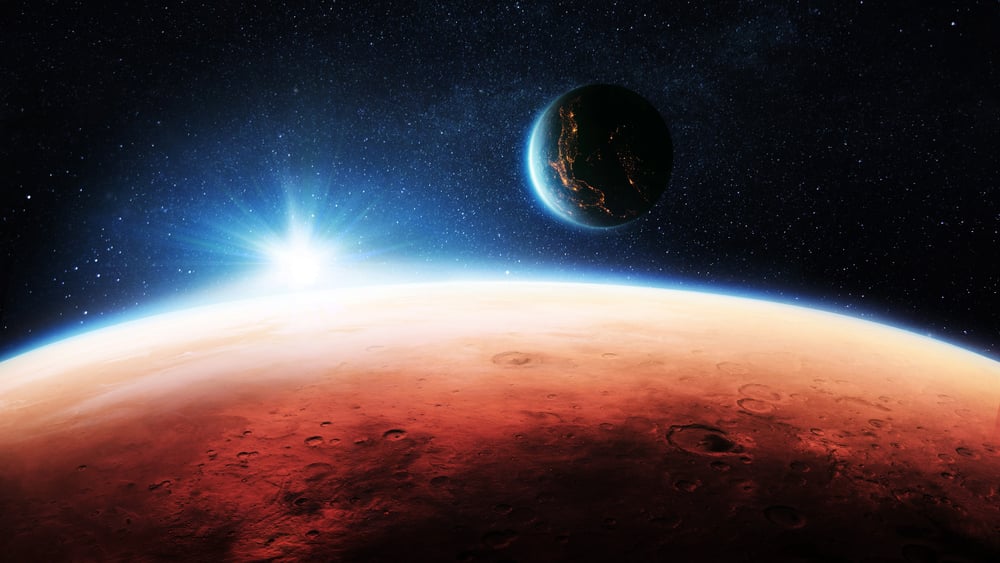
Evidence for ancient liquid water on Mars is everywhere—dried riverbeds, mineral deposits, and ancient shorelines tell the story of a once-wet world. Yet when scientists try to account for all that water, the calculations don’t balance.
Most of Mars’ original water supply seems to have vanished without leaving clear traces. Some might have escaped to space, while more could be locked in underground reservoirs, but the planet’s missing water remains one of its greatest mysteries.
Tabby’s Star’s Bizarre Dimming
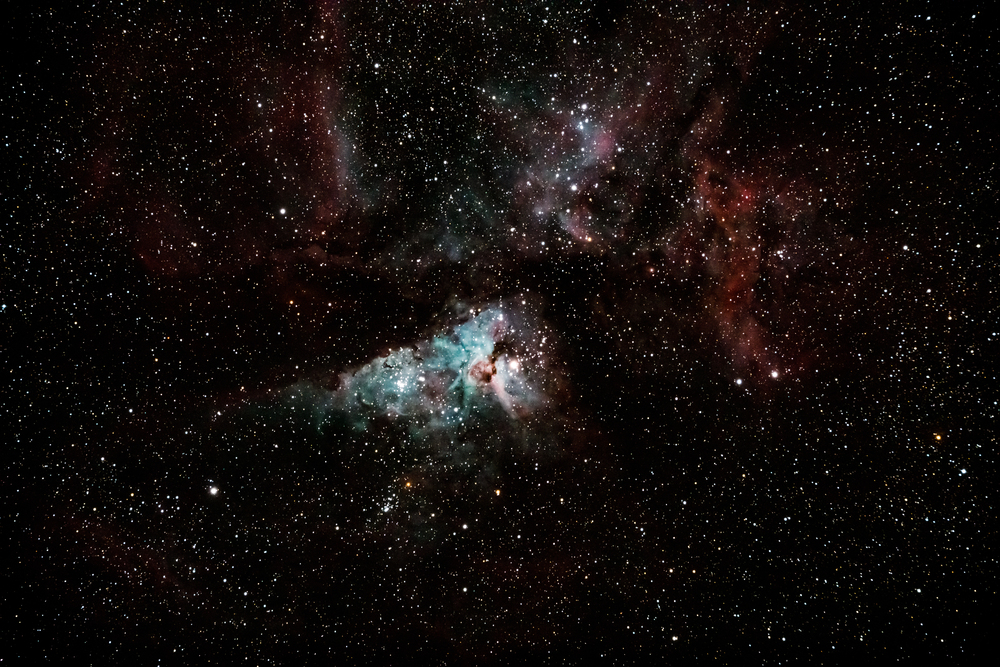
KIC 8462852 randomly dims by up to 22 percent, blocking far more light than any known planetary transit should allow. Normal planets only obscure about 1 percent of their star’s brightness—whatever’s causing Tabby’s Star to dim must be enormous and irregularly shaped.
The dimming patterns follow no predictable schedule, ruling out most conventional explanations. Theories have ranged from swarms of comets to massive alien constructions, though none adequately explain all the observations.
The Fermi Bubbles Above Our Galaxy
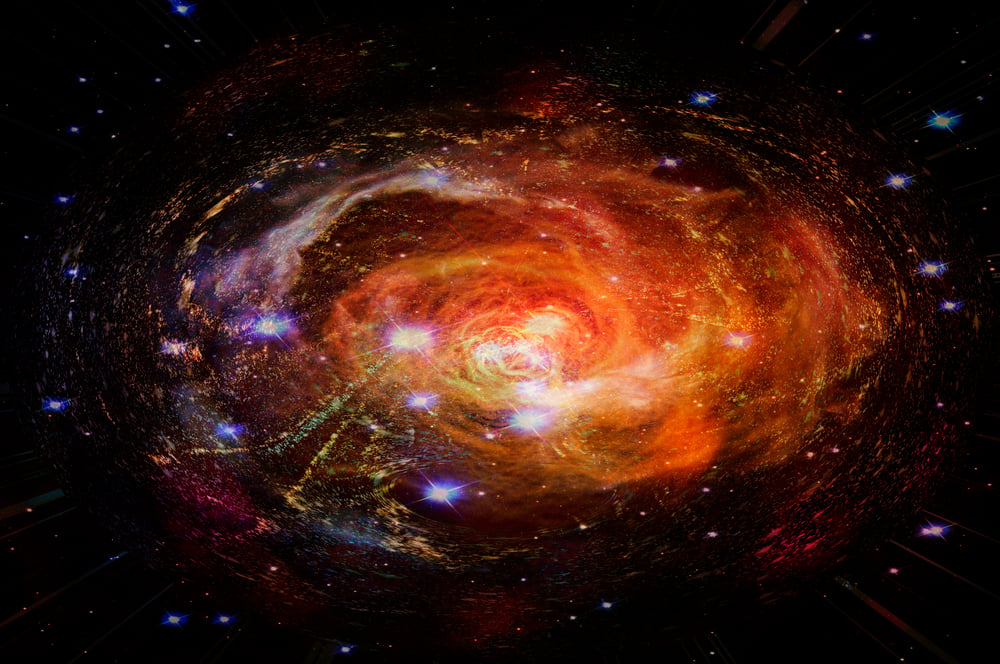
Two colossal structures extend 25,000 light-years above and below the center of our galaxy, yet remained completely unknown until 2010. These Fermi Bubbles consist of high-energy gas and particles, likely remnants from some catastrophic event millions of years ago.
Whatever created them must have been incredibly violent – possibly a massive explosion from our galaxy’s great abyss. The structures are so large they dwarf most other galactic features, yet somehow escaped detection for decades.
Phosphine in Venus’ Clouds
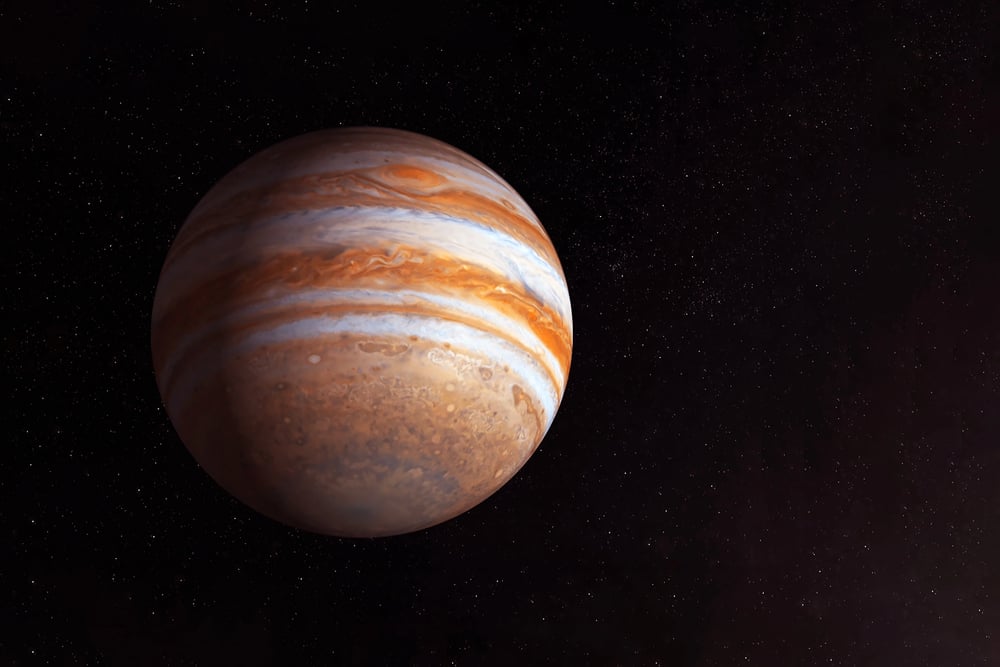
The detection of phosphine gas in Venus’ atmosphere sent shockwaves through the scientific community. On Earth, this particular molecule is produced almost exclusively by living organisms or industrial processes.
Venus obviously lacks factories, which leaves biological activity as a tantalizing possibility. While the initial findings sparked intense debate and follow-up studies, the presence of this biosignature gas in such a hostile environment continues to puzzle researchers.
The Cold Spot in Cosmic Background Radiation
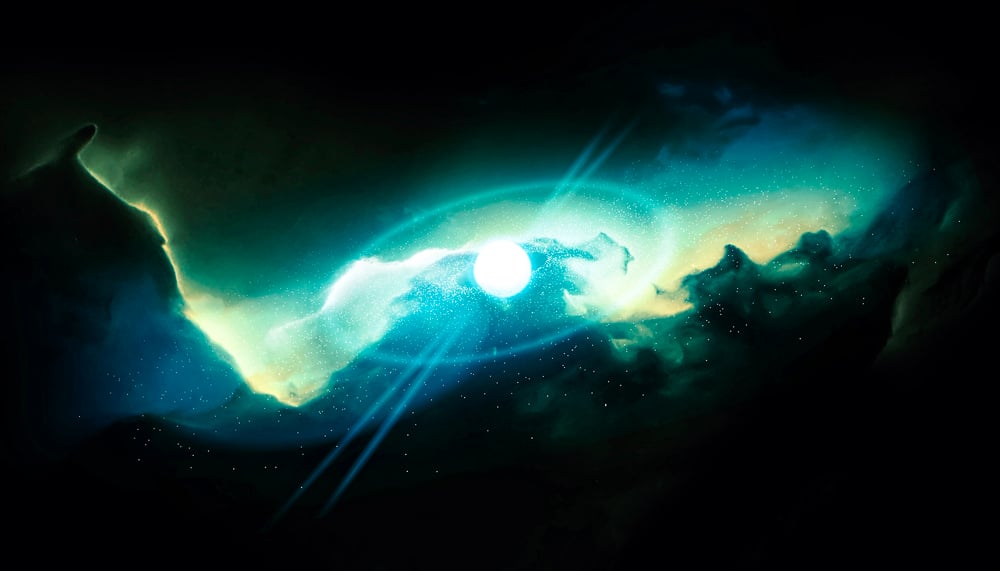
The cosmic microwave background radiation should appear relatively uniform across the entire sky. Instead, there’s an enormous cold region roughly 20 times the width of the full moon that defies standard cosmological models.
This temperature anomaly is so large and unexpected that some scientists have proposed exotic explanations. These range from evidence of parallel universes to supervoids – massive empty regions of space that somehow affect the ancient light passing through them.
Proxima Centauri’s Potentially Habitable Planet
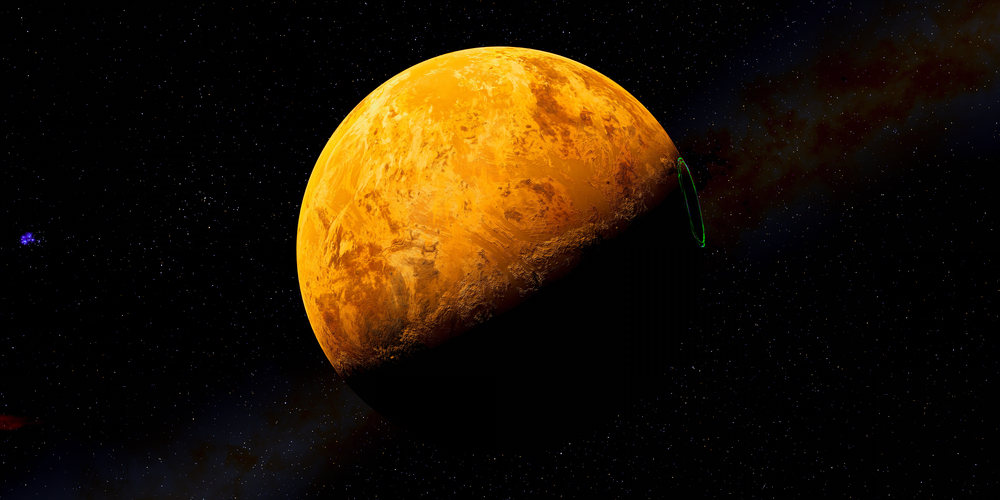
The discovery that our nearest stellar neighbor hosts a rocky planet in its habitable zone was entirely unexpected. Proxima Centauri b orbits just the right distance from its red dwarf star to potentially maintain liquid water on its surface.
This means the closest possible destination for interstellar exploration might actually be worth visiting. The planet receives similar amounts of stellar energy as Earth, though whether it could actually support life remains an open question.
The Wow Signal That Never Repeated
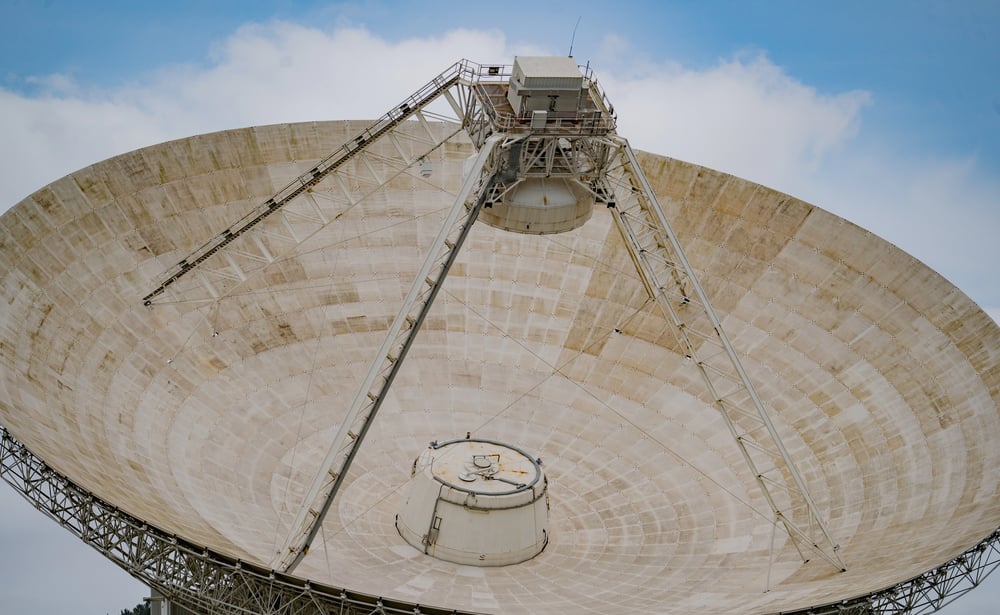
On August 15, 1977, a radio telescope detected an extraordinarily powerful signal from space that lasted exactly 72 seconds before disappearing forever. The transmission was so unusual and precisely structured that astronomer J. Ehman wrote “Wow!” next to the data printout.
Despite decades of searching the same region of sky, no similar signal has ever been detected again. The source and nature of this one-time event remain completely unexplained, making it one of the most intriguing mysteries in the search for extraterrestrial intelligence.
The Cosmic Web We Never Saw Coming

Modern astronomical surveys revealed that galaxies aren’t scattered randomly through space but form an intricate web-like pattern spanning billions of light-years. This cosmic web consists of dark matter filaments connecting galaxy clusters, with vast empty voids between them.
The discovery fundamentally changed how scientists understand the universe’s large-scale architecture. Rather than being a relatively uniform distribution of matter, space has an incredibly complex structure that governs how galaxies form and evolve over cosmic time.
More from Go2Tutors!

- The Romanov Crown Jewels and Their Tragic Fate
- 13 Historical Mysteries That Science Still Can’t Solve
- Famous Hoaxes That Fooled the World for Years
- 15 Child Stars with Tragic Adult Lives
- 16 Famous Jewelry Pieces in History
Like Go2Tutors’s content? Follow us on MSN.