Waterfalls That Flow Upwards
Waterfalls seem to have one job: falling down. That’s what gravity does, after all.
But some waterfalls break that rule in the most spectacular way. They flow upward, defying what you’d expect water to do.
These aren’t camera tricks or optical illusions. They’re real, and they happen when nature’s forces collide in just the right way.
When wind wins against gravity

Strong winds create reverse waterfalls. When gusts hit a cliff face at the right angle and speed, they push water back up before it can fall down.
The water needs to be falling from a significant height for this to work. A small stream won’t cut it.
The wind needs enough vertical space to build momentum and overpower gravity’s pull. Coastal cliffs see this happen most often.
Ocean winds gather strength over open water and slam into rock faces with enough force to send spray skyward. The taller the cliff, the better the show.
The speed threshold
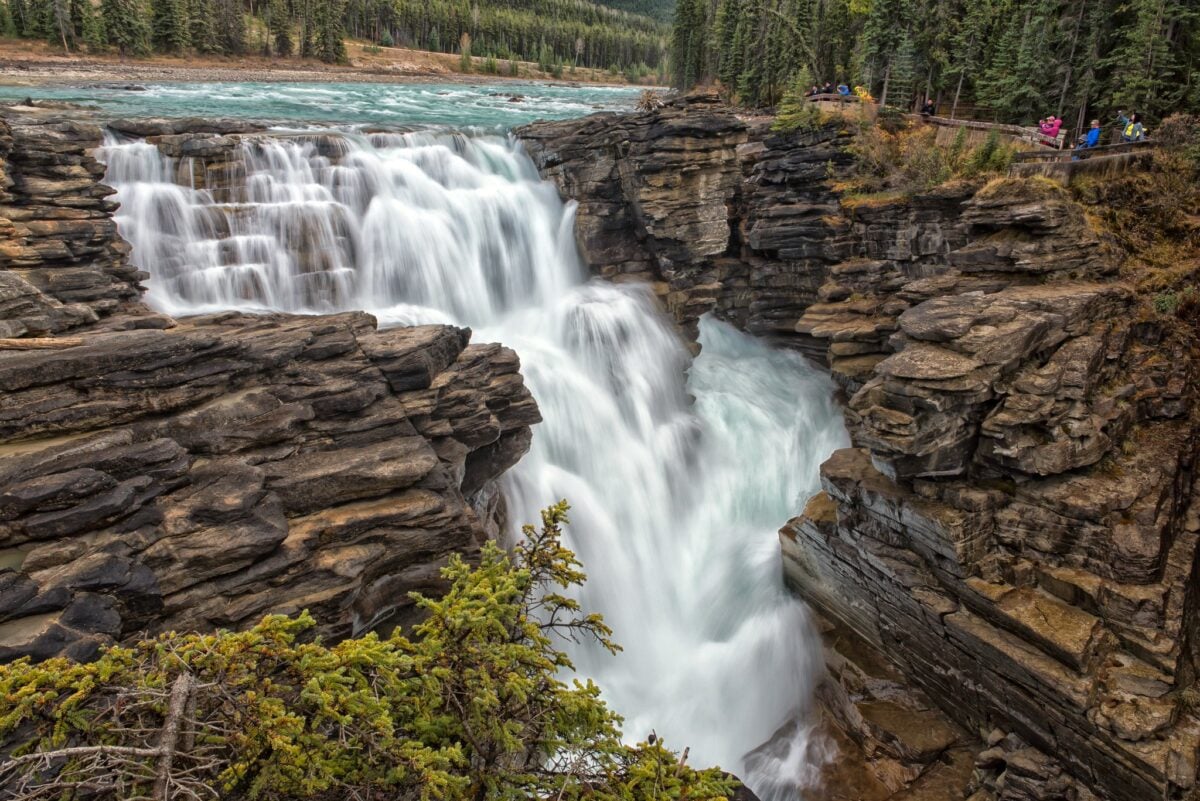
Not every breeze can make water flow upward. Wind speeds need to reach at least 45 miles per hour for the effect to take hold.
At that point, the upward force becomes strong enough to redirect falling water. Higher speeds create more dramatic reversals.
Some reverse waterfalls only appear during storms or severe weather events. Others form in places with consistently powerful winds.
The water doesn’t always make it back to the top. Sometimes it just hovers mid-air for a few seconds before gravity wins.
But when conditions align perfectly, streams of water climb back up the cliff face like they’re playing a video in reverse.
Waipuhia Falls in Hawaii

Hawaii has one of the most famous reverse waterfalls. Waipuhia Falls, also called the Upside Down Waterfall, sits in the mountains of Oahu.
Trade winds funnel through the valleys and hit the falls head-on. The water sprays upward instead of pooling at the bottom.
Getting there takes some effort. The hike isn’t for everyone, and the waterfall doesn’t perform on command.
You need the right weather conditions. But when the winds cooperate, visitors watch water dance upward against the green backdrop of Hawaiian cliffs.
The effect lasts as long as the wind holds.
Iceland’s many reversals

Iceland earned its reputation as the land of waterfalls. It has over 10,000 of them.
With that many water features and consistently strong winds, reverse waterfalls show up regularly. The country’s exposed landscape means winds build speed without obstacles.
When they meet waterfalls, physics takes over. Some Icelandic waterfalls reverse several times a year.
Others do it almost daily during certain seasons. The cold climate adds another element.
Mist from reversed waterfalls can freeze mid-air, creating ice sculptures that hang from cliff faces. Local guides know which falls reverse most reliably and when to visit for the best views.
Faroe Islands phenomenon
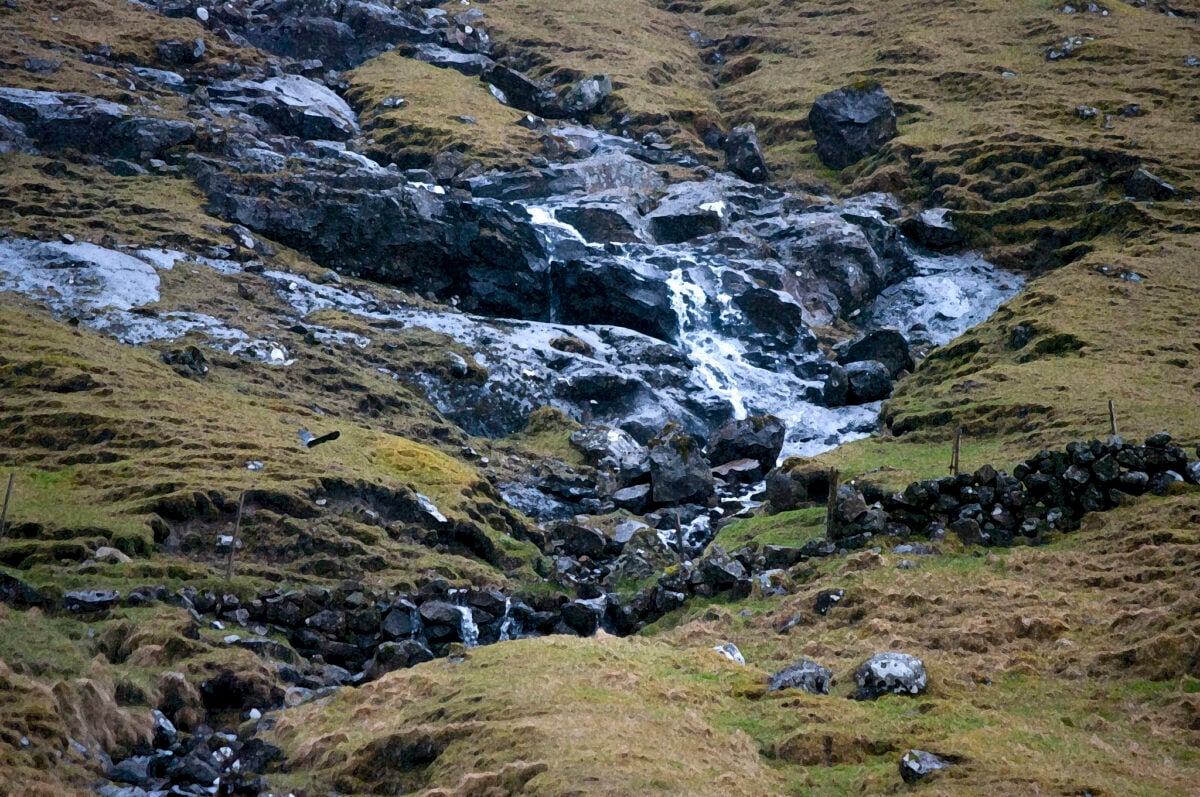
The Faroe Islands sit in the North Atlantic, right in the path of fierce ocean winds. These islands catch some of the strongest sustained winds in Europe.
Waterfalls there reverse so often that locals barely consider it noteworthy. But for visitors, the sight still amazes.
One waterfall near the village of Gásadalur became famous after a tunnel made it accessible to tourists. Before the tunnel, only a handful of people ever saw it.
Now it’s one of the most photographed reverse waterfalls in the world. The wind hits the cliff at such a perfect angle that the waterfall reverses more often than it flows normally.
Kinder Downfall in England
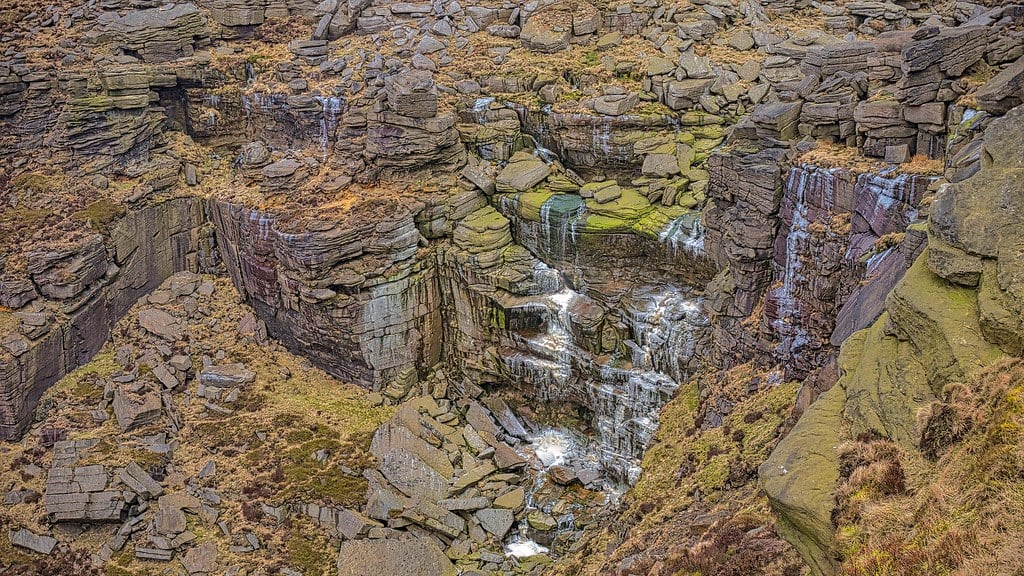
The Peak District in England has its own reverse waterfall. Kinder Downfall drops 98 feet from the Kinder Scout plateau.
When westerly winds blow hard enough, the water never reaches the bottom. Instead, it gets blown back over the plateau’s edge.
Hikers time their visits to catch the reversal. Weather forecasts matter here.
You need sustained winds from the right direction. Winter storms produce the most reliable reversals.
The exposed moorland channels wind directly at the falls, creating the perfect conditions for the upward flow.
The science of spray patterns
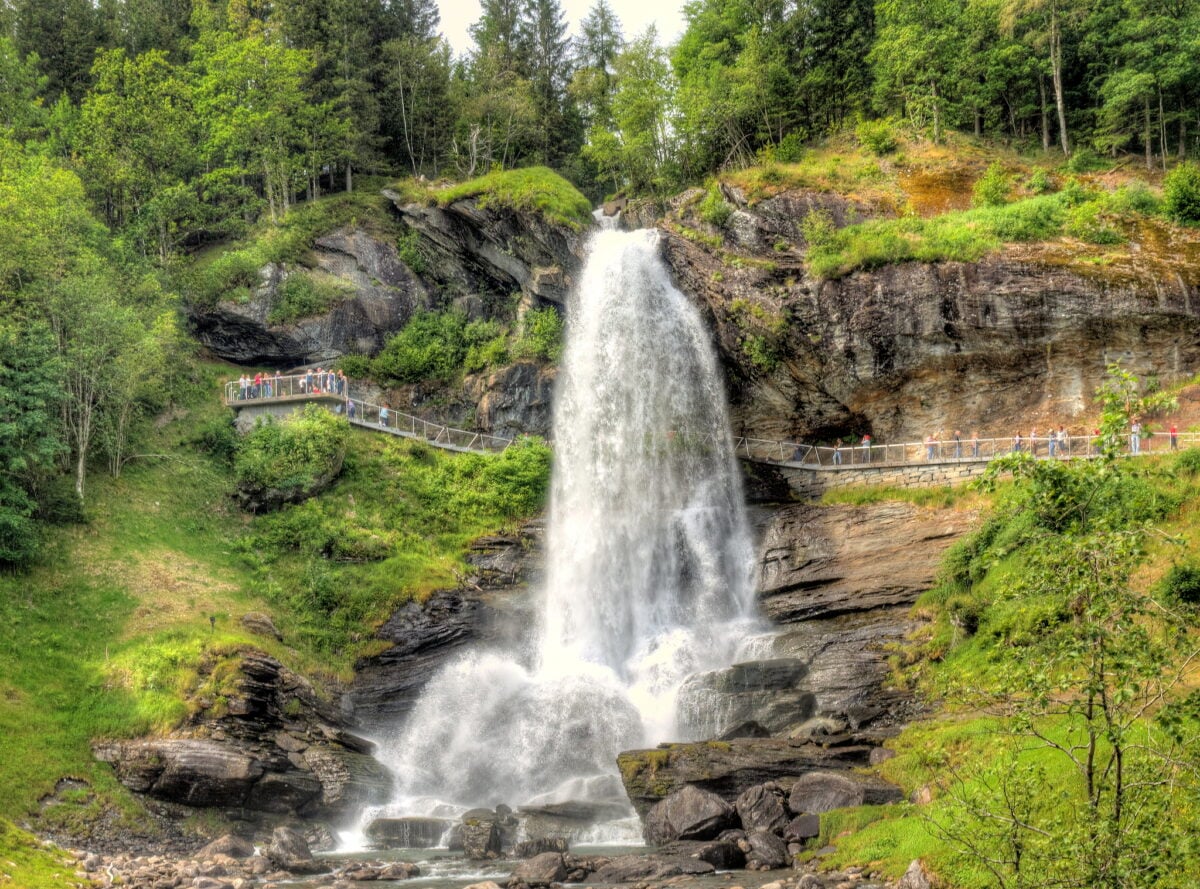
Water doesn’t flow upward as a solid stream. It breaks into spray and droplets.
Wind catches these smaller particles more easily than a dense column of water. The spray creates patterns that shift and change with wind variations.
Sometimes the mist forms a vertical column. Other times it spreads out like a fountain.
Temperature affects how the spray behaves. Cold air makes water droplets smaller and lighter, which means wind can lift them more easily.
Warm air creates larger, heavier droplets that resist the wind’s push. This explains why reverse waterfalls perform better in cold climates and during cooler parts of the day.
Double reversals
Some waterfalls reverse twice. Water flows down, gets pushed back up, then falls again and gets pushed up a second time.
This happens at multi-tiered waterfalls where wind can catch the water at different heights. Each tier creates another chance for the wind to redirect the flow.
The effect creates layers of spray at different elevations. Sunlight passing through these layers produces multiple rainbows.
Photographers chase these rare moments when weather, wind, and light align. The double reversal only lasts as long as wind speeds stay consistent at both levels.
Seasonal timing matters

Spring and fall produce the most reliable reverse waterfall conditions in many locations. These seasons bring strong winds and adequate water flow.
Summer might have better weather for visiting, but water levels drop and winds often calm down. Winter storms create dramatic reversals but also make cliffs dangerous to approach.
You can predict reversals by watching weather patterns. Low-pressure systems moving through coastal areas bring the sustained winds needed.
Local weather services sometimes include reverse waterfall forecasts in areas where the phenomenon attracts tourists. Timing a visit right means checking wind predictions days in advance.
Not just a coastal thing

Mountains create reverse waterfalls too. Valley winds develop their own patterns based on temperature differences and terrain.
When cold air sinks into valleys at night, it can push against waterfalls on the valley walls. The effect happens less frequently than coastal reversals but follows the same principles.
Alpine waterfalls in places like the Swiss Alps occasionally reverse during föhn wind events. These warm, dry winds descend from mountains and reach speeds high enough to affect falling water.
The combination of high altitude and channeled wind creates brief but impressive reversals.
The sound changes

A normal waterfall has a consistent roar. The water hits rocks at the bottom and creates white noise.
When a waterfall reverses, the sound changes completely. The spray hisses as it climbs upward.
The base falls silent because water never reaches it. Some people describe the sound as similar to rain hitting a window, but louder and more chaotic.
The sound shifts with wind intensity. Stronger gusts create louder, more aggressive sounds. The water fights against gravity audibly.
When the wind dies down and the waterfall returns to normal, the sudden change in sound marks the end of the reversal.
Photography challenges
Capturing a reverse waterfall takes patience and the right camera settings. The spray moves unpredictably, making focus difficult.
Fast shutter speeds freeze the droplets in mid-air, showing individual water particles hanging impossibly. Slower speeds blur the spray into ghostly columns.
Light matters as much as camera settings. Morning and evening light catches the spray and creates depth.
Midday sun washes out details. Many photographers visit multiple times to catch different lighting conditions.
The changing weather that creates reversals also means clouds, rain, and dramatic skies that add to the composition.
Temporary nature
No reverse waterfall lasts forever. Even during the windiest storms, the effect comes and goes.
Gusts vary in strength. The waterfall flows normally during lulls, then reverses again when wind picks up.
This intermittent nature makes timing crucial for anyone hoping to see it. Some reversals last only seconds.
Others continue for hours. The longest recorded reversal lasted nearly a full day during a particularly severe storm.
But most fall somewhere in between—ten to thirty minutes of upward flow before conditions shift. This unpredictability keeps every sighting special.
When water forgets its path

Standing near a reverse waterfall changes how you think about what water can do. Watching it climb against gravity feels wrong in the best way.
The mist that should wet your face comes from above and behind instead of from the cliff. Your instincts tell you one thing, but your eyes show you something different.
These moments remind you that nature still has surprises left, even in something as simple as falling water.
More from Go2Tutors!

- The Romanov Crown Jewels and Their Tragic Fate
- 13 Historical Mysteries That Science Still Can’t Solve
- Famous Hoaxes That Fooled the World for Years
- 15 Child Stars with Tragic Adult Lives
- 16 Famous Jewelry Pieces in History
Like Go2Tutors’s content? Follow us on MSN.