Foods Created During Shortages
Shortages spark clever ideas like plenty never can. When items vanish from stores or cost way too much, folks aren’t stuck – instead, they dream up fresh meals that stick around long after the hard times pass.
War rationing. When money crashes. During storms or droughts. Tough times push kitchen folks to swap ingredients, make meals last longer, or try wild new ideas.
A bunch of those quick fixes end up tasting awful – gone fast once real groceries show up again. Yet a few catch on so well they hang around for decades, even when nobody recalls how they started.
The meals that come from need usually have more interesting tales than those made when there’s plenty.
Spam Became a Wartime Staple
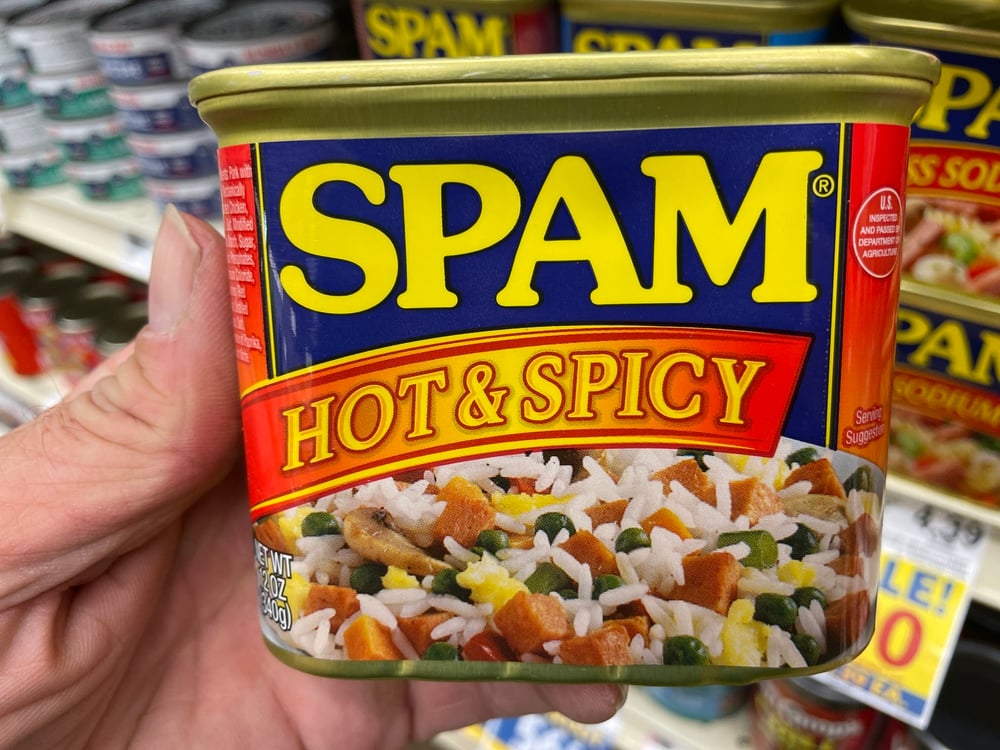
Hormel introduced Spam in 1937 as a cheap way to use pork shoulder scraps. The canned meat didn’t really take off until World War II, when the U.S. military needed protein that could survive tropical heat and long shipping routes without refrigeration.
The military bought over 150 million pounds of Spam during the war. Soldiers ate it for breakfast, lunch, and dinner in every theater of combat.
They fried it, baked it, mixed it with eggs, and mostly complained about it. Dwight Eisenhower later said he ate too much Spam during the war and never wanted to see it again.
But Spam became essential in places like Hawaii, Guam, the Philippines, and South Korea, where American troops introduced it and shortages made it valuable. After the war, those regions kept eating Spam and developed their own recipes.
Hawaii now consumes more Spam per capita than any other state. Spam musubi, a Hawaiian dish combining Spam with rice and nori, has become a local staple you can find at gas stations and convenience stores.
Kraft Dinner Sold Because of the Great Depression

Kraft introduced macaroni and cheese in a box in 1937, right in the middle of the Great Depression. The company advertised it as a way to feed a family of four for 19 cents.
At that price, two boxes cost less than a pound of hamburger. The timing was perfect.
Families needed cheap calories, and pasta with powdered cheese sauce fit the bill. Kraft sold 8 million boxes in the first year.
The product became so associated with hard times that sales actually dropped when the economy improved, then surged again during World War II when rationing made fresh cheese scarce. The recipe has barely changed in nearly 90 years.
People who grew up eating Kraft Dinner during the Depression or wartime rationing fed it to their kids, who fed it to their kids. What started as poverty food became comfort food.
Vegemite Replaced Imported Marmite

Australia imported Marmite from Britain until World War I disrupted shipping routes. The country faced a shortage of the yeast spread that Australians had grown to enjoy.
After the war ended in 1919, the Fred Walker Company hired a young chemist named Cyril Callister to create an Australian alternative. Callister spent months experimenting with brewer’s yeast, a byproduct of beer production that breweries usually threw away.
He added vegetable extracts, spices, and salt until he created a dark, salty spread with a strong, distinct flavor. The company launched it as Vegemite in 1923.
Australians didn’t immediately embrace it. The spread tasted different from Marmite, and people resisted the change.
Sales were slow until World War II, when rationing made imported Marmite unavailable. Suddenly Vegemite was the only option.
The Australian military added it to ration packs, and the vitamin B-rich spread became associated with national identity and resilience.
Margarine Was Created During a Butter Shortage

Napoleon III of France offered a prize in 1869 for anyone who could create a cheap butter substitute to feed his armies and the poor. A French chemist named Hippolyte Mège-Mouriès won by creating margarine from beef tallow and milk.
The spread was cheaper than butter and didn’t require refrigeration, making it practical for military use. Commercial dairies in Europe started producing margarine for the masses.
When dairy shortages happened during both World Wars, margarine consumption increased dramatically. Butter producers fought back.
They lobbied for laws requiring margarine to be colored pink or another unappetizing shade so consumers wouldn’t confuse it with butter. Some U.S. states banned yellow margarine entirely.
Manufacturers got around this by selling white margarine with yellow food coloring packets that customers mixed in themselves. Despite the opposition, margarine became cheaper and more popular.
Modern versions use vegetable oils instead of animal fat, but the basic concept remains unchanged—a butter substitute born from shortage that became a permanent fixture.
Fanta Started in Nazi Germany

Coca-Cola operated bottling plants in Germany before World War II. When war broke out, the Nazi government cut off imports of Coca-Cola syrup, and the German bottling plants couldn’t get the ingredients to make their main product.
Max Keith, who ran Coca-Cola Deutschland, needed to keep the plants running and workers employed. He told his team to create a new drink using only ingredients available in wartime Germany.
They used apple scraps from cider presses, whey left over from cheese production, and whatever fruit remnants they could find. The result was Fanta, launched in 1940.
The name came from the German word “fantasie” because Keith told his team to use their imagination. Fanta kept the bottling plants operating through the war, though it tasted nothing like the orange soda that later carried the same name.
After the war, Coca-Cola reclaimed its German operations and shelved the original Fanta recipe. The company revived the name in 1955 for a new orange-flavored drink in Italy, and that version became the Fanta sold worldwide today.
The wartime German formula is lost.
Carrot Cake Rose During British Rationing

British cooks during World War II faced strict sugar rationing. Sweet desserts became luxuries most families couldn’t afford.
Carrots were one of the few items not rationed, and the government encouraged people to eat more of them. The Ministry of Food ran propaganda campaigns featuring “Dr. Carrot” and published recipes using carrots as a sweetener.
Home cooks started grating carrots into cakes to add moisture and natural sweetness. The vegetables reduced the amount of sugar needed and made the cake more filling.
Carrot cake existed before the war, but rationing made it popular and necessary. After the war ended and sugar became available again, carrot cake stuck around.
The cream cheese frosting that defines modern carrot cake was an American addition from the 1960s, but the basic wartime recipe formed the foundation. What began as a way to stretch sugar rations became a permanent part of dessert menus.
Nutella Emerged from a Cocoa Shortage
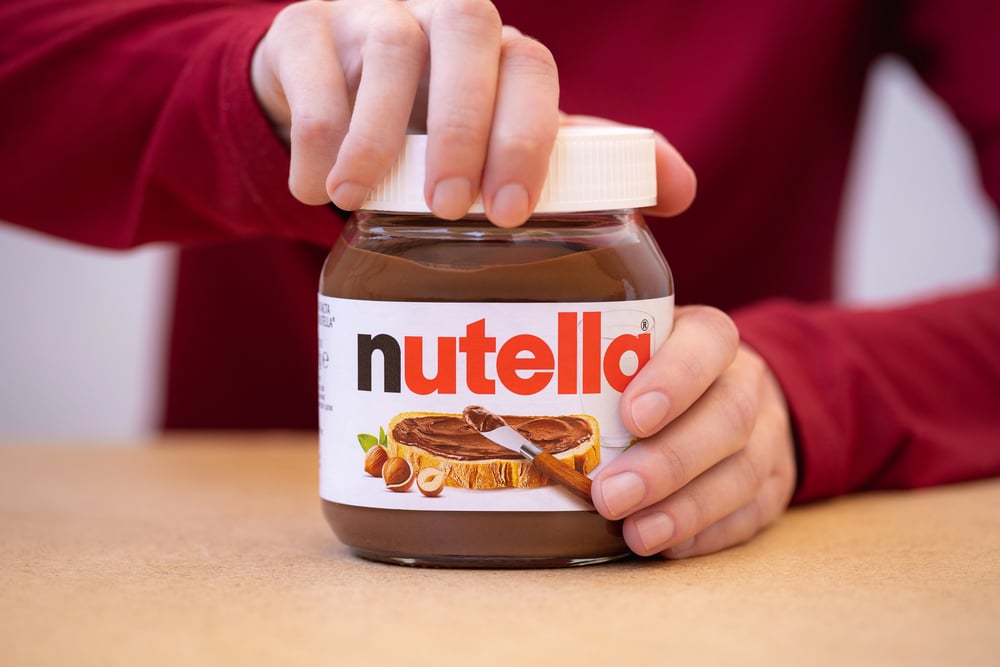
Pietro Ferrero owned a bakery in northern Italy after World War II. Cocoa was expensive and hard to find because of import restrictions and poverty.
Ferrero wanted to make a chocolate product that people could afford, so he mixed cocoa with hazelnuts, which grew abundantly in the Piedmont region. He created a solid block called Giandujot that customers could slice and spread on bread.
The product was affordable and popular, but difficult to use. In 1951, Ferrero’s son Michele refined the recipe into a creamy spread that didn’t need slicing.
He called it Supercrema. The company renamed it Nutella in 1964 and started marketing it across Europe.
The spread used less cocoa than pure chocolate but still tasted rich and sweet. Nutella became enormously successful, expanding globally and becoming one of the most recognizable brands in the world.
The hazelnut paste born from cocoa scarcity now outsells most chocolate spreads.
Powdered Eggs Kept Troops and Civilians Fed
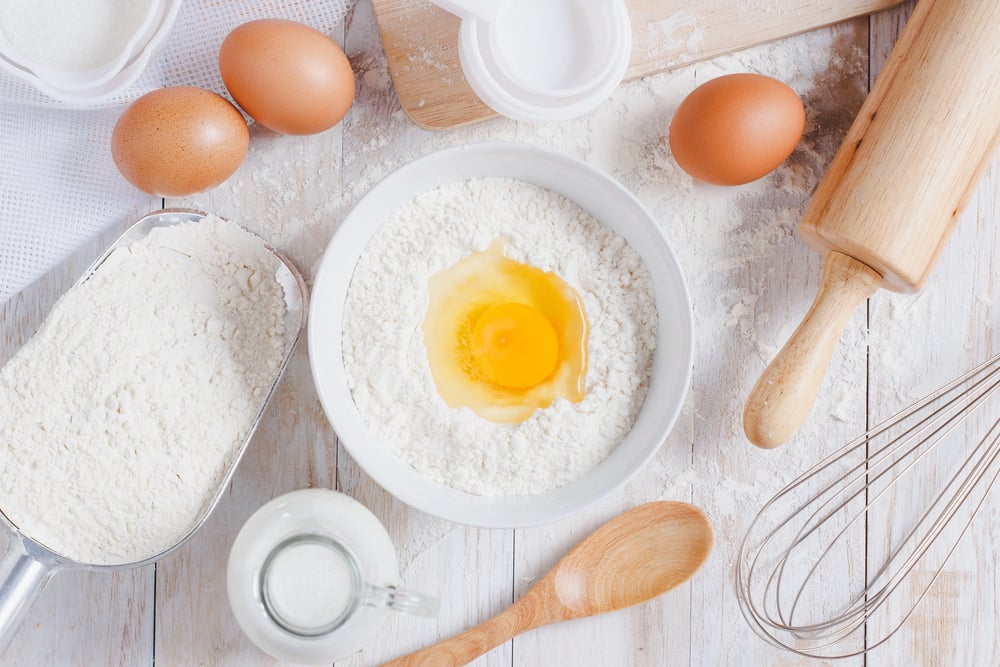
Fresh eggs don’t travel well and spoil quickly without refrigeration. During World War II, the U.S. military needed a shelf-stable egg product that could be shipped overseas and stored for months.
Companies developed powdered eggs by spray-drying liquid eggs, creating a powder that could be reconstituted with water. The military used powdered eggs extensively in rations and field kitchens.
Home cooks in Britain and America also relied on them during rationing, though most found the taste and texture inferior to fresh eggs. Cookbooks from the era included recipes specifically designed to make powdered eggs more palatable.
After the war, most people abandoned powdered eggs as soon as fresh ones became available again. But the technology stuck around for camping, emergency food supplies, and commercial food production.
Modern powdered eggs taste better than wartime versions, and food manufacturers use them in products where fresh eggs would be impractical.
Vienna Sausages Were Born in Economic Crisis
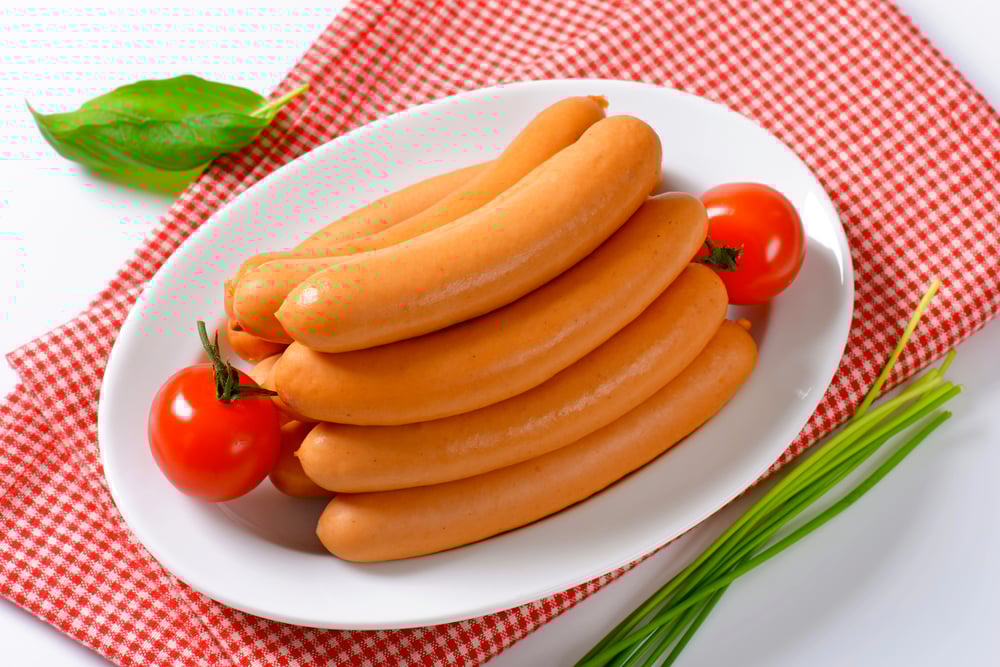
Carl Oscar Mayer started making sausages in Chicago in the 1880s. During the economic panic of 1893, when unemployment soared and food prices mattered more than ever, his company introduced Vienna sausages—small, cheap sausages made from pork, chicken, or turkey scraps packed in a can.
The name borrowed prestige from Vienna’s culinary reputation, though the product had little connection to Austrian cuisine. The sausages cost less than fresh meat, lasted longer, and required no refrigeration.
Poor families and workers could afford them, and they provided protein when other options were too expensive. Vienna sausages became associated with economic hardship and simple meals.
They remained popular through the Great Depression, World Wars, and continue selling today, though mostly in regions where they’ve become traditional. In the Southern United States, Vienna sausages are still common pantry items and comfort food.
Tteokbokki Used Cheap Ingredients in Post-War Korea
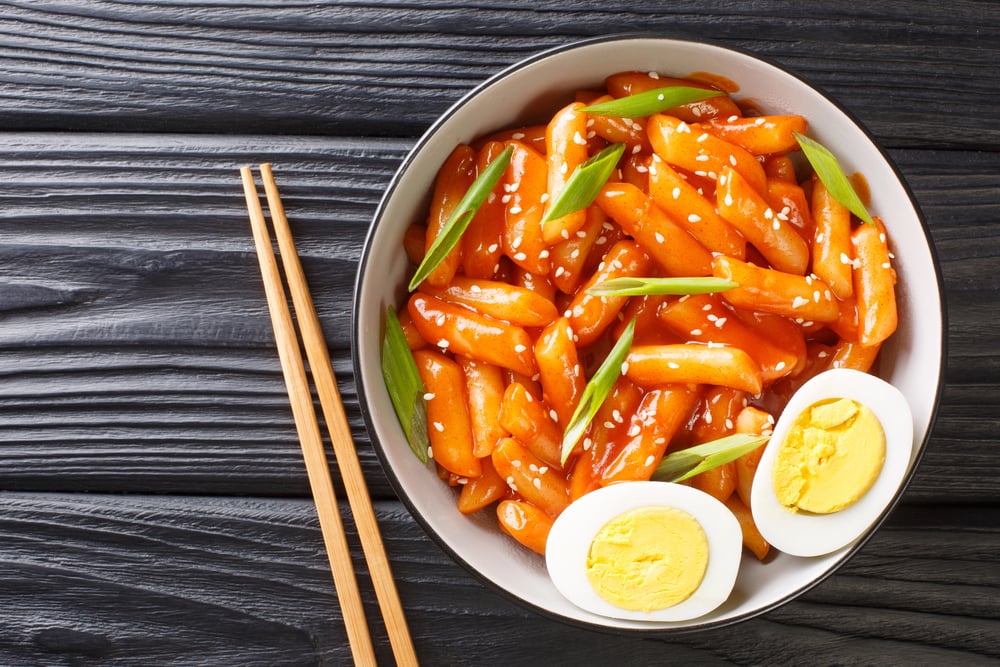
Tteokbokki, spicy Korean rice cakes, existed for centuries as a royal dish made with soy sauce. After the Korean War ended in 1953, the country faced severe food shortages and poverty.
Rice was expensive and rationed. Street vendors needed cheap dishes they could sell to working people.
Vendors started making tteokbokki with gochujang (chili paste), which was cheaper than soy sauce, and stretching the rice cakes with fish cakes made from inexpensive fish scraps. The dish became filling, flavorful, and affordable.
Street vendors could make it in large quantities and sell it for very little money. This version of tteokbokki became the standard.
The royal soy sauce version faded away while the spicy street food version spread throughout Korea. It became so popular that it’s now one of the most common Korean street foods and comfort dishes, but its current form came directly from post-war scarcity.
Polenta Sustained Italian Peasants Through Famines

Polenta, a cornmeal porridge, sustained northern Italian peasants when wheat was too expensive or unavailable. Corn grew in conditions where wheat struggled, and it was cheaper to buy.
During famines and times of extreme poverty, poor families ate polenta for every meal because they couldn’t afford anything else. Eating only polenta caused pellagra, a disease from niacin deficiency that killed thousands in Italy before doctors understood the connection.
Despite the health risks, polenta remained essential because it meant the difference between some food and no food. Italian immigrants brought polenta to America, where it remained a marker of poverty and immigrant status.
The dish’s reputation only improved in recent decades when upscale restaurants started serving creamy polenta with expensive toppings. What poor Italian families ate because they had nothing else became fashionable, though served in a very different context.
Ramen Noodles Were Invented to Fight Hunger

Momofuku Ando lived in post-World War II Japan, where food shortages left many people hungry. The American occupation distributed wheat flour to help feed the population.
Ando wanted to create an inexpensive, filling food that could be made quickly and easily. He spent a year experimenting in his backyard shed, trying to create noodles that would last without refrigeration and cook in minutes.
In 1958, he invented instant ramen by flash-frying noodles, which removed moisture and made them shelf-stable. Hot water would rehydrate them in minutes.
Instant ramen was initially expensive by Japanese standards, but Ando worked to reduce costs. He introduced cup ramen in 1971, making the meal even more convenient.
Instant ramen became one of the cheapest, quickest meals available anywhere. College students, people in poverty, and anyone needing fast, cheap food made ramen a global staple.
More than 100 billion servings are consumed worldwide each year.
Peanut Butter Stretched Protein Supplies
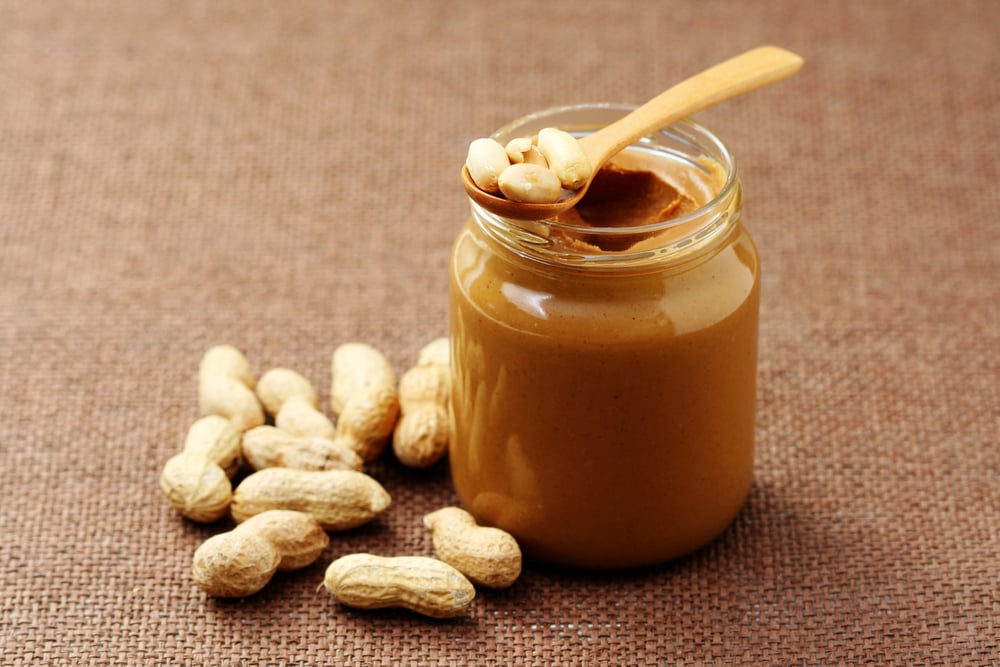
George Bayle produced peanut butter commercially in 1890s St. Louis, selling it as a health food and protein source for people who couldn’t chew meat. The product remained relatively obscure until World War I, when meat shortages made protein scarce.
The U.S. government promoted peanut butter as a meat substitute. It was cheap, didn’t require refrigeration, and provided protein and calories.
School cafeterias started serving peanut butter sandwiches. Soldiers received peanut butter in rations.
The product went from niche health food to mainstream staple during the war. After the war, companies like Skippy and Peter Pan started mass-producing peanut butter with added sugar and stabilizers, making it sweeter and smoother.
Children who ate peanut butter during wartime shortages developed a taste for it. Peanut butter became standard in American households, particularly for children’s lunches.
What started as a meat alternative during shortage became one of the most common foods in American pantries.
What Scarcity Leaves Behind

These meals started during tough times, yet not everyone stayed popular. Certain ones stuck around since they were tasty or easy to make.
Meanwhile, some turned into favorites simply ’cause folks linked them to getting through hard days. Then again, a handful got trendy just by feeling genuine or tied to past struggles.
Scarcity pushes people to invent new things; yet it’s plenty that picks what sticks around. Dishes lasting past their roots survive by giving more than mere access – maybe flavor, ease, memory, or belonging.
The lack that sparked them? Just one part of a bigger tale.
More from Go2Tutors!

- The Romanov Crown Jewels and Their Tragic Fate
- 13 Historical Mysteries That Science Still Can’t Solve
- Famous Hoaxes That Fooled the World for Years
- 15 Child Stars with Tragic Adult Lives
- 16 Famous Jewelry Pieces in History
Like Go2Tutors’s content? Follow us on MSN.