Foods Named After Famous Places
Food carries geography in its name more often than you might realize. The dishes you eat every day often tell stories about the cities, regions, and countries where they originated.
Some of these names stick so well that you forget they’re actually place names at all.
Brussels Sprouts
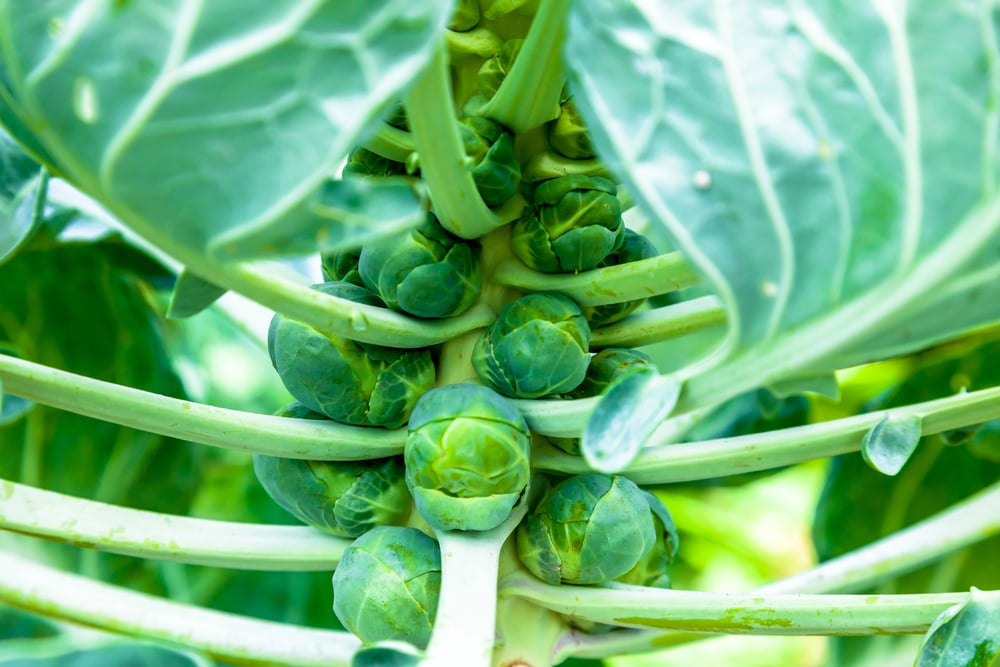
These tiny green vegetables get their name from Brussels, Belgium, where they became popular in the 16th century. Belgian farmers cultivated them extensively, and the vegetable spread throughout Europe from there.
You either love them or hate them, but that’s partly because many people grew up eating overcooked, soggy versions. When roasted properly, they develop a sweet, nutty flavor that wins over even skeptics.
Champagne

Only sparkling wine from the Champagne region of France can legally be called champagne. This protected designation exists in many countries, and vintners take it seriously.
The region’s unique chalk soil and climate create conditions that produce the grapes needed for authentic champagne. The method for making champagne—where the wine undergoes a second fermentation in the bottle—originated here in the 17th century.
Hamburger

Hamburg, Germany gave the world this sandwich, though Americans transformed it into something the original creators might not recognize. German immigrants brought Hamburg-style beef to the United States in the 19th century, where it evolved into the burger you know today.
The original Hamburg steak was just seasoned ground beef, served without a bun. Americans added the bread, the toppings, and turned it into fast food.
Frankfurter

Frankfurt, Germany lends its name to another meat product Americans embraced and made their own. The frankfurter sausage has been made in Frankfurt since at least the 13th century, though the exact origins remain murky.
When German immigrants brought these sausages to America, they became hot dogs—served in buns at baseball games and street corners. The transformation from European delicacy to American street food happened gradually, but completely.
Bologna

The Italian city of Bologna produces mortadella, a finely ground pork sausage that American bologna attempts to imitate. Traditional mortadella contains large chunks of fat and often includes pistachios.
American bologna bears little resemblance to its Italian ancestor. It’s smoother, pinker, and sold in plastic packages at every grocery store.
Parmesan Cheese
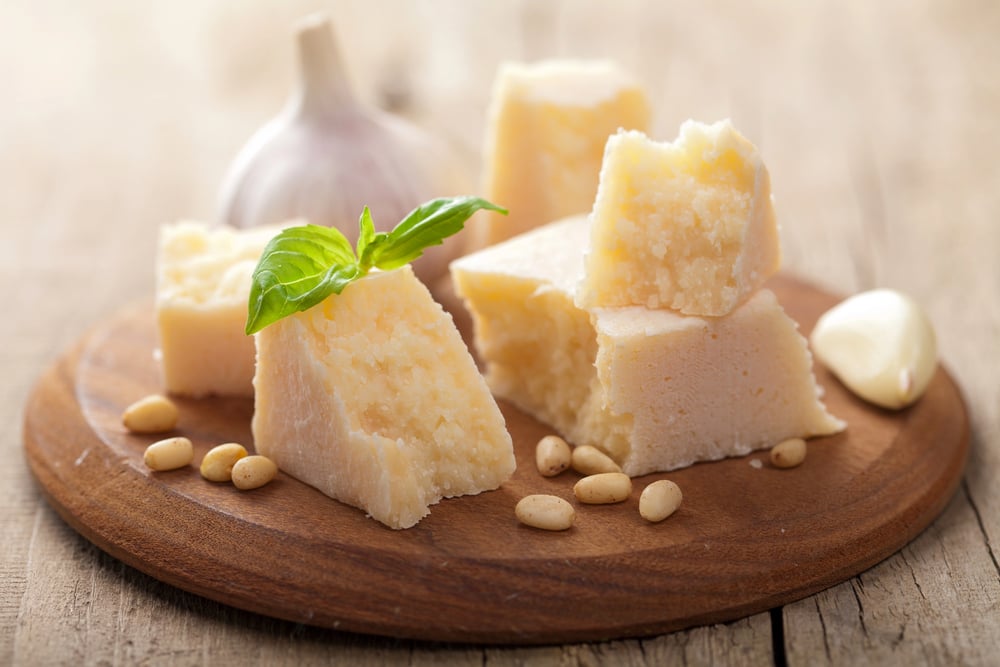
Parmigiano-Reggiano comes from specific provinces around Parma, Italy, where it’s been made the same way for over 800 years. The cheese must age for at least 12 months, though many wheels age for 24 months or longer.
What Americans call “parmesan” is often a pale imitation of the real thing. That green can of powdered cheese has about as much in common with authentic Parmigiano-Reggiano as a crayon drawing has with a Rembrandt painting.
Cheddar Cheese

Cheddar, a village in Somerset, England, has been making this cheese since at least the 12th century. The village’s caves provided perfect conditions for aging the cheese, maintaining consistent cool temperatures year-round.
The “cheddaring” process—where the curds are cut, stacked, and turned repeatedly—originated here and gives the cheese its distinctive texture. Today, cheddar is made worldwide, but the original village still produces it using traditional methods.
Buffalo Wings
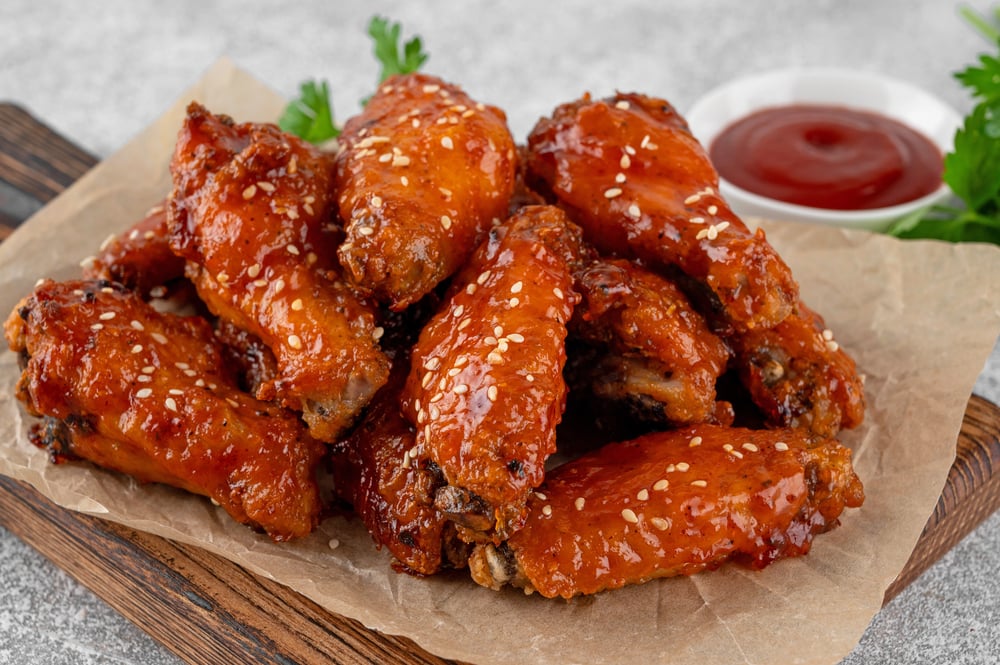
Buffalo, New York claims to have invented these spicy chicken wings in 1964 at the Anchor Bar. Teressa Bellissimo supposedly created them late one night for her son and his friends, deep-frying chicken wings and tossing them in hot sauce.
The dish spread across America and then the world. Now you can find Buffalo wings everywhere from Tokyo to London, though Buffalo residents will tell you that nobody makes them quite right except back home.
Peking Duck

Beijing was called Peking in English, and that’s where this elaborate roast duck dish originates. The preparation method dates back to the Yuan Dynasty in the 13th century, though it reached its peak during the Ming Dynasty.
Making authentic Peking duck takes skill and patience. The duck must be inflated, glazed, and hung to dry before roasting.
Danish Pastry

Denmark gets credit for these flaky, buttery pastries, though the technique actually came from Austria. Danish bakers refined the process in the 19th century after striking bakers prompted bakery owners to hire foreign workers.
The Danes call these pastries “Viennese bread,” acknowledging their Austrian roots. Americans and most of the rest of the world call them Danish, ignoring this history entirely.
French Fries

The origin story of French fries remains disputed. Belgium claims them, saying that villagers in the Meuse Valley fried potatoes when the river froze and they couldn’t catch fish.
France also claims them, pointing to Parisian street vendors in the late 18th century. American soldiers in World War I ate them in Belgium, where French was the dominant language, and brought the name home.
Turkish Coffee

Turkey didn’t invent coffee, but Turkish coffee represents a specific preparation method that spread throughout the former Ottoman Empire. The coffee is ground into an extremely fine powder, mixed with water and sugar in a special pot called a cezve, and brought to a boil three times.
The grounds settle at the bottom of the cup, and you drink the coffee without filtering them out. This method preserves more of the coffee’s oils and creates a thicker, richer drink than most other brewing methods.
Brie Cheese

The Brie region east of Paris has been making this soft, creamy cheese since the 8th century. Charlemagne supposedly tasted it at a monastery and immediately ordered two cases to be sent to him annually.
Real Brie comes from this specific region in France. The cheese has a white, bloomy rind created by Penicillium candidum, and as it ages, it becomes softer and more flavorful.
Wiener Schnitzel

Wien is the German name for Vienna, Austria, so Wiener schnitzel means “Viennese cutlet.” This breaded, pan-fried veal cutlet became synonymous with Austrian cuisine in the 19th century.
The meat should be pounded thin, coated in breadcrumbs, and fried in clarified butter or lard. It’s traditionally served with potato salad and a slice of lemon.
Philly Cheesesteak
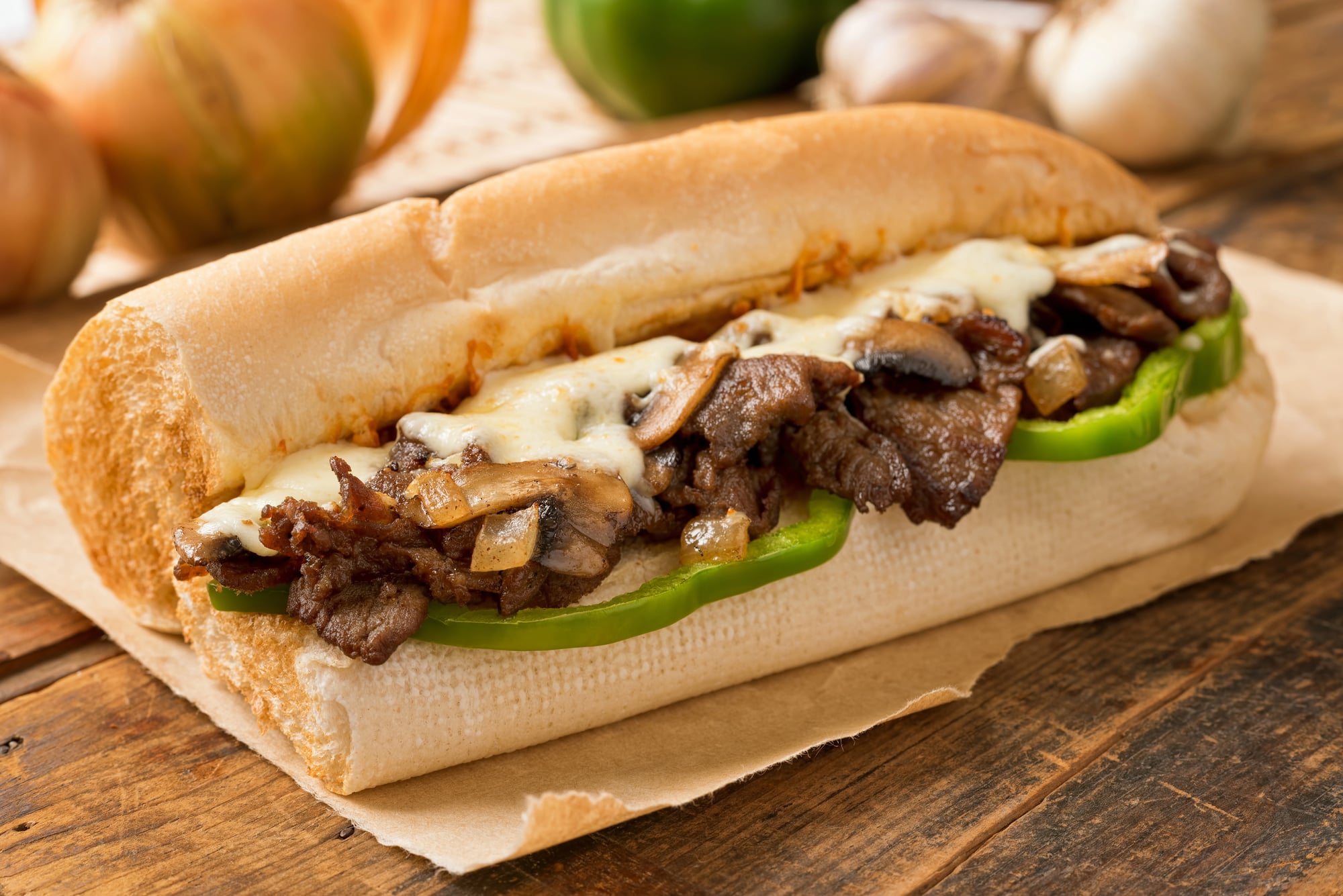
Philadelphia created this sandwich in the 1930s, and the city guards its reputation fiercely. Pat and Harry Olivieri supposedly invented it when Pat decided to try something different from hot dogs.
The sandwich must have thinly sliced ribeye steak, melted cheese, and a good roll. Locals argue endlessly about which shop makes the best one, but everyone agrees that getting one with peppers and onions is optional, while the cheese is not.
The Geography of Your Plate

Every time you eat, you’re tasting a bit of history and geography. These place names embedded in food reveal trade routes, immigration patterns, and culinary evolution.
The next time you order a hamburger or sprinkle parmesan on your pasta, you’re connecting to cities and regions thousands of miles away. Food carries these stories forward, one meal at a time.
More from Go2Tutors!

- The Romanov Crown Jewels and Their Tragic Fate
- 13 Historical Mysteries That Science Still Can’t Solve
- Famous Hoaxes That Fooled the World for Years
- 15 Child Stars with Tragic Adult Lives
- 16 Famous Jewelry Pieces in History
Like Go2Tutors’s content? Follow us on MSN.



