16 Minerals That Glow Under UV Light
Turn off the lights and switch on a blacklight, and the mineral world transforms into something that looks like it belongs in a sci-fi movie. Fluorescence in minerals happens when ultraviolet light hits certain chemical elements and makes them emit visible light in spectacular colors. It’s like nature’s own glow-in-the-dark party, millions of years in the making beneath the surface.
Some of the most ordinary-looking rocks become absolutely stunning under UV light. Here’s a list of 16 minerals that put on an incredible light show when exposed to ultraviolet radiation.
Fluorite
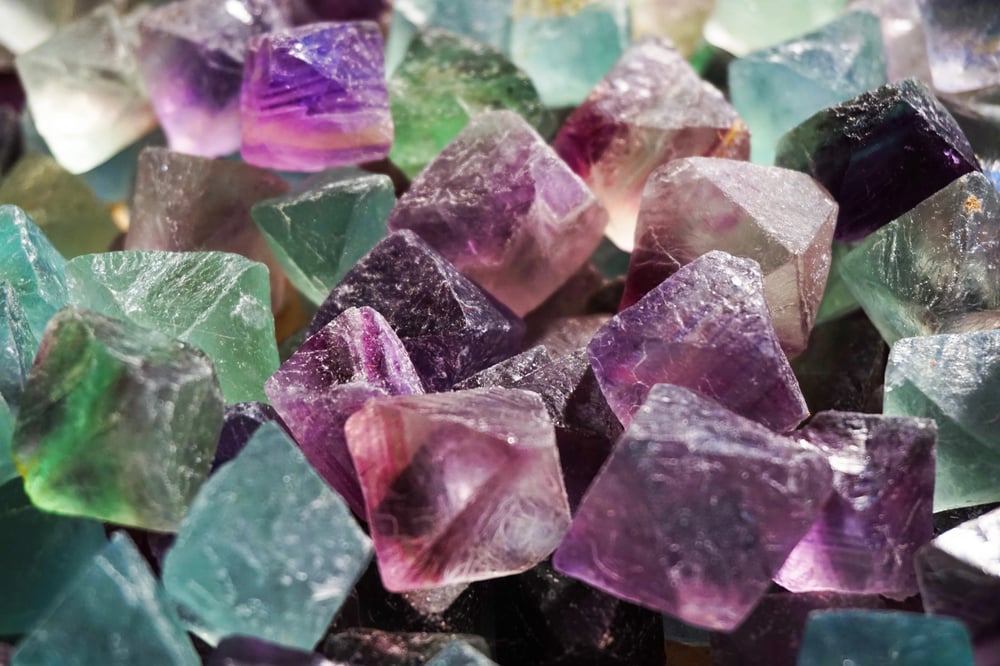
Fluorite gets its name from the Latin word ‘fluere,’ meaning ‘to flow,’ but it could just as easily be named for its incredible fluorescent properties. This mineral glows in vivid blues, purples, greens, and sometimes yellow under UV light, even though it might look clear or pale in normal lighting.
The fluorescence comes from trace amounts of rare earth elements trapped in the crystal structure, creating one of the most reliable and beautiful displays in the mineral world.
Calcite
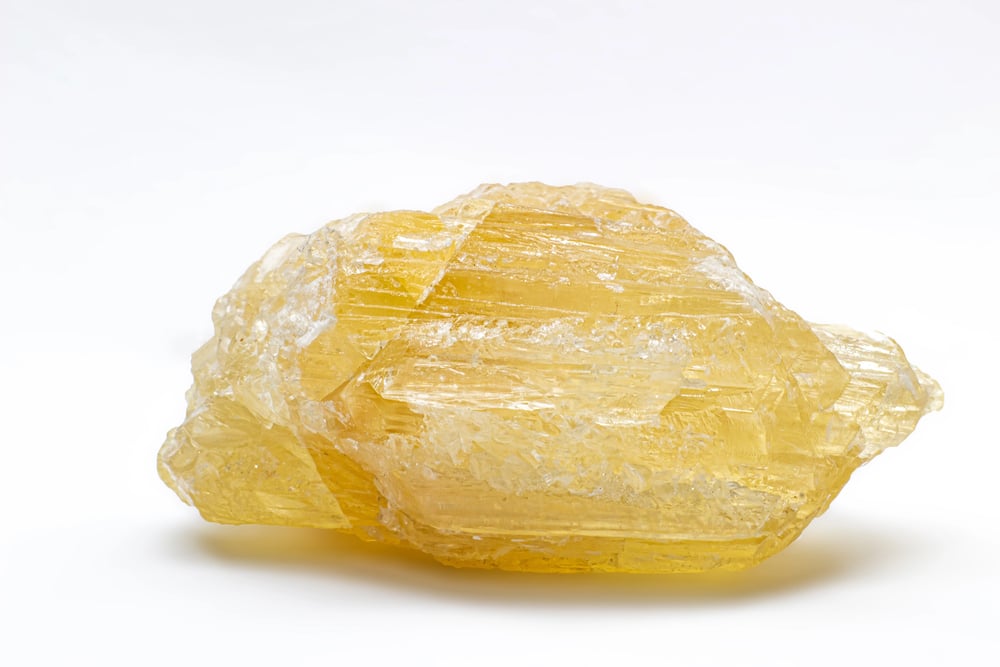
Calcite is one of the most common minerals on Earth, yet it can produce some of the most stunning fluorescent displays. Under shortwave UV light, many calcite specimens glow bright red, orange, or pink, while others show off in green or blue.
The intensity can be so strong that it almost hurts to look at directly, transforming humble limestone components into dazzling light sources.
Willemite
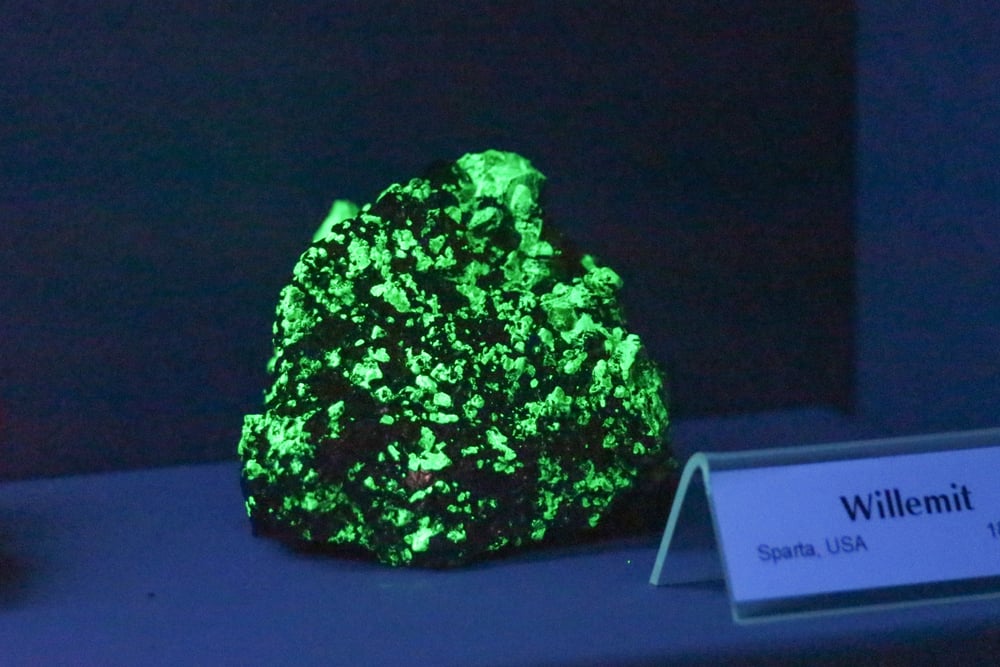
This zinc silicate mineral from Franklin, New Jersey, produces one of the most famous fluorescent displays in the mineral kingdom. Willemite glows bright green under UV light, often alongside red calcite and blue sodalite in the same specimen.
The combination creates what collectors call ‘Franklin fluorescence’ — a multi-colored light show that’s become legendary among mineral enthusiasts worldwide.
Sodalite

Sodalite typically appears as a deep blue mineral in normal light, but under UV it transforms into something completely different. Most sodalite specimens glow bright orange or yellow, creating a striking contrast with their daytime appearance.
This mineral is common enough that you might find fluorescent sodalite in decorative items or jewelry, though most people never realize they’re carrying around a natural blacklight show.
Scapolite
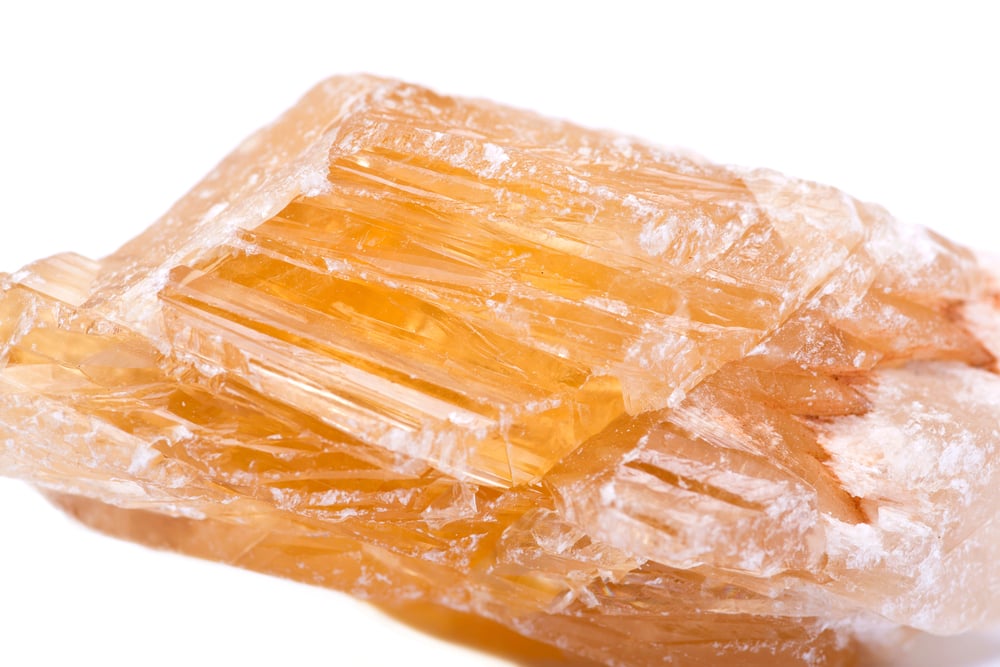
Scapolite comes in various colors naturally, but under UV light it becomes a glowing yellow or orange beacon. The fluorescence in scapolite is particularly strong and consistent, making it a favorite among collectors who enjoy UV mineral displays.
This mineral often forms in metamorphic rocks, where the intense heat and pressure create the perfect conditions for the fluorescent-causing impurities to become incorporated.
Aragonite
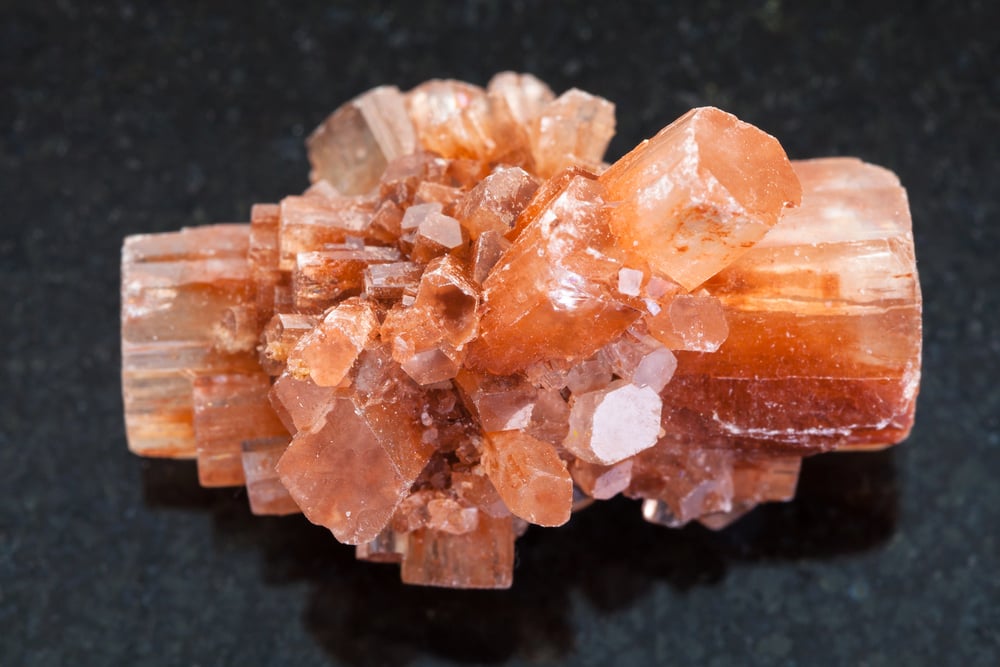
Aragonite is chemically identical to calcite but has a different crystal structure, and this difference affects how it fluoresces. Many aragonite specimens glow pale green, blue, or white under UV light, though the intensity varies significantly between different locations.
Cave formations made of aragonite can create otherworldly glowing chambers when illuminated with blacklights, turning underground spaces into natural cathedrals of light.
Scheelite
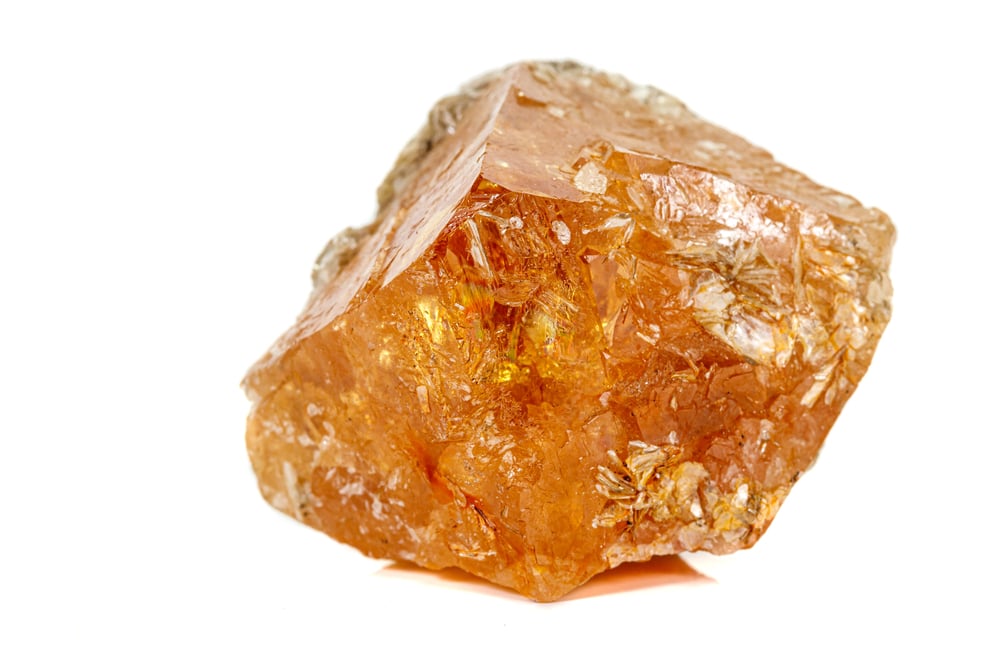
This tungsten-bearing mineral glows bright blue or blue-white under shortwave UV light, making it incredibly useful for prospectors searching for tungsten deposits. Scheelite’s fluorescence is so reliable that geologists use portable UV lamps in the field to locate ore bodies that would otherwise be nearly impossible to spot.
The glow is intense enough to be visible even in partial daylight, giving tungsten miners a serious advantage.
Wollastonite
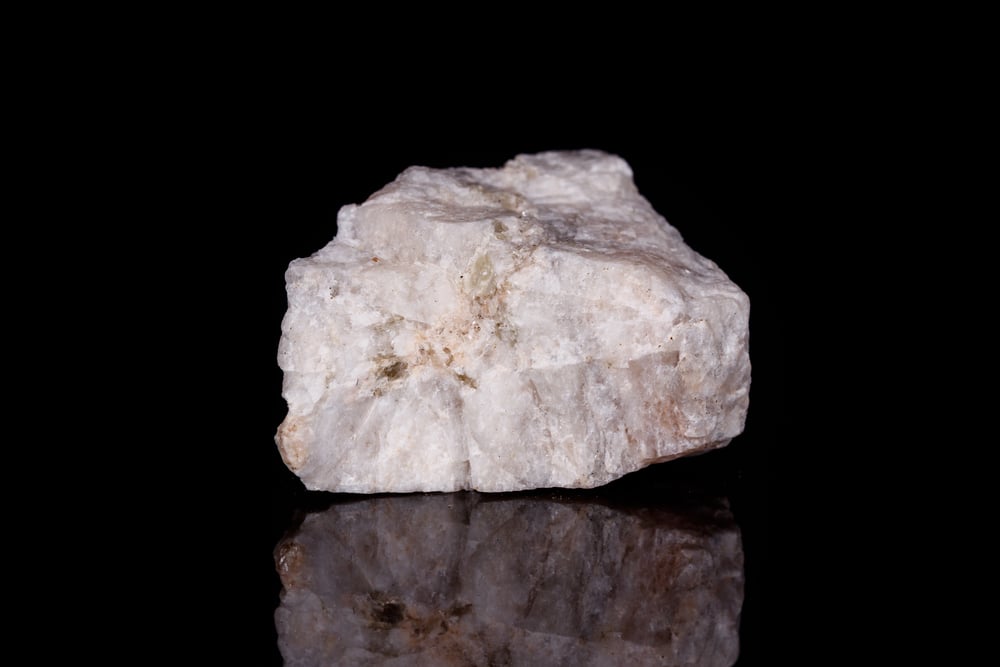
Wollastonite produces a distinctive orange or yellow fluorescence that helps distinguish it from similar-looking minerals. This calcium silicate mineral forms in metamorphic environments and often gets used in industrial applications, though its fluorescent properties make it popular with collectors too.
The glow typically appears uniform across the entire specimen, creating solid patches of colored light rather than scattered bright spots.
Hyalite Opal
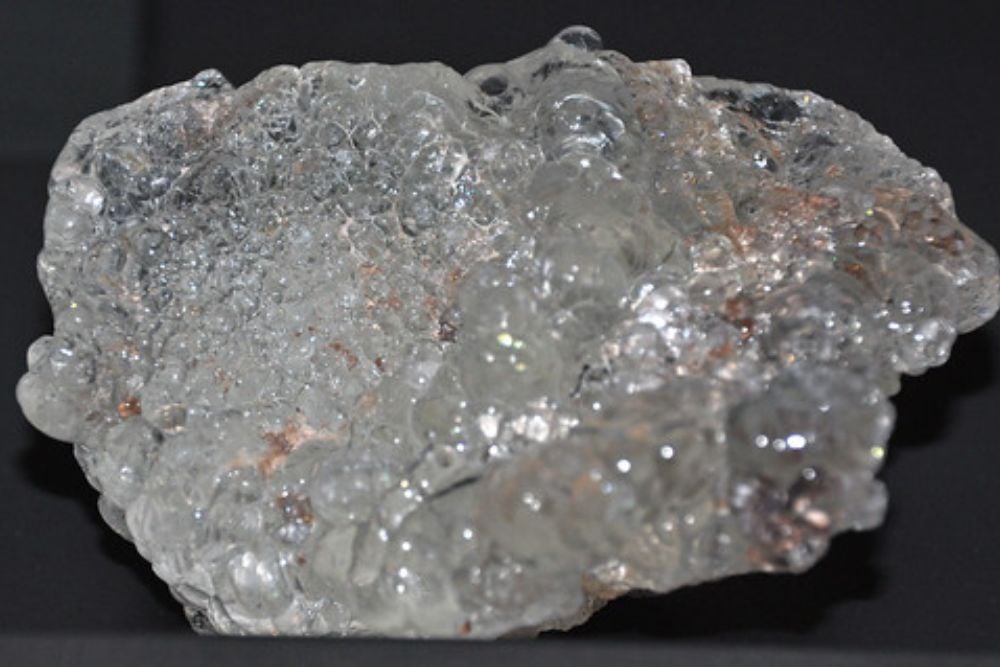
Hyalite opal looks like clear glass in normal light, but many specimens transform into glowing green jewels under UV illumination. This variety of opal contains uranium traces, which cause the dramatic fluorescence while remaining perfectly safe to handle.
The green glow can be so intense that it seems to radiate from within the stone, creating an almost supernatural appearance that’s captivated collectors for decades.
Hardystonite
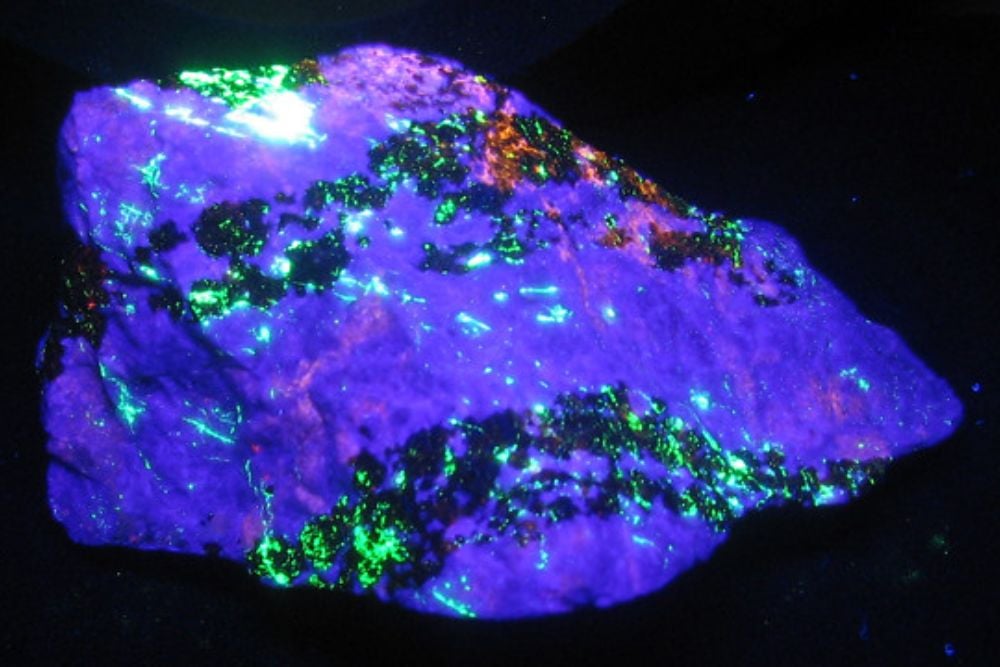
This rare mineral from Franklin, New Jersey, glows bright violet or purple under UV light. Hardystonite typically forms alongside other fluorescent minerals like willemite and calcite, contributing to the famous multi-colored displays that made Franklin one of the world’s premier fluorescent mineral localities.
The purple glow stands out dramatically against the greens and reds of its mineral neighbors.
Powellite
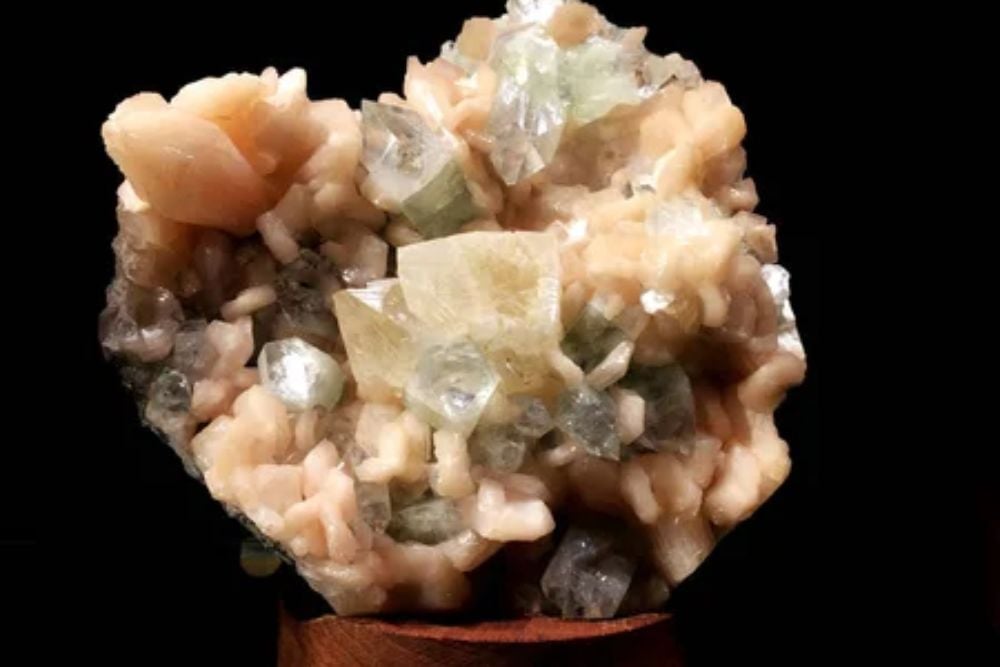
Powellite is a calcium molybdate mineral that produces a bright yellow or golden fluorescence under UV light. This mineral often occurs as a secondary mineral in molybdenum deposits, where it forms from the alteration of other molybdenum-bearing minerals.
The fluorescence is typically very strong and uniform, making powellite specimens glow like tiny golden lightbulbs in UV light displays.
Esperite
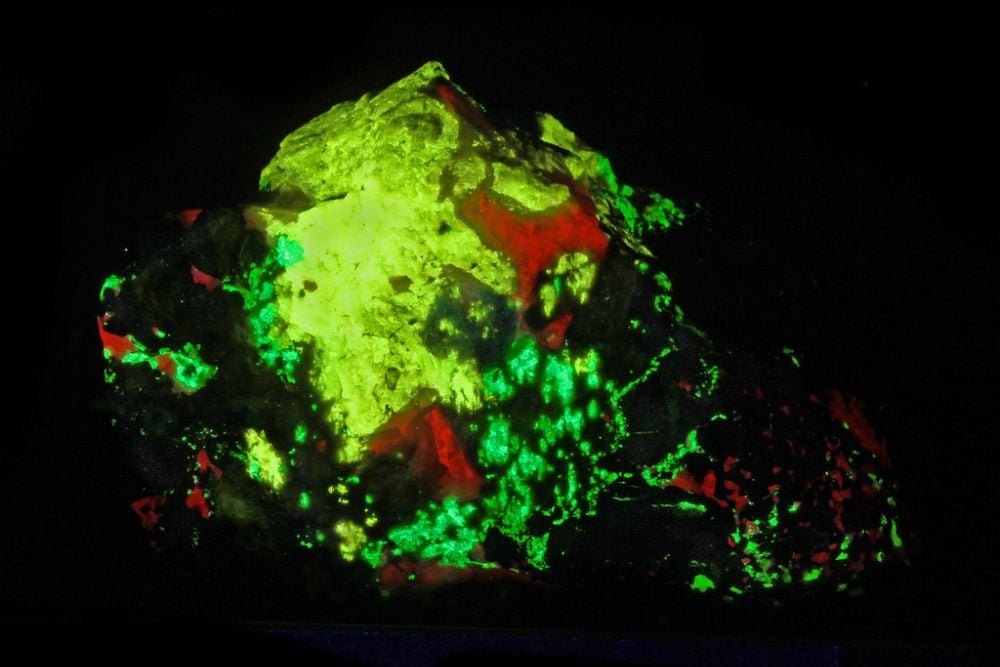
Another Franklin, New Jersey specialty, esperite glows bright yellow under shortwave UV light. This rare zinc silicate mineral was first discovered at the famous Franklin mines, where it occurs alongside numerous other fluorescent species.
Esperite’s yellow fluorescence is particularly pure and intense, creating brilliant golden highlights in mixed mineral specimens from this legendary locality.
Hackmanite
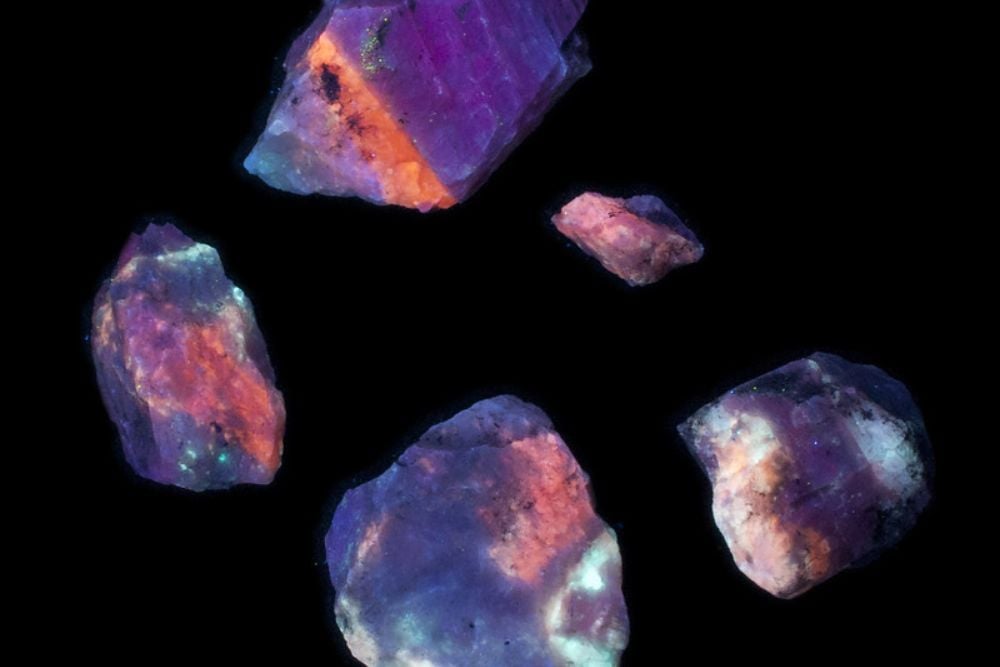
Hackmanite is a variety of sodalite that exhibits both fluorescence and tenebrescence, meaning it changes color when exposed to different types of light. Under UV light, it glows bright orange or pink, but it also has the unusual property of darkening when exposed to UV and then fading back to its original color under visible light.
This double light show makes hackmanite one of the most fascinating fluorescent minerals for collectors and scientists alike.
Autunite
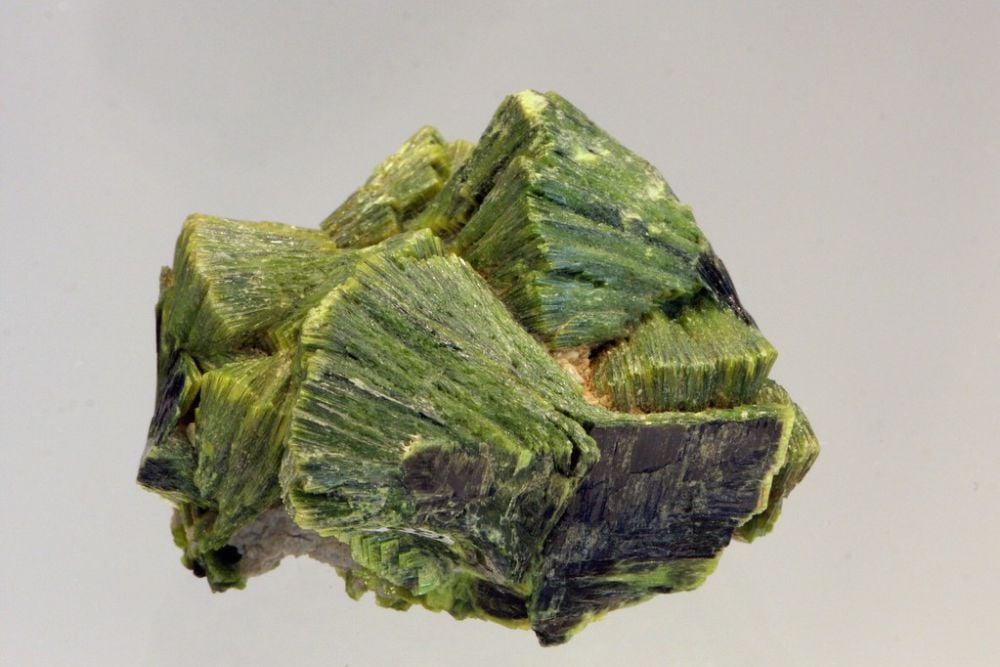
Autunite is a uranium phosphate mineral that produces a brilliant yellow-green fluorescence under UV light. The fluorescence comes from the uranium content, which makes this mineral both beautiful and slightly radioactive.
Autunite specimens should be stored carefully and handled minimally, but their incredible glow makes them prized additions to fluorescent mineral collections when proper safety precautions are followed.
Adamite
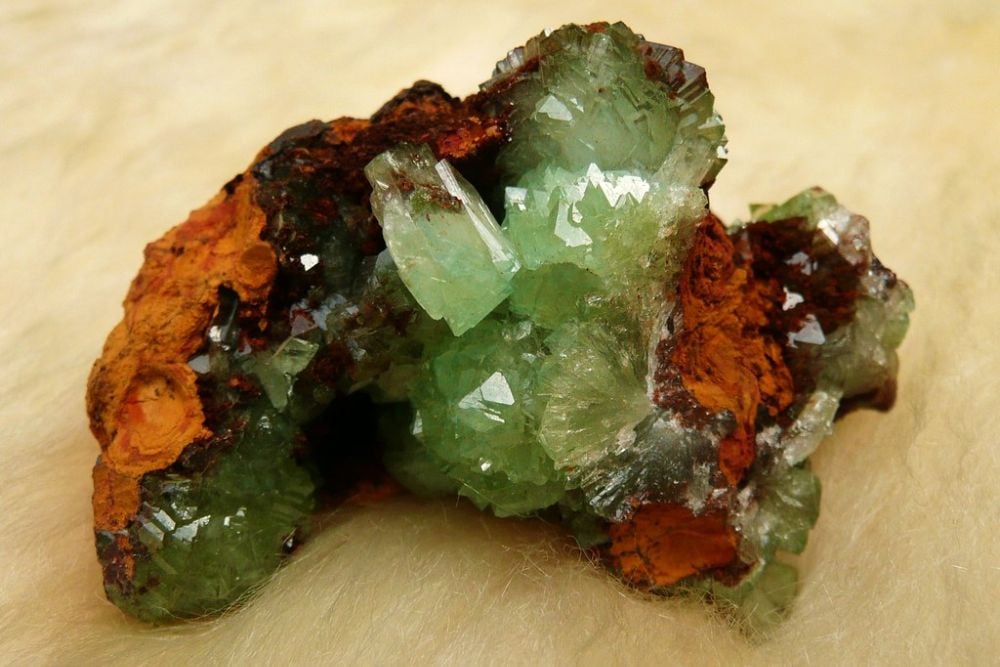
Adamite typically glows bright yellow-green or lime green under UV light, creating one of the most vivid fluorescent displays in the mineral world. This zinc arsenate mineral often forms beautiful crystal clusters that become even more spectacular under blacklight illumination.
The fluorescence in adamite is usually very strong and uniform across the entire specimen, making it a favorite for UV mineral photography.
Petroleum Quartz
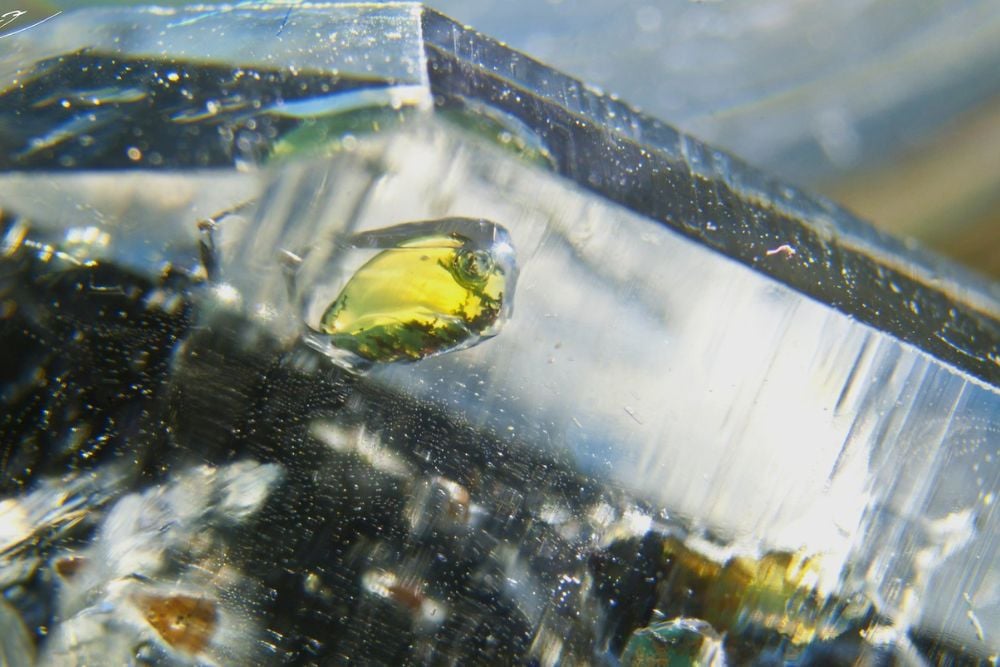
Some quartz specimens contain tiny inclusions of petroleum or other organic compounds that create fluorescence when exposed to UV light. These specimens glow in various colors including blue, green, or yellow, depending on the specific organic materials trapped inside.
Petroleum quartz demonstrates how fluorescence can result not just from mineral chemistry but also from organic inclusions that got trapped during crystal formation millions of years ago.
Nature’s Hidden Light Show
These glowing minerals remind us that there’s often more to the natural world than meets the eye under ordinary lighting conditions. The same rocks you might walk past on a hiking trail could be harboring incredible fluorescent displays just waiting for the right wavelength of light to reveal them.
Modern UV technology has made it easier than ever to explore this hidden aspect of geology, turning mineral collecting into a truly illuminating hobby. Whether you’re a serious collector or just curious about the world around you, a simple UV flashlight can unlock a whole new dimension of natural beauty that’s been hidden in plain sight for millions of years
More from Go2Tutors!

- The Romanov Crown Jewels and Their Tragic Fate
- 13 Historical Mysteries That Science Still Can’t Solve
- Famous Hoaxes That Fooled the World for Years
- 15 Child Stars with Tragic Adult Lives
- 16 Famous Jewelry Pieces in History
Like Go2Tutors’s content? Follow us on MSN.



